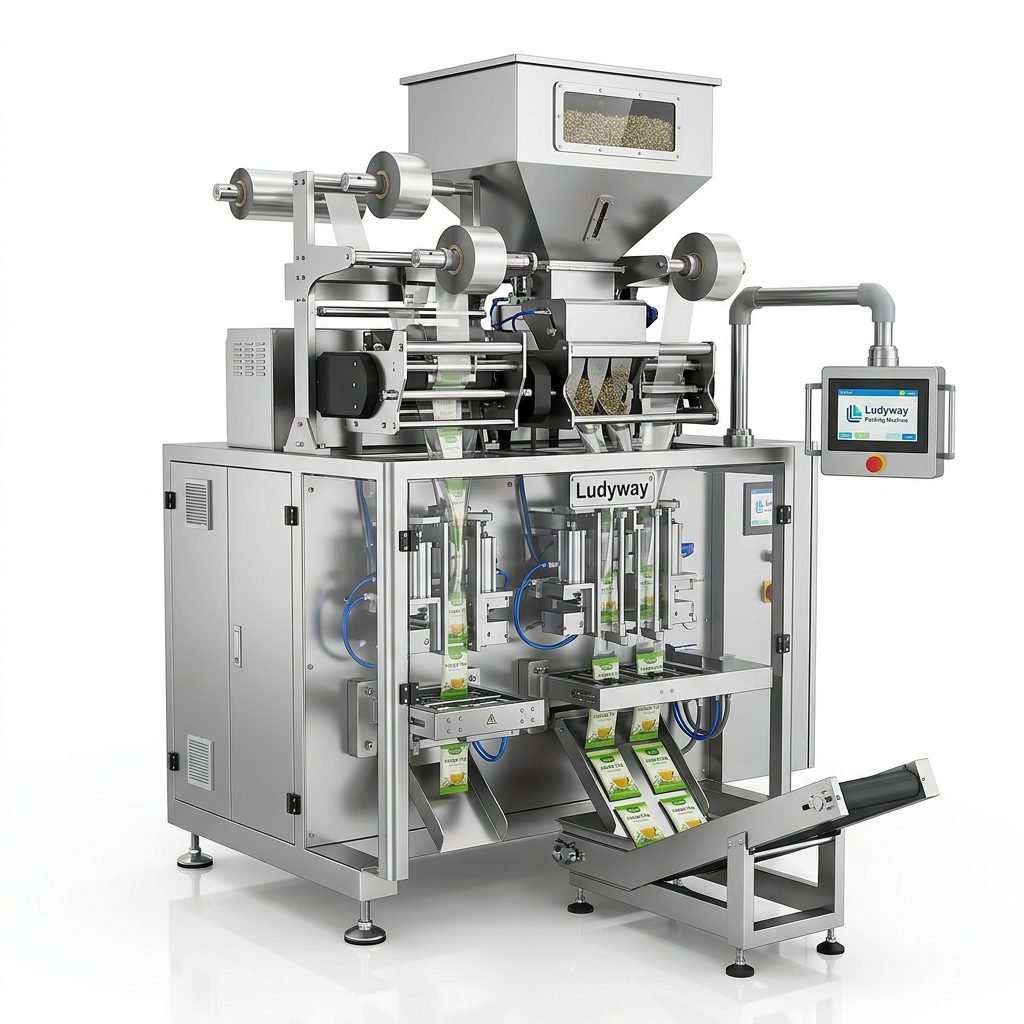
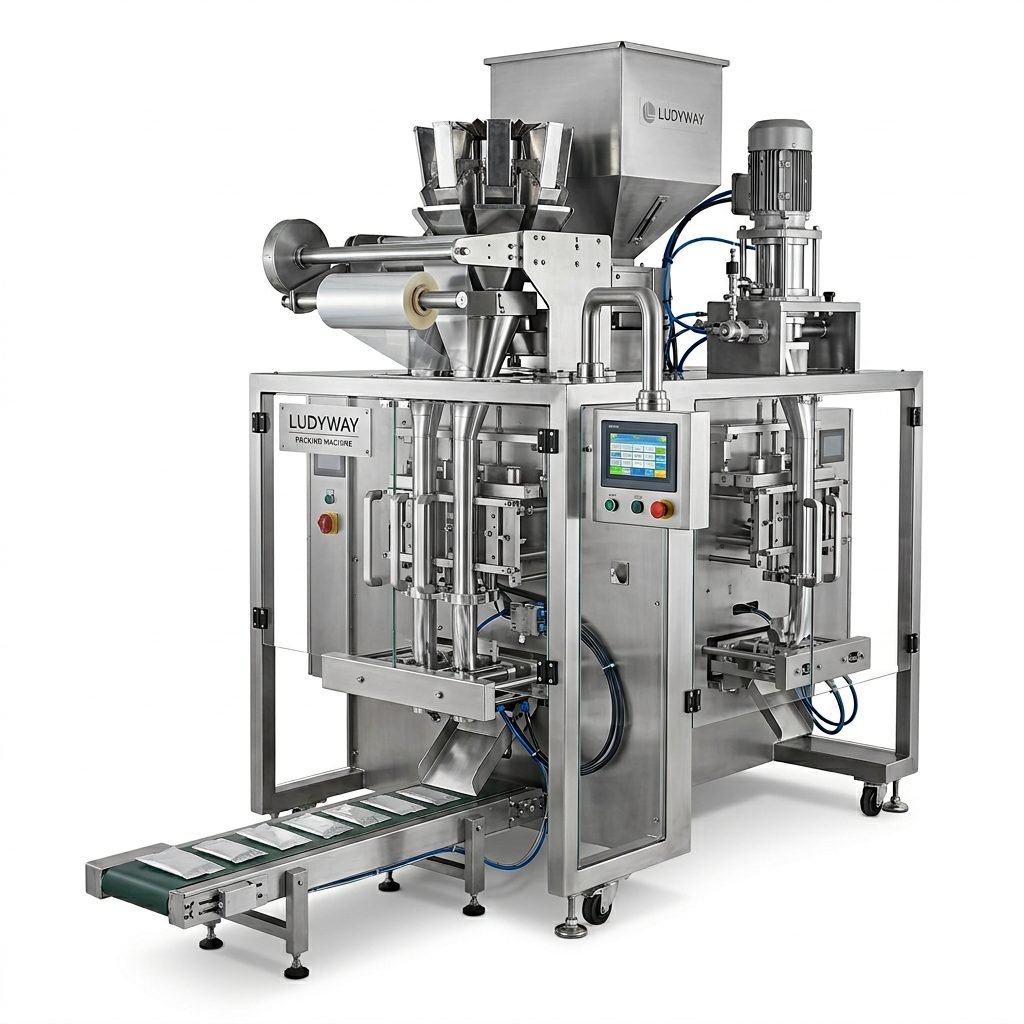
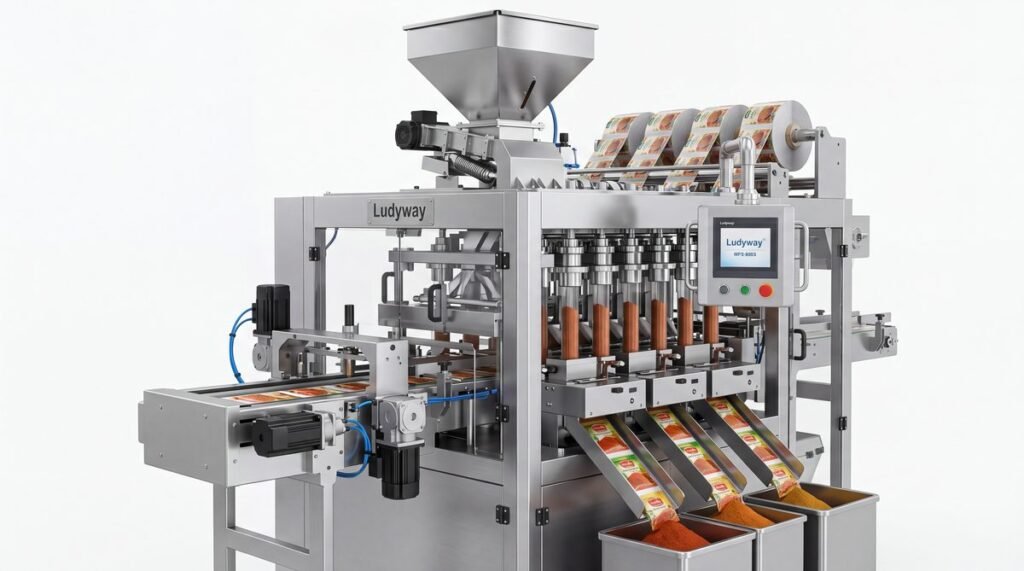
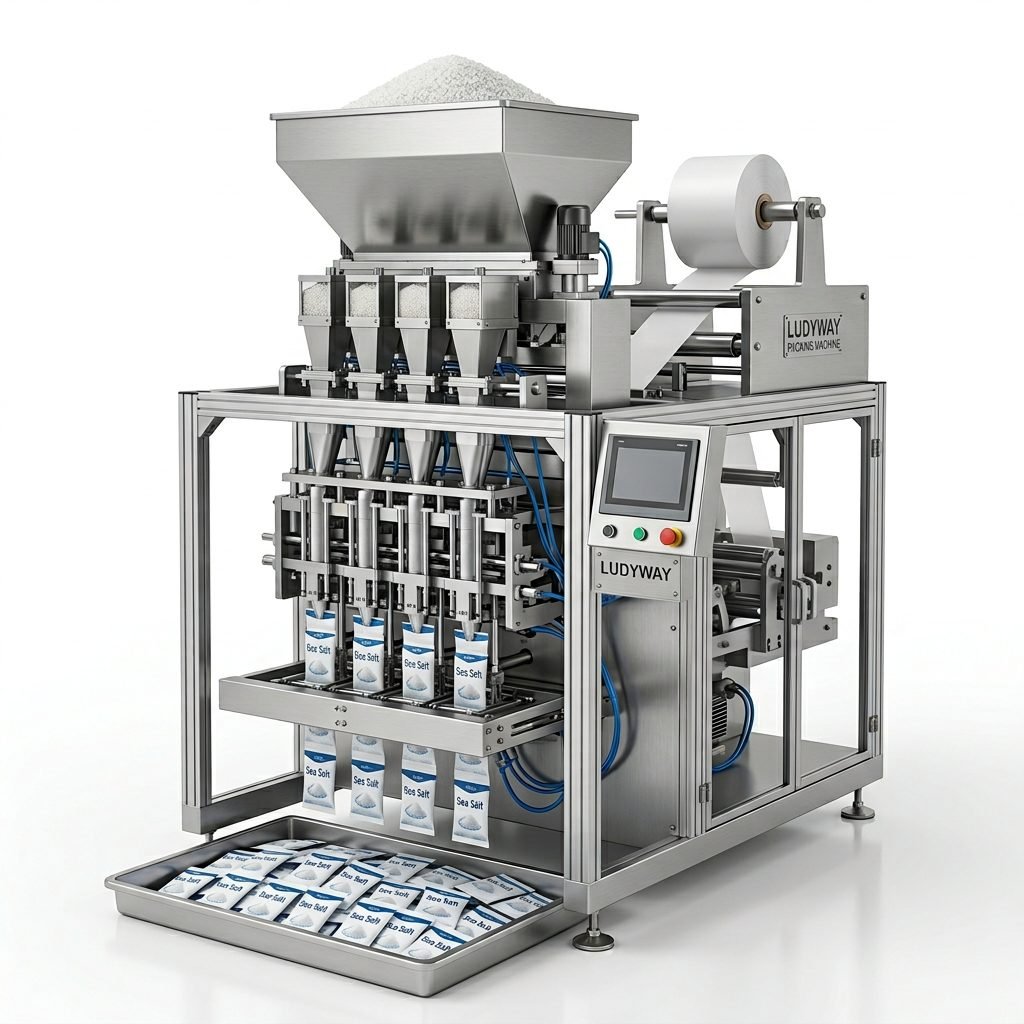
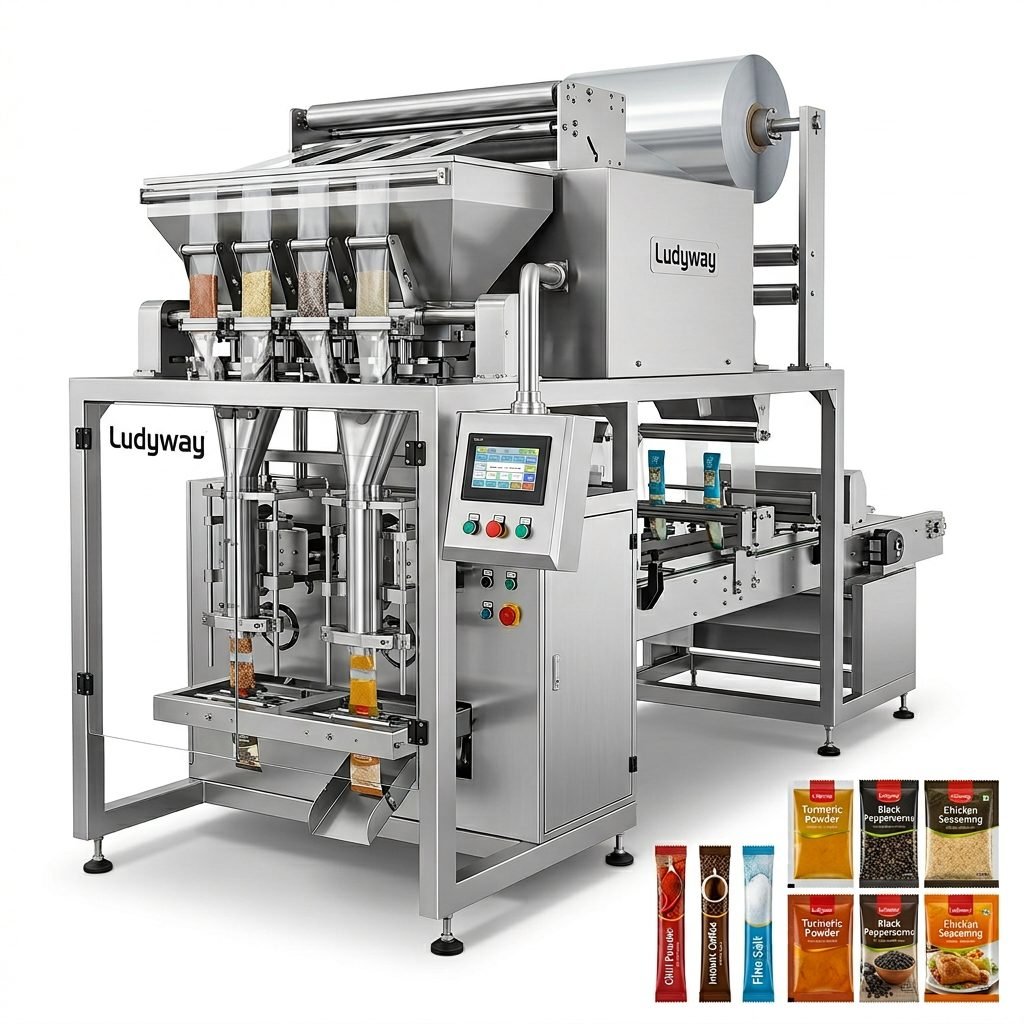
Investing in a tea khana packing machine is a significant decision for any tea producer looking to scale operations. Whether you are packaging premium loose-leaf tea, herbal blends, or instant tea powder, the cost of equipment can vary dramatically based on capacity, automation level, and packaging format. Understanding the complete cost structure before making a purchase is essential for budgeting and ROI planning. This guide breaks down everything you need to know about tea packing machine pricing, from entry-level units to fully automated multi-lane systems.
Key Factors That Influence Tea Khana Packing Machine Price
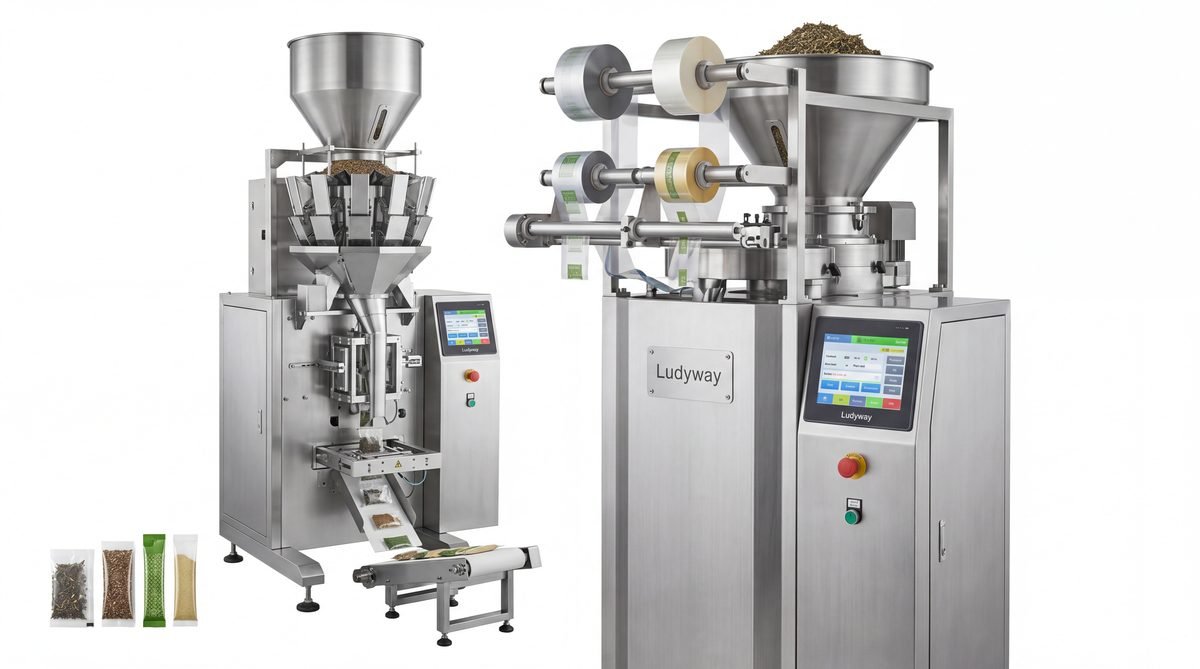
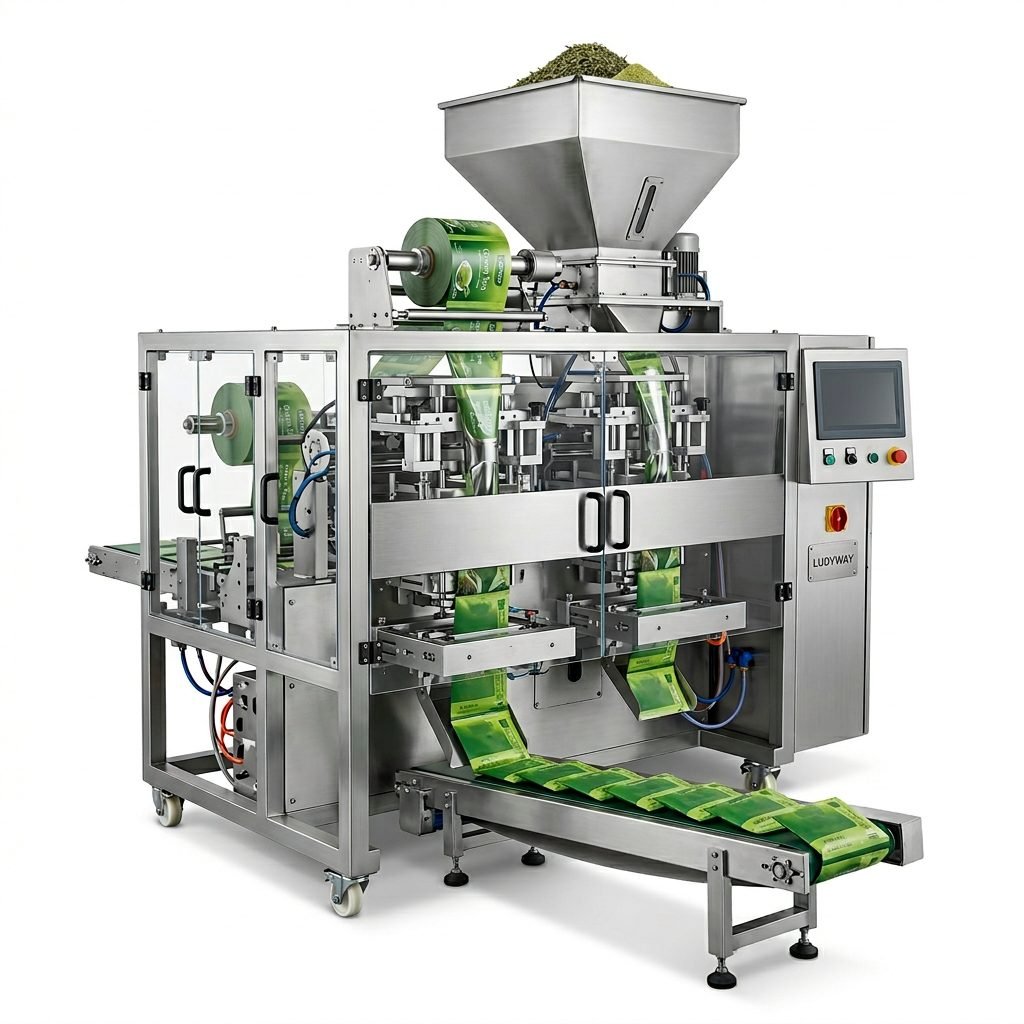
Several critical variables determine the final price of a tea packing machine. The most significant factor is the level of automation. Manual and semi-automatic machines are considerably more affordable than fully automatic systems with integrated weighing, filling, sealing, and cartoning capabilities. Production capacity, measured in pouches or sachets per minute, directly correlates with cost—high-speed multi-lane machines naturally command premium prices. The packaging format also matters: stick packs, sachets, pillow pouches, and tea bags each require different machine configurations and tooling.
Additional cost drivers include the construction material (food-grade stainless steel vs. standard steel), brand reputation and after-sales support, optional features like nitrogen flushing or gas injection for extended shelf life, and compliance with international standards such as CE or FDA regulations. For industry benchmarks on equipment standards, refer to resources from PMMI packaging industry resources.
Automation Level and Throughput Requirements
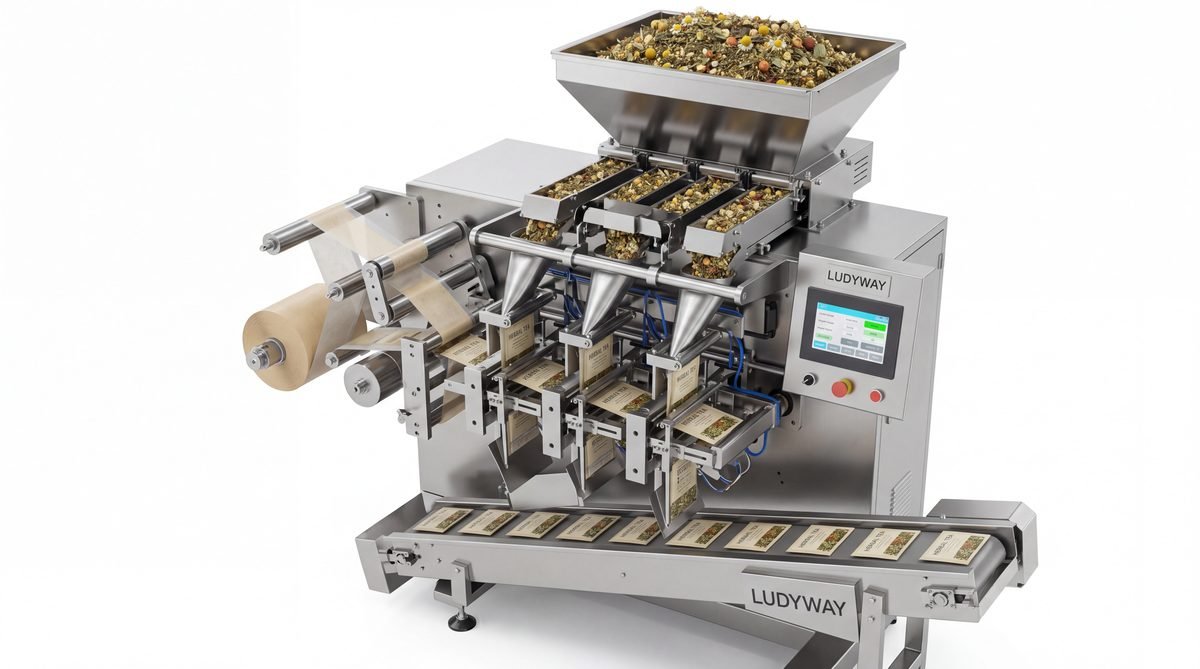
The speed you need directly impacts the investment. A small-scale operation might only require 30-50 packs per minute, while a large manufacturer could need 200+ packs per minute across multiple lanes. Higher throughput machines incorporate advanced servo-driven systems, multi-head weighers, and automated reject stations, all of which increase the purchase price. When evaluating options, consider your projected growth over the next 3-5 years to avoid outgrowing your equipment too quickly.
Tea Khana Packing Machine Price Ranges by Machine Type
The table below summarizes typical price ranges for different categories of tea packing equipment. Actual prices vary based on configuration, optional modules, and supplier location.
| Machine Type | Capacity Range | Estimated Price (USD) | Best For |
|---|---|---|---|
| Manual Tea Packing Machine | 10-20 packs/min | $2,000 – $8,000 | Small tea shops, startups |
| Semi-Automatic Sachet Machine | 30-60 packs/min | $8,000 – $25,000 | Medium tea producers |
| Single-Lane Automatic Stick Pack | 50-100 packs/min | $20,000 – $50,000 | Growing tea brands |
| Multi-Lane Stick Pack Machine (4-10 lanes) | 200-800 packs/min | $50,000 – $150,000 | Large-scale tea manufacturers |
| Fully Automated Turnkey Line | 300-1000+ packs/min | $120,000 – $350,000+ | Industrial tea production |
These estimates reflect base configurations. Adding accessories such as automatic cartoning machines, checkweighers, metal detectors, or nitrogen flushing systems can increase the total investment by 20% to 50%.
Understanding Machine Configurations and Their Costs
Beyond the base machine, the specific configuration choices significantly influence the final tea khana packing machine price. Below are the primary configuration elements to evaluate:
Weighing and Filling Systems
Accurate dosing is critical for tea products. Options include volumetric cup fillers (most economical), auger fillers for fine powders, multi-head combination weighers (highest accuracy and speed), and linear weighers. Multi-head weighers typically add $8,000-$25,000 to the machine cost but deliver superior precision and reduce product giveaway.
Packaging Material and Seal Type
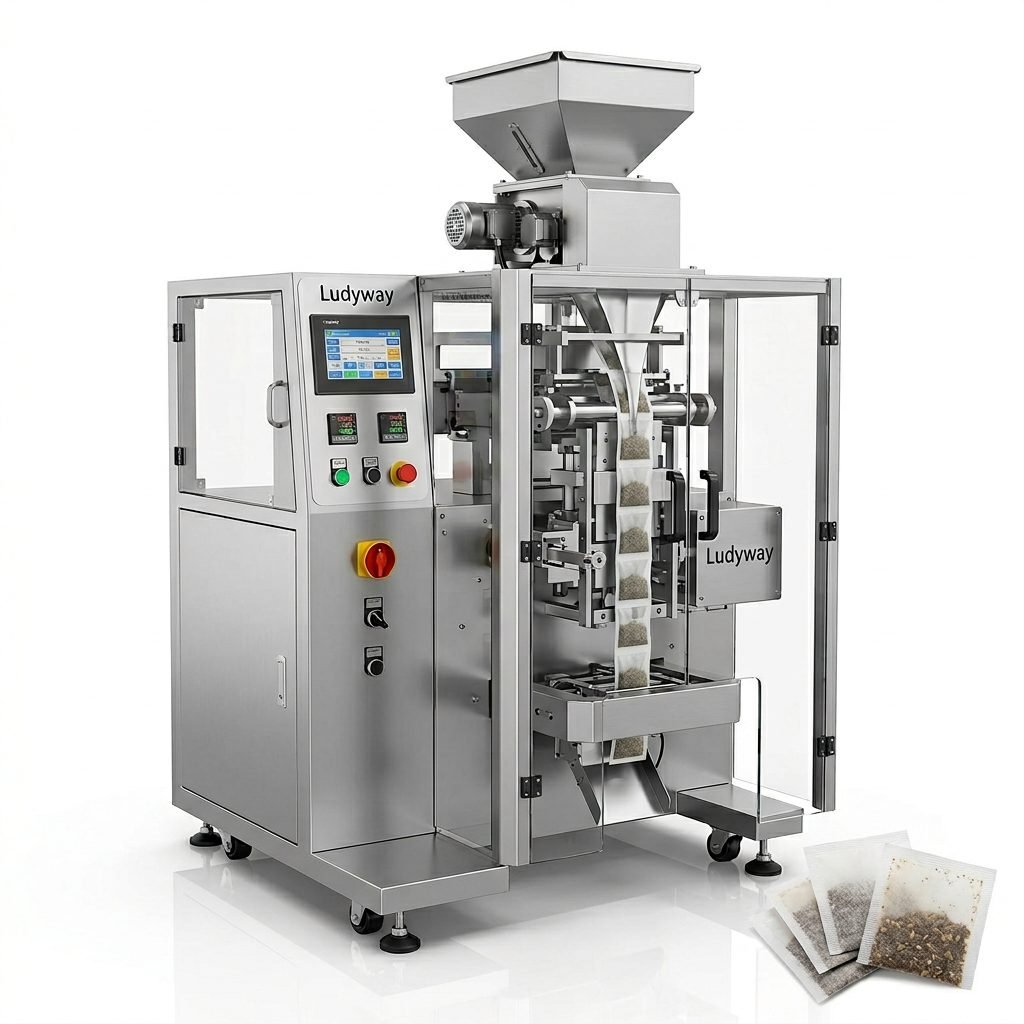
Tea packaging requires excellent barrier properties to preserve aroma and freshness. Machines configured for aluminum-laminated films or specialized tea bag filter paper may require different sealing mechanisms. Three-side seal, four-side seal, and gusseted pouch configurations each involve distinct forming and sealing components, affecting the overall machine price.
Additional Costs Beyond the Machine Purchase
When budgeting for a tea packing machine, consider these supplementary expenses:
- Shipping and freight — international shipping for heavy machinery can range from $2,000 to $15,000 depending on distance and machine size
- Installation and commissioning — technician travel and on-site setup may cost $1,500-$5,000
- Training for operators — comprehensive training programs ensure optimal machine utilization
- Spare parts inventory — maintaining critical spare parts minimizes downtime
- Annual maintenance contracts — regular servicing extends machine lifespan
- Facility modifications — electrical upgrades, compressed air systems, and dust collection may be needed
For additional guidance on packaging machinery standards and regulatory compliance, the Flexible Packaging Association knowledge hub offers valuable industry data.
How to Get the Best Value for Your Investment
Securing a competitive tea packing machine price requires strategic sourcing. Here are practical recommendations:
- Request detailed quotations from multiple manufacturers with identical specifications for fair comparison
- Visit factory facilities or request virtual factory tours to assess manufacturing quality
- Evaluate total cost of ownership, not just the upfront purchase price—consider energy efficiency, spare parts availability, and service responsiveness
- Check references and case studies from existing customers in the tea industry
- Consider phased investment — start with core equipment and add automation modules as production scales
New vs. Used Tea Packing Machines: Cost Comparison
Purchasing a used machine can reduce initial capital outlay by 30% to 60%, but comes with trade-offs. Used equipment may lack warranty coverage, have unknown wear patterns, and might not support the latest packaging film technologies. For critical production environments where downtime is costly, new equipment with manufacturer warranties and certified commissioning is often the more prudent choice. Refurbished units from reputable suppliers can offer a middle-ground solution if thorough inspection reports are provided.
Warranty and After-Sales Support
A comprehensive warranty—typically 12 to 24 months—adds significant value to any tea khana packing machine purchase. Beyond the warranty period, responsive technical support and readily available spare parts are essential for maintaining production continuity. When comparing suppliers, factor in the availability of remote troubleshooting, on-site service visits, and the proximity of spare parts distribution centers.
Why Manufacturers Are Investing in Automated Tea Packing Solutions
The global tea packaging market continues to expand, driven by rising demand for convenient single-serve formats, premium tea experiences, and functional herbal blends. Automated packing solutions help producers achieve consistent portion control, reduce labor dependency, and maintain hygienic packaging standards. With labor costs rising in traditional manufacturing regions, the ROI for automated tea packing equipment has become increasingly attractive, often achieving payback within 18 to 36 months for medium to high-volume operations.
As one of the largest packaging machine manufacturers with over 30 years of industry experience, Ludyway offers more than 50 intelligent packaging machine models serving customers in over 100 countries. From entry-level sachet machines to fully automated multi-lane turnkey lines, Ludyway provides reliable, cost-effective solutions for granule, powder, and liquid tea packaging applications backed by a modern 20,000㎡ manufacturing facility.
For further reading on industry trends and packaging machinery market data, visit the PMMI business intelligence library for comprehensive reports and economic forecasts shaping the packaging machinery sector.