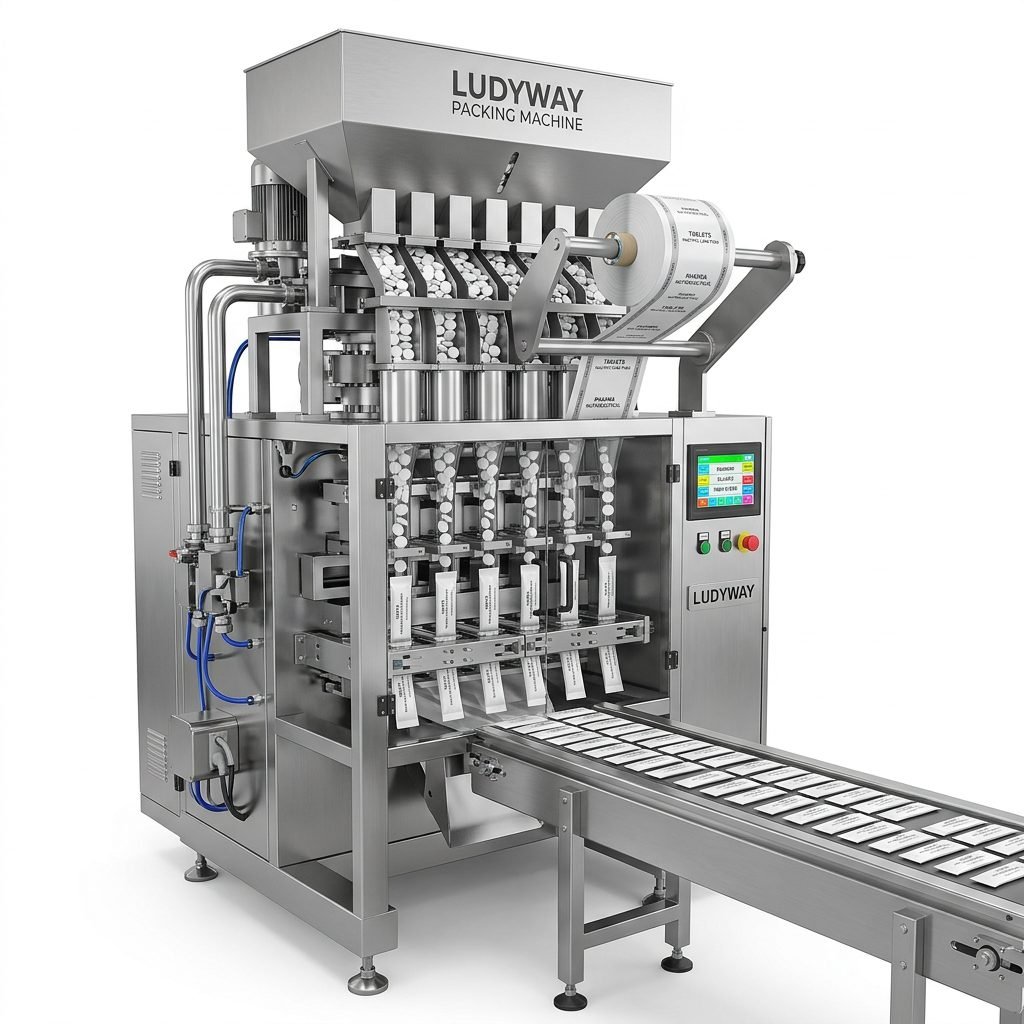
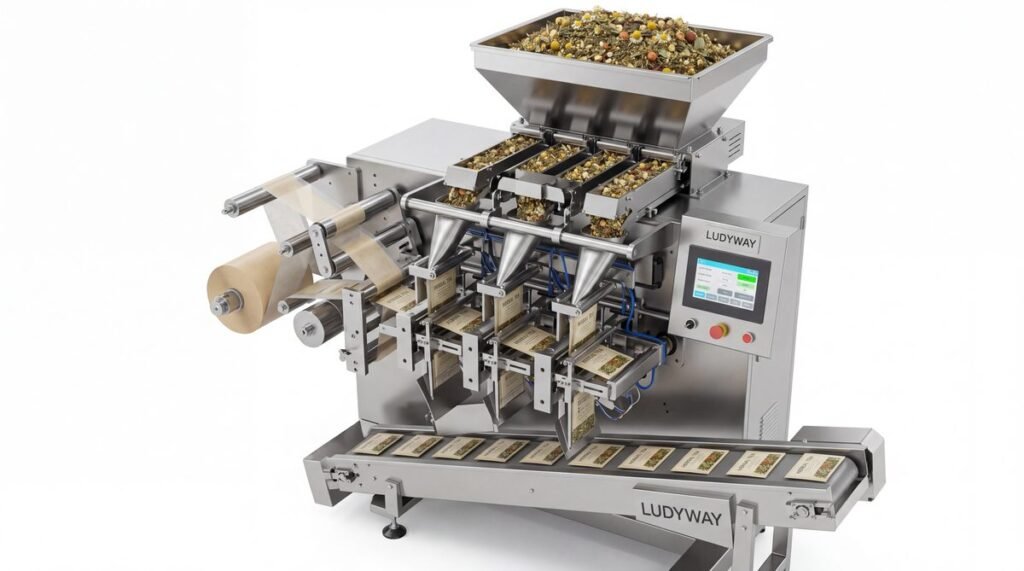
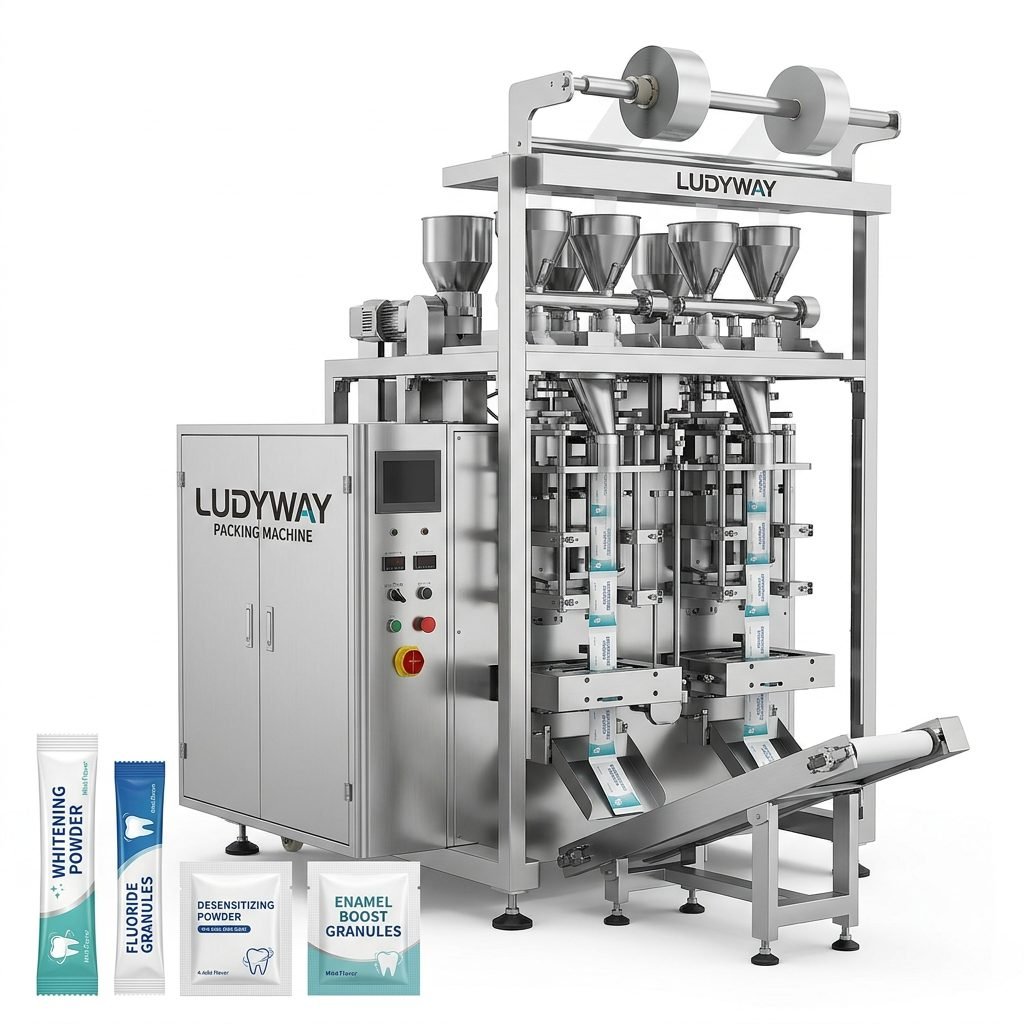
Pharmaceutical blister packaging machines are critical assets in drug manufacturing facilities. Their precision directly impacts product integrity, patient safety, and regulatory compliance. Without a structured maintenance program, even the most advanced blister packaging equipment can experience downtime, seal failures, or contamination risks. This guide outlines actionable steps to keep your machinery operating at peak performance while meeting FDA packaging standards.
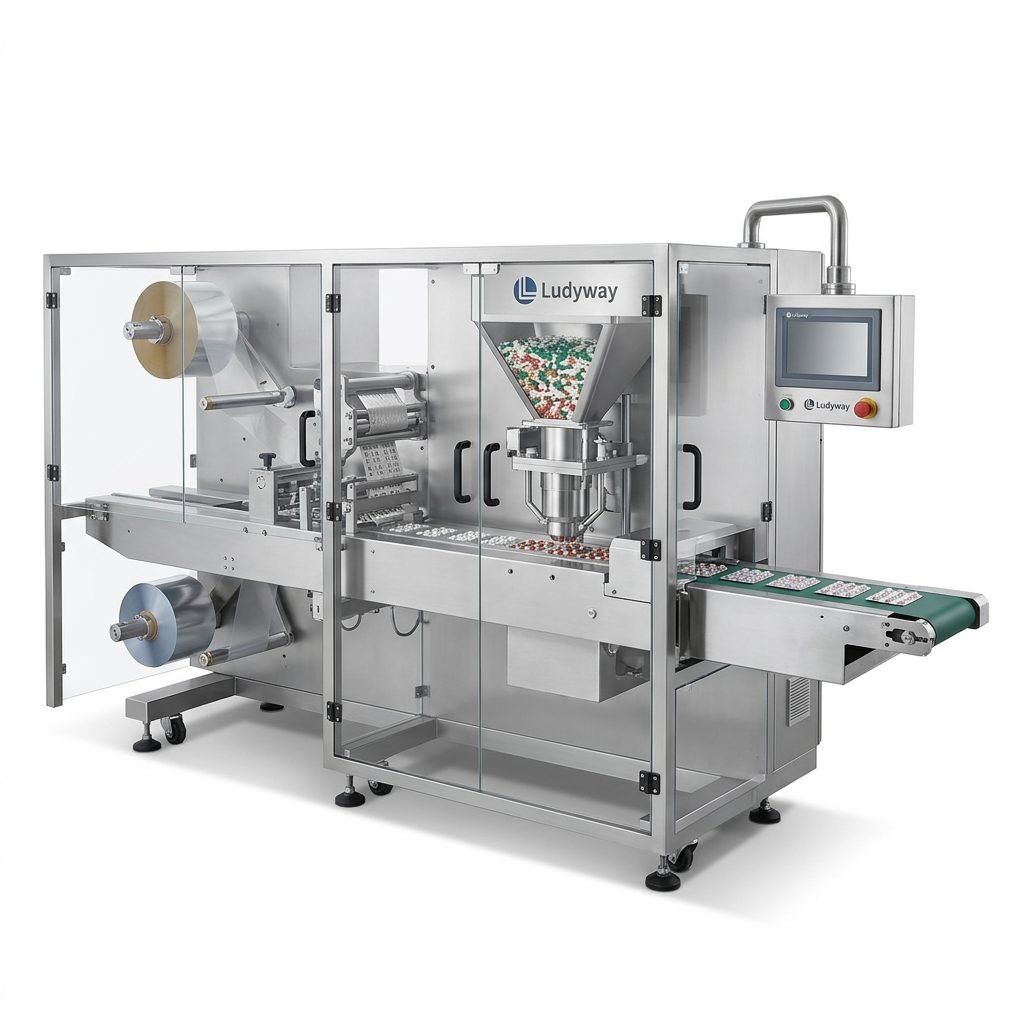
Understanding Your Blister Packaging System
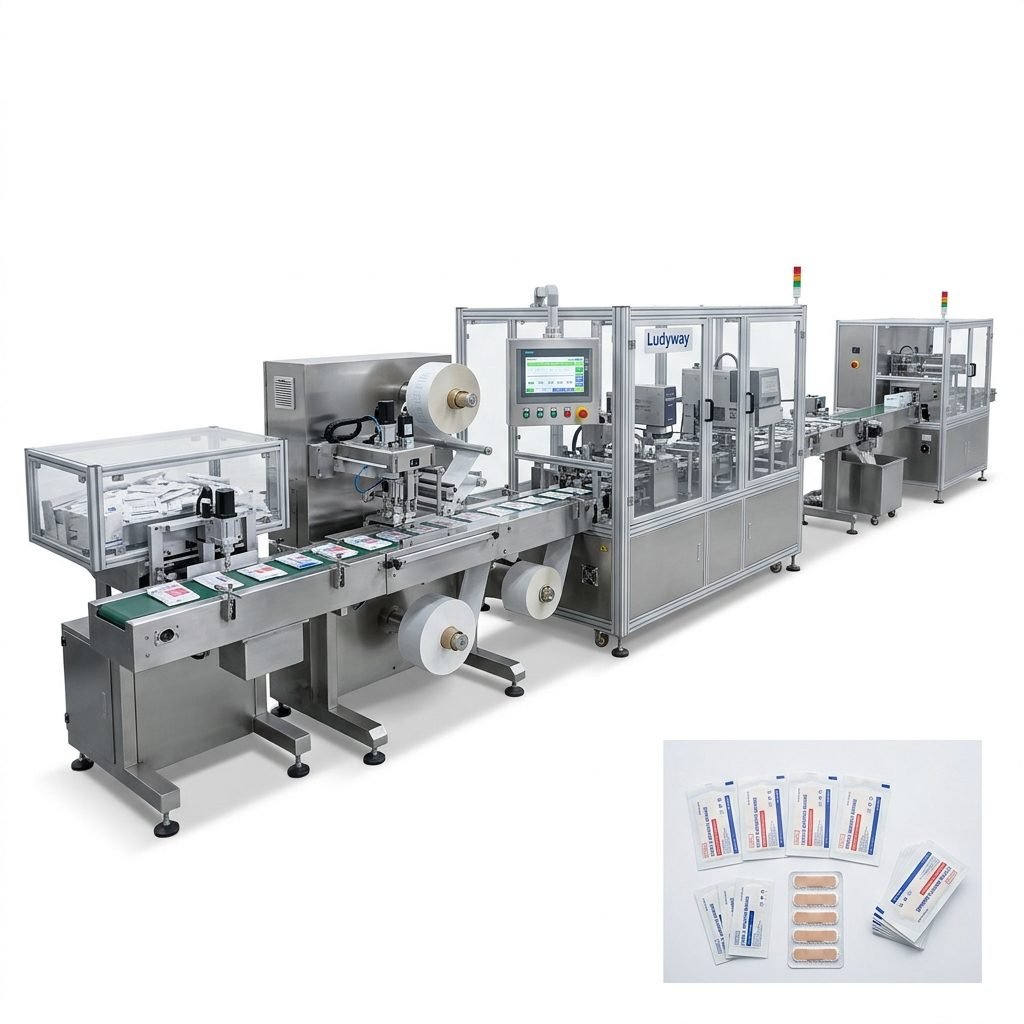
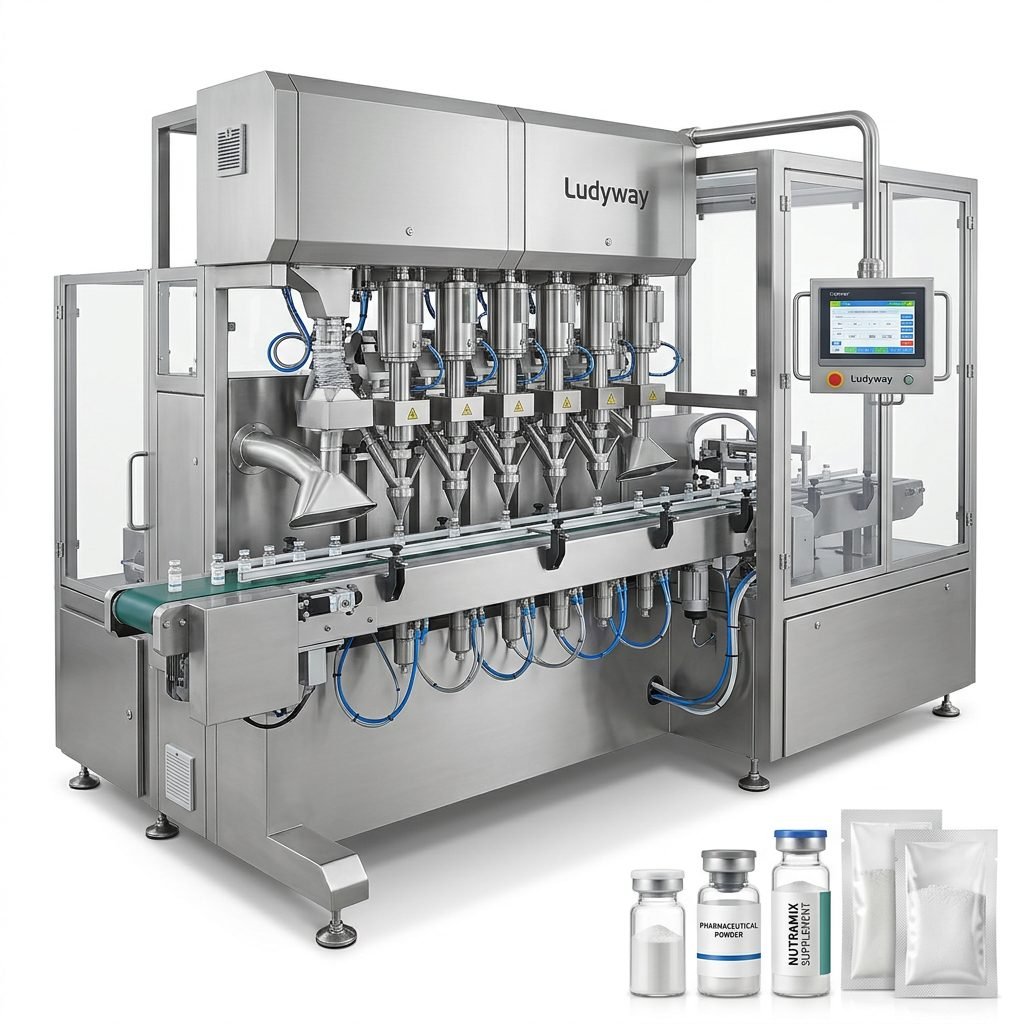
A typical blister packaging line consists of several interdependent modules: the forming station, feeding system, sealing unit, perforation and cutting mechanisms, and the ejection conveyor. Each component wears differently depending on production volume, material type, and environmental conditions. Recognizing how these parts work together is the first step toward effective preventive maintenance.
Pharmaceutical manufacturers must also consider the stringent requirements set by ISO 11607 for terminally sterilized medical devices, which directly influence machine validation and maintenance protocols.
Key Components Requiring Regular Attention
- Forming dies and punches – Subject to mechanical wear and dimensional drift
- Heating plates and temperature controllers – Critical for consistent blister cavity formation
- Sealing rollers and pressure plates – Determine peel strength and hermetic seal integrity
- Feeding tracks and vibratory bowls – Ensure accurate tablet or capsule orientation
- Cutting blades and perforation pins – Affect final package dimensions and ease of opening
- Sensors and vision inspection systems – Verify cavity fill, seal quality, and print registration
Daily Maintenance Procedures
Daily checks are your first line of defense against unexpected failures. Operators should perform these tasks at the start of each shift and document findings in a maintenance log. Consistent daily routines build a data trail that helps predict component wear patterns over time.
Operator-Level Daily Checklist
| Task | Frequency | Tools Required |
|---|---|---|
| Clean forming area and remove residual film debris | Every shift start | Soft brush, lint-free cloth |
| Inspect sealing roller surfaces for contamination | Every shift start | Visual inspection, isopropyl alcohol |
| Verify temperature setpoints against actual readings | Every 4 hours | Calibrated thermometer |
| Check air pressure and vacuum levels | Every shift start | Pressure gauge |
| Run test cycles and inspect sample blisters | Every shift start | Visual inspection, peel tester |
Weekly and Bi-Weekly Maintenance Tasks
Weekly procedures go deeper than daily checks. They focus on mechanical adjustments, lubrication, and sensor calibration. Neglecting these tasks can lead to gradual performance decline that daily checks alone may not catch.
Mechanical and Electrical Inspection Points
- Lubricate all moving joints – Use food-grade or pharmaceutical-compatible lubricants only
- Inspect drive belts and chains – Check for tension, alignment, and surface cracking
- Clean and calibrate optical sensors – Dust accumulation can trigger false reject signals
- Tighten all accessible fasteners – Vibration loosens bolts over time, especially on high-speed lines
- Verify emergency stop functionality – Test each e-stop button and safety interlock
- Drain and inspect air filters and moisture traps – Contaminated compressed air causes valve malfunctions
Monthly Preventive Maintenance
Monthly maintenance is more comprehensive and often requires maintenance technicians rather than operators. These procedures involve partial disassembly, detailed inspection, and replacement of wear-prone components.
Critical Monthly Actions
- Replace worn forming dies if cavity dimensions show deviation beyond tolerance
- Calibrate heating elements with precision temperature mapping across the entire platen surface
- Inspect electrical connections for signs of overheating, corrosion, or loose terminals
- Clean and rebuild pneumatic cylinders if response time has slowed
- Run full validation test batches to confirm seal integrity, cavity fill accuracy, and batch coding
- Update firmware and software backups if the machine uses programmable logic controllers
Comprehensive Maintenance Schedule
The table below summarizes a structured maintenance schedule for pharmaceutical blister packaging machinery. Adhering to this framework helps facilities stay audit-ready and minimizes unplanned downtime.
| Interval | Focus Area | Responsible Party | Documentation Required |
|---|---|---|---|
| Daily | Cleaning, visual inspection, temperature and pressure verification | Machine operator | Shift logbook entry |
| Weekly | Lubrication, sensor cleaning, belt inspection, fastener tightening | Operator with maintenance support | Weekly checklist sign-off |
| Monthly | Die inspection, heating calibration, electrical checks, pneumatic service | Maintenance technician | Detailed service report |
| Quarterly | Full mechanical overhaul, seal integrity testing, vision system recalibration | Senior technician or engineer | Validation documentation |
| Annually | Complete disassembly, component replacement, full requalification | Engineering team or OEM specialist | GMP compliance records |
Common Issues and Troubleshooting Strategies
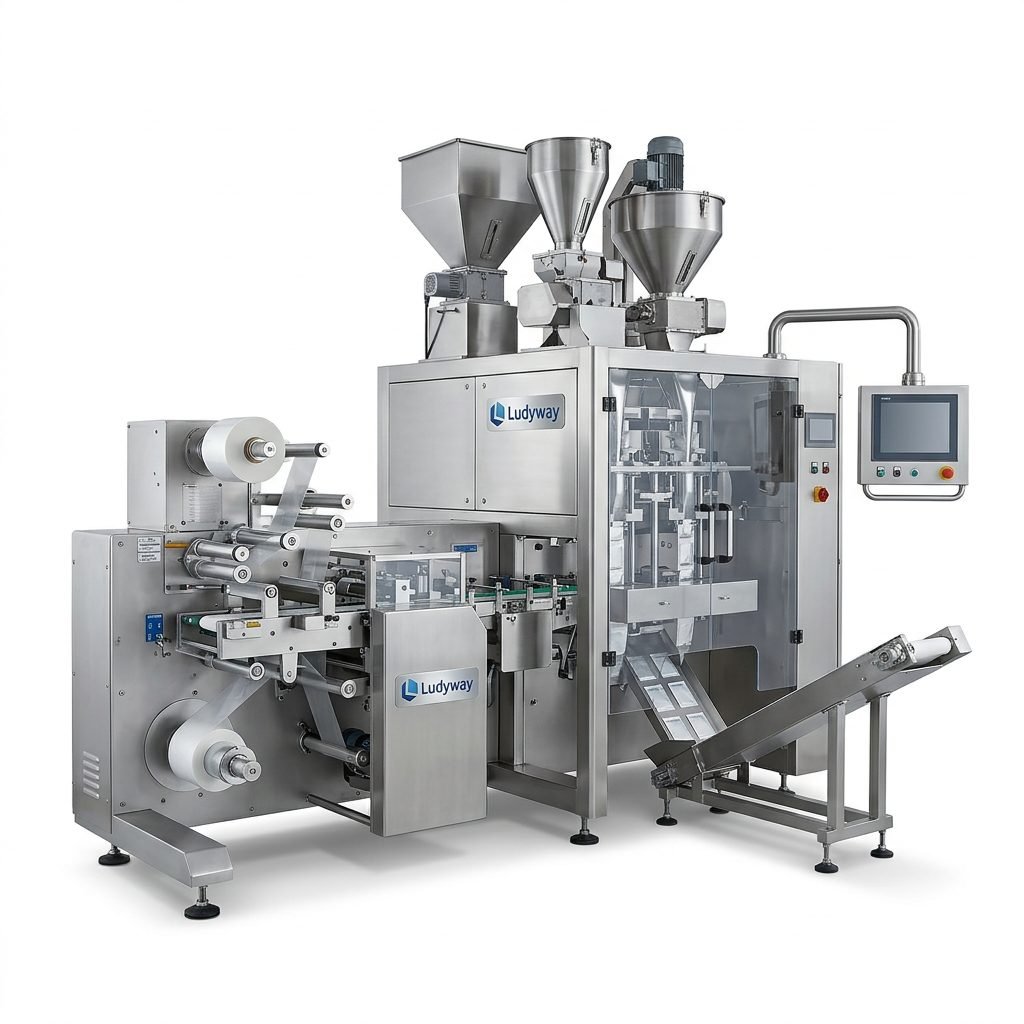
Even with rigorous maintenance, blister packaging machines can develop issues. Rapid diagnosis and correction are essential to maintain production throughput and product quality. Below are frequent problems and their root causes.
Blister Cavity Defects
- Incomplete cavity formation – Typically caused by insufficient heating temperature, worn forming dies, or incorrect film thickness settings
- Uneven or thin cavity walls – Check for uneven heating plate contact, vacuum leaks, or inconsistent film tension
- Cracks or pinholes – Often result from excessive forming pressure, degraded film material, or contaminated die surfaces
Sealing Failures
- Weak or inconsistent peel strength – Inspect sealing roller temperature uniformity, pressure settings, and dwell time calibration
- Channel leaks or incomplete seals – Look for debris on sealing surfaces, misaligned rollers, or worn silicone sleeves
- Excessive wrinkling near seal area – Usually indicates incorrect film tension or misalignment between forming and sealing stations
Feeding and Counting Errors
- Missed cavities or double feeds – Clean vibratory bowl tracks, adjust feed rate, and inspect sensor alignment
- Inconsistent tablet orientation – Check for worn guide rails, accumulation of dust, or improper bowl amplitude settings
Lubrication Best Practices for Cleanroom Environments
Pharmaceutical packaging often occurs in controlled environments where standard lubricants pose contamination risks. Always select USP-grade or H1 food-grade lubricants specifically approved for incidental product contact. Maintain a detailed lubrication map indicating each lubrication point, the specified lubricant type, and the recommended interval. Over-lubrication is as problematic as under-lubrication—excess grease attracts dust and can migrate onto packaging materials.
Spare Parts Management
An intelligent spare parts strategy prevents extended downtime. Keep critical wear components in stock, including forming dies, sealing rollers, cutting blades, drive belts, heating elements, sensors, and pneumatic seals. Maintain an up-to-date inventory list with part numbers, lead times, and supplier contact information. Review consumption patterns quarterly to adjust stock levels and avoid both shortages and excessive inventory carrying costs.
Industry resources such as the PMMI Business Intelligence Library provide valuable benchmarks for packaging machinery maintenance and operational efficiency.
Training and Operator Competency
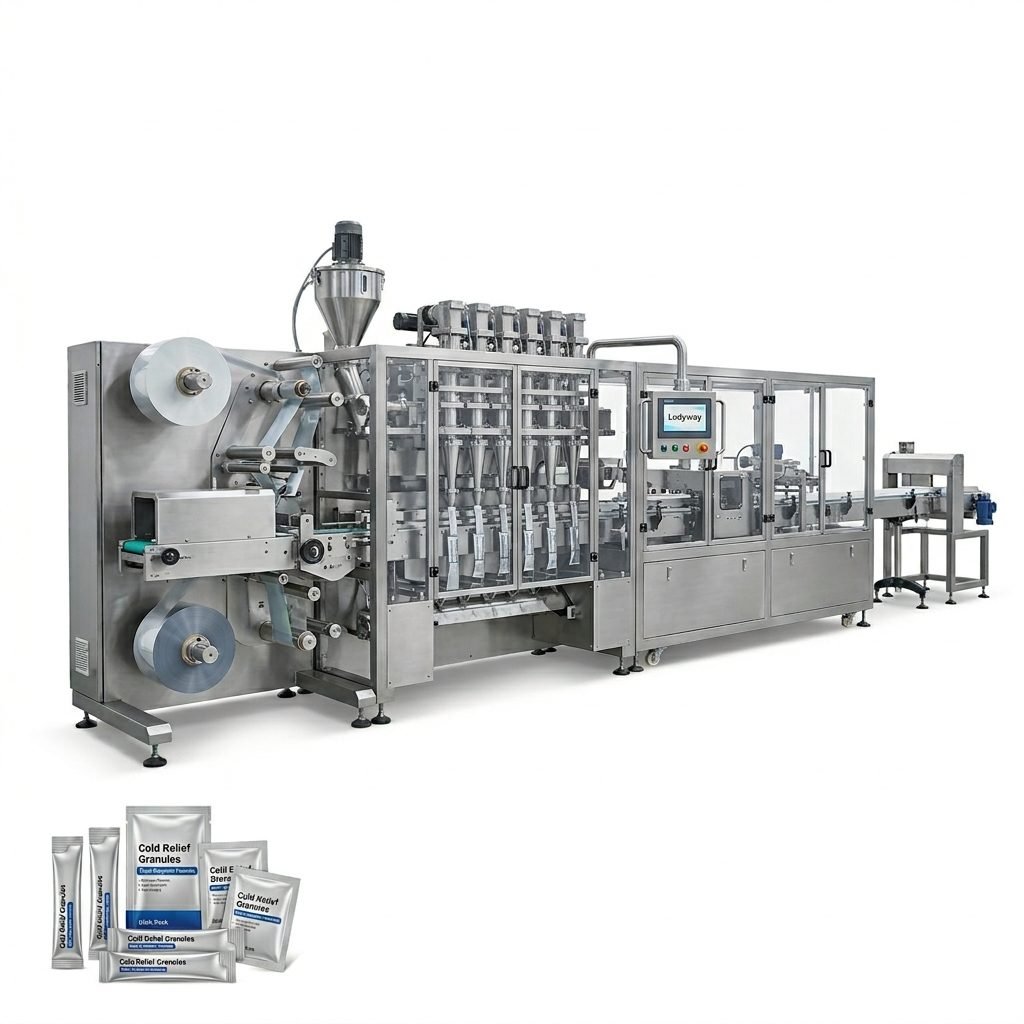
Well-trained operators are the cornerstone of reliable machine performance. Every team member interacting with blister packaging equipment should understand basic troubleshooting, recognize early warning signs of component wear, and follow standardized cleaning procedures. Conduct refresher training at least biannually and maintain training records for regulatory audits. Cross-training multiple operators on each machine reduces dependency on single individuals and ensures consistent maintenance quality across shifts.
Professional Service and Equipment Upgrades
When internal maintenance teams encounter complex issues or when production demands exceed current machine capabilities, engaging professional service providers becomes necessary. Annual service contracts with experienced equipment manufacturers can include on-site inspections, performance optimization, and access to genuine replacement parts. Companies like Ludyway, one of the largest packaging machine manufacturers with over 30 years of industry experience, offer comprehensive after-sales support and turnkey solutions that help pharmaceutical manufacturers maintain reliable, high-speed blister packaging operations. For further guidance on packaging machinery standards, refer to the PMMI Association for Packaging and Processing Technologies.
Documentation and Regulatory Readiness
Regulatory bodies expect thorough documentation of all maintenance activities. Maintain organized records including daily checklists, service reports, calibration certificates, spare parts replacement logs, and training records. Digital maintenance management systems simplify record-keeping and enable trend analysis. During audits, well-organized documentation demonstrates a commitment to quality and can significantly streamline the inspection process. The FDA Food Packaging and Food Contact Substances guidelines provide additional regulatory context for pharmaceutical packaging operations.
Essential Documentation Checklist
- Machine maintenance logbooks with dated entries and technician signatures
- Calibration certificates for temperature controllers, pressure sensors, and inspection systems
- Spare parts inventory records with batch traceability
- Operator training records and competency assessments
- Validation and requalification reports after major maintenance events
- Corrective and preventive action records for any deviations
Key Takeaways for Long-Term Reliability
Consistent maintenance is an investment that pays for itself through reduced downtime, extended equipment lifespan, and consistent product quality. Pharmaceutical manufacturers who implement structured daily, weekly, monthly, and annual maintenance routines position themselves for regulatory success and operational excellence. Start with operator-level daily checks, build toward comprehensive preventive programs, and partner with experienced equipment providers when specialized expertise is needed.
For additional industry data and packaging machinery insights, explore the PMMI State of the Industry Report and the Flexible Packaging Association Industry Resources.