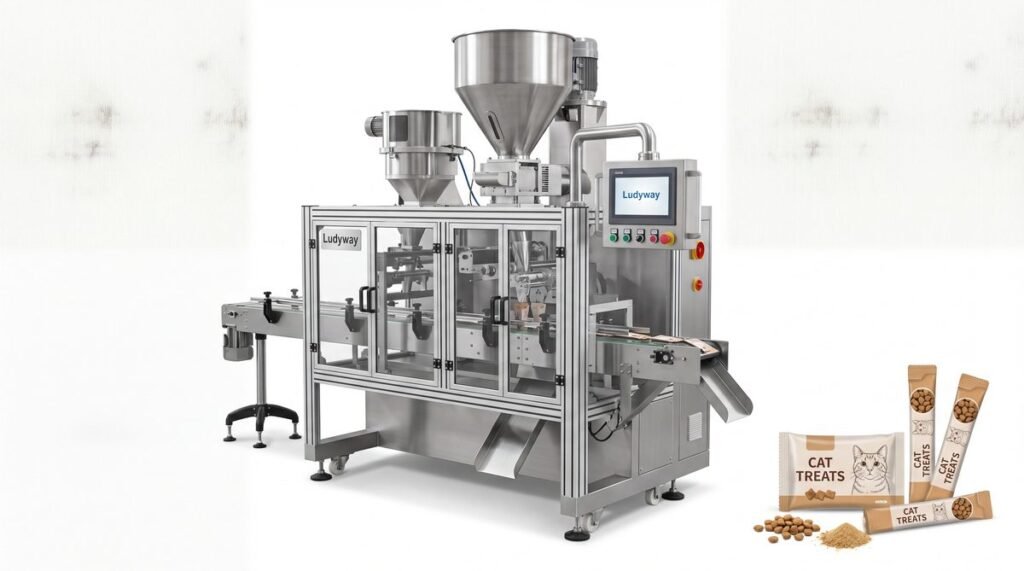
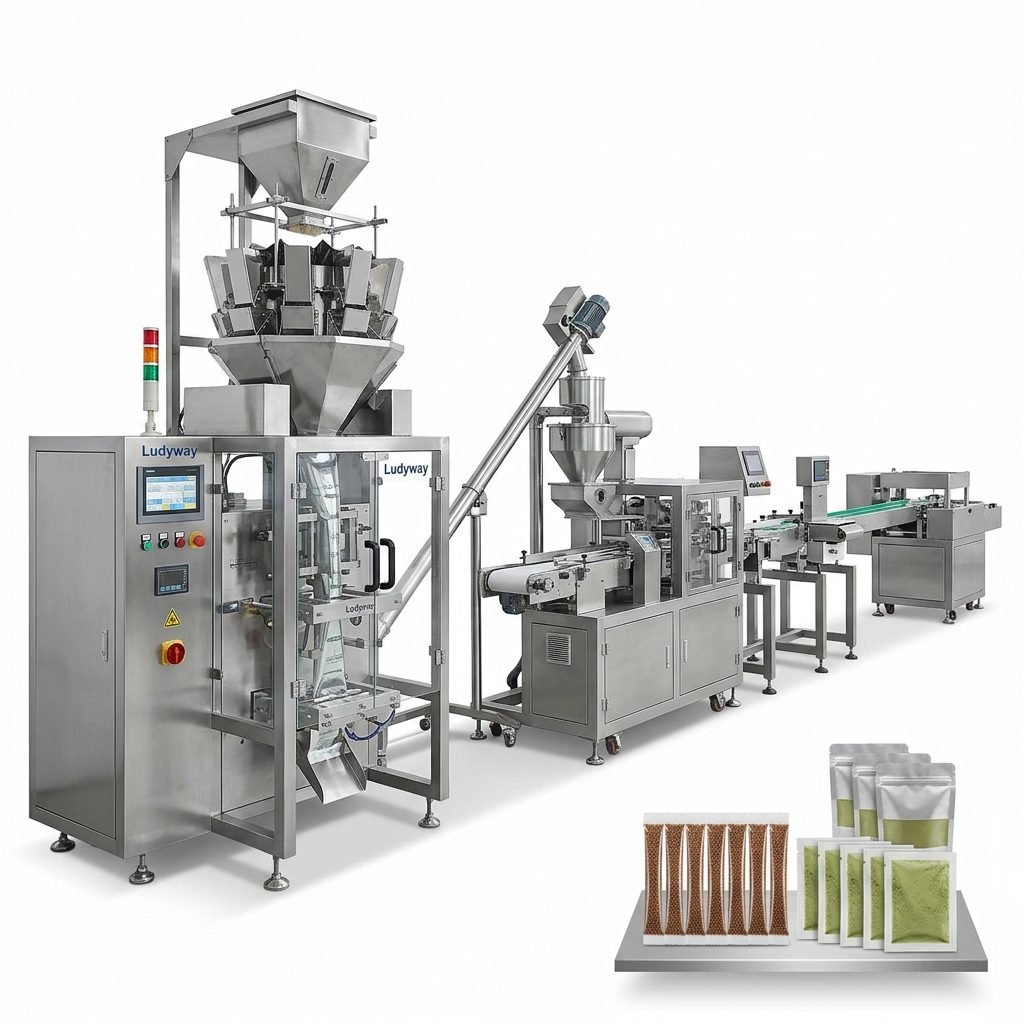
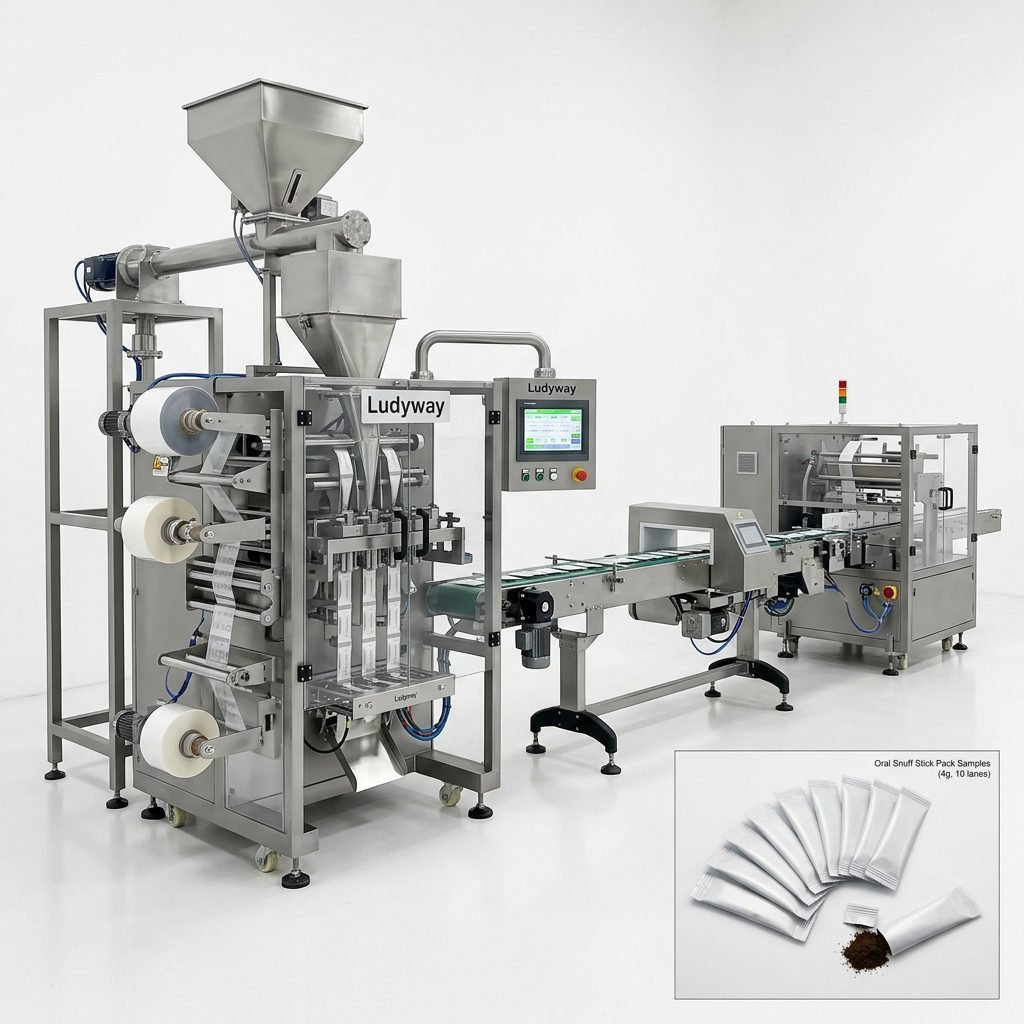
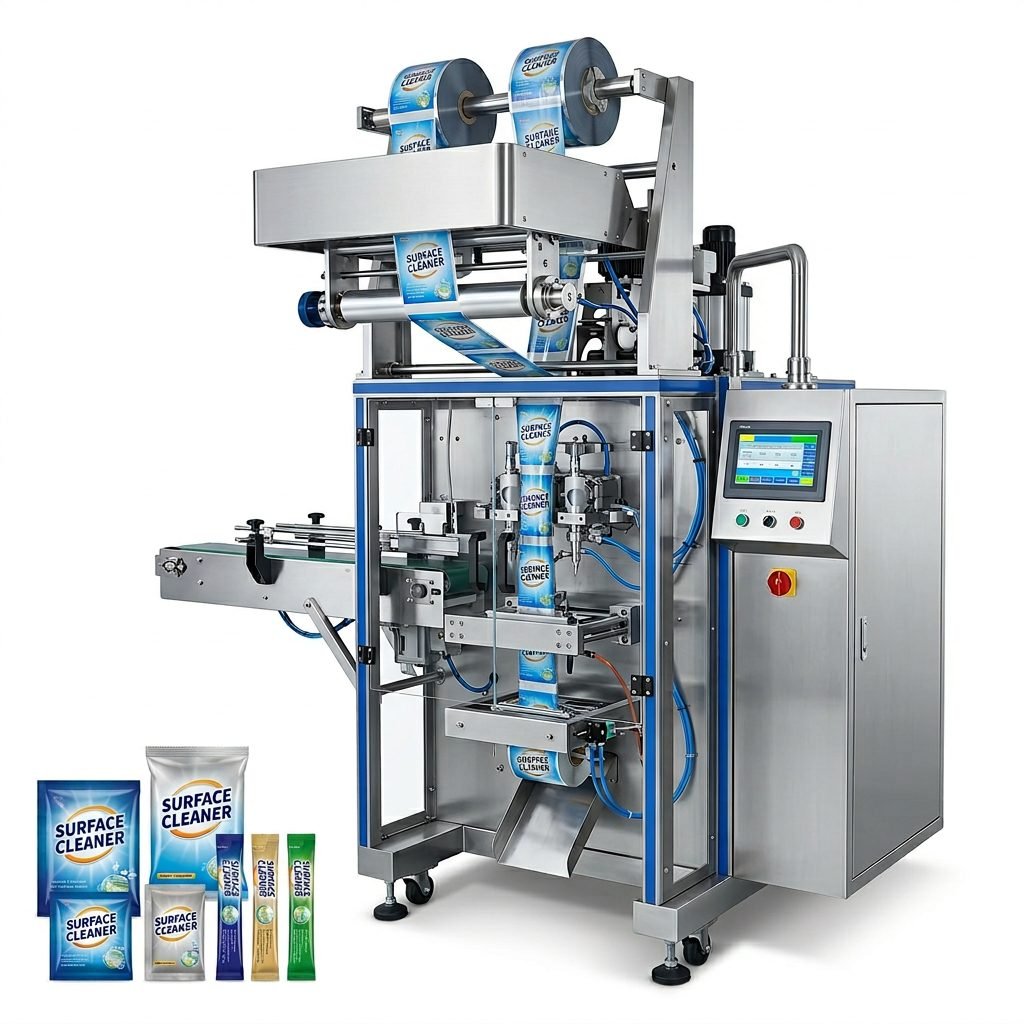
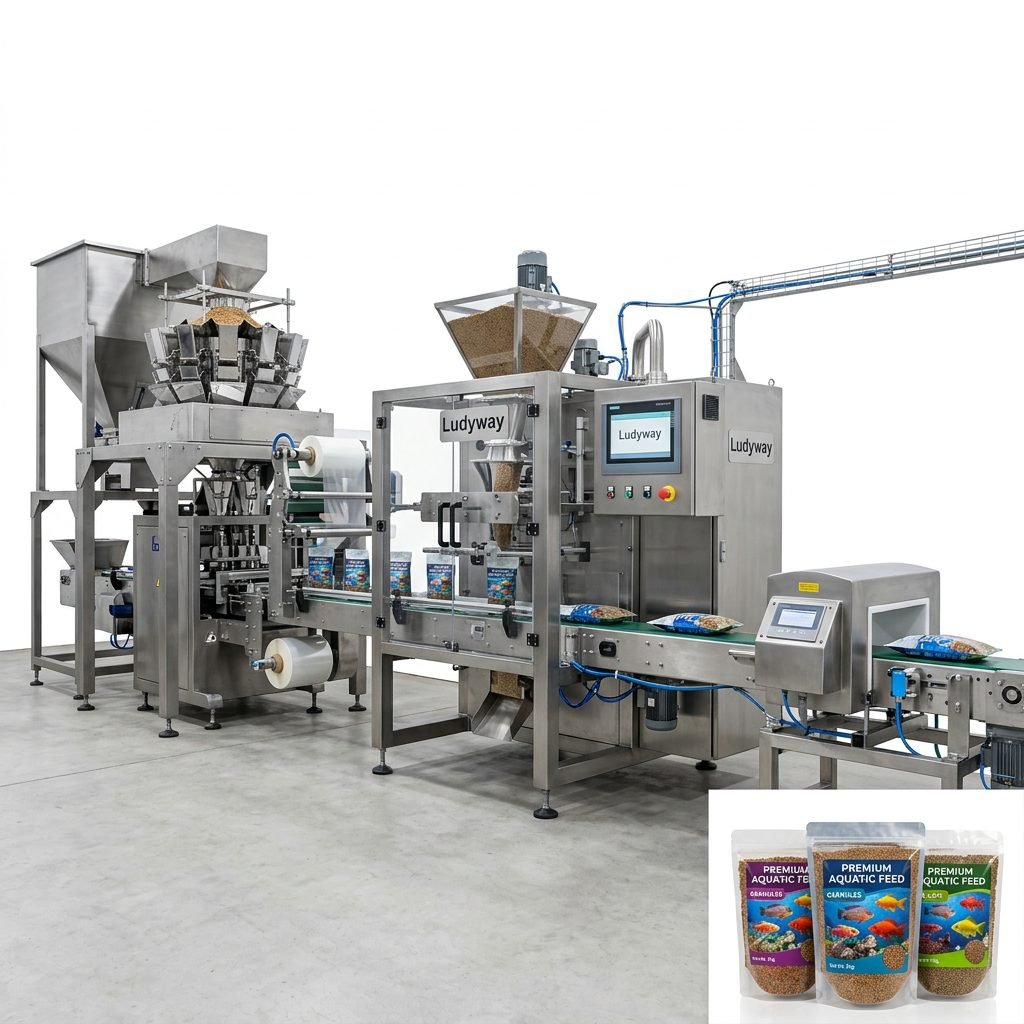
Investing in a small pouch tea packing machine is a significant decision for tea producers, co-packers, and startups entering the single-serve tea market. The cost of a small pouch tea packing machine varies widely depending on automation level, production speed, packaging format, and additional features. Understanding these cost factors helps businesses make informed purchasing decisions that align with their production goals and budget.
Key Factors That Influence Small Pouch Tea Packing Machine Cost
Before requesting quotes, it’s essential to understand what drives the price range of tea pouch packaging equipment. Several technical and commercial elements directly impact the final investment:
- Automation Level: Semi-automatic machines are more affordable upfront, while fully automatic systems with integrated filling, sealing, and cutting stations command higher prices.
- Production Speed: Machines capable of 40–80 pouches per minute cost more than entry-level models producing 15–30 pouches per minute.
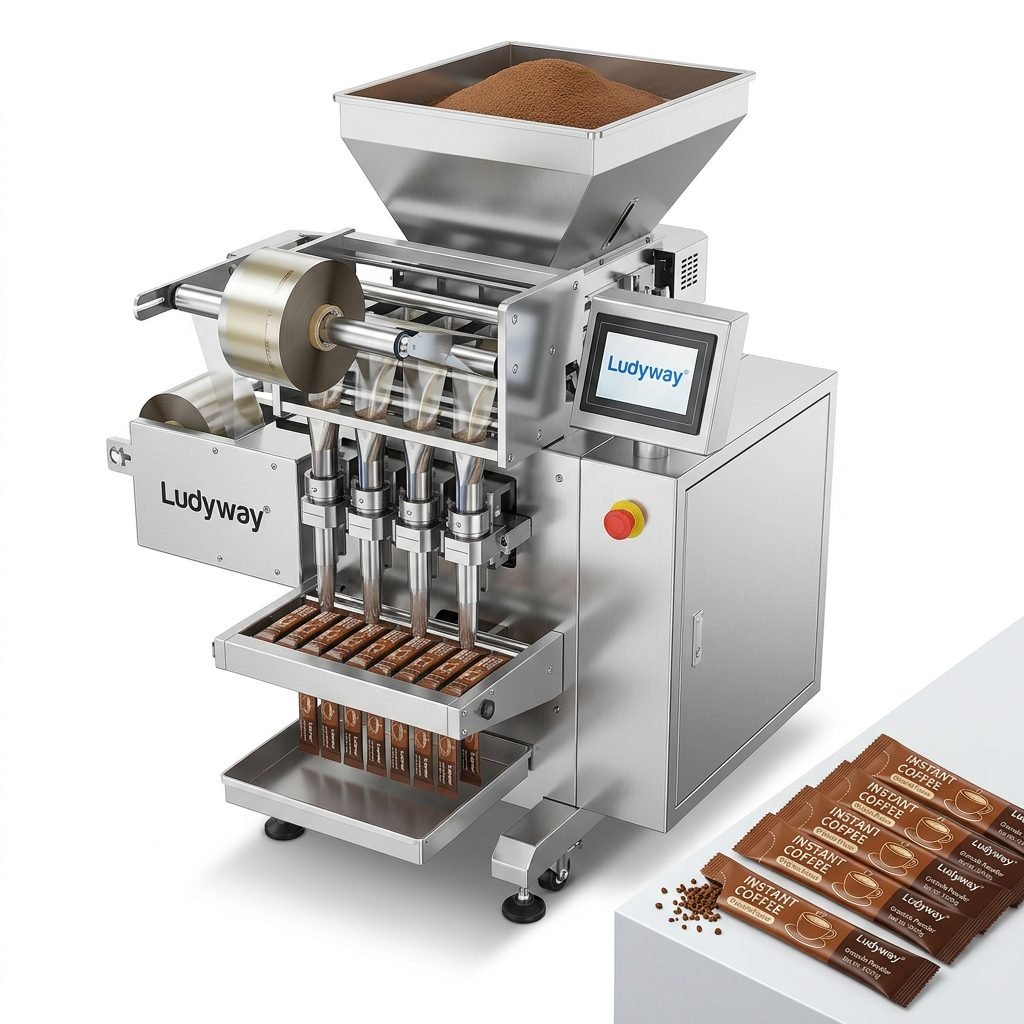
- Packaging Format: Single-lane sachet machines are less expensive than multi-lane stick pack systems designed for high-volume tea packaging.
- Material Compatibility: Machines that handle multiple film types—including foil laminate, paper-based, and biodegradable films—often include premium sealing technologies that increase cost.
- Filling Technology: Volumetric cup fillers, auger fillers, and multi-head weighers each carry different price points based on precision requirements for tea granules and powder blends.
- Additional Features: Nitrogen flushing, date coding, perforation, and tear-notch capabilities add to the overall equipment cost.
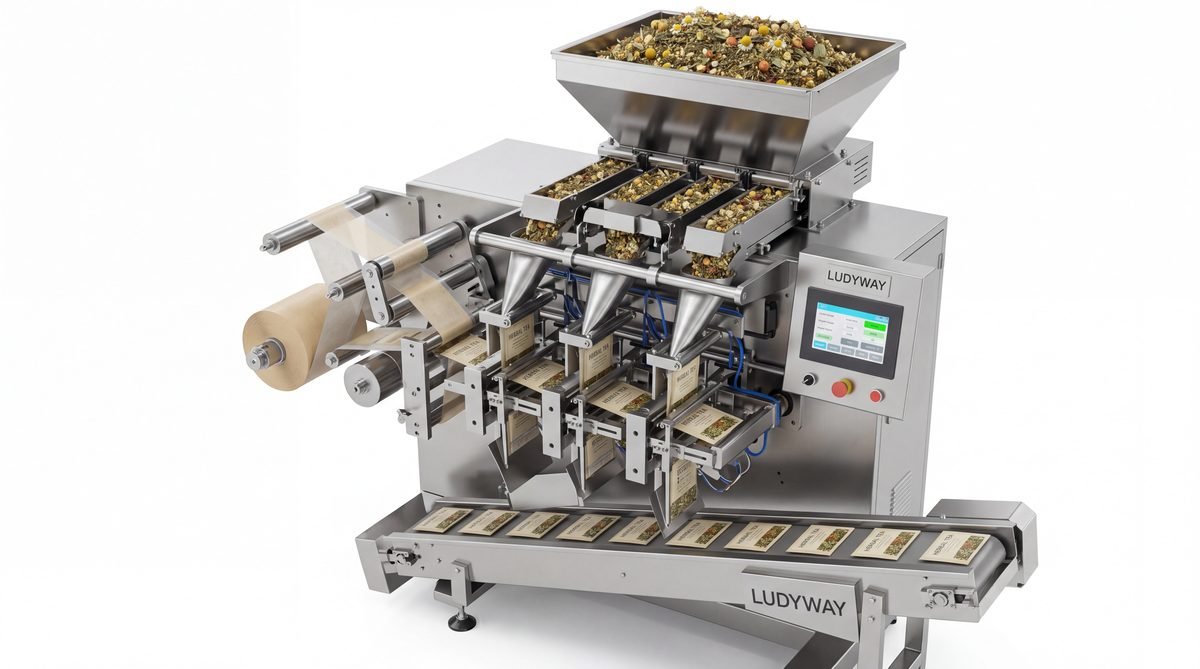
Price Range Overview: Small Pouch Tea Packing Machines
The following table provides a general overview of small pouch tea packing machine cost across different categories. Actual prices vary based on configuration, brand, and regional factors:
| Machine Type | Production Capacity | Estimated Price Range (USD) | Best Suited For |
|---|---|---|---|
| Entry-Level Single-Lane Sachet Machine | 15–30 pouches/min | $3,000 – $8,000 | Small tea shops, startups, local markets |
| Mid-Range Multi-Lane Stick Pack Machine | 40–80 pouches/min | $12,000 – $35,000 | Growing tea brands, contract packagers |
| High-Speed Multi-Lane System (4–8 lanes) | 100–300+ pouches/min | $40,000 – $100,000+ | Large-scale tea manufacturers, export-oriented businesses |
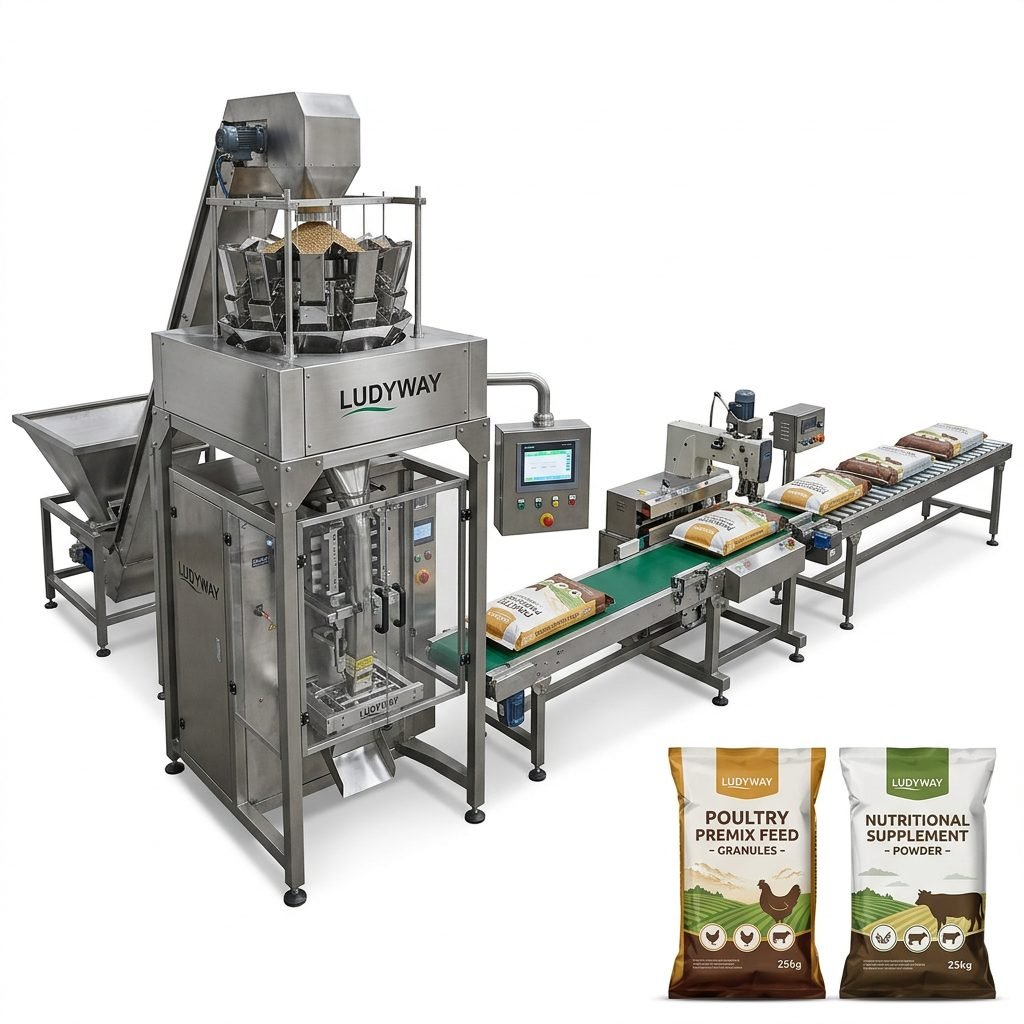
| Fully Automated Turnkey Tea Packaging Line | Customized output | $80,000 – $250,000+ | Industrial-scale operations with cartoning and palletizing needs |
Entry-Level Machines: Affordable Options for Beginners
For small businesses testing the tea pouch market, entry-level single-lane sachet machines offer a low-risk investment. These machines typically feature basic gravity or volumetric cup filling systems and manual film roll loading. While the upfront cost is attractive, buyers should account for slower output and more frequent operator intervention. According to industry data from PMMI’s Business Intelligence, entry-level packaging equipment remains a popular choice for regional tea brands entering single-serve formats.

Mid-Range Multi-Lane Machines: The Sweet Spot for Growing Brands
Mid-range multi-lane stick pack machines represent the most popular investment category for tea businesses scaling up production. These machines deliver 40 to 80 pouches per minute across 2–4 lanes, with features like automatic film tracking, photoelectric registration, and servo-driven sealing. They offer excellent value for contract packagers serving multiple tea brands, as noted by the Flexible Packaging Association in their industry resources on pouch packaging trends.
High-Speed Multi-Lane Systems: Maximum Output, Higher Investment
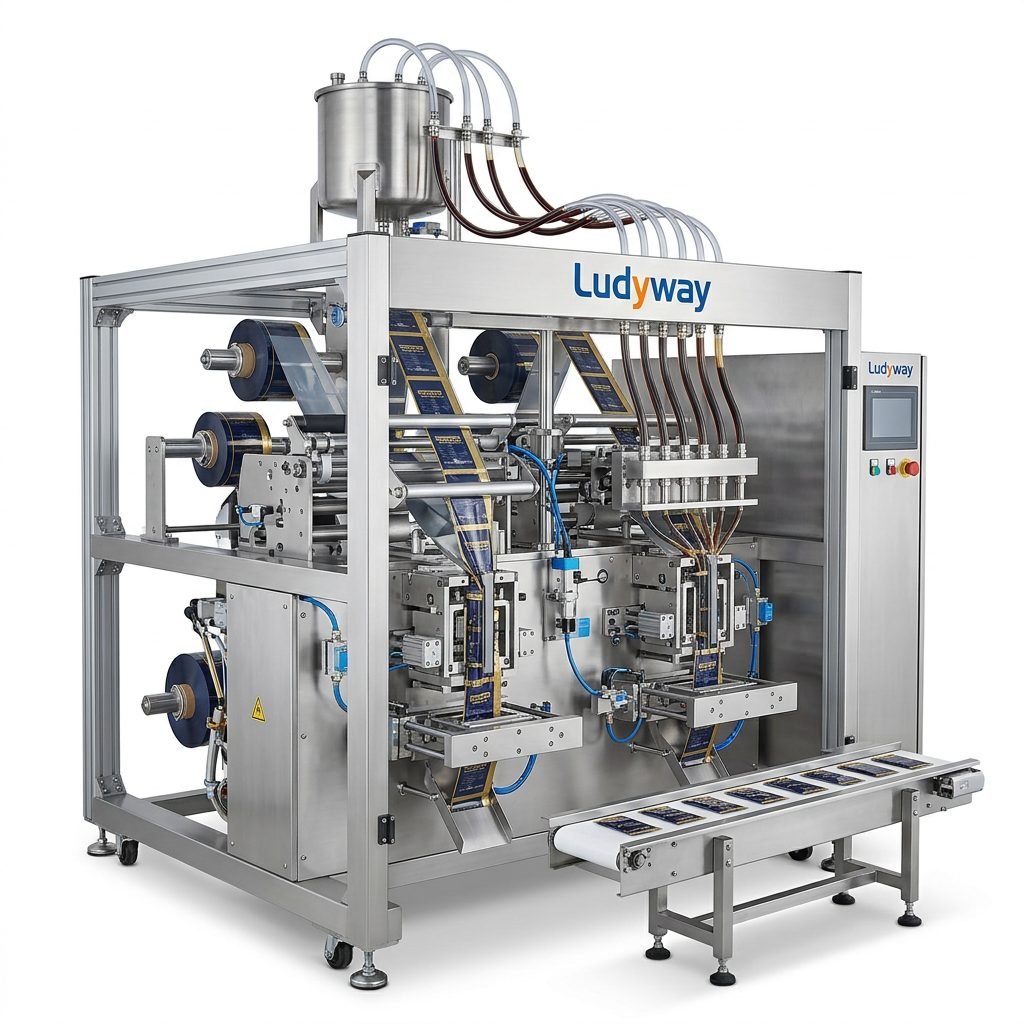
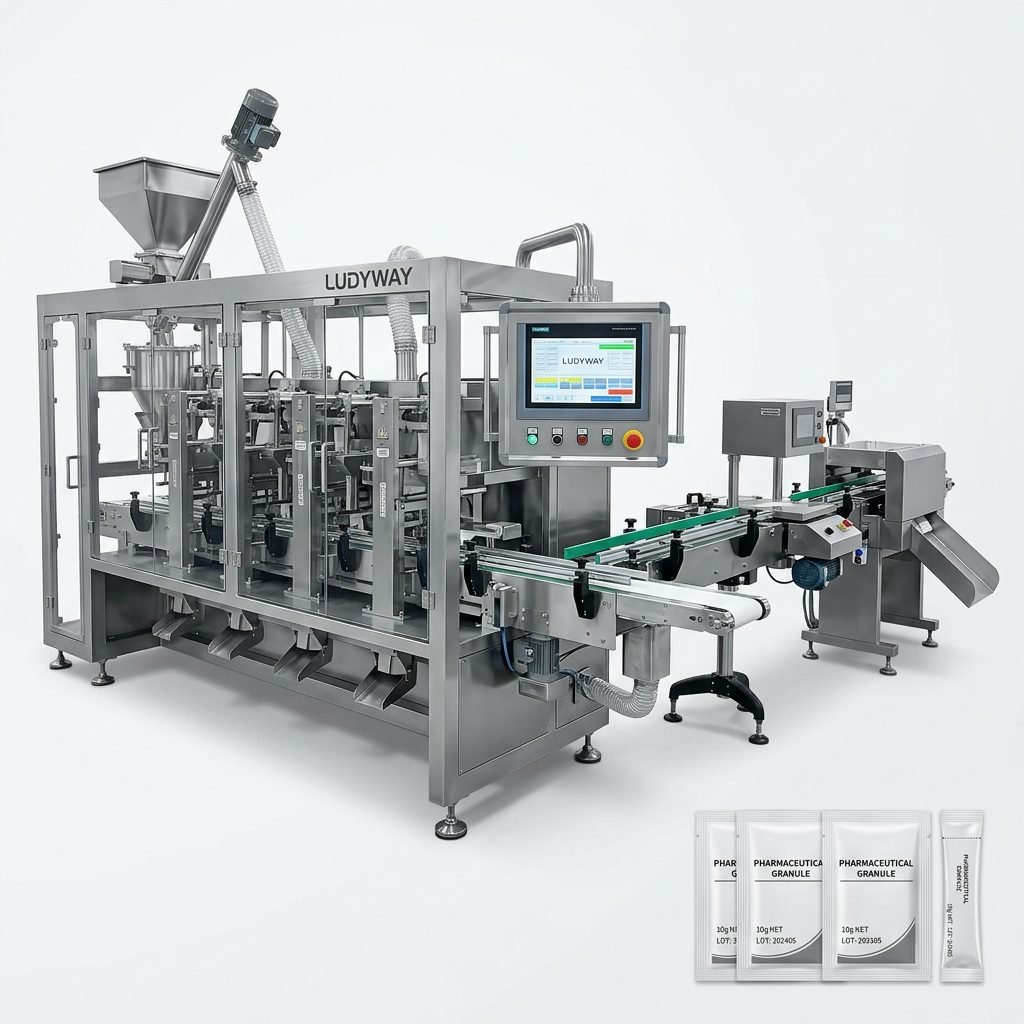
For large-scale tea manufacturers and export-oriented operations, high-speed multi-lane pouch packing systems with 4 to 8 lanes deliver unmatched productivity. These machines integrate multi-head weighers, servo-driven sealing jaws, and automatic splicing unwinders. The investment is substantial, but the per-unit packaging cost drops significantly at high volumes. Many global tea brands opt for these systems to meet demand across multiple international markets.
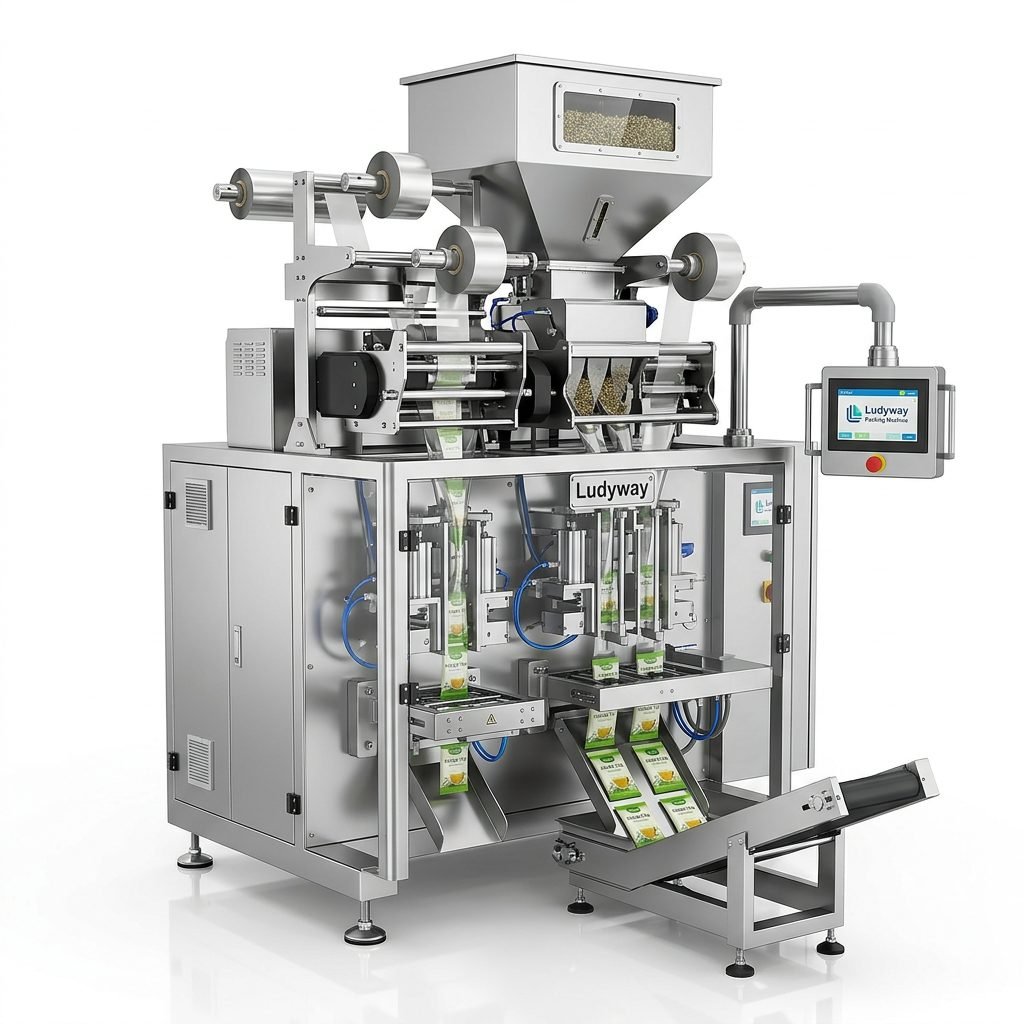
Additional Costs Beyond the Machine Price
When calculating the true cost of a small pouch tea packing machine, consider these often-overlooked expenses:
- Shipping and Installation: International freight, customs duties, and on-site setup can add 10–20% to the equipment cost.
- Auxiliary Equipment: Air compressors, nitrogen generators, and conveyors are typically purchased separately and affect the total investment.
- Film and Packaging Materials: Ongoing material costs vary based on film type, print design, and order volume. Refer to FDA packaging guidelines for food contact compliance requirements.
- Operator Training: Budget for 3–5 days of hands-on training, especially for multi-lane systems with complex controls.
- Maintenance and Spare Parts: Annual maintenance contracts and critical spare parts inventories help minimize downtime.
- Facility Modifications: Electrical upgrades, compressed air lines, and floor space reconfiguration may be necessary.
Cost Comparison: New vs. Used Tea Pouch Packing Machines
Some buyers consider used or refurbished packaging equipment to reduce upfront costs. While a pre-owned single-lane sachet machine may cost 40–60% less than a new unit, the risks include limited warranty coverage, outdated control systems, and hidden maintenance issues. For multi-lane stick pack machines, the savings on used equipment are often offset by higher service and parts replacement costs within the first year. Industry reports from PMMI’s State of the Industry 2025 indicate that new packaging machinery purchases continue to outpace used equipment acquisitions due to technology advancements in automation and efficiency.

Regional Price Variations in the Global Market
The small pouch tea packing machine cost differs significantly by manufacturing origin. Machines from Chinese manufacturers typically range 20–40% lower than comparable European or Japanese models, while offering increasingly competitive build quality and after-sales support. European machines command premium pricing due to established brand reputation and local service networks. Buyers should evaluate total ownership cost—not just the initial purchase price—when comparing suppliers across regions.
Chinese Manufacturers: Competitive Pricing with Growing Capabilities
China has emerged as a major hub for packaging machinery manufacturing. Companies like Ludyway, one of the largest packaging machine manufacturers in China with over 30 years of industry experience and a modern 20,000㎡ production facility, offer multi-lane stick pack and sachet machines that compete favorably on both price and performance. With more than 50 intelligent packaging machine models serving customers in over 100 countries, Chinese manufacturers increasingly meet international quality standards while maintaining cost advantages. Buyers sourcing from China should verify ISO packaging standards compliance and request detailed specification sheets before committing.
Financing and ROI: Making the Investment Work
Many equipment suppliers and third-party financial institutions offer leasing and installment payment plans for tea pouch packing machines. A well-chosen machine typically achieves ROI within 12–18 months for contract packagers operating at 60–70% capacity. Key ROI drivers include reduced labor costs, lower material waste, and the ability to take on higher-margin private label contracts. The PMMI State of the Industry reports provide valuable benchmarks for packaging equipment ROI across food and beverage sectors.
Quick ROI Calculation Example
- Machine Cost: $25,000 (mid-range 4-lane stick pack machine)
- Production Capacity: 60 pouches/minute × 7 hours/day = 25,200 pouches/day
- Contract Packaging Revenue: $0.03–0.06 per pouch margin
- Daily Net Revenue Potential: $756 – $1,512
- Estimated Payback Period: 3–6 months at full capacity utilization
How to Choose the Right Tea Pouch Packing Machine for Your Budget
Selecting the optimal machine requires balancing cost, capability, and future growth plans. Follow these steps to narrow down your options:
- Define Your Production Goals: Calculate current and projected daily output requirements for the next 2–3 years.
- Specify Your Pouch Format: Determine whether you need stick packs, flat sachets, three-side-seal, or four-side-seal pouches.
- Assess Material Requirements: Identify the film types and thicknesses your products require, including any barrier properties.
- Evaluate After-Sales Support: Prioritize suppliers with responsive technical support, spare parts availability, and remote troubleshooting capabilities.
- Request Multiple Quotes: Compare at least 3–5 suppliers across different regions to benchmark pricing and specifications.
- Plan for Total Cost of Ownership: Include installation, training, maintenance, and material costs in your financial analysis.
Key Certifications to Verify
When evaluating suppliers, check for relevant certifications. For food-grade tea packaging equipment, compliance with FDA food contact substance regulations is essential for machines destined for the U.S. market. Additionally, ISO 11607 packaging standards provide useful quality benchmarks even for non-medical applications.
Final Thoughts on Small Pouch Tea Packing Machine Investment
The cost of a small pouch tea packing machine ranges from a few thousand dollars for basic single-lane units to over $250,000 for fully automated turnkey lines. The right investment depends on your production volume, automation requirements, and long-term business strategy. By carefully evaluating machine specifications, supplier credibility, and total cost of ownership, tea businesses can secure packaging equipment that delivers reliable performance and strong returns. For additional guidance, the Flexible Packaging Association and PMMI offer extensive resources on packaging technology trends and machinery selection best practices.