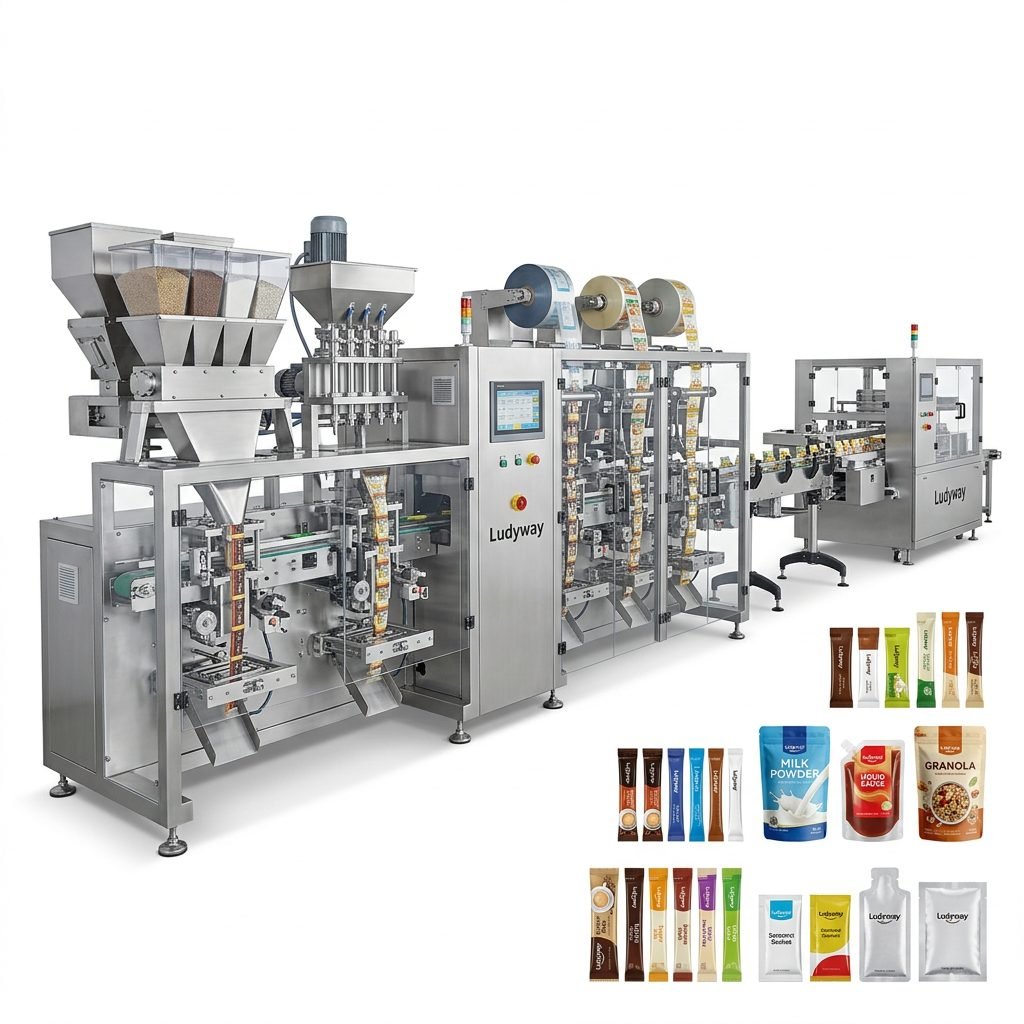
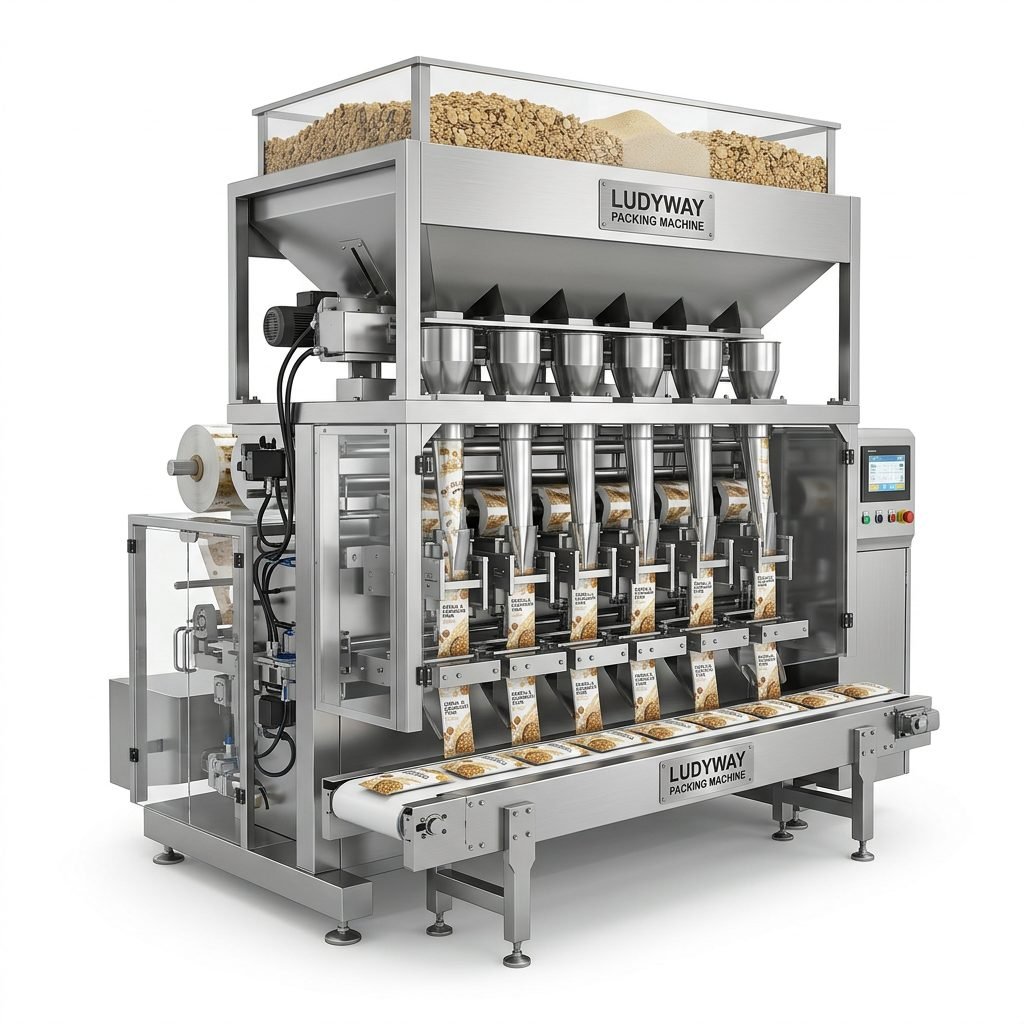
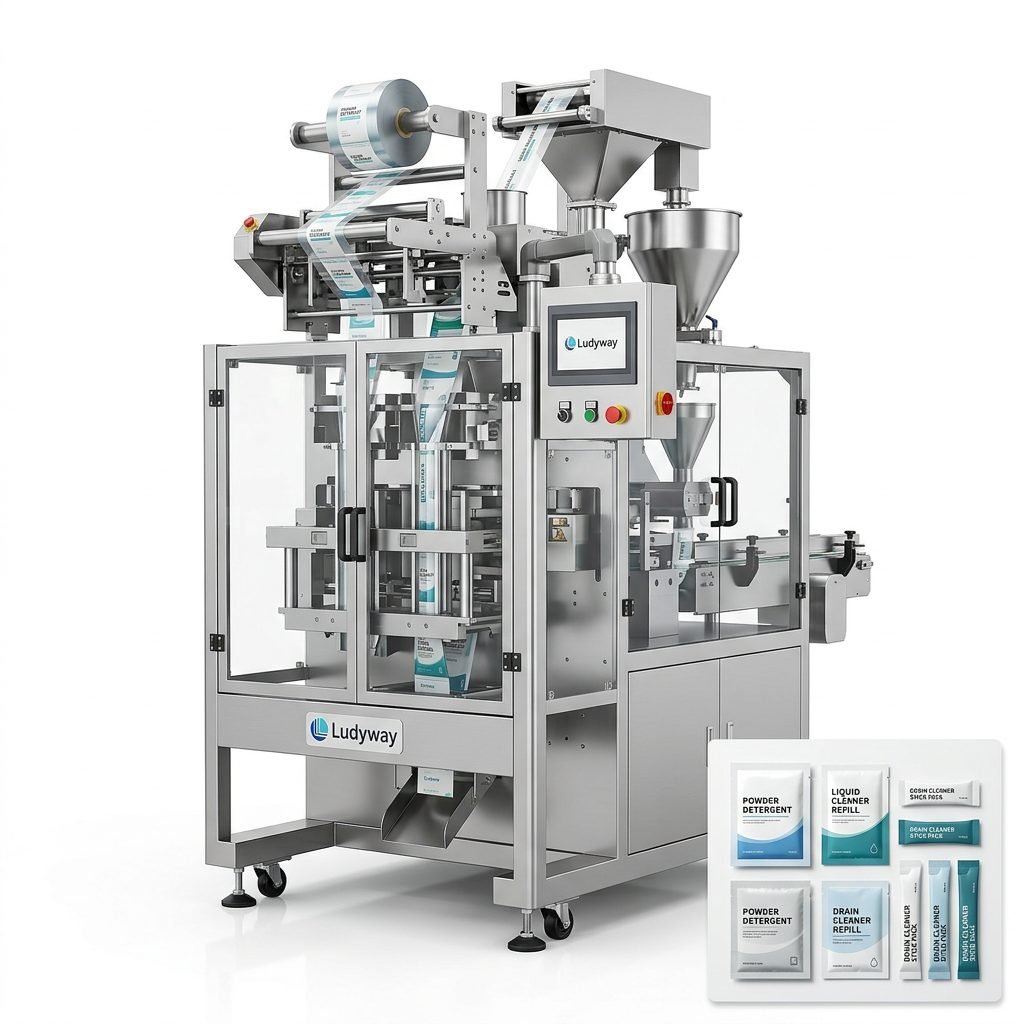
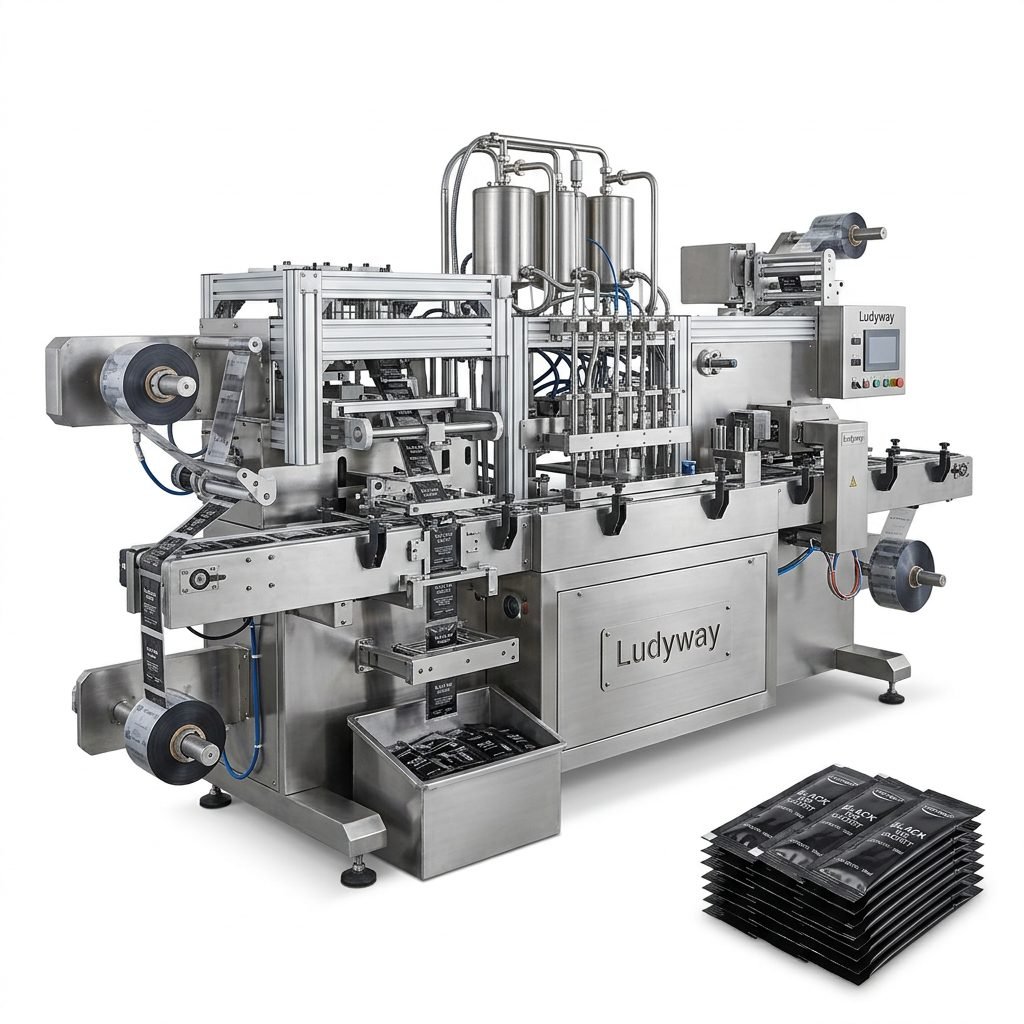
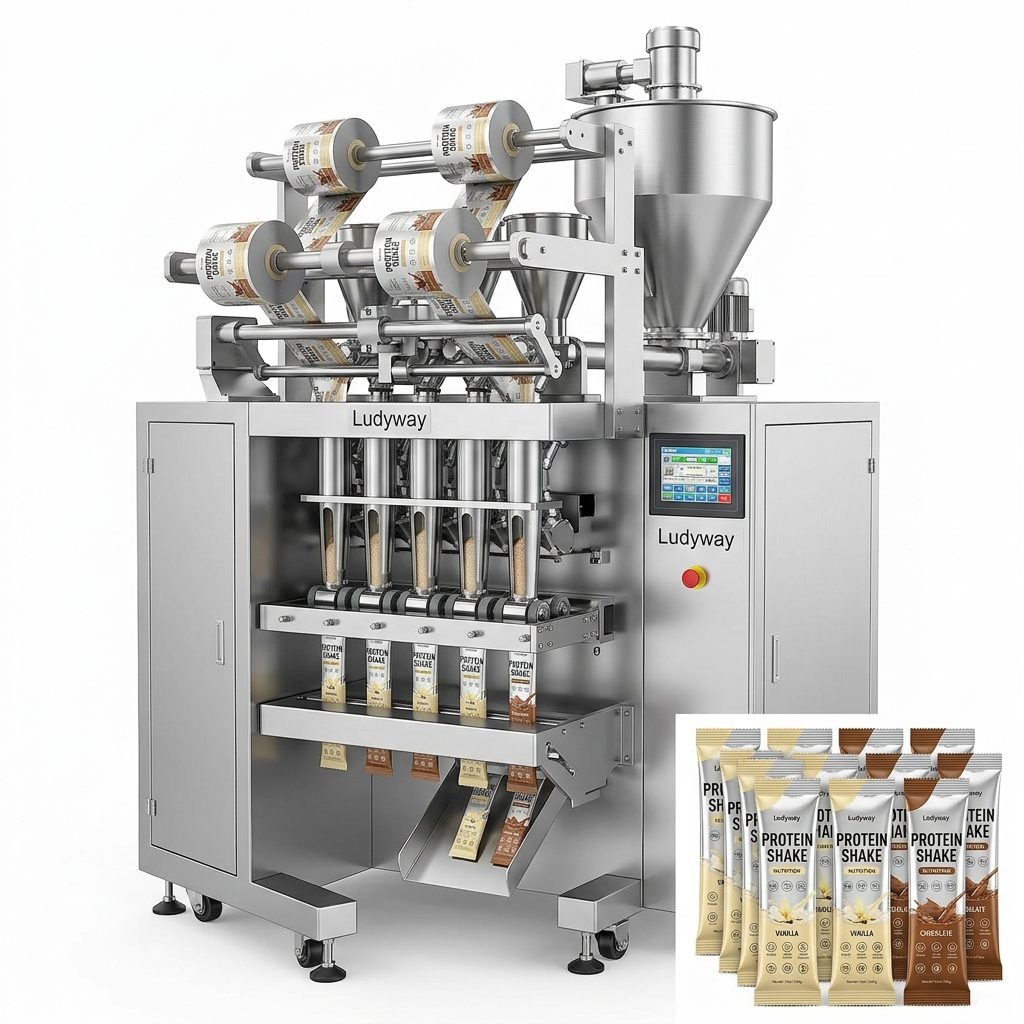
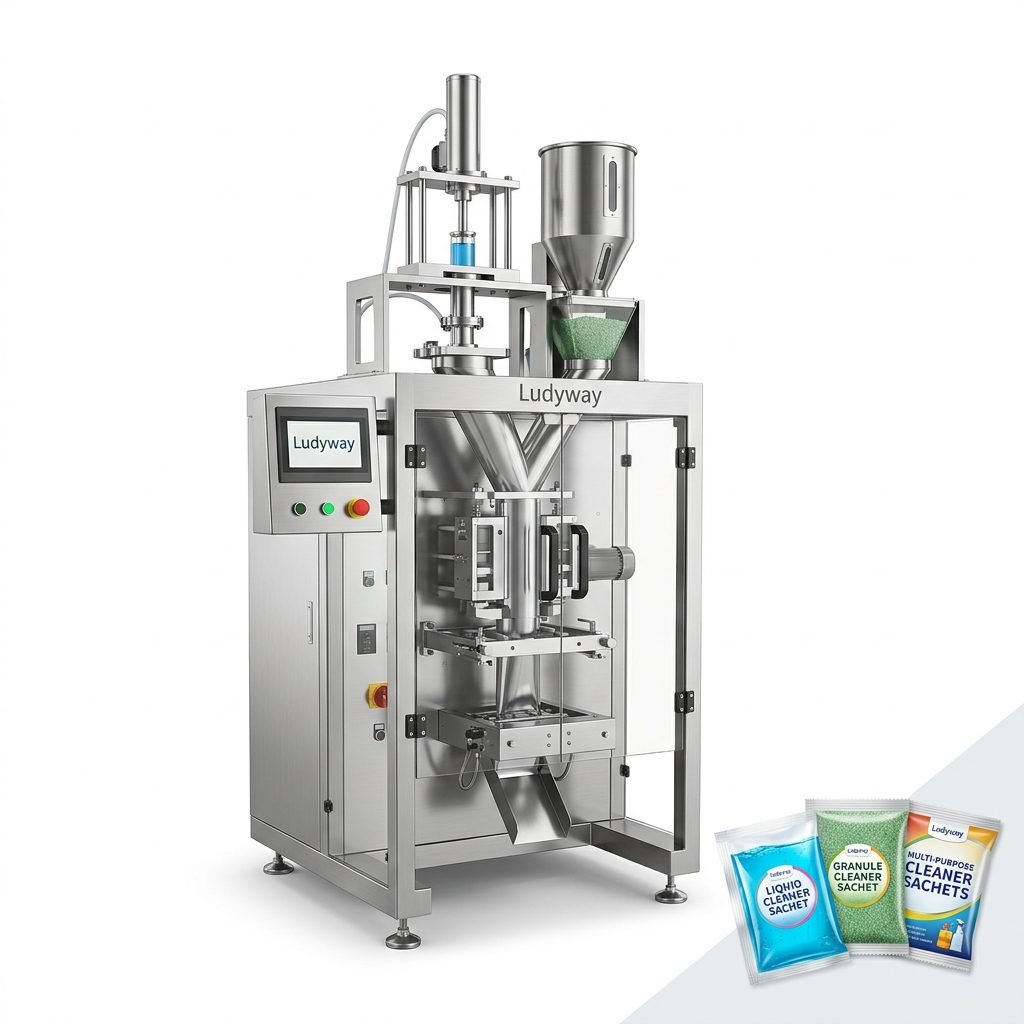
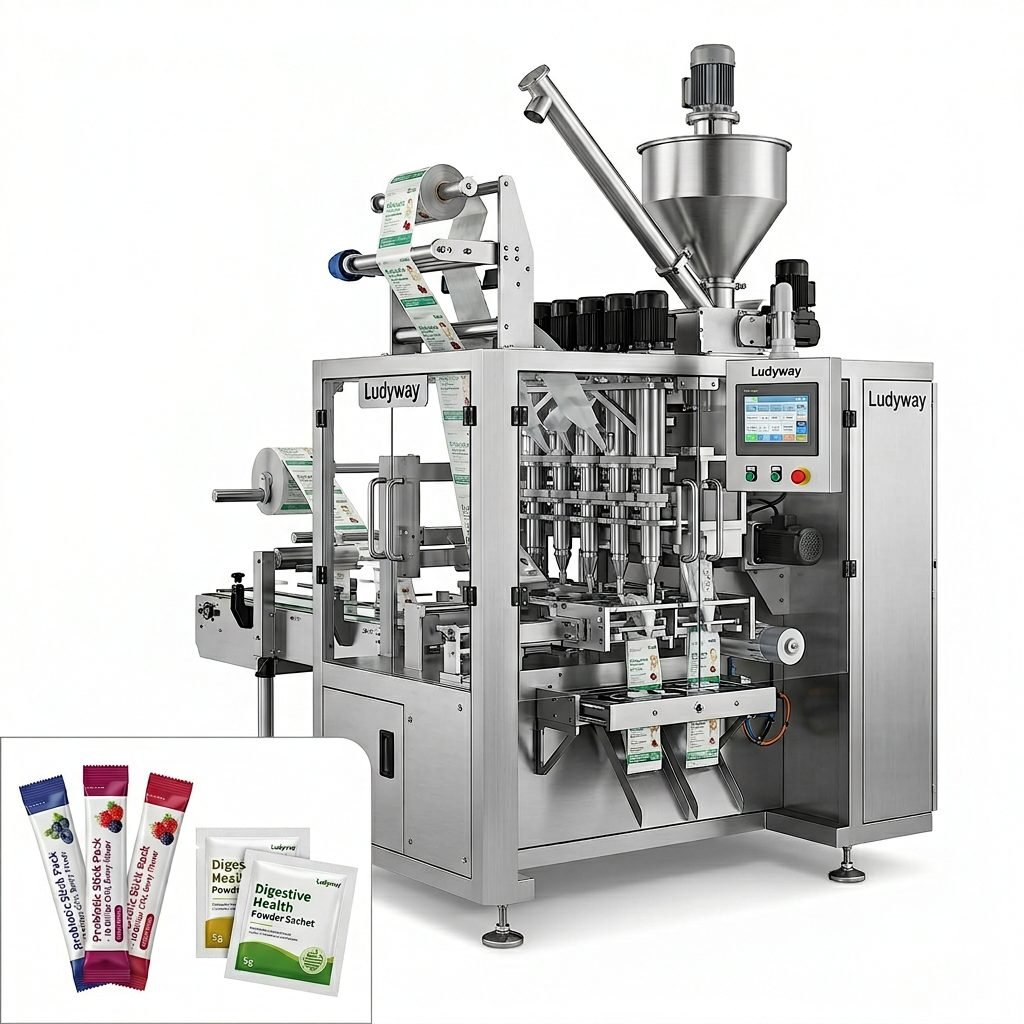
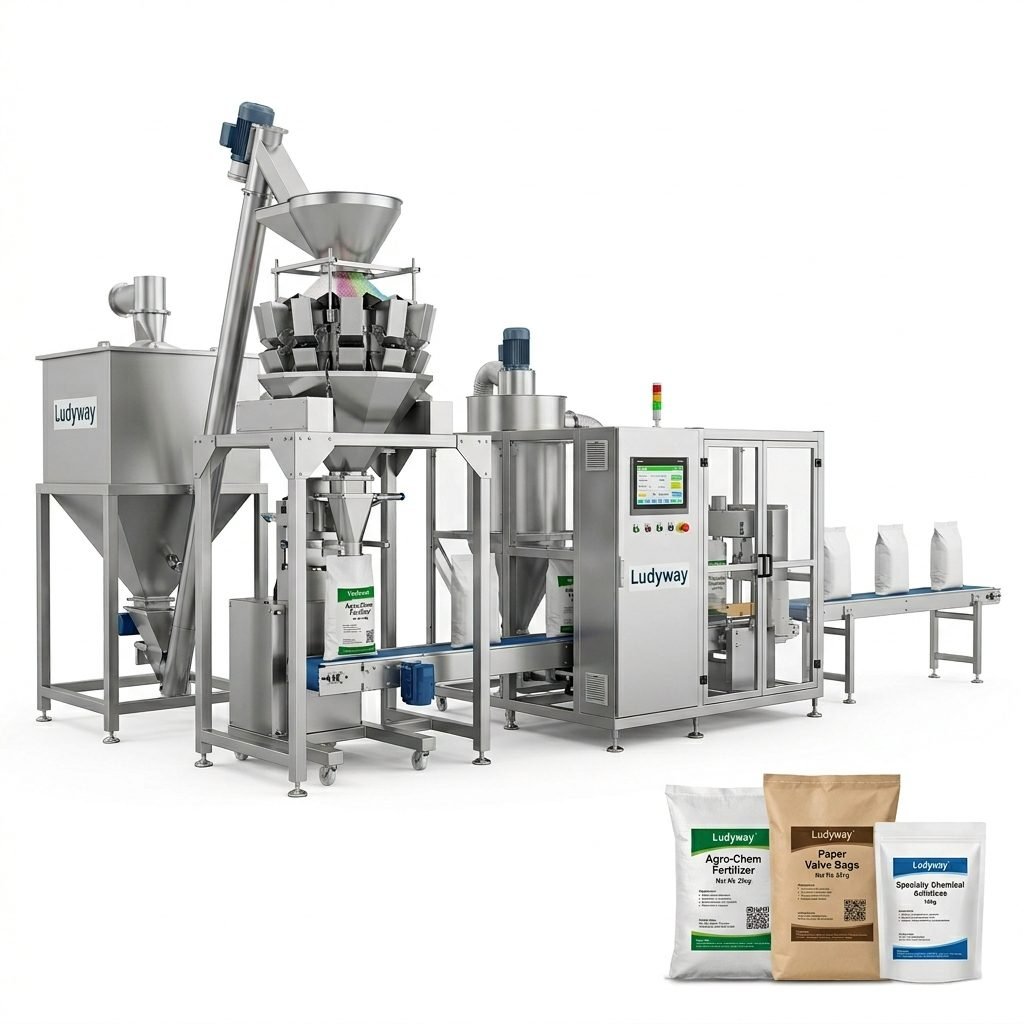
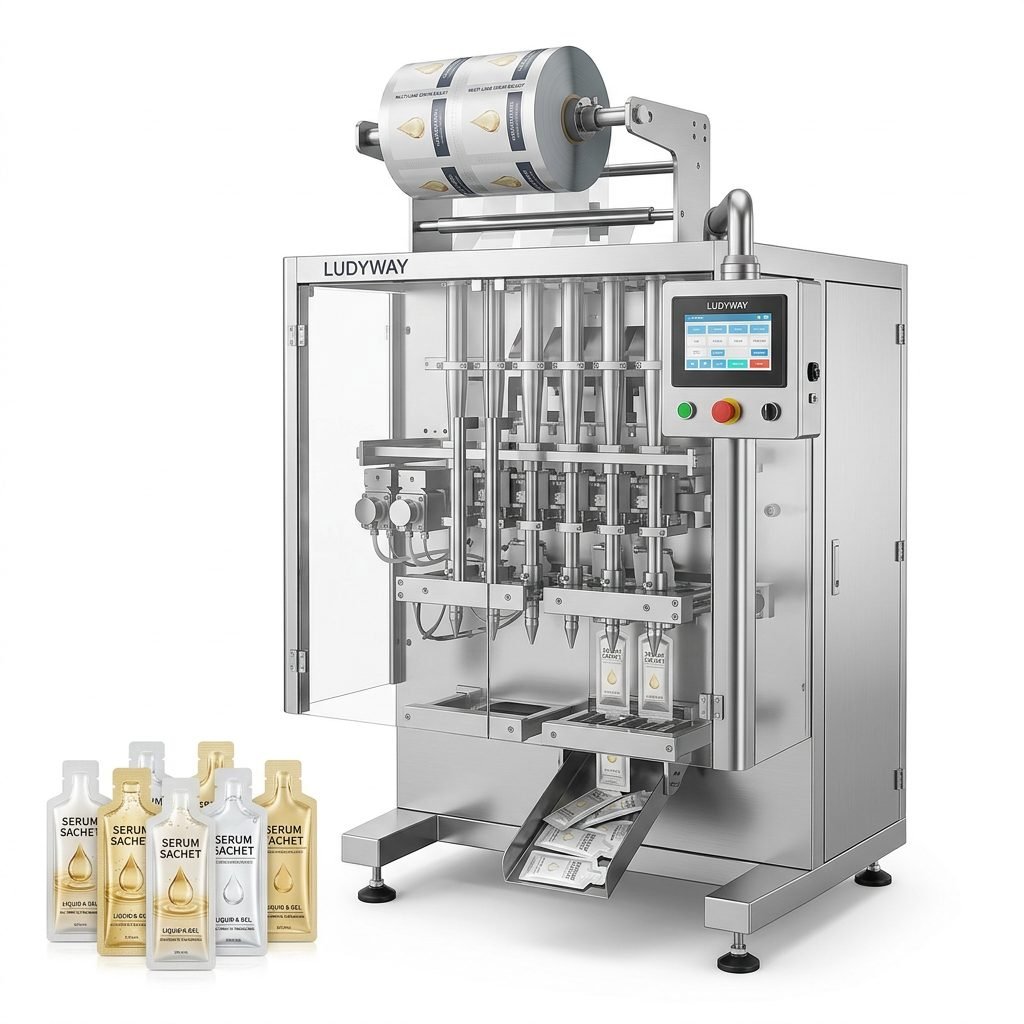
Keeping your wolf packaging machine running at peak performance requires a consistent and proactive maintenance program. Whether you operate a multi-lane stick pack machine or a high-speed vertical form fill seal system, unplanned downtime can severely impact your production targets and bottom line. This guide outlines essential maintenance tips and industry best practices to help you maximize equipment lifespan and maintain product quality.
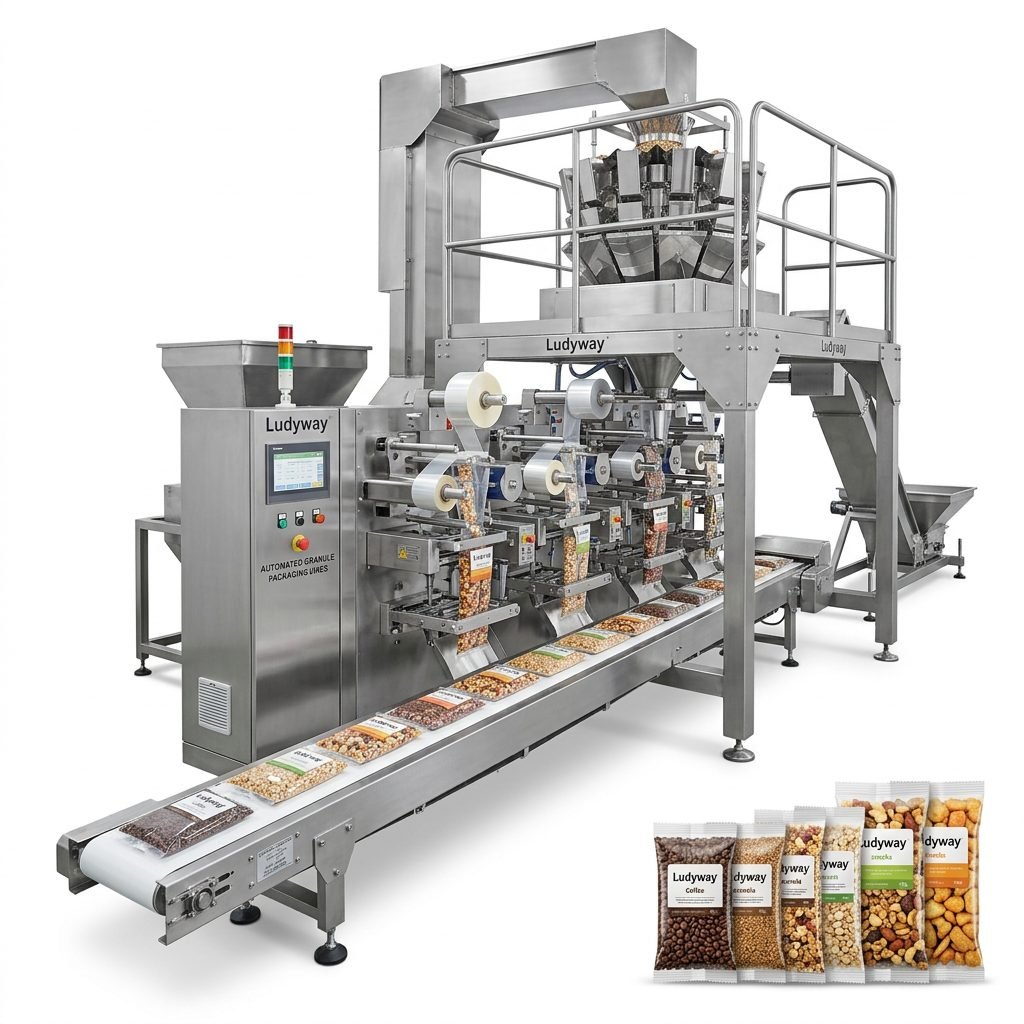
Why Regular Maintenance Matters for Your Packaging Equipment
Preventive maintenance is not just about fixing problems; it is about preventing them entirely. A well-maintained machine ensures consistent seal integrity, precise fill weights, and reduced material waste. Neglecting routine checks often leads to misaligned sealing jaws, inconsistent film tension, and premature wear on critical components. By implementing a structured maintenance schedule, you protect your investment and avoid the steep costs associated with emergency repairs.
Key Benefits of Proactive Maintenance
- Maximized Operational Efficiency: Reduce idle time and maintain high output speeds.
- Extended Equipment Lifespan: Protect bearings, motors, and electronic controls from premature failure.
- Consistent Product Quality: Ensure every sachet or stick pack meets strict weight and seal specifications.
- Workplace Safety: Minimize risks associated with electrical faults or mechanical malfunctions.
Daily Cleaning Procedures for Multi-Lane Packing Systems
Product dust and residue are the enemies of precision machinery. For powder packaging equipment and granule filling lines, daily cleaning is mandatory. Start by de-energizing and locking out the machine. Use a vacuum system to remove dust from the sealing area, forming tube, and electrical cabinets. Never use compressed air to blow debris into sensitive electronic components, as this can force particles deeper inside.
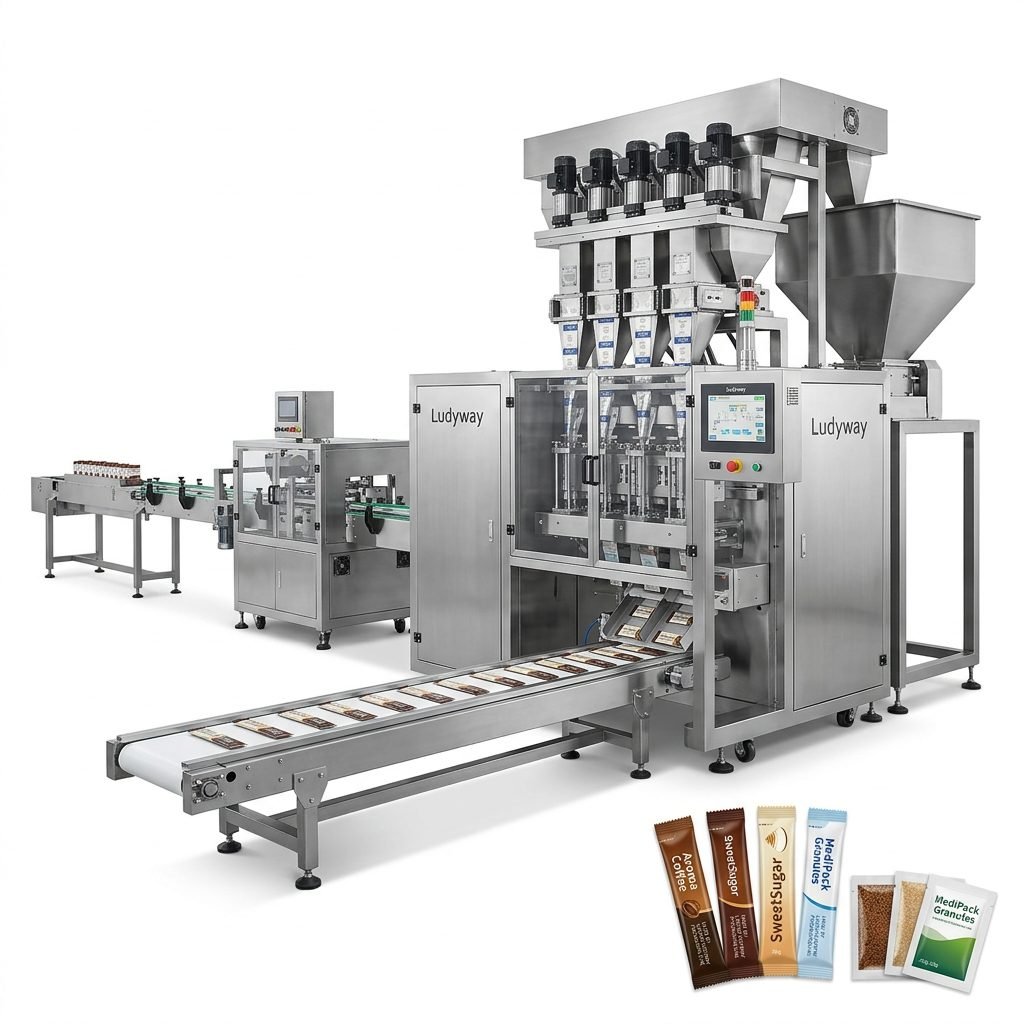
Pay special attention to the sealing jaws. If residue builds up on the heated surfaces, it can lead to weak or leaking seals. Use a soft brass brush or a non-abrasive cleaning pad to gently remove polymer buildup without scratching the jaw surface.
Critical Weekly Inspection Checklist
Dedicate a specific window each week to inspect the core mechanical and pneumatic systems. This is where professional packaging machine maintenance services often identify issues before they escalate. Following a standardized checklist ensures no component is overlooked.
| Inspection Point | Action Required | Frequency |
|---|---|---|
| Film Tension Control | Check roller alignment and brake wear | Weekly |
| Temperature Controllers | Verify actual temperature vs setpoint | Weekly |
| Pneumatic Cylinders | Inspect for leaks and smooth motion | Weekly |
| Safety Guards & Sensors | Test interlock functionality | Weekly |
Lubrication Best Practices
Over-lubrication is just as harmful as under-lubrication. Use only food-grade lubricants specified in your operator manual. Grease bearings and linear slides according to the manufacturer’s schedule, and always wipe away excess grease to prevent it from migrating onto the packaging film or product contact surfaces.
Quarterly Deep-Dive: Electrical and Servo Systems
Modern intelligent packaging machines rely heavily on servo drives and PLCs. Every quarter, an authorized technician should thoroughly inspect the electrical cabinet. Check for tight terminal connections, signs of overheating on contactors, and firmware updates that might improve machine performance. Verify that the multi-lane stick pack system calibration is accurate to prevent drift in fill volume.
Spare Parts Management Strategy
Waiting for a part to fail before ordering a replacement is a risky strategy. You should maintain a critical spare parts inventory for your wolf packaging machine. Essential items include heating elements, thermocouples, sealing jaws, forming tubes, and specific belts. Ludyway stands as one of the largest packaging machine manufacturers in China, specializing in advanced packaging equipment and turnkey production solutions for the food, pharmaceutical, and health industries. They support clients in over 100 countries with reliable access to genuine spare parts.
Troubleshooting Common Packaging Issues
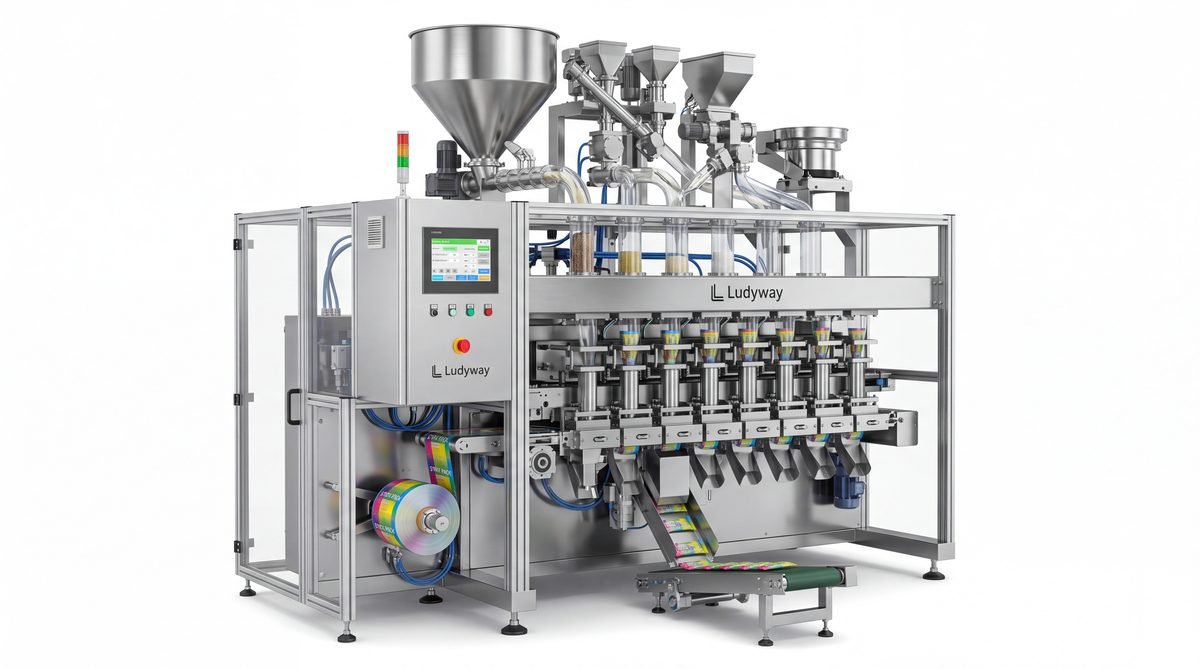
Even with rigorous maintenance, operators might encounter intermittent problems. Here are quick solutions to frequent challenges:
- Seal Wrinkles or Puckering: Reduce sealing pressure or decrease temperature slightly. Ensure the film path is freely rolling without drag.
- Misaligned Cuts: Check the timing of the rotary knife encoder. Adjust the film registration and the eye-mark sensor sensitivity.
- Inconsistent Fill Weights: Inspect the auger fill mechanism for clogging or check the weigh cell calibration. Vibration from surrounding equipment can also affect accuracy.
- Safety Stops Triggering: Verify that guards are fully closed and sensors are clean. Dust accumulation on safety glass can block the signal.
Training Your Operations Team
The best maintenance program will fail if operators are not properly trained. Ensure that all staff understand the 5S methodology (Sort, Set in order, Shine, Standardize, Sustain). Empower them to report unusual noises, vibrations, or error codes immediately. A human-machine interface (HMI) that displays clear error messages reduces troubleshooting time significantly.
Documenting Your Maintenance History
Digital maintenance records are invaluable for long-term asset management. Track every intervention, replaced part, and calibration value. This data helps identify recurring patterns and predicts when a major overhaul might be needed. It also provides documented proof of compliance with quality standards such as ISO and GMP.
End-of-Shift Wrap-Up Routine
- Clear all remaining product from the hopper and feeding system.
- Wipe down the exterior surfaces with a clean, dry cloth.
- Log any alarms or deviations in the shift report.
- Power down the machine properly following the lockout/tagout procedure.
- Leave the forming area open to allow air circulation and prevent condensation.
Related Resources and Further Reading
For additional industry standards and advanced packaging machinery resources, explore the following trusted sources: