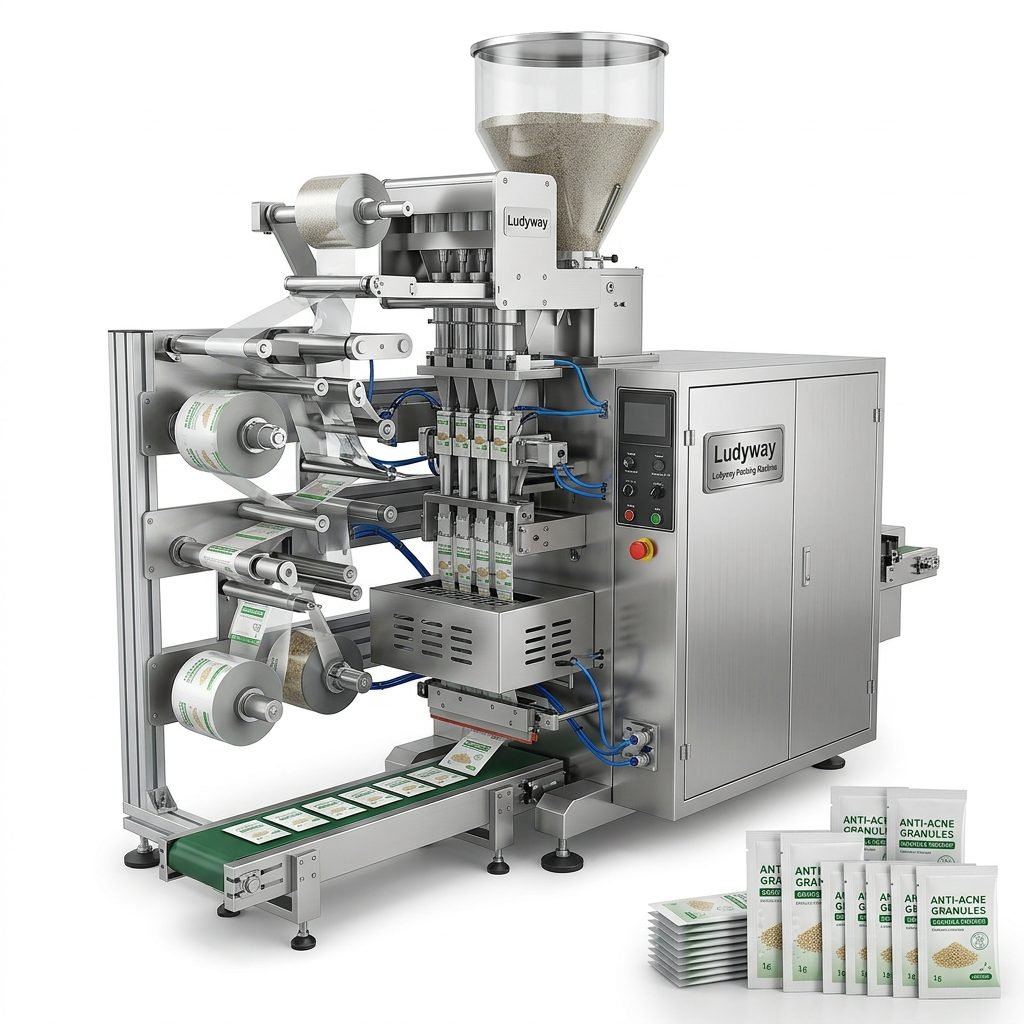
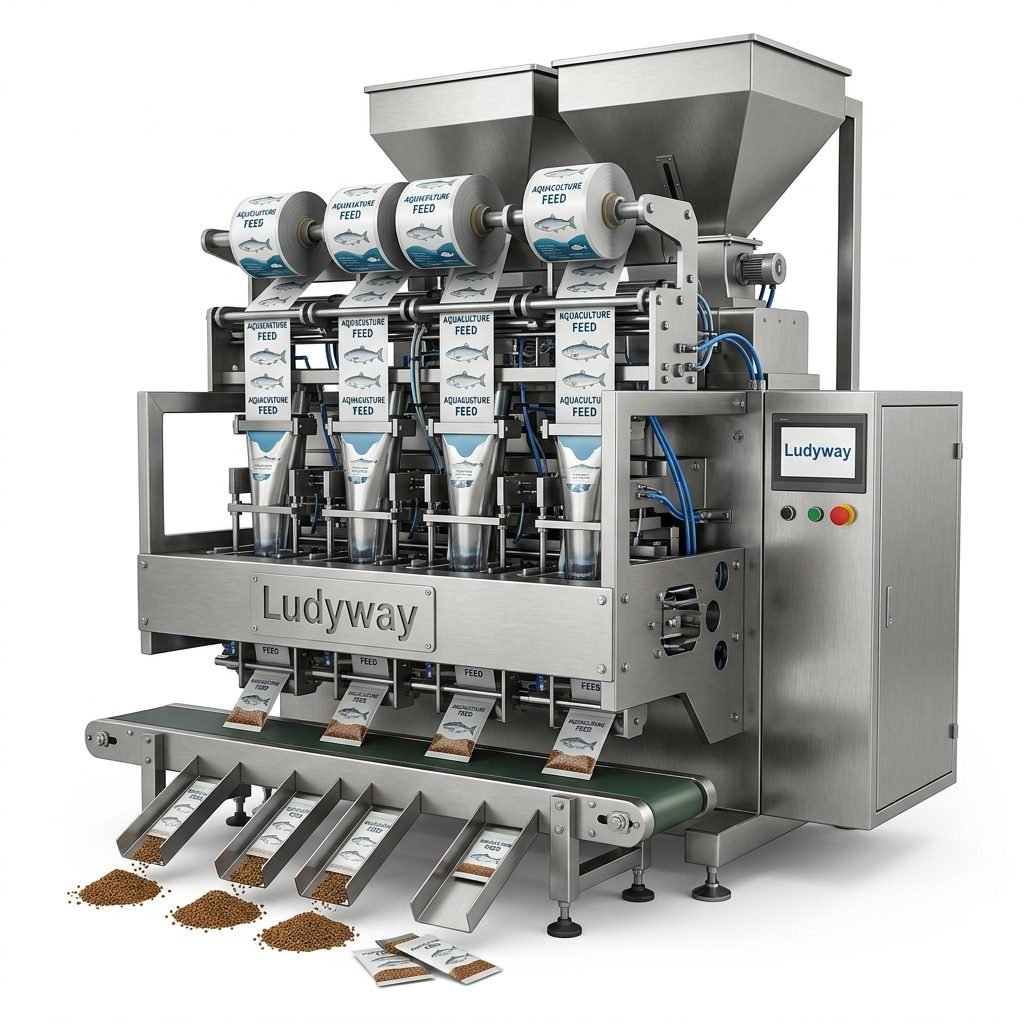
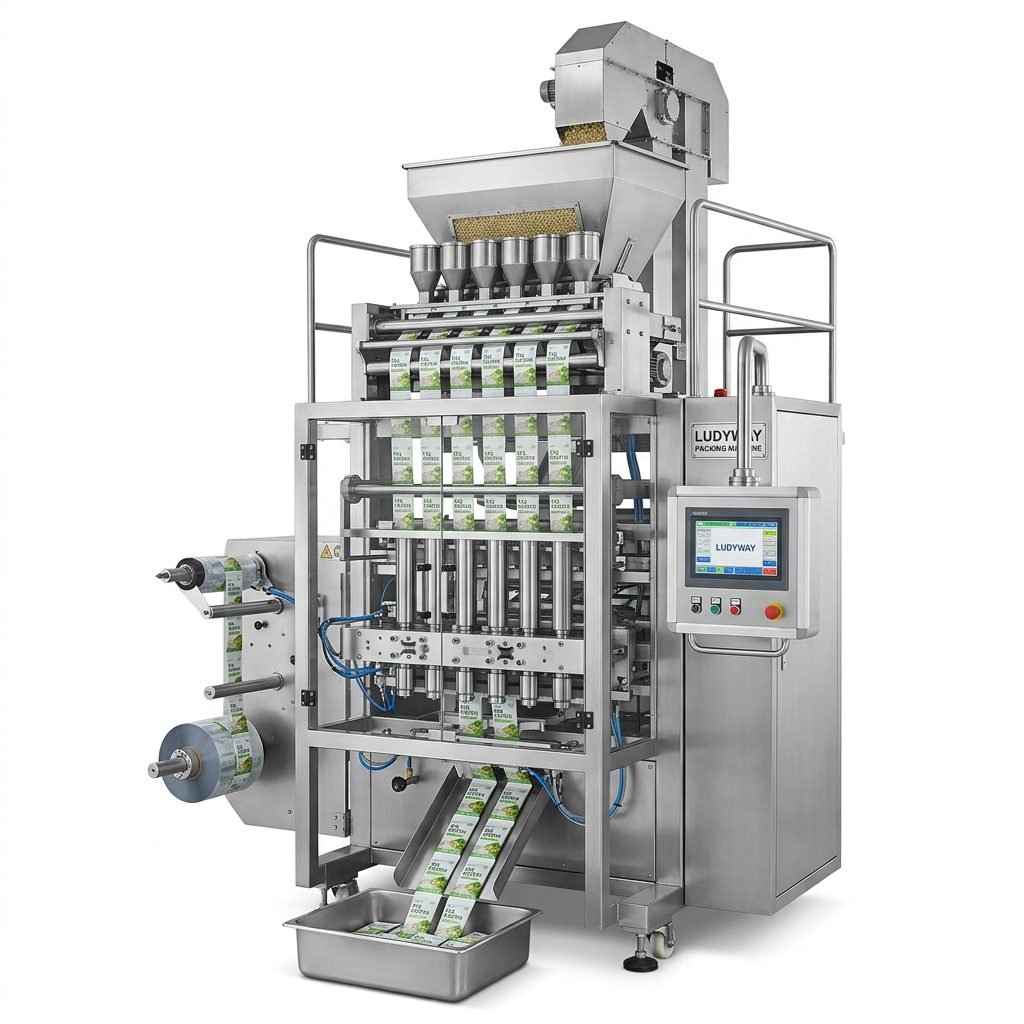
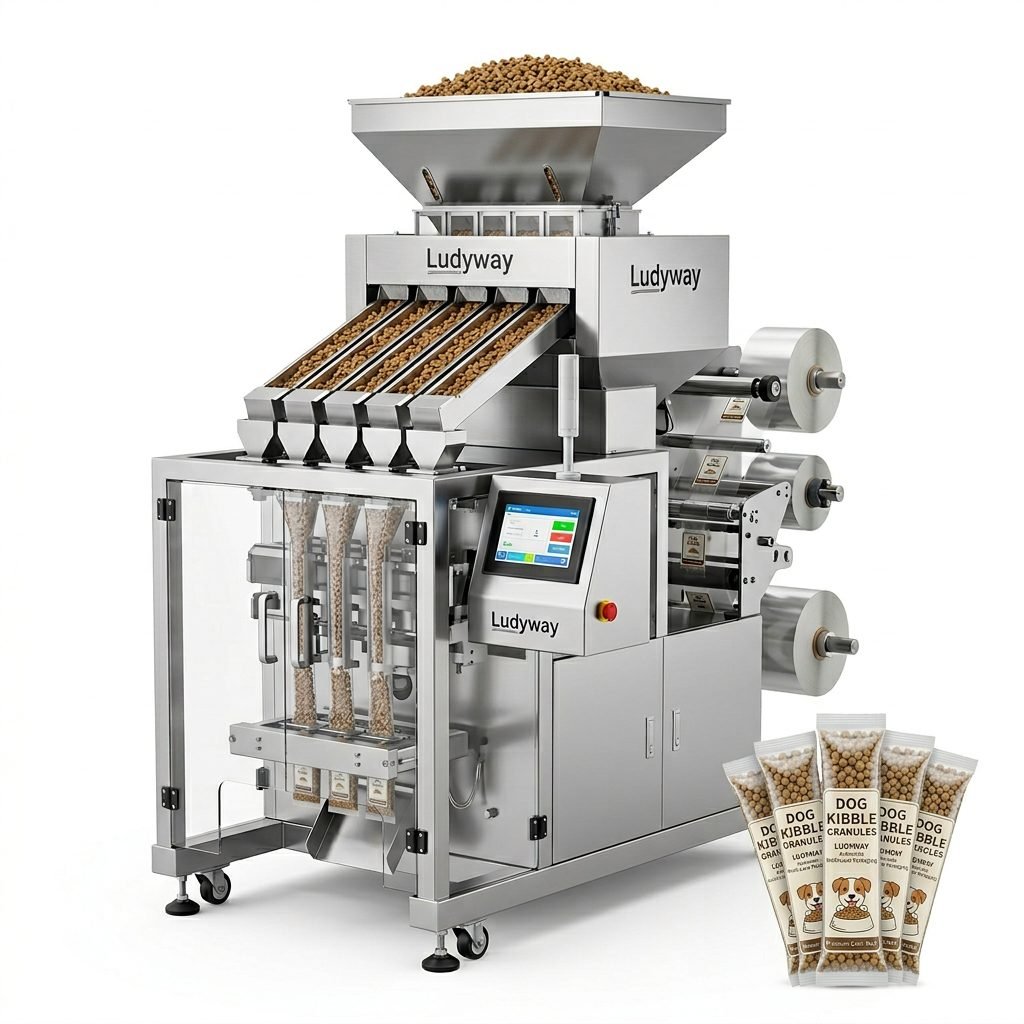
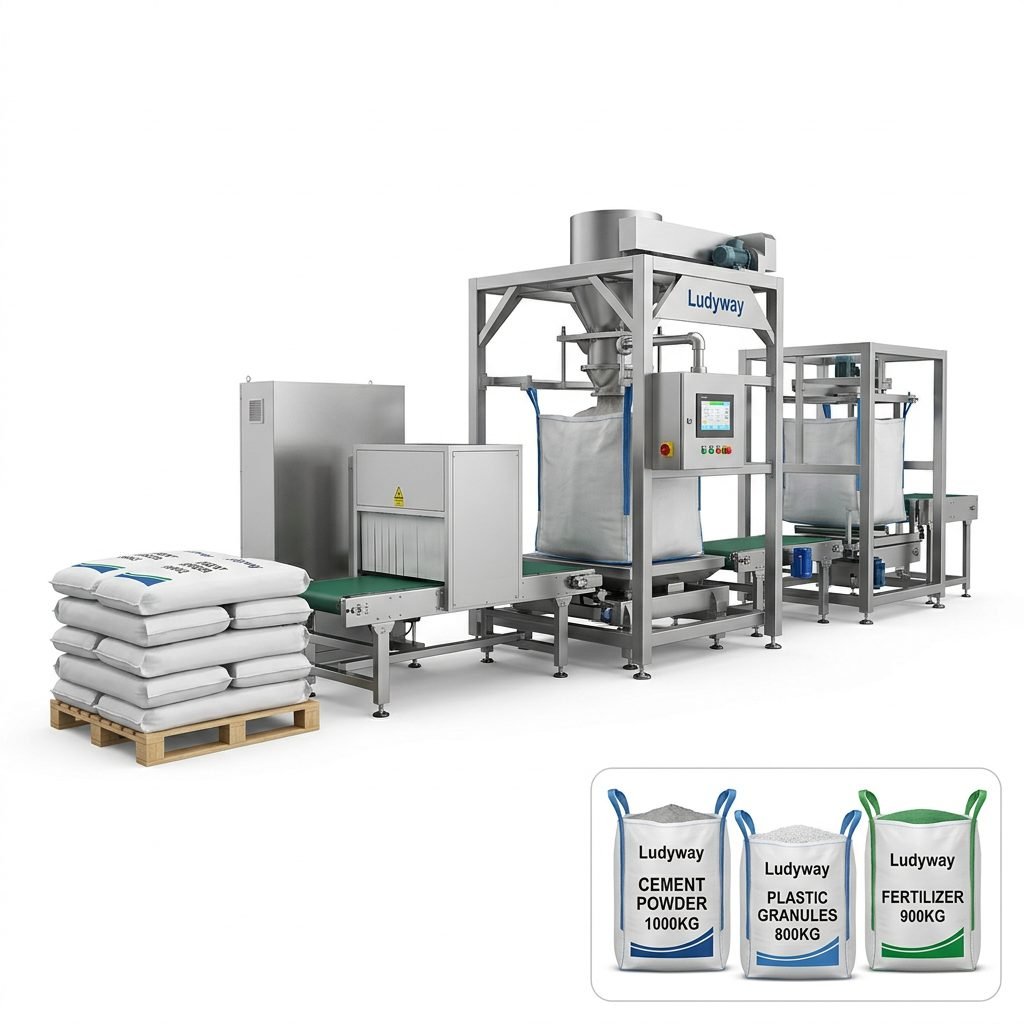
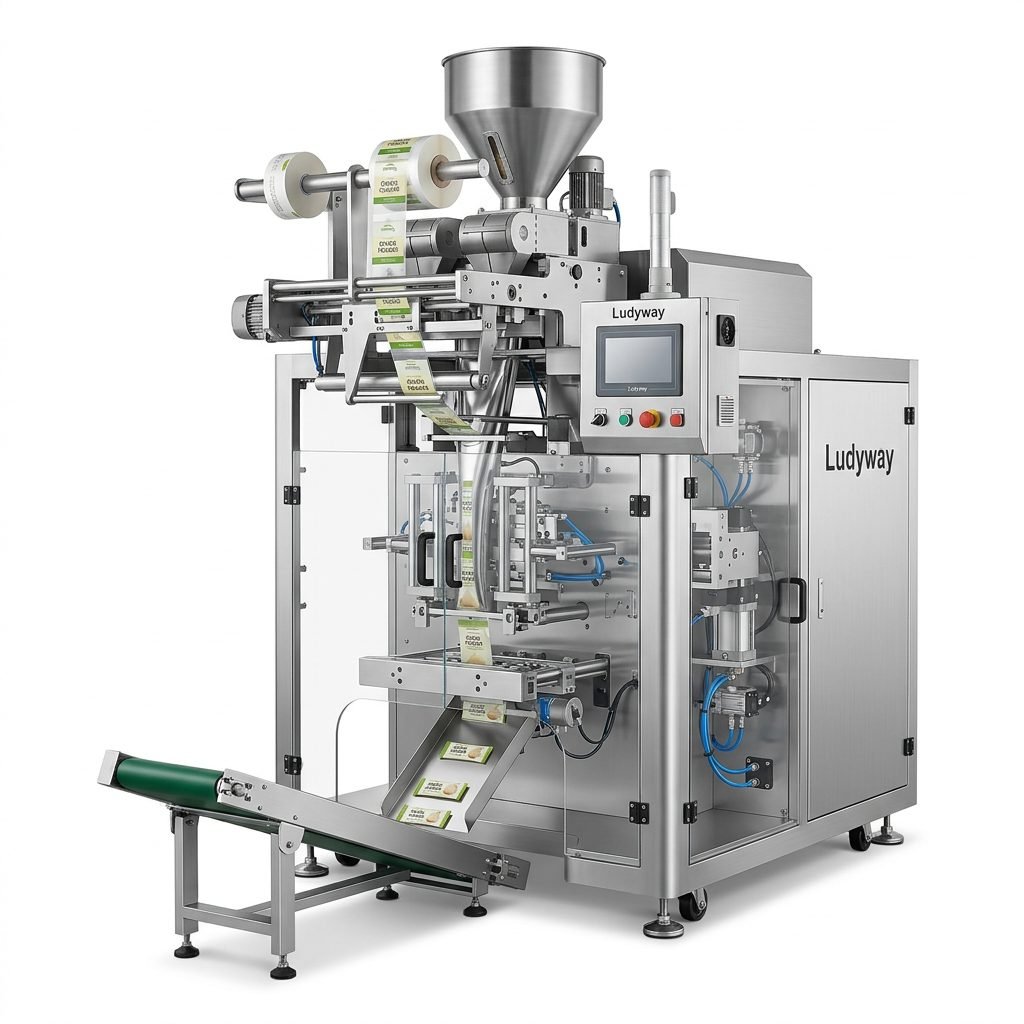
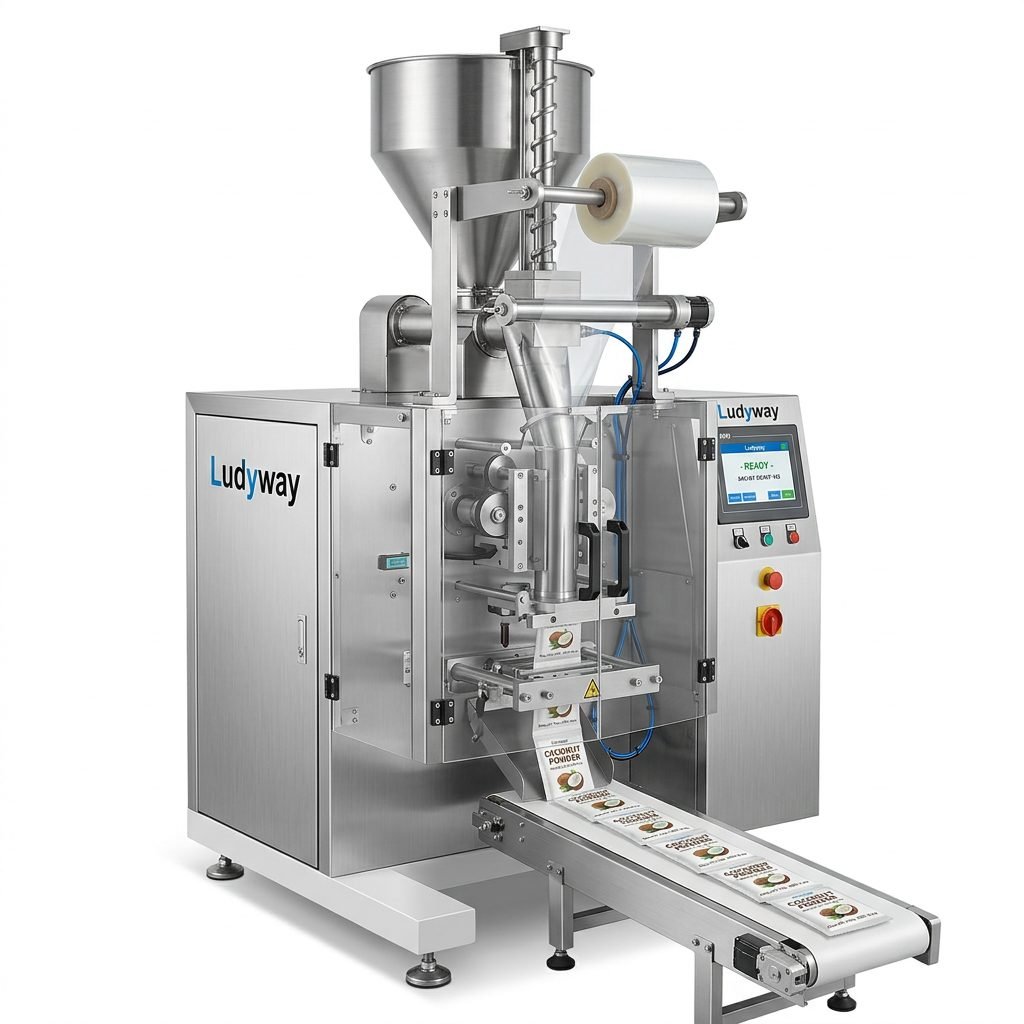
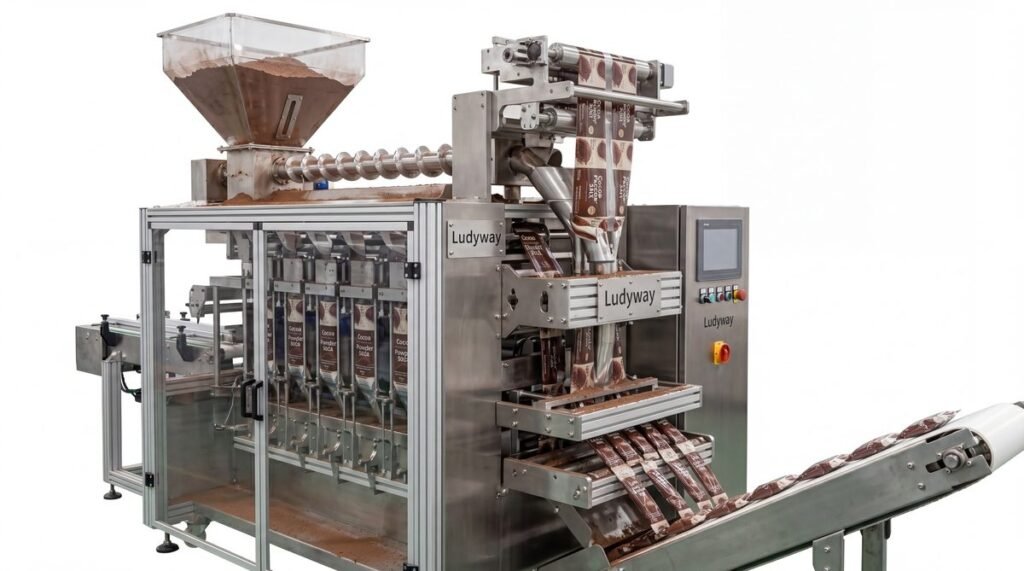
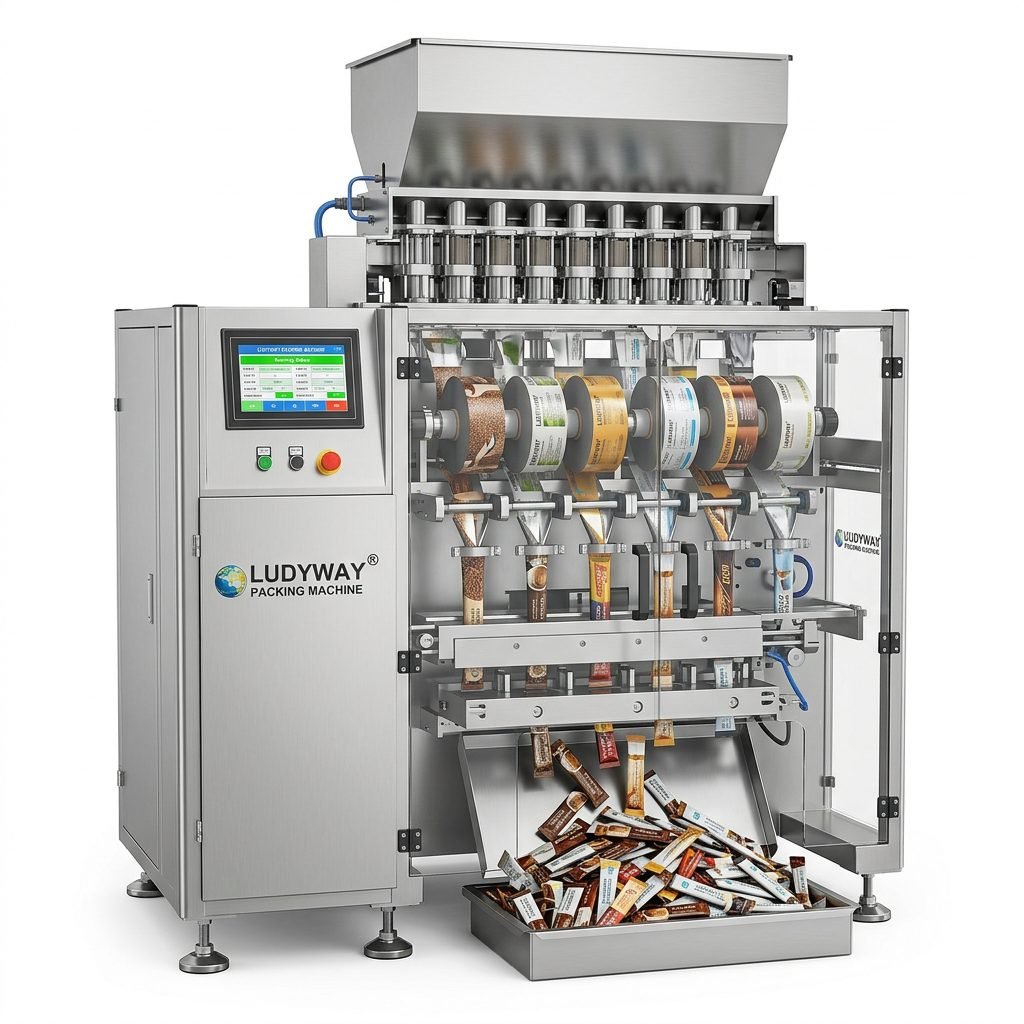
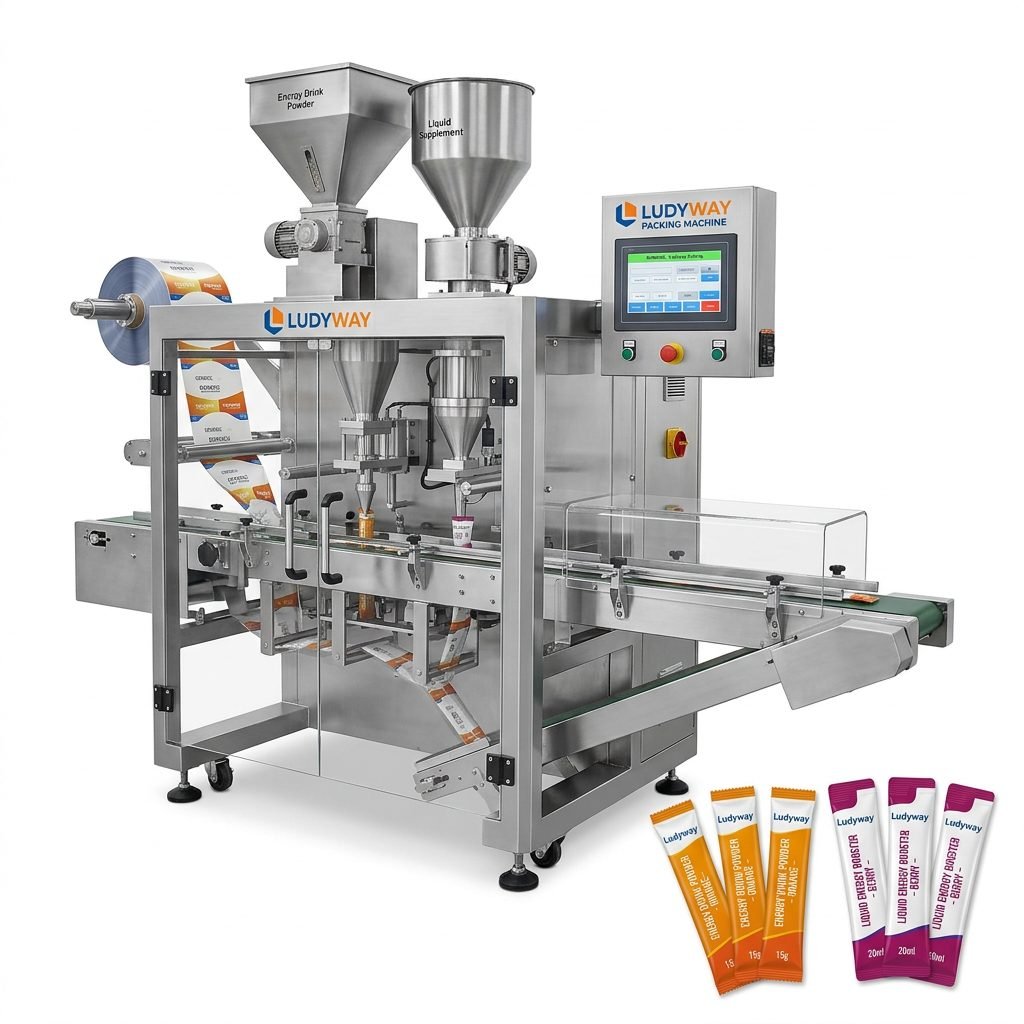
Investing in a vacuum packaging machine is a strategic decision for food processors, pharmaceutical manufacturers, and industrial packagers looking to extend product shelf life, reduce waste, and improve operational efficiency. Whether you are packaging granules, powders, liquids, or solid products, understanding the cost factors behind a Valko vacuum packaging machine—or any industrial-grade vacuum sealer—is essential before making a purchase commitment.
This comprehensive pricing guide breaks down the key cost drivers, provides realistic price ranges for different machine categories, and helps you evaluate the total cost of ownership. We also explore how manufacturers like Ludyway deliver high-performance vacuum packaging solutions at competitive price points for global buyers.

Key Factors That Influence Vacuum Packaging Machine Pricing
Several variables determine the final cost of a vacuum packaging machine. Understanding these factors will help you compare quotes accurately and avoid overpaying for features you may not need.
1. Machine Type and Automation Level
The level of automation is the single biggest cost variable. A basic tabletop vacuum sealer costs significantly less than a fully automated, multi-lane industrial system integrated with upstream filling and downstream cartoning equipment. Machines are generally classified into:
- Manual / Semi-Automatic Models: Require operator intervention for loading and unloading.
- Fully Automatic Systems: Include automatic product feeding, vacuum sealing, and discharge—ideal for high-volume production lines.
- Turnkey Packaging Lines: Combine vacuum sealing with weighing, filling, coding, and palletizing for end-to-end automation.
2. Chamber Size and Configuration
The physical dimensions of the vacuum chamber directly impact machine cost. Single-chamber and double-chamber machines are common for medium-scale operations, while continuous belt vacuum sealers and thermoforming vacuum packaging lines command higher prices due to increased throughput capacity.
3. Production Capacity and Speed
High-speed machines with multi-lane configurations and servo-driven sealing systems can process hundreds of packs per minute. As speed and output increase, so does the price—but the cost-per-pack typically drops significantly, improving long-term ROI.
4. Material Compatibility and Sealing Technology
Machines designed to handle multiple packaging materials—such as aluminum foil, PA/PE composites, and high-barrier films—often feature advanced temperature control and pressure regulation systems, adding to the upfront cost.
5. Additional Features and Customization
Options such as gas flushing (MAP), nitrogen injection, liquid vacuum capability, stainless steel construction (316L grade), and CIP (Clean-in-Place) systems increase the base price but may be essential for specific applications like pharmaceutical or ready-to-eat food packaging.
Valko Vacuum Packaging Machine Price Ranges (2025 Guide)
Based on current market data and manufacturer quotes, the following table outlines estimated price ranges for various categories of industrial vacuum packaging machines:
| Machine Category | Typical Application | Estimated Price Range (USD) |
|---|---|---|
| Tabletop / Entry-Level | Small businesses, lab use, low-volume sealing | $500 – $3,000 |
| Single-Chamber Industrial | Food processing, meat packaging, medium output | $3,000 – $15,000 |
| Double-Chamber & Belt-Driven | Higher throughput, continuous operation | $12,000 – $40,000 |
| Thermoforming Vacuum Lines | Automated forming, filling, sealing for large volumes | $40,000 – $150,000+ |
| Turnkey Automated Systems | Fully integrated packaging lines with auxiliary equipment | $100,000 – $500,000+ |
Note: Prices are indicative and vary based on configuration, manufacturer location, shipping costs, and after-sales service agreements. Request a customized quotation for precise pricing tailored to your production requirements.

Why Ludyway Vacuum Packaging Machines Offer Exceptional Value
As one of the largest packaging machine manufacturers in China, Ludyway has been delivering advanced packaging equipment and turnkey production solutions for over 30 years. The company provides more than 50 intelligent packaging machine models, including vacuum packaging systems tailored for granule, powder, liquid, and solid product applications. Supported by a modern 20,000m² manufacturing facility, Ludyway serves customers in over 100 countries and regions—combining innovative engineering with cost-effective pricing that helps businesses maximize their packaging investment.
Total Cost of Ownership: Beyond the Purchase Price
When evaluating a vacuum packaging machine, smart buyers look beyond the initial price tag. The total cost of ownership (TCO) includes:
- Energy Consumption: High-efficiency vacuum pumps and servo motors reduce electricity costs over time.
- Maintenance and Spare Parts: Machines with standardized components are easier and cheaper to service.
- Film and Material Usage: Precision sealing reduces material waste, saving thousands of dollars annually.
- Downtime and Productivity Loss: Reliable equipment from established manufacturers minimizes production interruptions.
- Technical Support and Warranty: Comprehensive after-sales service can significantly reduce long-term operational costs.
Comparing Industrial Vacuum Packaging Technologies
Different vacuum technologies suit different products and production environments. Here is a quick comparison:
| Technology Type | Best For | Relative Cost |
|---|---|---|
| Nozzle Vacuum | Solid, non-fragile products in pre-made bags | Low to Medium |
| Chamber Vacuum | Bulk solids, liquids, powders, and medical products | Medium |
| Thermoforming Vacuum | High-volume food packaging with formed trays | High |
| Rotary / Continuous Belt | Non-stop production lines, large-scale operations | Very High |

How to Choose the Right Vacuum Packaging Machine for Your Business
Selecting the optimal vacuum packaging solution requires a systematic evaluation of your operational needs. Follow these steps:
- Define Your Product Characteristics: Determine whether you are packaging dry granules, powders, liquids, fresh produce, meat, or medical devices. Each product type has specific vacuum requirements.
- Estimate Daily Production Volume: Calculate your current and projected throughput to match machine capacity—under-sizing leads to bottlenecks, while over-sizing wastes capital.
- Assess Packaging Material Requirements: Confirm the film types and pouch dimensions you plan to use, ensuring machine compatibility.
- Evaluate Facility Constraints: Consider available floor space, power supply, and compressed air requirements before finalizing a model.
- Plan for Integration: If the vacuum sealer will be part of a larger packaging line, verify compatibility with existing or planned upstream and downstream equipment.
- Request Live Demonstrations: Whenever possible, arrange for a machine trial with your actual products to validate performance before purchase.
Frequently Asked Questions About Vacuum Packaging Machine Costs
Q: What is the average cost of an industrial vacuum packaging machine?
Industrial vacuum packaging machines typically range from $3,000 to over $150,000, depending on automation level, chamber size, and production speed. Entry-level single-chamber models start around $3,000–$5,000, while fully automated thermoforming lines can exceed $150,000.
Q: Are Chinese-manufactured vacuum packaging machines reliable?
Yes. Reputable Chinese manufacturers with ISO-certified facilities, decades of export experience, and strong global service networks deliver reliable, high-quality vacuum packaging machines at competitive prices. Many meet CE, FDA, and GMP standards for international markets. Refer to PMMI Business Intelligence for industry benchmarks on packaging machinery quality standards.
Q: How much does shipping and installation add to the total cost?
Shipping, import duties, and on-site installation can add 10%–25% to the machine purchase price, depending on destination and system complexity. Many suppliers offer inclusive CIF or DDP quotations for transparency; always confirm what is covered when comparing quotes.
Q: What is the typical ROI period for a commercial vacuum packaging machine?
Most businesses recover their investment within 12–24 months through reduced product waste, extended shelf life, labor savings, and increased production output. High-volume operations may see ROI in as little as 6–12 months when replacing manual processes with automated systems.
Q: Can I lease or finance a vacuum packaging machine?
Yes, many equipment manufacturers and third-party financing providers offer lease-to-own, installment payment, and equipment financing options. These arrangements help businesses preserve working capital while acquiring essential packaging equipment.
For detailed specifications, custom pricing, or to schedule a consultation with a packaging expert, reach out to a trusted manufacturer or visit PMMI Packaging Industry Resources and the Flexible Packaging Association for additional industry data and equipment selection guidance. Understanding your production goals and comparing multiple quotes will ensure you secure the best value for your vacuum packaging machine investment.