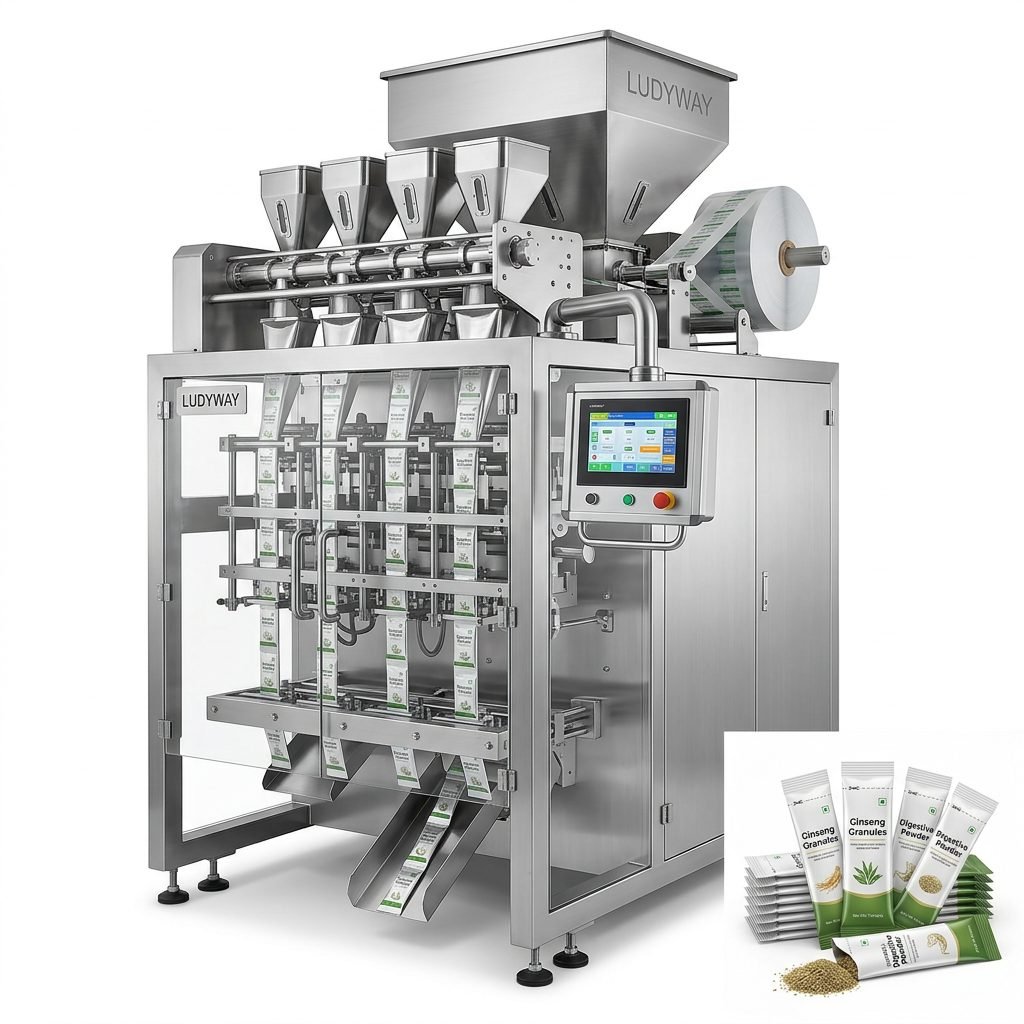
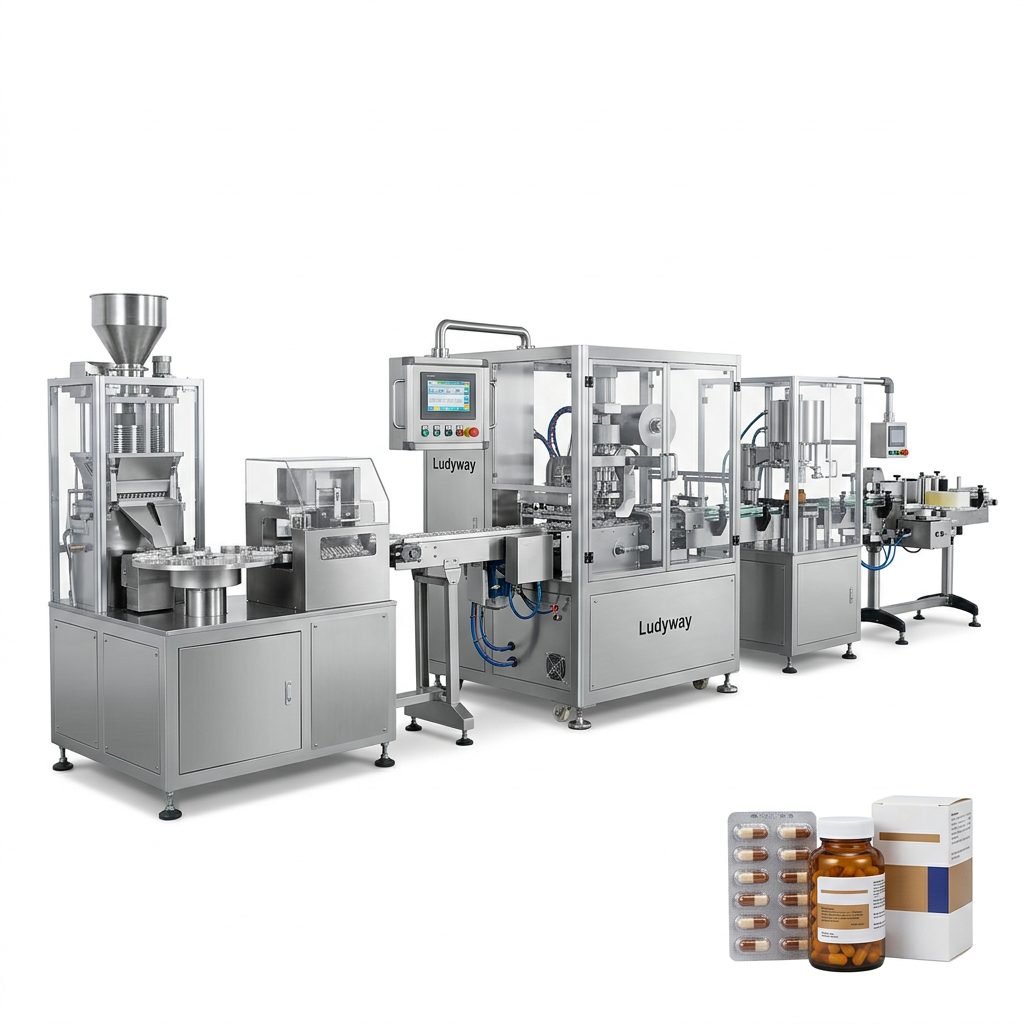
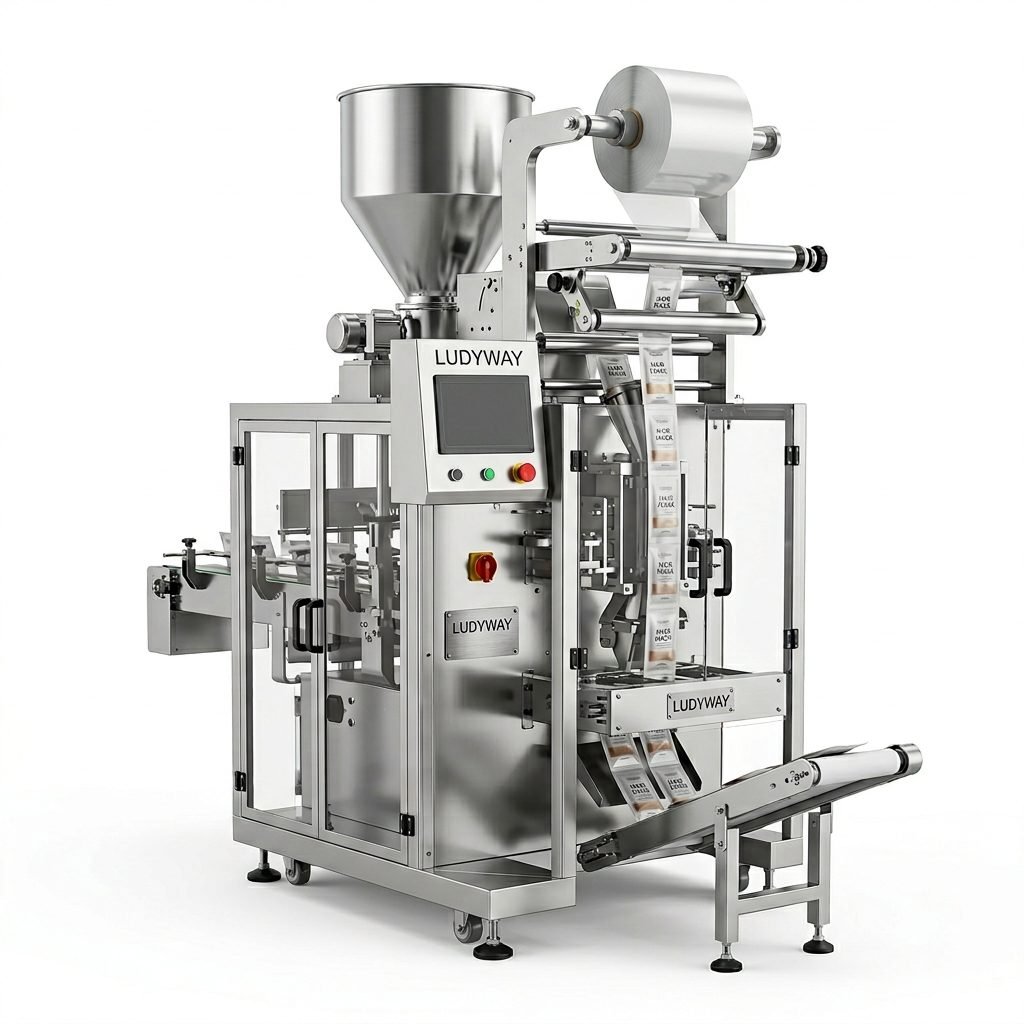
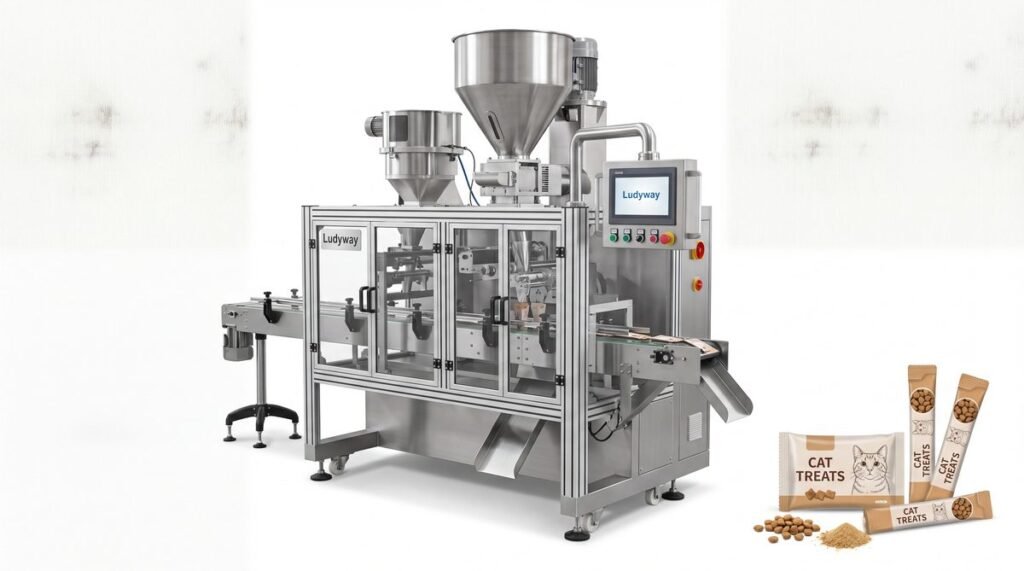
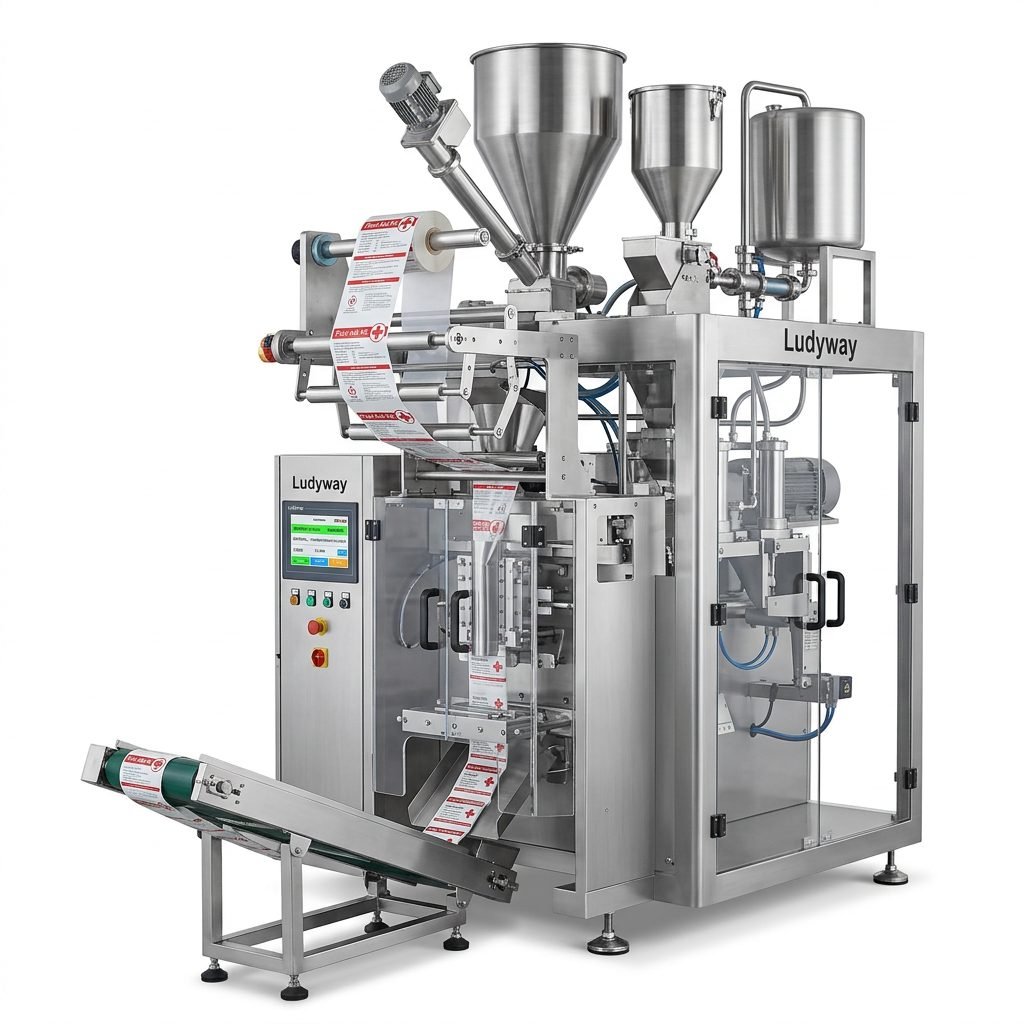
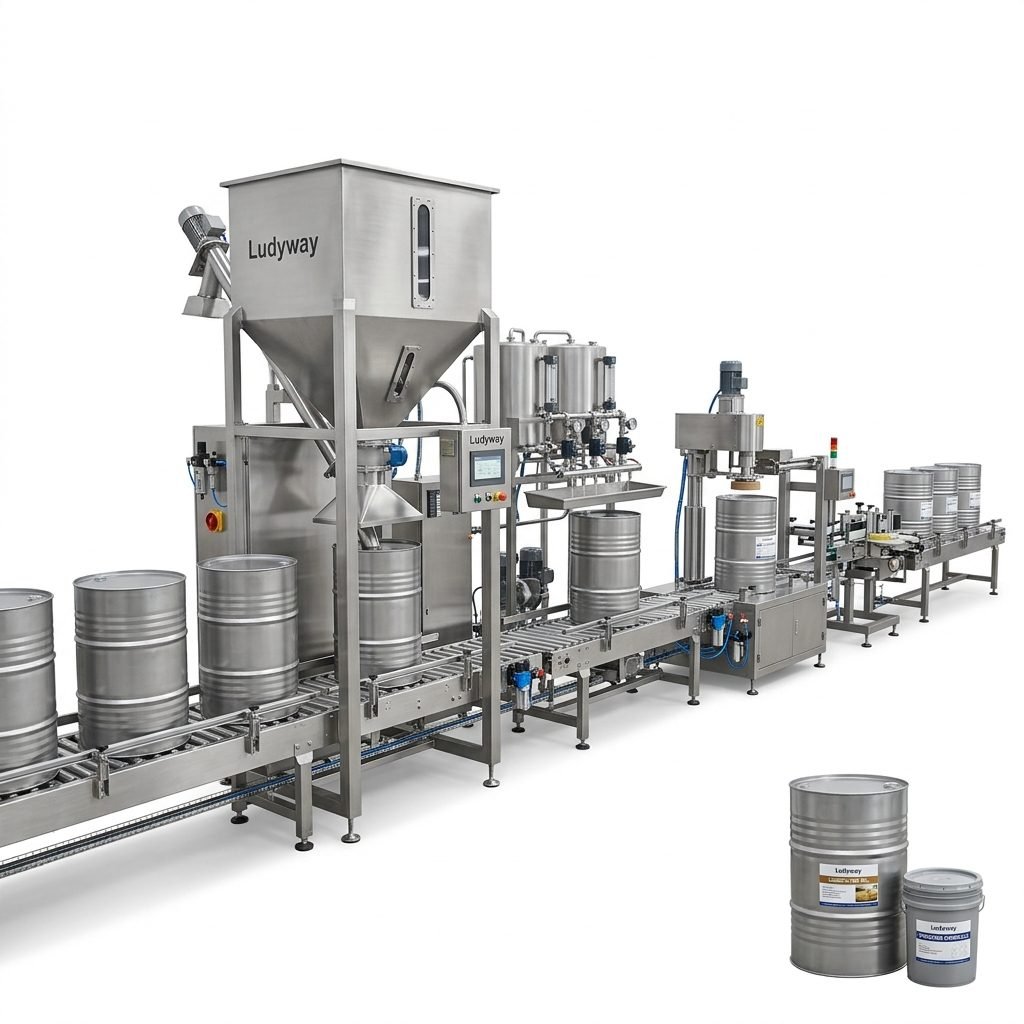
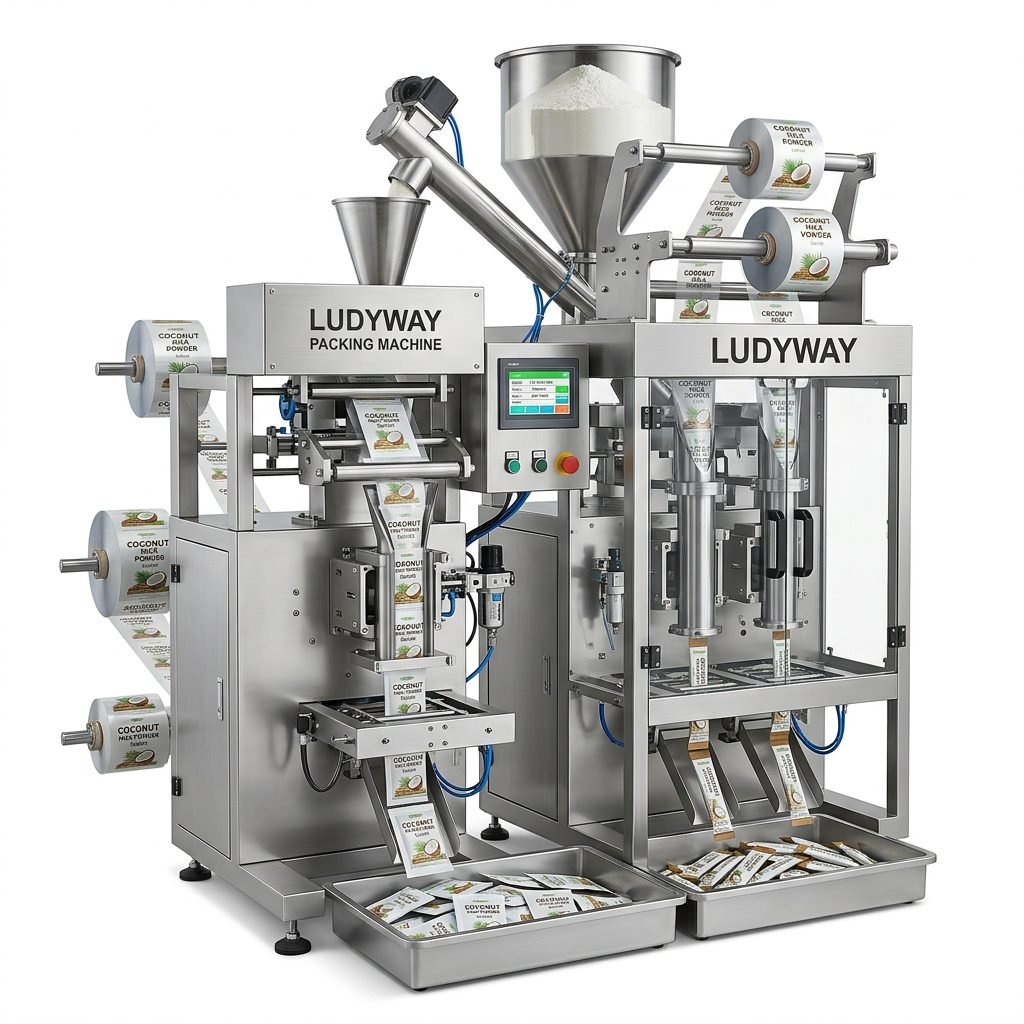
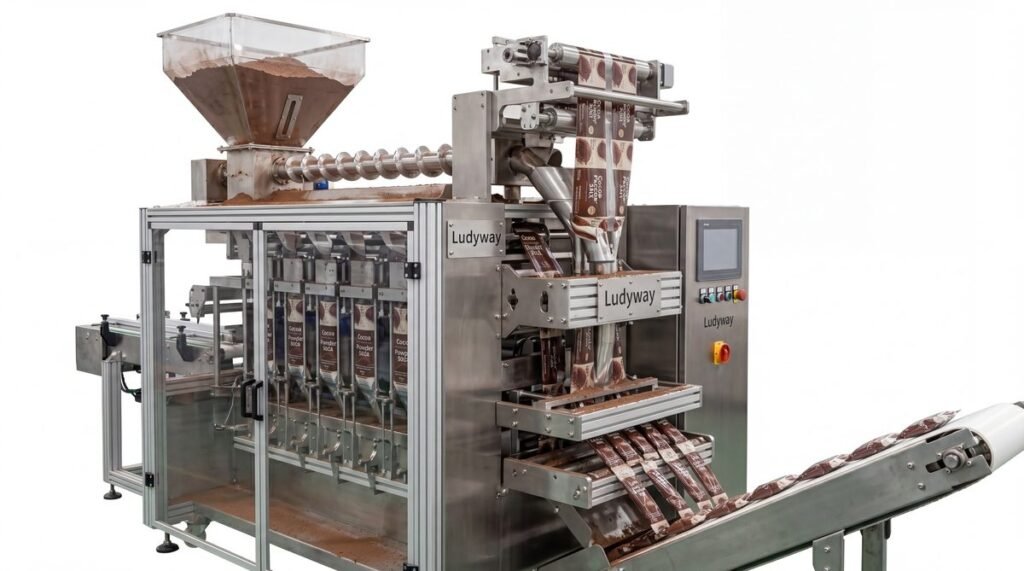
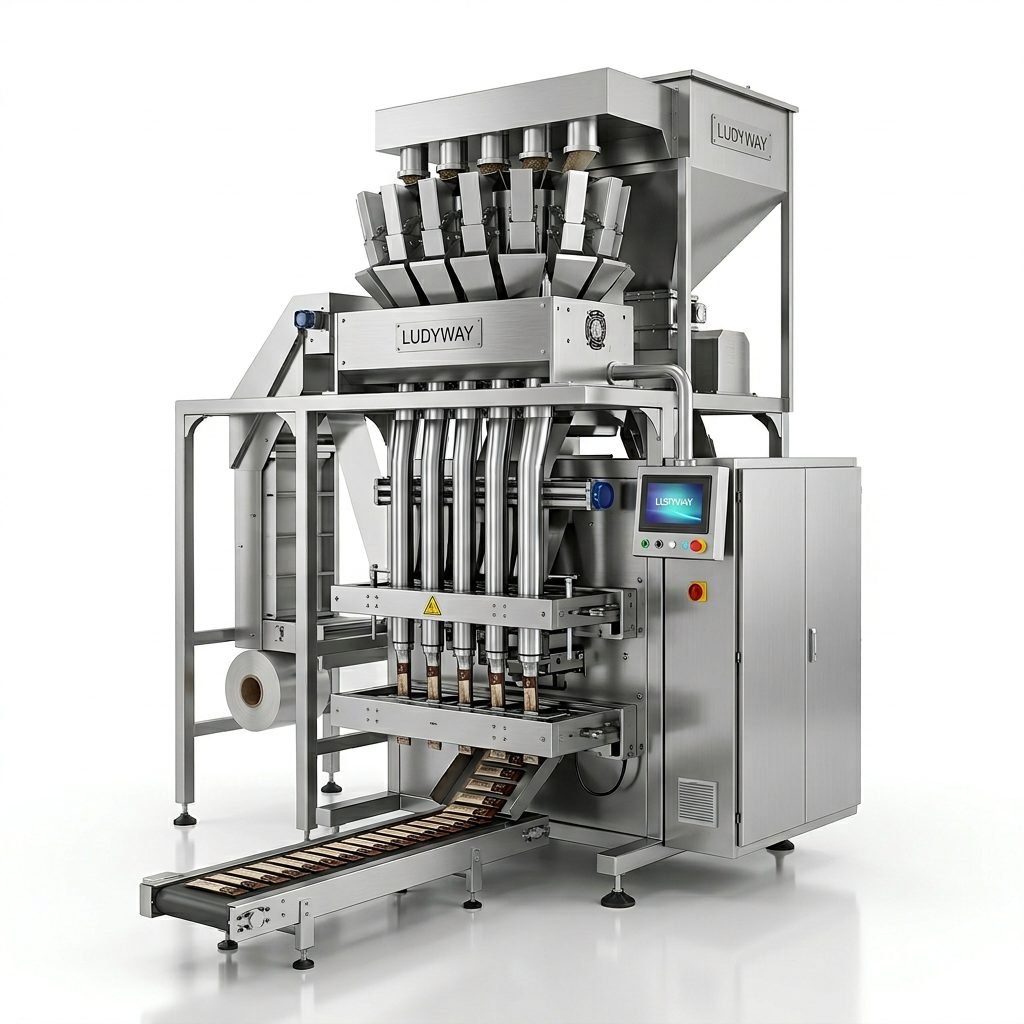
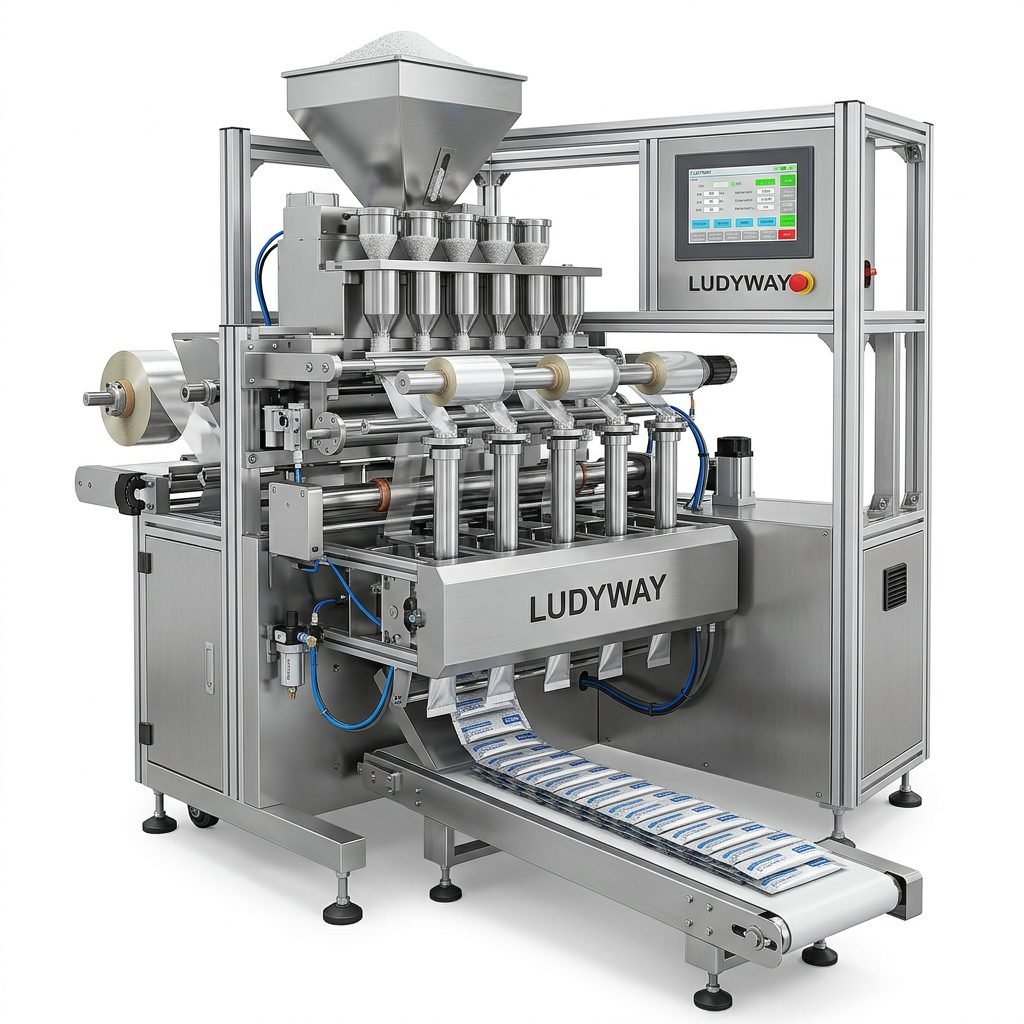
Proper care and regular upkeep of your soap packaging machine are critical to ensuring consistent output, minimizing downtime, and extending the lifespan of your equipment. Without a structured routine, residue buildup and mechanical wear can lead to costly repairs. This guide provides a detailed walkthrough of essential cleaning processes and preventive maintenance strategies.
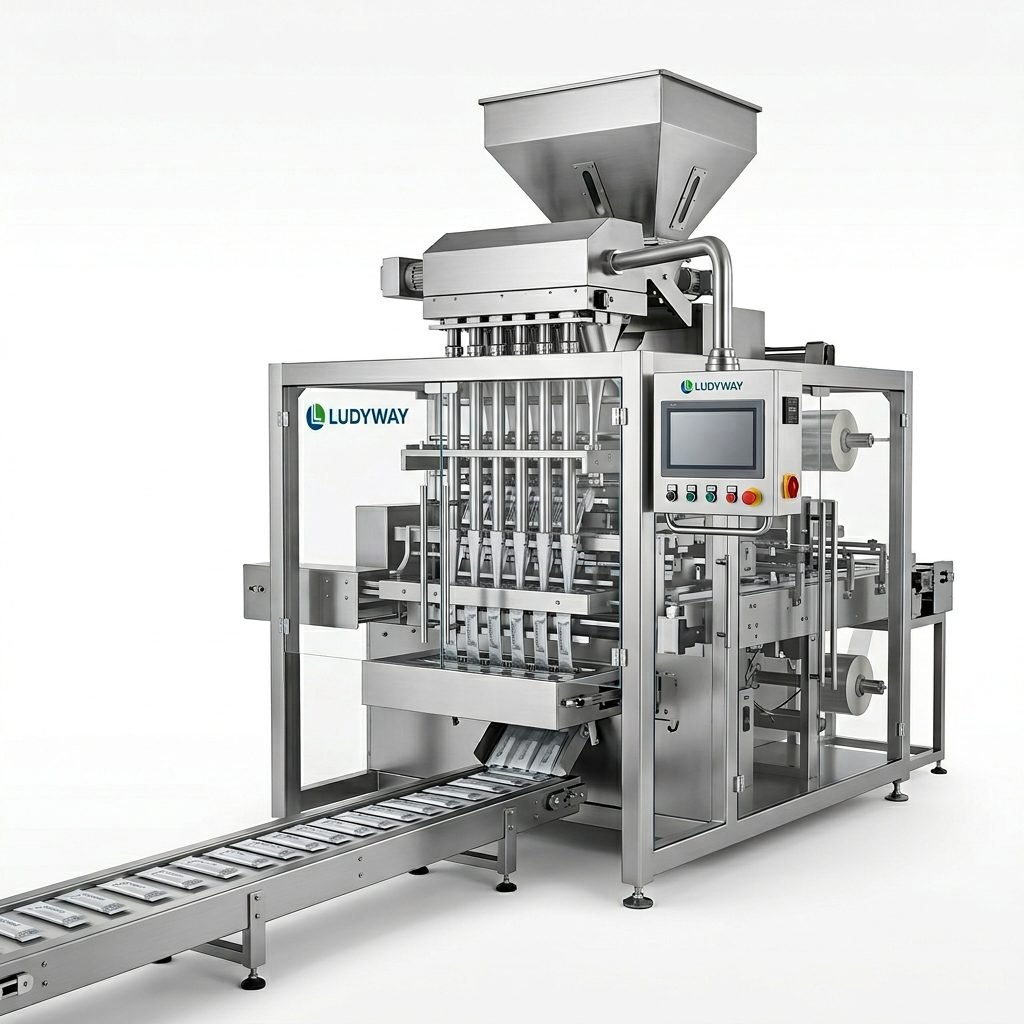
Why Routine Maintenance is Non-Negotiable
Soap, whether in liquid, powder, or bar form, often leaves behind a stubborn residue. This accumulation not only affects the hygienic integrity of the packaging but can also corrode sensitive parts. A well-maintained machine operates at peak efficiency, reduces product waste from misaligned seals, and ensures compliance with strict industry regulations.
- Prevents unscheduled downtime: Routine checks catch minor issues before they escalate.
- Ensures product quality: Clean forming tubes and sealing jaws prevent contamination.
- Extends equipment life: Lubrication and cleaning reduce mechanical stress.
1. Daily Deep-Cleaning Protocol
The daily regimen is focused on removing surface-level soap particles and dust. Because soap is inherently sticky, dry methods are often better before introducing liquids. Always switch off and lock out the main power supply before starting.
- Dry Particle Removal: Use compressed air to blow out loose powder from the forming area and electrical cabinets, being careful not to force debris deeper into the sensors.
- Sealing Jaw Care: Wipe the heated sealing jaws with a dry lint-free cloth to remove any melted film residue. Check the Teflon coating for scratches.
- Product Contact Surfaces: Wipe down hoppers and chutes with a damp microfiber cloth. Avoid harsh chemicals that might react with metal surfaces.
2. Weekly Preventive Lubrication and Inspection
Weekly maintenance allows you to inspect the moving components that endure constant friction. A packaging machine manufacturer like Ludyway designs equipment with accessible lubrication points to make this process efficient.
Inspection Checklist
- Bearings and drive chains
- Vacuum belts and suction cups
- Film carriage alignment
- Sensor sensitivity
Lubrication Guide
- Use food-grade grease on main gears
- Light machine oil on timing belts
- Do not over-grease bearings
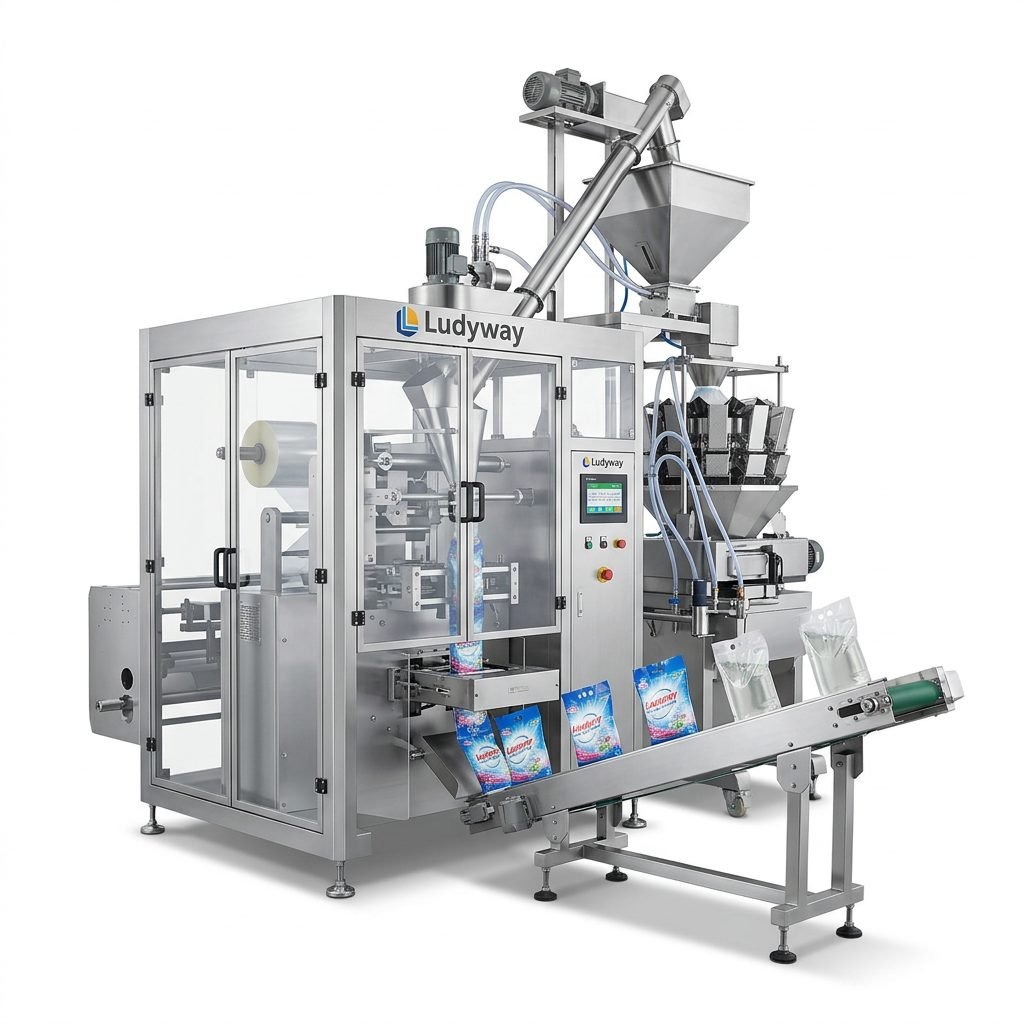
3. Monthly Focus on Sealing Integrity
The quality of the seal is the final verdict on your machine’s health. Residue from soaps can often act as an insulator, preventing proper heat transfer. Use the table below to diagnose and solve common sealing issues related to cleanliness.
| Problem | Cause | Solution |
|---|---|---|
| Wrinkled Seals | Dirty Teflon tape or uneven cooling | Replace Teflon and clean cooling plates |
| Leaks in Pouch | Product trapped in vertical seal area | Adjust stripper tubes; clean forming collar |
| Inconsistent Cutting | Sticky residue on knife | Soak knife in warm water; use alcohol wipe |
4. Managing Specific Soap Formats
Not all soaps are created equal. A soap packaging machine handling high-fat content bars requires a different approach than one running single-dose liquid detergents.
- Liquid Soap: Pay extra attention to the pump and nozzle fittings. Leftover liquid can crystallize and clog the flow path. Flush the system with hot water weekly.
- Soap Powder: Dust is the main enemy. Utilize an integrated dust extraction hood. Check the vibratory feeder tracks for compacted powder that can block sensors.
- Bar Soap: Look for wax or glycerin buildup on the wrapping rollers. Use a plastic scraper to gently remove residues without scratching the chrome finish.

5. Electrical and Sensor Hygiene
Photoelectric sensors and proximity switches are the “eyes” of the system. A layer of soap dust can cause false readings, leading to machine crashes or empty packages. Regularly wipe sensors with an isopropyl alcohol swab. Ensure the control panels have proper sealing gaskets to prevent moisture ingress, which is a common failure point in humid wash-down environments.
6. The Long-Term Strategic Overhaul
Quarterly or annually, a comprehensive shutdown is necessary. This goes beyond the general cleaning routine and enters the realm of component replacement.
- Replace Worn Parts: Proactively swap out vacuum belts, cutting blades, and heating elements before they fail.
- Calibrate Heat Controllers: Thermocouples can drift over time. Verify the actual temperature against the displayed readout.
- Deep Mechanical Inspection: Check for play in the main drive shaft and tighten all structural mounting bolts.
For complex overhauls, partnering with a specialist like Ludyway ensures access to original spare parts and technical expertise. Their engineering team provides reliable and efficient packaging solutions and after-sales support to keep your production lines moving. You can read more about industry standards on PMMI – The Association for Packaging and Processing Technologies.
Implementing these cleaning and maintenance tips transforms your soap packaging machine from a potential bottleneck into a reliable asset. Documenting every cleaning session and part replacement creates a valuable history that helps predict future maintenance needs.