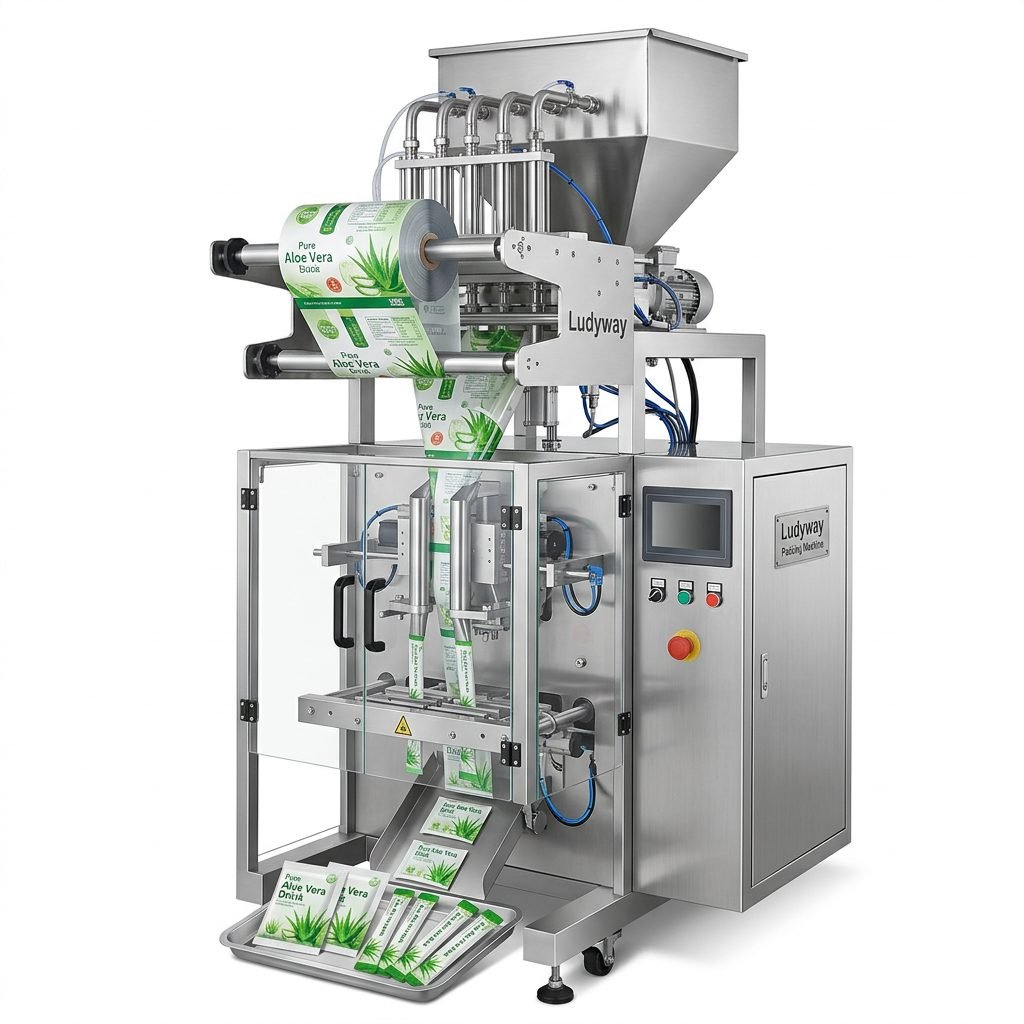
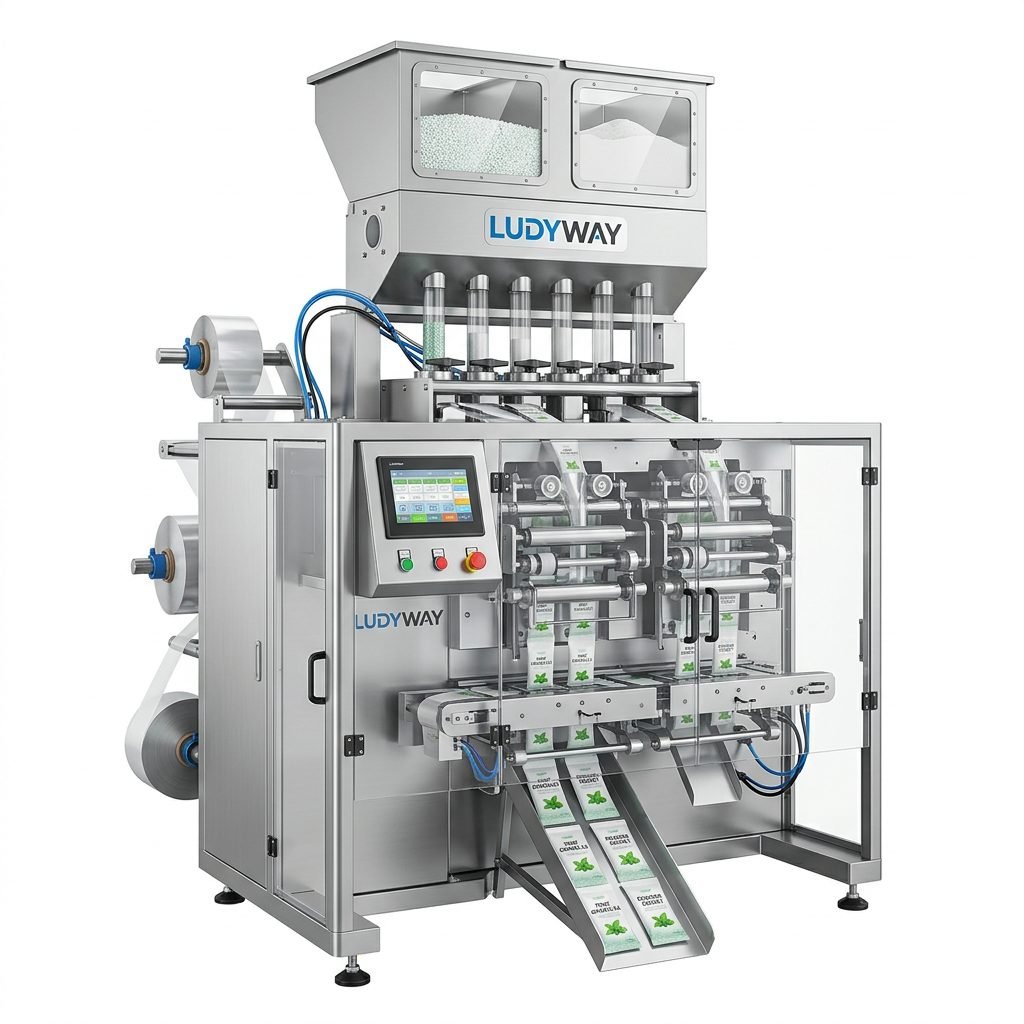
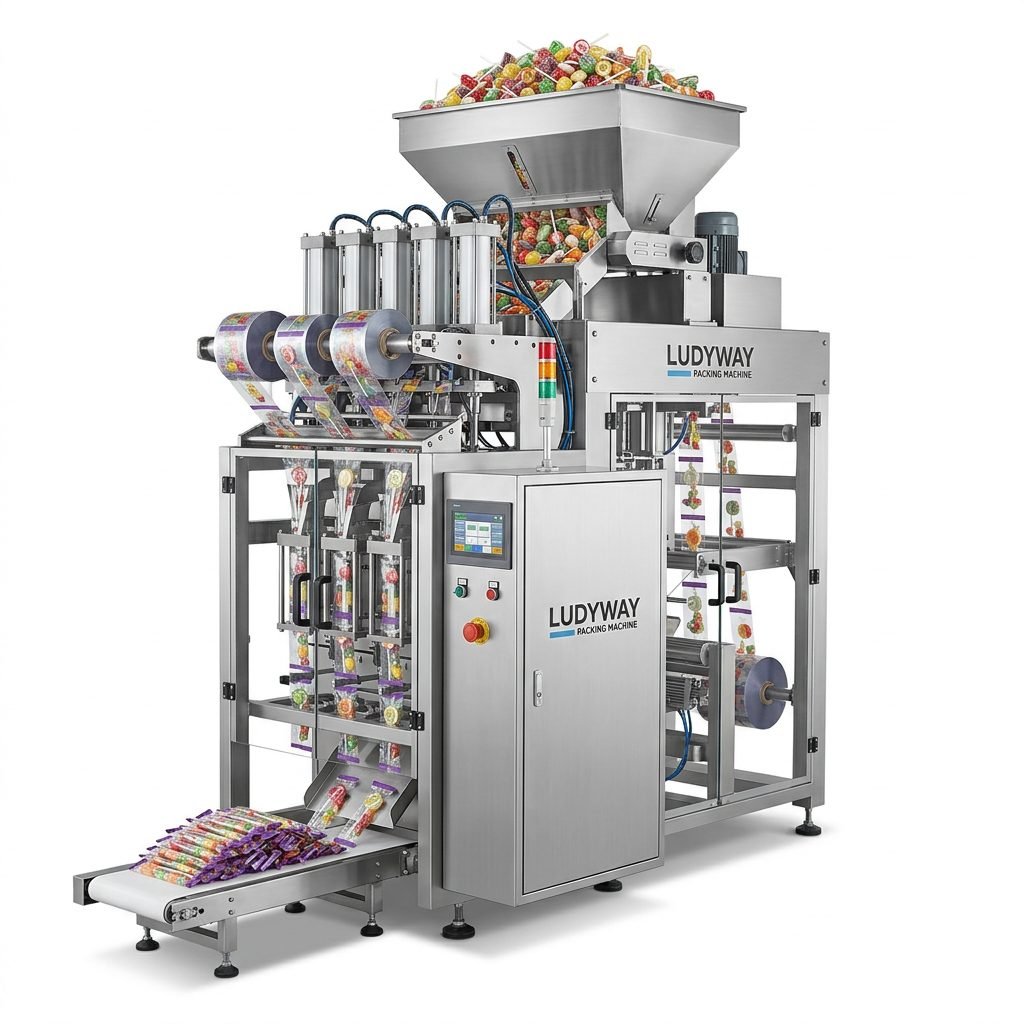
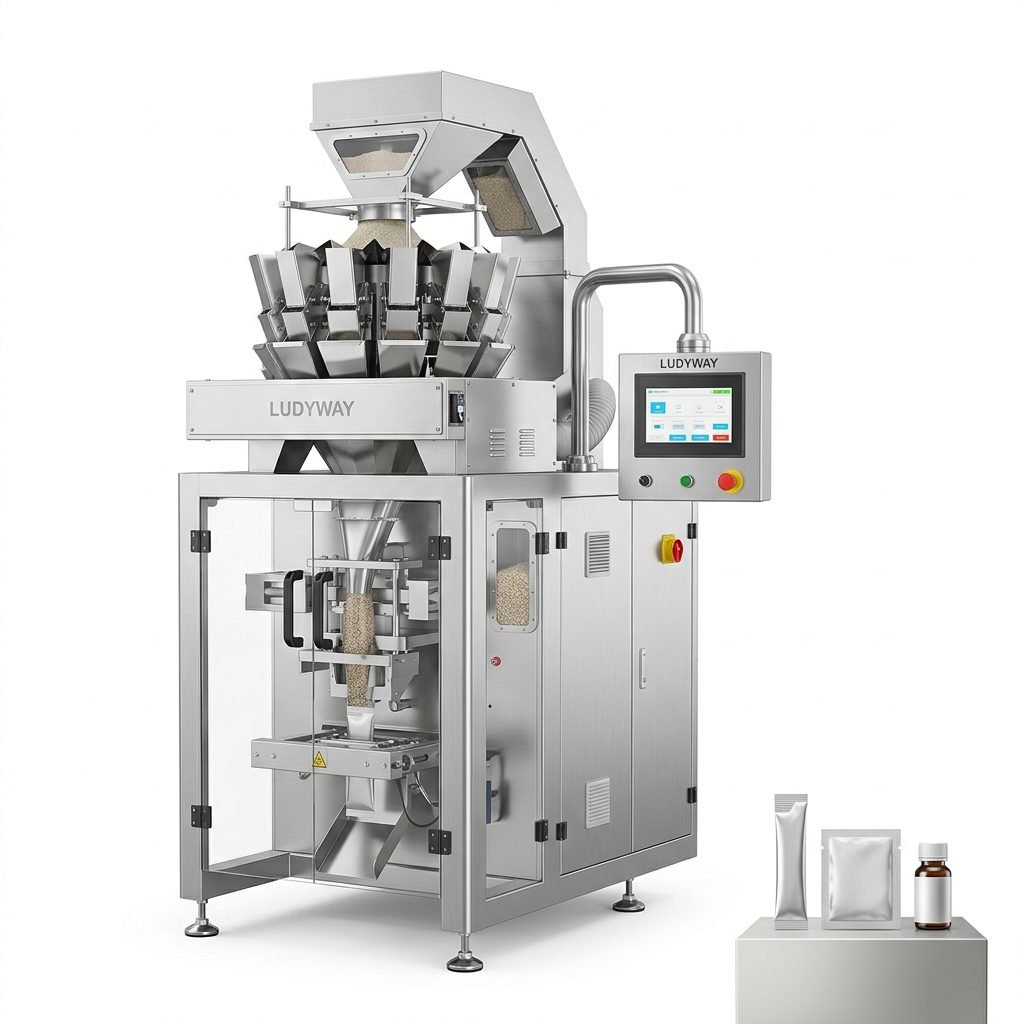
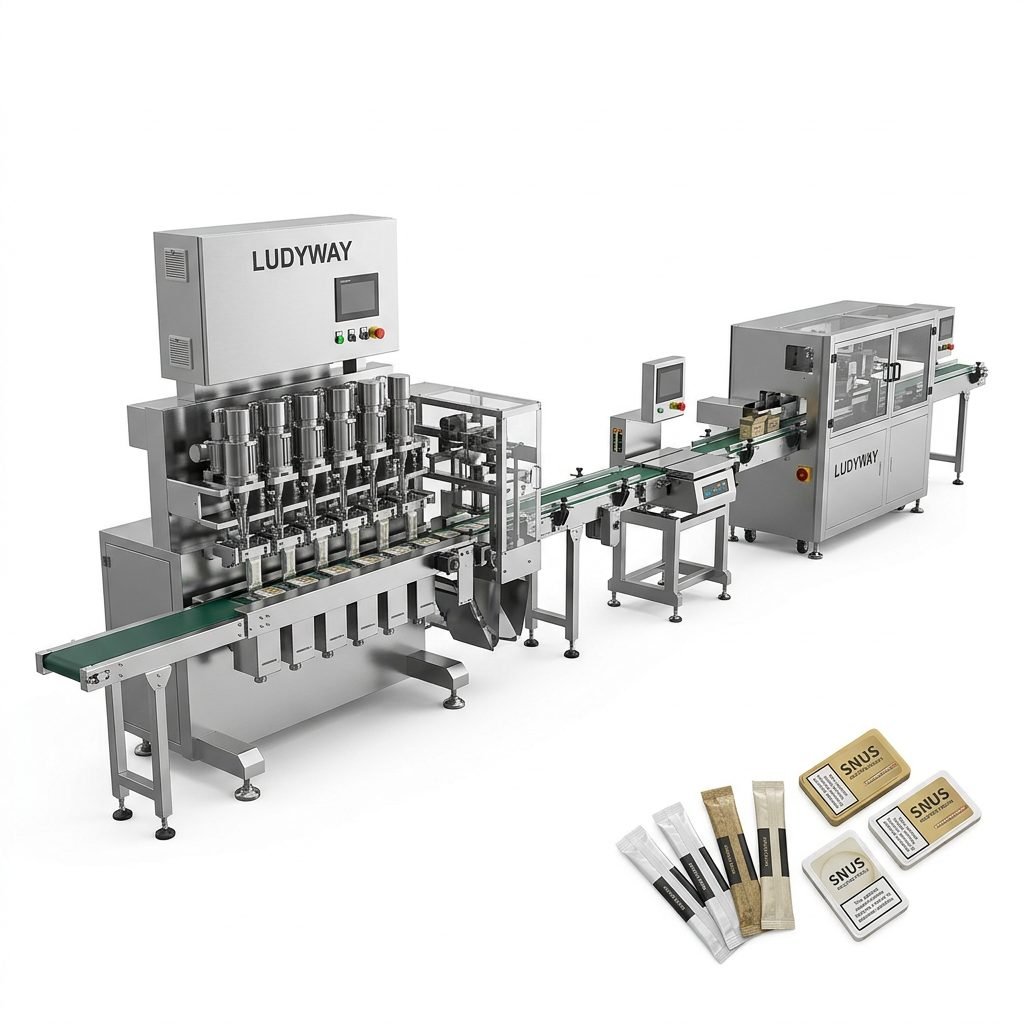
Investing in a tea and chilli powder packing machine is a significant step for any food processing or spice business. Whether you are scaling up production of premium green tea or handling bulk quantities of chilli powder, the efficiency, accuracy, and speed of your packaging line directly impact your bottom line. Understanding the tea and chilli powder packing machine price requires a deep dive into various technical and commercial factors. This guide breaks down everything you need to know about costs, features, and making the right investment.
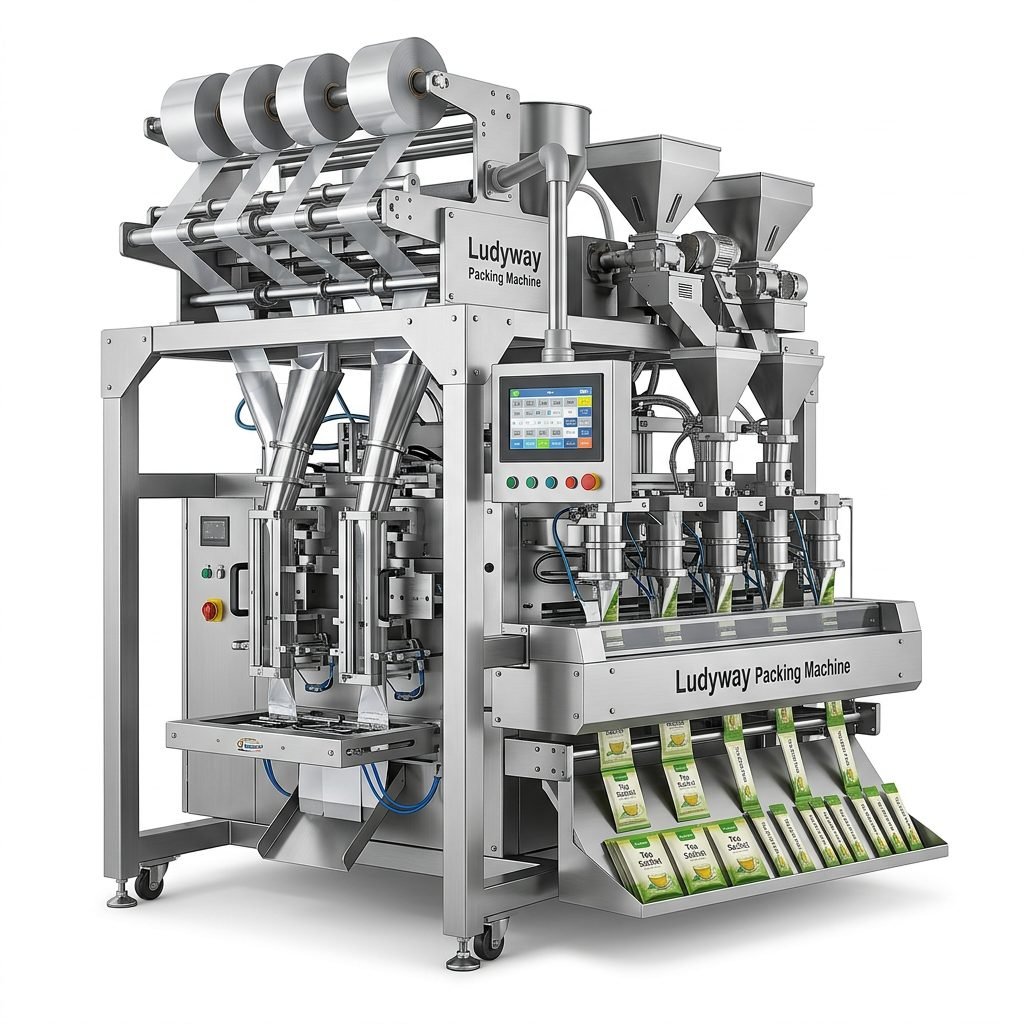
Key Factors Influencing the Price of a Tea and Chilli Powder Packing Machine
The market offers a wide spectrum of machines, and the price can range from a few thousand dollars for a basic model to over a hundred thousand for a fully automated, high-speed line. Several core specifications drive these cost variations.
1. Level of Automation
This is the single biggest price determinant. A semi-automatic machine requires manual intervention for tasks like pouch feeding or filling initiation, making it suitable for small-scale operations. In contrast, a fully automatic packaging line, which handles everything from film unwinding to multi-lane sachet filling and sealing, commands a significantly higher price due to its increased productivity and reduced labor costs.
2. Machine Configuration and Lane Numbers
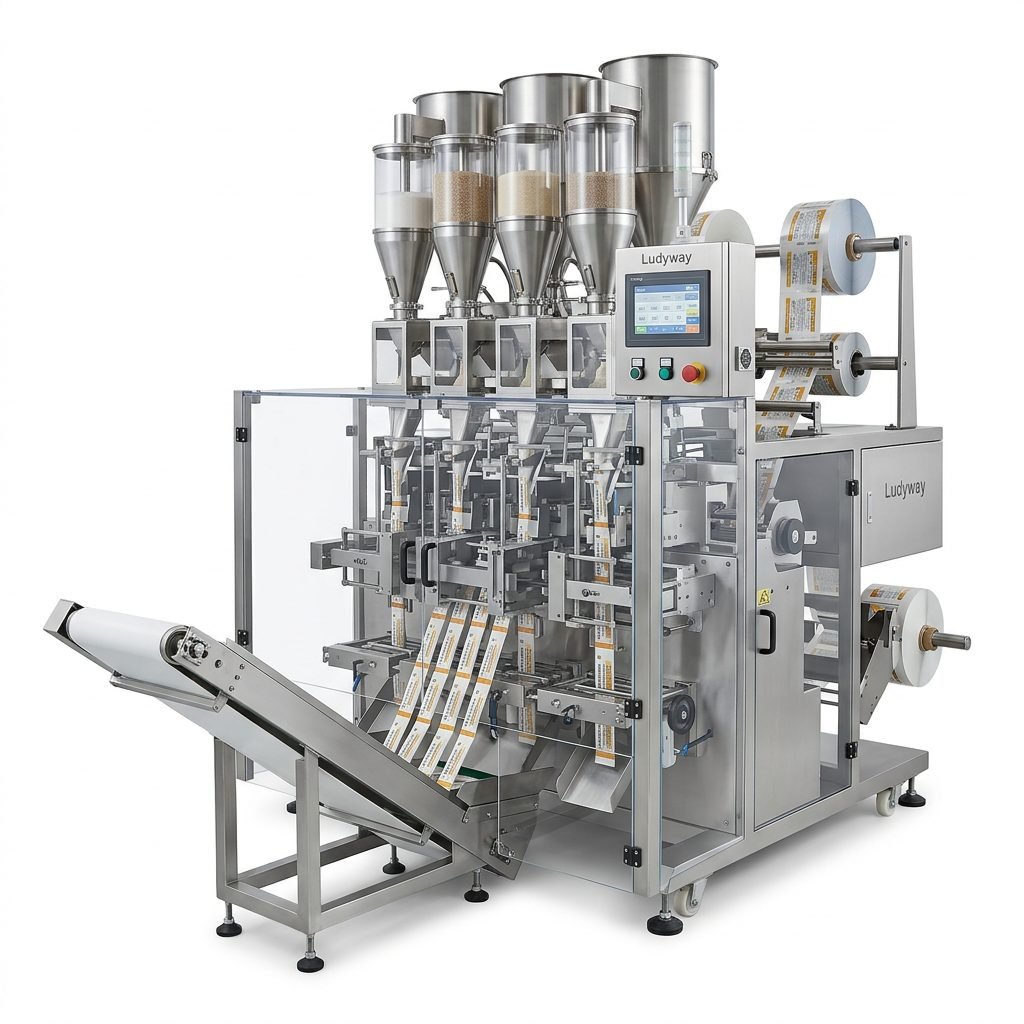
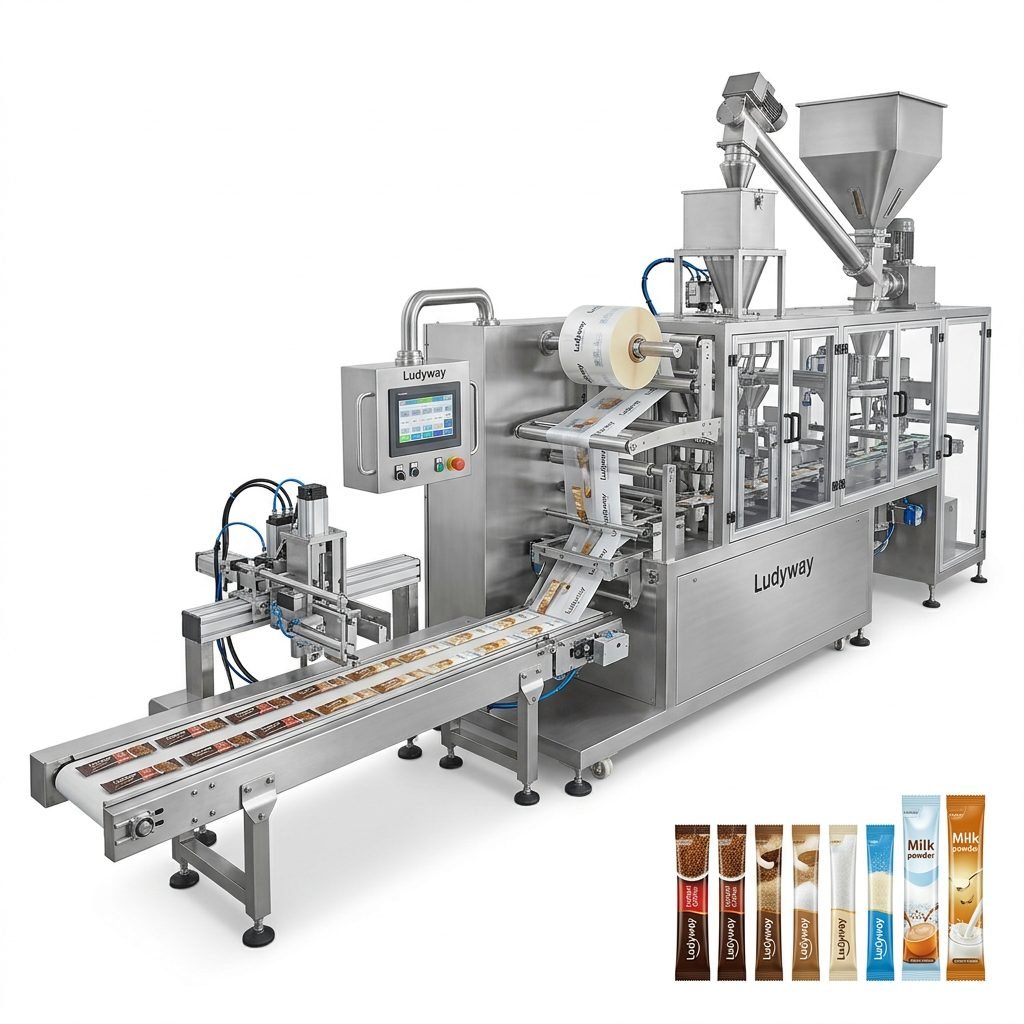
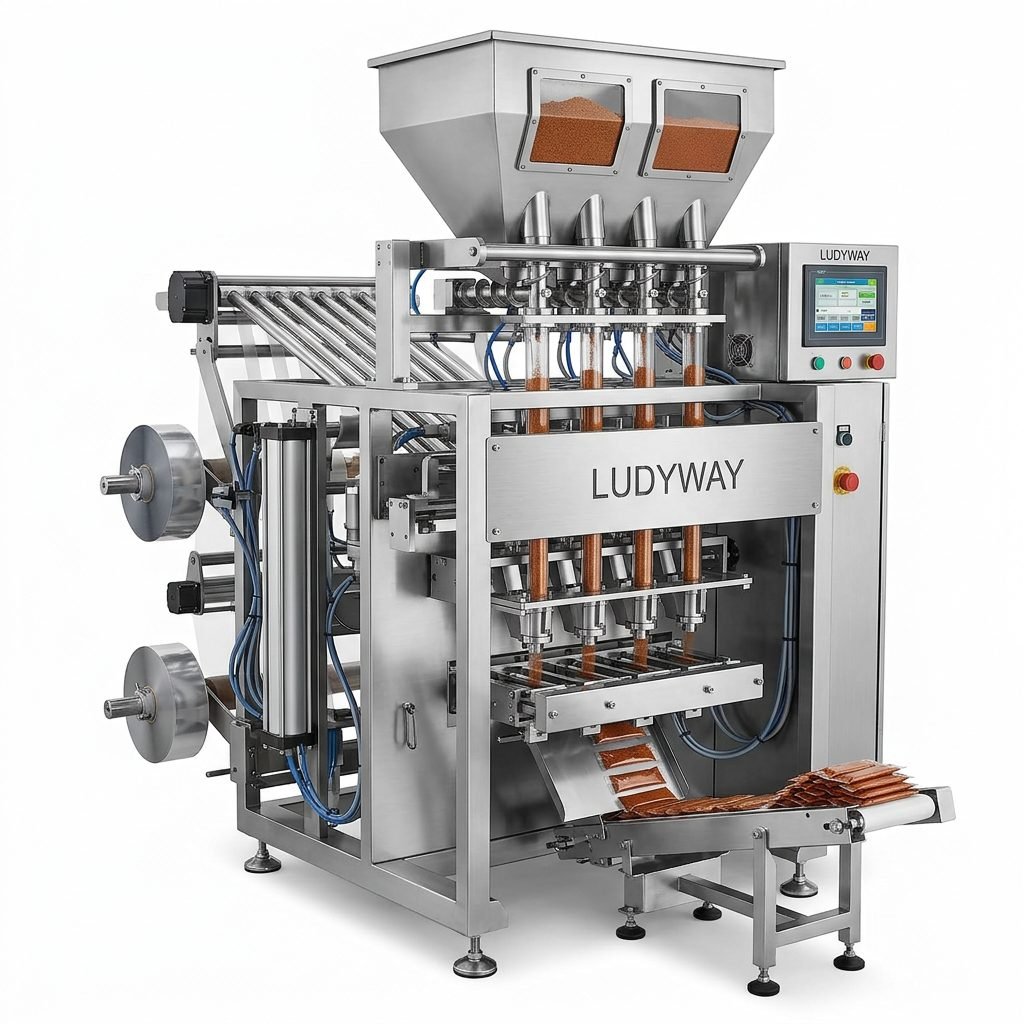
Single-lane machines are the entry-level option, perfect for startups. However, if you need to pack thousands of tea or chilli powder sachets per hour, a multi-lane stick pack or sachet machine is essential. A 4-lane, 6-lane, or even 12-lane configuration will multiply output but also increases the initial investment cost proportionally. More lanes mean more sophisticated control systems and filling stations.
3. Filling Technology and Precision
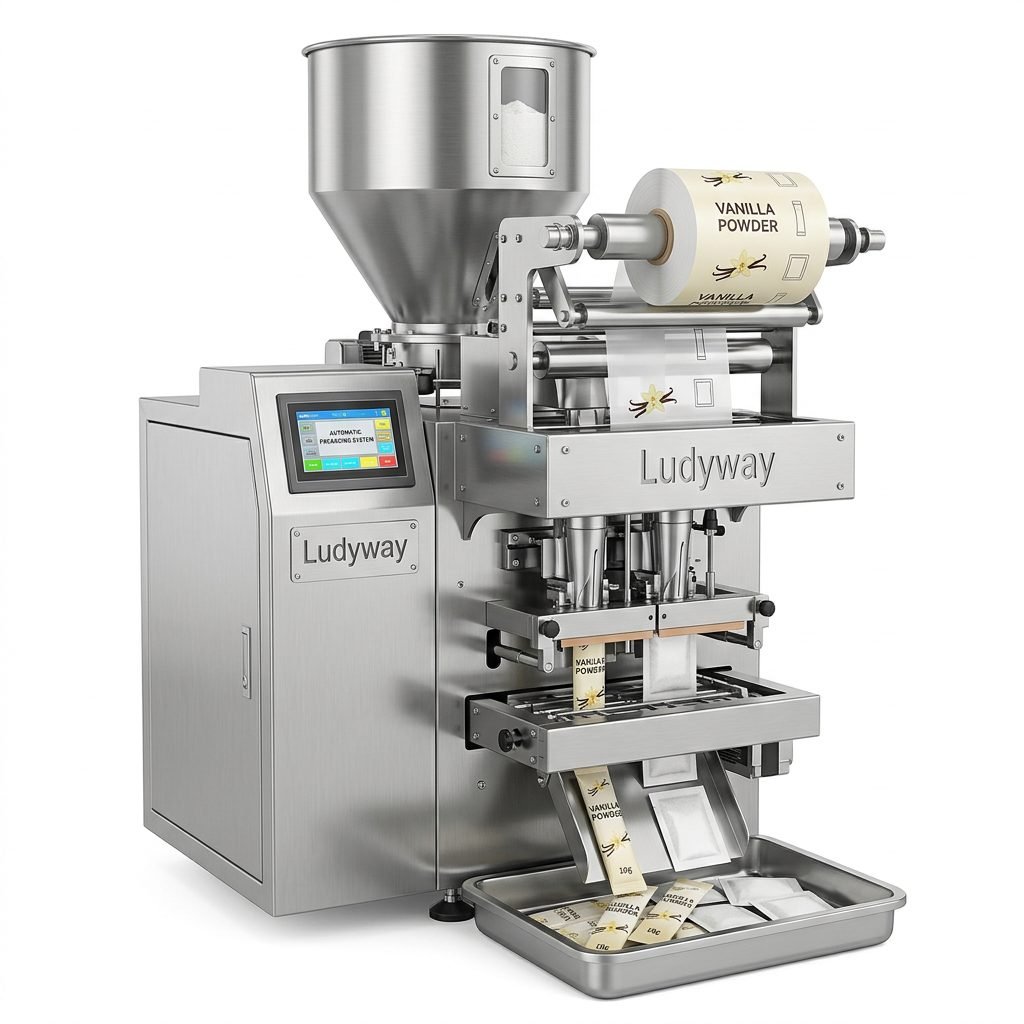
Tea and chilli powder have different flow characteristics. Chilli powder can be fine and dusty, while tea leaves can be delicate and irregular. The type of filling system—whether it’s an auger filler for powders, a volumetric cup filler, or a multi-head weigher—affects the price. Advanced servo-driven augers that offer precise, dust-free filling for chilli powder are more expensive but minimize product give-away and maintain a clean sealing area.
4. Construction Material and Build Quality
For food-grade applications, especially with aggressive substances like chilli, the build material matters. Machines constructed with food-grade stainless steel (SUS304 or SUS316L) are mandatory for durability, hygiene, and corrosion resistance. A robust frame and high-quality electrical components (such as Siemens PLCs or Omron sensors) increase stability and lifespan but also add to the upfront cost compared to machines built with standard steel and generic parts.
Estimated Price Ranges for Tea and Chilli Powder Packing Machines
While final quotes depend on custom specifications, the table below provides a general market reference for budget planning. Please note these are indicative figures and can vary based on supplier and regional factors.
| Machine Category | Output Range (Packs/Min) | Estimated Price Range (USD) |
|---|---|---|
| Semi-Automatic Single Lane | 15 – 30 | $3,000 – $12,000 |
| Automatic Single Lane Sachet | 30 – 60 | $8,500 – $25,000 |
| Multi-Lane Stick Pack (4-6 Lanes) | 100 – 300 | $25,000 – $65,000 |
| High-Speed Multi-Lane System (10+ Lanes) | 400 – 1000+ | $70,000 – $180,000+ |
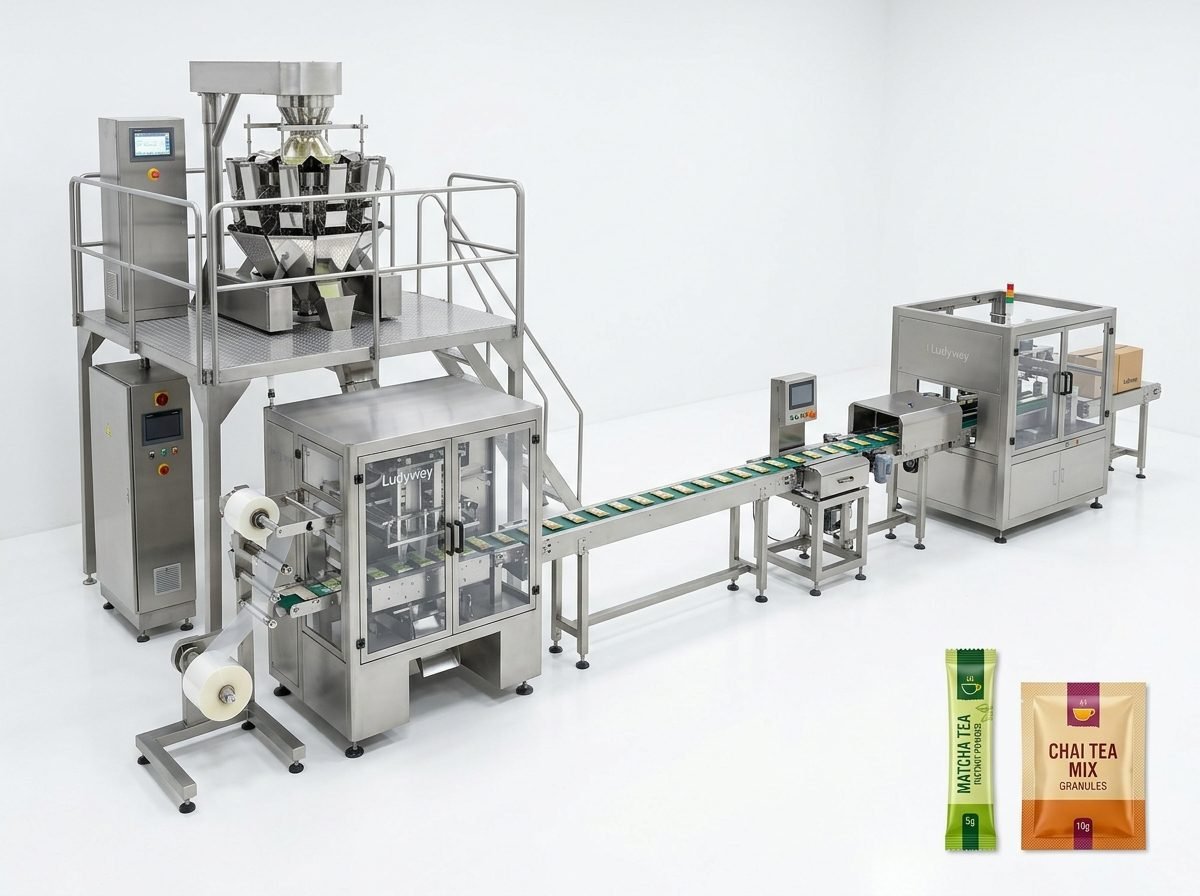
| Turnkey Packaging Line (Including Cartoning) | Custom | $150,000 – $500,000+ |
Additional Features That Impact the Final Cost
Beyond the base machine, optional add-ons can enhance performance but increase the total expenditure. Consider the following upgrades carefully based on your product needs.
Integrated Accessories
- Dust Extraction Systems: Crucial for fine chilli powder to protect machine components and maintain a clean production environment.
- Gas Flushing (Nitrogen) Systems: Essential for extending the shelf life of premium tea products by displacing oxygen inside the package.
- Perforation and Tear Notches: Adds consumer convenience with easy-open features on sachets or stick packs.
- Coding and Marking Devices: Thermal inkjet or laser printers for batch numbers and expiry dates add traceability and compliance.
End-of-Line Automation
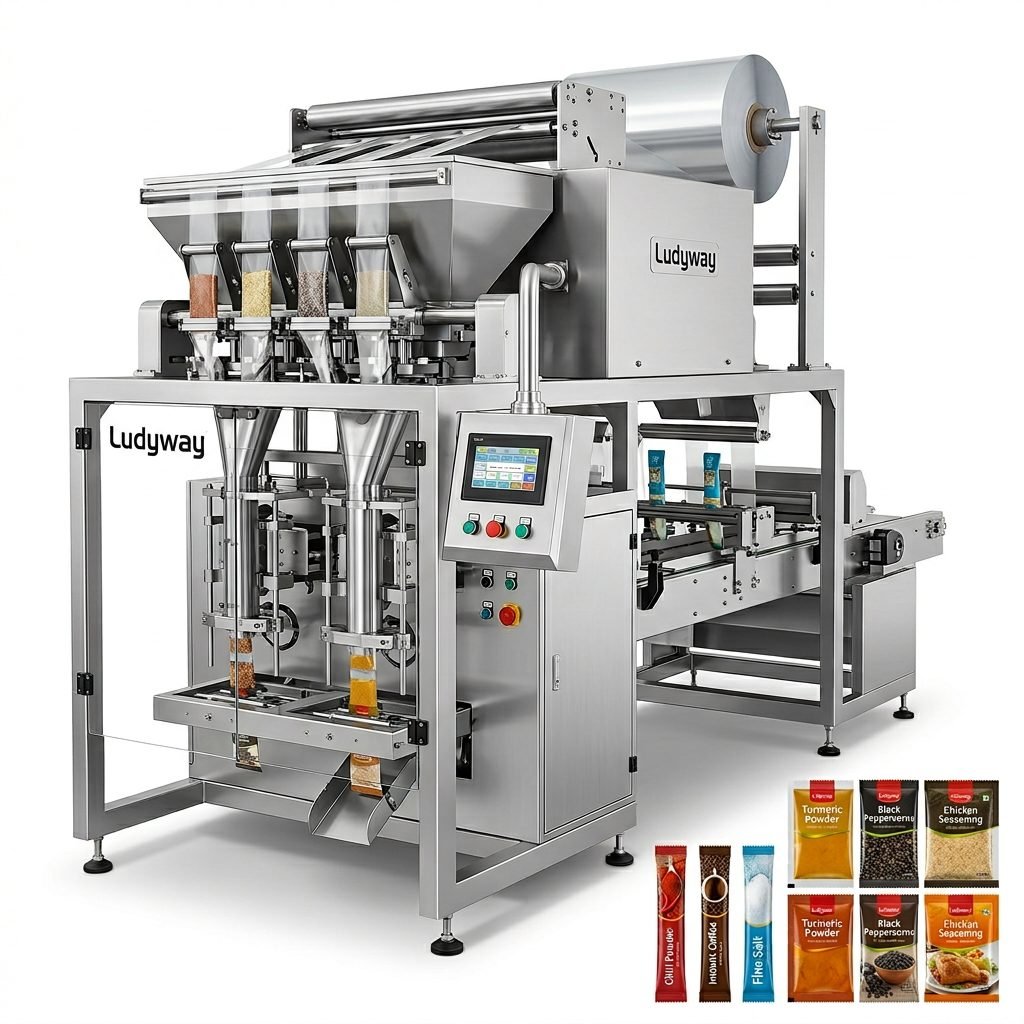
Integrating a cartoning machine, case packer, or palletizing robot significantly raises the investment. For large manufacturers aiming for a lights-out production site, these components quickly transform a standalone machine price into a larger turnkey project budget.
Comparing Suppliers: Beyond the Price Tag
While the price is a critical filter, evaluating a supplier purely on cost can lead to operational headaches. A machine that produces consistent pack weights with minimal waste will deliver better long-term value.
Service and Spare Parts Availability
Downtime is the enemy of profitability. Assess the supplier’s technical support, whether remote or on-site. Check if they maintain a reliable inventory of critical spare parts. Machines using widely available standard components often offer lower long-term maintenance costs. For example, established manufacturers like leading powder packing machine providers offer comprehensive after-sales support as part of their package.
Understanding Total Cost of Ownership (TCO)
A slightly more expensive machine might be cheaper over five years. Calculate based on power consumption, film waste rate, changeover time between products, and expected service life. A machine with quick changeover features and minimal waste setup is more profitable for businesses running multiple SKUs, like different blends of tea or spice mixes.
Optimizing Your Investment for Tea and Chilli Powder
When requesting a quotation for a tea and chilli powder packing machine price, prepare a detailed specification sheet. Clearly mention the target weight range, the types of packaging film you plan to use, and your desired output per shift. This allows the manufacturer to propose the correct auger diameter, the appropriate hopper size, and the optimal lane count, preventing you from overpaying for unnecessary capacity or underspending on a machine that cannot meet your growth targets.
Factory Infrastructure and Compliance
Ensure your factory can support the machine. Compressed air availability, electrical voltage stability, and humidity control matter. For chilli powder, a climate-controlled environment prevents clumping and ensures consistent flow through the auger filler. Always match your machine selection to your operational reality.
About Ludyway: As a leading packaging machine manufacturer with over 30 years of experience, we provide reliable, high-performance automation solutions for granule, powder, and liquid applications worldwide.
Frequently Asked Questions About Powder Packing Machines
Can the same machine pack both tea and chilli powder without cross-contamination?
Yes, but it requires rigorous cleaning procedures between batches. Machines with a hygienic design, few crevices, and easy-release parts facilitate this. For manufacturers handling allergens or potent spices like chilli, dedicated lines are preferable to prevent flavor taint, though pneumatic or vacuum cleaning systems integrated into the line help manage transitions.
What is the typical delivery time for an industrial spice packing machine?
Standard semi-automatic units can ship in 2-4 weeks. Dypically, customized multi-lane automated systems require a lead time of 8 to 16 weeks depending on complexity, supply chain conditions, and the specific electrical components specified. Factor this into your project schedule.
Navigating the tea and chilli powder packing machine price landscape requires a strategic blend of understanding technical specs and commercial reliability. By focusing on the right level of automation, filling precision, and genuine build quality, you can secure a machine that pays for itself quickly through efficiency and reduced waste.