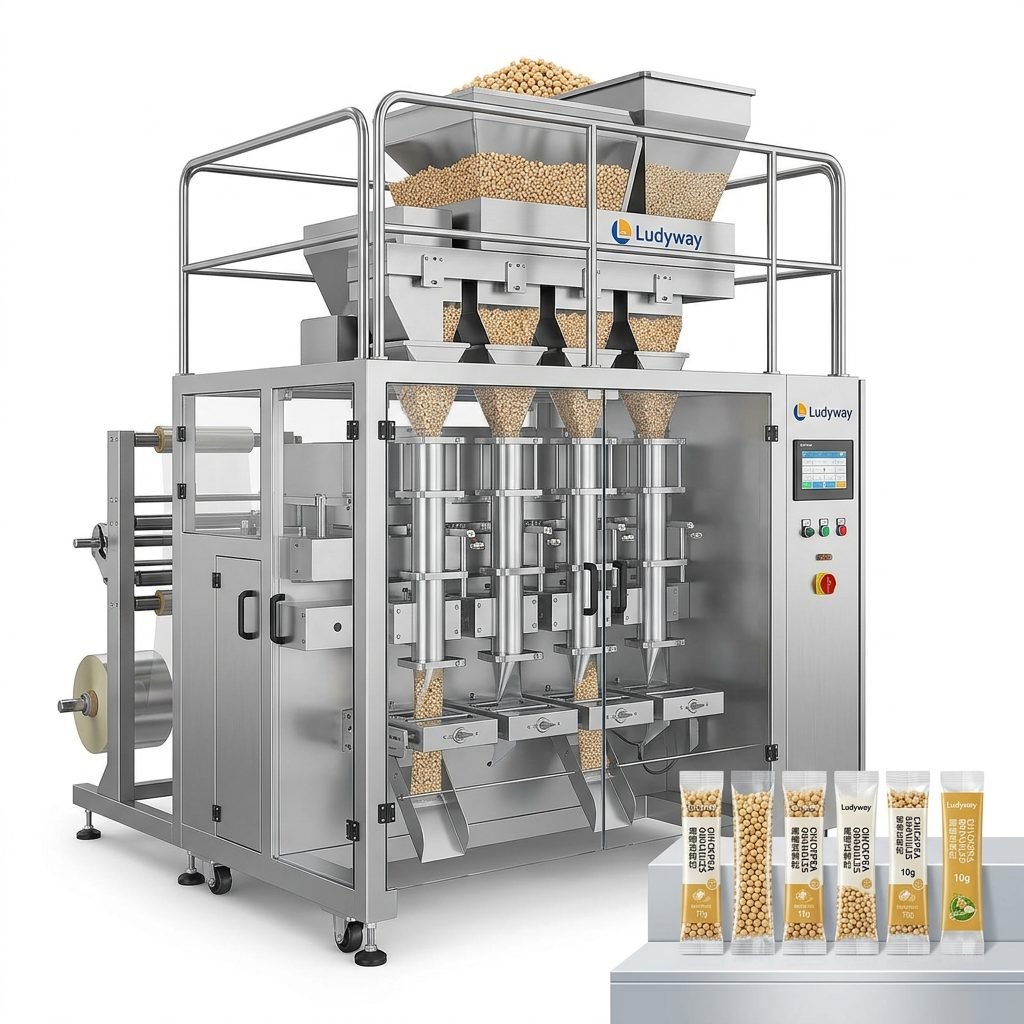
Investing in packaging machinery is a critical decision for manufacturers in Kosovo. Whether you operate in the food processing sector in Prishtina, the pharmaceutical industry in Prizren, or the growing health and wellness market, selecting the right equipment directly impacts your productivity, product quality, and long-term profitability. However, with so many technical specifications and machine types available, the process can feel overwhelming. This guide breaks down the essential factors to help you make an informed and confident choice.
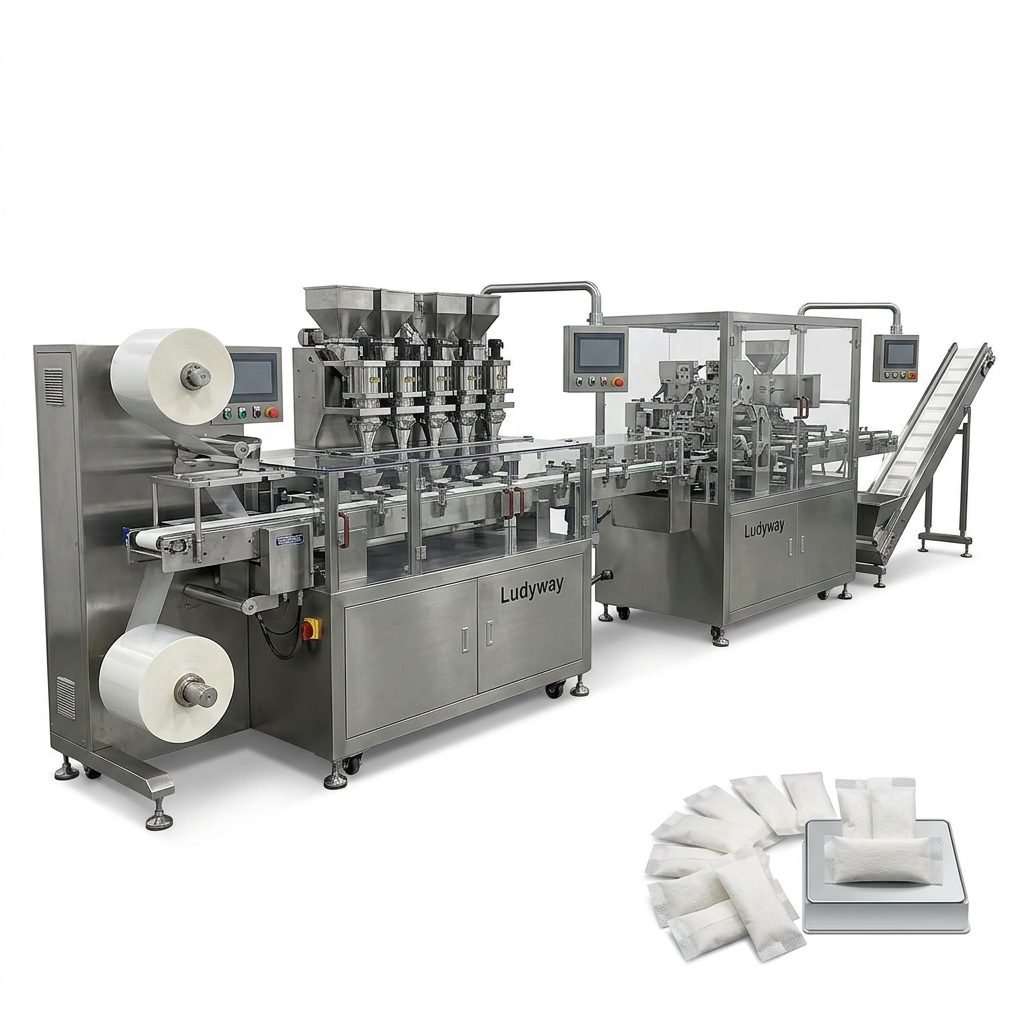
1. Understand Your Product Characteristics
Before evaluating any machine, you must clearly define the physical properties of your product. The packaging solution for free-flowing granules is fundamentally different from one designed for fine, dusty powders or viscous liquids.
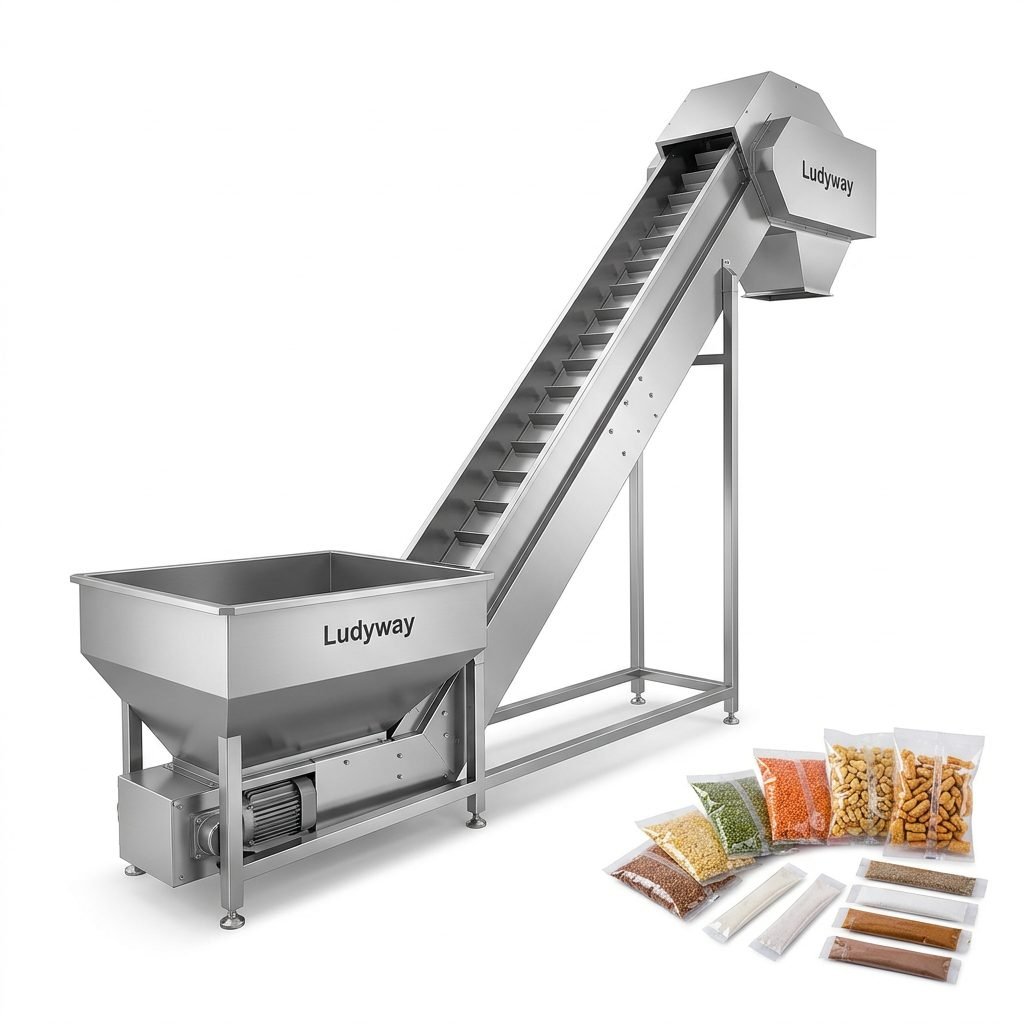
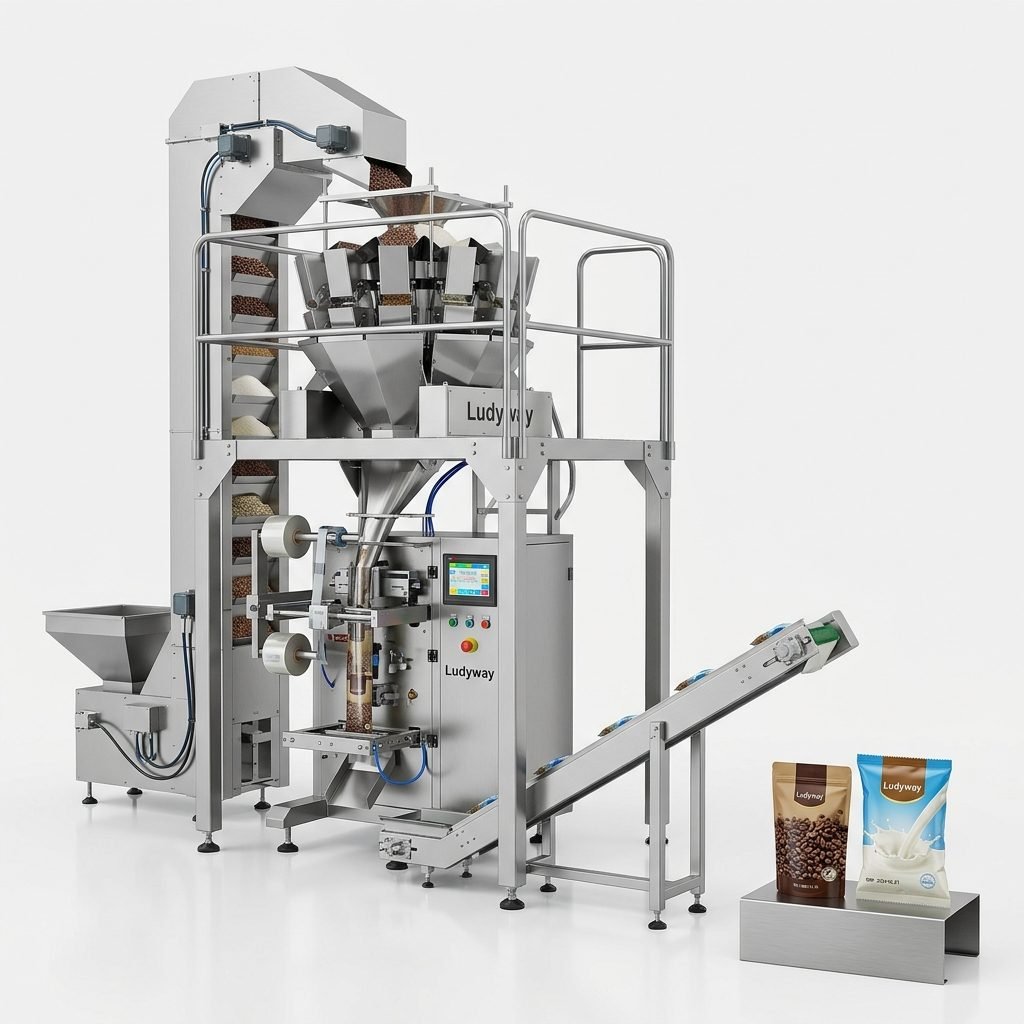
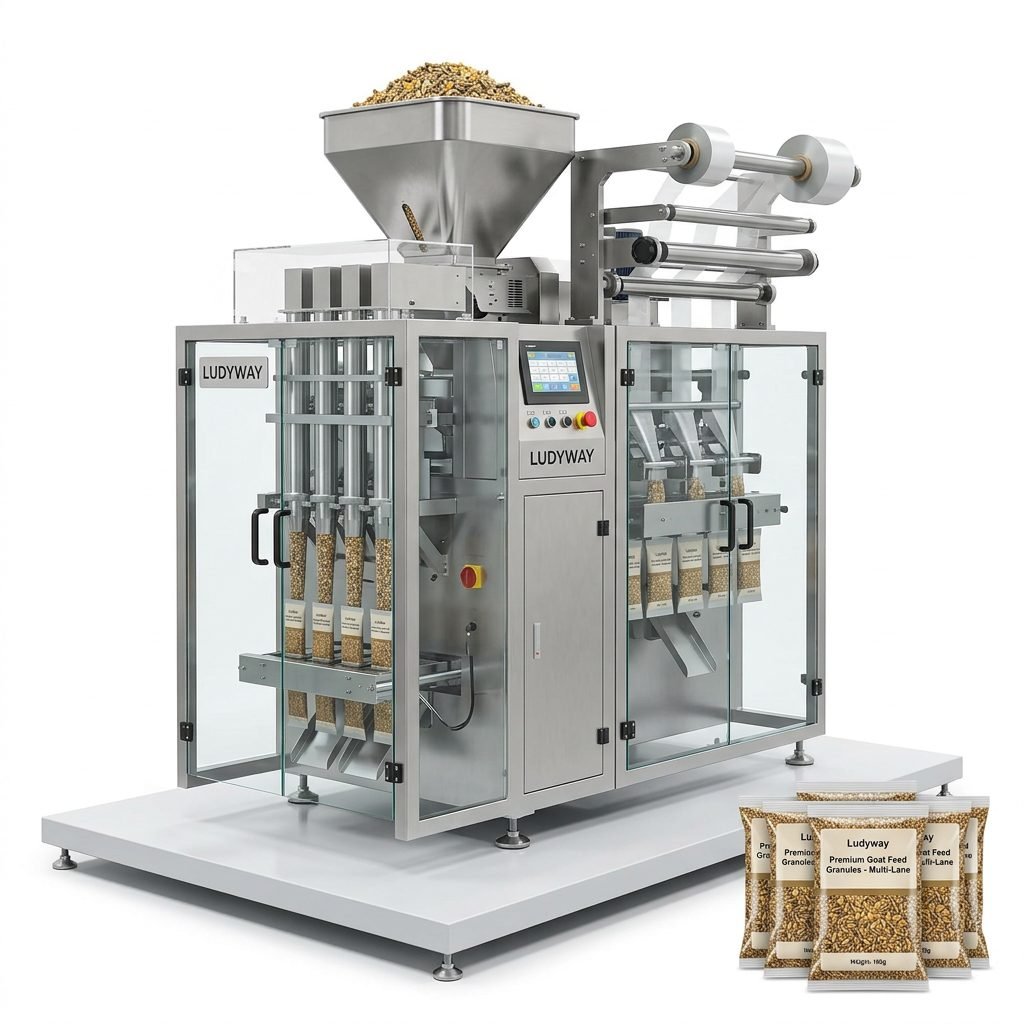
- Granules: Products like sugar, salt, coffee beans, or pet food require volumetric cup fillers or multi-head weighers for accurate dosing.
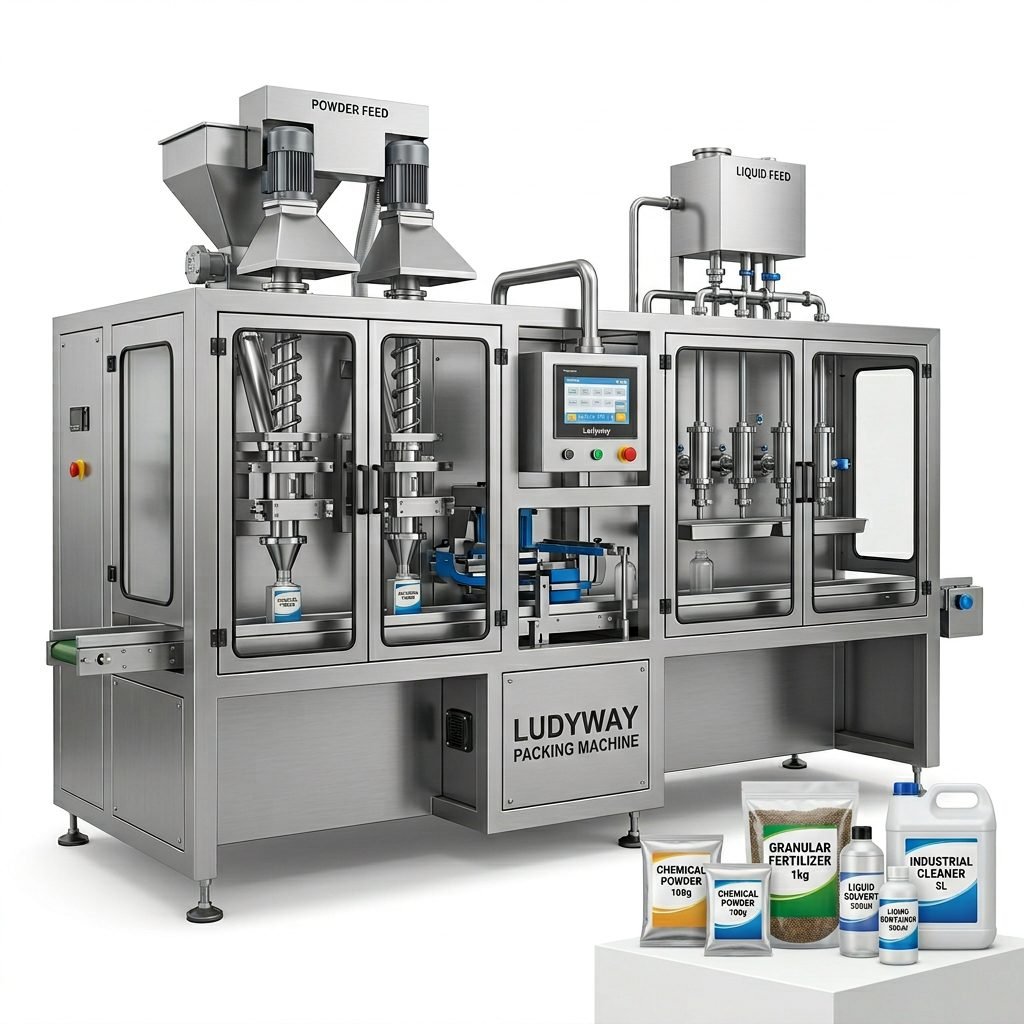
- Powders: Items such as flour, milk powder, pharmaceutical compounds, or protein supplements demand auger fillers to control dust and ensure precision. According to FDA packaging standards, powder handling also requires strict hygiene controls.
- Liquids & Pastes: Beverages, sauces, shampoos, or gels need piston pumps or peristaltic filling systems to prevent dripping and ensure volume accuracy.
- Mixed Consistency: Products like soup mixes containing both powder and dehydrated vegetables may require specialized multi-component filling stations.
2. Define Your Target Packaging Format
The packaging style you choose affects shelf appeal, portion control, and transportation costs. Common formats for the Kosovo and broader European market include:
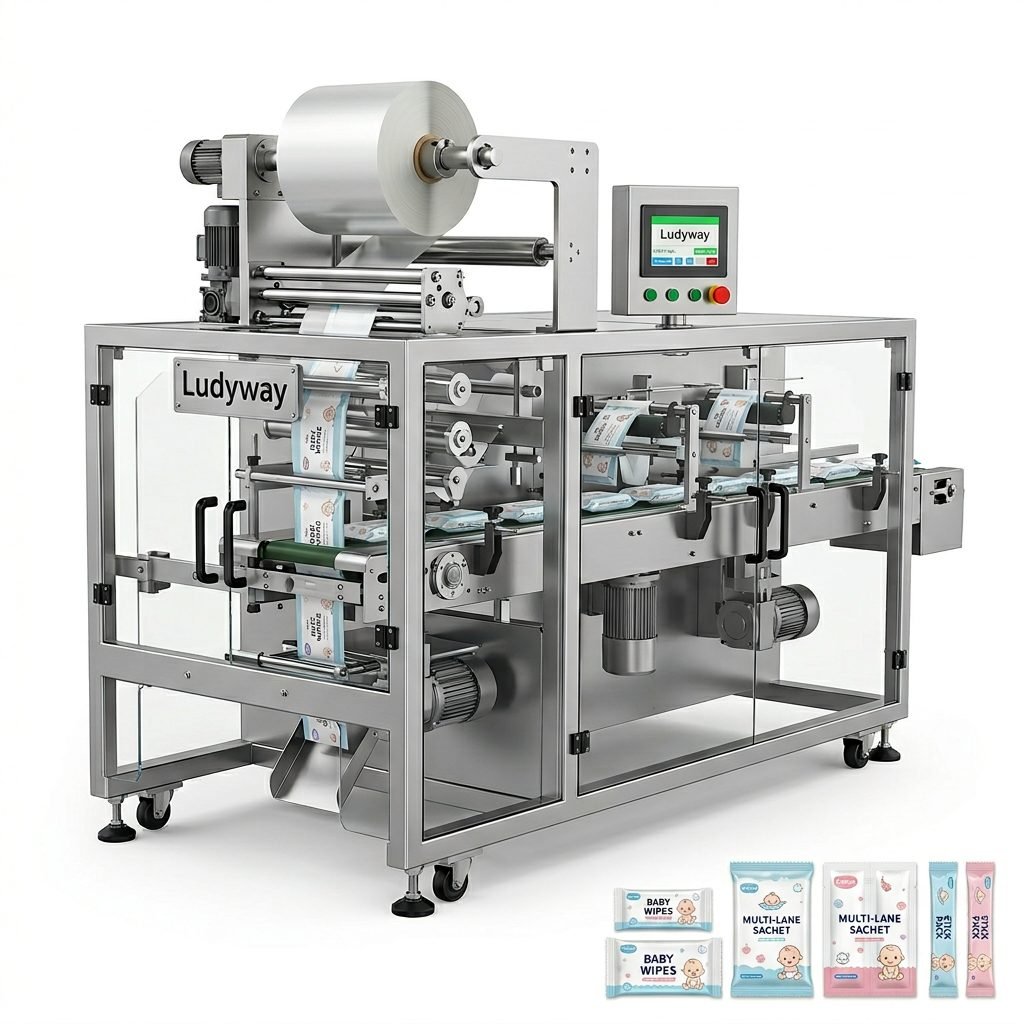
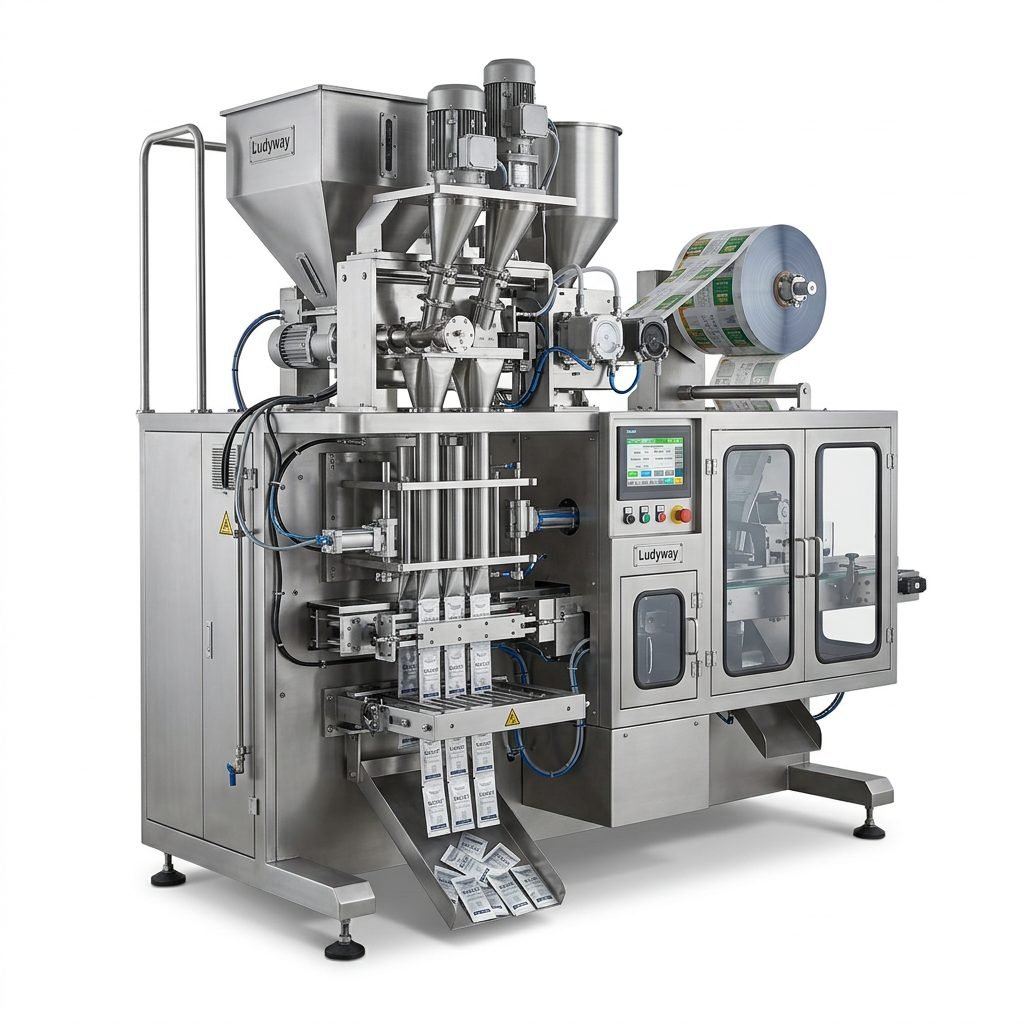
- Stick packs: Ideal for single-serve sugar, instant coffee, energy powders, and pharmaceutical granules. These are lightweight and convenient for consumers.
- Sachets: Three- or four-side sealed pouches are popular for ketchup, shampoo samples, detergent powders, and spice mixes.
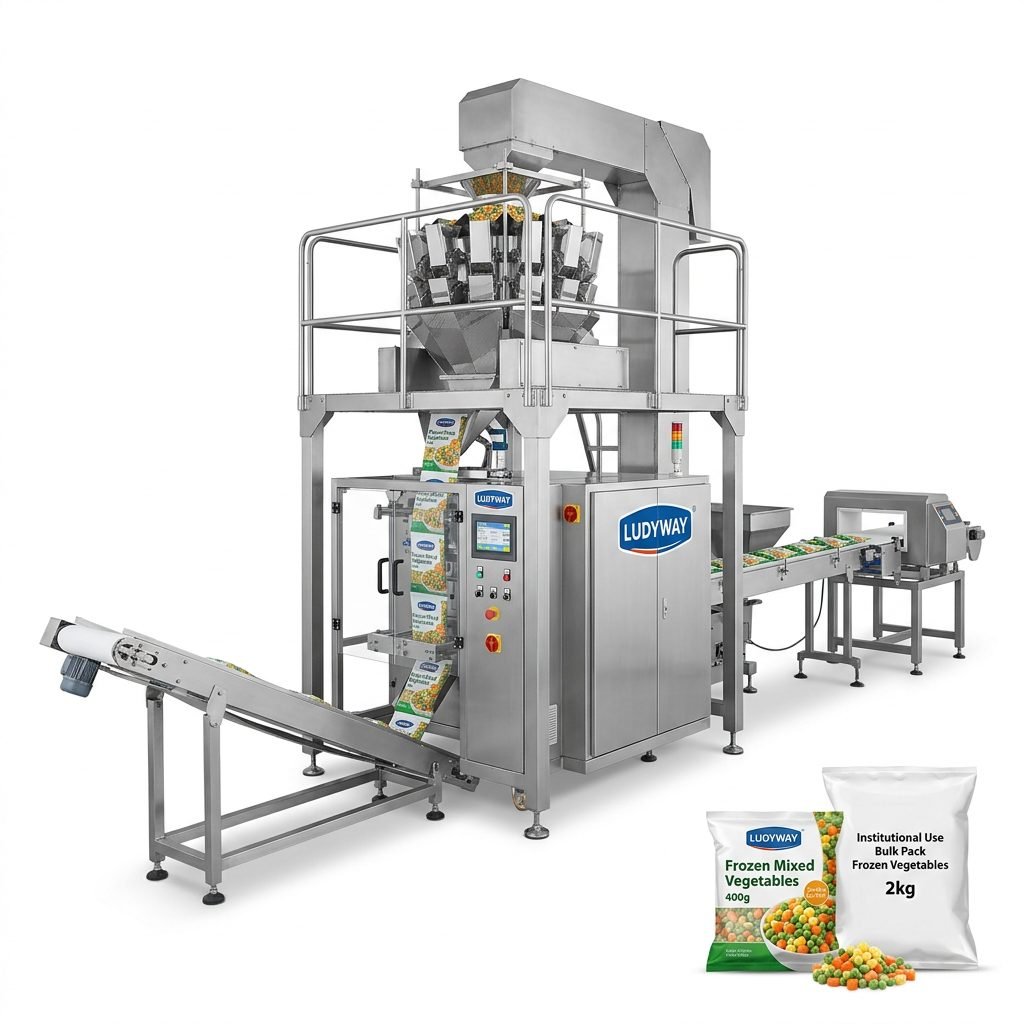
- Premade pouches: Stand-up zipper pouches with high barrier properties are excellent for dry fruits, snacks, frozen foods, and premium pet treats.
- Bottles and jars: Required for liquid pharmaceuticals, syrups, sauces, and cosmetic creams.
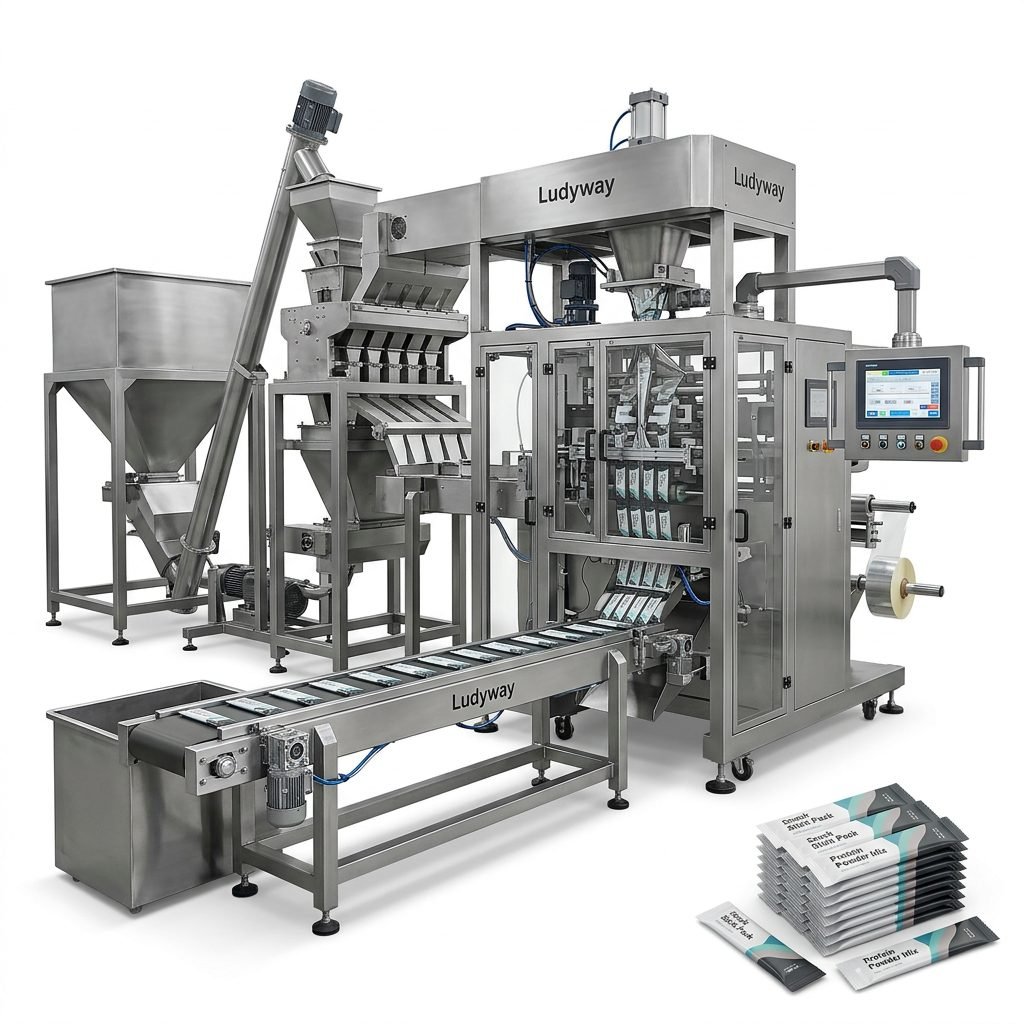
3. Calculate Your Required Production Capacity
Your current and projected output is the most important commercial factor. Packaging machinery ranges from semi-automatic systems producing 20-40 packs per minute to fully automated multi-lane lines capable of exceeding 1,000 packs per minute. Ask yourself these questions:
- What is your daily or monthly production target in units or kilograms?
- Do you expect demand to grow significantly over the next 3-5 years?
- Will you run the machine for a single 8-hour shift or continuous 24-hour operation?
For growing businesses in Kosovo, selecting a machine that operates comfortably at 60-70% of its maximum rated speed ensures long-term reliability and room for expansion without immediate reinvestment.
4. Evaluate Multi-Lane Technology for High-Volume Demands
If your business model relies on single-serve formats and you aim to compete with imported goods, multi-lane stick pack or sachet machines are worth serious consideration. Instead of one lane, these systems run 4, 6, 8, 10, or even 12 lanes simultaneously, multiplying output on the same factory footprint. This technology is widely used across flexible packaging industry applications and is increasingly adopted by manufacturers in Southeast Europe looking to scale up efficiently.
5. Consider Automation Levels and Smart Features
Modern packaging machines offer varying degrees of automation that can significantly reduce labor costs and human error:
- Automatic film splicing: Eliminates downtime during roll changes.
- Servo-driven sealing jaws: Provide precise temperature and pressure control for consistent hermetic seals.
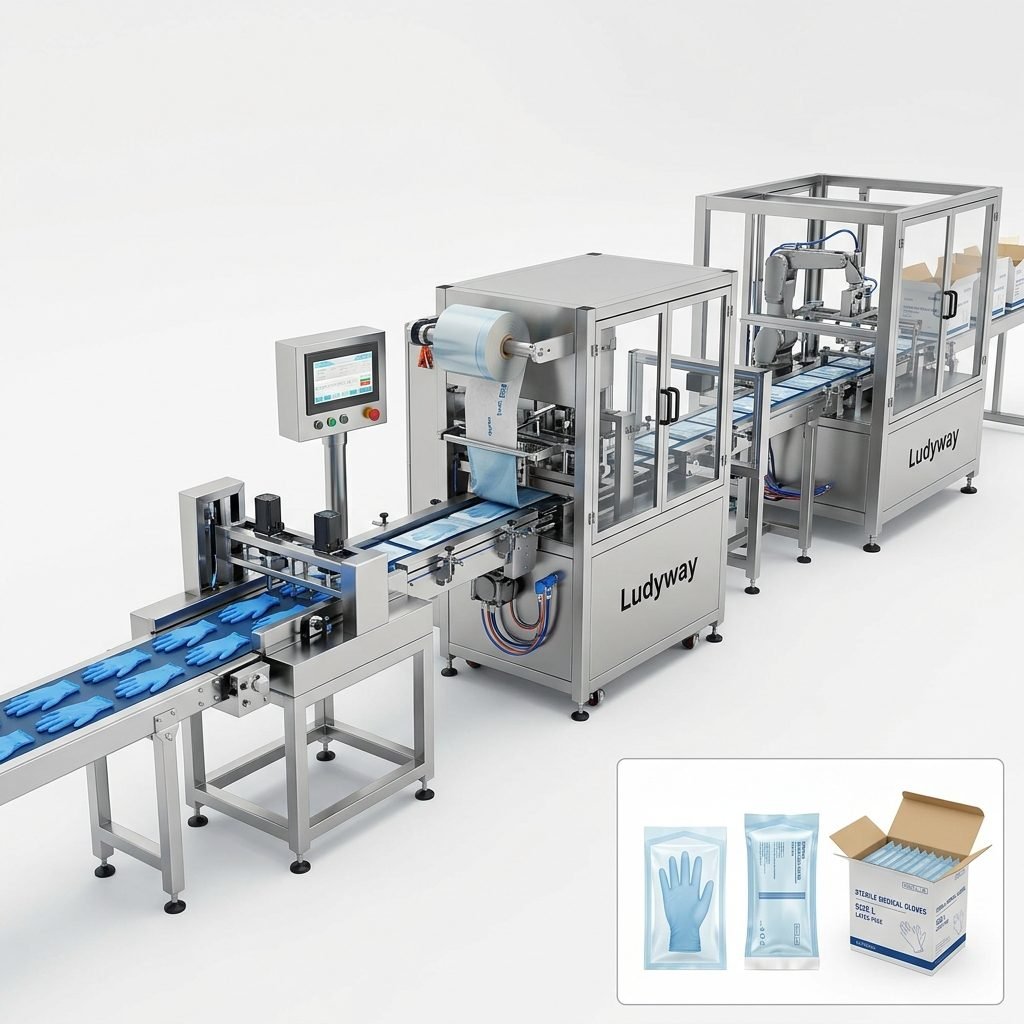
- Integrated checkweighers: Reject underweight or overweight packs automatically, ensuring compliance with ISO packaging standards.
- Vision inspection systems: Detect packaging defects, incorrect date codes, or label misalignment.
- Remote monitoring: Allows factory managers to track OEE (Overall Equipment Effectiveness) from a tablet or smartphone.
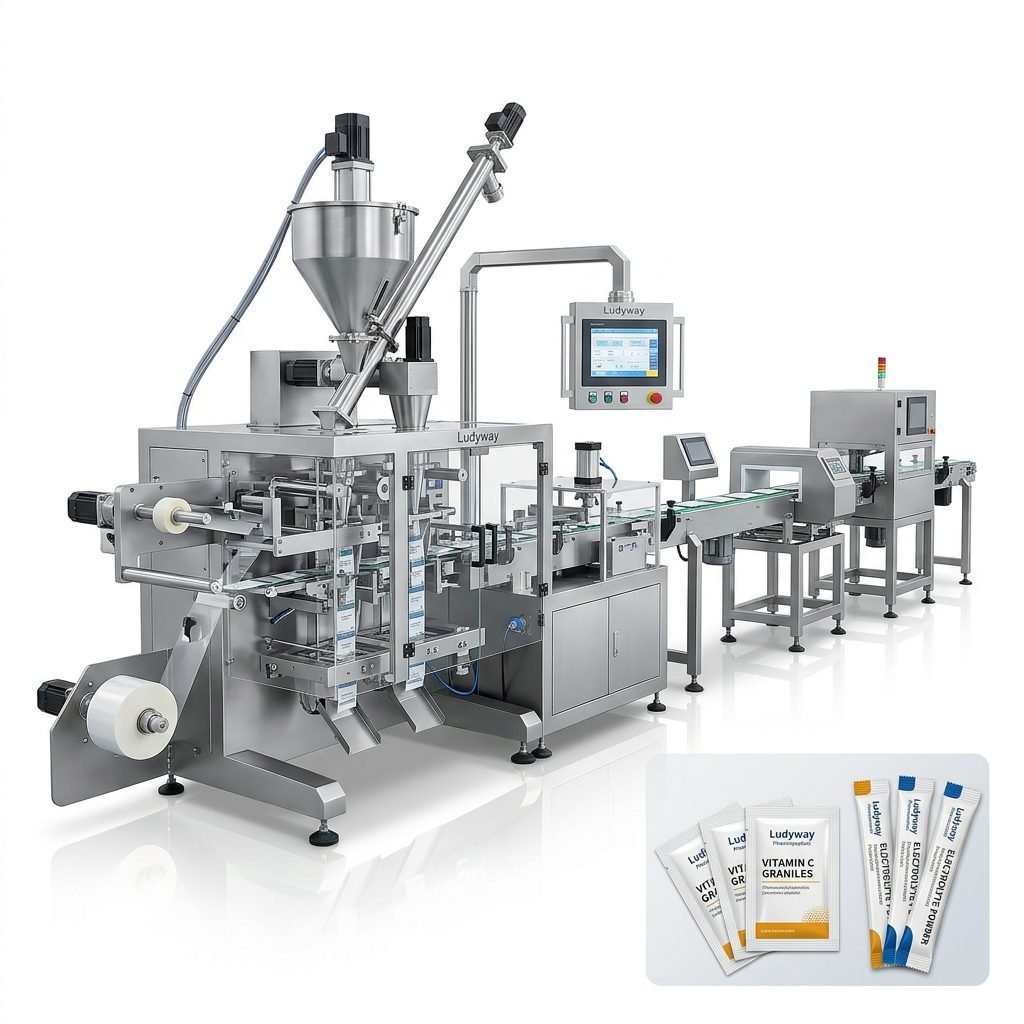
6. Assess Facility and Utility Requirements
Before ordering, confirm your factory’s readiness. Key infrastructure checks include:
| Requirement | Consideration |
|---|---|
| Floor space | Multi-lane lines need more length; verify with technical drawings. |
| Power supply | Confirm voltage, phase, and frequency match Kosovo’s grid specifications. |
| Compressed air | Pneumatic components need clean, dry air at specified pressure and flow rate. |
| Dust extraction | Essential for powder packaging areas to protect operators and electronics. |
| Cleanroom class | Pharmaceutical production may require ISO 7 or ISO 8 certified environments. |
7. Verify Compliance with European Standards
Kosovo aligns with European regulations, so your packaging machine must carry CE certification. Additionally, depending on your industry, you may need compliance with GMP (Good Manufacturing Practices) for pharmaceuticals, HACCP principles for food safety, and specific regulations on packaging and packaging waste from the European Commission. Machines built with stainless steel frames, food-grade contact parts, and validated cleaning protocols will help you meet these requirements smoothly.
8. Evaluate After-Sales Support and Spare Parts Availability
Packaging machines are long-term investments. Downtime can cost your business substantially, so prioritize suppliers who offer:
- Remote technical support and troubleshooting via video call.
- Quick dispatch of critical spare parts to the Balkan region.
- Comprehensive operator training and maintenance manuals in English.
- On-site installation and commissioning services.
A manufacturer with a proven export track record to over 100 countries demonstrates the logistical capability to support your Kosovo-based production reliably. Ludyway, for instance, combines over 30 years of packaging machinery expertise with a modern 20,000㎡ manufacturing facility and a dedicated engineering team, offering more than 50 intelligent machine models from a single source.

9. Compare Machine Configurations by Product Type
The table below provides a quick reference for matching your product category with the most suitable packaging technology:
| Product Category | Recommended Machine Type | Typical Speed Range |
|---|---|---|
| Instant coffee / milk powder | Multi-lane stick pack machine with auger filler | 200-600 packs/min |
| Spices and seasonings | Vertical sachet machine with volumetric cup filler | 40-120 packs/min |
| Pharmaceutical tablets | Blister packaging line | 60-400 blisters/min |
| Shampoo / liquid detergent | Multi-lane sachet machine with piston pump | 80-300 packs/min |
| Snacks and dry fruits | Premade pouch rotary machine | 30-120 pouches/min |
| Pet food granules | Multi-head weigher with vertical form fill seal | 40-80 bags/min |
10. Budgeting Beyond the Purchase Price
The total cost of ownership extends well beyond the initial invoice. When comparing quotes from different suppliers, factor in:
- Installation and commissioning fees: Including technician travel to Kosovo.
- Training costs: Ensuring your team operates the machine safely and efficiently.
- Consumables: Packaging film, sealing gaskets, lubricants, and filters.
- Spare parts inventory: Recommended critical components to keep on hand.
- Warranty terms: Duration, coverage scope, and exclusions.
11. Test Before You Commit
Reputable manufacturers offer factory acceptance testing (FAT) where you can witness the machine running with your actual product and packaging material. This step is invaluable for verifying:
- Filling accuracy and consistency over extended runs.
- Seal integrity and burst strength results.
- Packaging aesthetics and print quality.
- Changeover time between different formats or products.
If visiting in person is not feasible, ask for video testimonials and detailed performance reports with statistical data. For guidance on packaging machinery market trends and supplier evaluation, resources from PMMI’s business intelligence library can offer valuable independent data to support your decision-making process.
Making the Final Decision
Selecting the right packaging machine for your Kosovo-based production is a strategic exercise that balances technical specifications, commercial goals, and regulatory obligations. Start by thoroughly documenting your product characteristics and production targets. Then, engage with manufacturers who demonstrate deep industry experience and a commitment to after-sales support. By following the framework outlined above, you position your business to make a high-confidence investment that supports sustainable growth in both domestic and export markets.