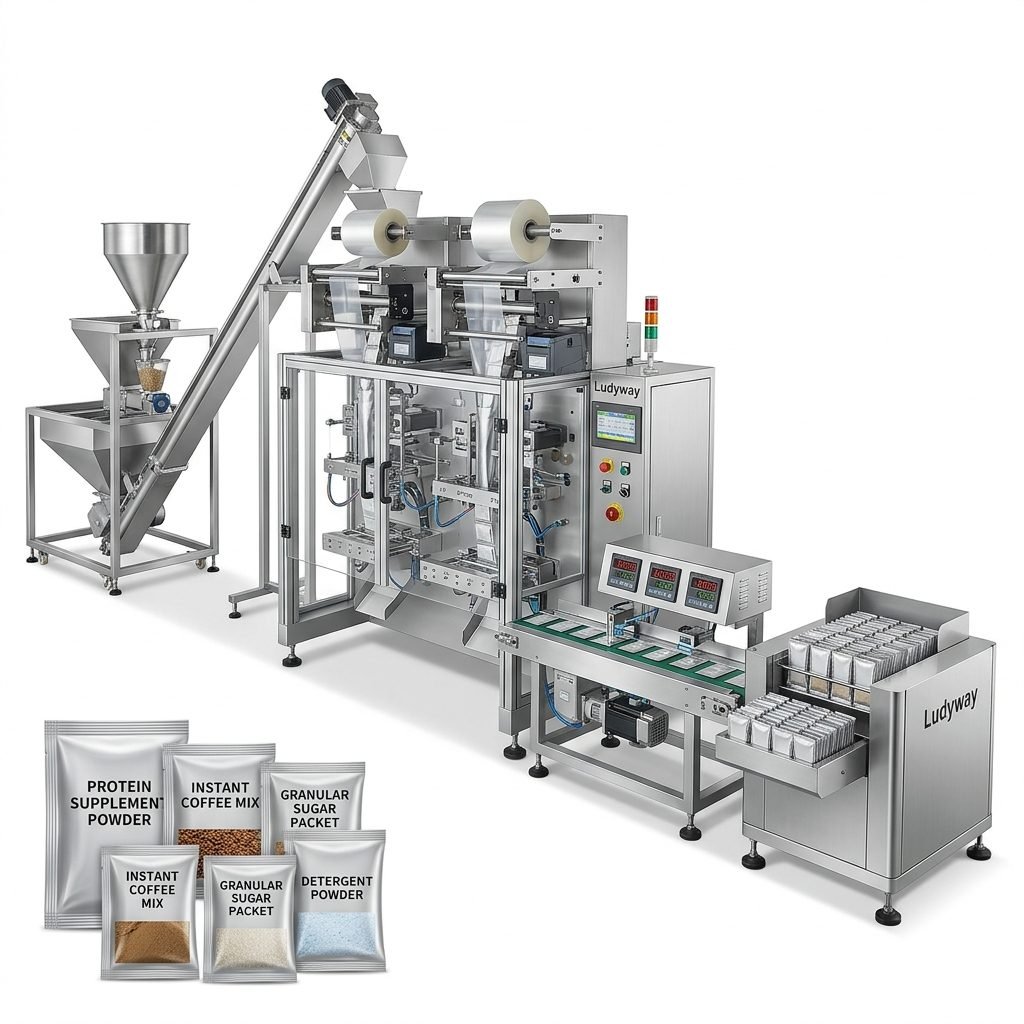
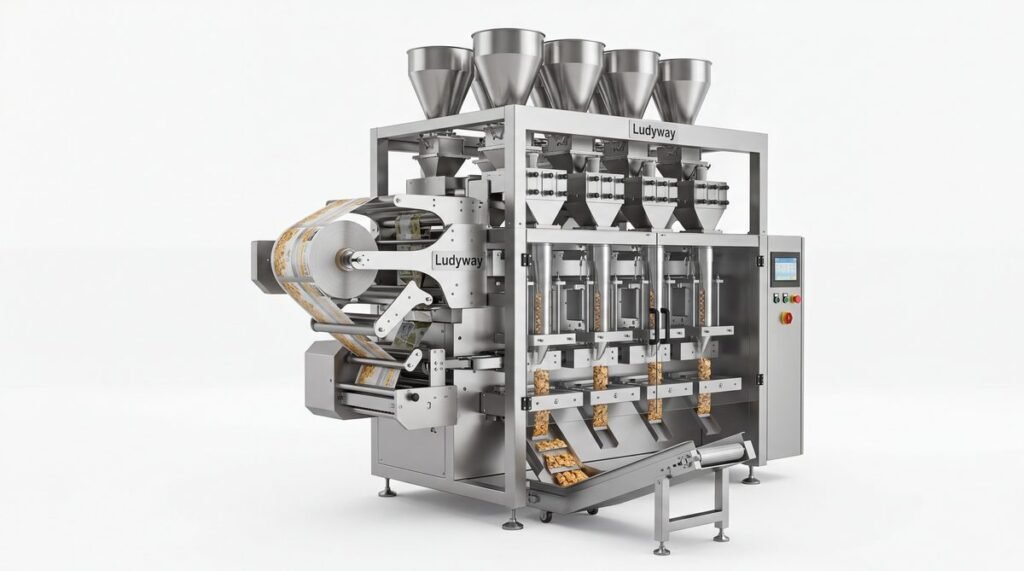
Selecting the right food packaging machine in Uganda is a critical decision that directly impacts your production efficiency, product shelf life, and market competitiveness. Whether you are packing coffee, spices, flour, milk powder, liquid beverages, or agricultural granules, understanding your product’s physical characteristics and your target packaging format is the first step to making a smart investment.
Understanding the Ugandan Food Processing Landscape
Uganda’s food processing sector is rapidly expanding, driven by a growing middle class and increased demand for branded, conveniently packaged goods. From the robust coffee industry in the Mount Elgon region to the vast grain and maize milling operations, the need for reliable packaging machinery has never been greater. The most common packaging formats requested by Ugandan producers include sachets, stick packs, and multi-lane pouches, all of which offer affordability, portion control, and extended preservation against humidity.
Matching Machine Type to Your Product Form
To achieve optimal filling accuracy and minimal waste, you must align the packaging machine type with your product’s flow characteristics. The table below breaks down the recommended dispensing systems and machine configurations for the most popular product categories in Uganda.
| Product Category | Ugandan Examples | Best Machine & Format |
|---|---|---|
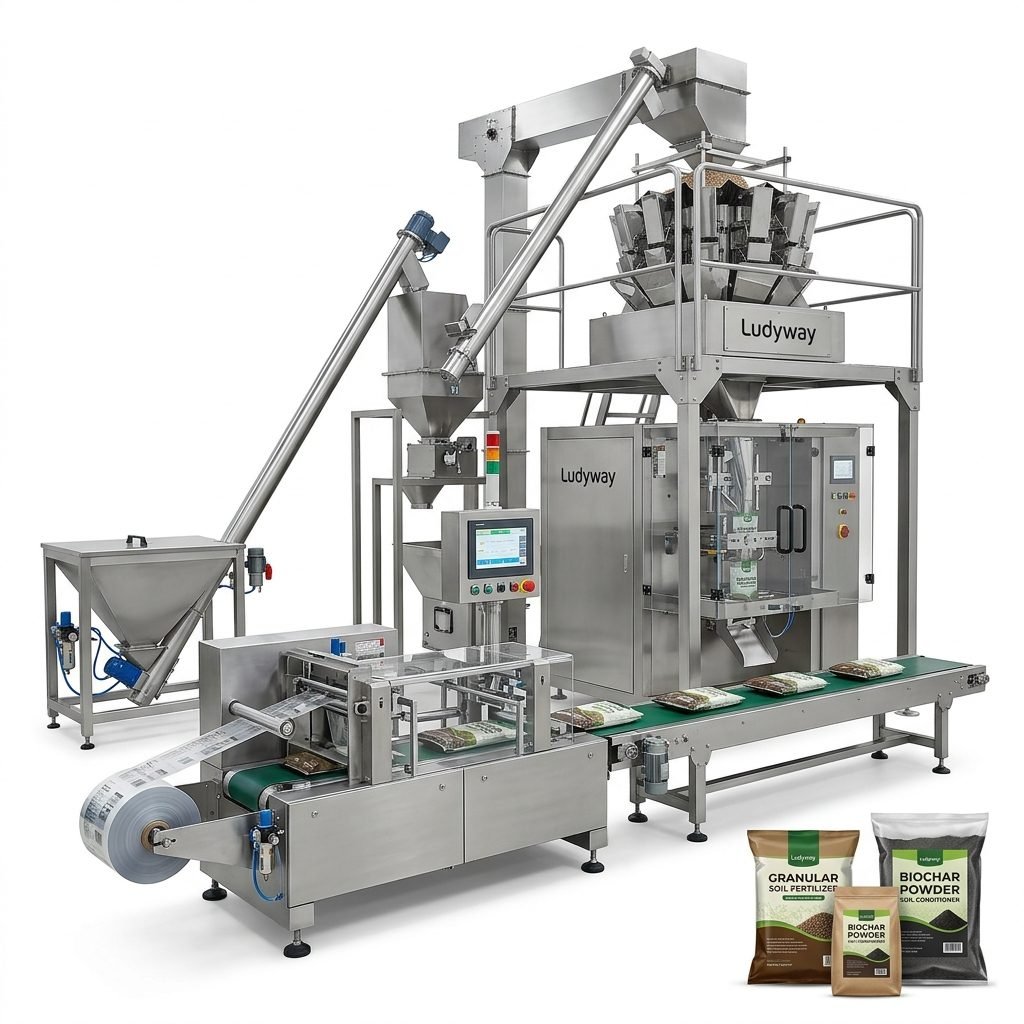
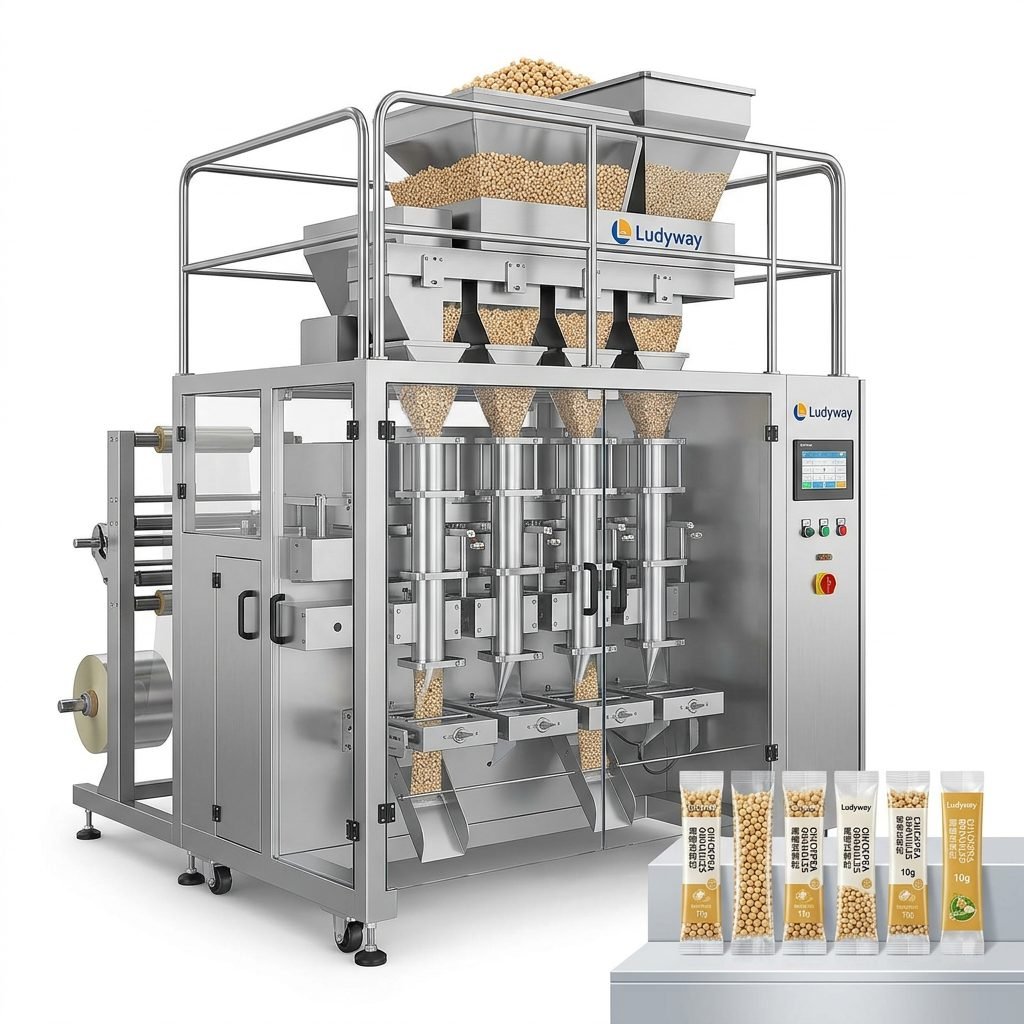
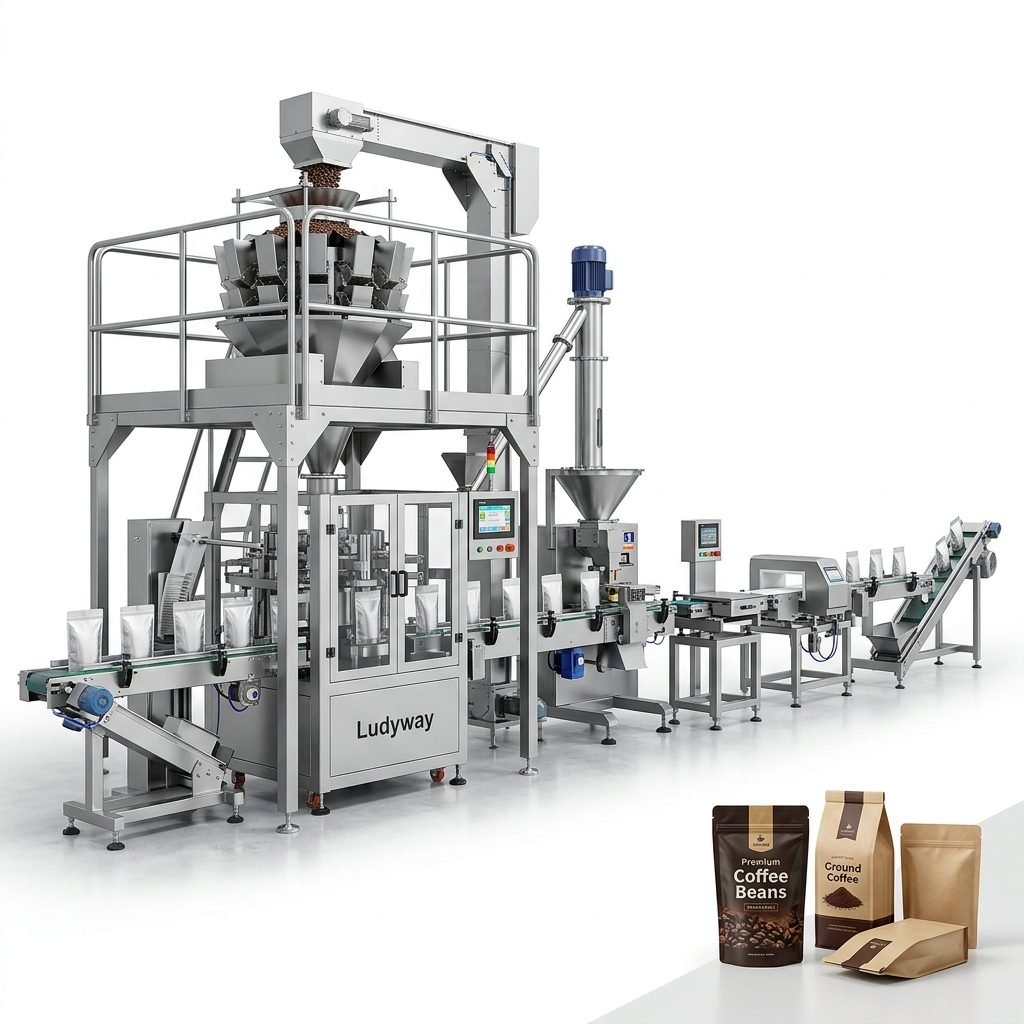
| Free-Flowing Granules | Roasted Coffee Beans, Maize Grits, Rice, Sugar, Salt, Seeds | Multi-Head Weigher with Vertical Form Fill Seal (VFFS); Pillow bags, 1kg-5kg packs |
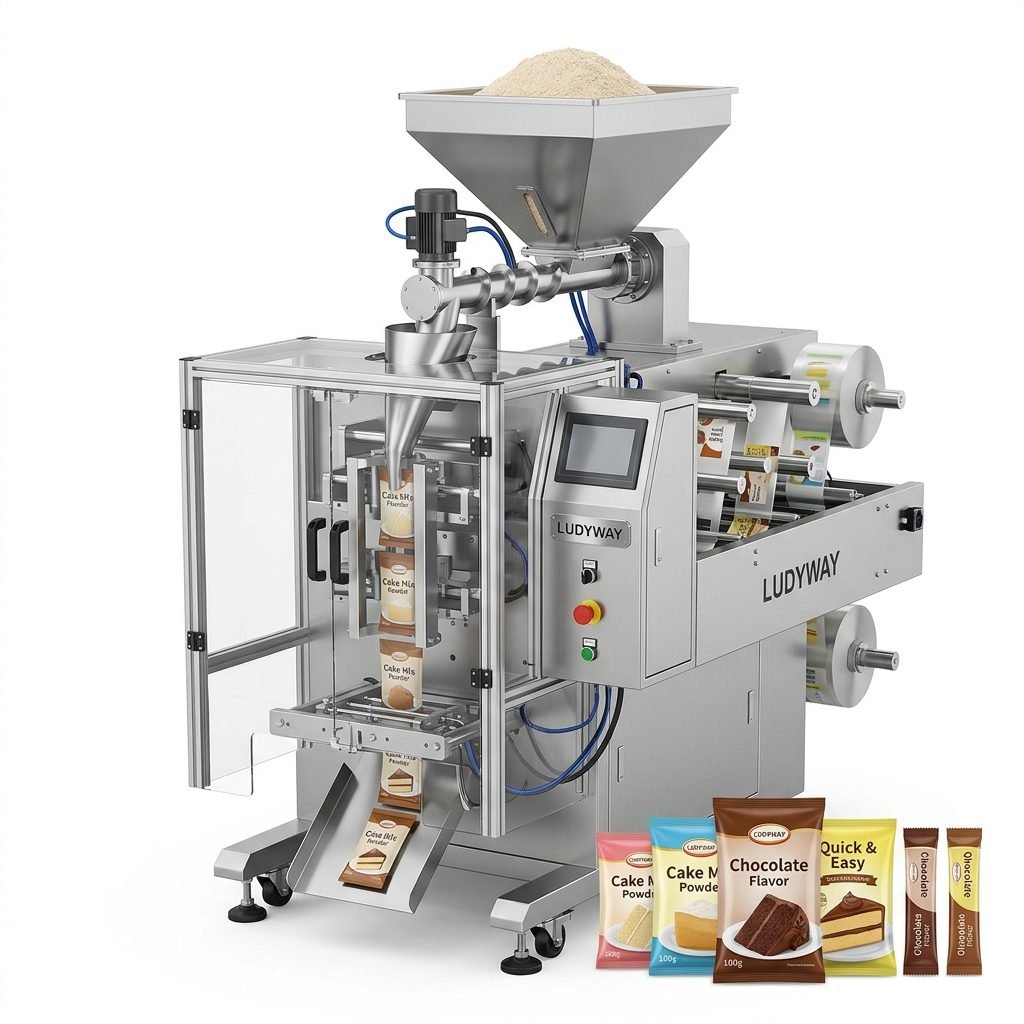
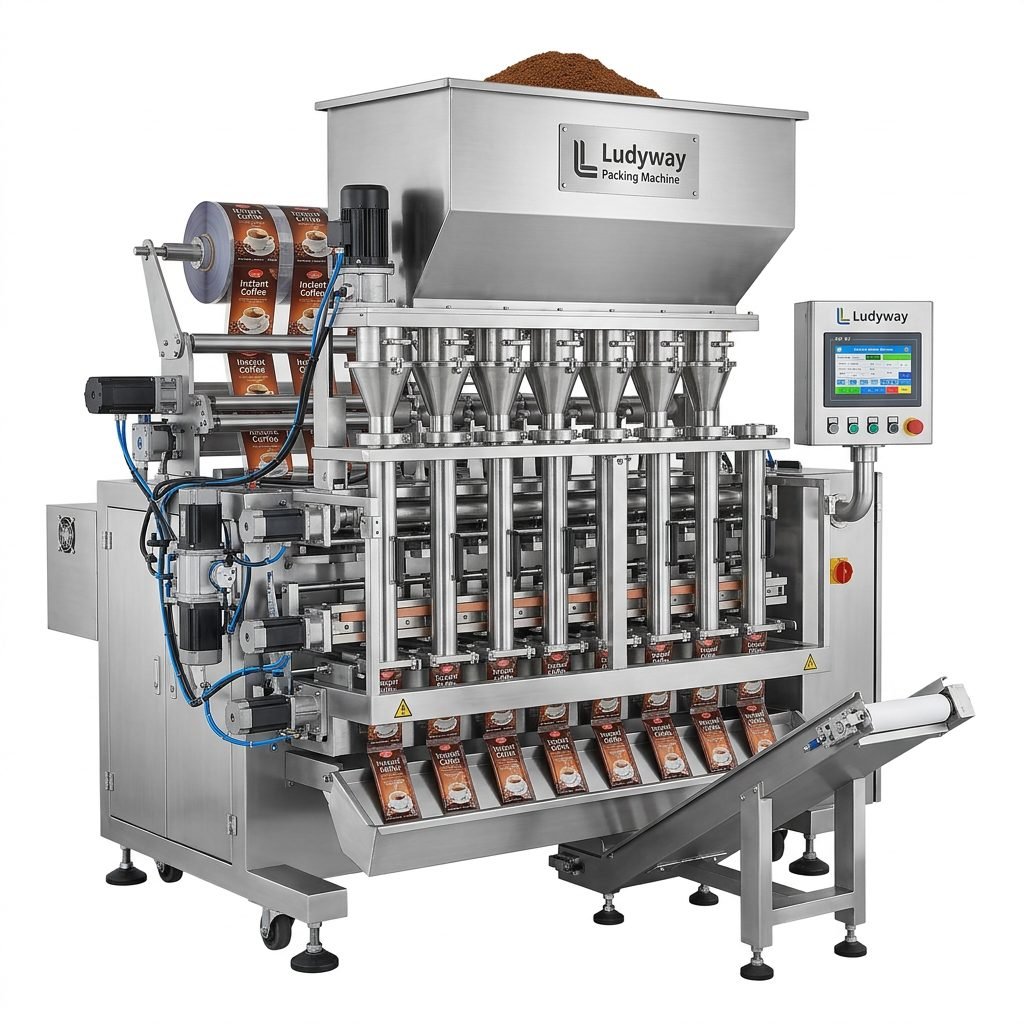
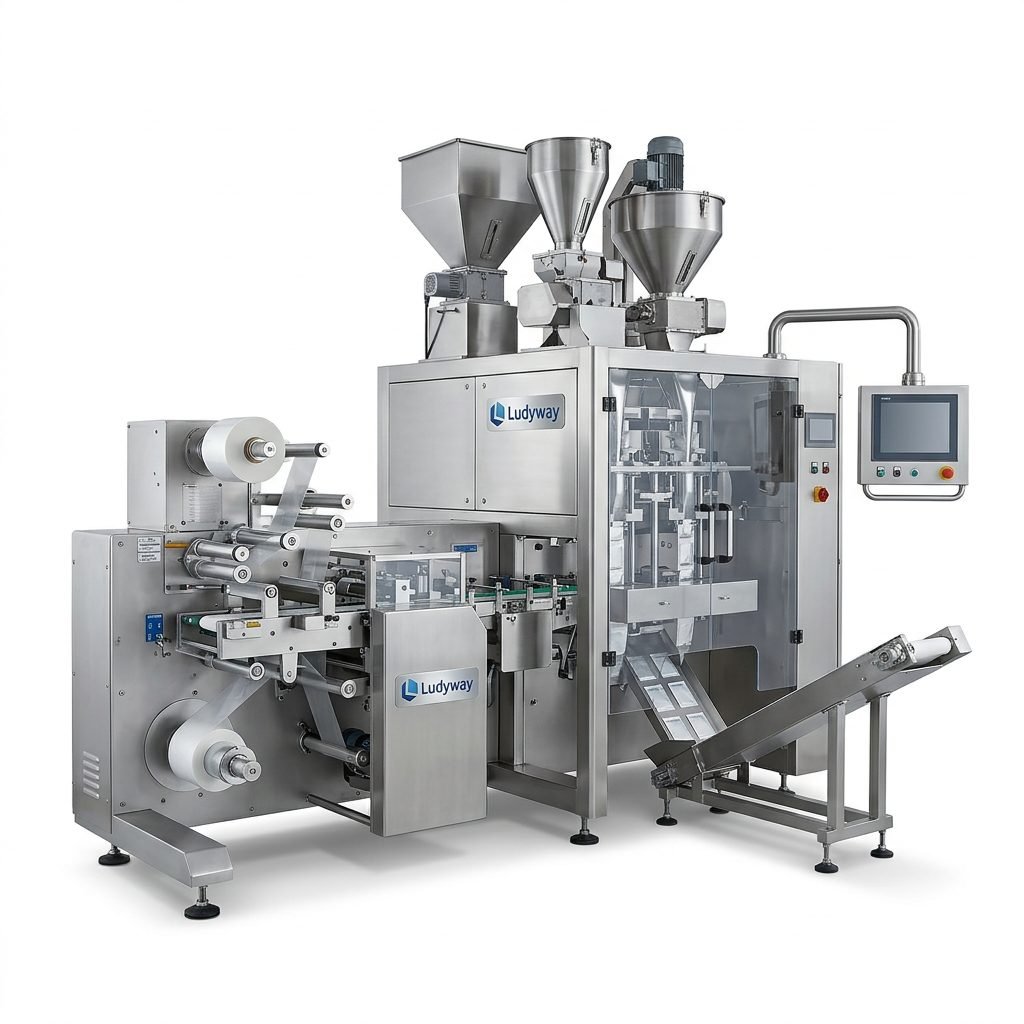
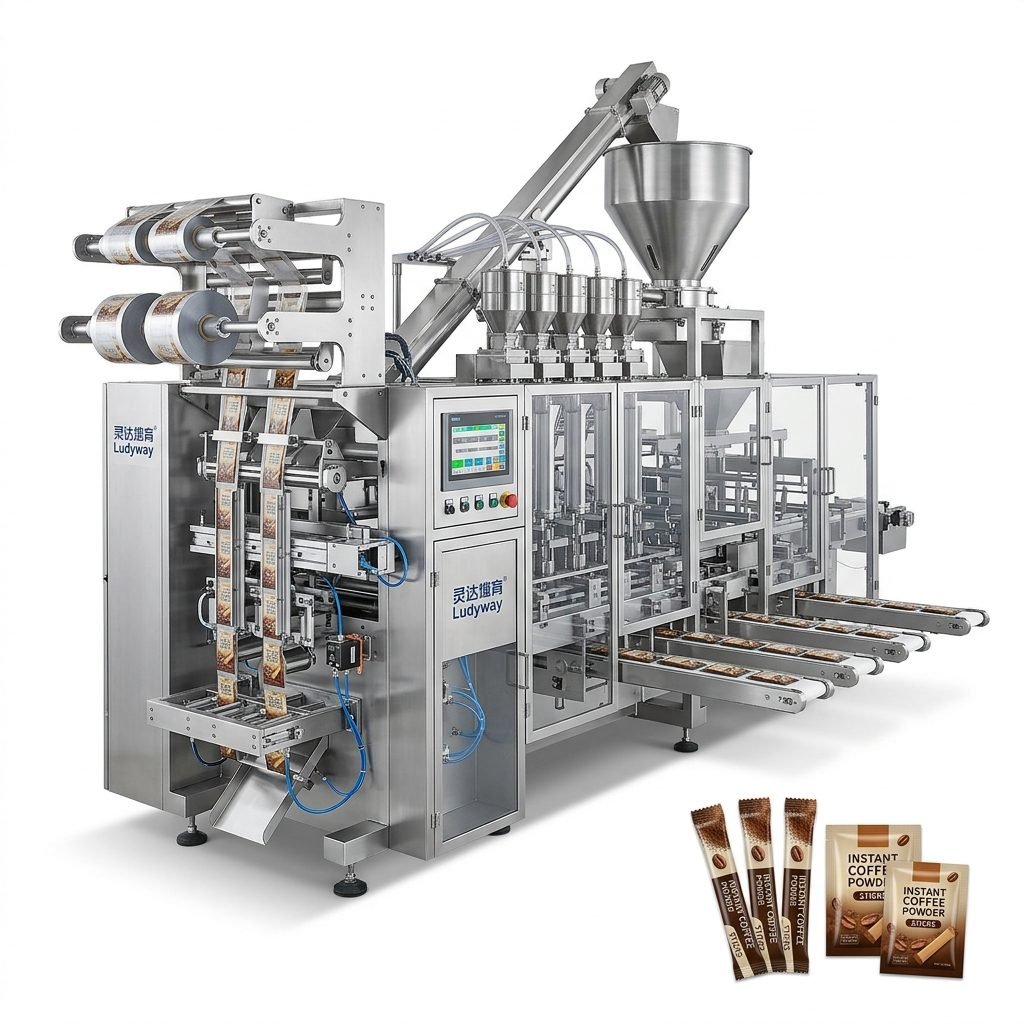
| Non-Free-Flowing Powders | Milk Powder, Spices, Cassava Flour, Instant Coffee, Protein Mixes | Auger Filler with Multi-Lane Stick Pack or Sachet Machines; 10g-500g satchets |
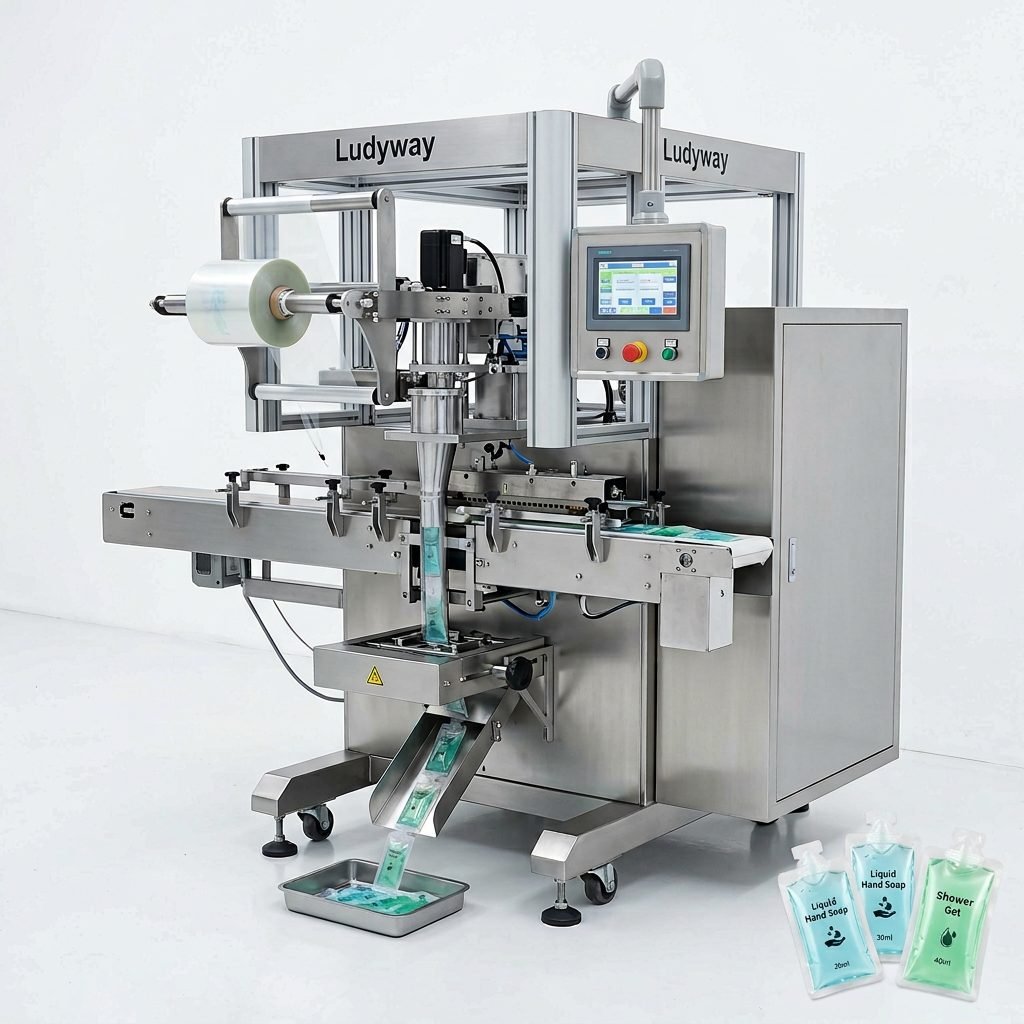
| Liquid & Paste Products | Fruit Juices, Honey, Cooking Oil, Sauces, Dairy Drinks | Piston Pump or Gravity Filler with Liquid Sachet Machines; 10ml-100ml packs |
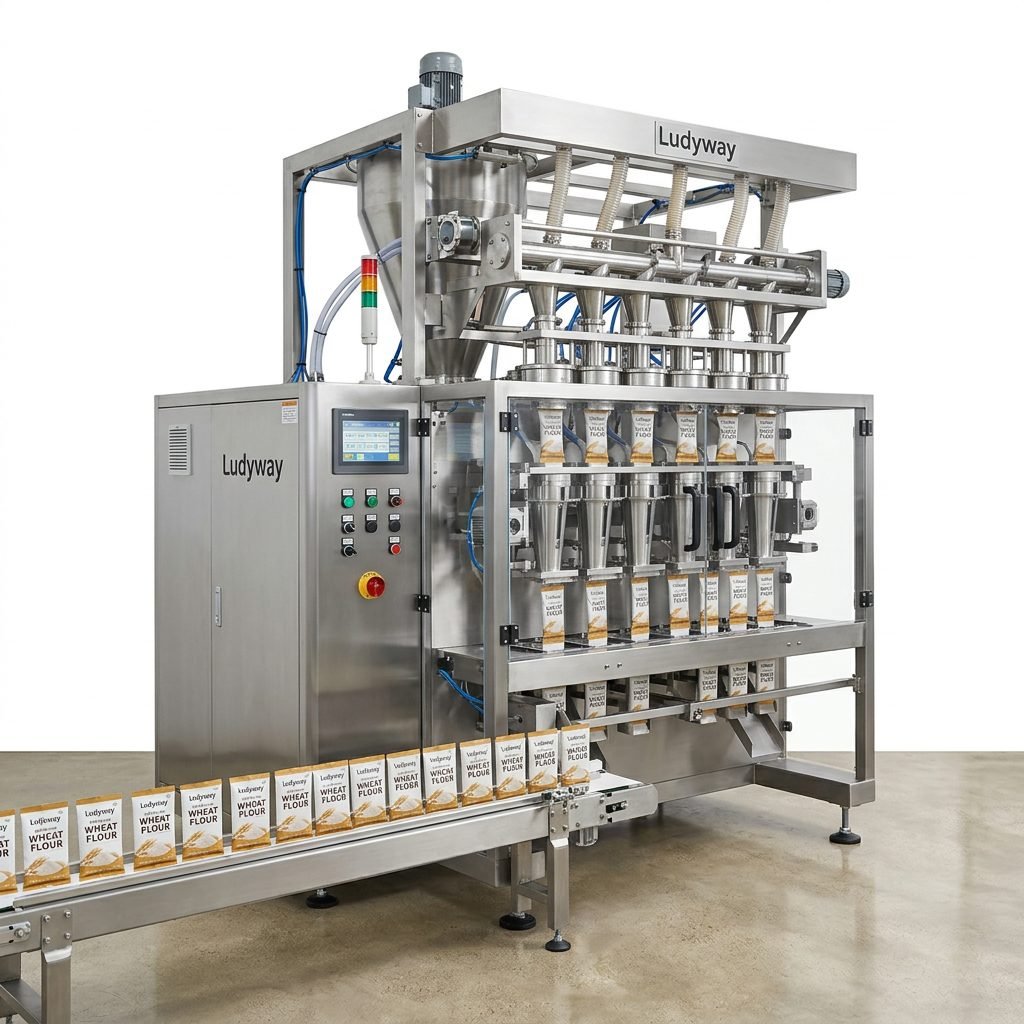
| Dusty & Volatile Powders | Posho (Maize Flour), Cocoa Powder, Seasoning Blends | Dust-Controlled Auger Fillers with Servo-Driven Sealing Jaws for air-tight seals |
Why Multi-Lane Stick Pack Machines Are a Game Changer
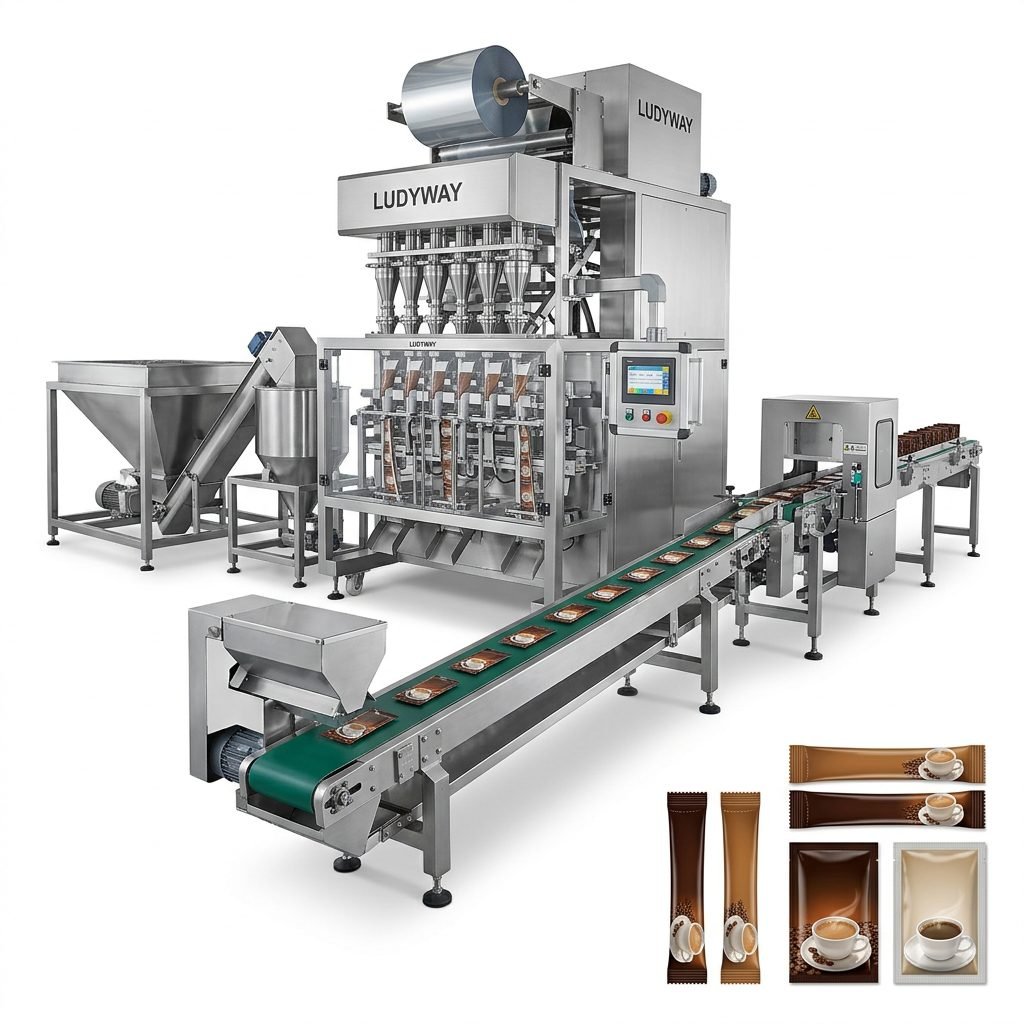
For Ugandan entrepreneurs targeting the vibrant retail and single-serve market, multi-lane stick pack machines offer unmatched flexibility. These systems can run 4 to 12 lanes simultaneously, producing high volumes of narrow, elegant sachets that are perfect for granule and powder packaging. This technology is ideal for instant coffee sticks, sugar sachets, and powdered drink mixes, ensuring excellent barrier properties and stunning shelf appeal.
Key Advantages of Stick Pack Technology
- Portion Control: Accurate dosing prevents product overfill and maximizes profit margins.
- Freshness: Hermetic sealing protects hygroscopic Ugandan products like coffee and milk powder from moisture.
- Speed: Output rates can reach hundreds of packs per minute, meeting large-scale distribution demands.
High-Speed Sachet Packaging for the Liquid Market
The market for liquid sachets—such as drinking water pouches, fruit juice, and hair/body oils—is massive in Uganda. A dedicated liquid packaging machine with multi-lane capability is crucial here. Unlike granular fillers, these machines are built with sanitary stainless steel construction and specialized filling nozzles to handle varying viscosities without dripping or seal contamination. Look for piston filling systems for thick liquids and gravity-flow meters for water-like consistencies.
The Critical Role of Construction Material
Given Uganda’s agricultural processing environment, where sugar, salt, and acidic fruit powders are common, the machine’s durability is non-negotiable. Stainless steel (SS 304 or SS 316) is the industry standard for all food contact parts to prevent rust and chemical corrosion. A robust frame also ensures stability during high-speed operations on typical production floors.
Navigating Power Supply and Automation Levels
When investing in automated packaging systems, consider the local infrastructure. While fully automated turnkey lines offer the highest productivity, they require stable three-phase power. Many small and medium enterprises (SMEs) in Uganda prefer semi-automatic filling machines as a cost-effective entry point. These machines require manual bag loading but automate the filling and sealing processes, significantly reducing human error while keeping costs manageable.
Semi-Automatic vs. Fully Automatic Comparison
- Semi-Automatic: Ideal for start-ups with lower output needs; requires an operator to present bags or bottles.
- Fully Automatic: Necessary for established brands needing to output thousands of units per shift; integrates weighing, forming, filling, sealing, and cutting in one seamless line.
The Importance of After-Sales Support and Spare Parts
Downtime is the enemy of profit in the food industry. When sourcing a food packaging machine for Uganda, prioritize a manufacturer with a strong global supply chain and responsive technical support. The ability to quickly access critical spare parts—such as sealing jaws, temperature controllers, and forming tubes—is vital. Companies with 30+ years of experience often have a vast installed base and a proven track record of remote troubleshooting and local technician training, ensuring your line runs smoothly throughout the harvest season.
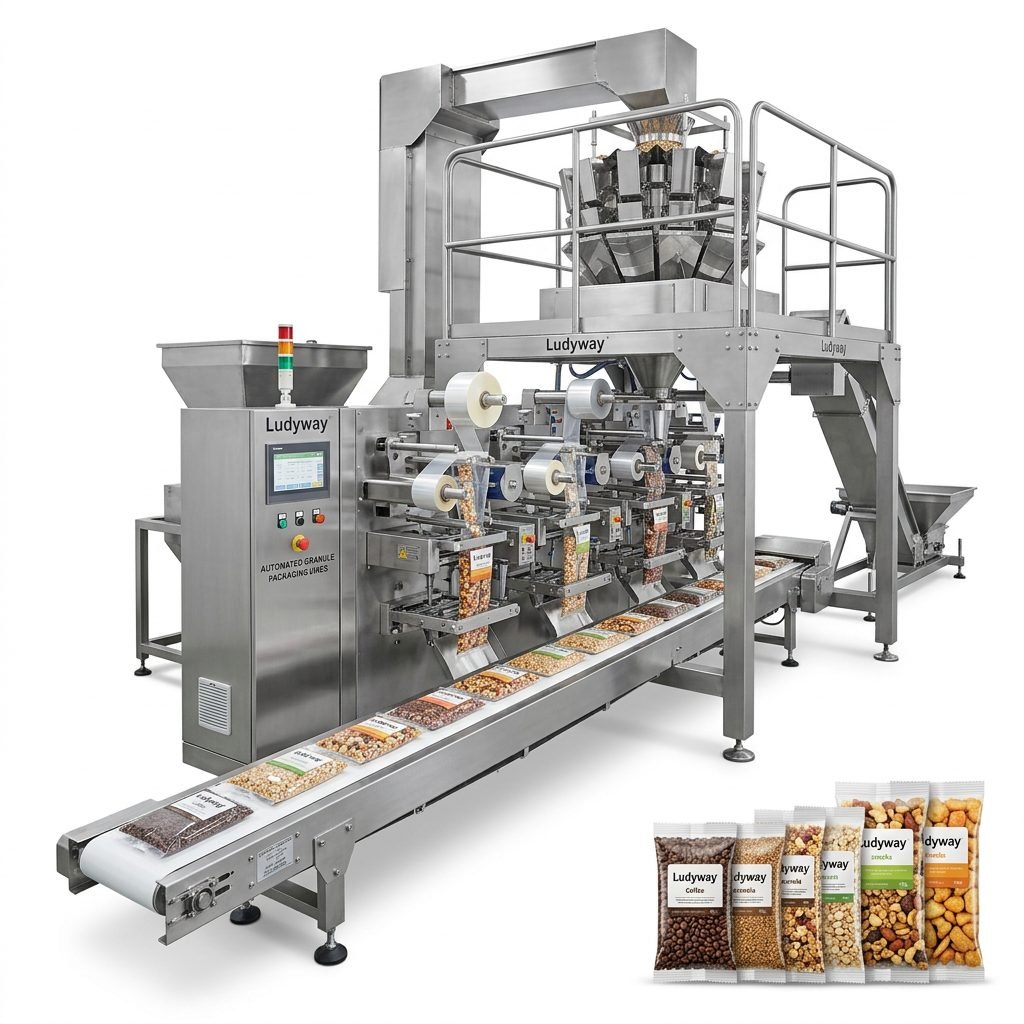
Case in Point: Turnkey Solutions for Flour and Grain Mills
If you operate a large-scale maize or cassava mill, a turnkey packaging line is the ultimate solution. This integrates a bucket elevator, a multi-head weigher, a vertical form fill seal machine, and often a case packer. These industrial systems are designed to handle the dusty environment of flour milling while delivering precise weight accuracy, which is legally required for pre-packaged staple foods in the regional markets.
Ludyway is one of the largest packaging machine manufacturers in China, specializing in advanced equipment and turnkey solutions for the food, pharmaceutical, and health industries. With over 30 years of experience, a 20,000㎡ manufacturing facility, and more than 50 intelligent machine models serving customers in over 100 countries, they deliver high-performance systems specifically engineered for the rigors of granule, powder, and liquid packaging.
Key Specifications to Verify Before Purchasing
When comparing suppliers, use the following checklist to ensure the machine meets your specific production reality in Uganda:
- Film Compatibility: Can the machine run on locally available laminates like PET/AL/PE or BOPP/CPP?
- Bag Size Range: Does it cover your specific niche, from single-serve 2g sachets to family 1kg packs?
- Sealing Integrity: Look for servo-driven seal jaws that adjust pressure and temperature precisely to prevent leaks, especially in oily products.
- Cleaning Accessibility: Quick-release hoppers and wash-down capabilities reduce changeover time between product batches.
Industry Insights and Standards
For further business intelligence on the flexible packaging sector and machinery standards, reviewing industry association data is highly beneficial. Authoritative resources are available at organizations such as the Association for Packaging and Processing Technologies (PMMI) and the Flexible Packaging Association, which offer valuable reports on market trends and technology.
Ultimately, the best food packaging machine for your Ugandan product is one that harmonizes with your raw material characteristics, growth ambitions, and budget. By matching your product—be it coffee granules, liquid juice, or sticky sauces—with the appropriate filling mechanism and format, you can build a brand that consumers trust and retailers demand.