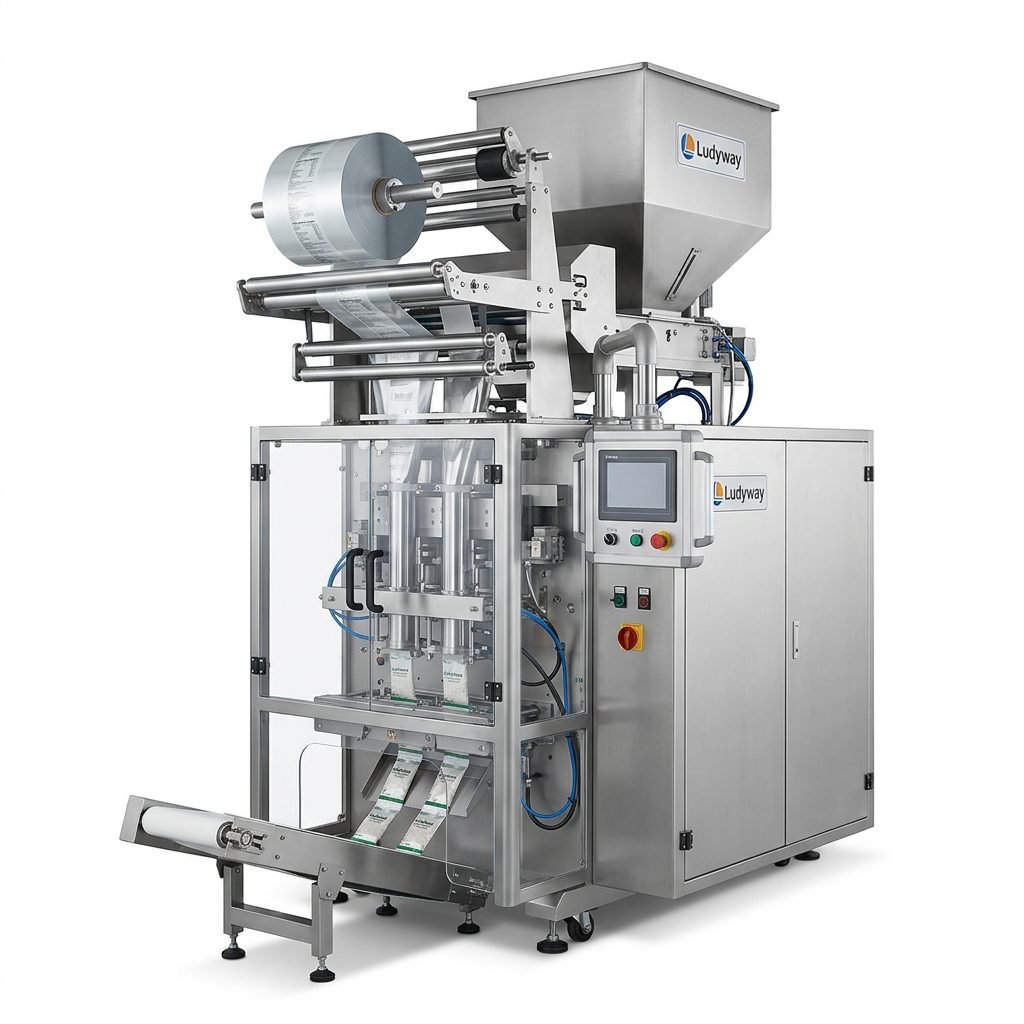
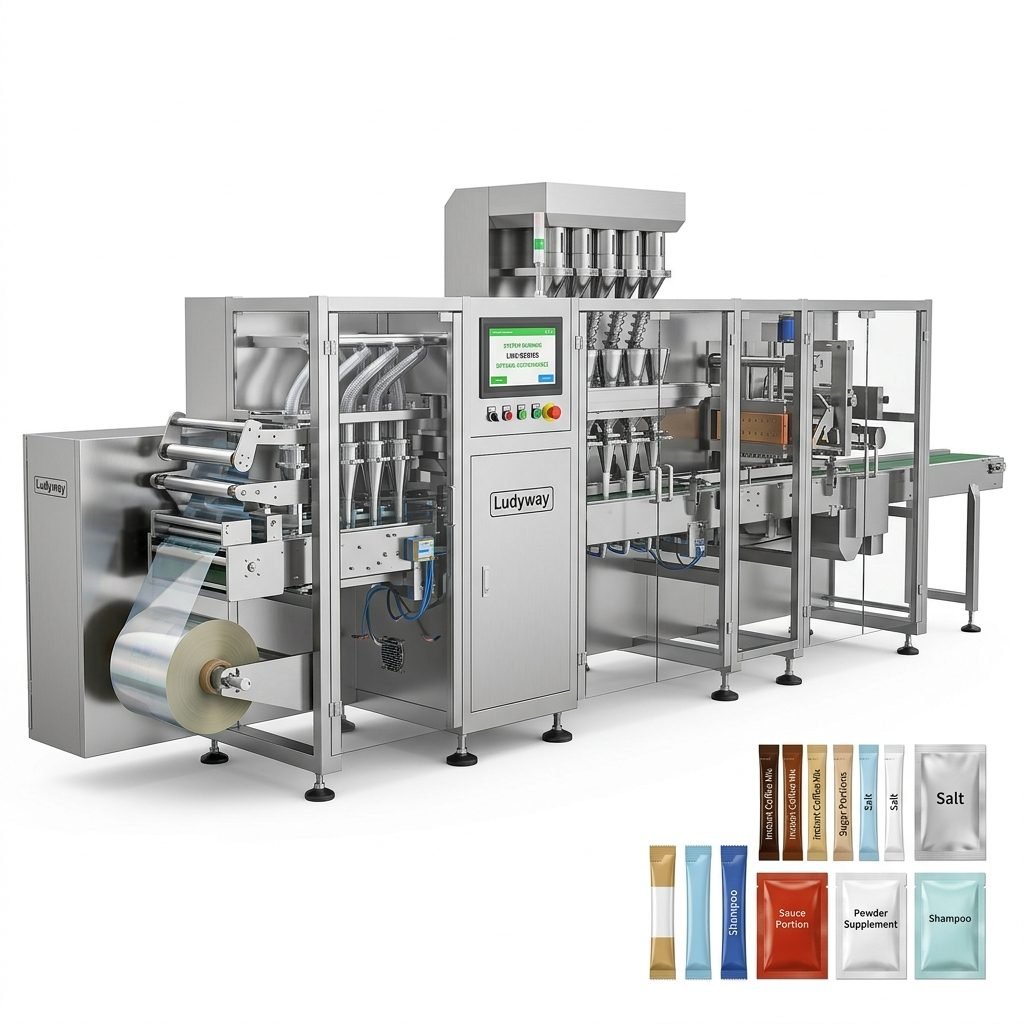
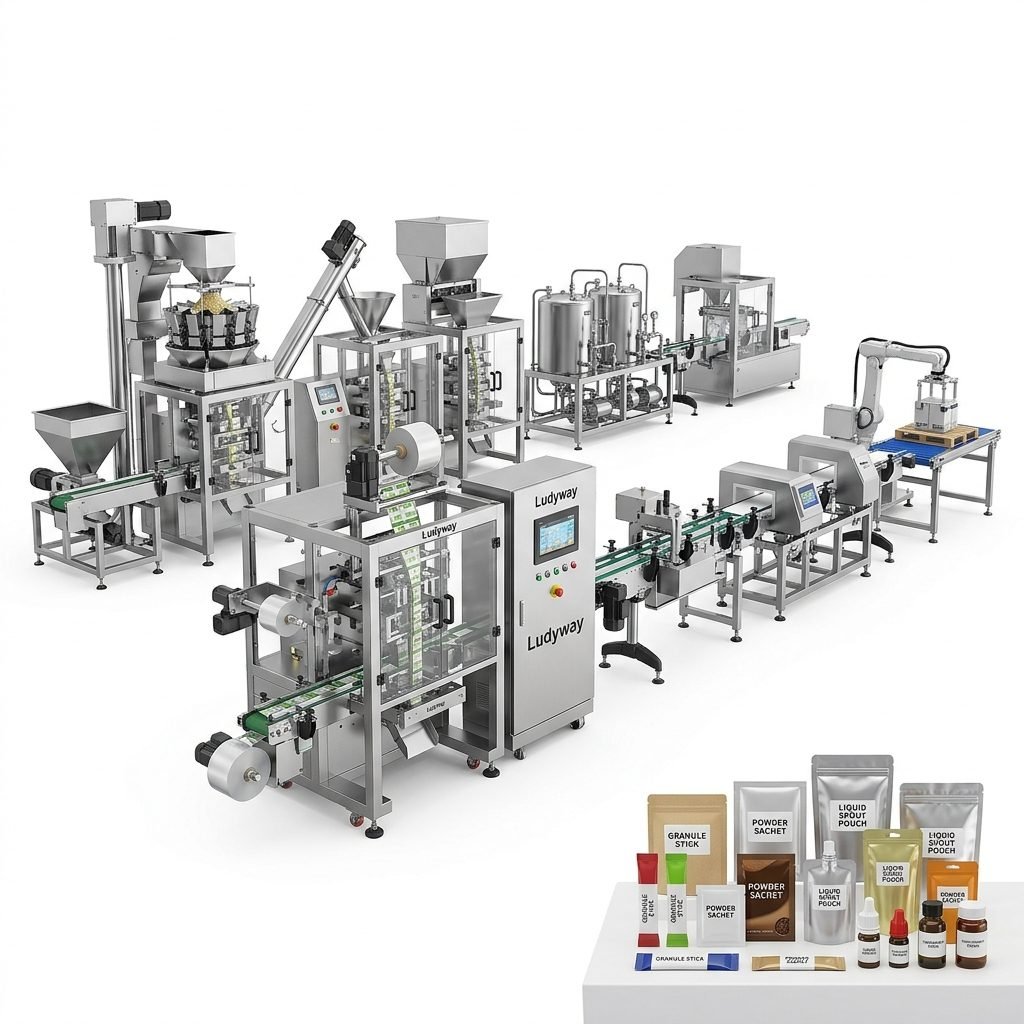
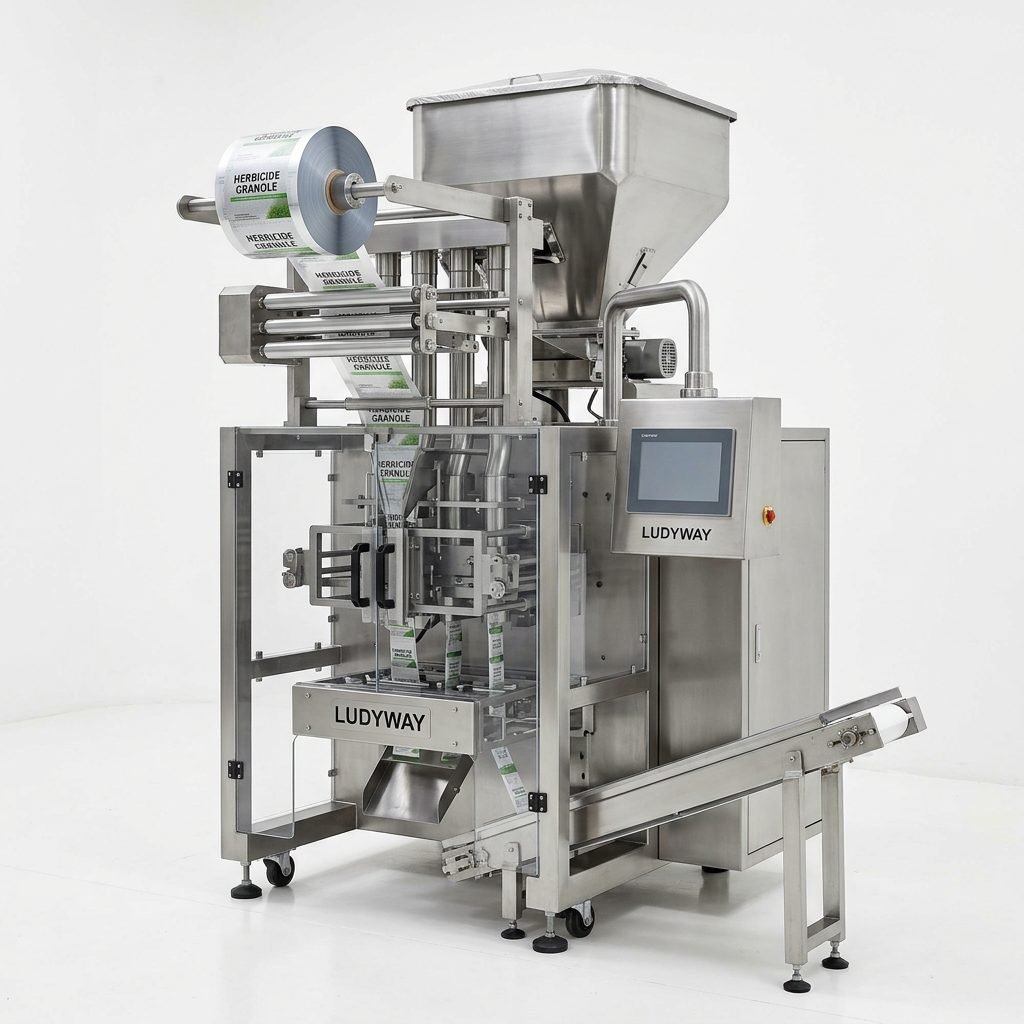
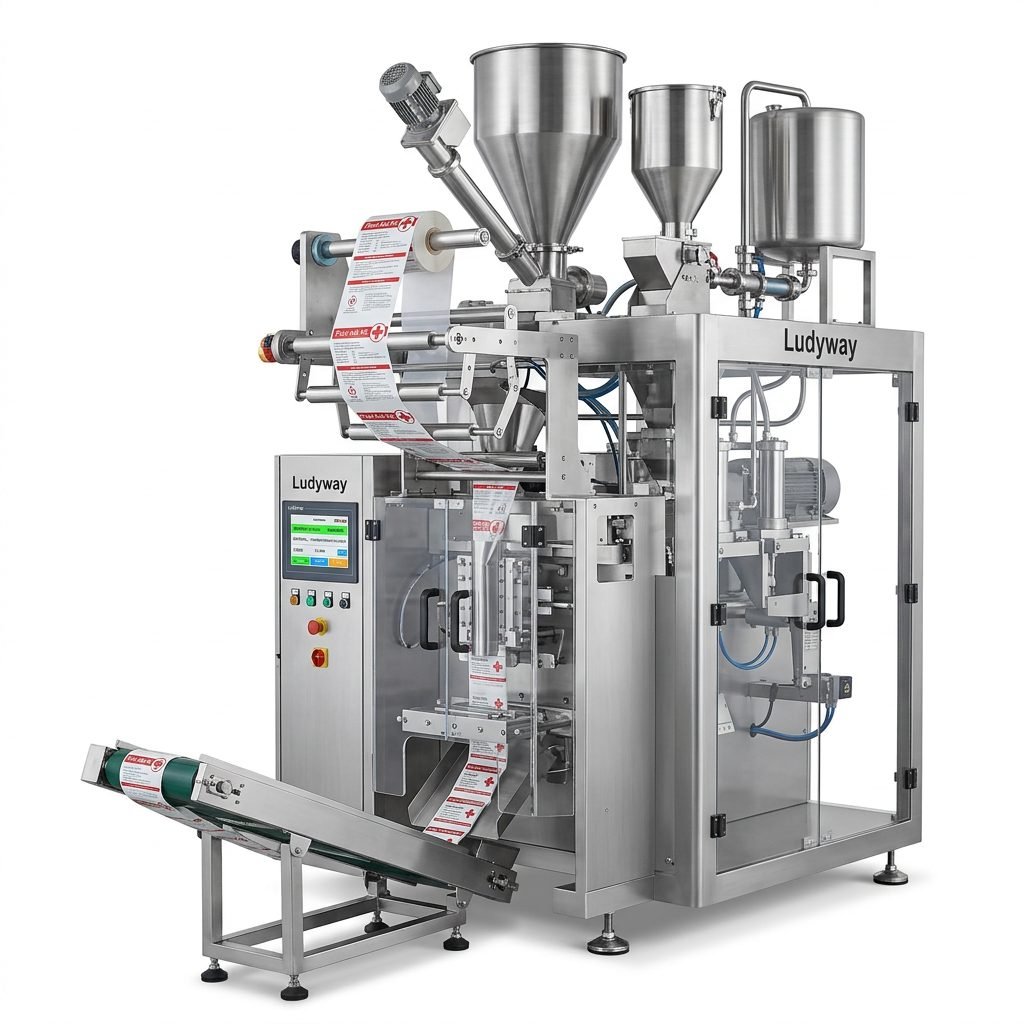
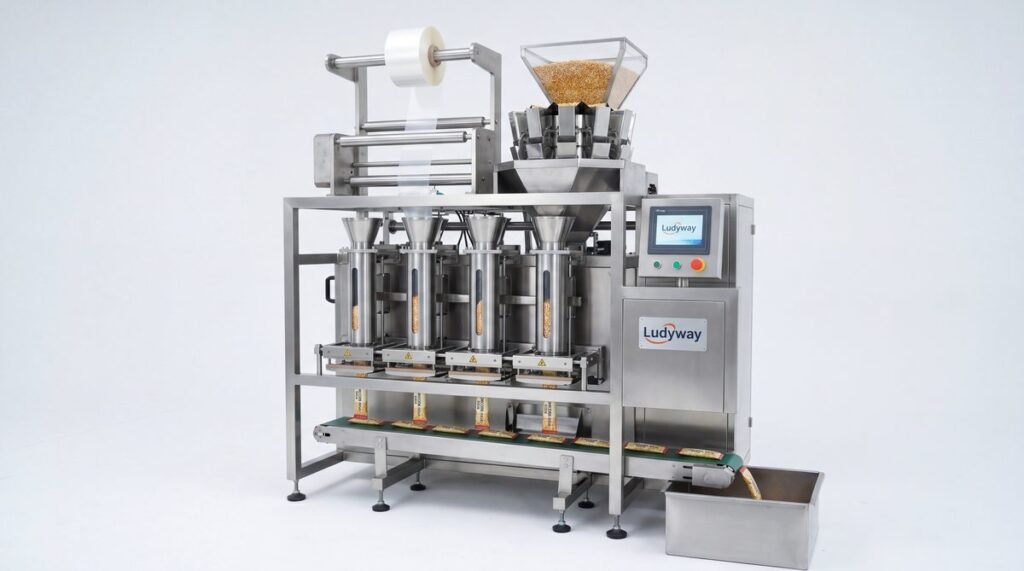
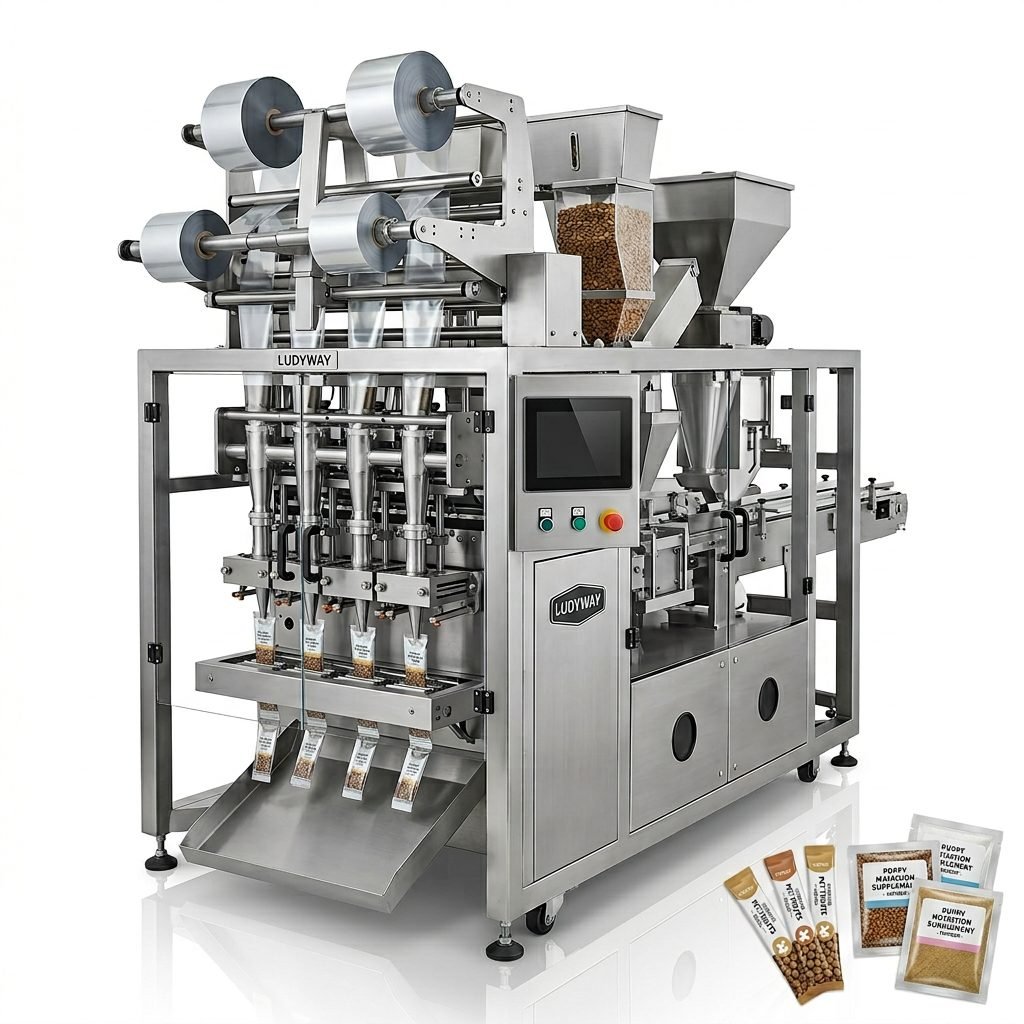
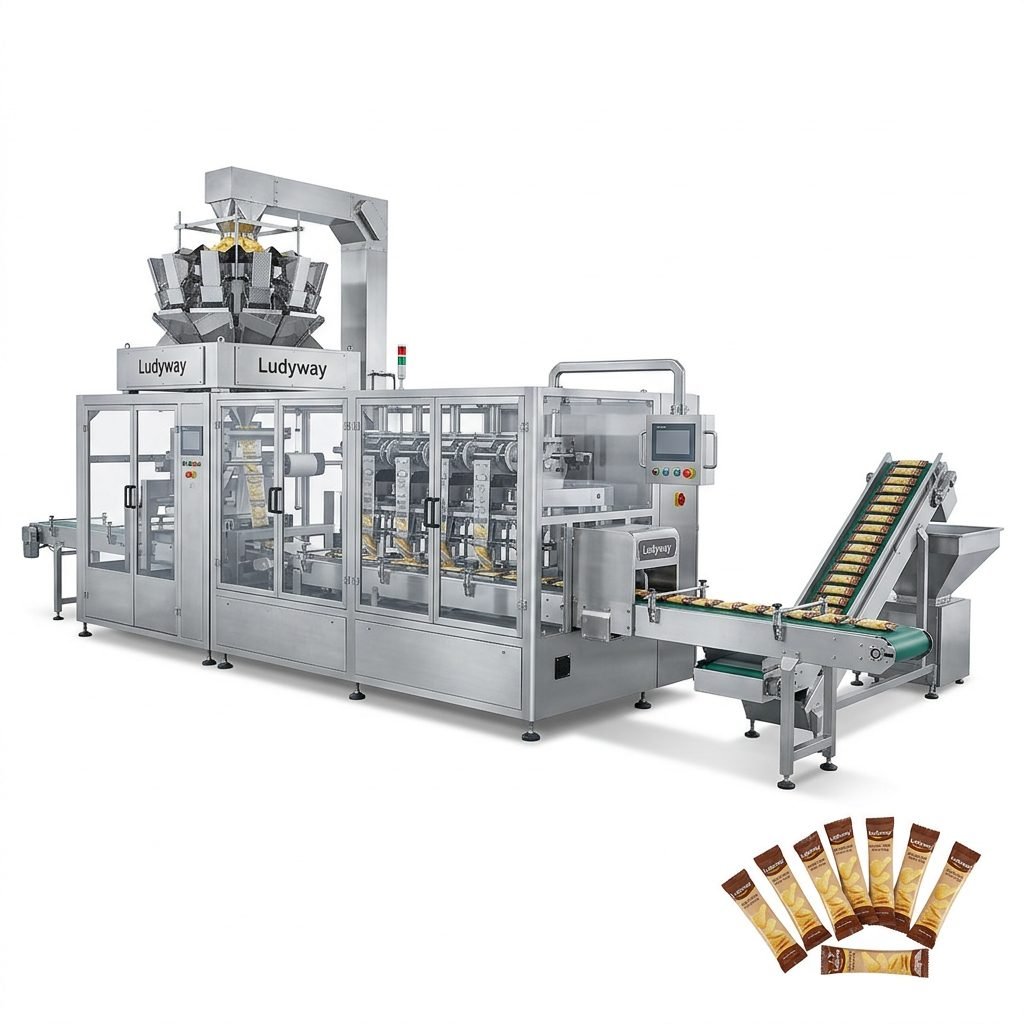
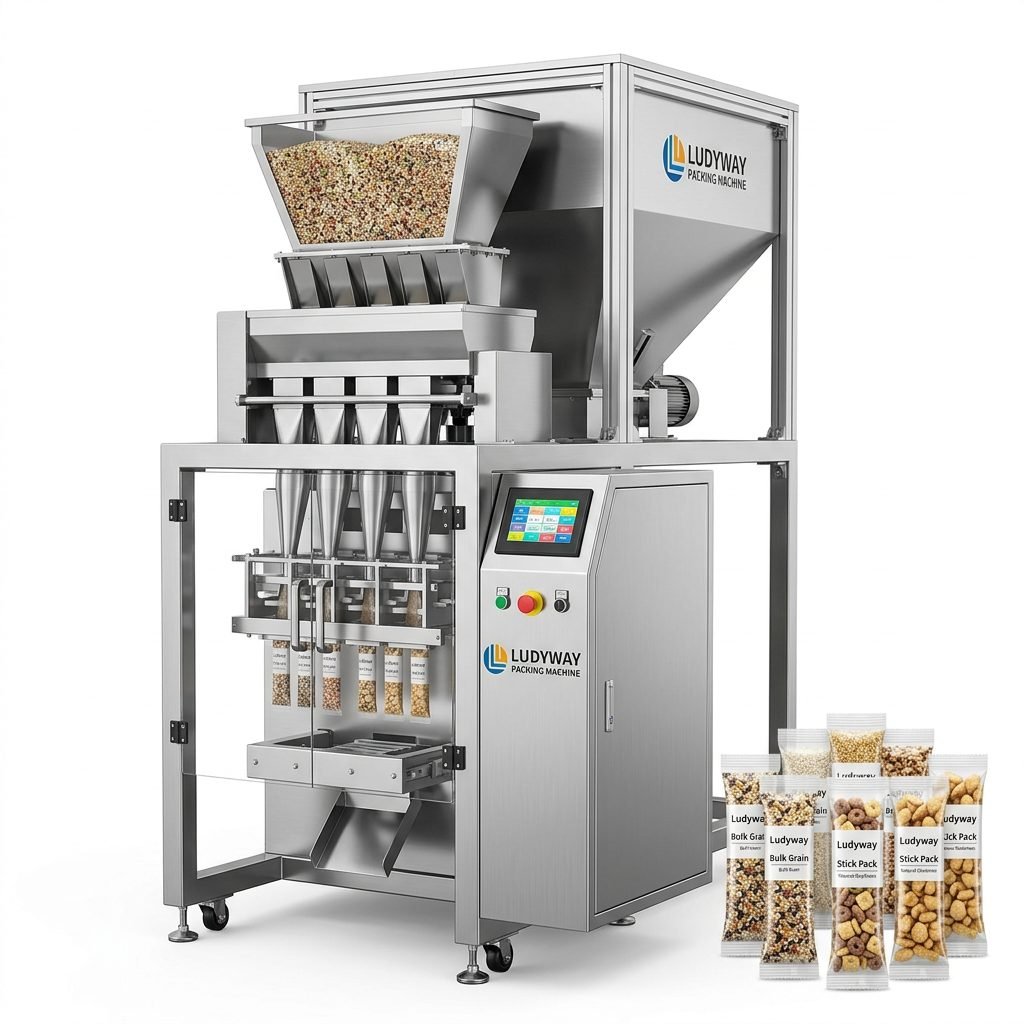
Ensuring the long-term reliability of your automatic grain packing machine requires a proactive maintenance strategy. A well-maintained machine not only extends its operational lifespan but also guarantees consistent bagging accuracy, reduces unexpected downtime, and protects your product quality. Integrating daily checks with scheduled professional servicing is the key to maximizing your return on investment.
The Critical Importance of Regular Maintenance
Neglecting routine care for packaging machinery often leads to film jamming, inaccurate weighing, or seal integrity failures. These issues can cause significant product waste and costly delays. By implementing a structured maintenance schedule, you maintain optimal speed and precision, ensuring every bag meets your strict quality standards.
Daily Cleaning: The First Line of Defense
Dust, grain residue, and powder buildup are the primary enemies of moving parts. At the end of each shift, operators should:
- Remove all residual product from hoppers, conveyors, and sealing jaws using compressed air or a vacuum system.
- Wipe down photo-eye sensors and film tracking mechanisms with a lint-free cloth to prevent false readings.
- Inspect the heat-sealing surfaces for carbonized residue or sticky buildup that can compromise seal strength.
- Clean the machine’s exterior to maintain a hygienic production environment.
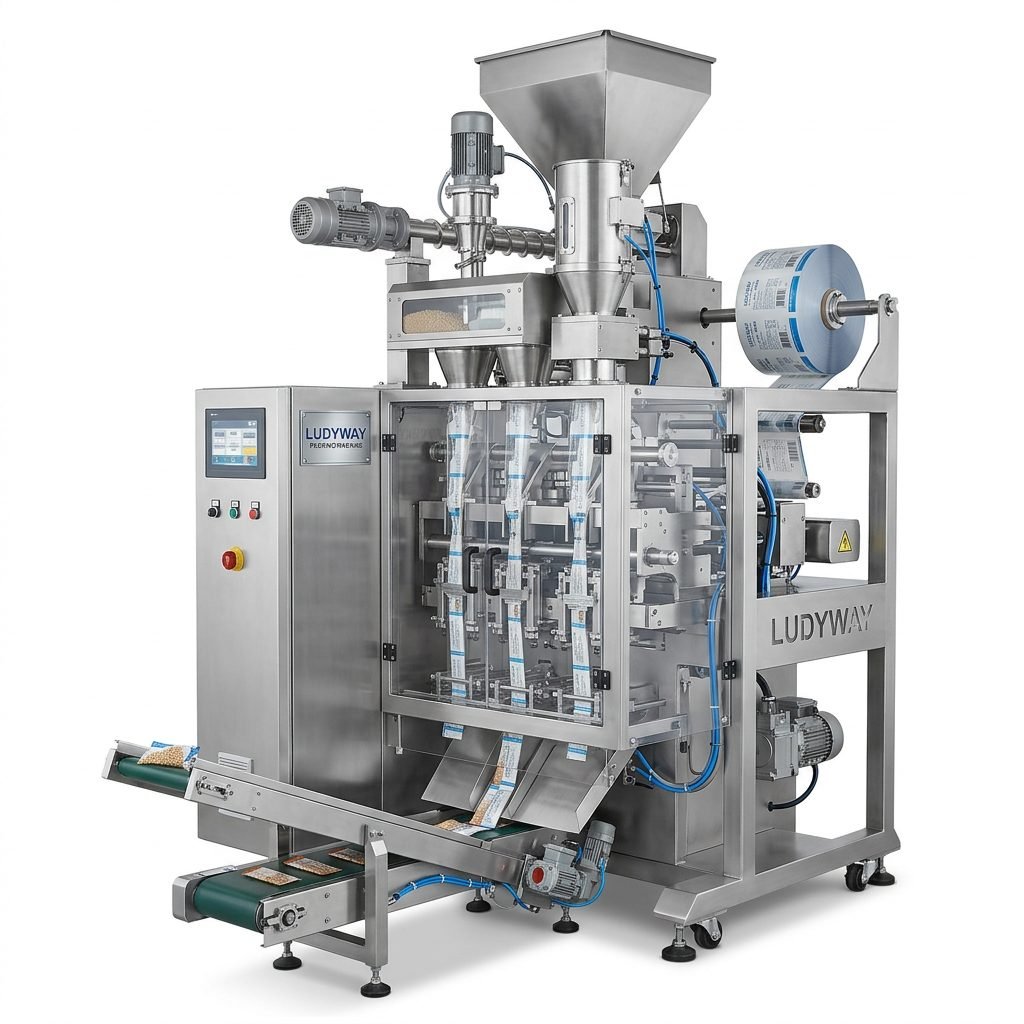
Lubrication and Mechanical Integrity
Friction is a primary cause of mechanical wear. A consistent lubrication routine reduces stress on gears, chains, and bearings. Focus on the following zones:
- Film Unwinding Assembly: Apply food-grade grease to rotary tension mechanisms.
- Vertical Sealing Bars: Lubricate guide rods and bushings to ensure smooth reciprocating motion.
- Cutting Blades/Knives: Keep blade assemblies clean and lightly oiled (if applicable) to prevent tearing instead of cutting.
Always reference your machine’s manual for specific lubrication points and recommended oil viscosity to avoid damaging sensitive electronic components.
| Maintenance Interval | Key Task | Responsible Party |
|---|---|---|
| Daily / Per Shift | Air purge, sensor cleaning, visual inspection of seals | Machine Operator |
| Weekly | Deep clean of film tracks, check belt tension, verify temperature calibration | Maintenance Technician |
| Monthly | Inspect electrical connections, backup/mirror settings, replace worn Teflon tape | Maintenance Technician |
| Quarterly/Annually | Full system diagnostics, gearbox oil change, comprehensive parts assessment | Certified Engineer |
Electrical System Safety Checks
Modern automatic grain packing machines feature sophisticated PLCs and touchscreen interfaces. Protect these by:
- Verifying Stable Power Supply: Use a surge protector or voltage stabilizer to prevent board damage from fluctuations.
- Tightening Connections: Vibration can loosen terminal screws over time. Periodically (with power locked out) tighten contacts on relays and motor drives.
- Inspecting Cables: Look for signs of fraying or rodent damage, especially in food production environments.
Calibration and Weighing Accuracy
Drift in weighing accuracy directly impacts your bottom line. Overfilling gives away product, while underfilling leads to regulatory non-compliance. Weekly dynamic calibration using standard test weights is essential. Ensure the load cell area is clear of debris, as physical obstructions cause erratic readings.
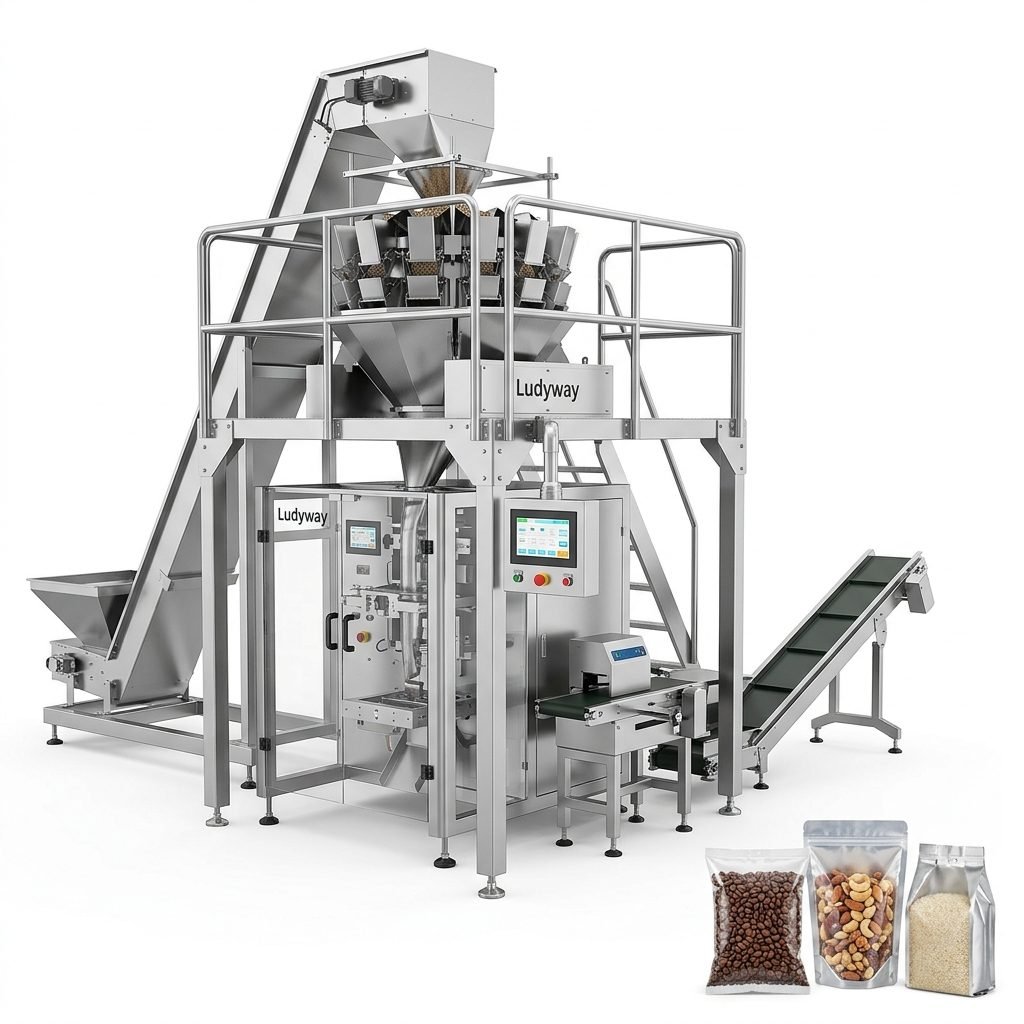
Spare Parts Management Strategy
Waiting for a spare part to arrive can halt production for days. A smart inventory strategy includes keeping critical packaging equipment consumables on-site. This includes:
- Heat sealing bands and Teflon covers
- Pull belts and timing belts
- Commonly used sensors (photocells, proximity switches)
- Forming tubes and bag former assemblies specific to your bag sizes
Ludyway, a leading manufacturer in the sector, supplies comprehensive spare parts kits tailored to their specific machine models, ensuring compatibility and quick replacement to minimize your operational disruption.
Training Your Operating Team
The best maintenance schedule fails if operators misuse the equipment. Ensure staff are trained to understand error codes, stop the machine immediately upon hearing unusual noises, and correctly thread the film path. Human error, such as incorrect film threading or ignoring “product bridging” alarms, is a frequent cause of premature mechanical stress.
For more insights on optimizing your production floor, you can explore resources from the Association for Packaging and Processing Technologies (PMMI) and the Flexible Packaging Association. Staying updated with ISO Packaging Standards also helps align your maintenance protocols with international best practices.
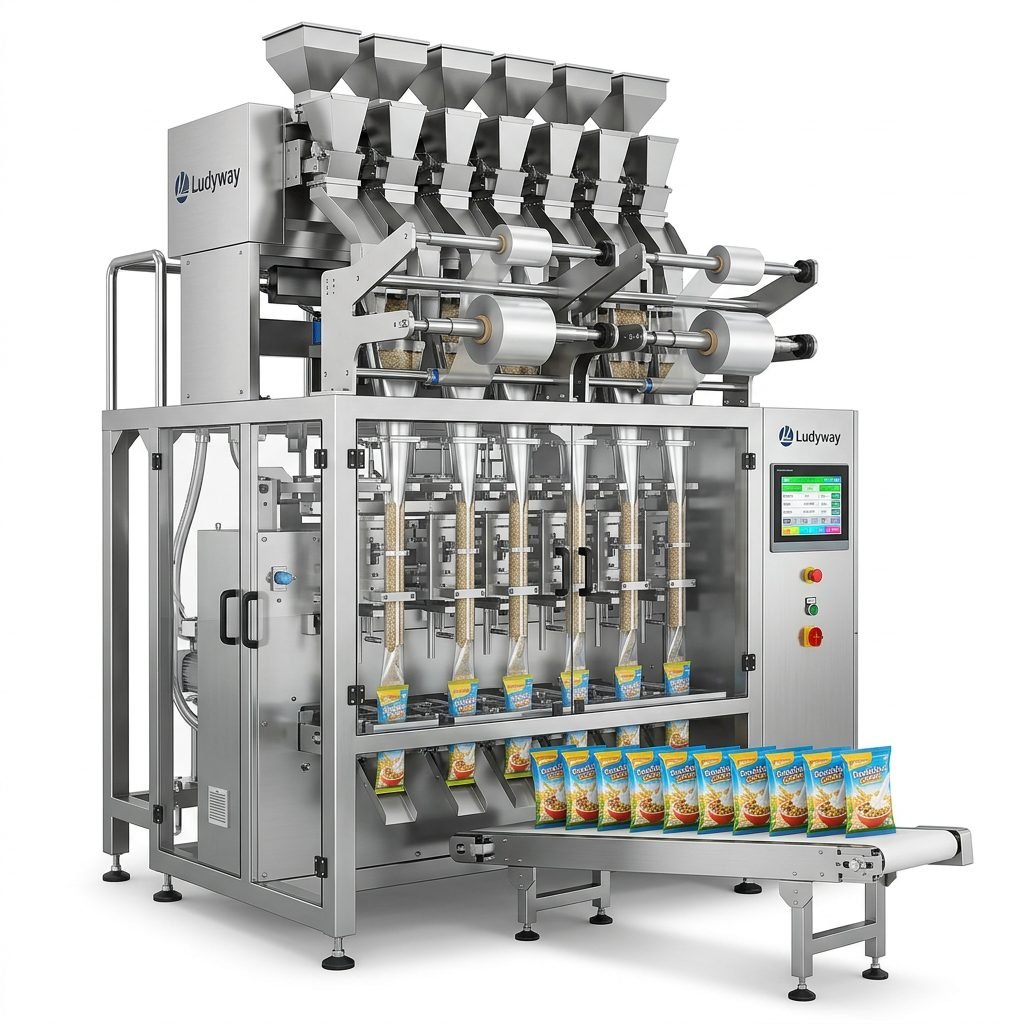
Professional Service and Long-Term Reliability
While in-house maintenance handles day-to-day care, scheduled professional servicing digs deeper. Certified engineers performing preventive maintenance can detect issues like hidden bearing wear, software version conflicts, or slight frame misalignments invisible to the naked eye. This proactive approach ensures your automatic grain packing machine continuously meets the demands of high-volume production.