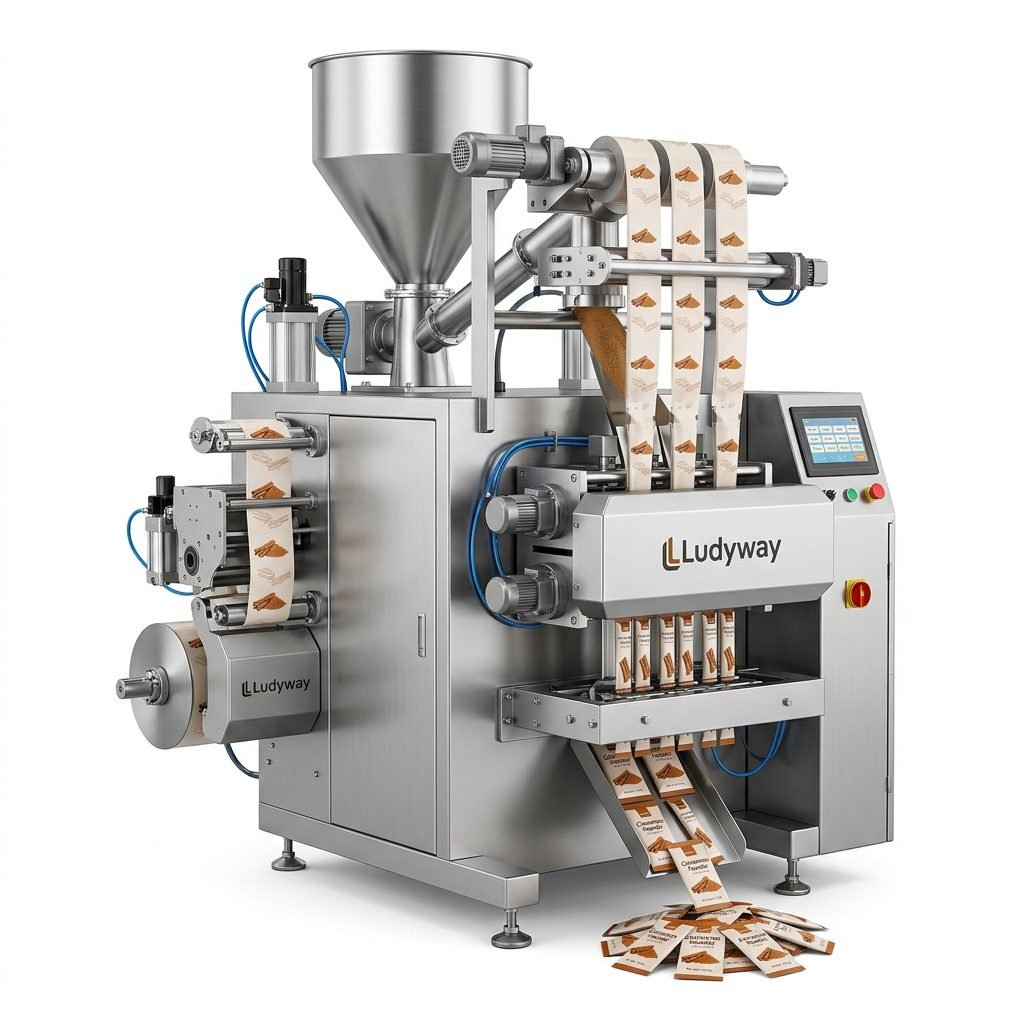
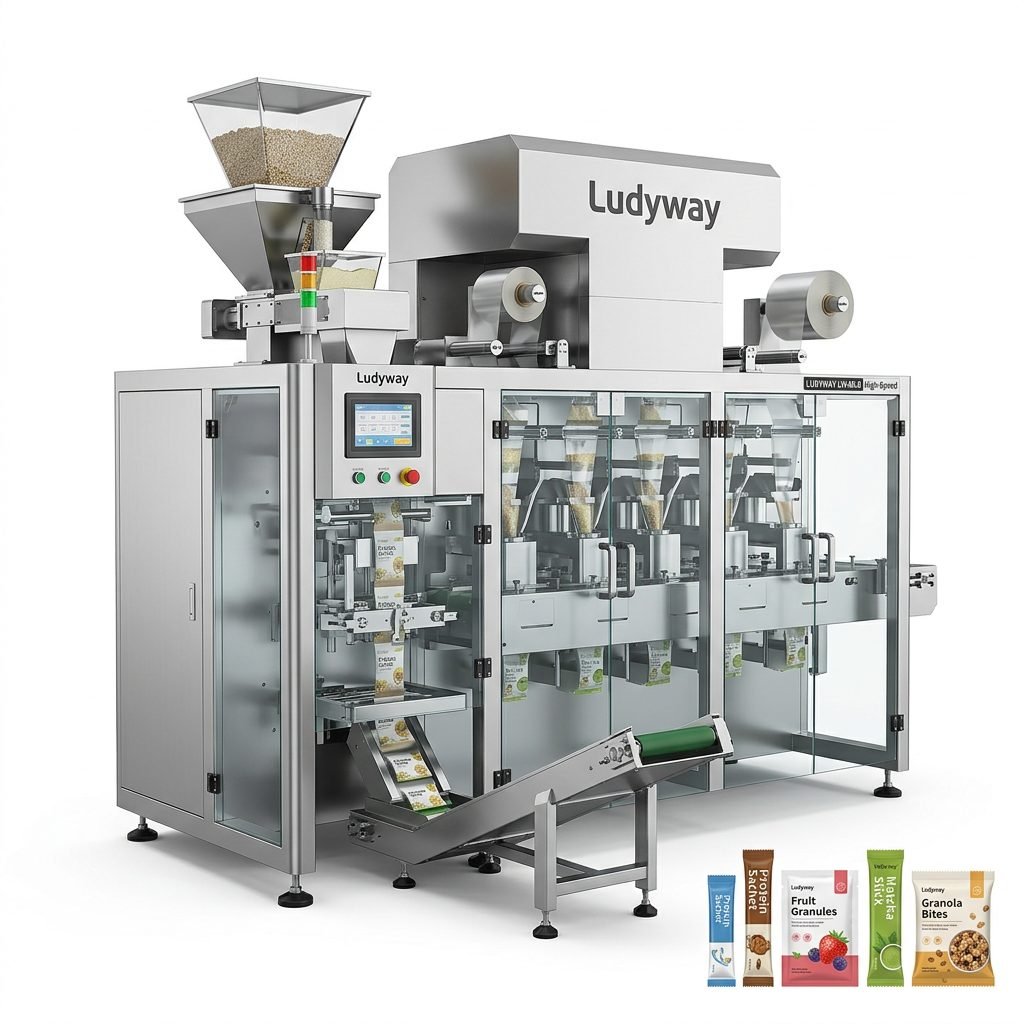
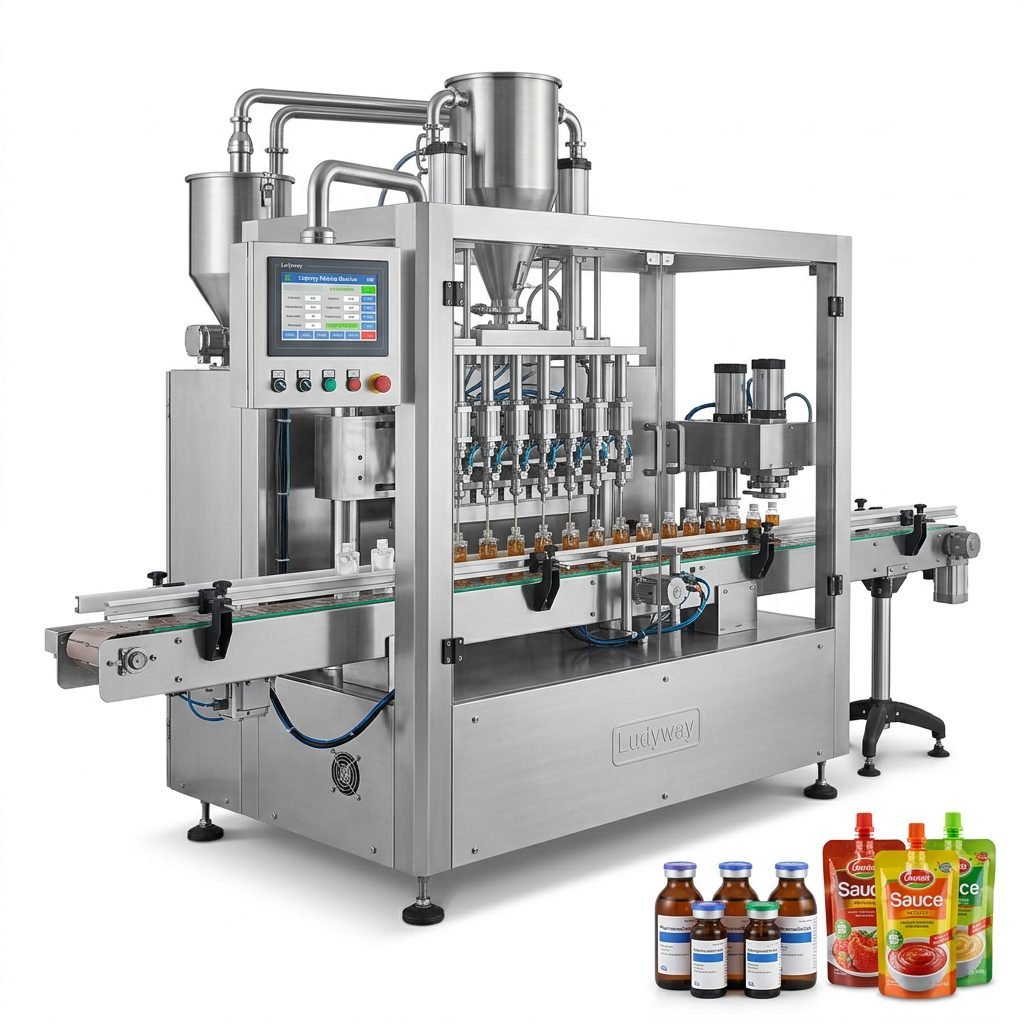
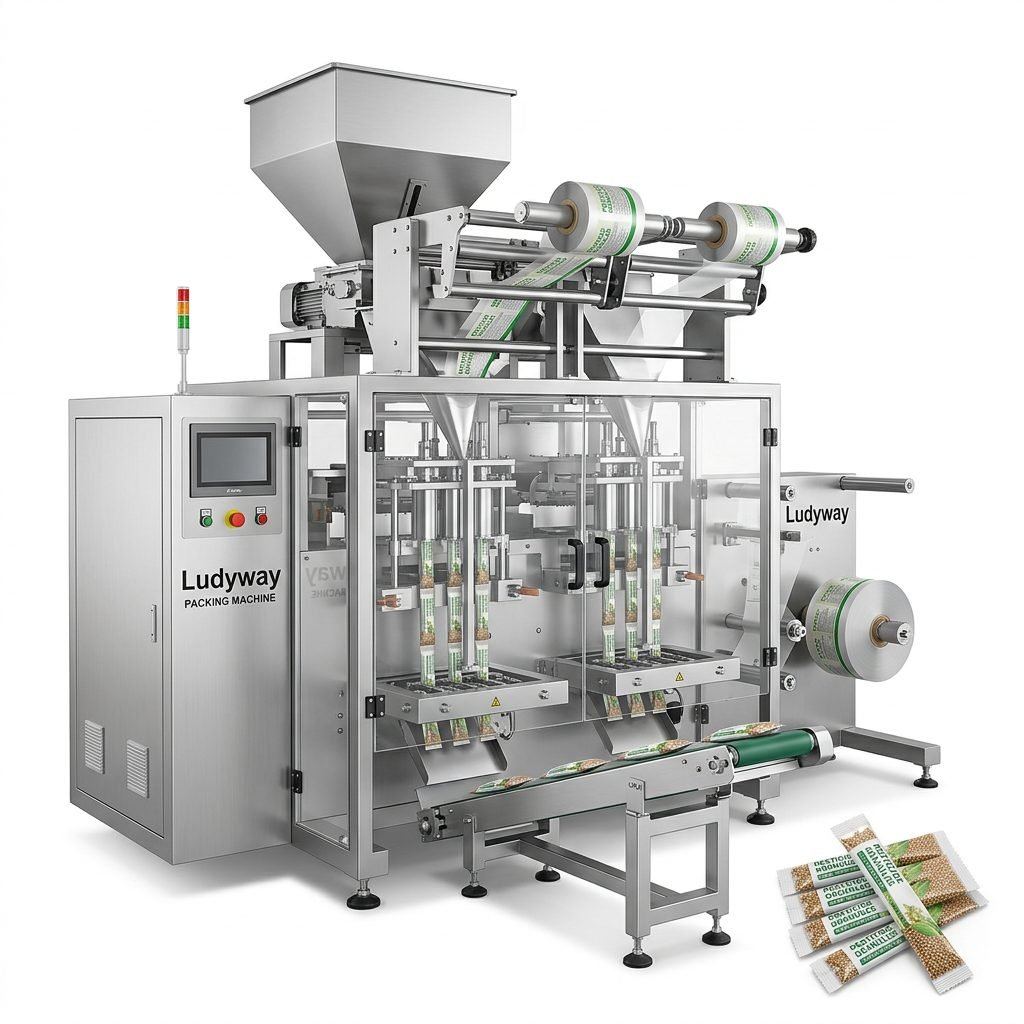
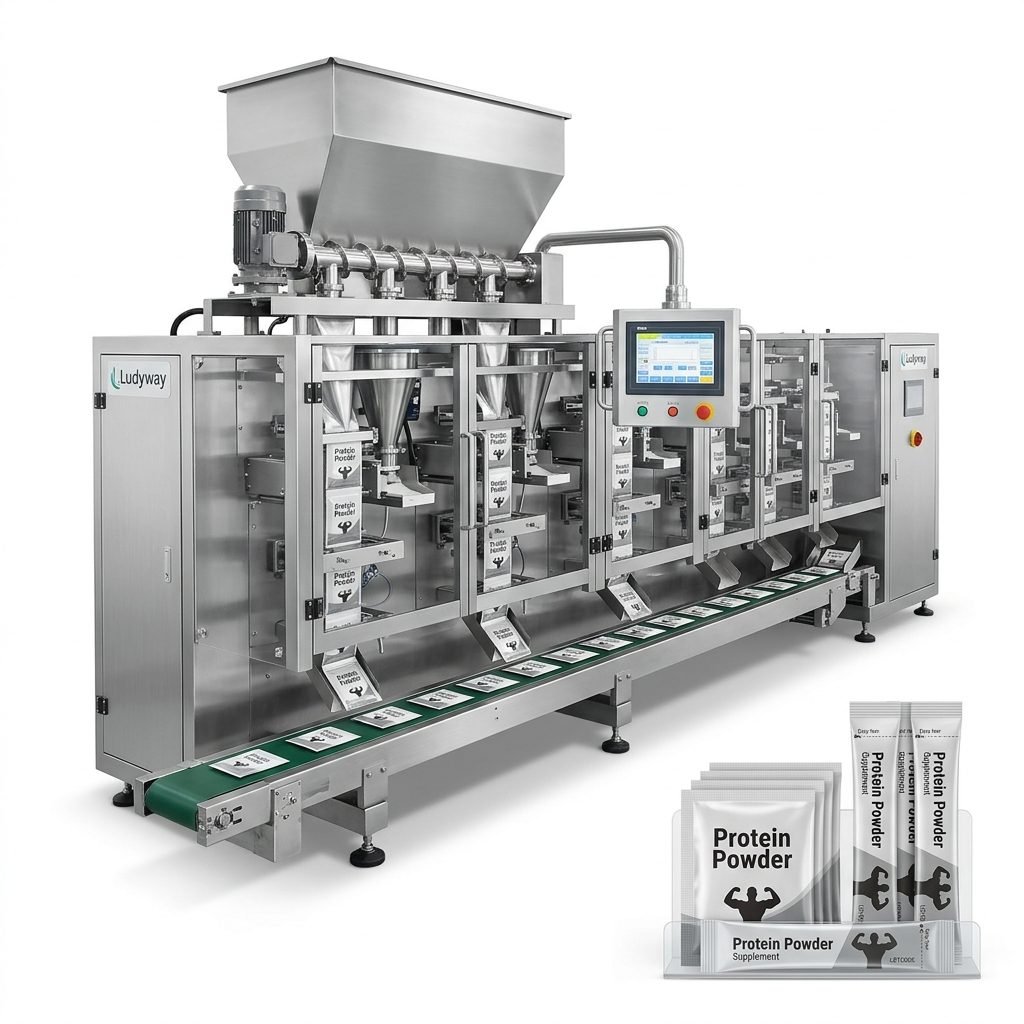
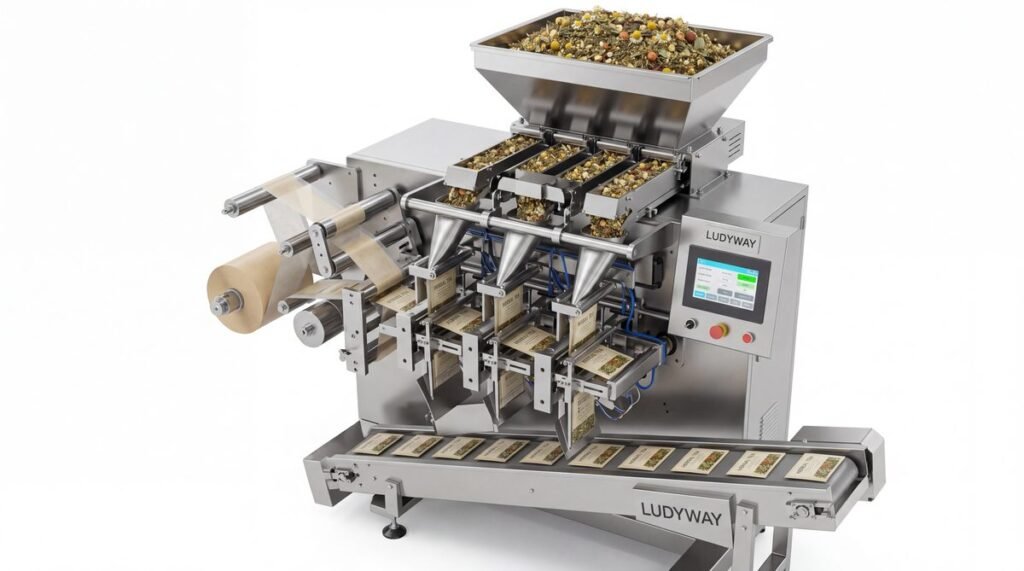
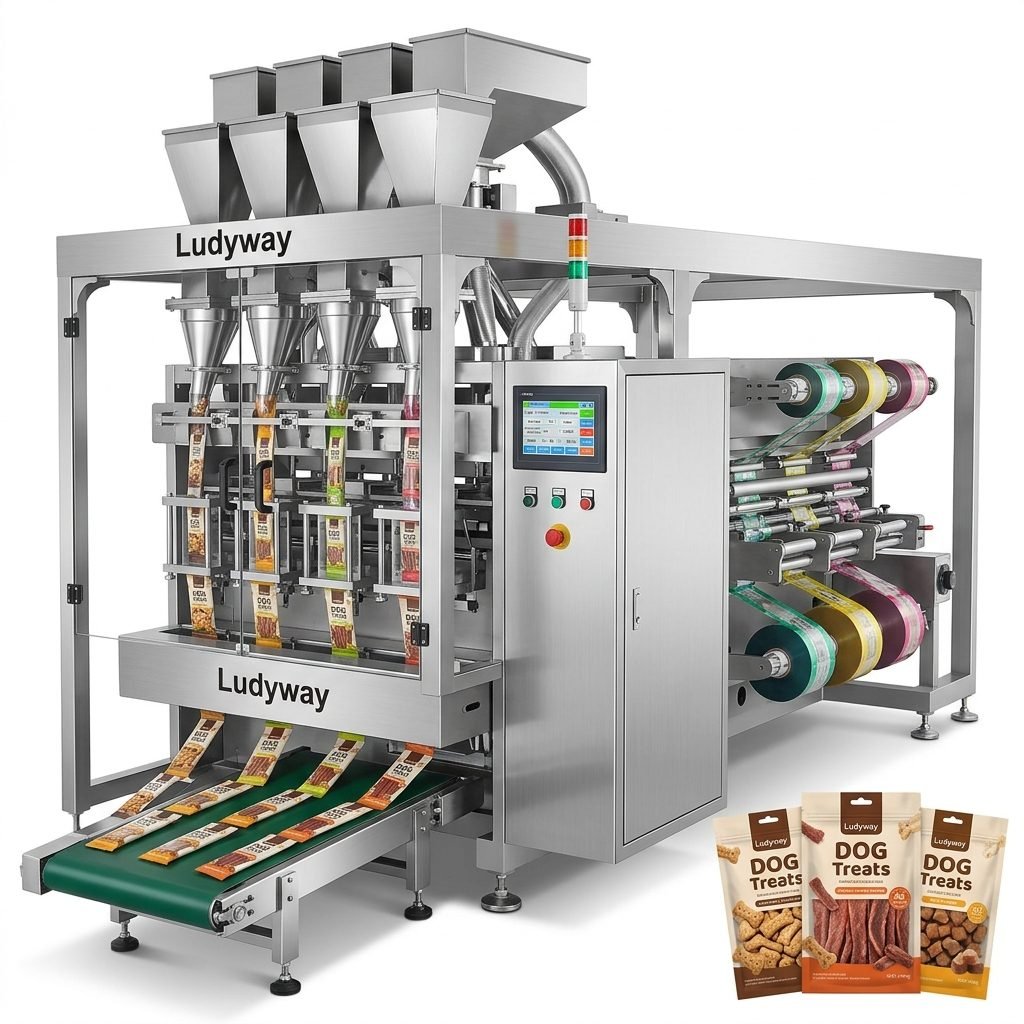
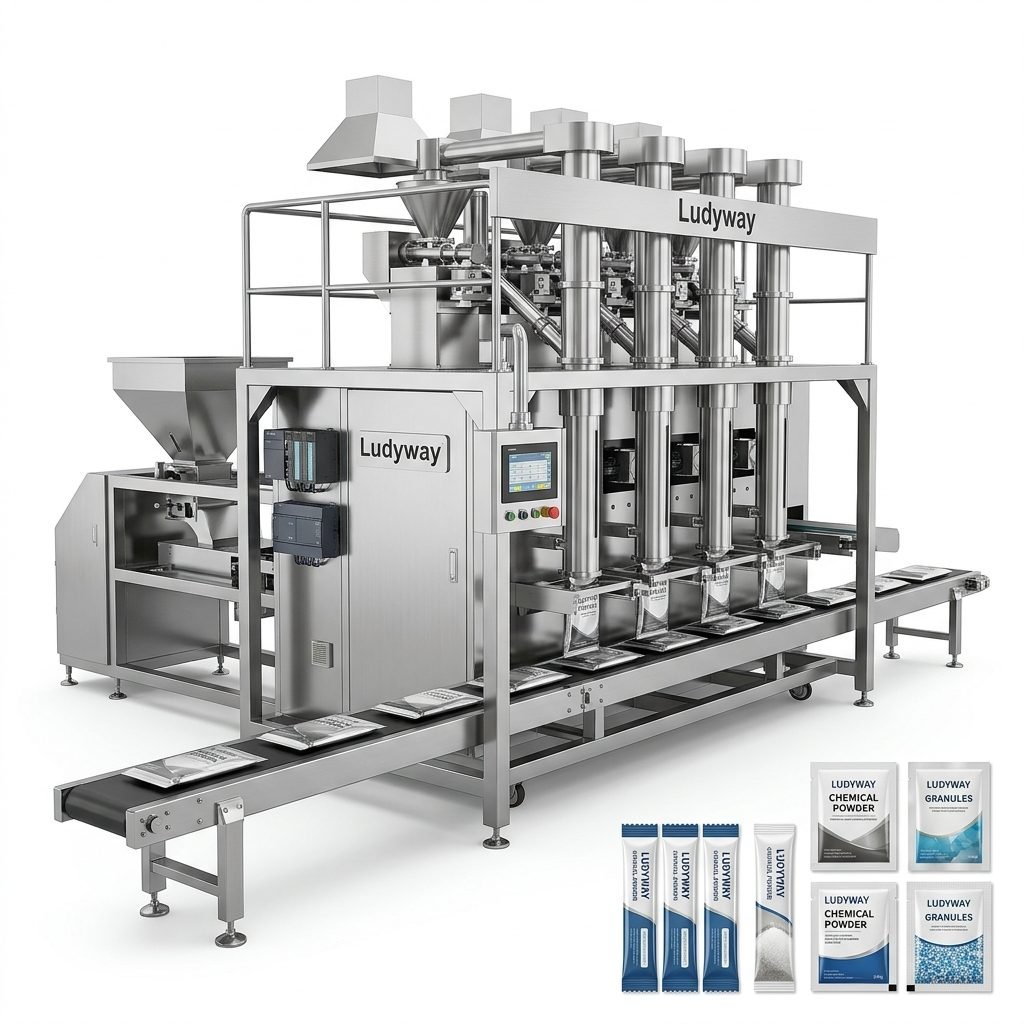
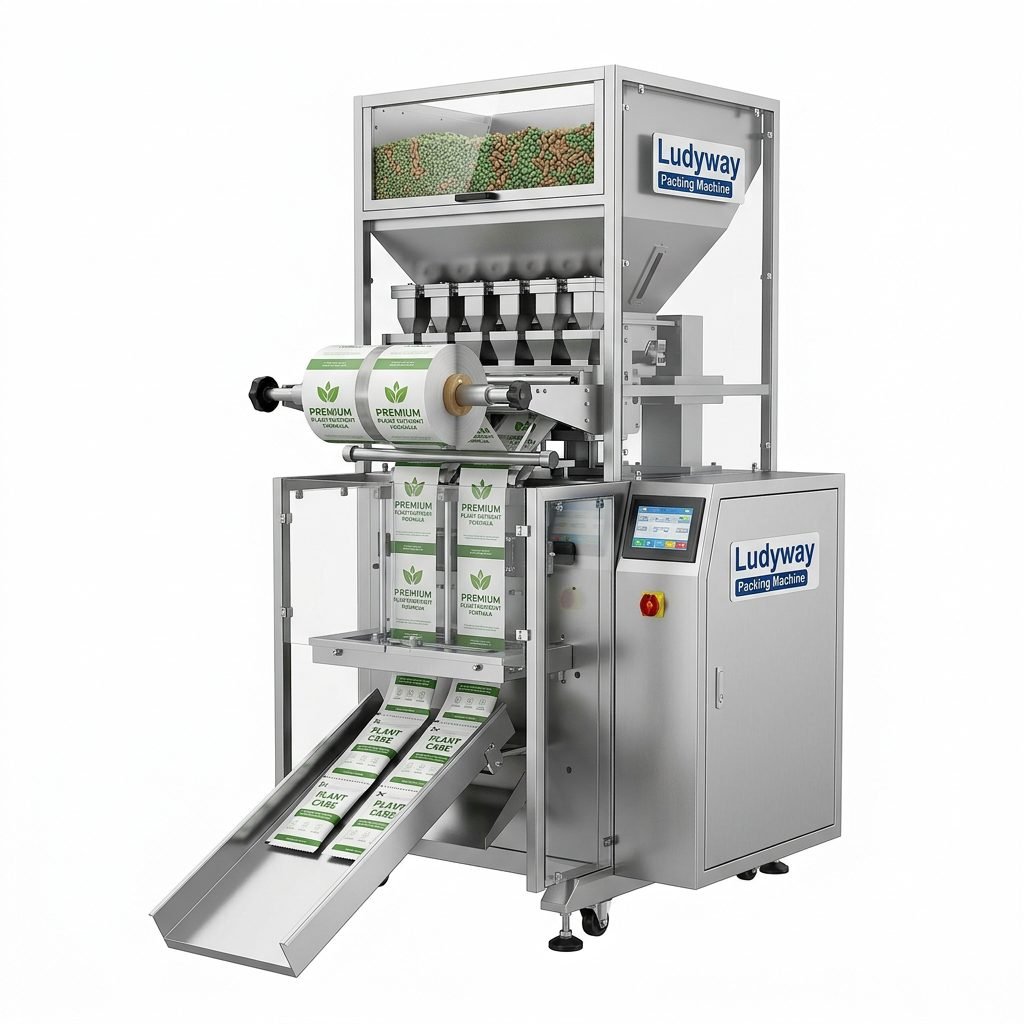
Investing in an automatic vegetable packing machine is a significant step toward improving productivity and reducing manual labor in food processing facilities. However, to maximize your return on investment and ensure consistent packaging quality, a structured maintenance routine is essential. Proper care not only extends the lifespan of the equipment but also prevents unexpected downtime that can disrupt production schedules. This guide outlines practical steps for maintaining your automatic vegetable packing machine for long-lasting, reliable performance.
Why Routine Maintenance Is Non-Negotiable
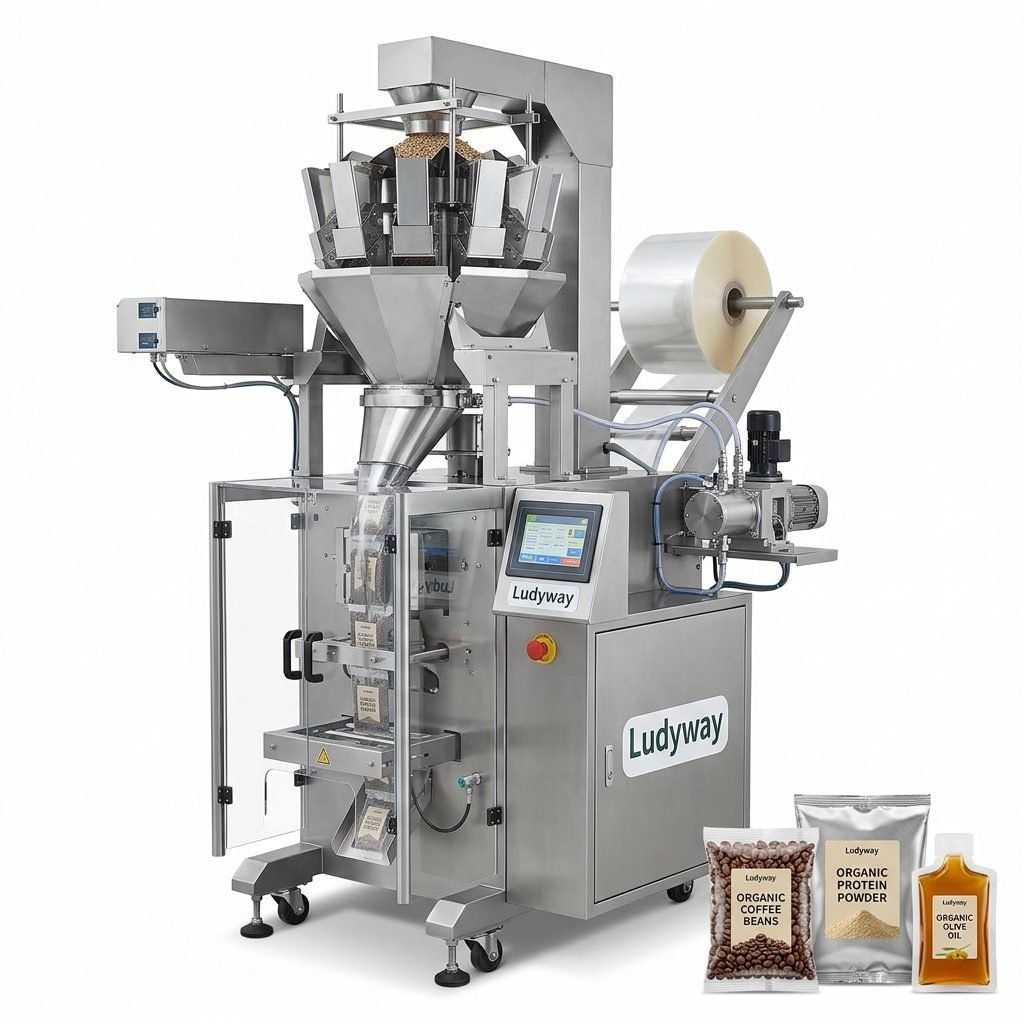
Vegetables often carry moisture, soil residues, and organic particles that can accumulate inside packaging machinery. Without regular cleaning, these contaminants lead to sensor malfunctions, sealing inconsistencies, and accelerated wear on moving parts. A well-maintained vegetable packing machine operates with higher energy efficiency, produces fewer rejects, and maintains compliance with food safety standards. The cost of preventive care is always lower than the expense of emergency repairs or replacement parts.
Key Benefits of a Consistent Schedule
- Reduced unplanned downtime during peak harvest seasons
- Consistent seal integrity and bag appearance
- Lower long-term spare parts expenditure
- Extended service life of critical components
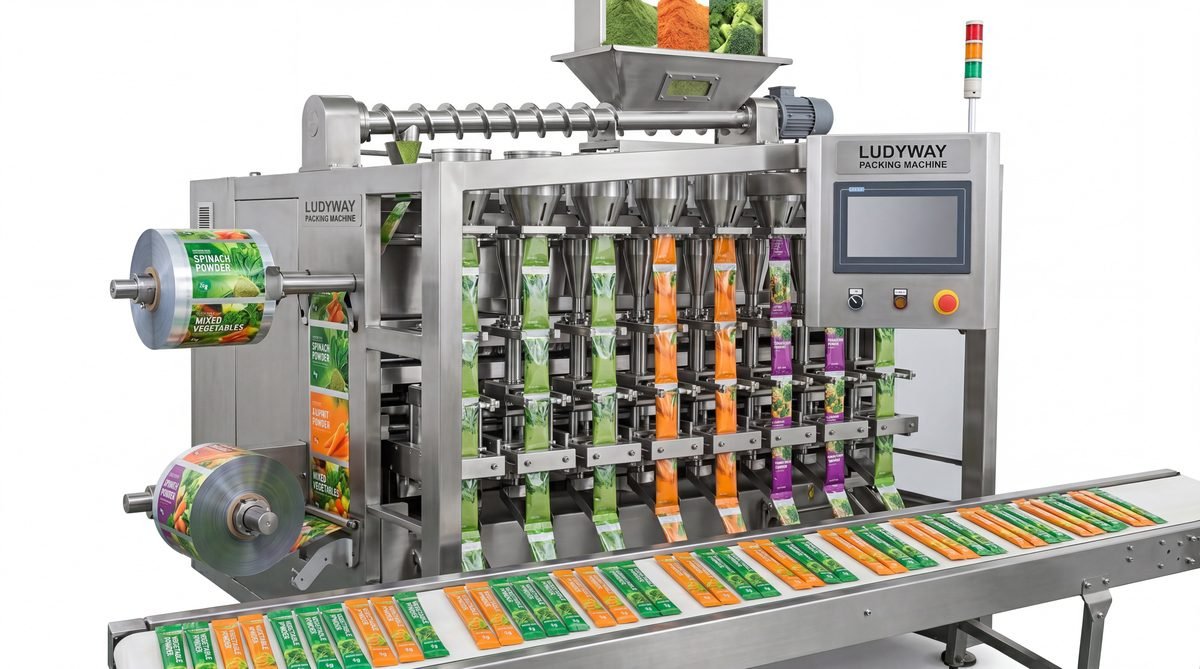
- Sustained performance for high-speed multi-lane packing systems
Daily Cleaning and Inspection Procedures
Daily tasks form the foundation of any effective maintenance program. Operators should perform these checks at the start and end of each shift. Begin by removing loose vegetable matter from the infeed conveyor, weighing buckets, and forming tube area. Use compressed air to clear dust from optical sensors and photoelectric cells, as debris on these components often causes erratic machine behavior.
Daily Checklist for Operators
- Wipe down all product contact surfaces with food-grade sanitizer
- Inspect the sealing jaws for residue buildup or uneven wear
- Check the film unwind mechanism for proper tension
- Verify that emergency stop buttons are functional
- Record any unusual noises or vibrations in the maintenance log
Weekly Lubrication and Mechanical Checks
Moving parts within an automatic vegetable packing machine require consistent lubrication to minimize friction. Refer to the manufacturer’s lubrication chart and use only recommended food-grade greases and oils. Pay special attention to cam followers, linear bearings, and chain drives. Over-lubrication can attract dust, so apply precisely the specified amount.
Critical Mechanical Inspection Points
| Component | Inspection Focus | Frequency |
|---|---|---|
| Sealing Jaws | Wear patterns, temperature accuracy | Weekly |
| Film Feed Rollers | Alignment, bearing condition | Weekly |
| Cutting Knife | Sharpness, clean cuts | Weekly |
| Drive Belts | Tension, cracks, glazing | Bi-Weekly |
Monthly Electrical and Sensor Calibration
Electrical systems demand careful attention. Loose wiring connections can create intermittent faults that are difficult to diagnose. Each month, inspect terminal blocks, relay sockets, and controller connections for signs of corrosion or overheating. Temperature controllers and thermocouples used in the sealing section should be calibrated against a reference standard to maintain precise heat levels. Inaccurate temperature control leads to weak seals or film burn-through, both of which increase material waste.
Sensor Maintenance Tasks
- Clean registration mark sensors with a soft, lint-free cloth
- Test all safety interlocks and door switches
- Verify the accuracy of load cells in multi-head weighers
- Inspect cable insulation for cuts or abrasion
- Update firmware if recommended by the equipment provider

Quarterly Deep Cleaning and Wear Component Replacement
Every three months, schedule a comprehensive deep clean that goes beyond daily wipe-downs. Disassemble the forming tube, product funnel, and filling nozzles to reach internal cavities where fine vegetable dust settles. Inspect vacuum cups, suction pads, and pneumatic cylinders for wear. Proactively replace components that show signs of fatigue, such as O-rings, gaskets, and filter elements. This approach prevents small issues from escalating into major failures during high-volume production runs.
Quarterly Wear Component Review
| Part Category | Typical Service Life | Replacement Indicator |
|---|---|---|
| Teflon Sealing Belts | 6-12 months | Surface peeling or inconsistent heat transfer |
| Pneumatic Seals | 12-18 months | Air leaks, slow cylinder response |
| Heater Cartridges | 2-3 years | Temperature fluctuations, longer heat-up time |
| Bearing Assemblies | 3-5 years | Noise, vibration, excessive play |
Maintaining the Pneumatic and Vacuum Systems
Many automatic packing lines rely on pneumatic actuators for film transport, sealing jaw movement, and product dispensing. Moisture in compressed air lines is a common problem that causes corrosion inside cylinders and solenoid valves. Drain the air receiver tank daily and check the air dryer functionality. Replace air filters according to the manufacturer’s schedule. For vacuum systems used in film handling, inspect suction cups for cracks and ensure vacuum pump oil levels are correct. Consistent air pressure is critical for achieving repeatable machine timing and accurate bag lengths.
Training Operators for Early Problem Detection
Even the most thorough maintenance schedule cannot replace the value of well-trained operators who understand how their packaging equipment should sound and perform under normal conditions. Operators should be trained to recognize early warning signs such as changes in motor pitch, intermittent film tracking errors, or slight variations in seal appearance. Documenting these observations creates a valuable history that helps maintenance technicians diagnose problems faster. Encourage a culture where reporting minor anomalies is welcomed, not ignored.
Essential Operator Training Topics
- Proper start-up and shutdown sequences
- Basic troubleshooting for common film feeding issues
- Correct cleaning techniques for optical sensors
- Understanding HMI alarm messages and responses
- Safe lockout-tagout procedures before any maintenance
Spare Parts Management and Inventory Planning
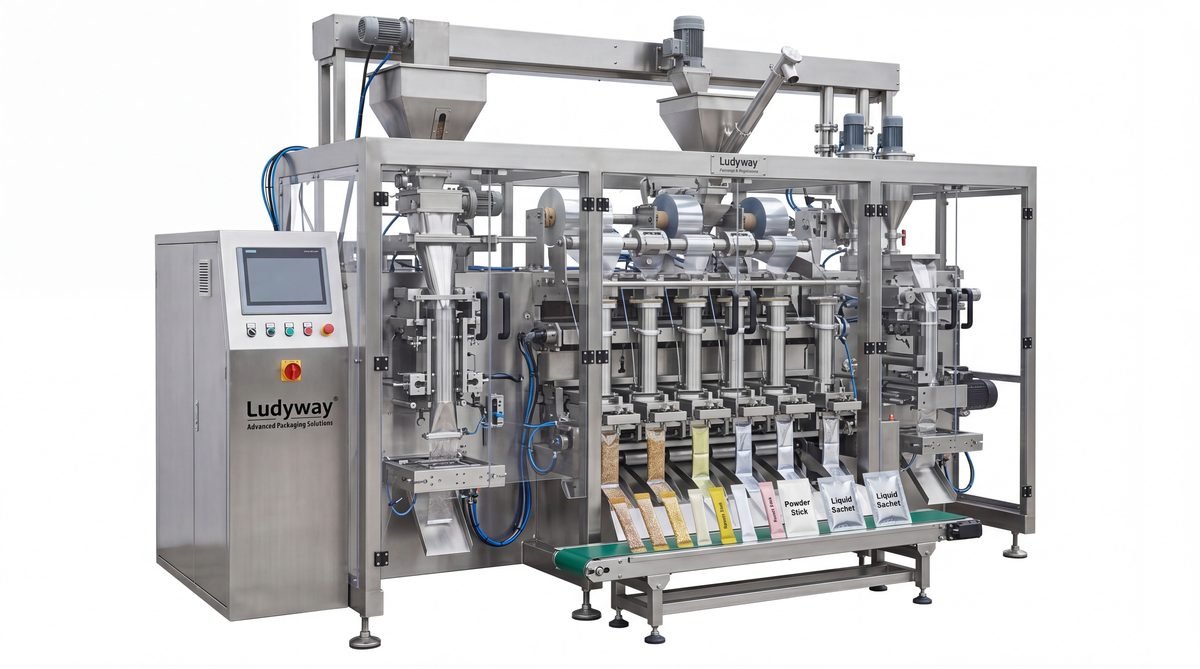
Waiting until a part fails to order a replacement is a costly strategy. Maintain a critical spares inventory based on the machine manufacturer’s recommendations. At minimum, keep consumables such as sealing belts, cutting blades, thermocouples, sensors, and drive belts in stock. For specialized electronic boards or custom mechanical assemblies, confirm lead times with your equipment supplier and plan accordingly. Ludyway provides comprehensive spare parts support and guidance to help customers maintain optimal inventory levels for their specific machine configurations.
Common Issues and Troubleshooting Guidance
Understanding frequent problems helps teams respond quickly. Film tracking errors often originate from misaligned rollers or inconsistent tension settings. Weak seals typically indicate insufficient temperature, inadequate dwell time, or contaminated sealing surfaces. Product bridging in the hopper may be resolved by adjusting agitator speed or installing a mechanical bridge-break device. When error codes appear on the HMI, consult the technical manual before attempting repairs. For complex issues involving servo drives or PLC programs, contact qualified service engineers to avoid unintentional damage to the control system.
Quick Reference Troubleshooting Table
| Symptom | Possible Cause | Recommended Action |
|---|---|---|
| Wrinkled or twisted bags | Misaligned forming tube or incorrect film tension | Realign tube, adjust dancer arm tension |
| Inconsistent bag length | Dirty registration sensor, slipping film feed belt | Clean sensor, check belt condition and tension |
| Product leaking from seal | Contaminated seal area, insufficient temperature | Clean jaws, increase temperature in small increments |
| Excessive noise during operation | Loose fasteners, worn bearings, dry chains | Tighten hardware, lubricate, inspect bearings |
Documentation and Maintenance Records
Keeping detailed records transforms maintenance from a reactive chore into a strategic activity. Log every inspection, lubrication, part replacement, and calibration event. Over time, these records reveal patterns that help predict when components are likely to fail. Use the data to refine your maintenance intervals and spare parts inventory. Digital maintenance management systems offer convenient ways to schedule tasks, track costs, and generate reports for production managers. Consistent documentation also supports compliance with food safety audit requirements and demonstrates due diligence to regulatory inspectors.
Working with Your Equipment Manufacturer
Building a strong relationship with your packaging machine supplier provides access to technical expertise, genuine spare parts, and software updates that keep your machine running at peak efficiency. Schedule periodic service visits where qualified technicians perform detailed inspections and advanced diagnostics. Take advantage of training programs offered by the manufacturer to keep your maintenance team current on best practices. When issues arise that cannot be resolved internally, prompt communication with the supplier’s support team minimizes downtime and protects your production commitments.
Learn more about industry standards and best practices from trusted resources such as the Association for Packaging and Processing Technologies and the Flexible Packaging Association. For equipment-specific guidance, consulting the ISO packaging standards can provide additional framework for establishing maintenance protocols aligned with international benchmarks.