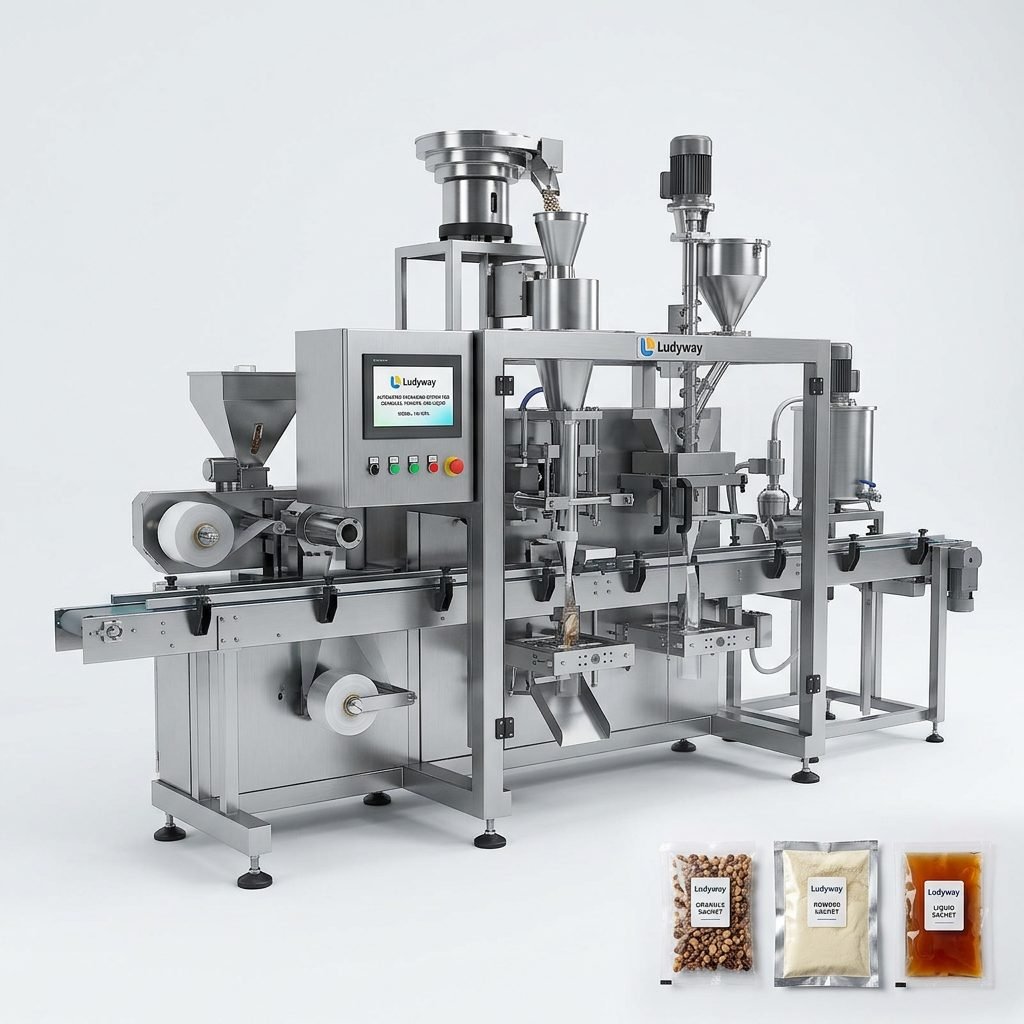
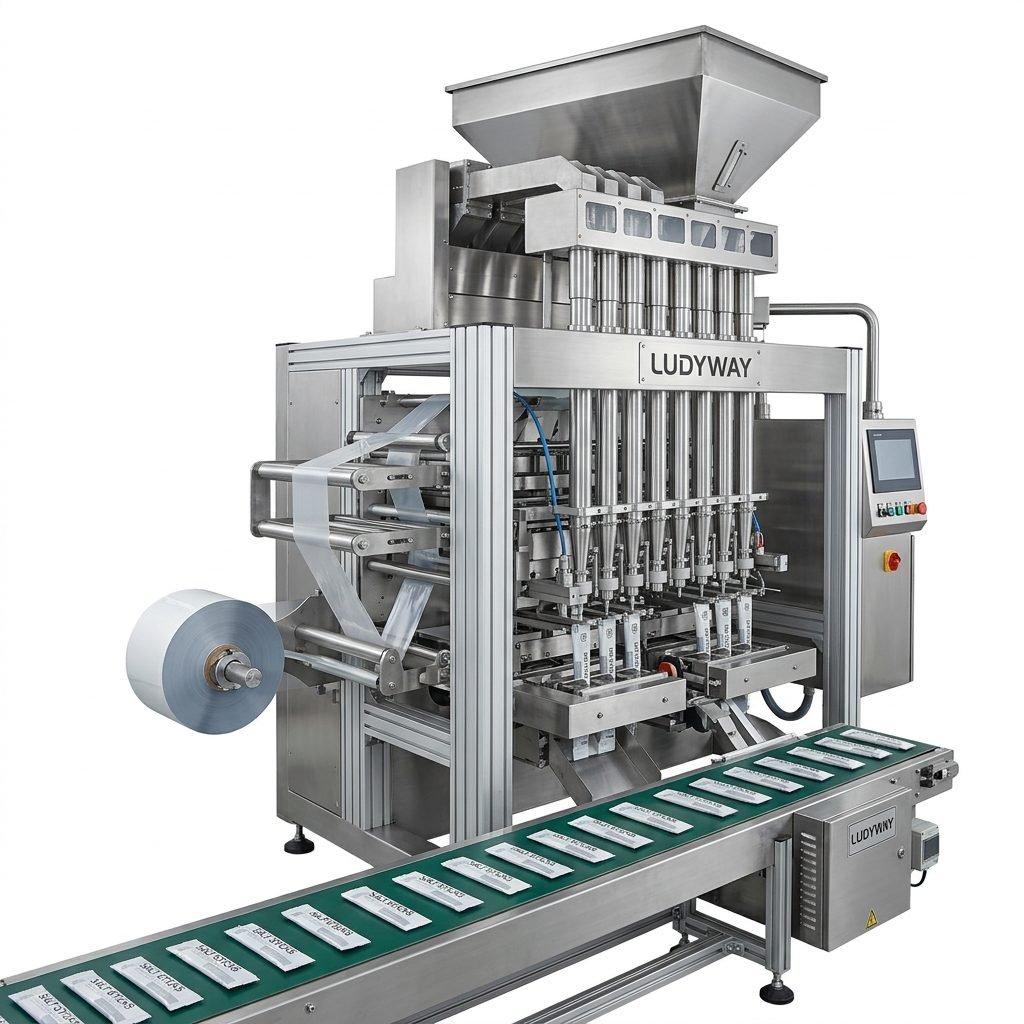
Investing in pharmaceutical packaging equipment represents a significant capital decision for any manufacturer. The cost of a Romaco blister packing machine is not a single fixed figure—it varies widely based on configuration, output capacity, automation level, and optional modules. Understanding these variables is essential for procurement teams seeking to balance budget constraints with long-term operational efficiency.
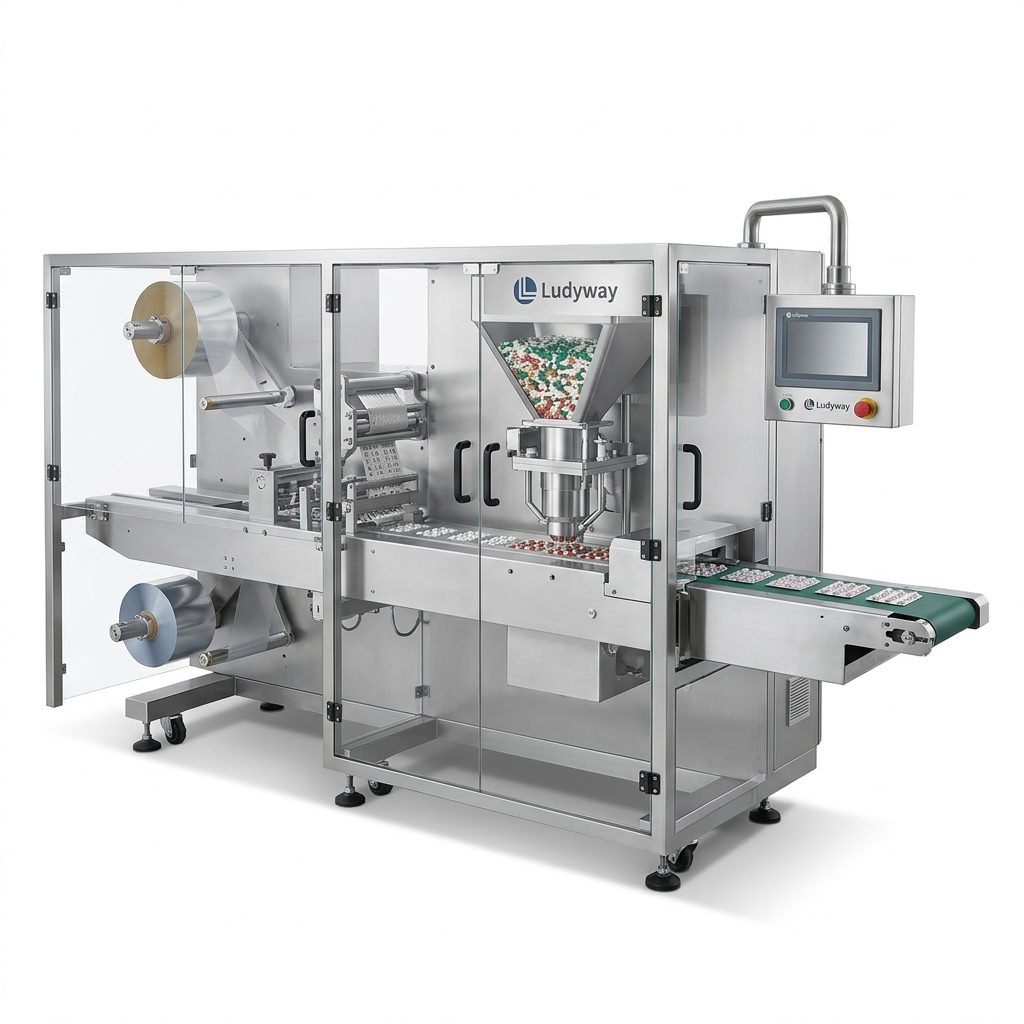
A standard entry-level rotary blister machine may start in a lower range, while high-speed integrated blister lines with cartoning, serialization, and vision inspection can reach substantially higher investment levels. The total cost of ownership extends beyond the initial purchase price, encompassing installation, validation, training, maintenance, and spare parts over the equipment’s lifecycle.
Key Factors Influencing Romaco Blister Packaging Machine Pricing
Multiple parameters shape the final quotation for a blister packaging system. Each variable adds or subtracts from the base configuration cost, and understanding these elements helps buyers make informed decisions aligned with their production requirements.
- Machine Speed Class: Low-speed (up to 150 blisters/min), medium-speed (150–400 blisters/min), and high-speed (400+ blisters/min) models differ significantly in price due to servo drives, cam mechanisms, and precision engineering.
- Blister Format and Size Range: Machines capable of handling multiple blister formats, larger forming areas, or specialized cavity depths require enhanced tooling and adjustable stations, increasing cost.
- Material Compatibility: Systems designed for flexible packaging materials such as PVC, PVDC, Aclar, or aluminum cold-form laminates demand different forming and sealing technologies.
- Automation and Integration Level: Standalone blister machines cost less than fully integrated lines that combine blister forming, cartoning, checkweighing, serialization, and case packing in one continuous workflow.
- Inspection and Serialization Systems: Adding vision inspection, track-and-trace capabilities, or serialization modules compliant with FDA packaging regulations raises the overall investment.
- Tooling and Changeover Features: Quick-change format parts, servo-adjusted guides, and recipe-driven changeover reduce downtime but add upfront engineering cost.
- Regulatory Compliance Requirements: Machines built to meet pharmaceutical GMP standards, 21 CFR Part 11 compliance for data integrity, or ISO 11607 packaging standards for medical devices may include additional documentation and validation packages.
Estimated Cost Ranges by Machine Category
The following table provides approximate price bands based on industry data and typical Romaco machine configurations. Actual quotations depend on specific customer requirements and regional factors.
| Machine Category | Speed Range (blisters/min) | Estimated Price Range (USD) | Typical Applications |
|---|---|---|---|
| Entry-Level Rotary Blister Machine | Up to 150 | $80,000 – $180,000 | Small-batch production, clinical trials, generic solid-dose packaging |
| Mid-Range Integrated Blister Line | 150 – 400 | $200,000 – $500,000 | Medium-scale pharmaceutical production, contract packaging |
| High-Speed Complete Blister Packaging Line | 400 – 800+ | $550,000 – $1,200,000+ | Large-scale pharmaceutical manufacturing, multinational operations |
| Specialized Cold-Form / Barrier Blister System | 100 – 300 | $300,000 – $650,000 | Moisture-sensitive products, high-barrier pharmaceutical packaging |
| Fully Automated Turnkey Line with Serialization | 300 – 600 | $800,000 – $2,000,000+ | Serialized prescription drugs, export markets requiring full traceability |
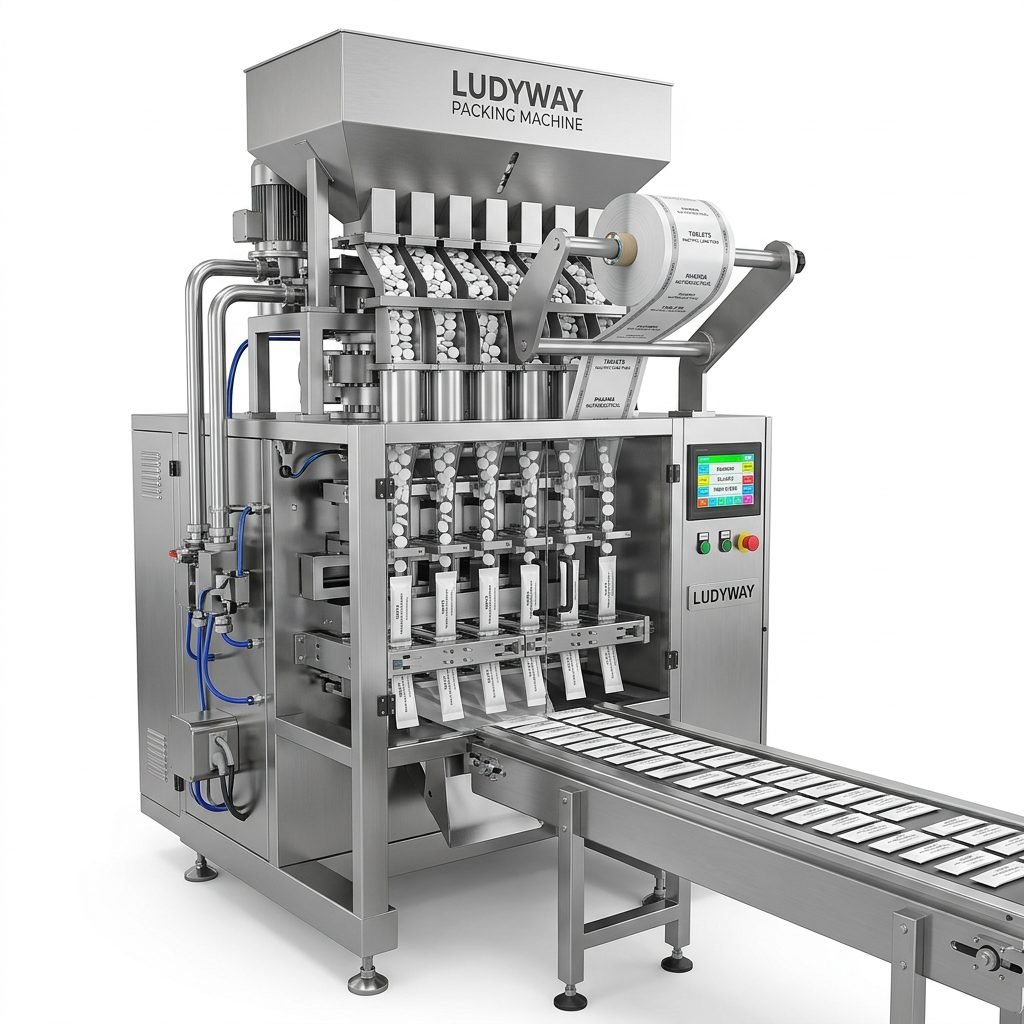
Beyond the Purchase Price: Total Cost of Ownership
Savvy procurement professionals evaluate total cost of ownership (TCO) rather than just the initial capital expenditure. A machine with a higher upfront price may deliver lower long-term costs through reduced downtime, faster changeovers, and extended service intervals.
- Installation and Commissioning: Site preparation, utility connections, and machine setup can add 5%–10% to the initial purchase cost.
- Operator Training and Qualification: Comprehensive training programs and operational qualification (OQ) documentation are essential for regulatory compliance.
- Preventive Maintenance Contracts: Annual maintenance agreements typically range from 3%–7% of the machine’s value, covering scheduled inspections and replacement of wear parts.
- Format Change Parts: Investing in additional tooling sets for multiple product formats increases the upfront investment but provides manufacturing flexibility.
- Energy Consumption: Modern servo-driven machines with energy recovery systems reduce operational electricity costs compared to older pneumatic or hydraulic designs.
- Downtime Cost Impact: For high-volume operations, every hour of unplanned downtime can represent thousands of dollars in lost production. Reliability features justify higher initial investment.
Technological Configuration and Its Impact on Romaco Machine Cost
The forming station design is one of the most critical cost drivers. Rotary forming systems with servo-driven plug assist deliver precise cavity geometry and uniform material distribution, but they add significant engineering cost compared to simpler flat-plate forming methods. Similarly, the sealing station’s heat control architecture—whether using direct conduction, radiant heating, or a combination—affects both the machine price and long-term seal quality consistency.

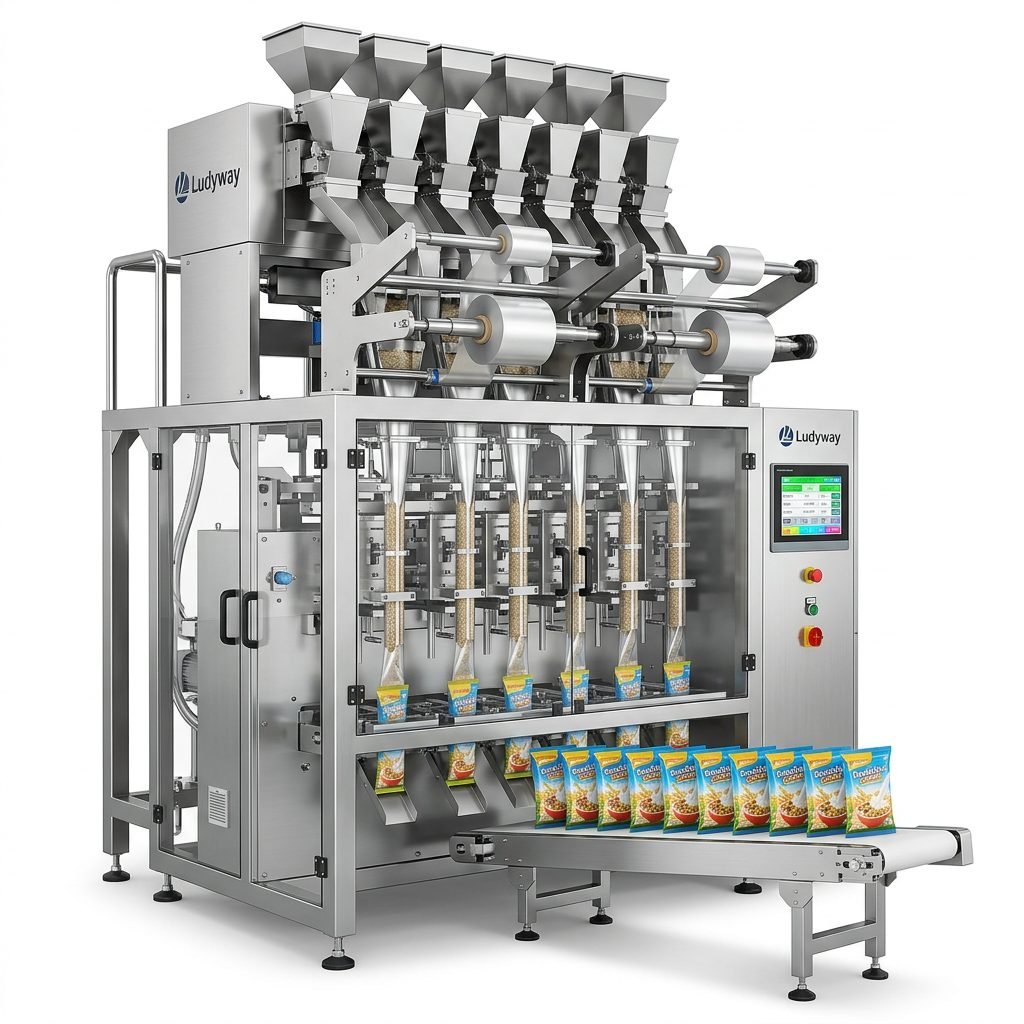
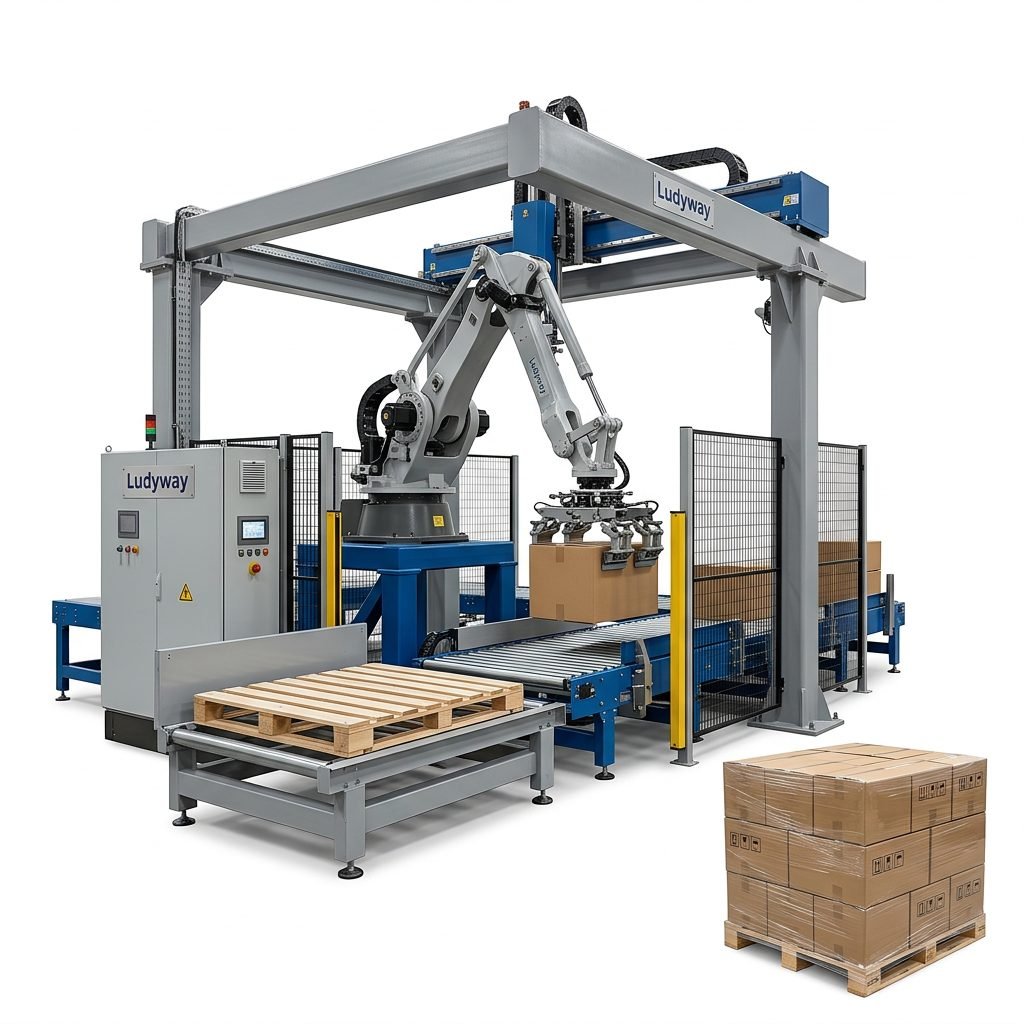
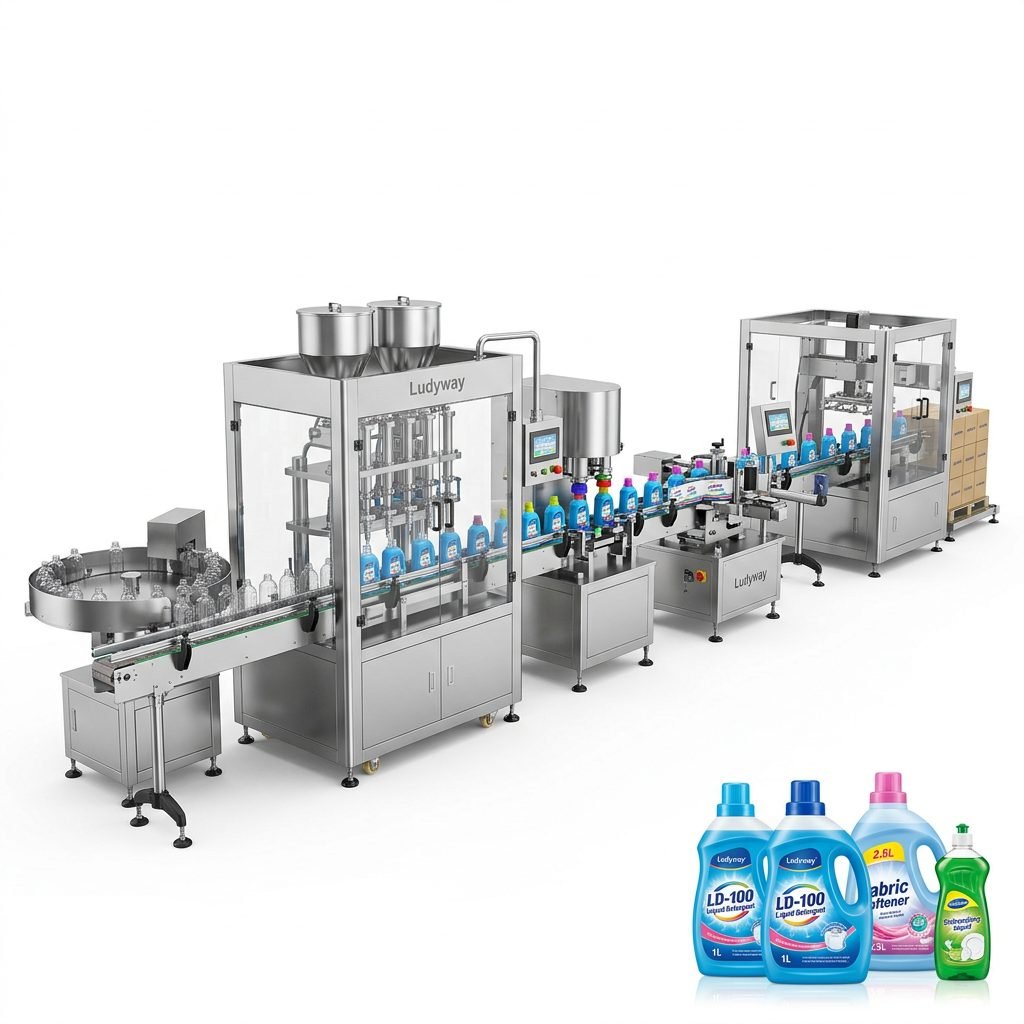
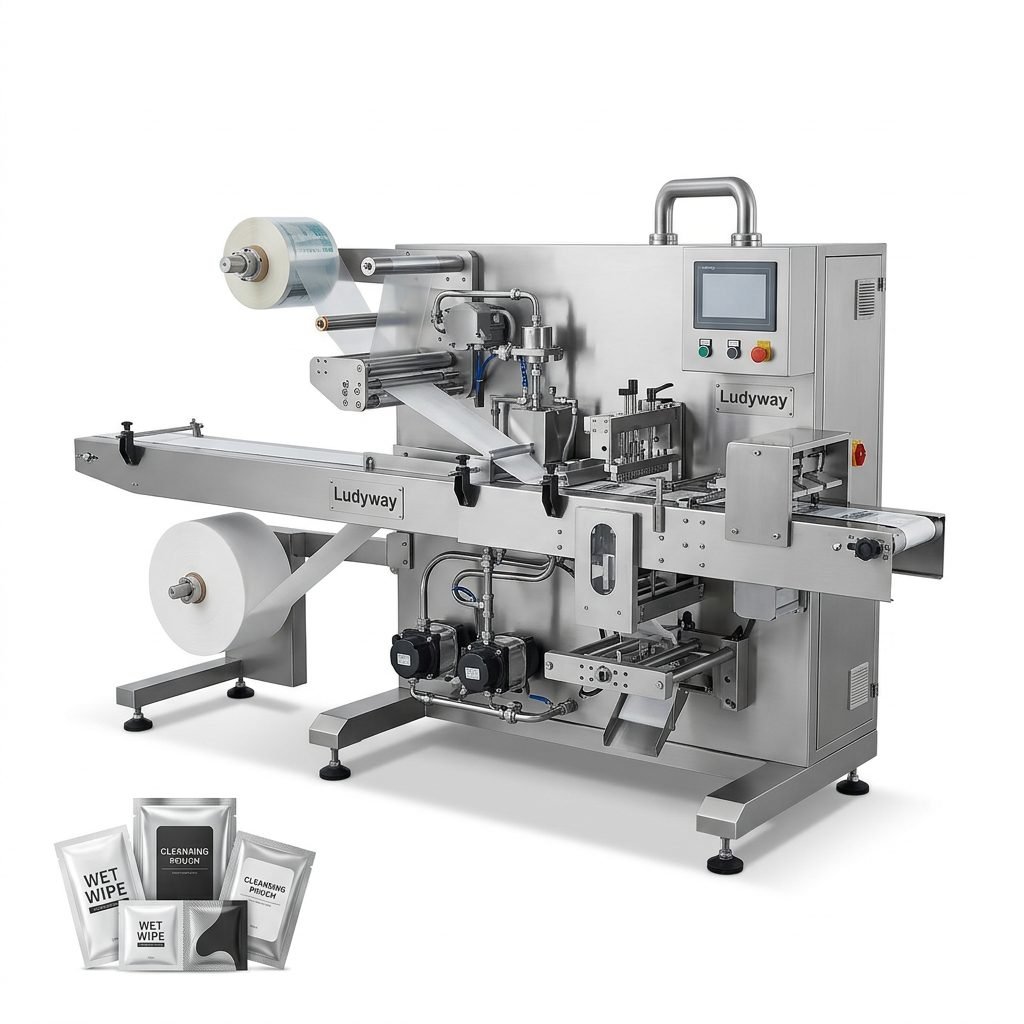
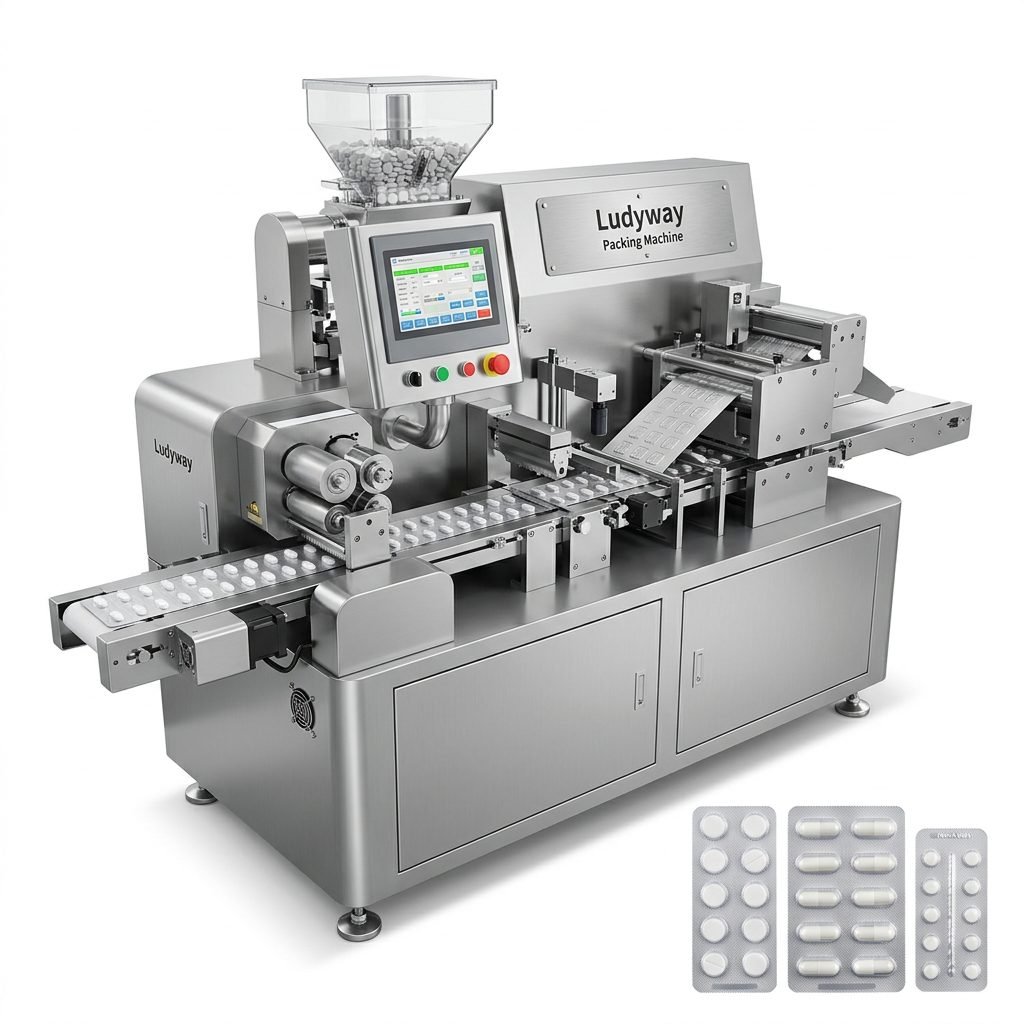
For companies seeking to optimize their packaging operations, consulting with experienced equipment suppliers helps clarify the relationship between technical specifications and budget. Ludyway has been providing advanced packaging solutions with over 30 years of manufacturing expertise and more than 50 intelligent packaging machine models, serving customers across global markets with tailored configurations that match both technical requirements and financial parameters.
Optional Modules That Influence Final Pricing
Romaco blister machines can be configured with a range of optional modules. Each addition enhances capability but also increases the total investment:
| Optional Module | Estimated Additional Cost (USD) | Primary Function |
|---|---|---|
| Vision Inspection System | $25,000 – $80,000 | Detects missing tablets, damaged blisters, debris, and print defects |
| Serialization / Track & Trace Module | $50,000 – $150,000 | Prints unique serial numbers, aggregates data, complies with DSCSA and EU FMD |
| Automatic Cartoning Integration | $80,000 – $200,000 | Transfers blisters into cartons, inserts leaflets, closes and codes cartons |
| Cold-Form / Alu-Alu Conversion Kit | $30,000 – $70,000 | Enables high-barrier aluminum cold-form packaging for sensitive products |
| Perforation and Perforated Tear-Open Feature | $10,000 – $25,000 | Adds easy-open perforations for patient-friendly blister designs |
New vs. Refurbished Romaco Blister Machines: Cost Comparison
For manufacturers with constrained capital budgets, refurbished or pre-owned Romaco equipment presents an alternative. Refurbished machines typically cost 40%–65% less than equivalent new models, but buyers must carefully evaluate the refurbishment scope, warranty coverage, spare parts availability, and the machine’s remaining service life. A properly refurbished unit from an authorized provider can deliver reliable performance, though it may lack the latest control systems and energy efficiency features found in current-generation equipment.
Regional Pricing Variations and Market Considerations
Geographic factors influence Romaco machine pricing through several channels. Import duties, local taxes, shipping logistics, and regional service infrastructure all contribute to the final delivered cost. Markets in North America and Europe typically see pricing at the higher end of the spectrum due to regulatory requirements and service expectations, while emerging markets in Asia, Latin America, and Africa may access more competitive configurations through regional distribution networks. Industry resources such as PMMI business intelligence reports provide valuable context on global packaging machinery market trends.
Engaging with multiple suppliers and requesting detailed quotations that itemize base machine costs, optional modules, tooling sets, and service packages is recommended. The state of the packaging industry reports indicate that pharmaceutical packaging equipment demand continues to grow, driven by increased generic drug production, biologics packaging requirements, and stricter serialization mandates globally.
Key Takeaways for Procurement Decision-Makers
- A Romaco blister packing machine typically costs between $80,000 and $2,000,000+ depending on speed class, automation level, and optional modules.
- Mid-range integrated lines represent the most common investment tier for medium-scale pharmaceutical manufacturers, balancing capability with manageable capital outlay.
- Total cost of ownership analysis should account for installation, training, maintenance, tooling, and potential downtime costs over a projected 10–15 year service life.
- Serialization and track-and-trace modules are increasingly mandatory for regulatory compliance and add substantial cost to the base machine configuration.
- Refurbished equipment offers a viable cost-reduction strategy but requires thorough due diligence on refurbishment quality and vendor support capabilities.
- Working with experienced packaging machinery specialists helps align technical specifications with budget realities and long-term production goals.
For organizations exploring turnkey packaging solutions that include blister packaging technology along with ancillary equipment such as cartoners, case packers, and palletizers, comprehensive line integration services simplify project management and can reduce overall project costs compared to piecemeal procurement from multiple vendors. Reviewing packaging industry resources and consulting with equipment specialists helps procurement teams navigate the complex landscape of pharmaceutical packaging equipment investments.