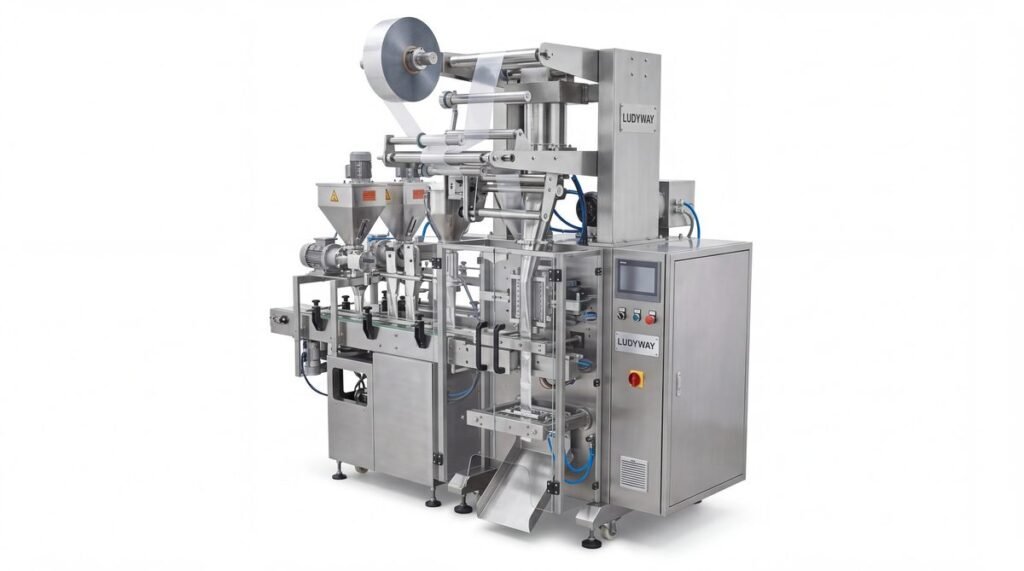
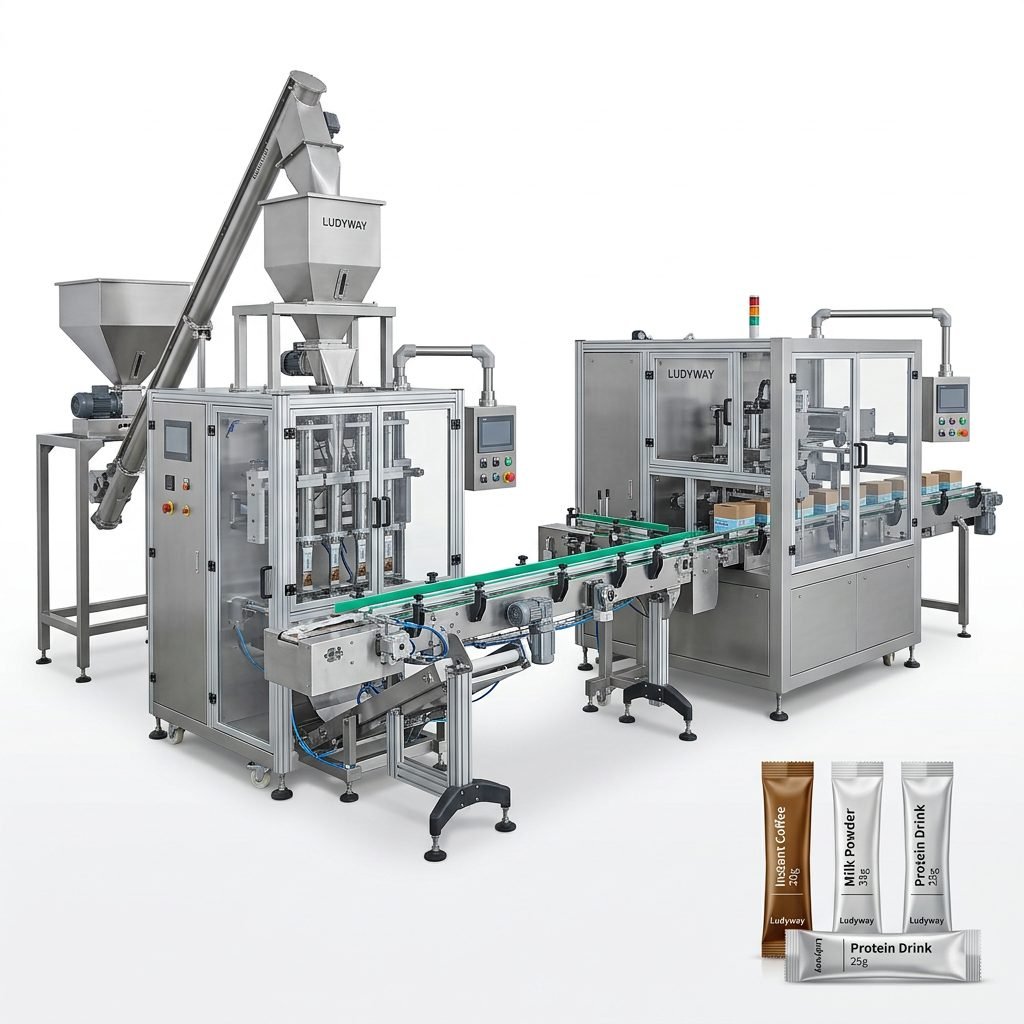
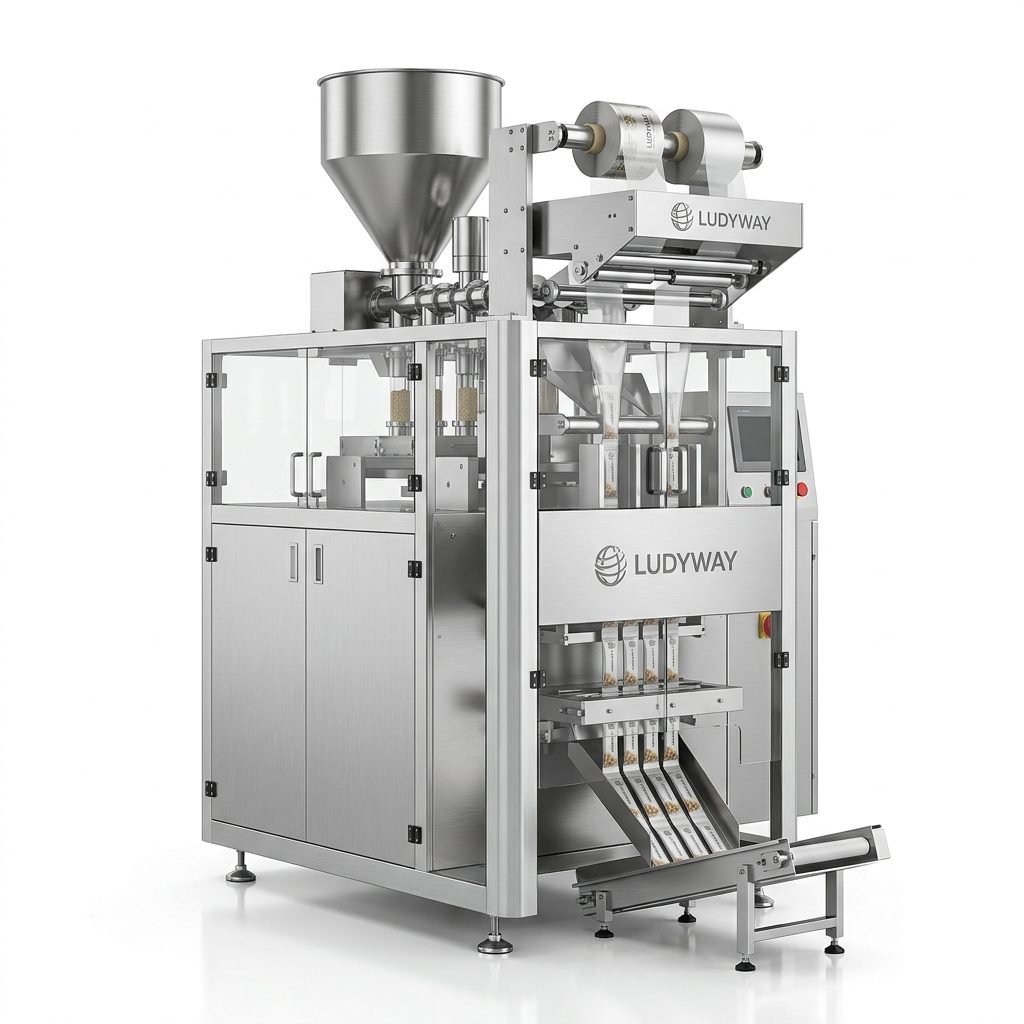
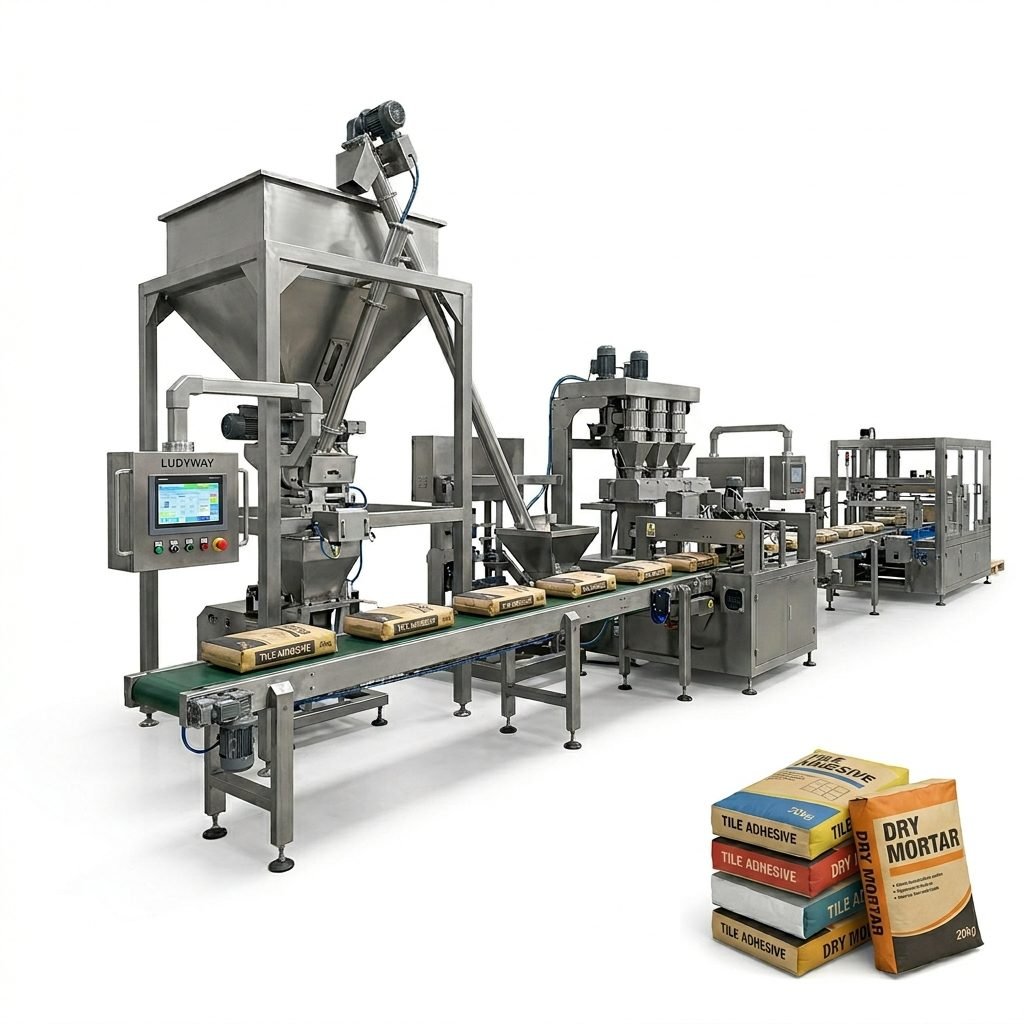
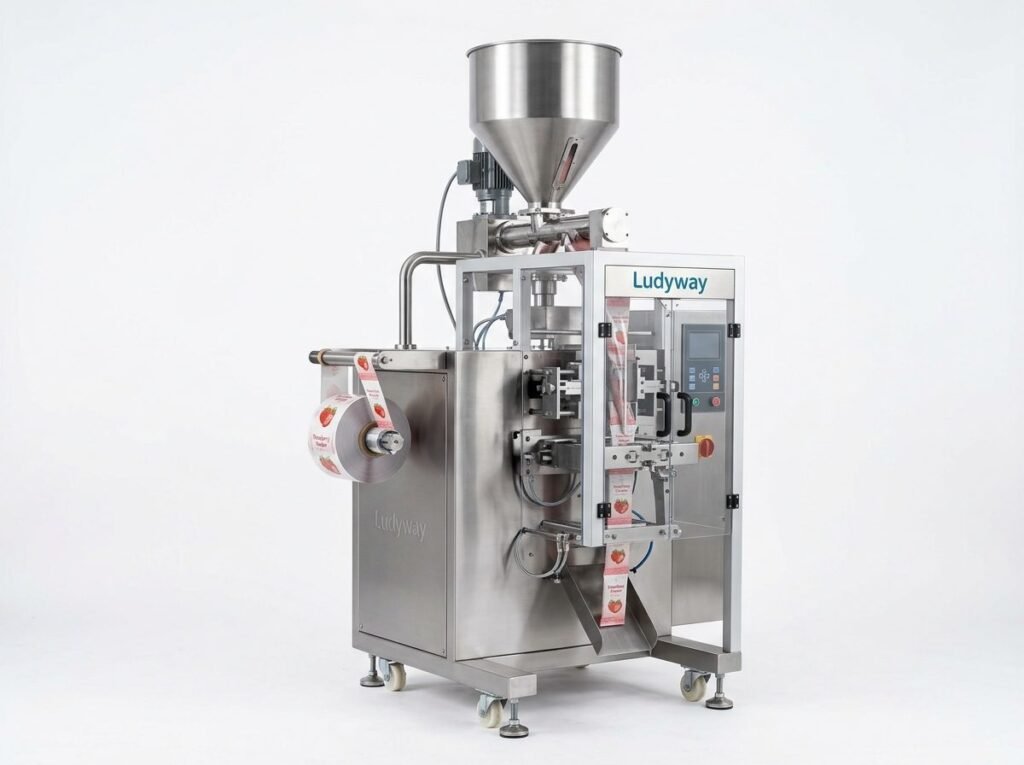
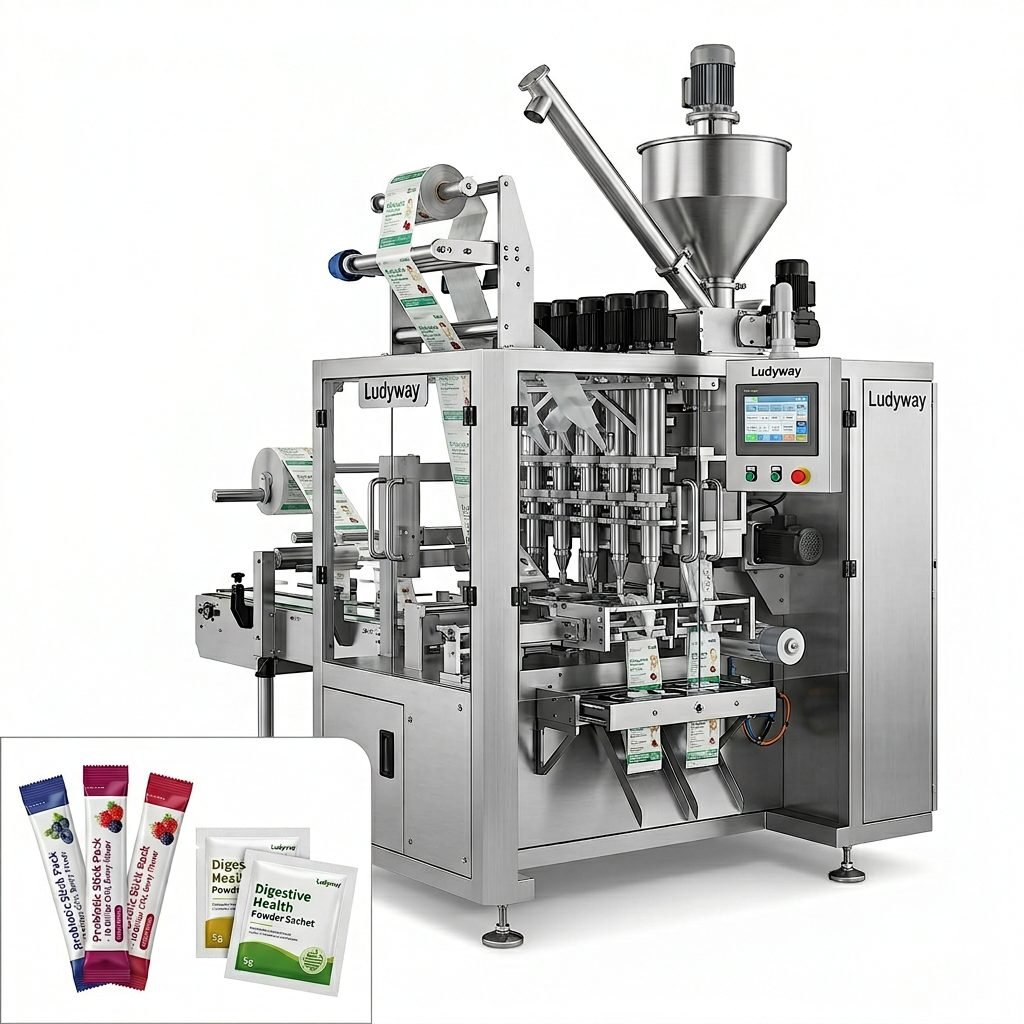
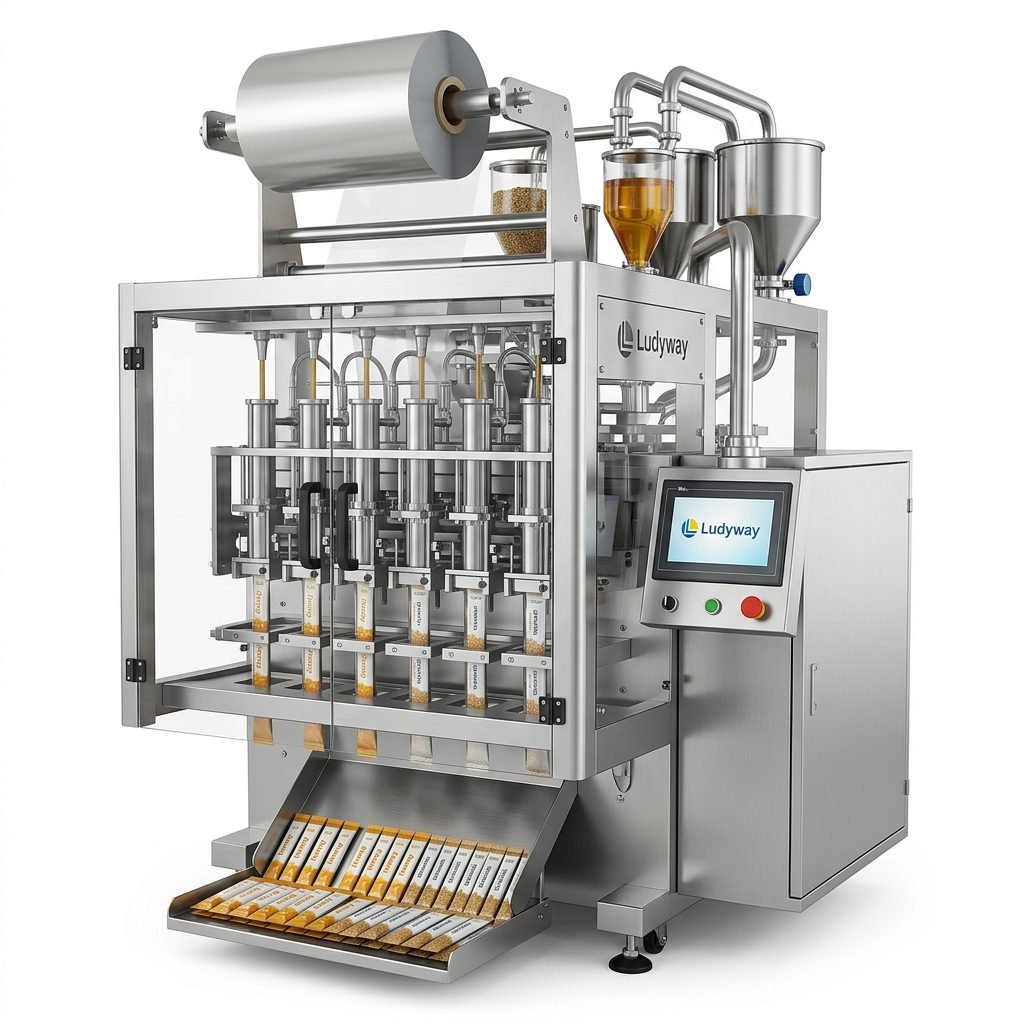
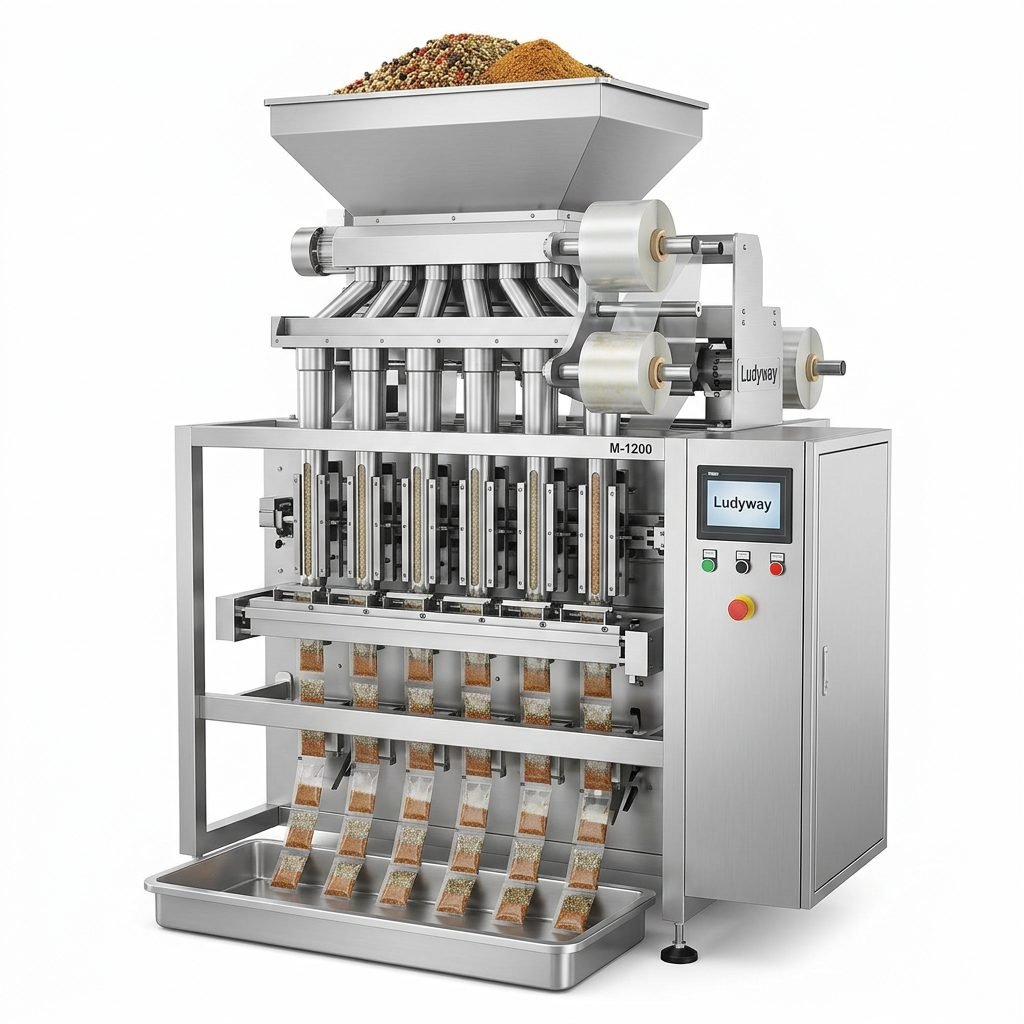
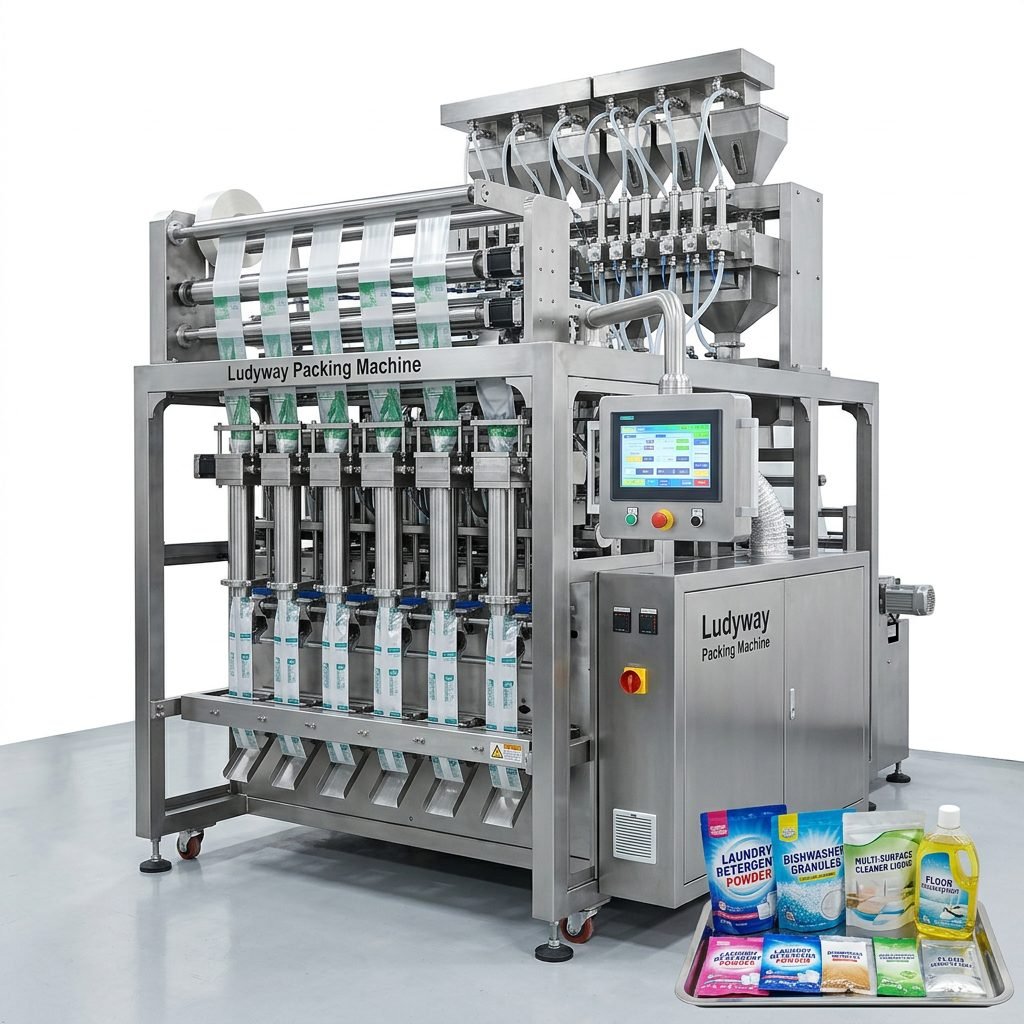
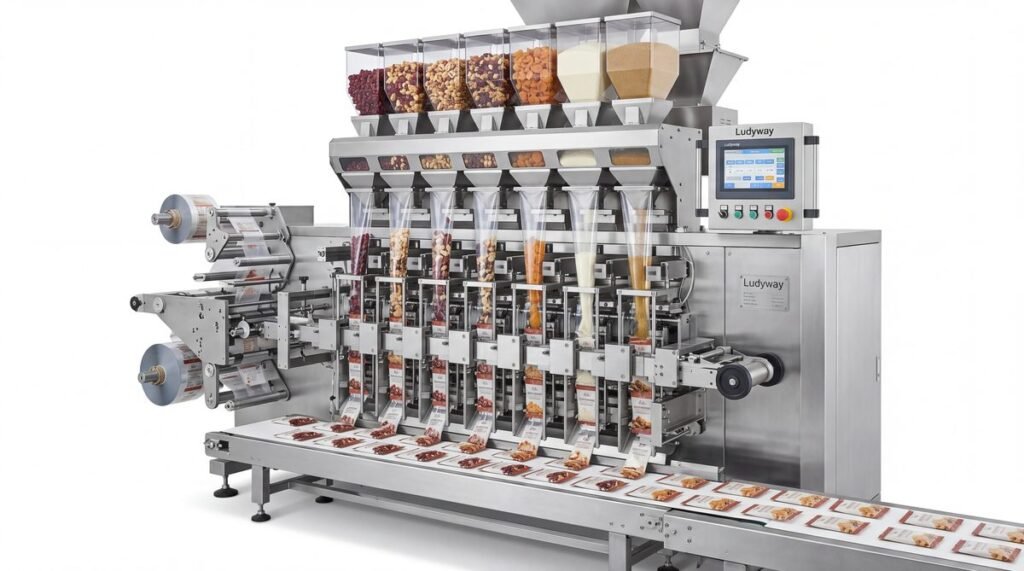
Proper maintenance of a toothbrush packaging machine is essential for ensuring consistent production output, minimizing downtime, and extending equipment lifespan. A well-maintained machine delivers reliable performance, reduces unexpected repair costs, and helps manufacturers meet tight production schedules. Whether you operate a single-lane or multi-lane packaging system, implementing a structured maintenance routine is the key to operational success.
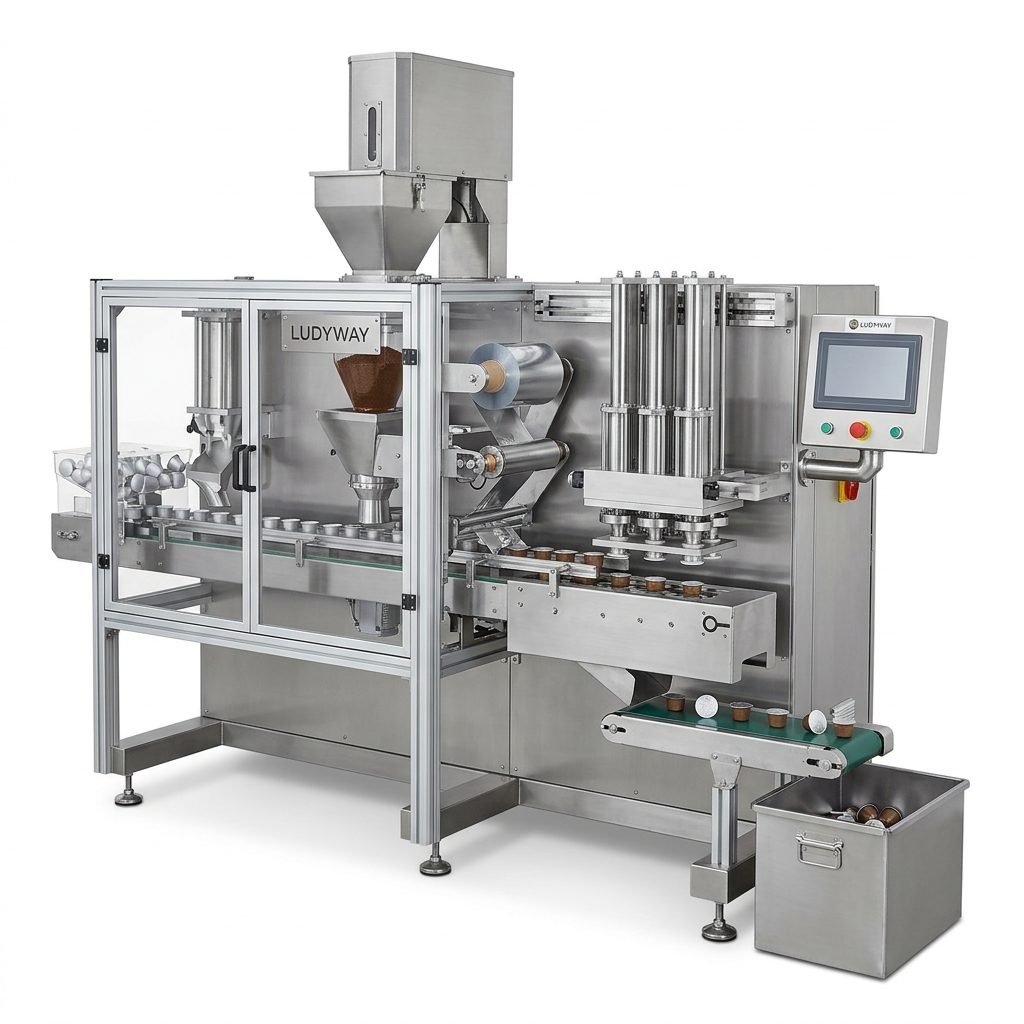
Why Routine Maintenance Matters
Neglecting regular upkeep can lead to seal failures, misalignment issues, and sensor errors that compromise package integrity. For toothbrush packaging applications, where hygiene and presentation are critical, any malfunction can result in product contamination or damaged packaging. A proactive approach to packaging equipment maintenance not only safeguards product quality but also improves overall equipment effectiveness (OEE).
Daily Maintenance Checklist
Daily inspections form the foundation of any effective maintenance program. Operators should perform the following checks at the start of each shift:
- Visual inspection of all sealing jaws and cutting blades for wear or residue buildup
- Clean film feed rollers and tension arms to prevent material slippage
- Verify sensor alignment and photoelectric eye calibration for accurate film registration
- Check temperature controllers and confirm sealing parameters match product specifications
- Inspect air pressure and pneumatic connections for leaks or inconsistent pressure readings
- Clear debris from the forming tube, filling area, and discharge chute
Weekly Cleaning and Inspection
Weekly procedures go deeper than daily checks, addressing components that accumulate wear over time. Pay special attention to high-friction areas and precision components that directly affect package quality.
- Deep clean the sealing station, removing any polymer residue or product dust
- Lubricate all moving parts including cam followers, linear bearings, and chain drives
- Inspect drive belts for tension, cracking, or uneven wear patterns
- Test emergency stops and safety interlocks for proper functionality
- Examine film unwind and tension control systems for smooth operation
- Verify date coding or printing systems are producing legible, correctly positioned marks
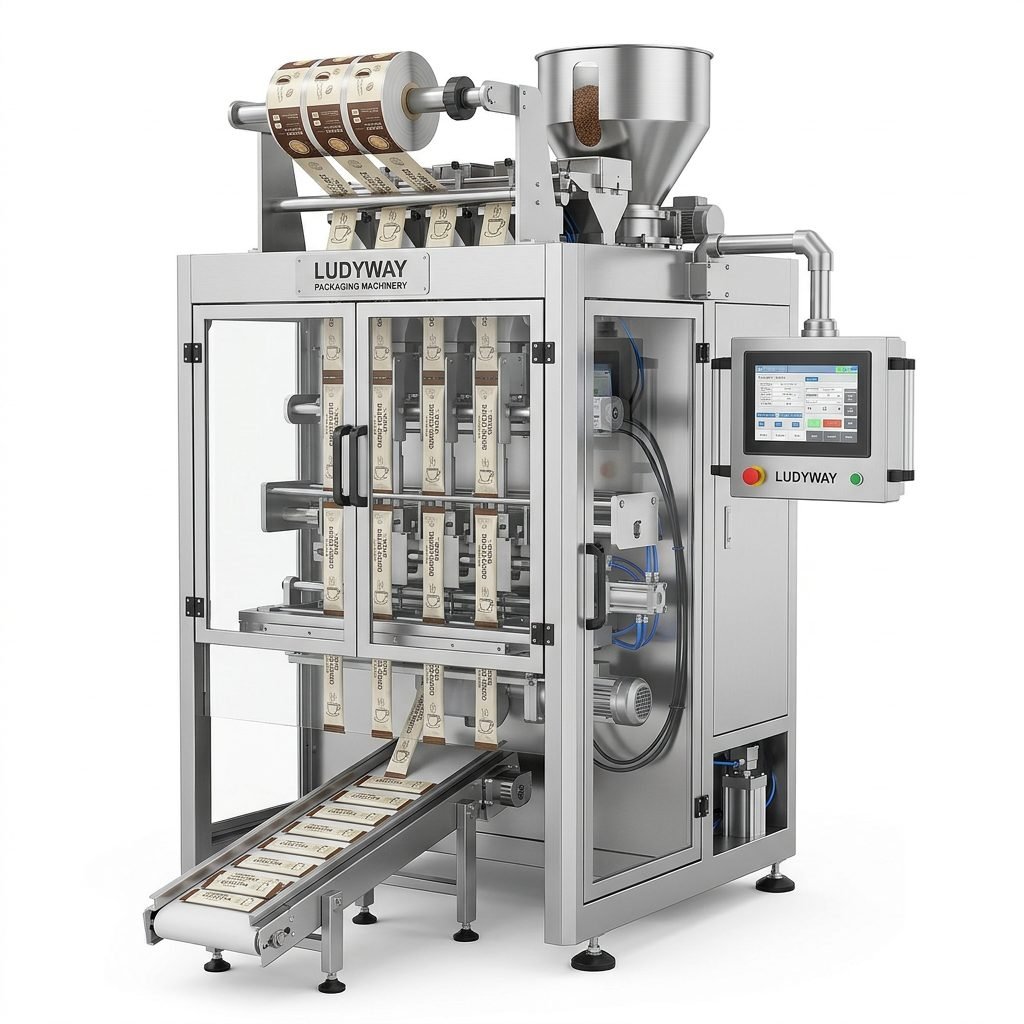
Monthly Preventive Maintenance
Monthly maintenance tasks are more comprehensive and may require specialized tools or technician support. These procedures address long-term wear prevention and system calibration.
- Calibrate temperature sensors and verify actual heat output against controller readings
- Inspect and replace worn sealing gaskets, Teflon tape, or heating elements as needed
- Check gearbox oil levels and look for signs of contamination or metal particles
- Evaluate film tracking alignment across all lanes for multi-lane configurations
- Test servo motor performance and verify positioning accuracy
- Review electrical connections for loose terminals, corrosion, or insulation damage
- Run a complete production cycle with sample material to validate all adjustments
Common Issues and Troubleshooting Guide
The following table outlines frequently encountered problems with toothbrush packaging machines, along with their likely causes and recommended solutions:
| Problem | Possible Cause | Recommended Solution |
|---|---|---|
| Inconsistent seal quality | Worn heating elements or incorrect temperature settings | Recalibrate temperature controller; replace heating elements if damaged |
| Film misalignment or wrinkling | Improper tension settings or dirty rollers | Clean all rollers; adjust tension arms to manufacturer specifications |
| Intermittent filling errors | Sensor blockage or product bridging in hopper | Clean sensors; check auger or volumetric filler for obstructions |
| Excessive machine vibration | Loose mounting bolts or worn bearings | Tighten all fasteners; inspect and replace worn bearings |
| Cut-off misregistration | Eye mark sensor drift or film slippage | Clean sensor lens; recalibrate registration settings |
| Overheating of drive motor | Overloading or insufficient ventilation | Reduce cycle speed; check ventilation fans and clear dust buildup |
Lubrication Best Practices
Effective lubrication is one of the most critical yet often overlooked aspects of packaging machine maintenance. Using the correct lubricant type and following proper application intervals can dramatically extend component life.
- Use food-grade lubricants for any components near the product contact zone
- Follow the manufacturer’s lubrication chart specifying grease types and intervals for each point
- Avoid over-lubrication, which can attract dust and cause premature bearing failure
- Document all lubrication activities in a maintenance log for traceability
- Clean grease fittings before applying new lubricant to prevent contamination
Spare Parts Management Strategy
Maintaining an organized spare parts inventory minimizes production interruptions when components fail. Focus on stocking items with known wear patterns and long lead times.
- Critical spares: sealing bands, heating cartridges, Teflon tape, thermocouples, and cutting blades
- Consumables: belts, filters, O-rings, gaskets, and sensor reflectors
- Long-lead items: servo drives, PLC modules, and custom-machined components
- Maintain a digital inventory with reorder thresholds and supplier contact information
Operator Training and Safety Protocols
Even the best maintenance program cannot compensate for inadequately trained operators. Comprehensive training ensures that daily checks are performed correctly and that early warning signs are identified before they escalate into major failures.
- Provide hands-on training covering machine startup, shutdown, and emergency procedures
- Create standard operating procedures (SOPs) with clear visual guides for each maintenance task
- Implement lockout/tagout (LOTO) procedures for all maintenance activities involving energy sources
- Encourage operators to report unusual noises, vibrations, or performance changes immediately
- Schedule regular refresher training to reinforce best practices and introduce updated procedures
Seasonal and Annual Maintenance Tasks
Certain maintenance activities should be scheduled on a seasonal or annual basis to address long-term wear and environmental factors that affect packaging machinery performance.
- Comprehensive machine overhaul: disassemble major assemblies for inspection and cleaning
- Electrical system audit: test all circuits, replace aging wiring, and update firmware
- Pneumatic system rebuild: replace seals, valves, and regulators showing signs of degradation
- Alignment verification: use precision measurement tools to confirm shaft and frame alignment
- Replace timing belts and pulleys as a preventive measure even if wear is not yet visible
Documentation and Maintenance Records
Thorough documentation is essential for tracking equipment history and identifying recurring issues. Well-maintained records also support compliance with industry regulations and quality certifications.
- Maintain a digital maintenance log recording all inspections, repairs, and parts replacements
- Track mean time between failures (MTBF) to identify components requiring design upgrades
- Photograph wear patterns before and after repairs for future reference
- Keep calibration certificates for temperature controllers, sensors, and measurement instruments
When to Call Professional Support
While routine maintenance can be handled by in-house teams, certain situations require expert intervention. Recognizing these scenarios early prevents costly damage and extended downtime. For complex repairs, system upgrades, or performance optimization, partnering with an experienced packaging machinery manufacturer like Ludyway ensures access to specialized technical support and genuine replacement parts. With over 30 years of industry expertise and a modern 20,000㎡ manufacturing facility, professional assistance is available for comprehensive machine audits, retrofitting, and turnkey maintenance solutions.
Key Takeaways for Reliable Performance
- Consistency is critical: adhere to daily, weekly, and monthly maintenance schedules without exception
- Train your team thoroughly on both operational and maintenance procedures
- Keep detailed records to track trends and predict component failures before they occur
- Stock essential spare parts to minimize downtime during unexpected breakdowns
- Know when to call experts for complex diagnostics, major repairs, or performance upgrades
By implementing a structured maintenance program tailored to your specific toothbrush packaging machine, you ensure consistent output quality, reduce total cost of ownership, and maximize return on your automatic packaging equipment investment. A proactive approach to equipment care is not merely a technical requirement—it is a strategic advantage in today’s competitive manufacturing environment.