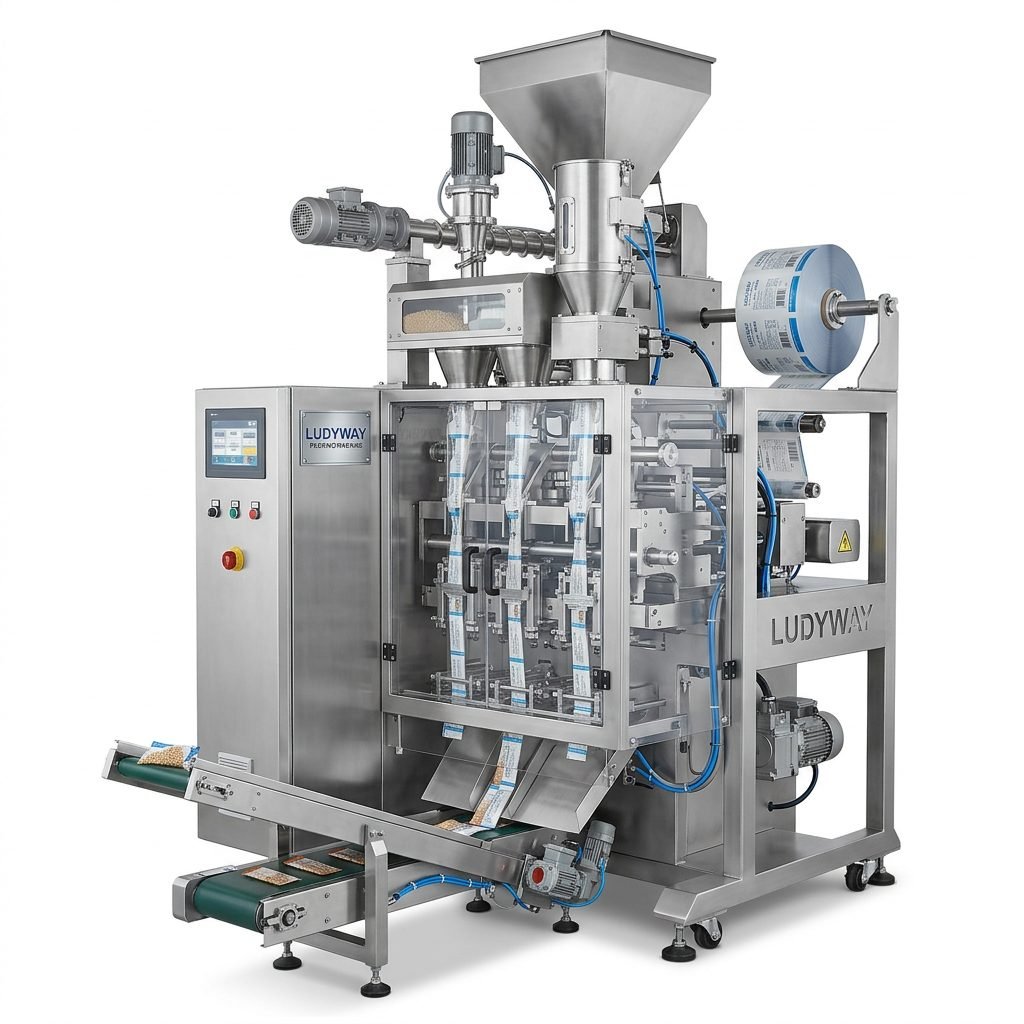
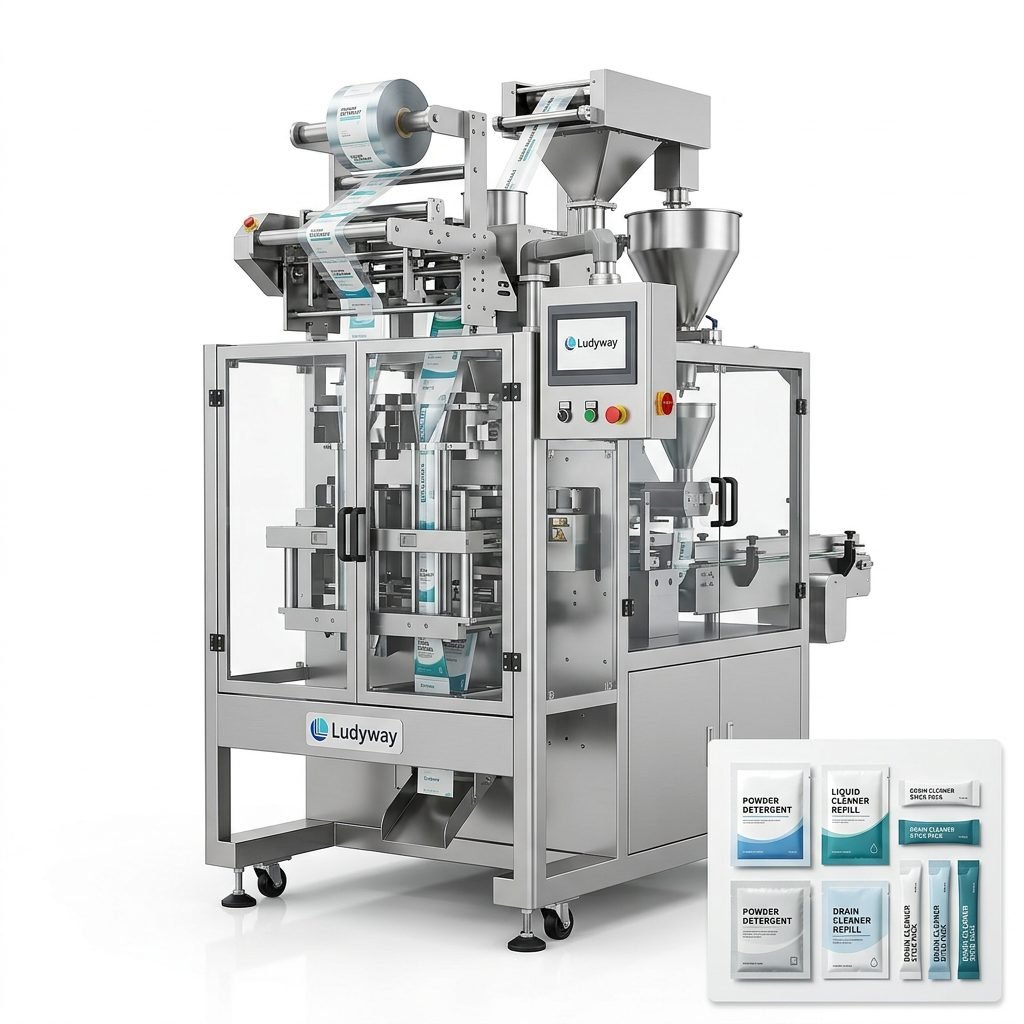
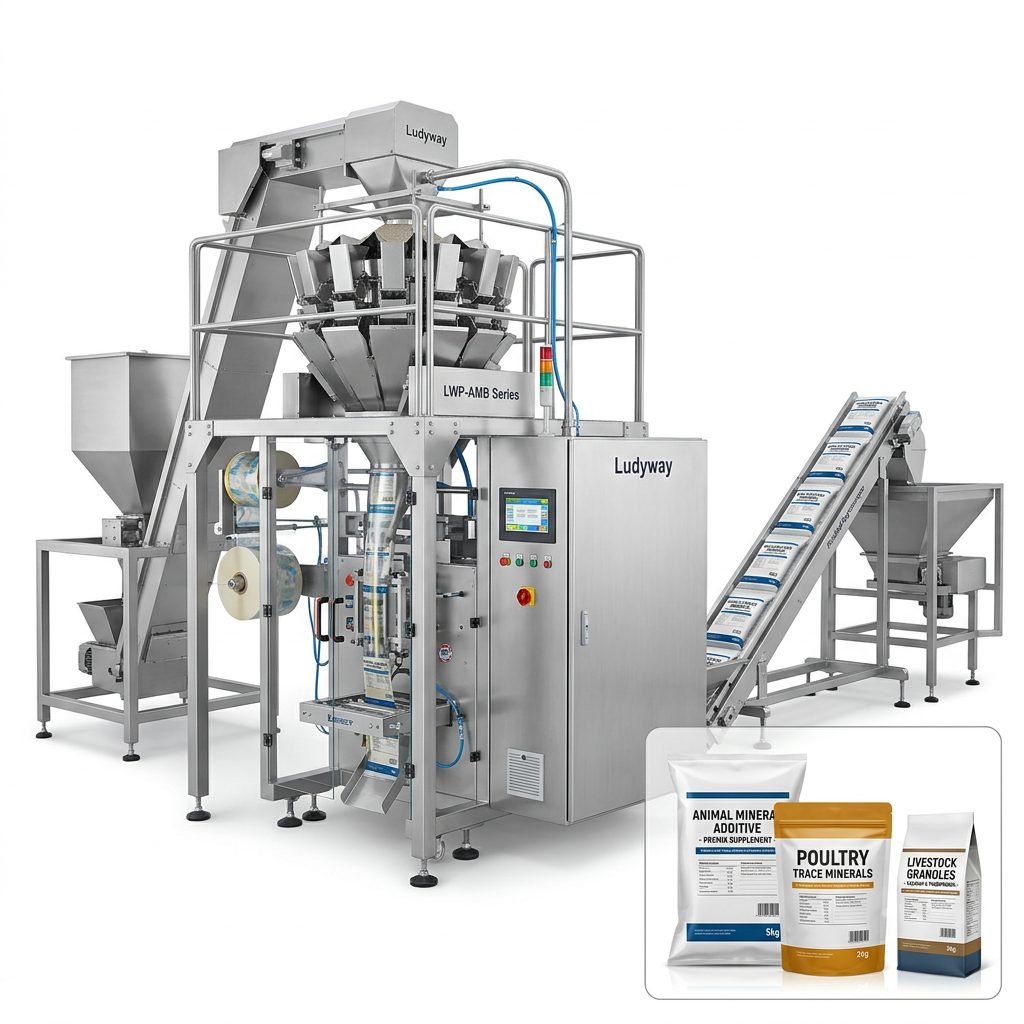
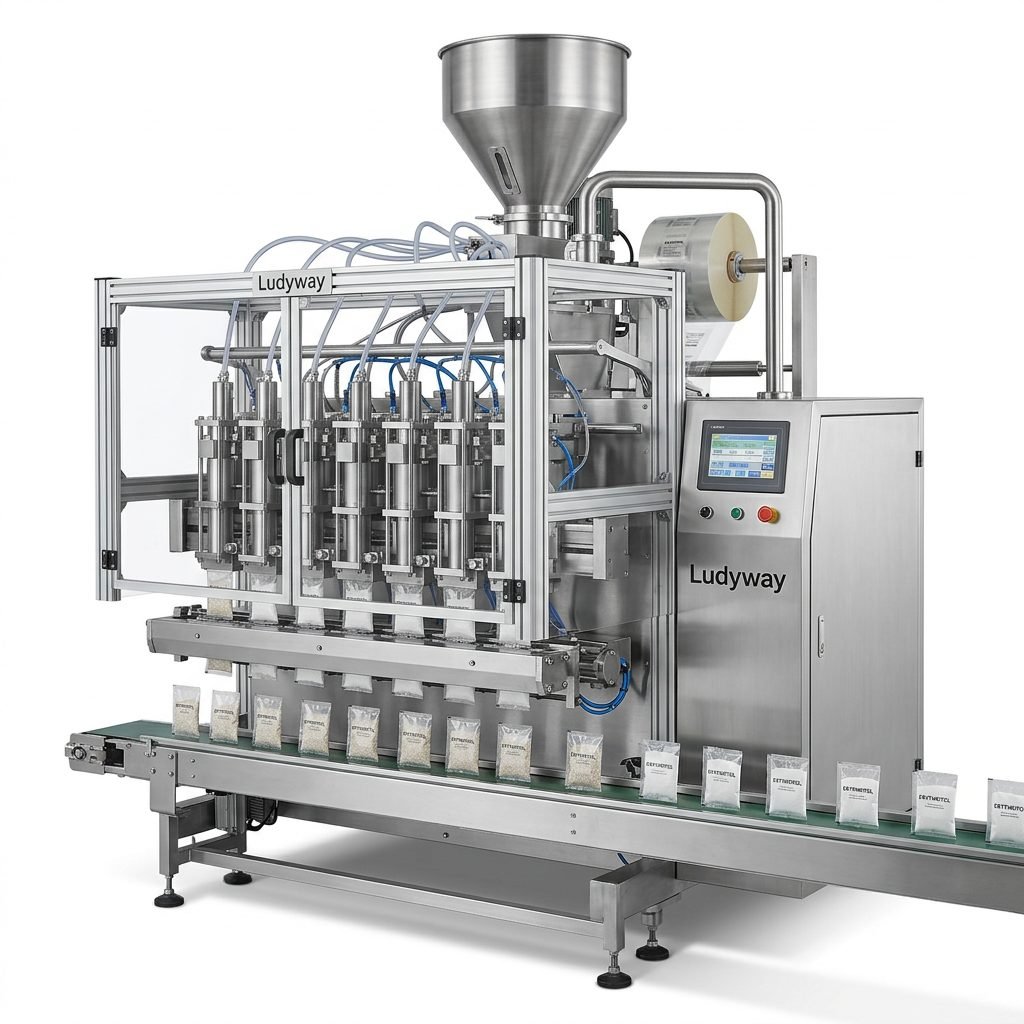
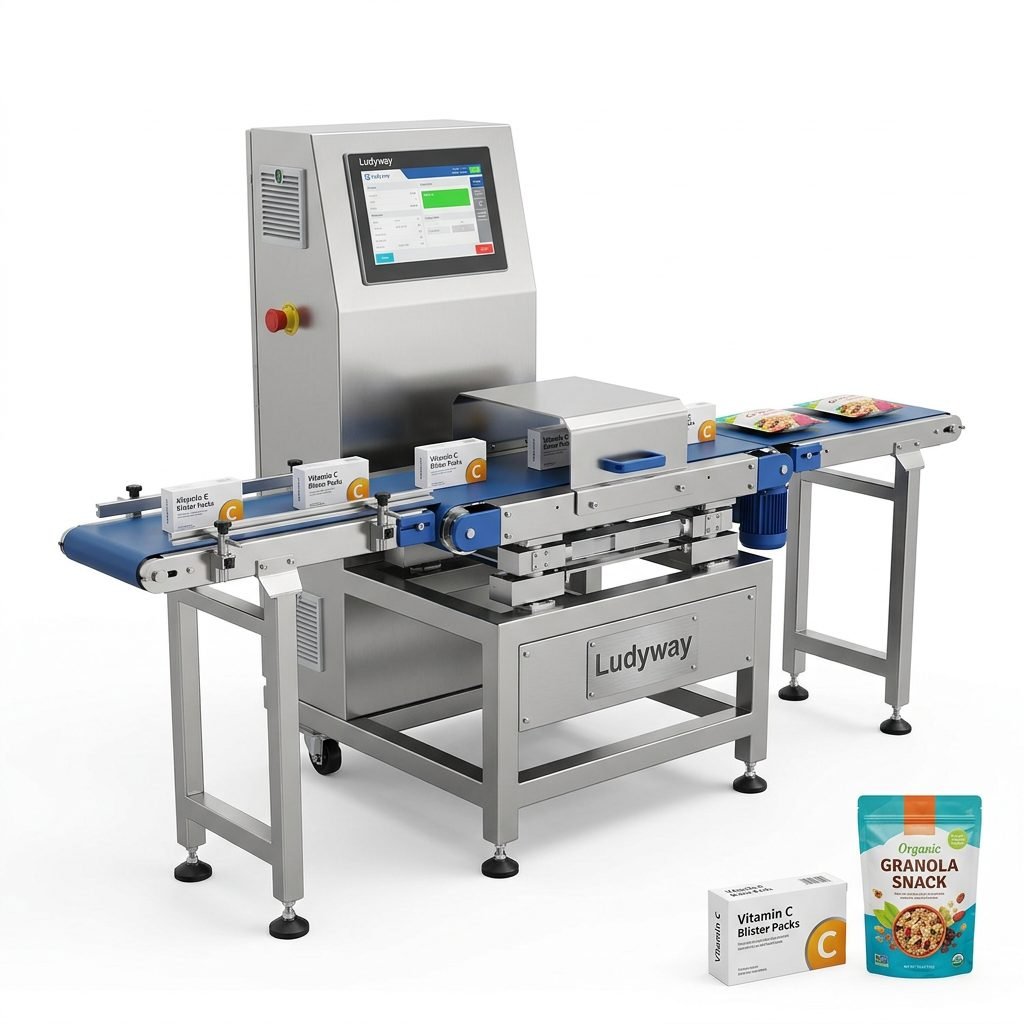
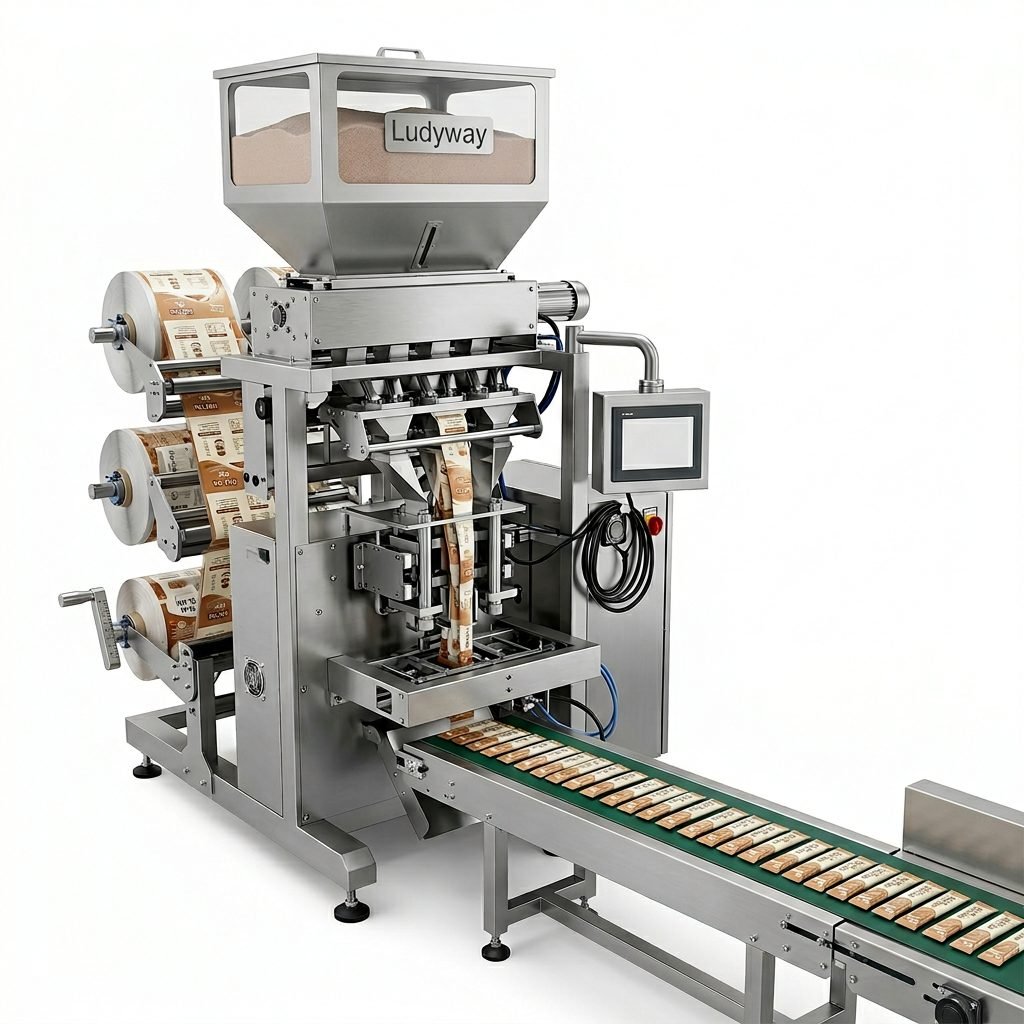
Proper maintenance of a chemical powder packing machine is essential to ensure consistent performance, extend equipment lifespan, and prevent costly downtime. Chemical powders present unique challenges due to their abrasive, corrosive, or hygroscopic nature, making a structured maintenance routine critical for packaging machinery efficiency and operational reliability.
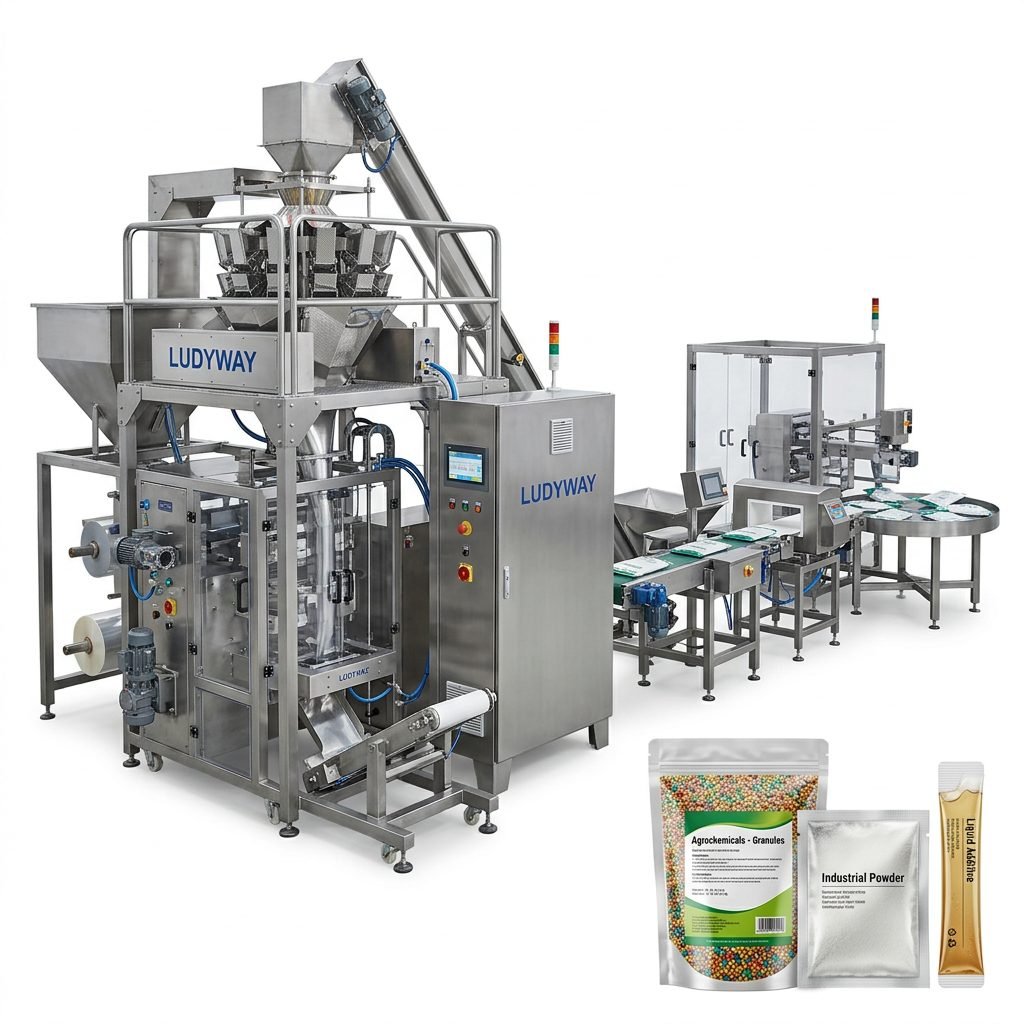
Understanding the Importance of Routine Maintenance
A well-maintained powder filling machine not only operates more efficiently but also produces higher quality packages with fewer rejects. Neglecting maintenance can lead to inaccurate filling, seal failures, dust leakage, and ultimately, premature component failure. According to ISO packaging standards, systematic equipment upkeep is fundamental to quality assurance in packaging operations.
Daily Maintenance Checklist for Chemical Powder Machines
Daily inspections form the foundation of an effective maintenance program. These quick checks help identify potential issues before they escalate into major problems.
- Clean all product contact surfaces thoroughly after each production run to prevent chemical buildup and cross-contamination.
- Inspect sealing jaws and heat seal components for residue accumulation that can compromise seal integrity.
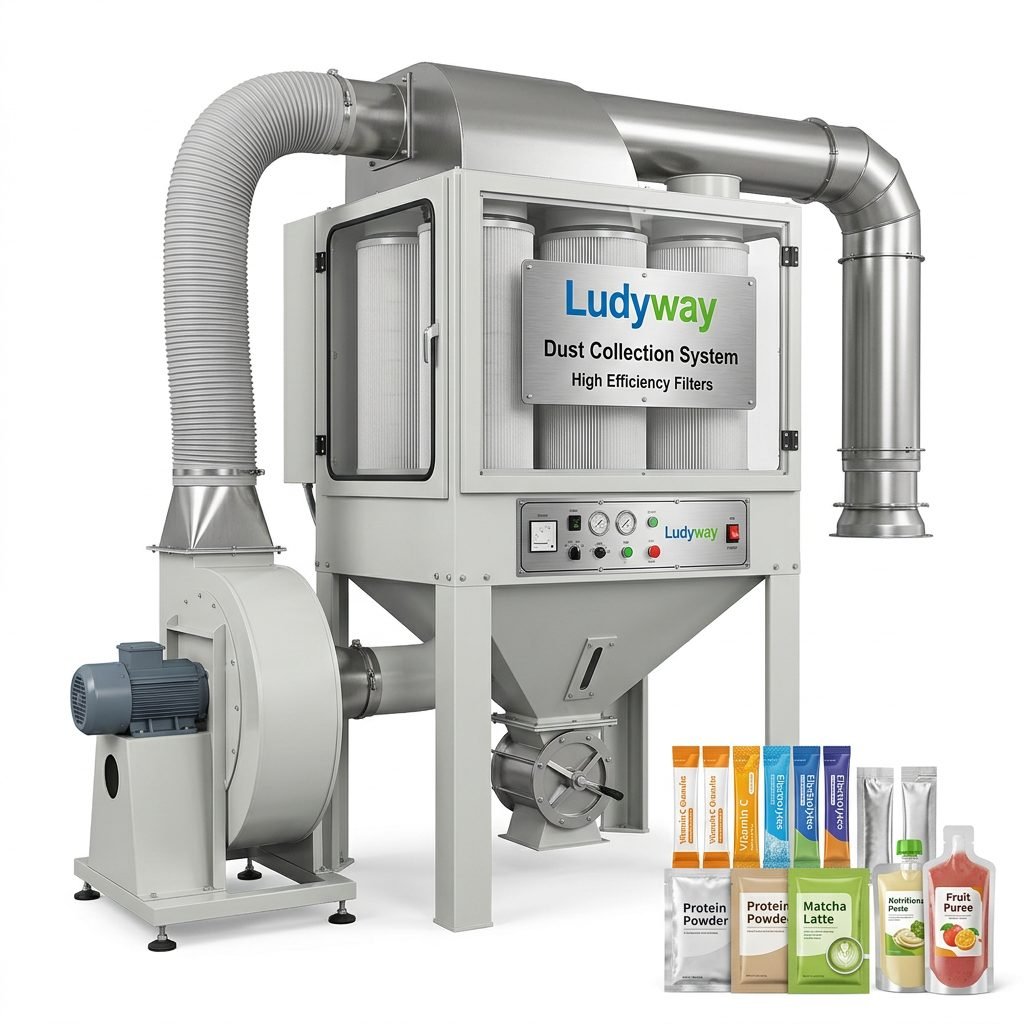
- Check the dust extraction system and filters for proper function — chemical powder dust can damage sensitive electronics.
- Verify that all safety guards and interlocks are in place and functioning correctly.
- Examine film tracking and tension to ensure smooth material feed without wrinkles or misalignment.
Weekly Maintenance Tasks
Weekly procedures allow for deeper inspection and preventive care of critical components that experience wear during normal operation.
- Lubricate all moving parts including bearings, chains, and cam mechanisms using food-grade or application-appropriate lubricants.
- Inspect and clean photoelectric sensors and registration eyes that control film positioning and cutting accuracy.
- Check pneumatic systems for air leaks, proper pressure levels, and moisture in airlines.
- Examine forming tubes and shoulders for scratches or wear that could tear packaging film.
- Test emergency stop circuits and safety systems for immediate response.
Monthly and Quarterly Maintenance Schedule
Longer-interval maintenance addresses components that wear gradually and require more thorough inspection. Following FDA packaging guidelines ensures compliance in regulated industries.
| Component | Maintenance Action | Frequency |
|---|---|---|
| Load Cells & Weighing System | Calibrate and verify accuracy with test weights | Monthly |
| Sealing Elements | Check temperature controllers, replace worn Teflon tape, inspect heater cartridges | Monthly |
| Drive Belts & Chains | Inspect tension, alignment, and signs of wear or cracking | Quarterly |
| Electrical Connections | Tighten terminals, inspect for corrosion, check cable integrity | Quarterly |
| Vacuum & Pneumatic Components | Replace worn seals, clean valves, check cylinder operation | Quarterly |
Critical Areas Requiring Special Attention
Filling and Dosing System
The auger filling mechanism is particularly susceptible to wear when handling abrasive chemical powders. Regular inspection of the auger screw, funnel, and agitator blades is essential. Any signs of metal wear require immediate attention to prevent product contamination and inaccurate dosing.
Sealing Integrity
Chemical powders can easily become trapped in seal areas, causing leaking sachets or stick packs. Maintaining clean sealing surfaces and proper temperature settings is critical. The Flexible Packaging Association emphasizes seal integrity as a primary quality metric for powder packaging.
Dust Management Systems
Excessive dust from chemical powders can accelerate wear on all machine components and pose health risks to operators. Ensure the dust collection system is operating at peak efficiency, with filters cleaned or replaced according to the manufacturer’s schedule.
Spare Parts Management
Maintaining an inventory of critical spare parts minimizes downtime when components fail unexpectedly. Essential spares for a chemical powder packing machine include:
- Sealing elements and Teflon tape
- Heater cartridges and thermocouples
- Drive belts and timing belts
- Sensor units and photoelectric cells
- Pneumatic seals and O-rings
- Forming shoulder components
- Cutting blades or knives
Operator Training and Documentation
Well-trained operators are your first line of defense against equipment issues. Comprehensive training should cover proper cleaning procedures, startup and shutdown sequences, basic troubleshooting, and recognition of abnormal machine behavior. Maintain detailed maintenance logs documenting all inspections, repairs, and parts replacements to track machine history and identify recurring problems.
Troubleshooting Common Issues
| Problem | Possible Cause | Solution |
|---|---|---|
| Inconsistent fill weights | Worn auger, product bridging, load cell drift | Inspect auger, check product flow, recalibrate |
| Seal failure or leakage | Product in seal area, incorrect temperature, worn sealing element | Clean seal area, verify temperature, replace worn parts |
| Film misalignment | Tracking roller issues, tension imbalance, worn guides | Adjust tracking, check tension settings, replace guides |
| Excessive dust leakage | Clogged filters, damaged seals, inadequate extraction | Clean or replace filters, inspect seals, check extraction system |
Annual Overhaul and Professional Servicing
While daily, weekly, and monthly maintenance can be handled by trained operators, an annual professional inspection is highly recommended. A comprehensive overhaul includes complete disassembly of critical components, replacement of all wear parts, thorough calibration of all systems, and updating of control software. This proactive approach significantly reduces the risk of unexpected failures during production runs.
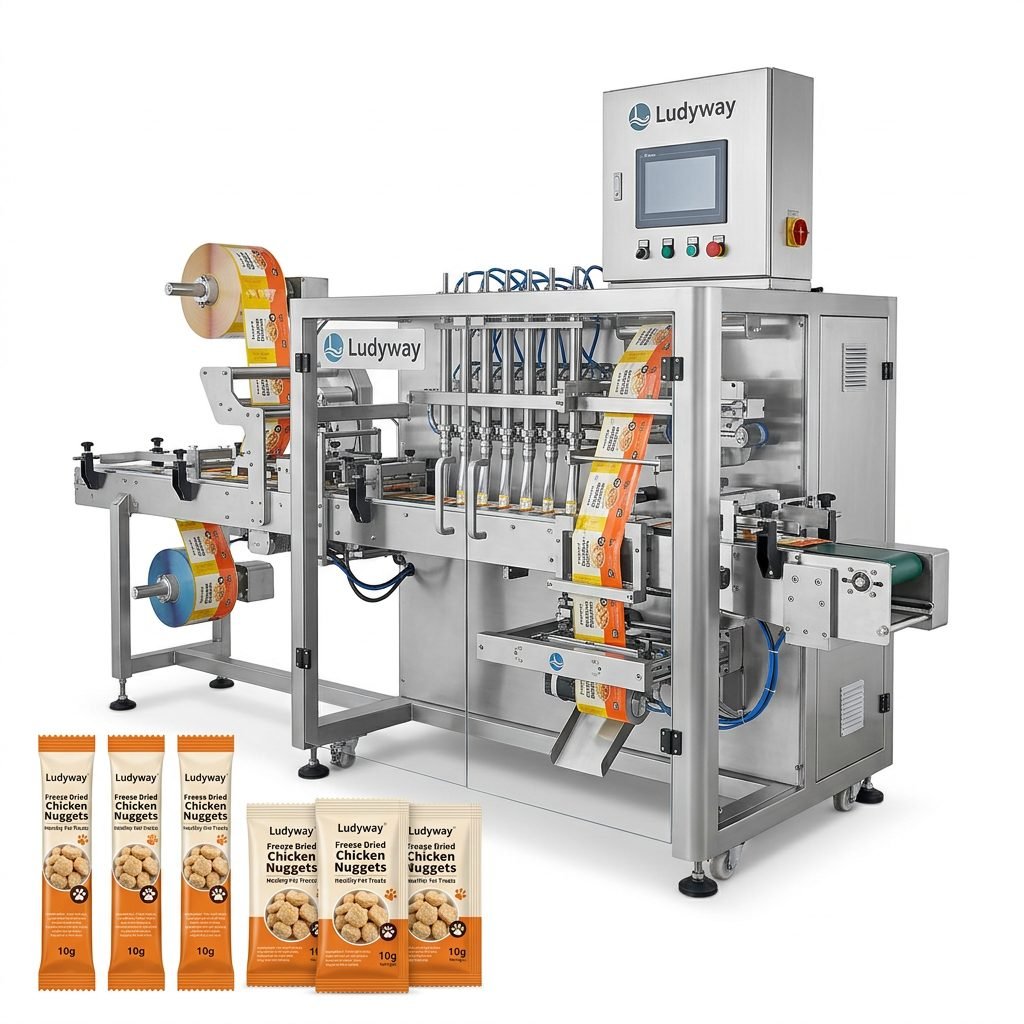
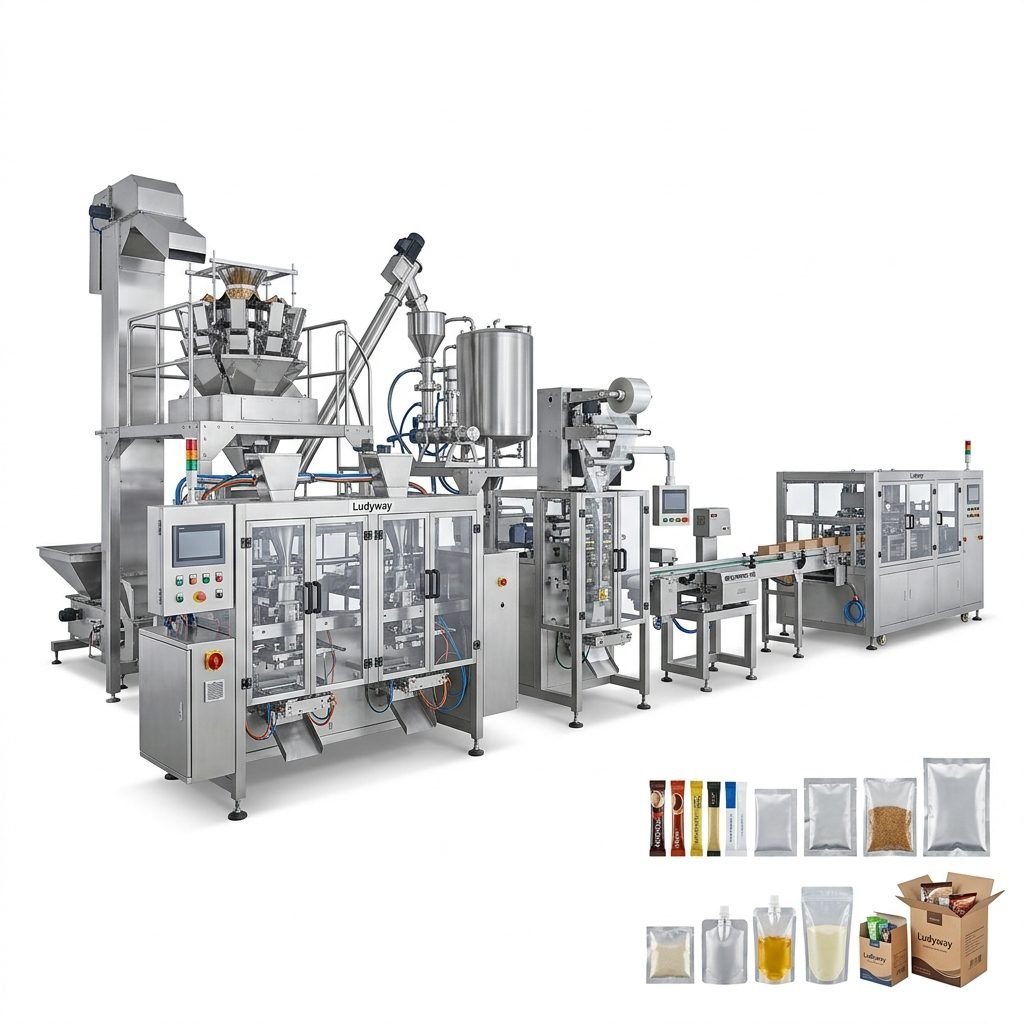
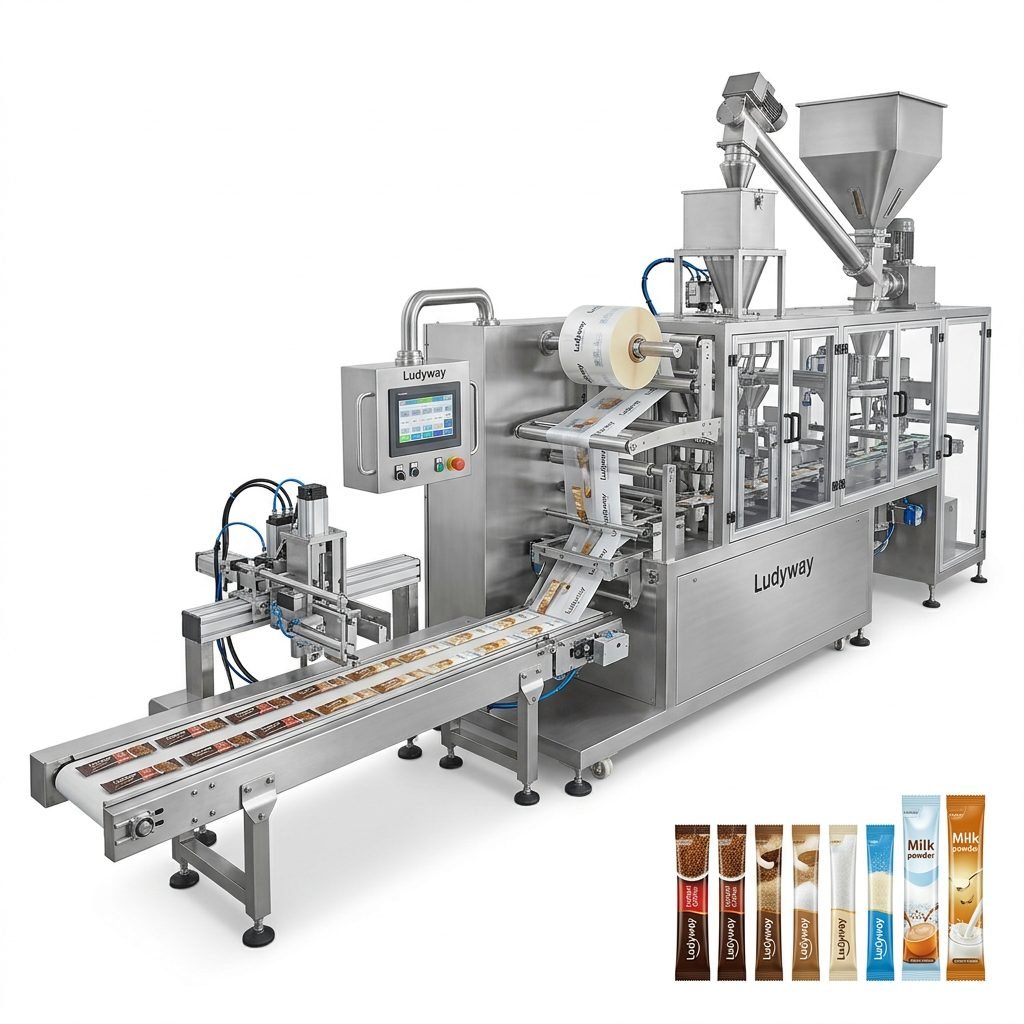
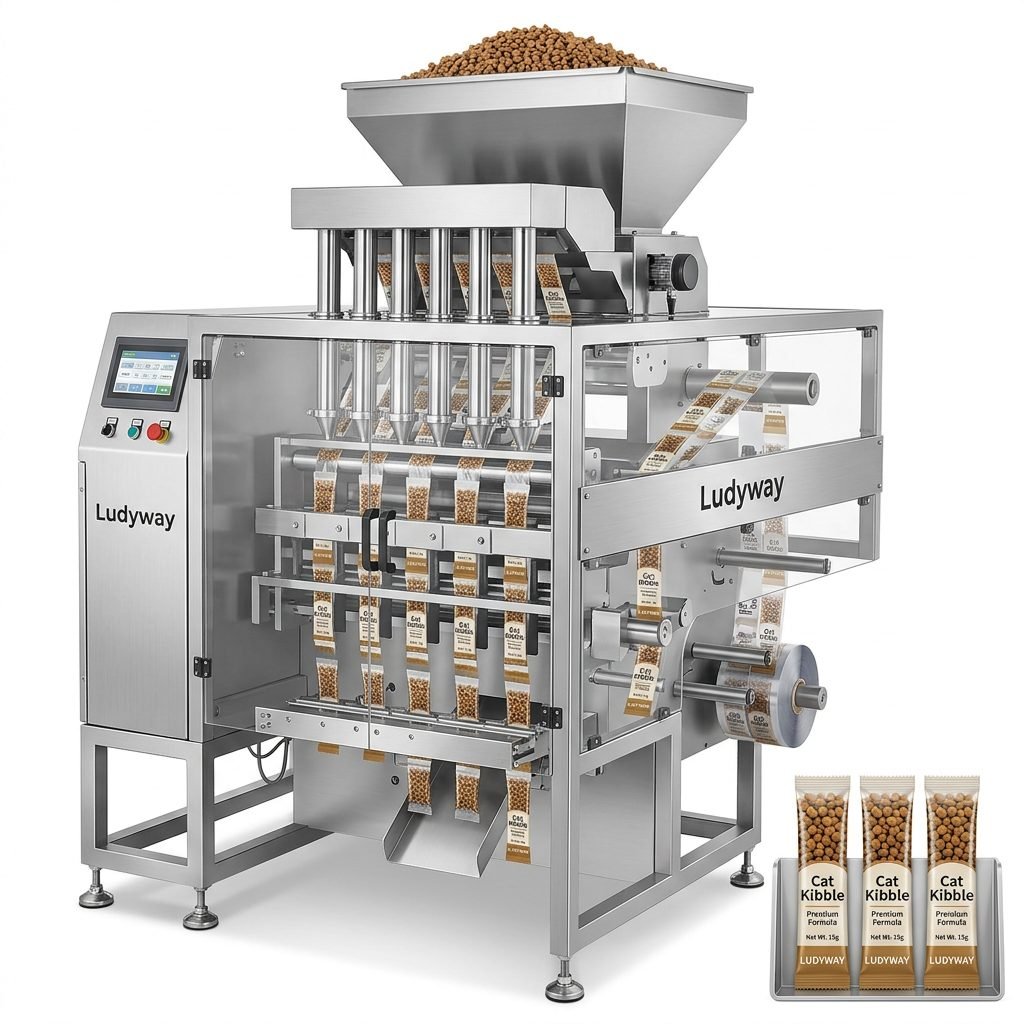
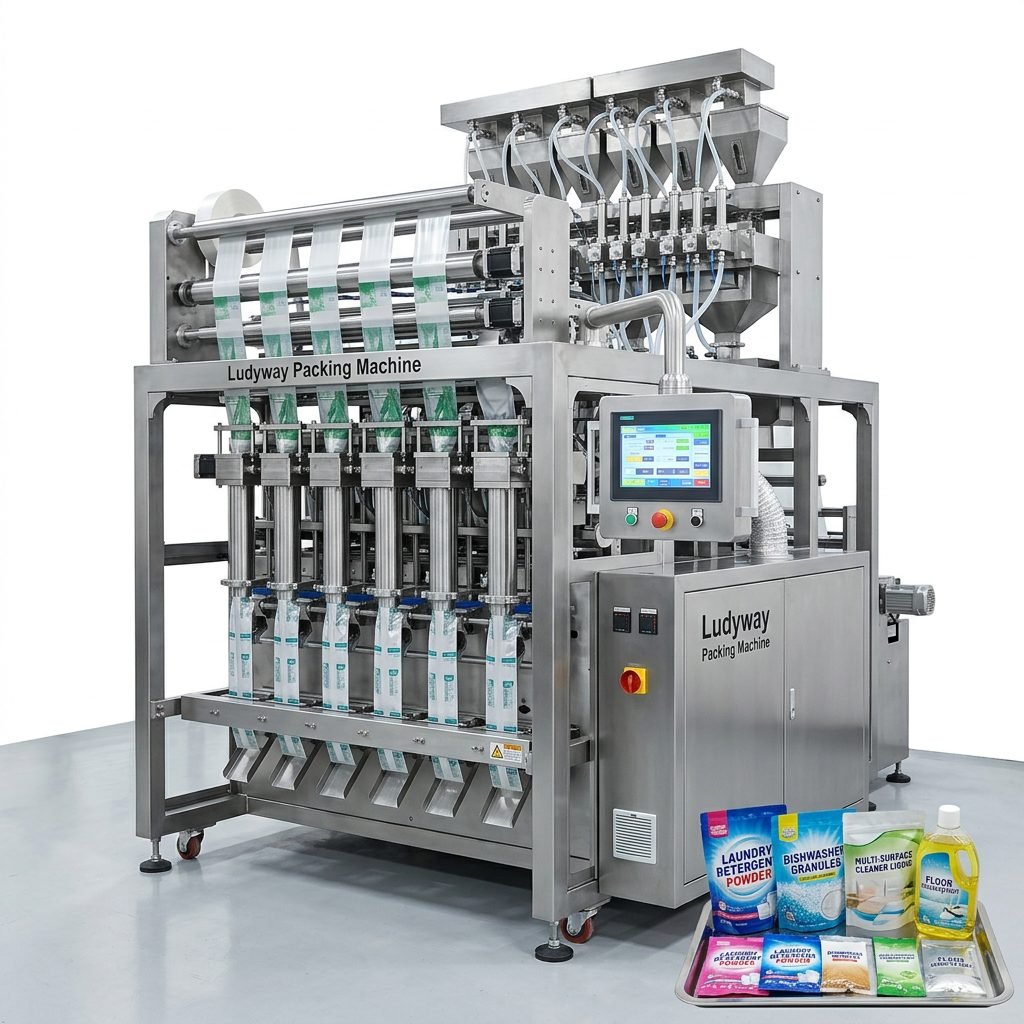
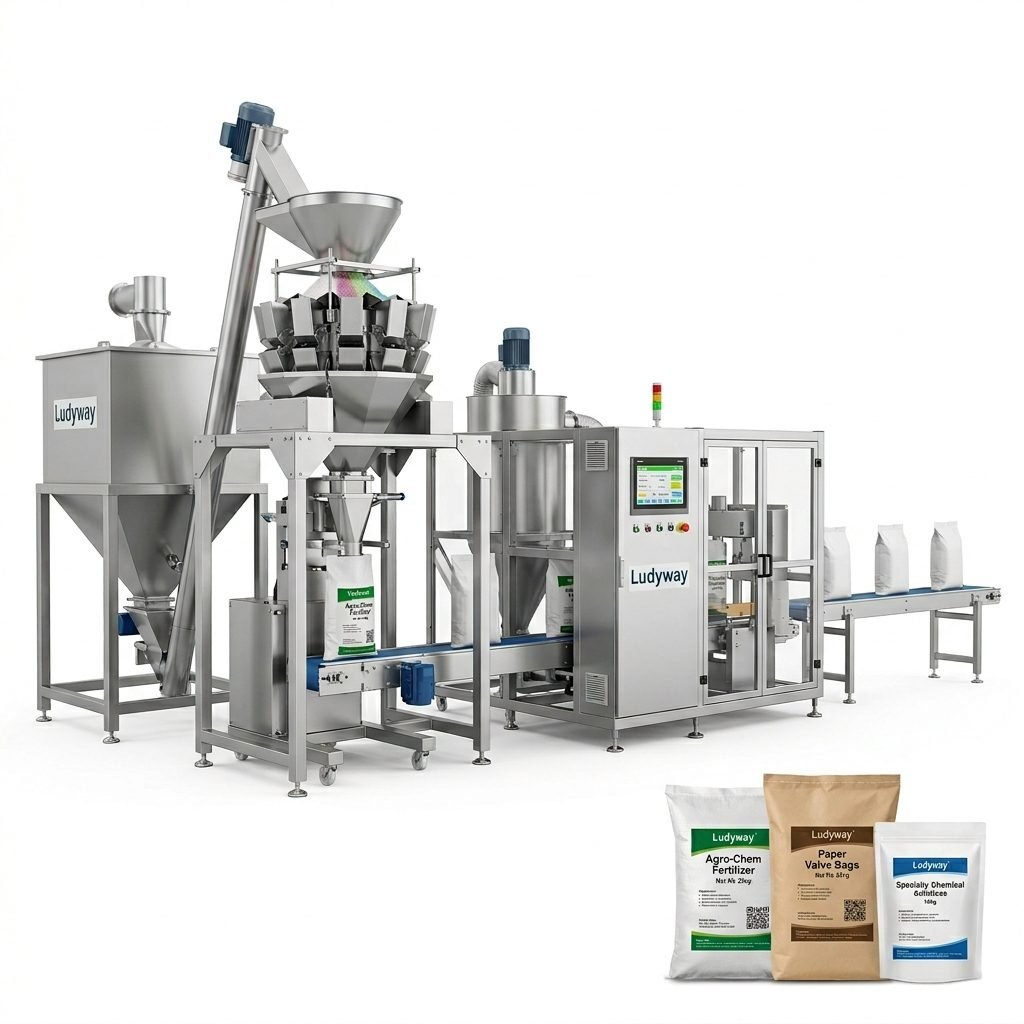
Companies like Ludyway provide specialized servicing and technical support for chemical powder packaging equipment, ensuring machines operate at peak performance throughout their service life. Their expertise spans across various packaging applications, including multi-lane stick pack machines and automated sachet filling systems.
Implementing a Preventive Maintenance Culture
Successful maintenance programs shift the focus from reactive repairs to preventive care. Key strategies include scheduling maintenance during planned downtime, using digital maintenance management systems, training multiple team members on essential procedures, and regularly reviewing maintenance data to optimize intervals and procedures. For more insights on packaging machinery standards, refer to resources from PMMI packaging industry resources.
A disciplined approach to maintaining your chemical powder packing machine delivers measurable returns through increased uptime, consistent package quality, extended equipment life, and reduced total cost of ownership. The investment in regular maintenance always proves more economical than the cost of emergency repairs and lost production.