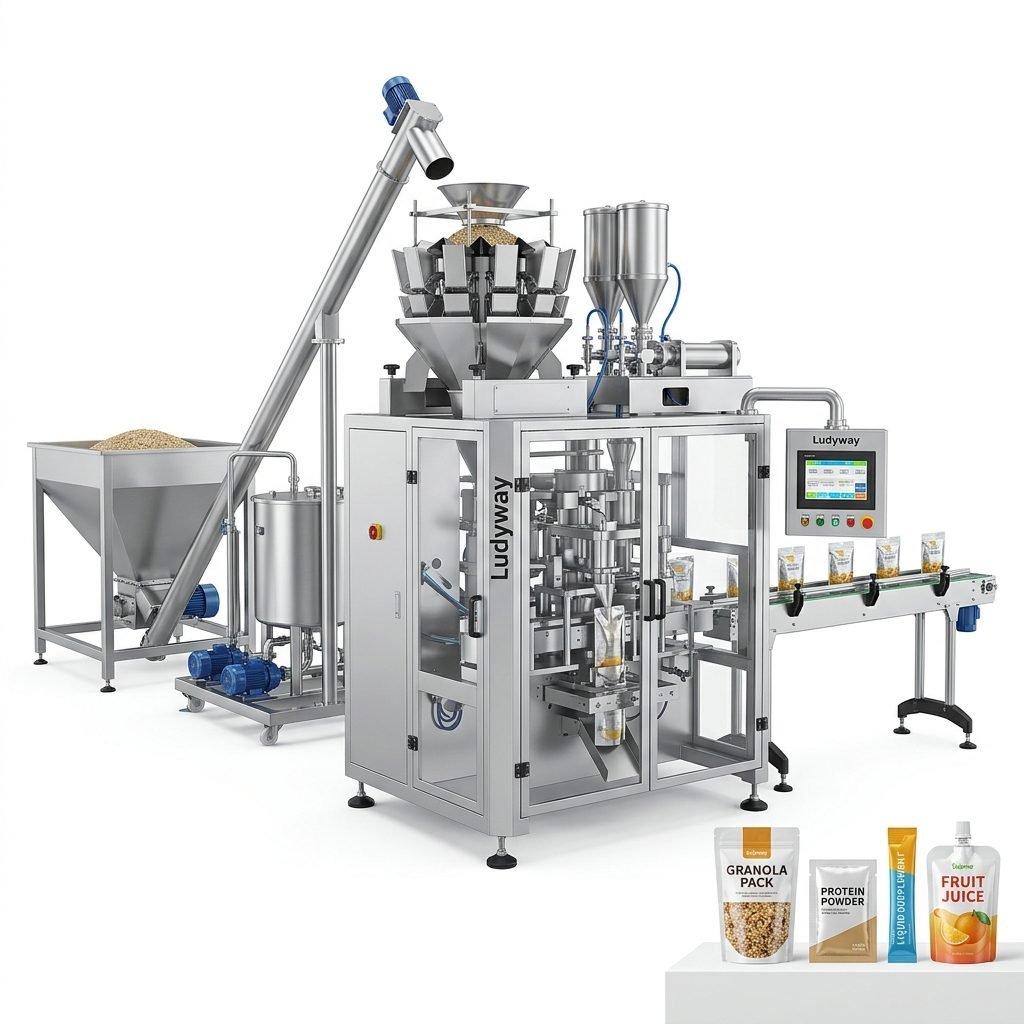
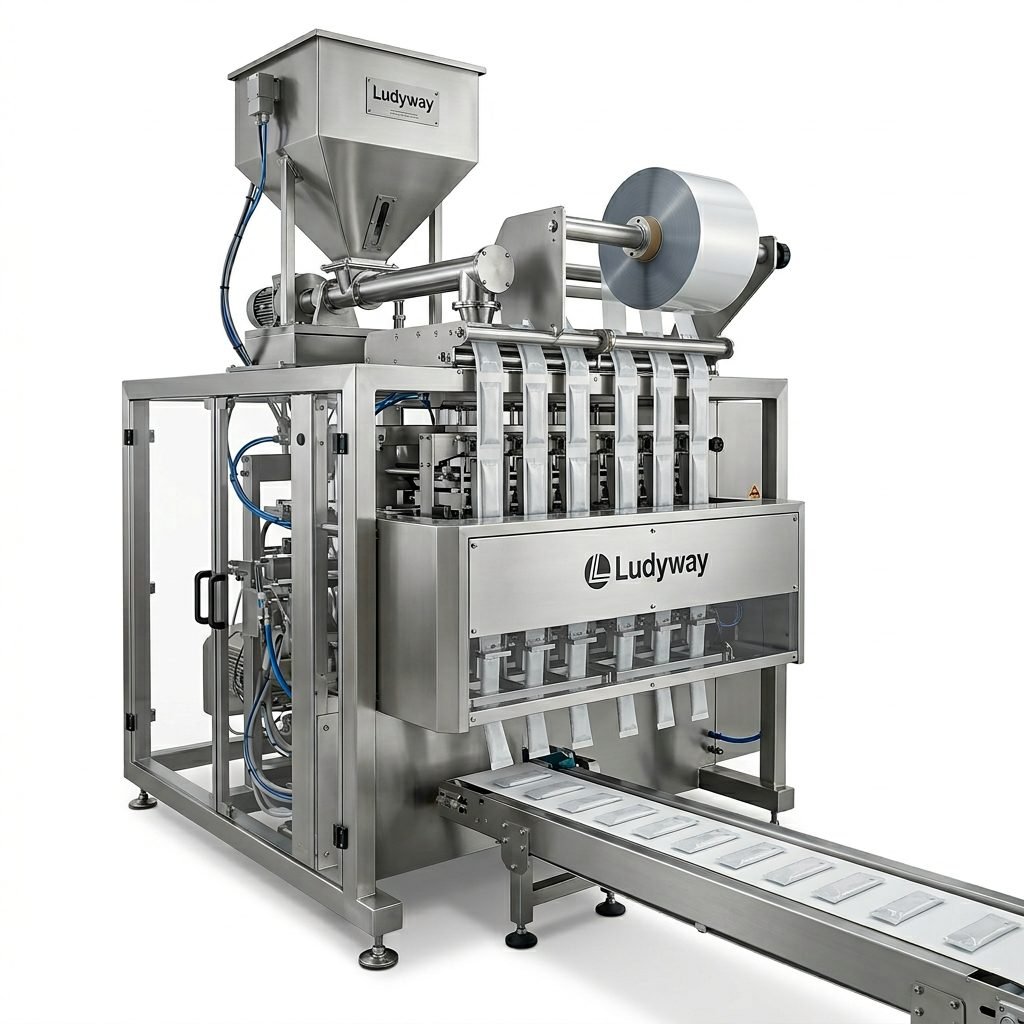
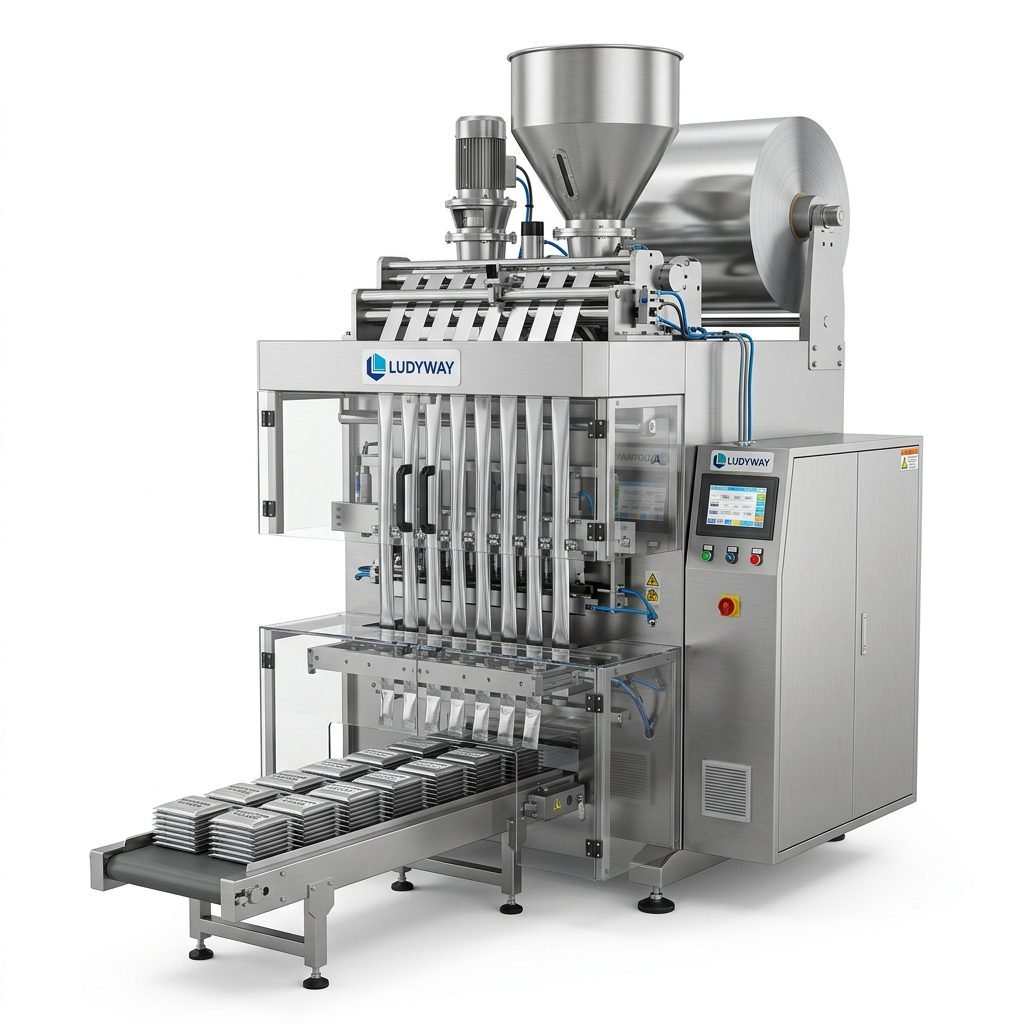
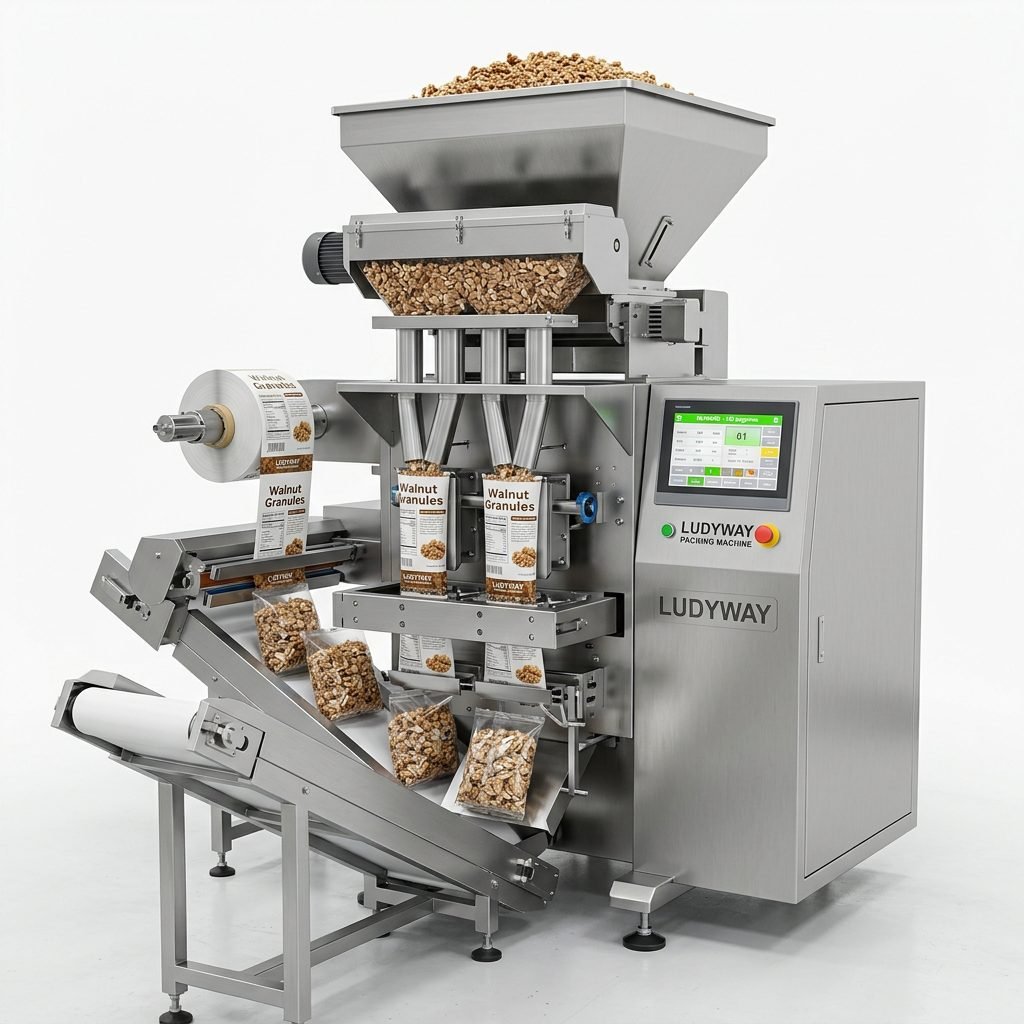
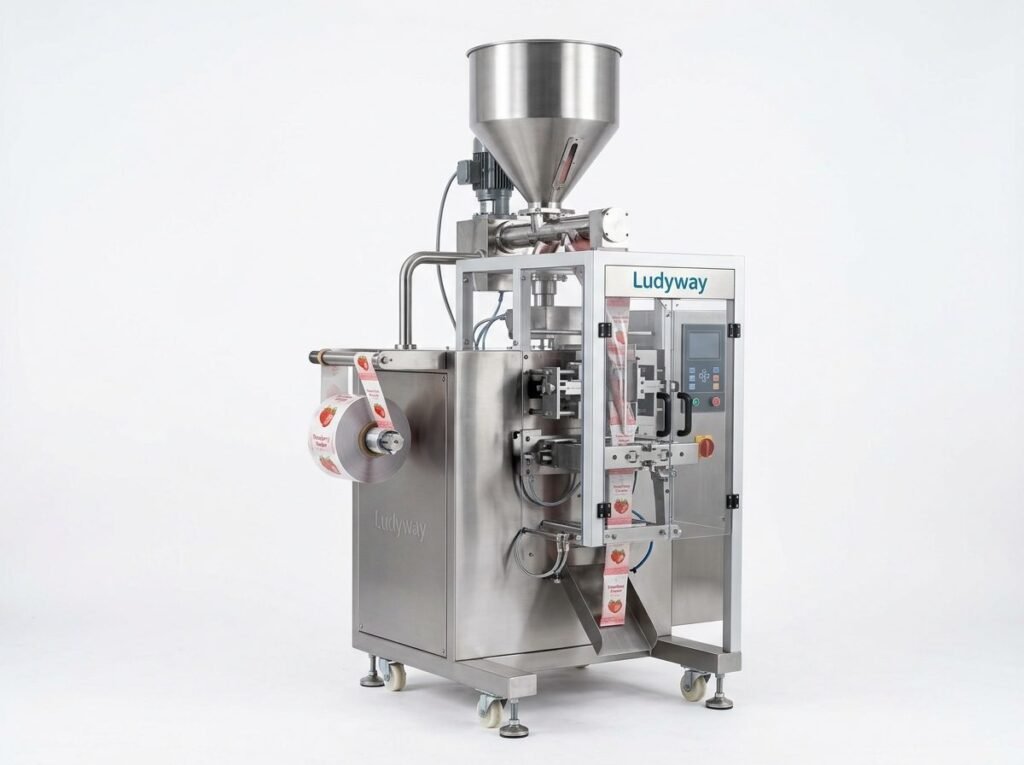
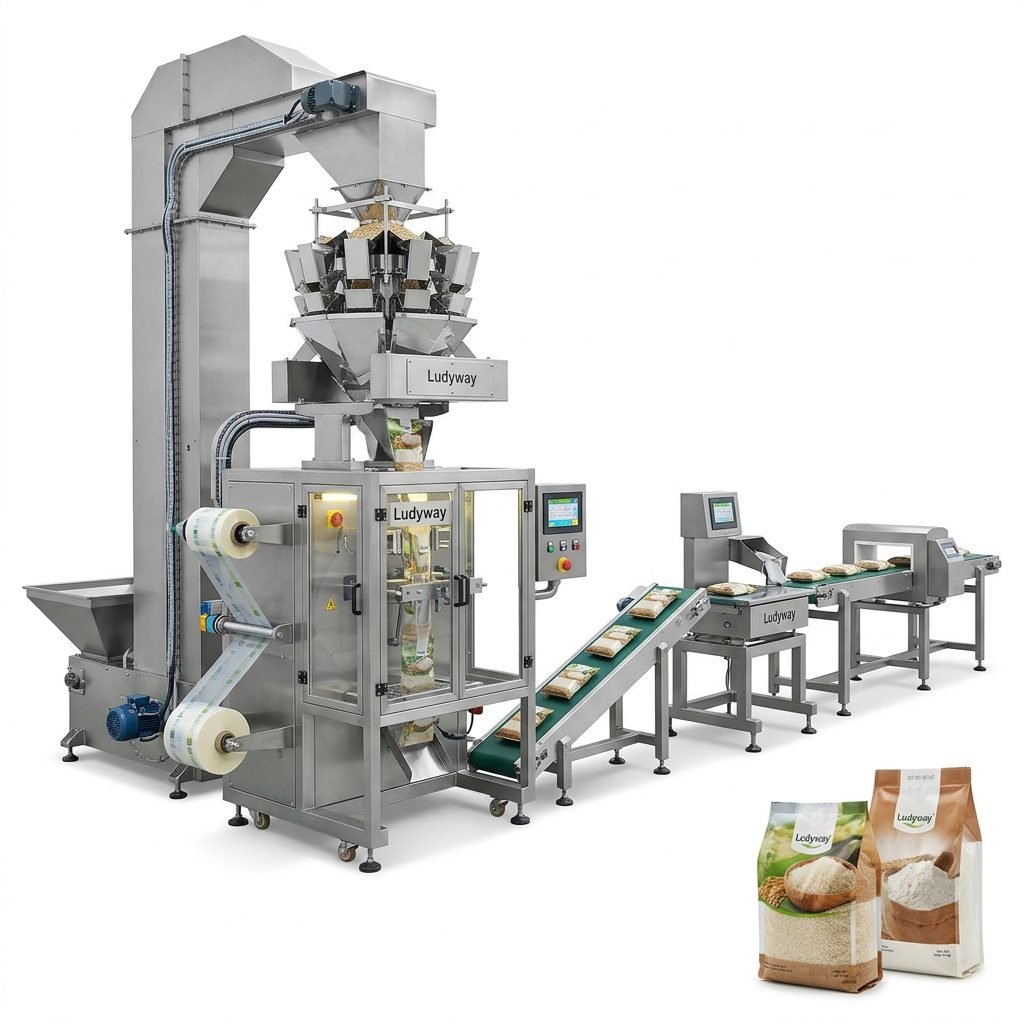
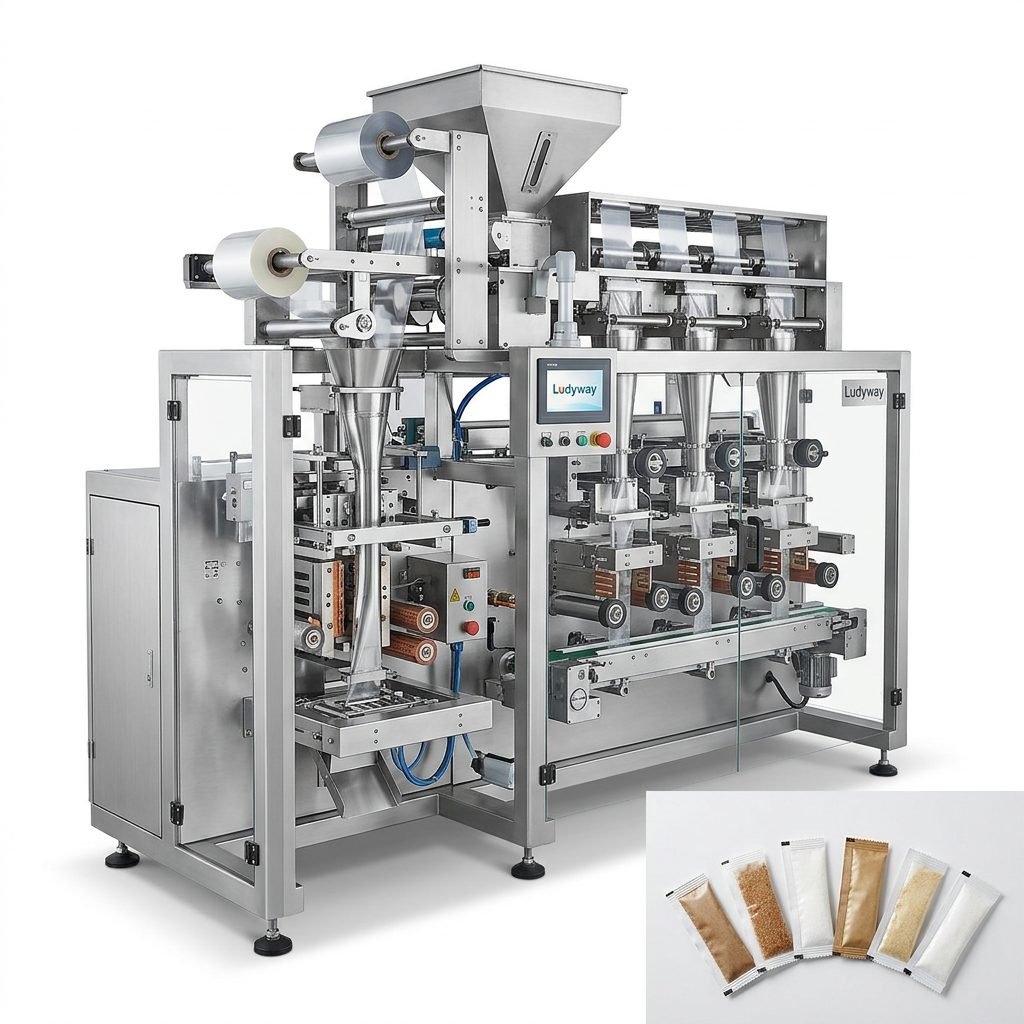
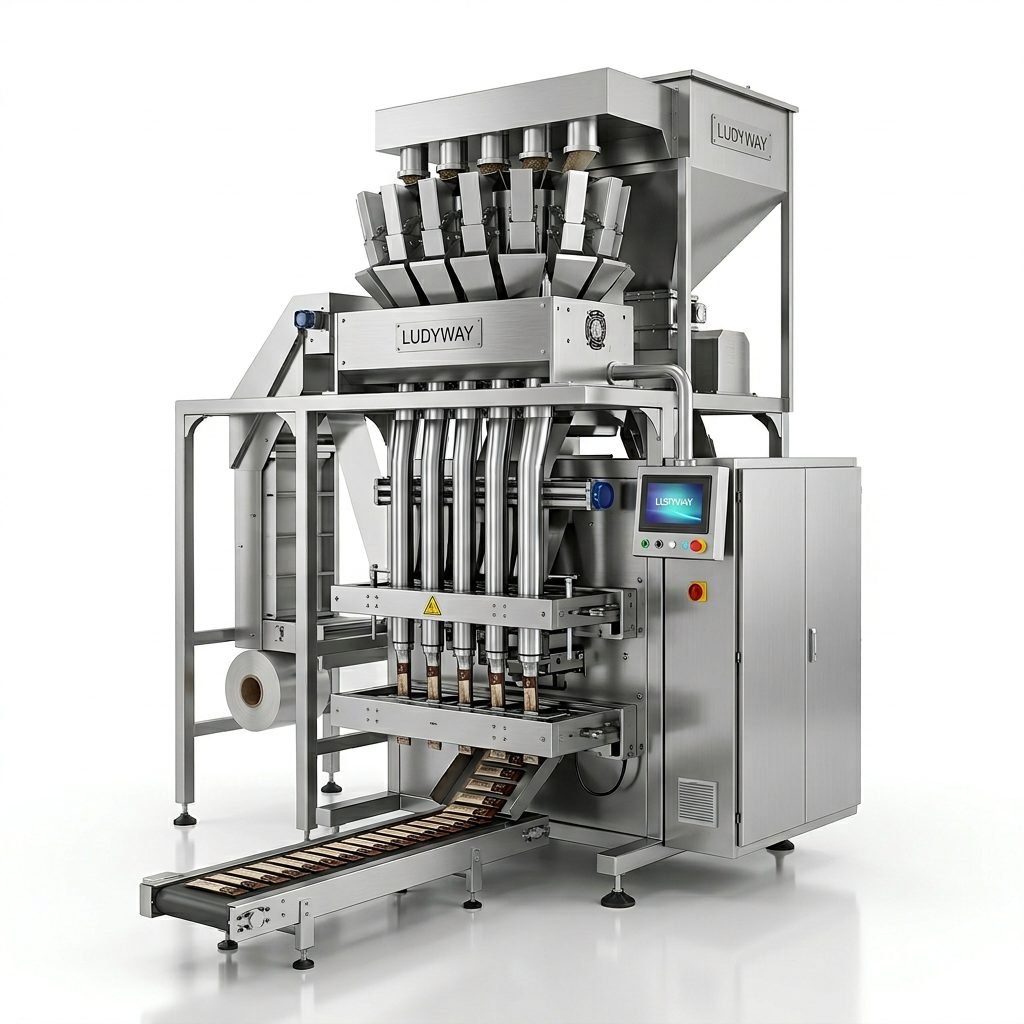
Investing in a tea food packaging machine is a significant decision for any tea producer, distributor, or co-packer. Whether you are packing loose leaf tea, tea bags, or powdered instant tea mixes, understanding the cost structure is crucial for budgeting and ensuring a strong return on investment. The price of these machines varies dramatically based on technology, speed, format, and customization.
Key Factors That Influence Tea Packaging Machine Pricing
Before requesting a quote, it is essential to understand the primary drivers of cost. The final price tag is rarely a fixed number but depends on your specific production requirements. Here are the core elements that will shape your budget:
- Level of Automation: The spectrum ranges from semi-automatic machines requiring significant manual intervention to fully intelligent, automated packaging lines. A higher degree of automation generally increases upfront cost but dramatically reduces long-term labor expenses and human error.
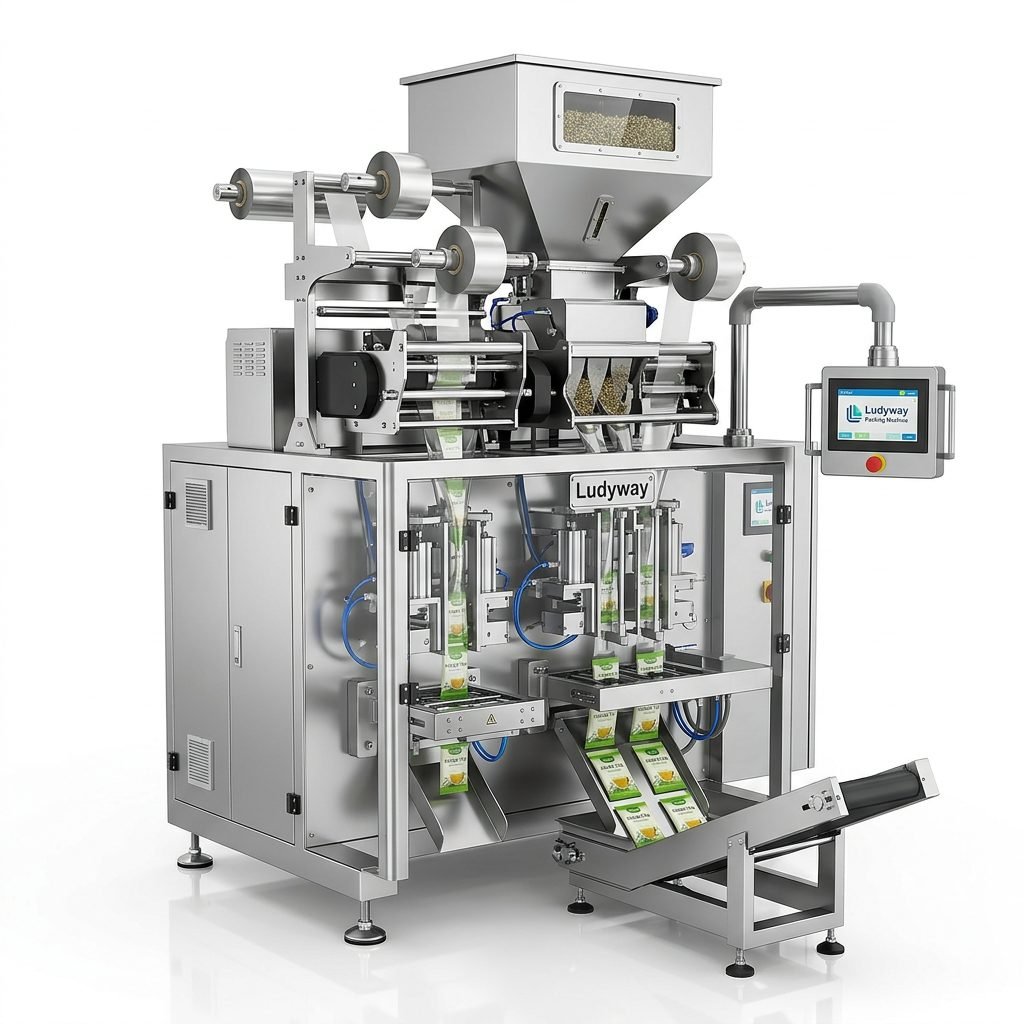
- Packaging Format & Style: The physical format dictates the machine type. Costs differ significantly between a simple single-lane sachet machine, a high-speed multi-lane stick pack machine, a rotary premade pouch filler, or a complex tea bag string-and-tag machine.
- Production Speed & Capacity: Measured in packs per minute (ppm), speed is a major cost determinant. A machine producing 40 ppm will be far less expensive than a high-output multi-lane system capable of 400 ppm or more, which requires more sophisticated servo drives and controls.
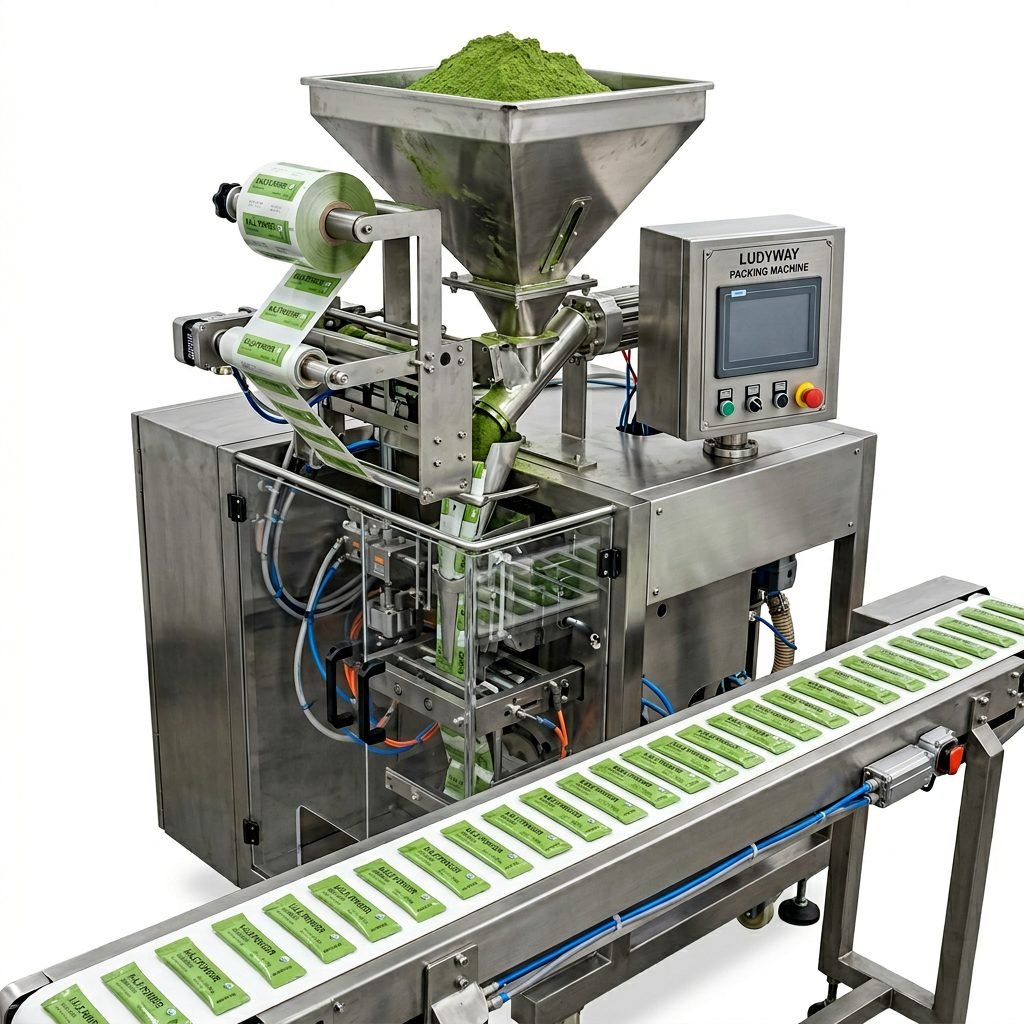
- Material Handling & Product Type: Tea comes in various forms—fine powders, granular blends, delicate whole leaves, or viscous liquid concentrates. Powder auger fillers, combination weighers for granules, and liquid piston pumps each have distinct price points. Additionally, if your tea product is dusty or hygroscopic, you may need optional upgrades like dust extraction or specialized sealing jaws.
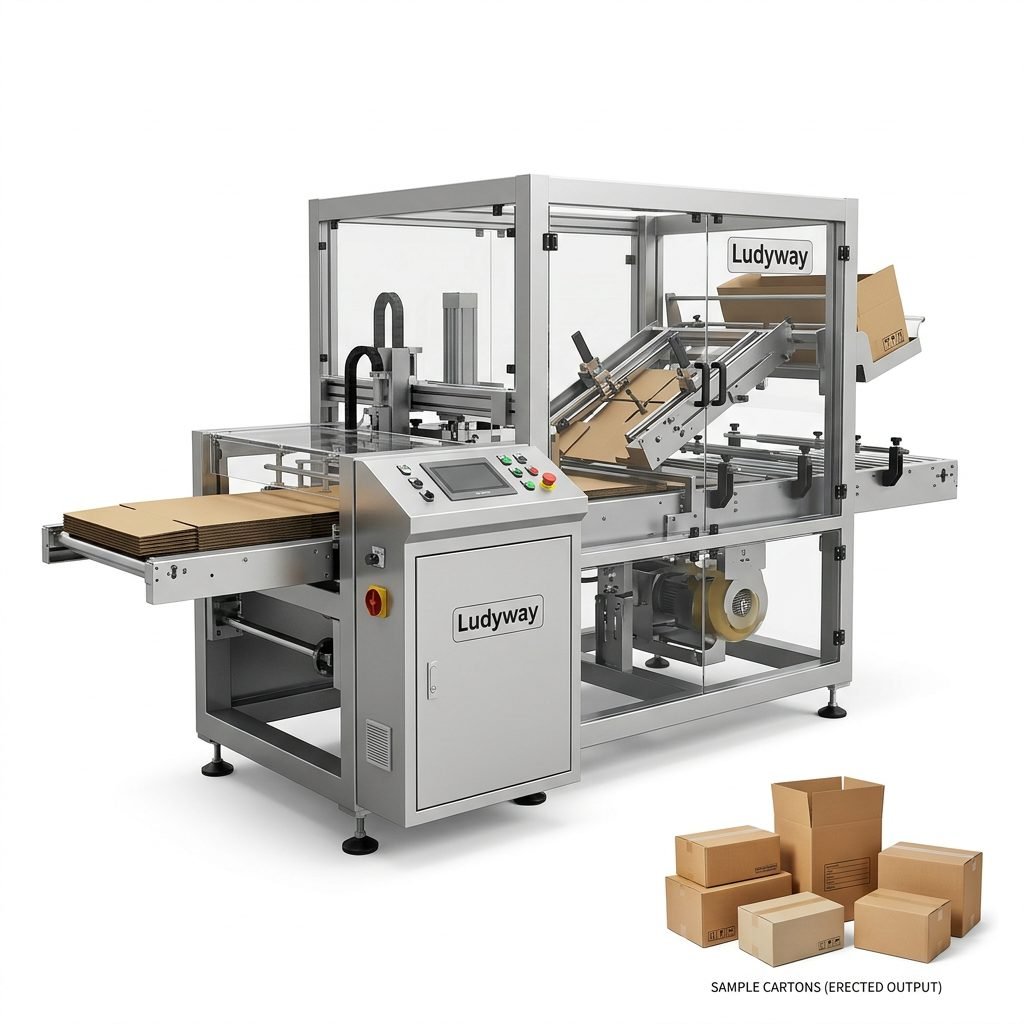
- Additional Auxiliary Equipment: A complete turnkey line costs more than a standalone filler. Budget must often include conveyors, checkweighers, metal detectors, coding printers, and cartoning machines for secondary packaging.

Price Ranges by Machine Type: A Detailed Breakdown
To give you a realistic benchmark, we have categorized the market prices for tea packaging equipment. These ranges encompass entry-level to high-end industrial models. *Note: Prices are estimated market ranges and can fluctuate based on volume, configuration, and manufacturer.*
| Machine Category | Estimated Price Range (USD) | Best Suited For |
|---|---|---|
| Semi-Automatic Batch Fillers | $3,000 – $12,000 | Startups, manual pouching of premium loose leaf |
| Automatic Single-Lane Sachet/Stick Pack | $8,000 – $25,000 | Small to medium producers, instant tea powders |
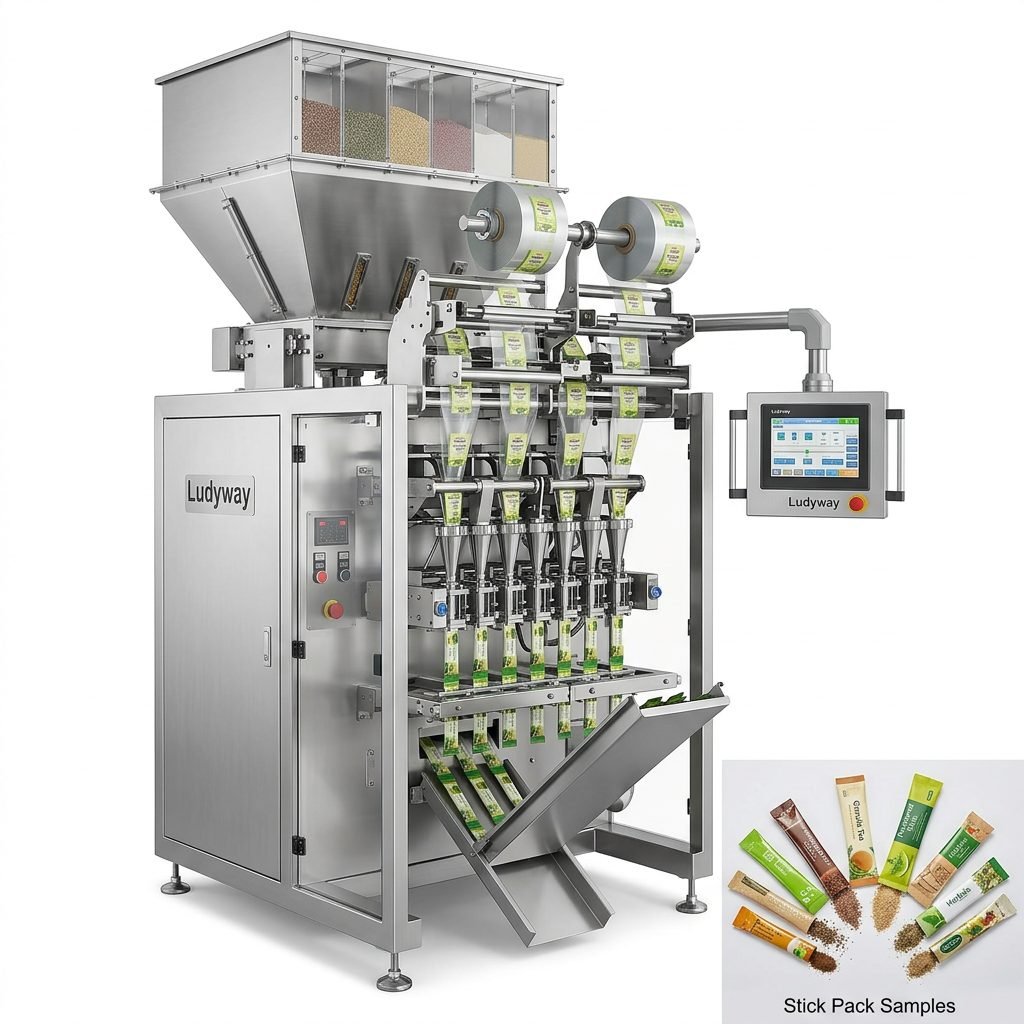
| High-Speed Multi-Lane Stick Pack Machines (4-10 Lanes) | $35,000 – $85,000 | Large-scale producers, high-volume export orders |
| Premade Pouch Rotary Fill & Seal Machines | $20,000 – $70,000 | High-value tea in stand-up pouches with zippers |
| Tea Bag Machines (String & Tag, Envelope) | $18,000 – $60,000 | Specialized tea bag format producers |
| Complete Turnkey Production Lines | $100,000 – $500,000+ | Fully automated factories with cartoning and palletizing |
As the table illustrates, the leap from a basic single-lane system to a sophisticated multi-lane stick pack machine is substantial, reflecting the exponential increase in output and engineering complexity.
Understanding Total Cost of Ownership (TCO)
The sticker price is just the starting point. A smart investment focuses on the Total Cost of Ownership over the machine’s lifespan. A cheaper machine can often result in higher long-term losses due to inefficiency.
- Installation & Commissioning: Factory acceptance testing (FAT), shipping, and on-site setup usually account for 5-10% of the machine cost.
- Consumables & Spare Parts: Sealing jaws, knives, and forming tubes wear out. Budget roughly 2-5% of the machine cost annually for maintenance kits.
- Film Material Waste: Precision machines minimize waste. A machine with poor tension control might waste 5-10% of your expensive laminated packaging film, eroding profits quickly.
- Energy Efficiency: Modern servo-driven machines consume significantly less electricity than older pneumatic or mechanical models, reducing utility bills.
Customization vs. Standard Models
Standard models are priced competitively and offer faster delivery. However, the tea industry often requires customization. Options such as nitrogen gas flushing to extend shelf life, perforated tear notches, hole punches for hanging displays, or coding systems can add anywhere from $2,000 to $15,000 to the base price depending on the complexity. For unique applications, working with a manufacturer capable of custom OEM packaging lines might cost 20-40% more upfront but delivers a tailored competitive advantage.
How Much Does a Multi-Lane Tea Stick Pack Line Cost?
For large brands, the multi-lane stick pack is the gold standard for single-serve tea sachets. A 4-lane high-speed tea powder packaging line typically ranges from $45,000 to $75,000. An 8-lane or 10-lane system designed for continuous 24/7 operation often falls in the $80,000 to $150,000 bracket. These prices generally include the vertical form fill seal (VFFS) unit, multi-head weigher or auger fillers, and basic outfeed conveyors. The price climbs sharply when adding integrated vision inspection systems or automated cartoning.
International Sourcing: China vs. European Manufacturers
Geographic origin significantly impacts pricing. Premium European manufacturers often command prices 50-100% higher than their Asian counterparts for similar mechanical functions. However, high-quality Chinese manufacturers have closed the technology gap. For instance, Ludyway, a specialized packaging machine manufacturer, provides advanced granule and powder packaging solutions with turnkey integration capabilities. When evaluating global suppliers, ensure they comply with ISO packaging standards and safety regulations.
Frequently Asked Questions About Tea Packaging Machine Costs
What is the cheapest way to pack tea leaves?
The absolute lowest entry point is a manual weighing and filling station (under $1,000), but scaling is impossible. The cheapest automated solution is a basic single-lane auger filler for flat sachets, which starts around $8,000.
Do I need a nitrogen flush system?
If your product is oxygen-sensitive (like green tea or matcha powder) and you require a shelf life of over 12 months, nitrogen flushing is not optional. It typically adds $5,000 to $10,000 to the machine configuration.
Are used or refurbished tea packaging machines a good investment?
They can be, but caution is advised. Used machines often lack modern servo accuracy and may have worn sealing components. Only purchase refurbished units if you have a guaranteed technical support channel and spare parts availability.
How long does it take to get a return on investment (ROI)?
Most mid-sized producers see full ROI on an automatic tea stick pack line within 18 to 36 months. This is driven by labor reduction, increased output speed, and minimized film waste compared to manual or semi-auto processes.
Budgeting for Auxiliary Equipment
A packaging machine cannot operate in isolation. When calculating your total budget, you must account for the upstream and downstream line components that ensure quality and efficiency:
- Checkweighers & Metal Detectors: Critical for compliance with food safety regulations. Budget $5,000 – $15,000.
- Thermal Transfer or Inkjet Printers: For date coding and batch numbering. Budget $1,500 – $5,000.
- Cartoning Systems: Automating the loading of sachets into cartons significantly increases line efficiency, typically ranging from $25,000 to $60,000.
Ultimately, the cost of a tea food packaging machine is an investment in brand quality and production scalability. By carefully matching the machine specifications to your product characteristics and target output, you can select a solution that optimizes both capital expenditure and operational efficiency. Whether selecting a compact single-lane model or expanding with a fully integrated flexible packaging line, always prioritize build quality and after-sales service over the lowest bid.