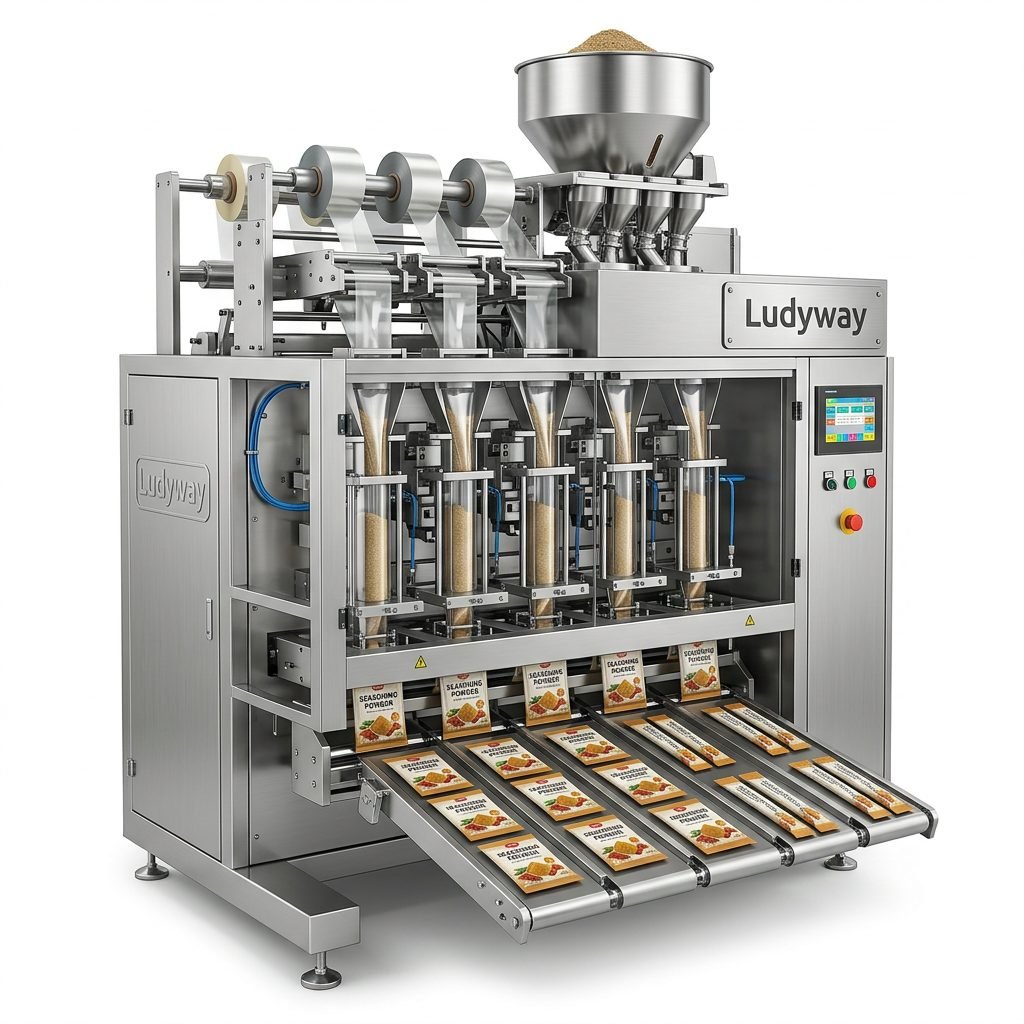
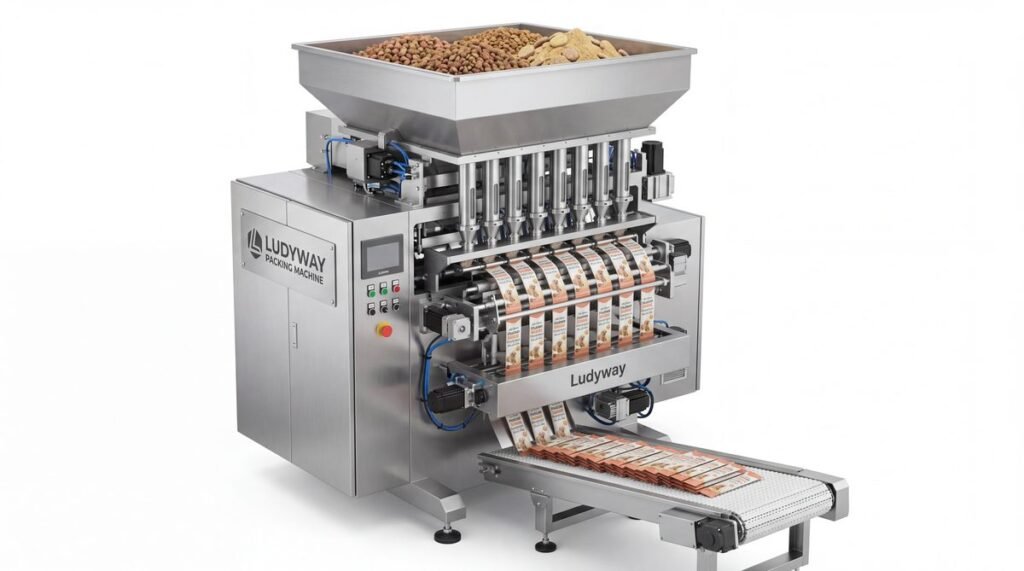
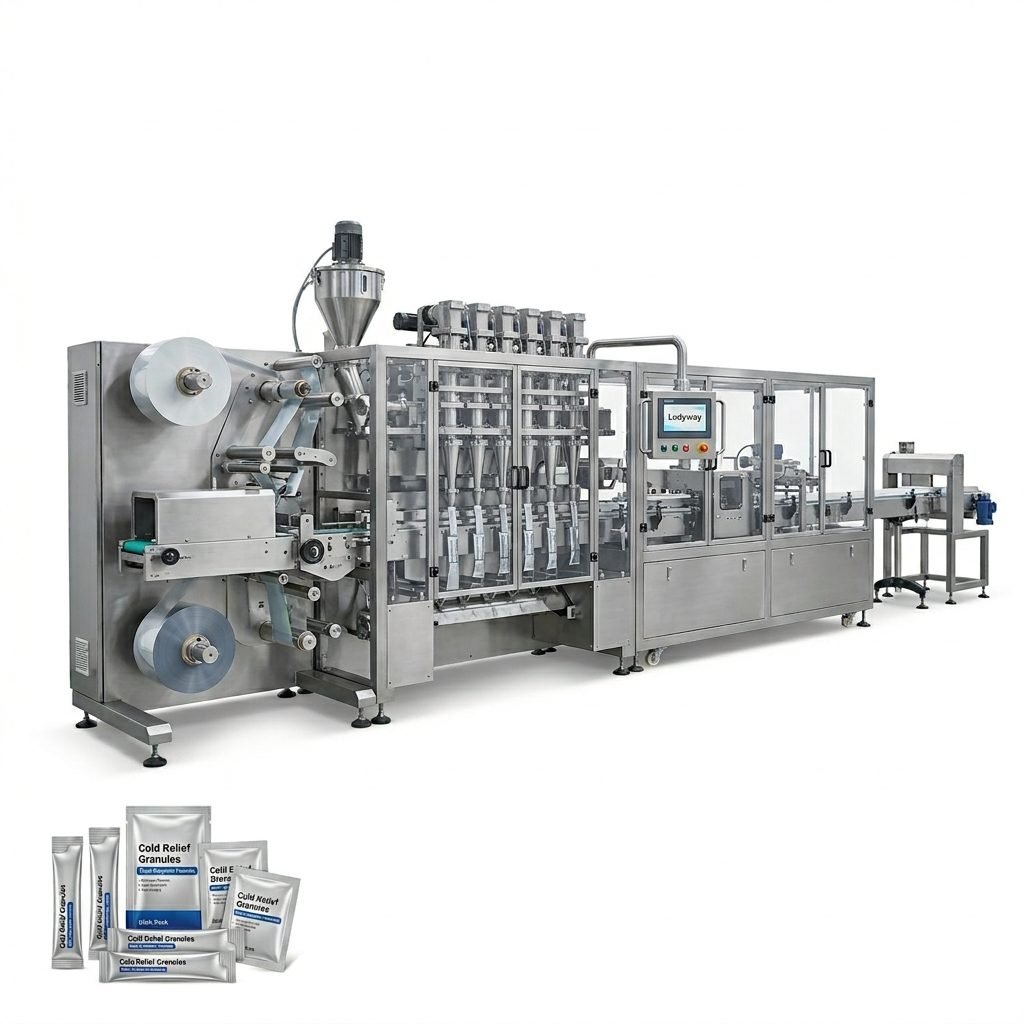
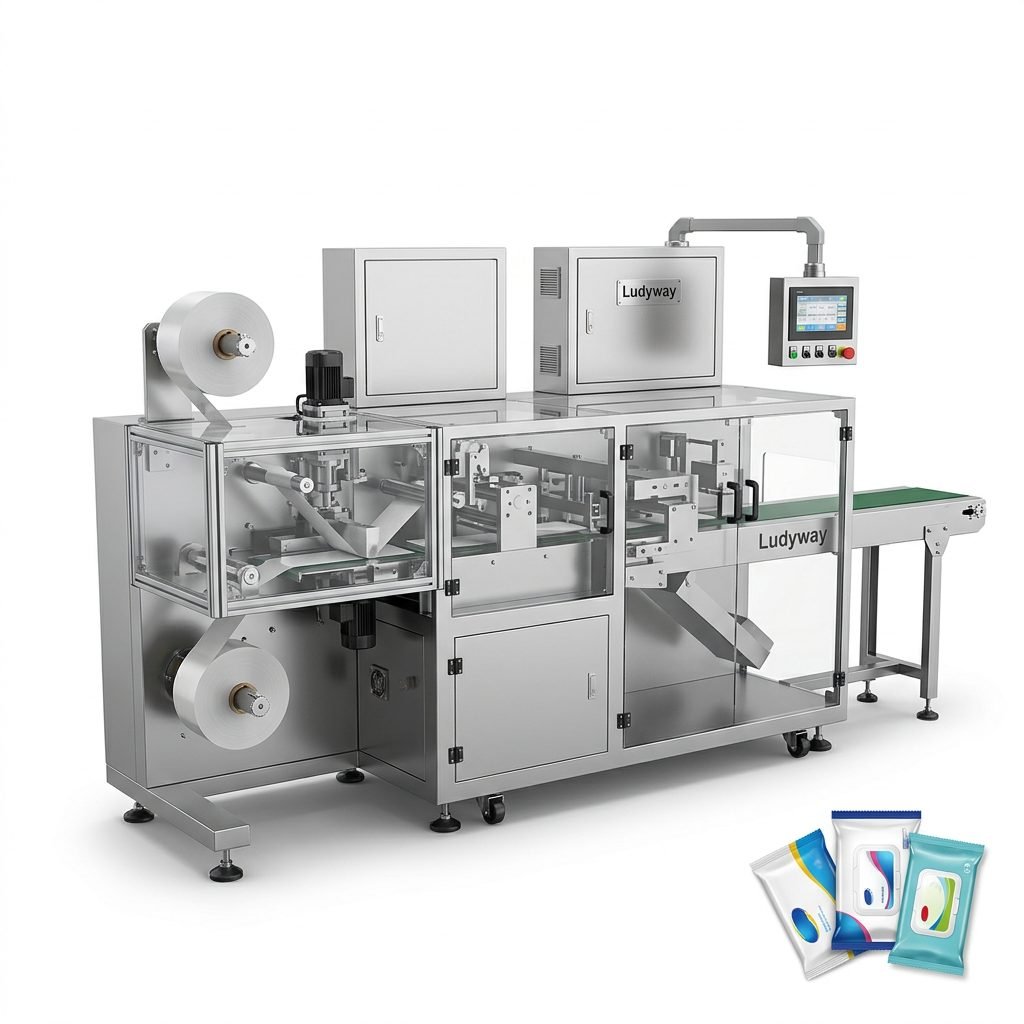
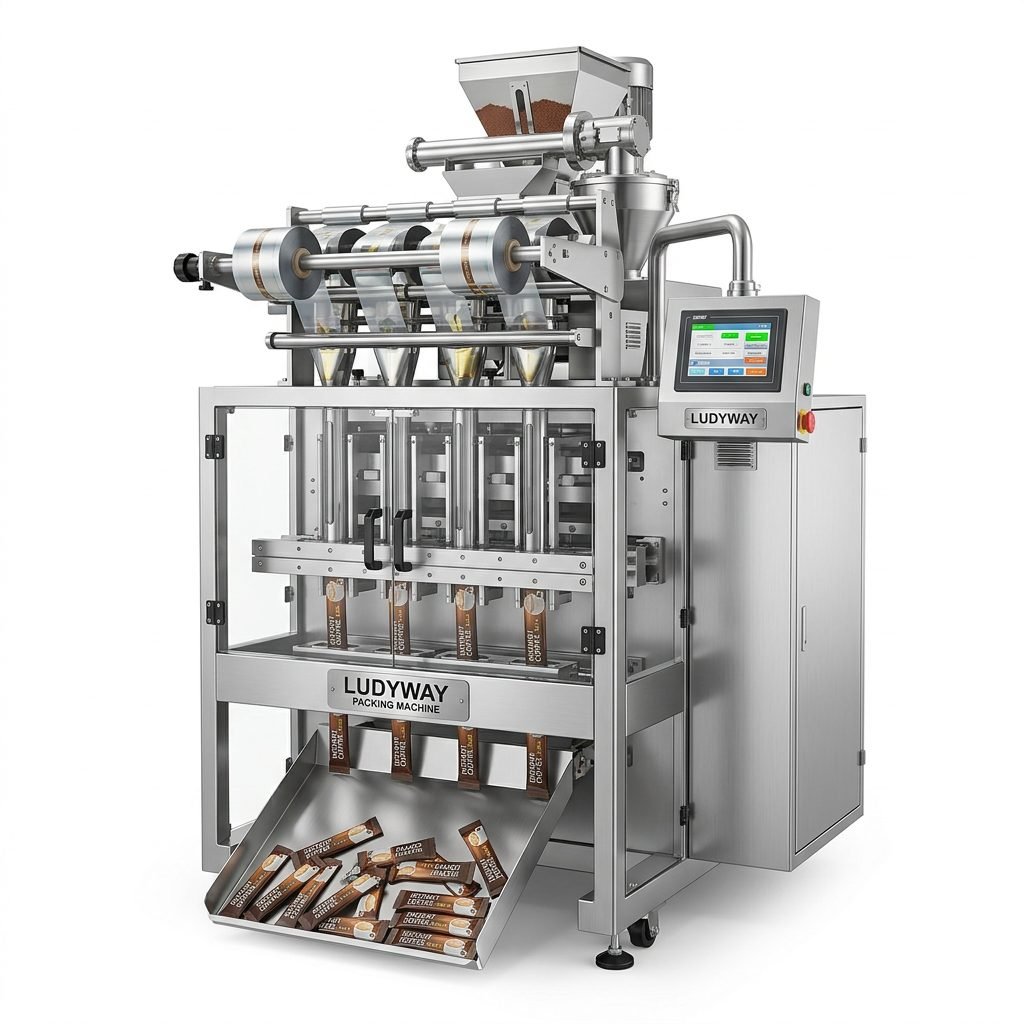
A nitrogen gas packaging machine is a critical asset for manufacturers in the food, pharmaceutical, and chemical industries. Proper maintenance ensures consistent product quality, extends equipment lifespan, and prevents costly downtime. This guide provides a structured approach to keeping your nitrogen packaging system running at peak performance.
Why Regular Maintenance Matters
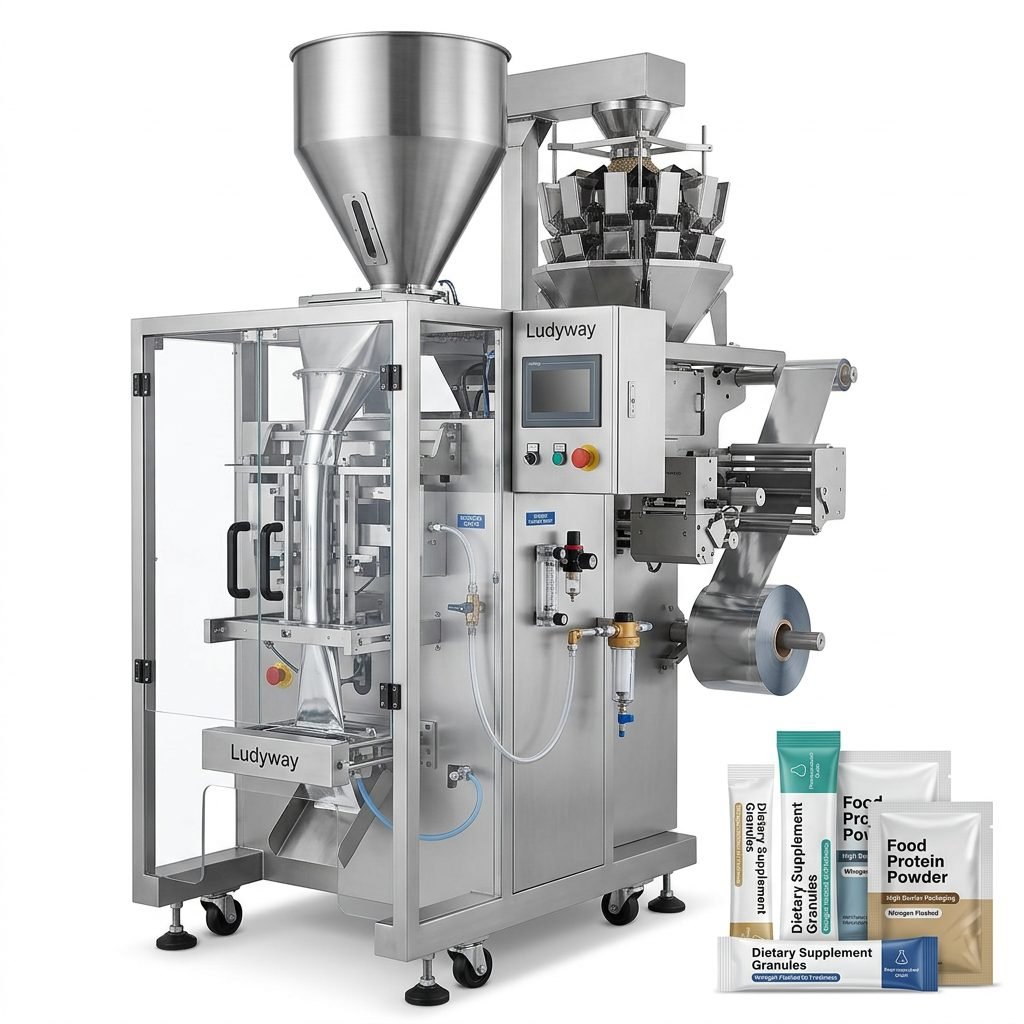
Skipping routine checks on a nitrogen packaging machine can lead to seal failures, gas leaks, and product spoilage. Even minor wear in sealing jaws or flow meters can cause oxygen to infiltrate the package, defeating the purpose of nitrogen flushing. A proactive maintenance schedule reduces unplanned repairs and keeps your packaging machinery operating within specification.
Daily Maintenance Checklist
Operators should perform a visual and functional inspection at the start of each shift. The following tasks form the foundation of daily care:
- Inspect all sealing surfaces for residue buildup or physical damage.
- Verify that nitrogen pressure gauges read within the recommended range.
- Check the oxygen analyzer readings to confirm proper gas flushing.
- Clean the forming tube and film path to remove dust and product particles.
- Listen for abnormal sounds from motors, pumps, and gas flow regulators.
- Ensure emergency stop buttons and safety sensors are functioning correctly.
Weekly Cleaning and Inspection
Beyond daily tasks, a more thorough weekly routine prevents gradual performance degradation. Focus on components that experience friction, heat, and gas exposure.
Sealing Jaw Maintenance
The sealing jaws are among the most wear-prone parts of any nitrogen packaging system. Remove any polymer residue using a soft brass brush or approved cleaning solvent. Inspect the Teflon coating—if peeling or discoloration is visible, schedule a replacement. Uneven sealing pressure indicates misalignment and must be corrected immediately.
Nitrogen Supply Line Check
Examine all gas hoses and connectors for leaks using a standard leak detection spray. A small leak can waste significant amounts of nitrogen and compromise package integrity. Tighten loose fittings and replace any cracked or brittle tubing. Verify that the flow meter responds smoothly to adjustments without sticking or fluctuating.
Critical Component Maintenance
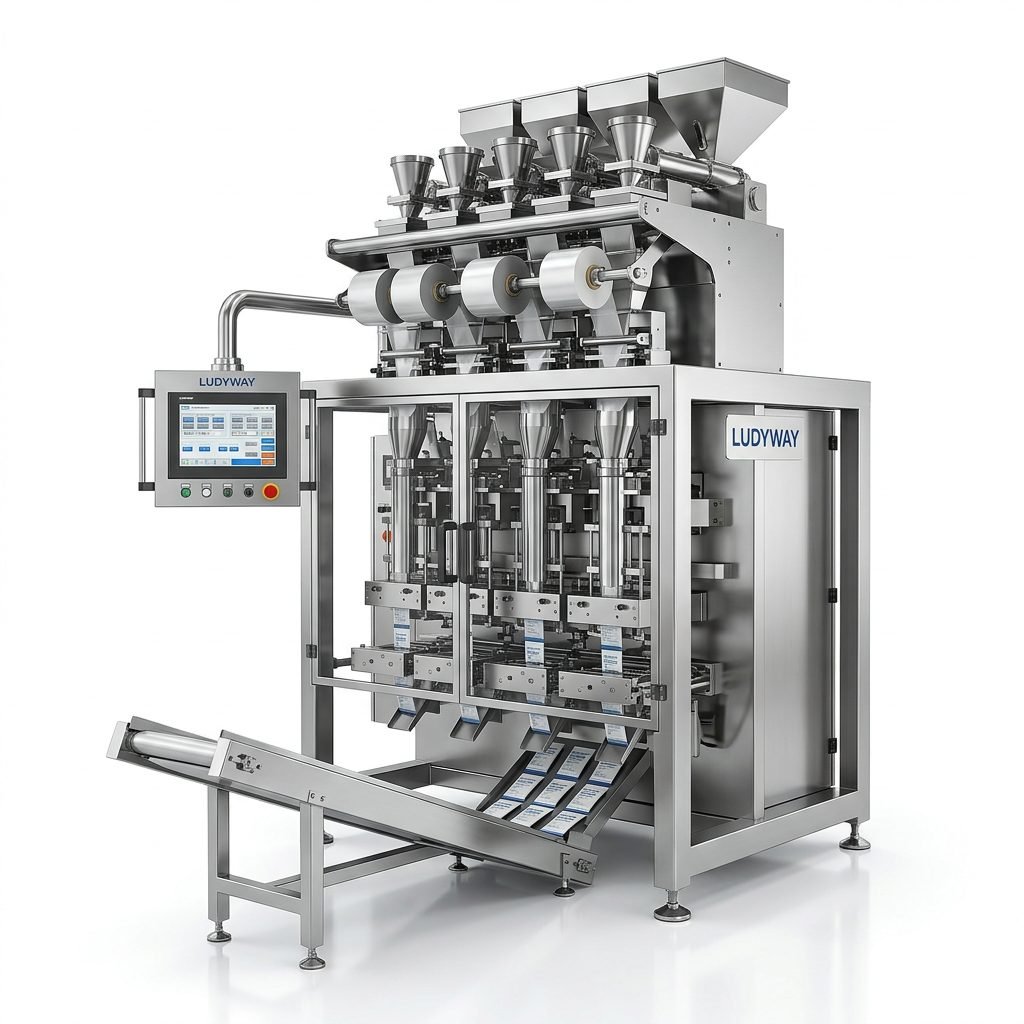
Several subsystems require periodic attention to maintain a reliable nitrogen gas packaging machine. Addressing these components on a scheduled basis prevents cascading failures.
Gas Flushing Nozzle Assembly
The nozzle that injects nitrogen into the package must remain unobstructed. Product dust or film fragments can partially block the orifice, reducing flushing efficiency. Remove and clean the nozzle weekly using compressed air and a lint-free cloth. Confirm that the nozzle retracts properly and does not contact the sealing area during operation.
Film Transport and Tension Control
Inconsistent film tension causes wrinkles, misalignment, and poor seals. Check the unwind assembly, dancer arms, and drive rollers for smooth movement. Replace worn rubber rollers that have lost grip. Calibrate the tension control system according to the packaging machinery standards provided by industry authorities to ensure repeatable film feeding.
Oxygen Sensor Calibration
The oxygen analyzer is the feedback mechanism that confirms nitrogen flushing effectiveness. Calibrate the sensor monthly using certified calibration gas. Record baseline readings during normal operation so deviations are quickly identified. A drifting sensor can give false confidence while product quality silently deteriorates.
Common Troubleshooting Scenarios
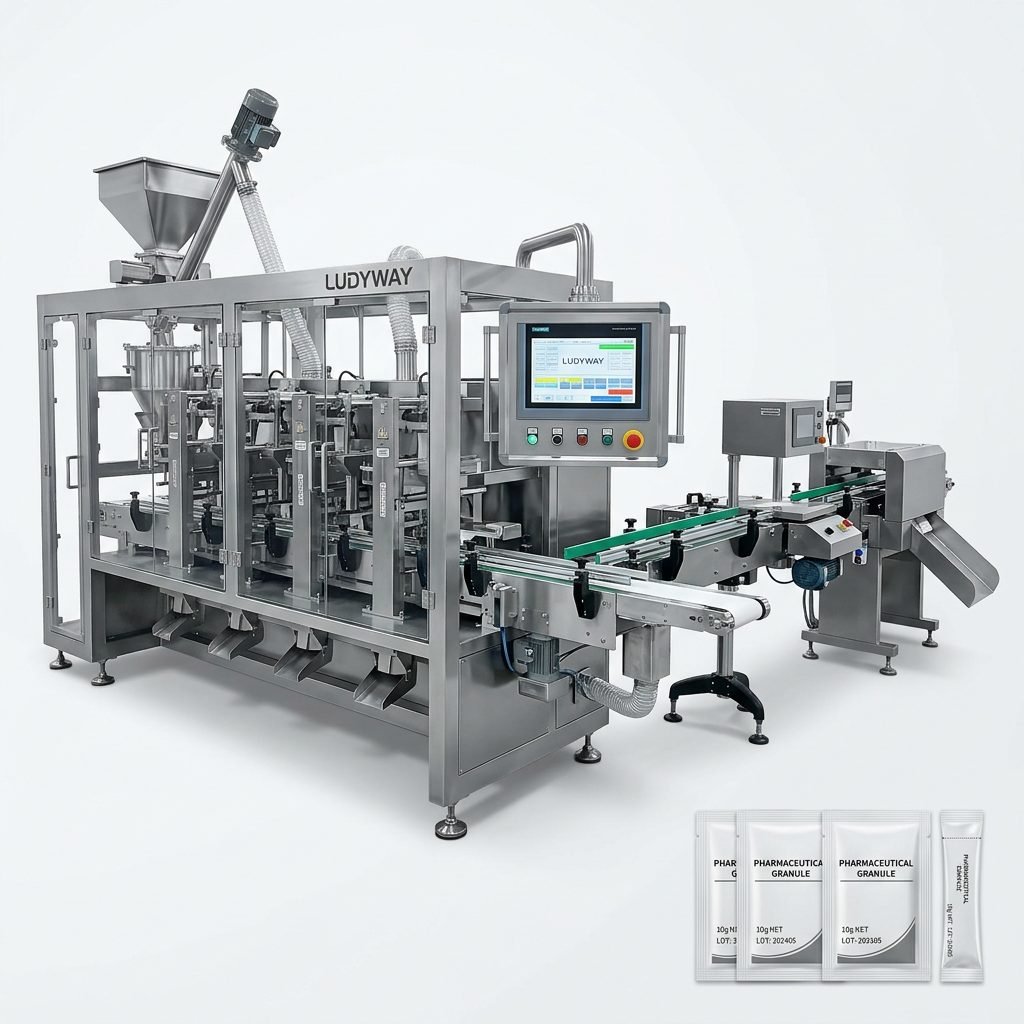
When performance issues arise, systematic diagnosis saves time and prevents unnecessary part replacement. Below is a reference table for frequent problems encountered with nitrogen packaging equipment.
| Symptom | Possible Cause | Recommended Action |
|---|---|---|
| High residual oxygen in packages | Clogged nozzle, low nitrogen flow, or worn seals | Clean nozzle, verify gas supply, inspect sealing jaws |
| Intermittent seal failures | Temperature fluctuation, contaminated jaws, film issues | Calibrate temperature controller, clean jaws, check film quality |
| Excessive nitrogen consumption | Gas leaks in supply line or regulator malfunction | Perform leak test, service or replace regulator |
| Film tracking off-center | Misaligned rollers, uneven tension, worn bearings | Realign rollers, adjust tension, replace bearings |
| Unusual vibration or noise | Loose mounting bolts, worn drive belts, bearing failure | Tighten fasteners, inspect belts, check bearing condition |
Preventive Maintenance Schedule
Implementing a structured preventive maintenance program is the most effective way to protect your investment in nitrogen packaging technology. The schedule below outlines recommended intervals for key activities.
| Interval | Maintenance Task | Responsible Party |
|---|---|---|
| Daily | Clean sealing surfaces, check gas levels, inspect film path | Machine Operator |
| Weekly | Deep clean jaws, check hoses for leaks, inspect rollers | Maintenance Technician |
| Monthly | Calibrate oxygen sensor, lubricate moving parts, check belt tension | Maintenance Technician |
| Quarterly | Replace worn Teflon coatings, service gas regulators, inspect electrical connections | Qualified Engineer |
| Annually | Complete machine overhaul, replace bearings and seals, recalibrate all sensors | Manufacturer or Authorized Service Provider |
Best Practices for Long-Term Performance
Adopting these operational habits will significantly extend the service life of your nitrogen gas packaging machine:
- Always use high-quality packaging films compatible with nitrogen flushing.
- Maintain a clean production environment to minimize dust contamination.
- Train operators thoroughly on proper startup, shutdown, and emergency procedures.
- Keep detailed maintenance logs to track recurring issues and part replacements.
- Stock critical spare parts—sealing jaws, Teflon tape, sensors, and gas regulators.
- Follow the ISO packaging standards for quality management and safety compliance.
When to Seek Professional Support
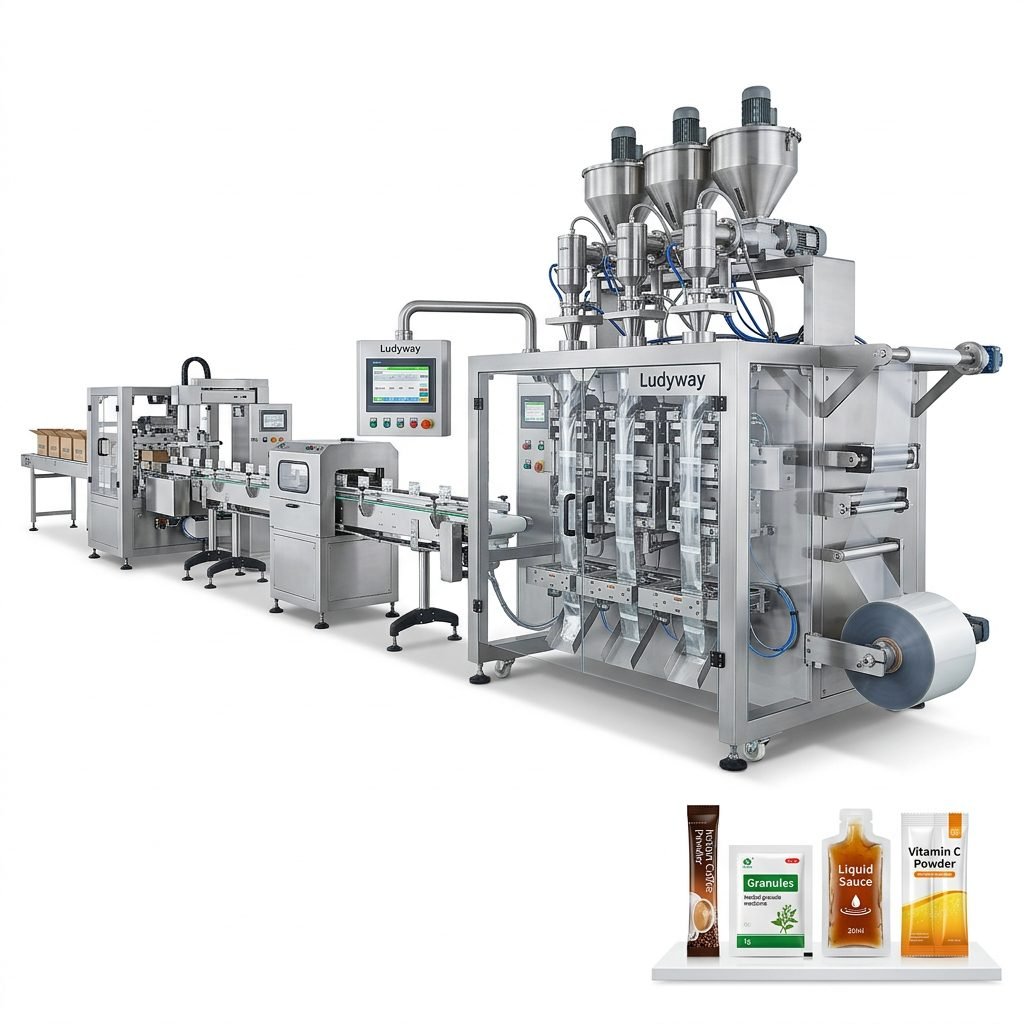
While routine maintenance can be handled in-house, certain situations require expert intervention. If you encounter persistent oxygen ingress despite proper calibration, complex electrical faults, or mechanical wear beyond component replacement, it is time to consult the equipment manufacturer. Providers like Ludyway, one of the largest packaging machine manufacturers in China with over 30 years of industry experience and a modern 20,000㎡ production facility, offer comprehensive technical support and genuine spare parts for their advanced packaging equipment. Their engineering team can diagnose complex issues, perform factory-level recalibration, and provide customized maintenance contracts tailored to high-volume production environments.
Conclusion
Maintaining a nitrogen gas packaging machine is not merely about fixing problems when they occur—it is about building a culture of proactive care. Daily operator inspections, weekly deep cleaning, monthly sensor calibration, and annual professional overhauls form a comprehensive strategy that protects product quality and maximizes return on investment. By following the guidelines outlined in this article, manufacturers can achieve consistent packaging integrity, reduce nitrogen waste, and extend the operational life of their equipment. Invest the time in maintenance today to avoid the cost of failure tomorrow.