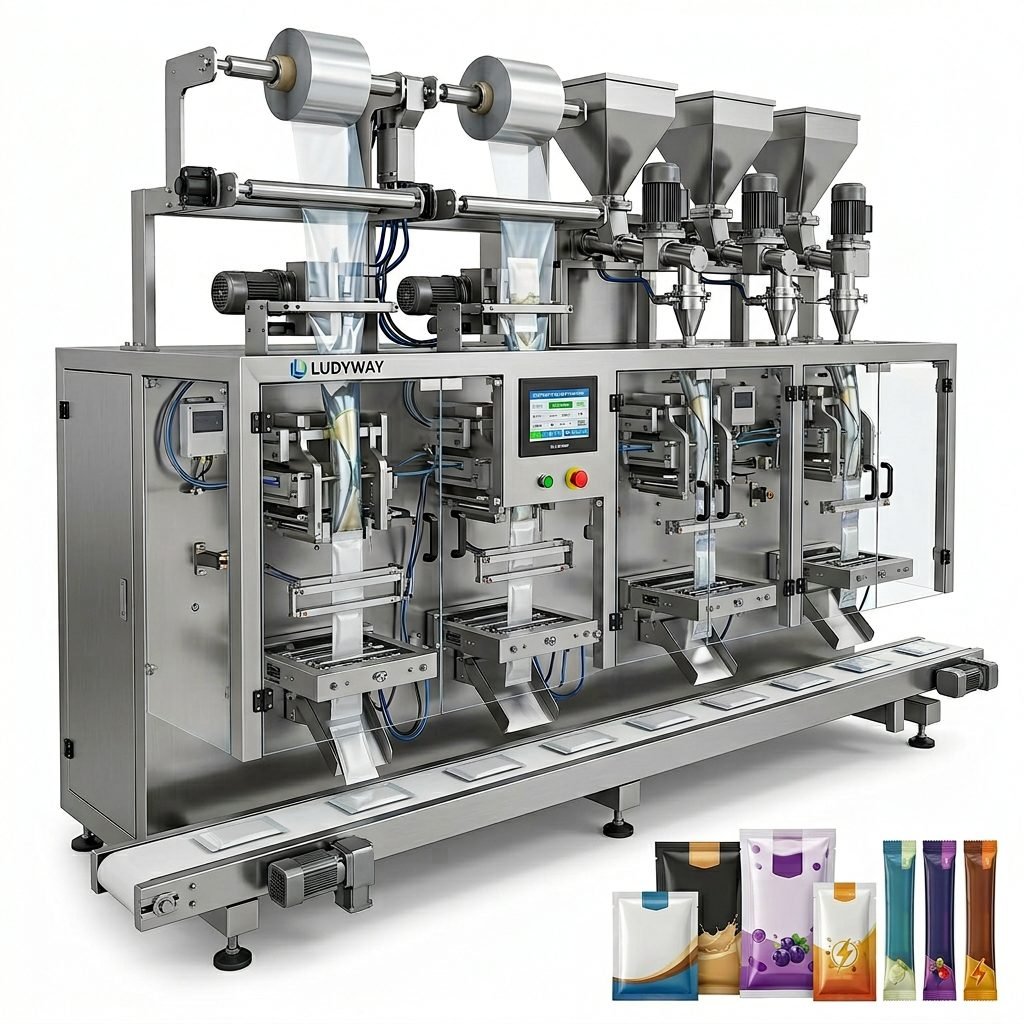
Investing in a tea and chili powder packing machine is a significant decision for any food processing or packaging business. The cost varies widely depending on automation level, speed, and configuration. Understanding the pricing landscape helps you make an informed purchase that balances budget with long-term productivity.

Key Factors That Influence Packaging Machine Costs
Several variables determine the final price of a tea and chili powder packing machine. Understanding these factors enables you to evaluate quotes more effectively and avoid paying for features you do not need.
- Automation Level: Semi-automatic machines cost less than fully automated systems with integrated packaging lines that handle filling, sealing, and coding in one process.
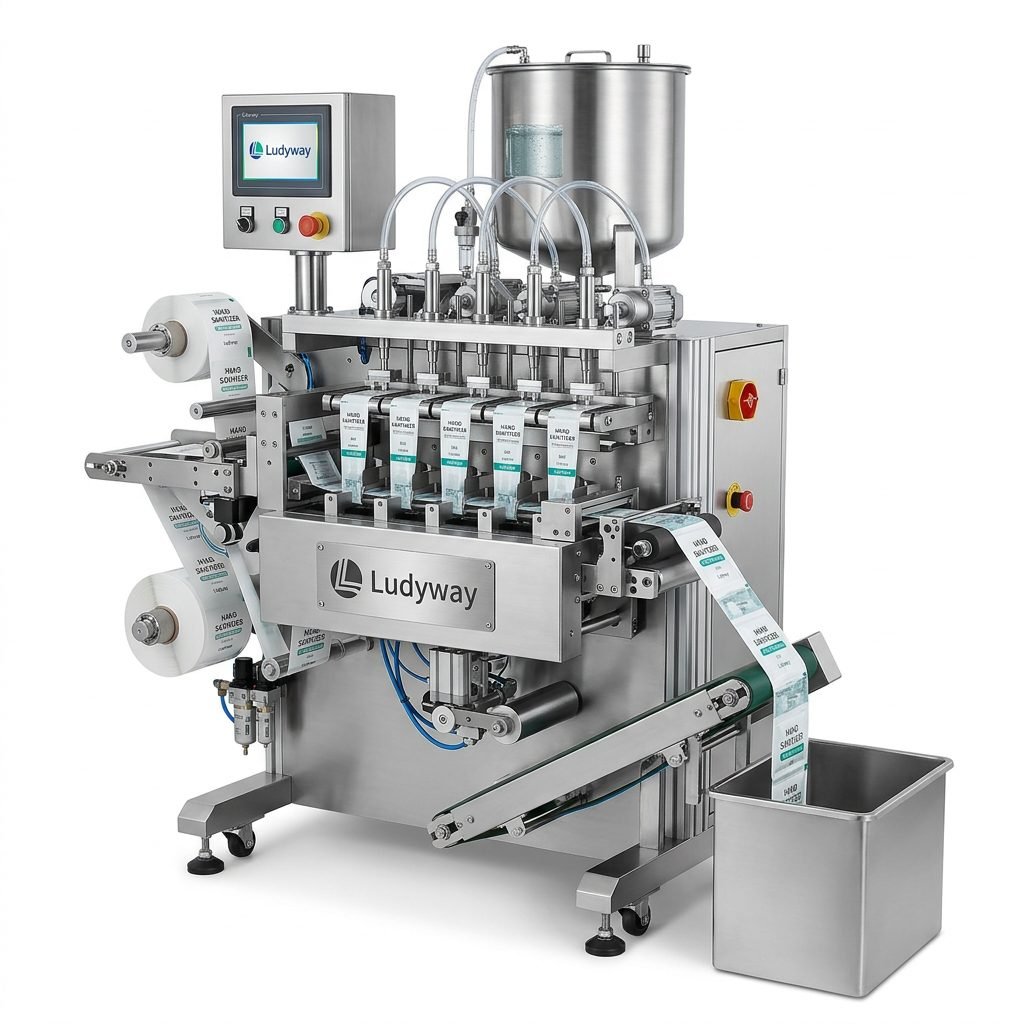
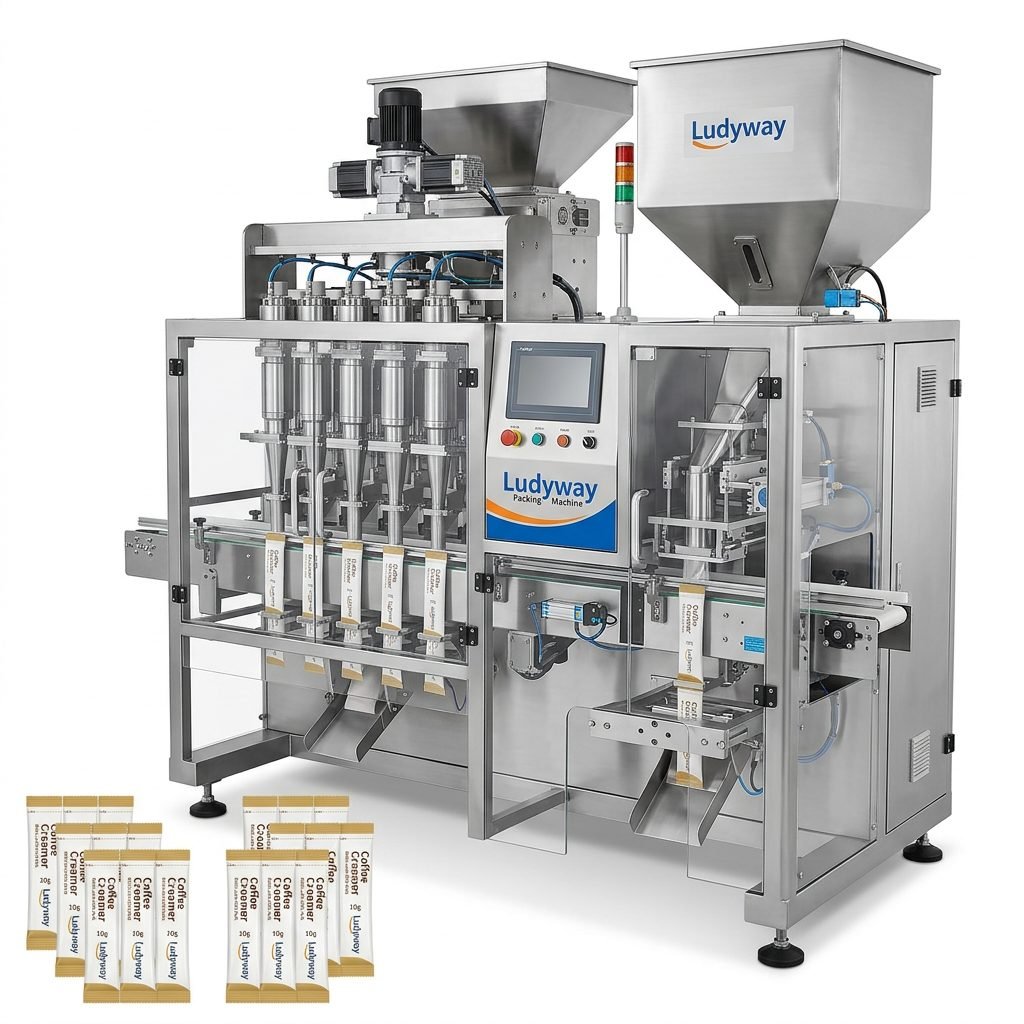
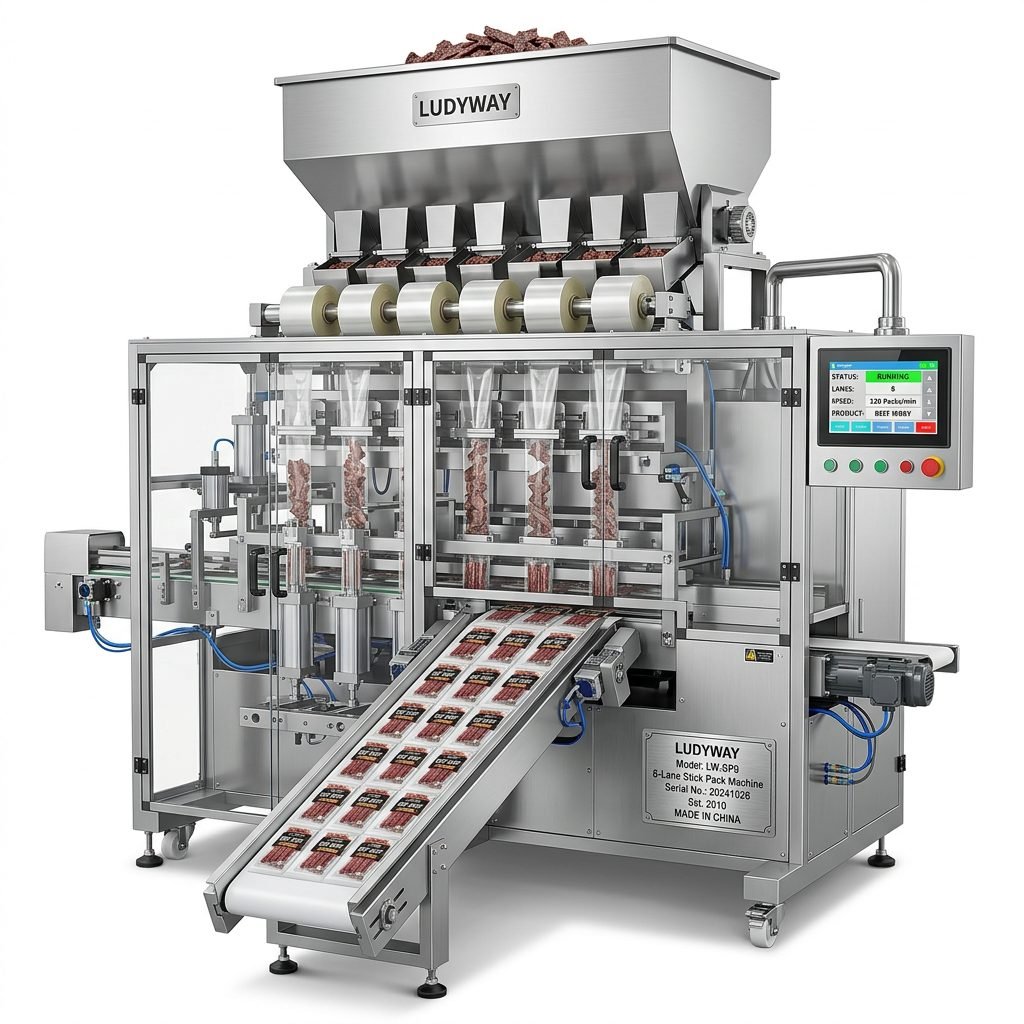
- Number of Lanes: Single-lane machines are entry-level, while multi-lane stick pack and sachet systems significantly increase output—and price.
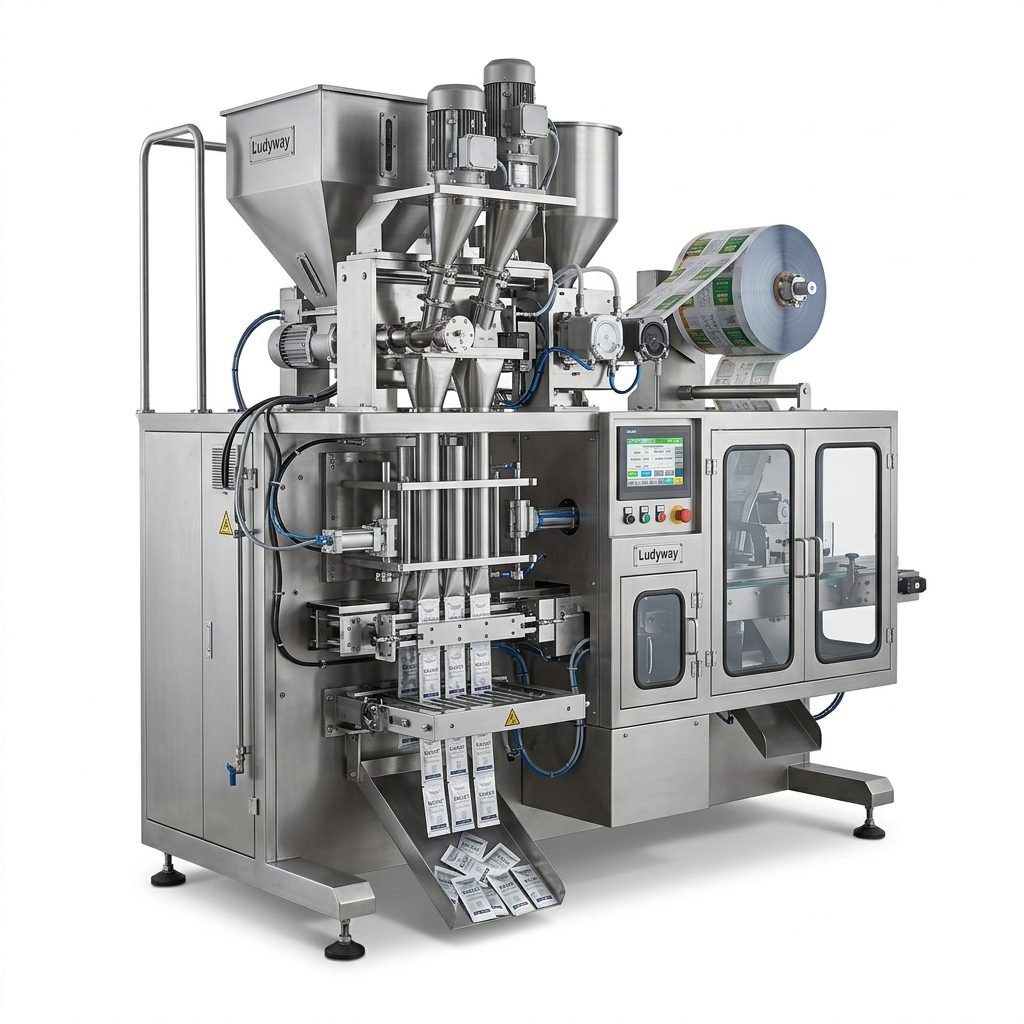
- Filling Mechanism: Auger fillers for fine powders like chili cost more than volumetric cup fillers for granular tea leaves.
- Construction Material: Stainless steel 304 or 316L food-grade builds are pricier but essential for hygiene compliance.
- Additional Modules: Nitrogen flushing, checkweighers, coding printers, and turnkey conveying systems all add to the total investment.
- After-Sales Support: Machines backed by comprehensive warranty and global technical support may command a premium but reduce long-term risk.
Price Range Overview by Machine Type
The table below provides a general pricing framework for tea and chili powder packaging equipment across different configurations. Actual prices depend on specifications, capacity, and optional features.
| Machine Type | Automation Level | Estimated Price Range (USD) | Best For |
|---|---|---|---|
| Single-Lane Sachet Packer | Semi-Automatic | $5,000 – $15,000 | Small-scale production, startups |
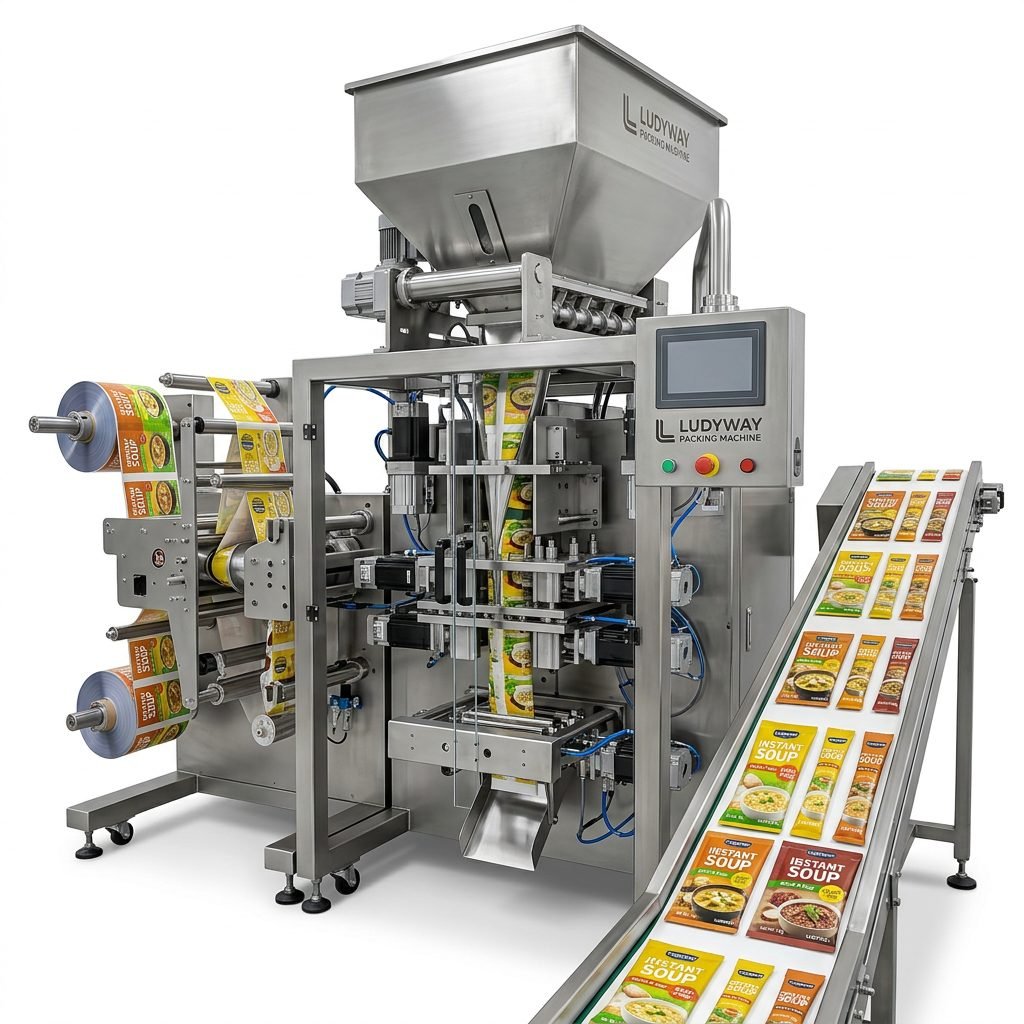
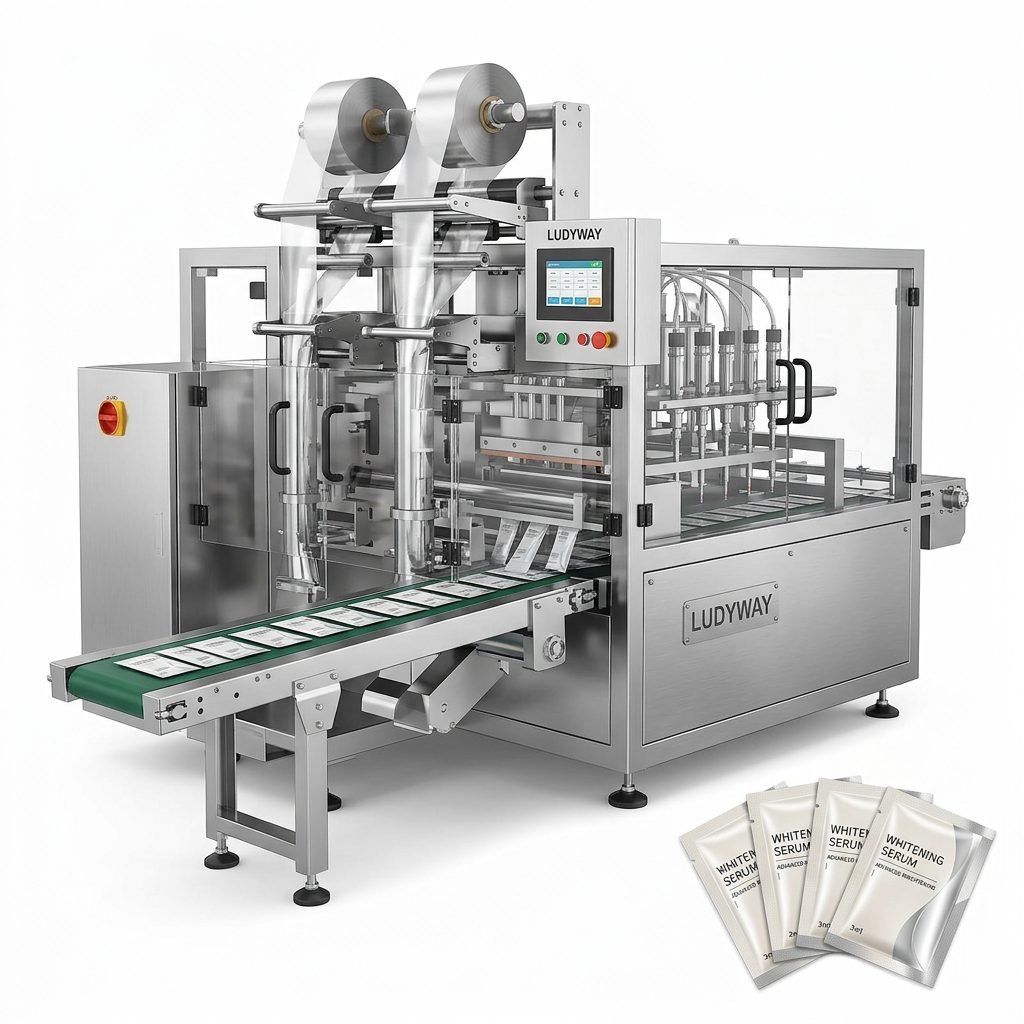
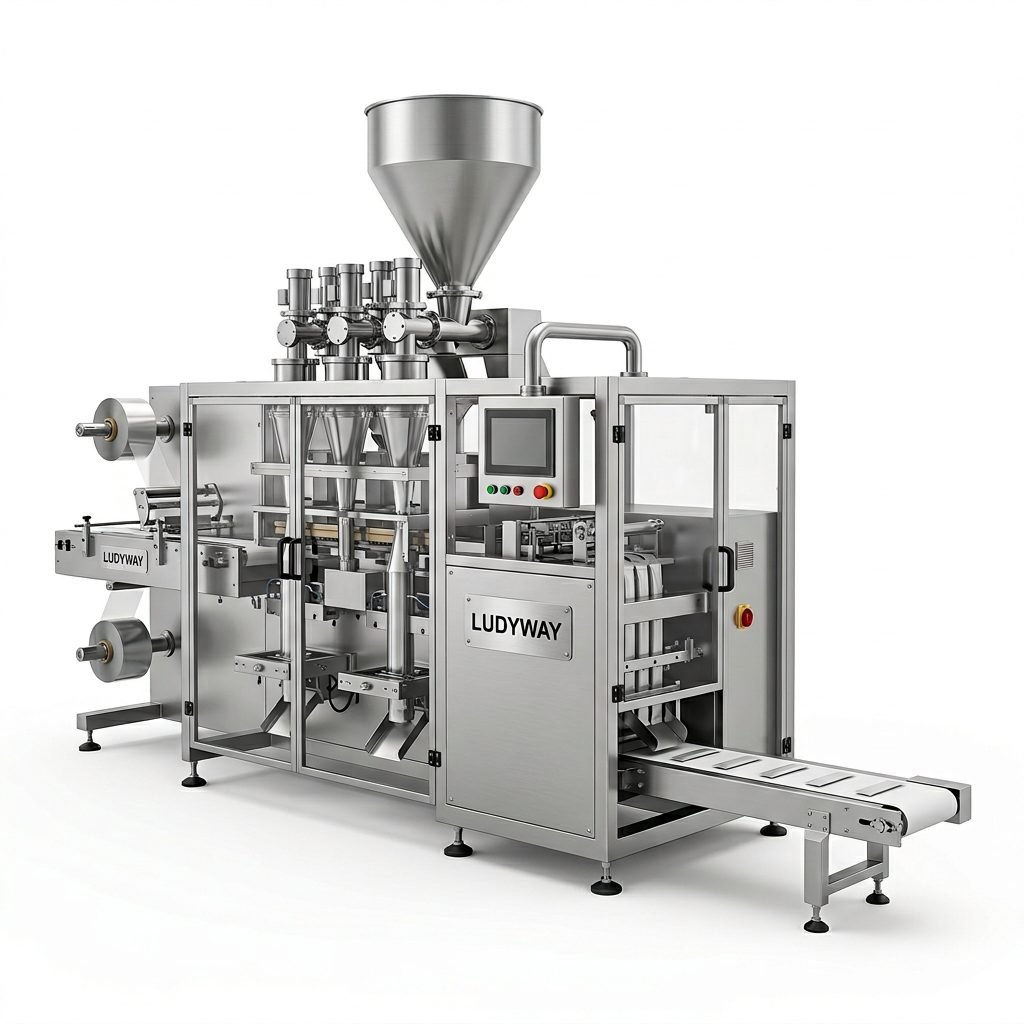
| Multi-Lane Stick Pack Machine (4–6 lanes) | Fully Automatic | $25,000 – $60,000 | Medium-scale tea and spice packing |
| High-Speed Multi-Lane System (8–12 lanes) | Fully Automatic with Servo Drive | $60,000 – $150,000 | Large-volume manufacturers |
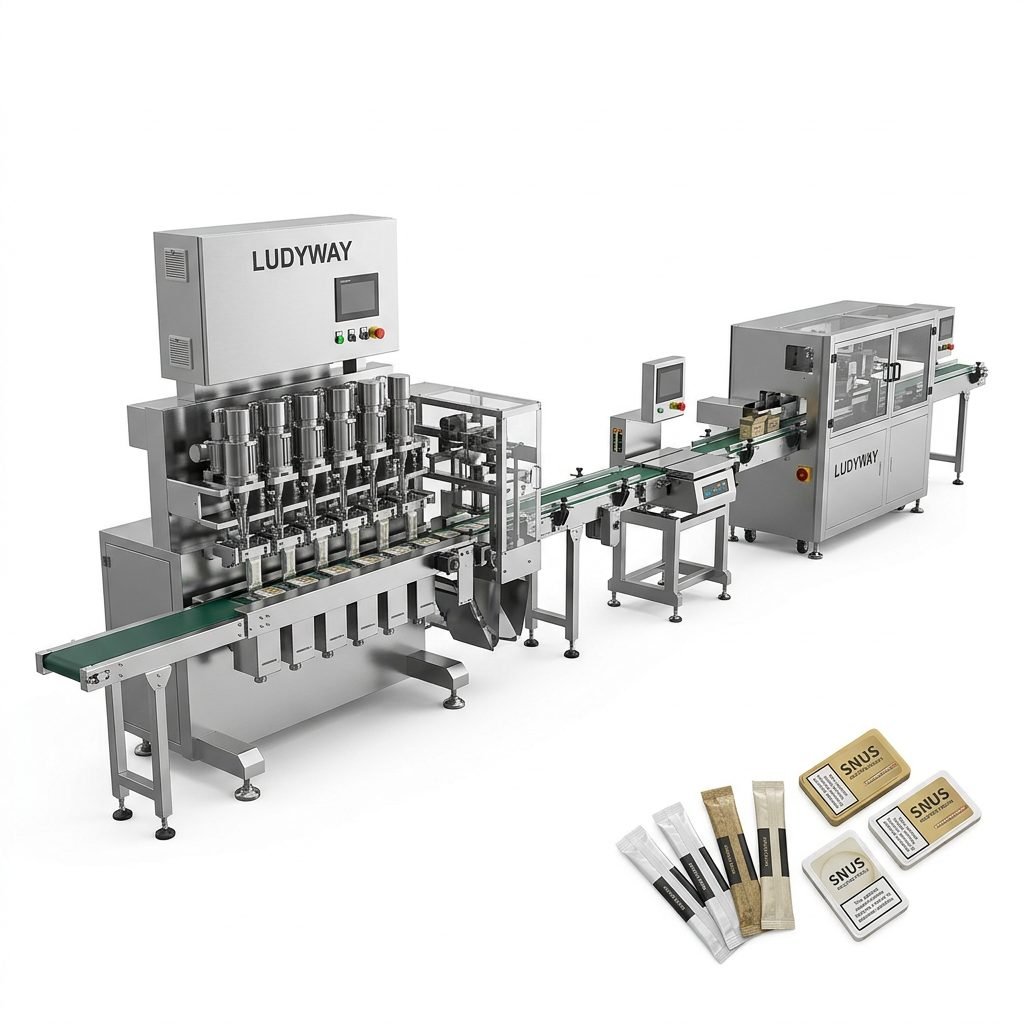
| Complete Turnkey Packaging Line | Fully Automated with Conveyors & Cartoning | $150,000 – $500,000+ | Industrial-scale export-oriented operations |
| Rotary Premade Pouch Packer | Automatic | $30,000 – $90,000 | Flexible pouch formats for retail |
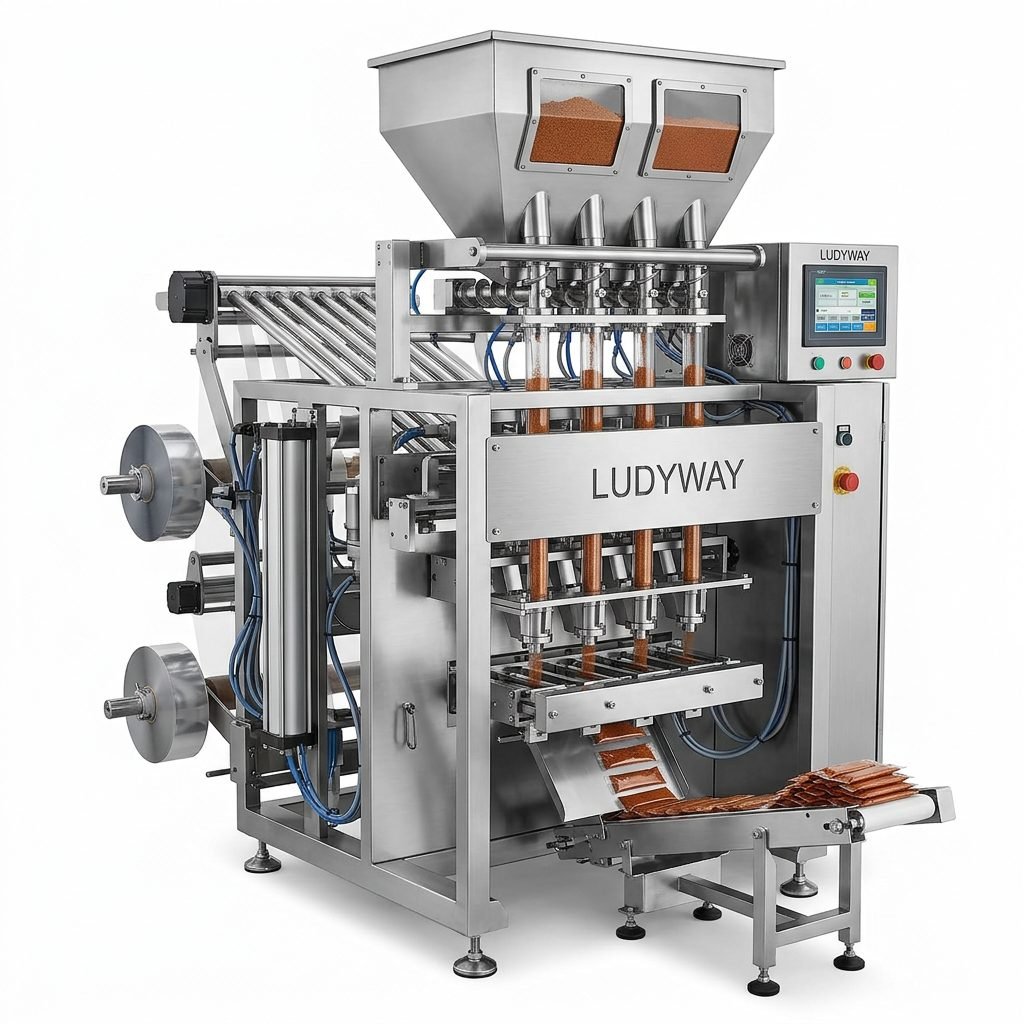
Tea vs. Chili Powder: Why Product Characteristics Matter for Machine Selection
Tea leaves and chili powder have fundamentally different physical properties, which directly impacts the type of packaging machine required and its cost.
Tea Packaging Considerations
- Tea granules and leaves are fragile and irregular in shape, requiring gentle handling and specialized feeding systems.
- Moisture sensitivity demands optional nitrogen flushing to preserve freshness and aroma.
- Tea dust generation during filling may necessitate dust collection systems for clean operation.
- Stick pack and sachet formats are popular for single-serve tea portions.
Chili Powder Packaging Requirements
- Chili powder is a fine, dusty, and sometimes oily material that requires auger-based filling for accuracy.
- The product’s hygroscopic nature calls for sealed packaging environments to prevent clumping.
- Spice oils can cause film sealing issues if not properly managed, requiring specialized sealing jaws.
- Multi-lane sachet machines are commonly deployed for high-volume chili powder portion packs.
New vs. Used Packaging Machines: Cost Comparison
Budget-conscious buyers often consider used or refurbished packaging equipment. While the upfront savings can be substantial—often 40% to 60% less than new machines—there are trade-offs to evaluate.
| Criteria | New Machine | Used Machine |
|---|---|---|
| Initial Cost | Higher | 40%–60% lower |
| Warranty | 12–24 months standard | Limited or none |
| Technology | Latest servo-driven controls | May lack modern features |
| Spare Parts Availability | Guaranteed | Variable; depends on model age |
| Compliance | Meets current FDA and ISO standards | May need retrofitting |

Hidden Costs to Consider Before Purchasing
Beyond the machine price tag, several auxiliary expenses can impact your total investment. Budgeting for these ensures no surprises during installation and operation.
- Shipping and Logistics: International freight for heavy packaging equipment can add $2,000 to $10,000+ depending on destination.
- Installation and Commissioning: On-site setup by factory engineers may cost between $1,500 and $5,000 plus travel expenses.
- Operator Training: Comprehensive training programs ensure efficient operation and reduce downtime during the learning curve.
- Spare Parts Inventory: Maintaining critical spares like sealing jaws, belts, and sensors adds roughly 10%–15% to the initial equipment cost.
- Facility Modifications: Electrical upgrades, compressed air lines, and dust extraction systems may be required before installation.
- Compliance Certification: Some markets require PMMI-recognized or CE-certified equipment, which can affect pricing.
How to Evaluate a Supplier’s Quotation
When comparing quotes from different packaging machine manufacturers, look beyond the bottom-line figure. A detailed quotation should include:
- Itemized breakdown of machine modules, conveyors, and optional accessories
- Warranty terms including coverage period and scope of after-sales service
- Delivery timeline and installation support provisions
- Technical documentation including electrical schematics and maintenance manuals
- Training packages and ongoing technical support availability
- Compatibility with existing production line infrastructure
A reputable manufacturer with over 30 years of industry experience and a modern 20,000㎡ production facility—such as Ludyway—can provide comprehensive turnkey solutions that address these factors while delivering reliable, high-performance equipment to customers in over 100 countries.
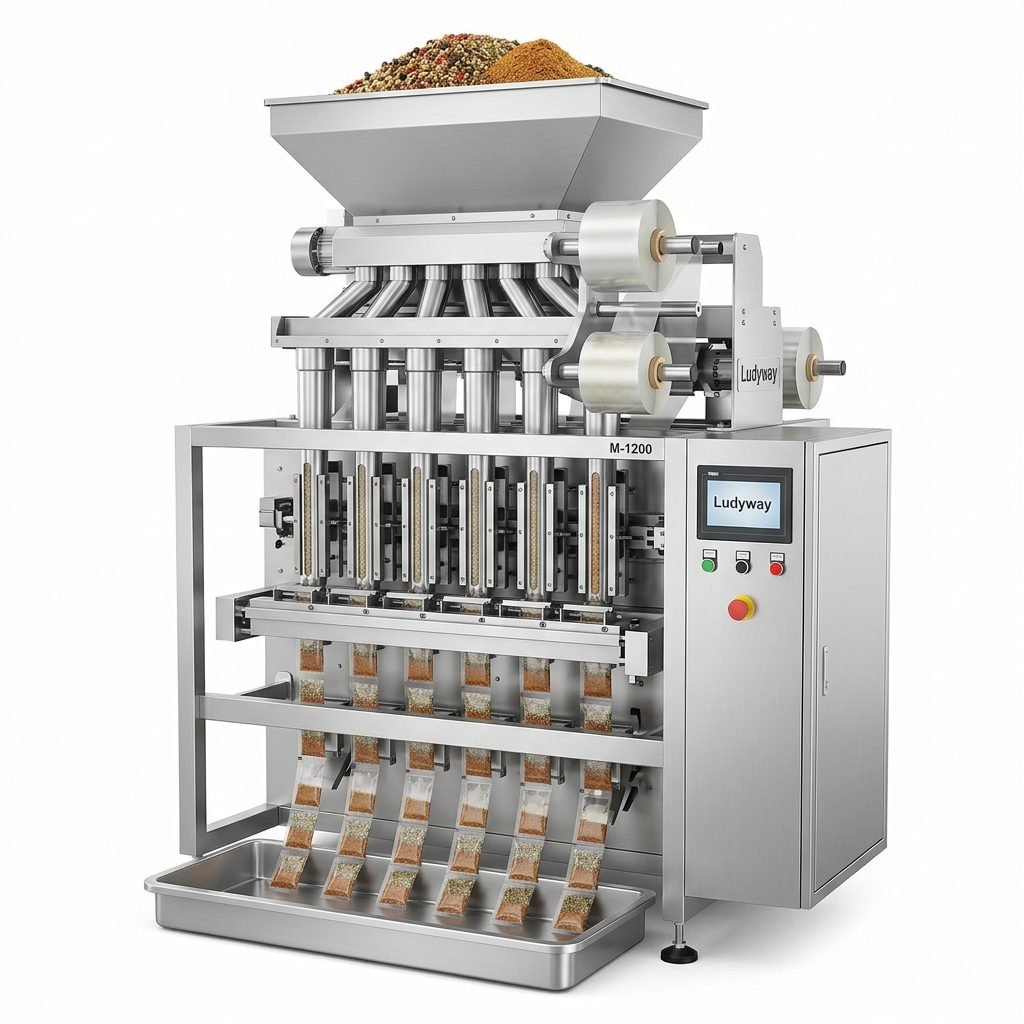
Return on Investment: When Does a Packaging Machine Pay for Itself?
Calculating ROI for packaging equipment depends on production volume, labor savings, and reduced material waste. Here is a simplified framework:
- Labor Cost Reduction: Replacing 3–5 manual workers with one automated line can save $30,000–$80,000 annually depending on local wages.
- Increased Throughput: A multi-lane stick pack machine can produce 200–400 packs per minute, dramatically scaling output without proportional cost increases.
- Material Savings: Precision filling reduces product giveaway by 1%–3%, which translates to significant savings at high volumes.
- Typical Payback Period: Most tea and chili powder packaging machines achieve full ROI within 12 to 36 months under normal production conditions.
Industry Standards and Quality References
Before finalizing a purchase, it is wise to review relevant packaging industry standards. Organizations such as the PMMI Business Intelligence Library and the Flexible Packaging Association provide valuable market data and regulatory guidance. Additionally, ISO packaging standards and FDA food contact regulations are essential references for ensuring your equipment meets international compliance requirements.
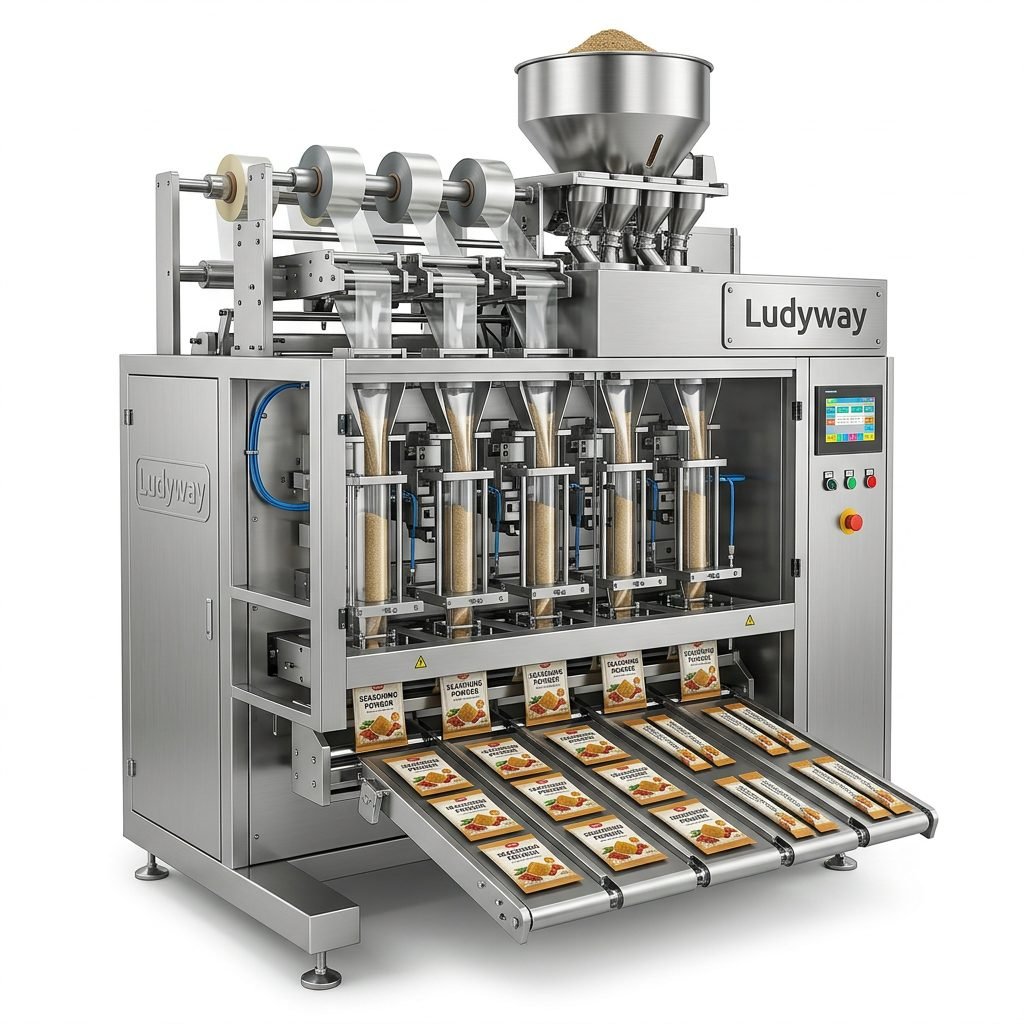
Final Thoughts on Tea and Chili Powder Packing Machine Investment
The cost of a tea and chili powder packing machine represents more than a line item on a capital expenditure sheet—it is an investment in production efficiency, product consistency, and market competitiveness. By carefully evaluating your specific requirements, comparing machine configurations, and partnering with an experienced supplier, you can secure equipment that delivers reliable performance and strong returns for years to come.
For businesses seeking comprehensive packaging solutions, exploring advanced multi-lane packaging systems and industry growth trends can offer valuable perspective on the evolving packaging machinery landscape and what to expect in terms of pricing, technology, and after-sales support.