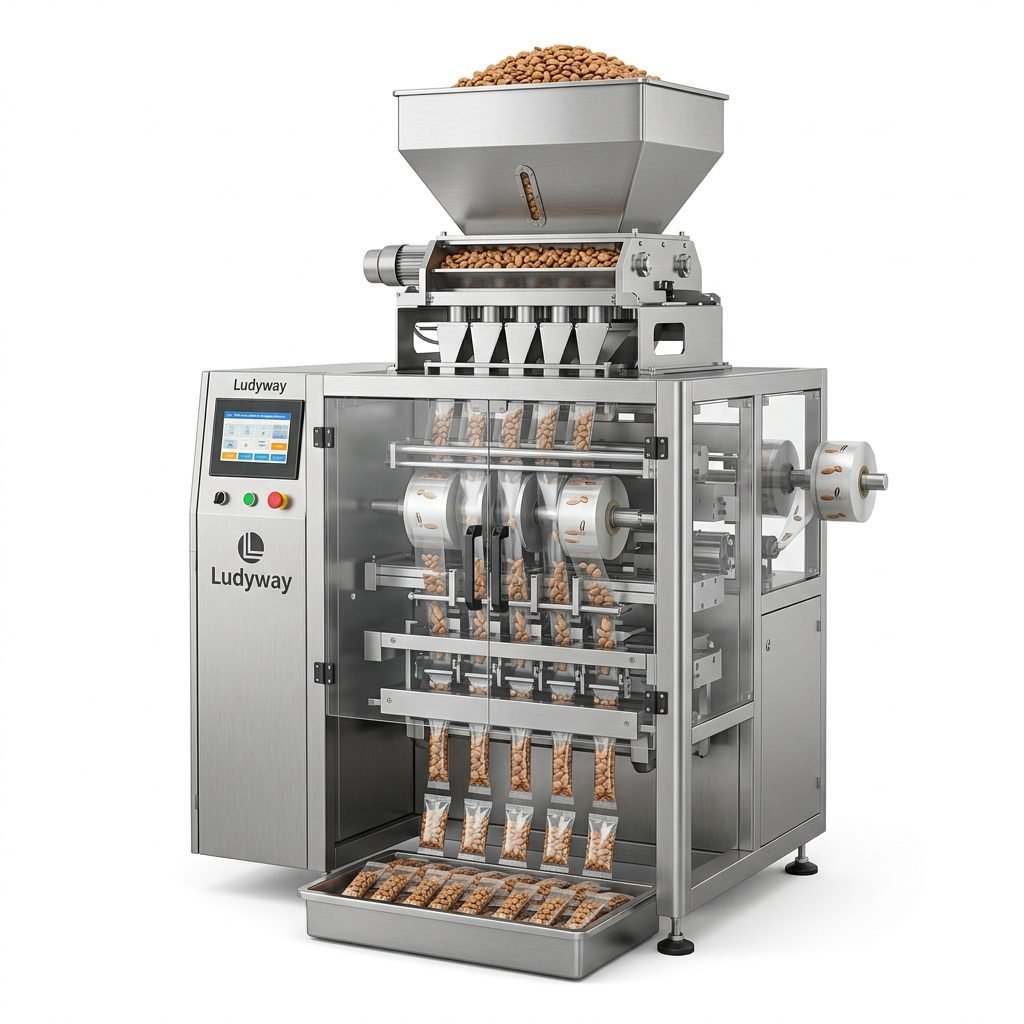
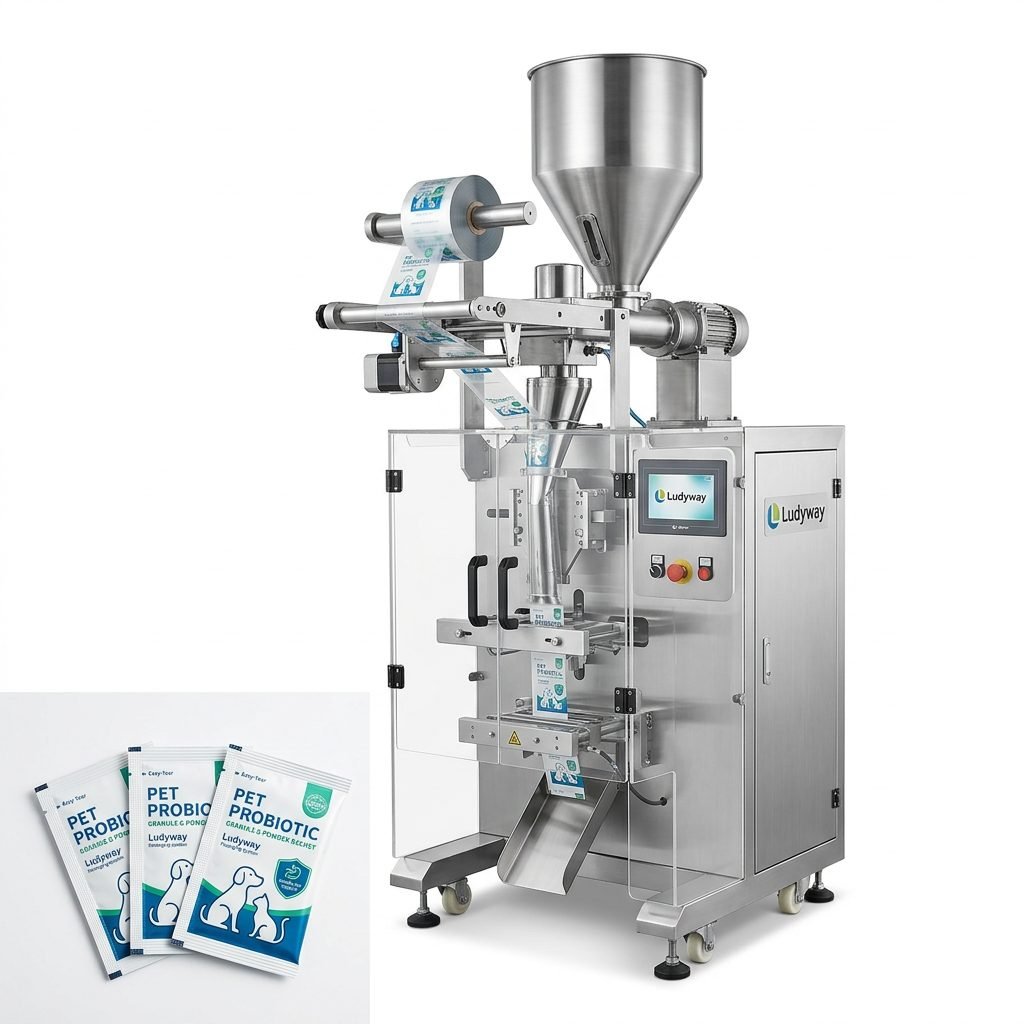
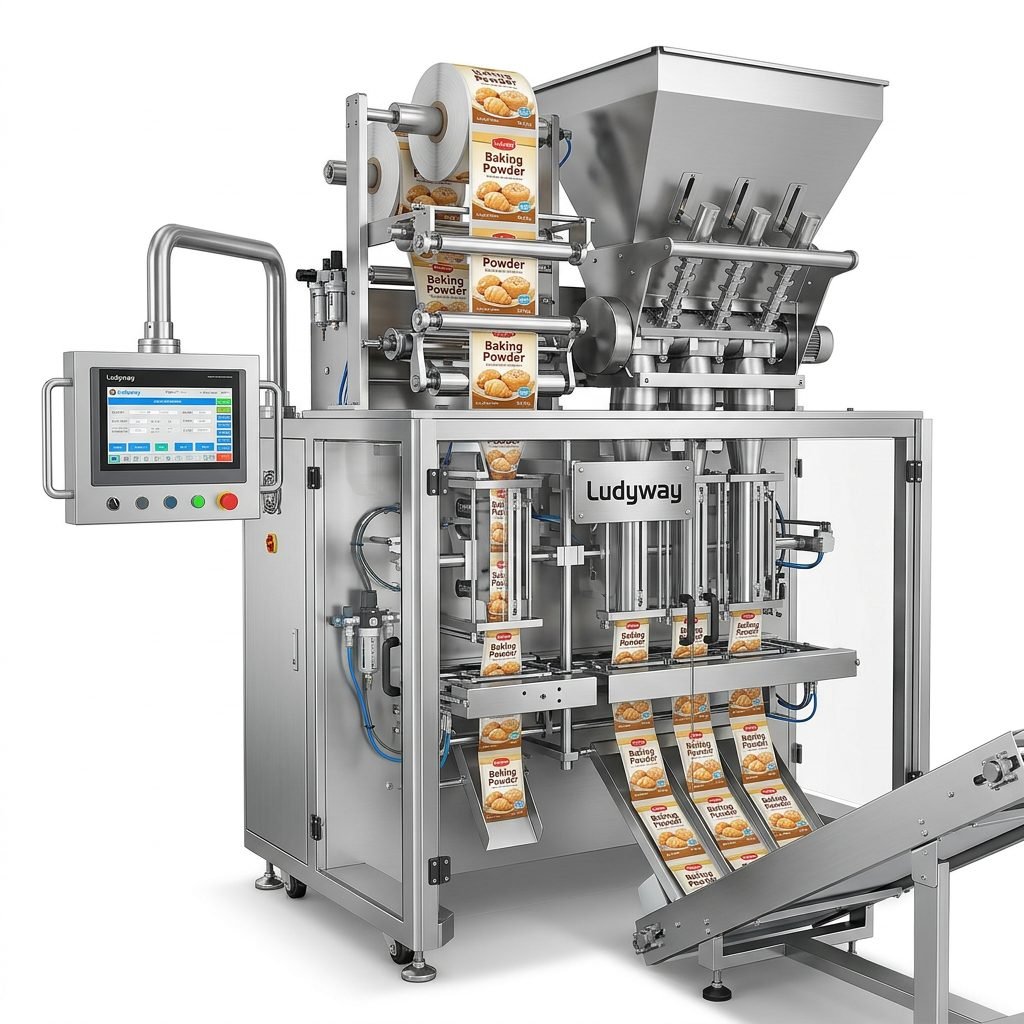
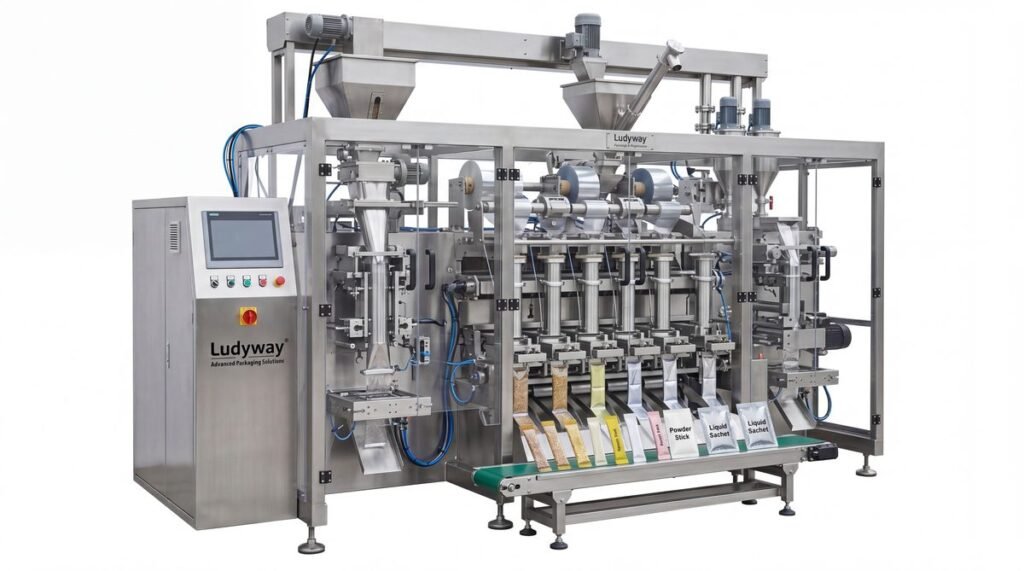
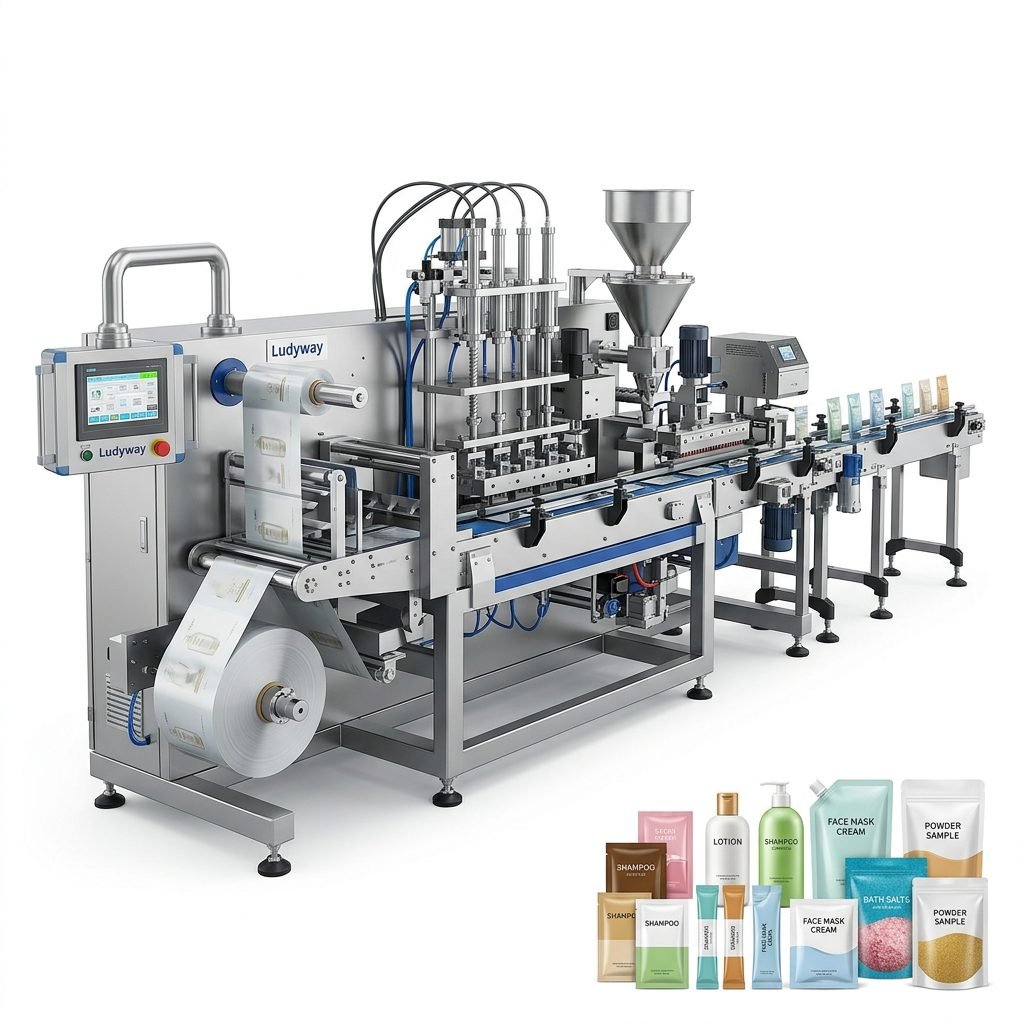
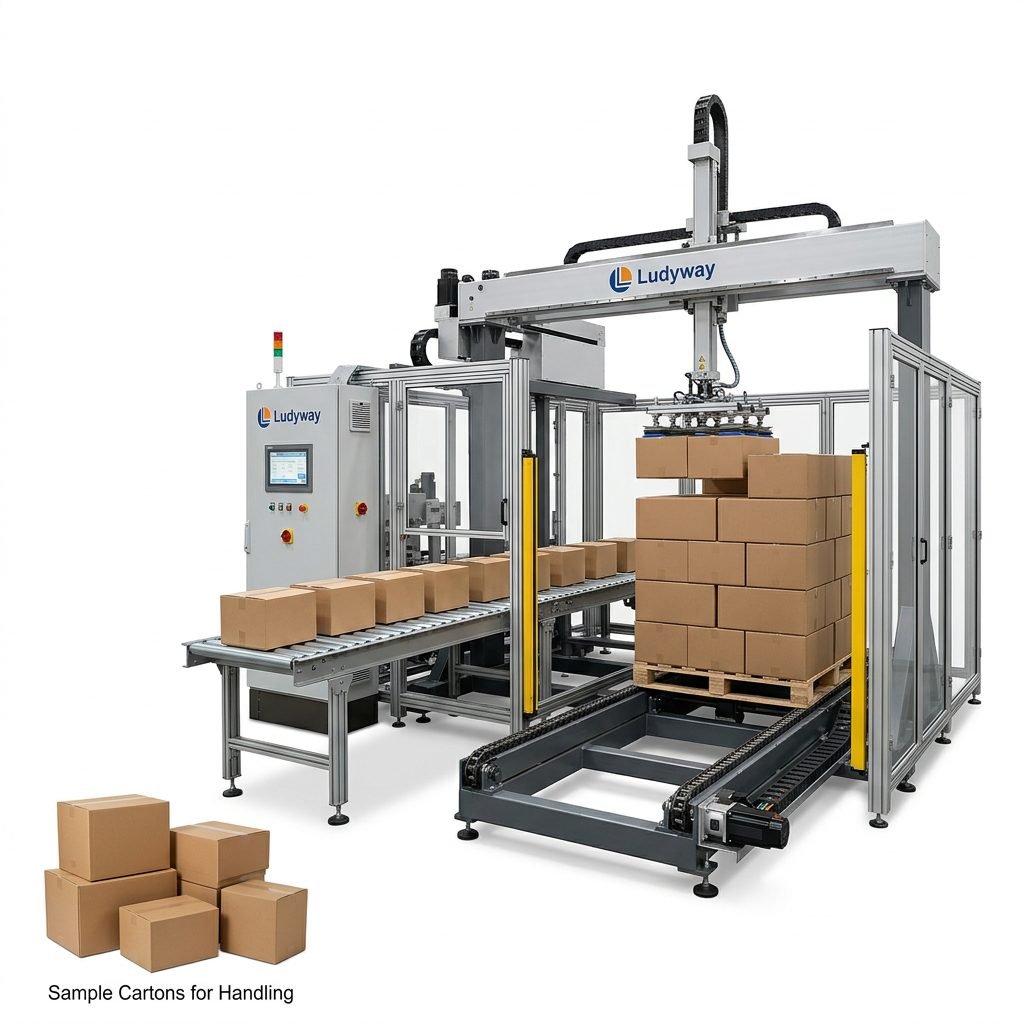
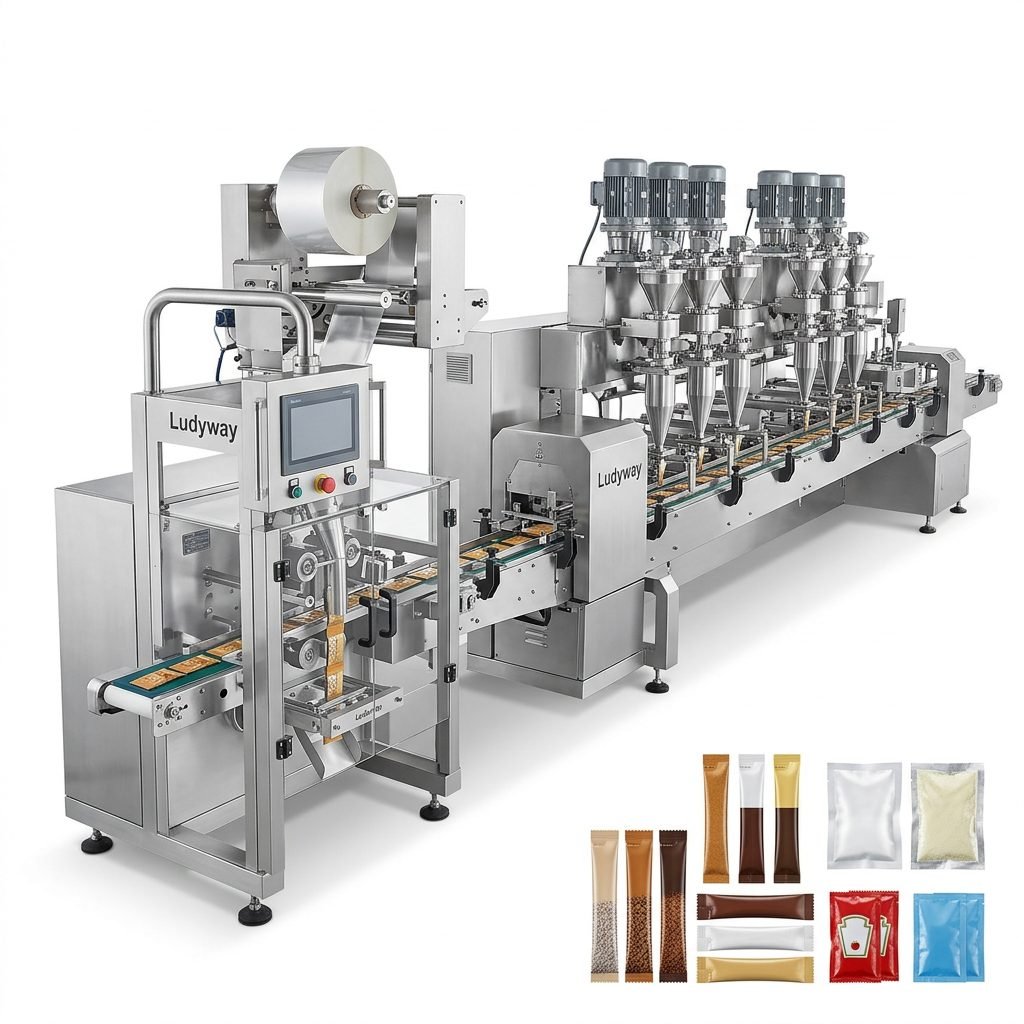
Regular maintenance is the cornerstone of reliable, long-term performance in any packaging operation. For food, pharmaceutical, and chemical processors relying on granule packaging machines, a structured upkeep program prevents unplanned downtime, protects product quality, and extends equipment service life. Whether you operate a single-lane sachet filler or a high-output multi-lane stick pack system, these essential maintenance tips will help you keep your machinery running at peak efficiency year after year.
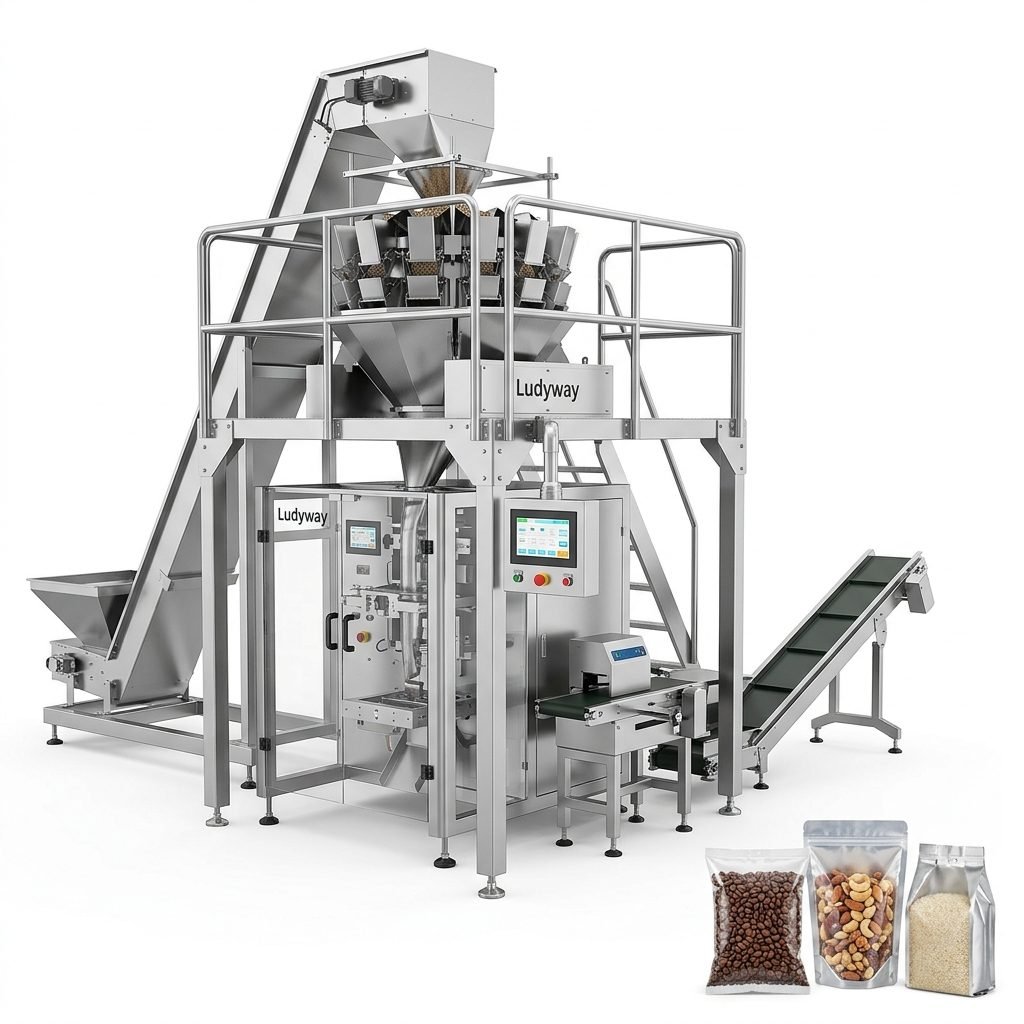
Why Preventive Maintenance Matters for Granule Packaging Equipment
Granule products—ranging from fertilizers and detergents to instant coffee and nutritional powders—create unique challenges for packaging machinery. Fine particles can infiltrate bearings, accumulate on sensors, and accelerate wear on sealing jaws. A proactive maintenance approach minimizes these risks while ensuring consistent fill accuracy and seal integrity. Industry data consistently shows that well-maintained equipment operates with up to 30% fewer breakdowns and significantly lower total cost of ownership compared to reactive repair strategies. Reviewing packaging machinery market research and maintenance benchmarks from organizations like PMMI can help you align your program with industry standards.
Daily Cleaning and Inspection Routine
The foundation of any maintenance program begins at the end of each shift. Operators should perform the following tasks without fail:
- Remove residual granules from all hoppers, feed trays, and forming tubes using compressed air or vacuum systems. Pay special attention to sealing jaw areas where melted product can carbonize over time.
- Inspect film tracking and tension to confirm the packaging material runs smoothly through the forming collar and vertical seal assembly without wrinkling or drifting.
- Check temperature controllers for horizontal and vertical sealing stations—record actual temperatures versus set points to identify calibration drift early.
- Verify sensor functionality, including registration mark readers, fill-level detectors, and safety interlocks. A quick wipe with a lint-free cloth prevents false readings caused by dust accumulation.
- Listen for unusual noises such as grinding, squealing, or inconsistent cycling sounds that may indicate bearing wear or pneumatic leaks.
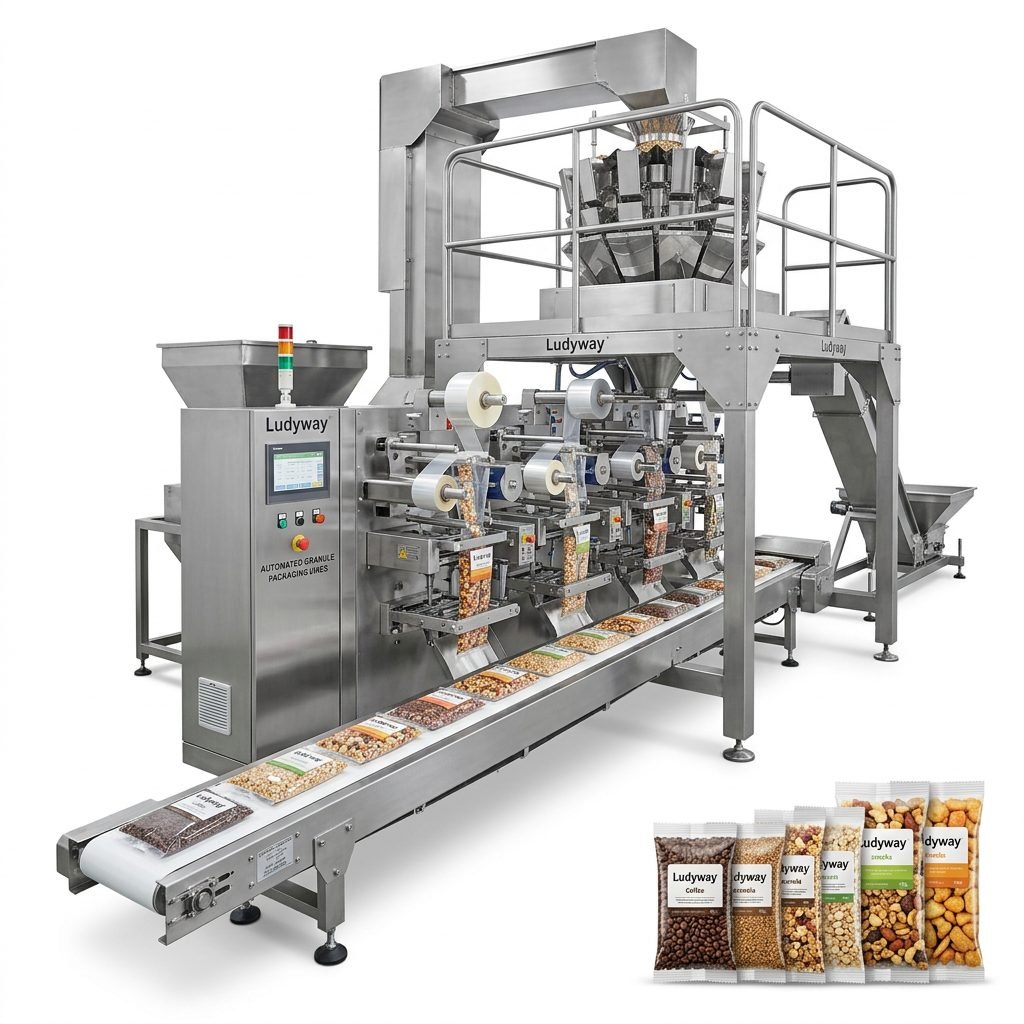
Weekly Mechanical and Pneumatic Checks
Beyond the daily routine, dedicate time each week for deeper mechanical inspections. These checks address components that degrade gradually and can go unnoticed during day-to-day operations.
- Lubricate all designated grease points according to the manufacturer’s recommended schedule. For granule packaging environments, use food-grade lubricants where product contact is possible, and avoid over-greasing which can attract dust and form abrasive paste.
- Examine drive belts and timing belts for signs of cracking, fraying, or improper tension. A belt that slips even slightly can throw off the timing between filling and sealing stations, leading to misaligned packages.
- Inspect pneumatic cylinders and air lines for smooth operation and leak-free connections. Granule dust can clog exhaust ports on solenoid valves, causing sluggish cylinder movement.
- Test emergency stop circuits and all safety guarding to ensure compliance with ISO packaging standards and workplace safety regulations.
- Clean or replace air filters on control cabinets and pneumatic systems—restricted airflow leads to overheating and premature component failure.
Monthly and Quarterly Maintenance Tasks
Longer-interval maintenance focuses on components that influence fill accuracy, seal quality, and overall machine reliability. These tasks often require a maintenance technician with specialized training on the specific packaging equipment model.
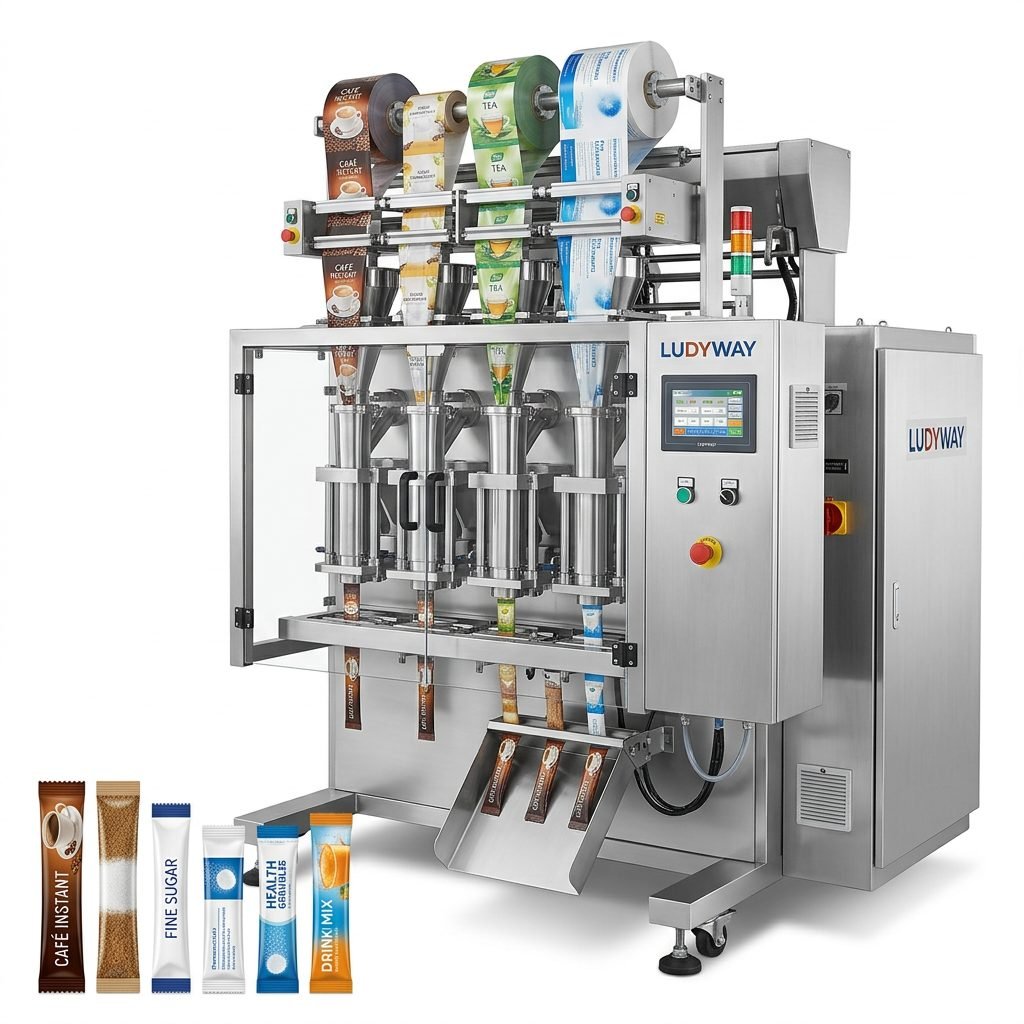
Sealing System Calibration and Maintenance
The sealing system is arguably the most critical subsystem in any granule packaging machine. Even slightly misaligned or worn sealing jaws produce leakers, poor appearance, and compromised barrier properties. Monthly procedures should include:
- Measuring actual seal strength using a tensile tester and comparing results against specification targets for your film type and thickness.
- Checking jaw flatness and parallelism with feeler gauges to detect warping caused by prolonged heat exposure.
- Replacing Teflon covers or release tapes on heat-seal surfaces before they degrade to the point where product sticks and causes film tearing.
- Calibrating temperature sensors against a certified reference to eliminate offset errors that can lead to weak seals or film burn-through.
Weighing and Filling System Accuracy Verification
For granule products sold by weight, fill accuracy directly impacts profitability and regulatory compliance. Quarterly verification of the weighing or volumetric filling system is essential. Perform a series of fill tests across all lanes or stations, recording individual package weights and calculating standard deviation. If variability exceeds acceptable limits, inspect the following:
- Load cell condition and zero balance on multi-head weighers or auger fillers.
- Auger flight wear on volumetric fillers—worn flights increase clearance and reduce metering precision with abrasive granules.
- Vibratory feeder tray amplitude and product bridging issues in hoppers that cause inconsistent material flow.
Common Maintenance Challenges and Solutions
The table below summarizes frequent issues encountered with granule packaging equipment and the recommended corrective actions. Use this reference to troubleshoot efficiently and reduce mean time to repair when problems arise.
| Issue | Probable Cause | Recommended Action |
|---|---|---|
| Inconsistent fill weights across lanes | Worn auger flights, uneven product distribution in hopper, or load cell drift | Replace auger components, level hopper baffles, recalibrate weigh cells |
| Intermittent seal leaks or weak seals | Contaminated sealing jaws, temperature fluctuation, or inconsistent jaw pressure | Clean jaw surfaces thoroughly, verify PID controller tuning, adjust pneumatic pressure regulator |
| Film tracking drift or wrinkling | Misaligned forming collar, worn guide rollers, or incorrect film tension | Realign forming set, replace bearing assemblies on rollers, adjust dancer arm tension |
| Excessive granule dust inside machine | Poor dust extraction, static buildup, or worn seals on product contact areas | Upgrade vacuum dust collection, install anti-static bars, replace gaskets and shaft seals |
| Frequent servo motor alarms or positioning errors | Encoder contamination, mechanical binding, or electrical noise interference | Clean encoder optics, lubricate linear guides, check grounding and cable shielding |

Extending Machine Life Through Proper Operation
Maintenance is not solely about what happens during scheduled downtime—how operators run the machine daily has an enormous impact on long-term reliability. Training programs should emphasize these operational best practices that complement your formal maintenance schedule.
Operational Habits That Reduce Wear
- Follow proper startup and shutdown sequences rather than using emergency stops for routine stops. Abrupt power interruptions can corrupt controller parameters and cause mechanical shock loads.
- Match machine speed to product characteristics. Running abrasive granules at maximum speed increases wear on forming tubes, sealing surfaces, and film contact points proportionally.
- Use the correct packaging film specification for your machine’s sealing system. Films with incompatible heat-seal layers force operators to run at higher temperatures, accelerating jaw degradation.
- Maintain consistent environmental conditions in the packaging room—extreme humidity variations affect granule flow properties and film dimensions, leading to process instability.
- Document all parameter changes in a shift log. When multiple operators adjust settings without recording them, troubleshooting becomes exponentially more difficult.
Spare Parts Management Strategy
A well-organized spare parts inventory prevents extended downtime when components inevitably require replacement. Critical spares for granule packaging machines should be stocked based on manufacturer recommendations and your own historical failure data. At minimum, maintain onsite inventory of the following items:
- Complete set of sealing jaws (horizontal and vertical) with Teflon covers
- Forming tube and forming collar assemblies for each package format
- Drive belts, timing belts, and pulley bearings
- Auger screws and funnels for volumetric fillers
- Pneumatic cylinder seal kits and solenoid valve replacements
- Sensor replacements including photocells, proximity switches, and thermocouples
- Heater cartridges and solid-state relays for the sealing system
- PLC battery backups and controller communication cables
Documentation and Maintenance Records
Modern packaging operations benefit immensely from systematic record-keeping. A computerized maintenance management system (CMMS) tracks work orders, parts usage, and equipment history, enabling data-driven decisions about preventive maintenance intervals and capital replacement timing. Key documentation practices include:
- Recording all maintenance activities with date, technician name, and specific actions taken
- Tracking mean time between failures for major subsystems to identify recurring problems
- Maintaining a digital log of all parameter changes with before-and-after values
- Photographing wear patterns on replaced components to share with the equipment manufacturer for design improvement feedback
For current packaging industry state-of-the-industry reports and maintenance benchmarking data, resources from PMMI and the Flexible Packaging Association offer valuable guidance grounded in broad industry research.
When to Call for Professional Service Support
While routine maintenance can be handled by trained in-house personnel, certain situations warrant engaging professional service from your packaging equipment manufacturer. Ludyway, as one of the largest packaging machine manufacturers with over 30 years of industry expertise and a 20,000㎡ modern production facility, provides comprehensive after-sales technical support including remote diagnostics, on-site service visits, and preventive maintenance contracts tailored to specific machine models and production requirements. Consider professional intervention when facing:
- Recurring failures that persist despite following recommended troubleshooting procedures
- Major component replacement such as PLC upgrades, servo drive retrofits, or complete sealing station rebuilds
- Format changeover assistance for new package sizes or film types that require mechanical adjustments beyond routine change parts
- Performance optimization to increase throughput or improve overall equipment effectiveness beyond current operating levels
- Comprehensive annual inspections that combine mechanical, electrical, and safety system evaluations
Accessing manufacturer expertise ensures that maintenance procedures align with FDA packaging and food contact substance regulations and other relevant compliance requirements for food and pharmaceutical packaging operations.
Building a Culture of Equipment Care
Ultimately, the most effective maintenance programs are those where operators, technicians, and management share a collective commitment to equipment reliability. When every team member understands how their daily actions influence machine longevity, small issues are caught before they escalate into costly failures. Regular training sessions, clear standard operating procedures, and visible performance metrics create an environment where preventive maintenance becomes ingrained in the operational culture rather than viewed as an optional activity to be performed only when time allows.
A disciplined approach to granule packaging machine maintenance delivers measurable returns through higher uptime, consistent package quality, reduced scrap, and extended capital equipment life. By implementing the daily, weekly, monthly, and quarterly practices outlined above—and partnering with your equipment supplier for professional support when needed—you position your packaging operation for sustained productivity and competitive advantage in demanding markets.