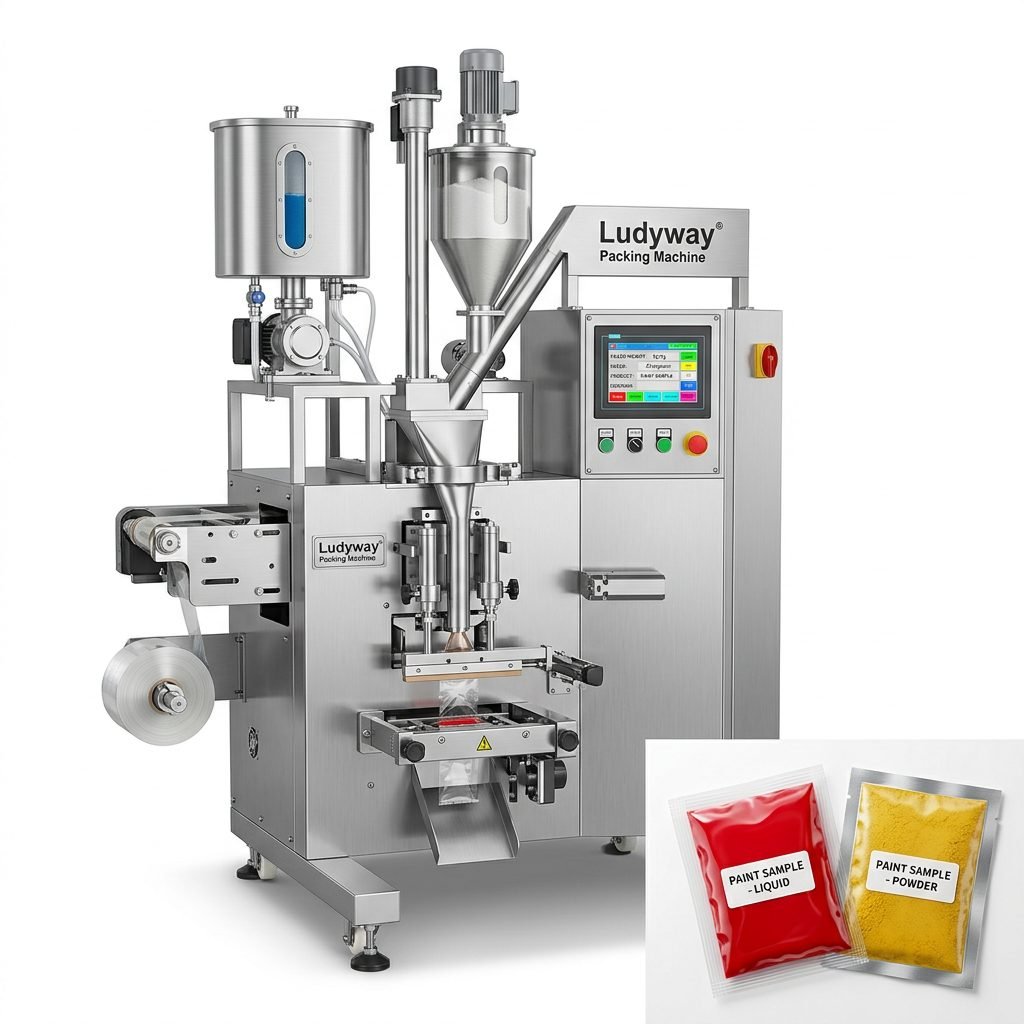
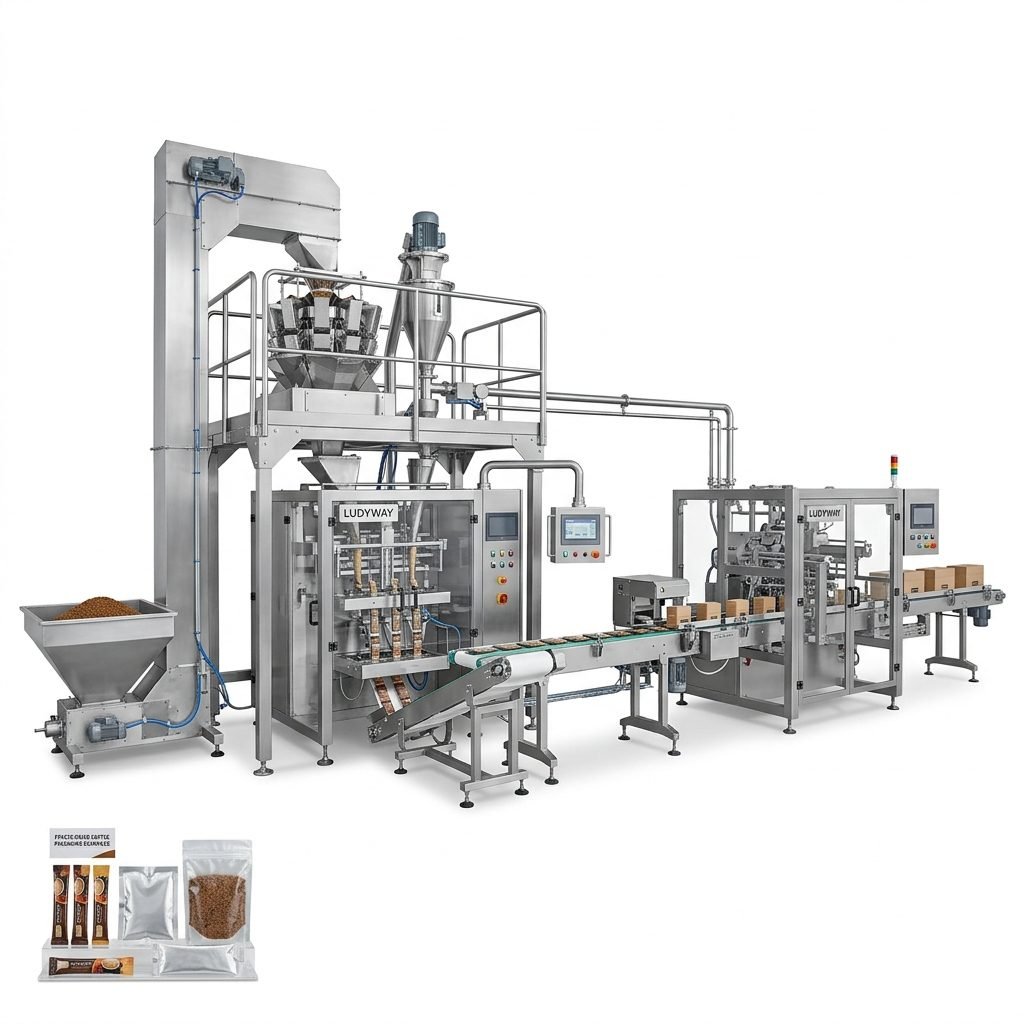
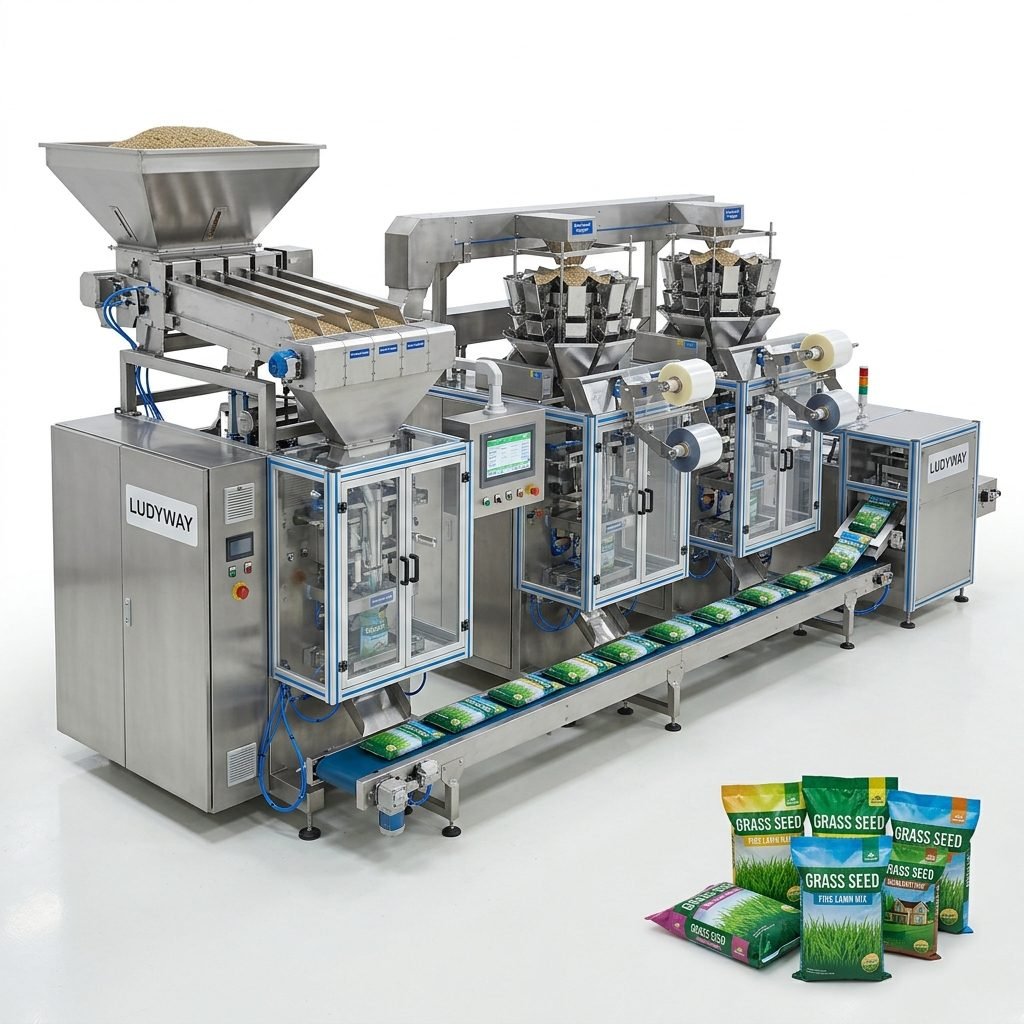
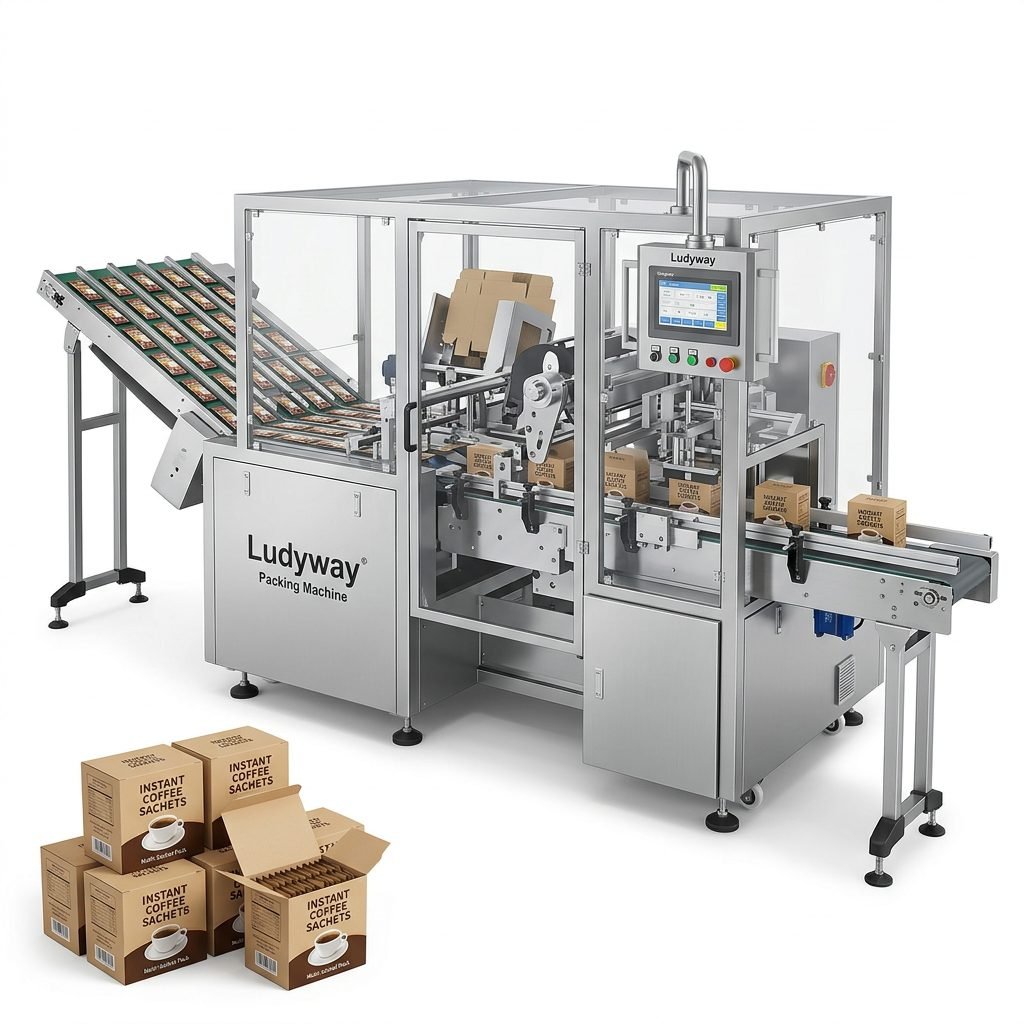
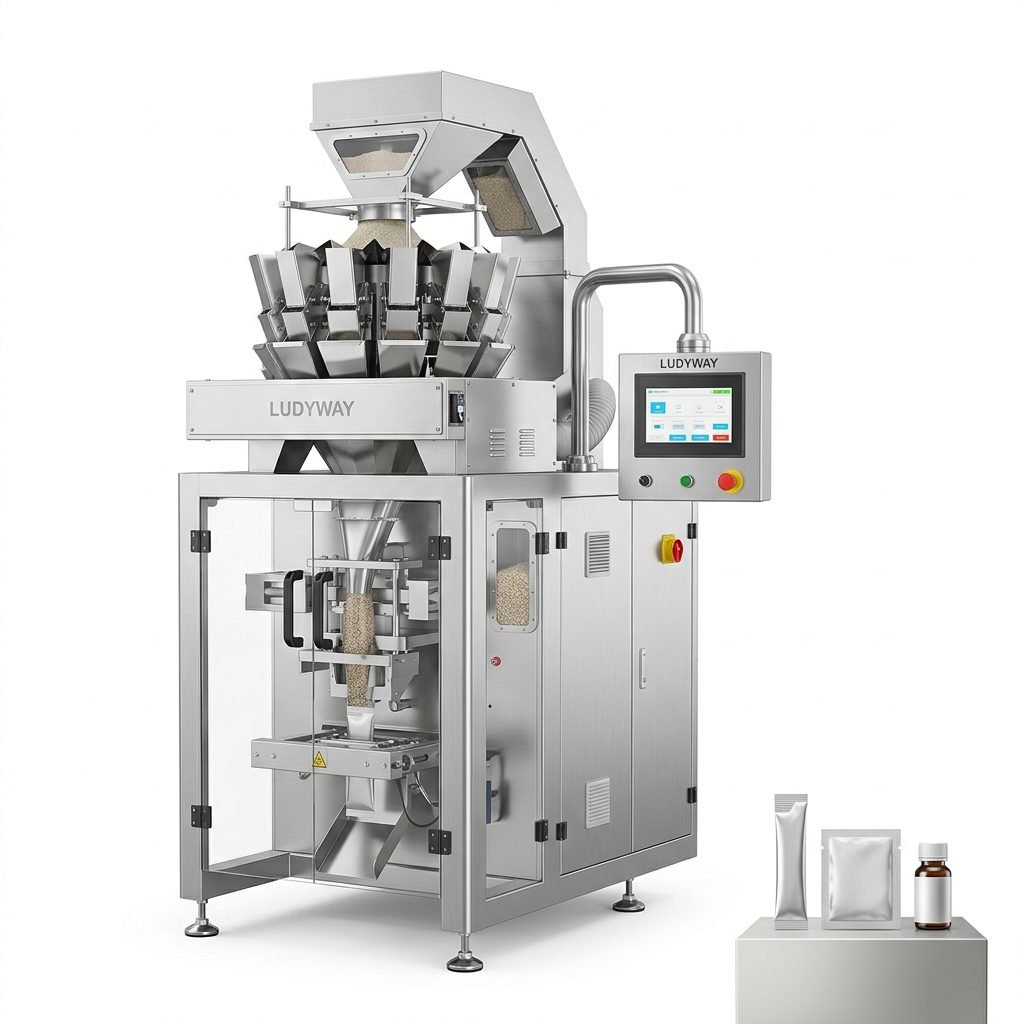
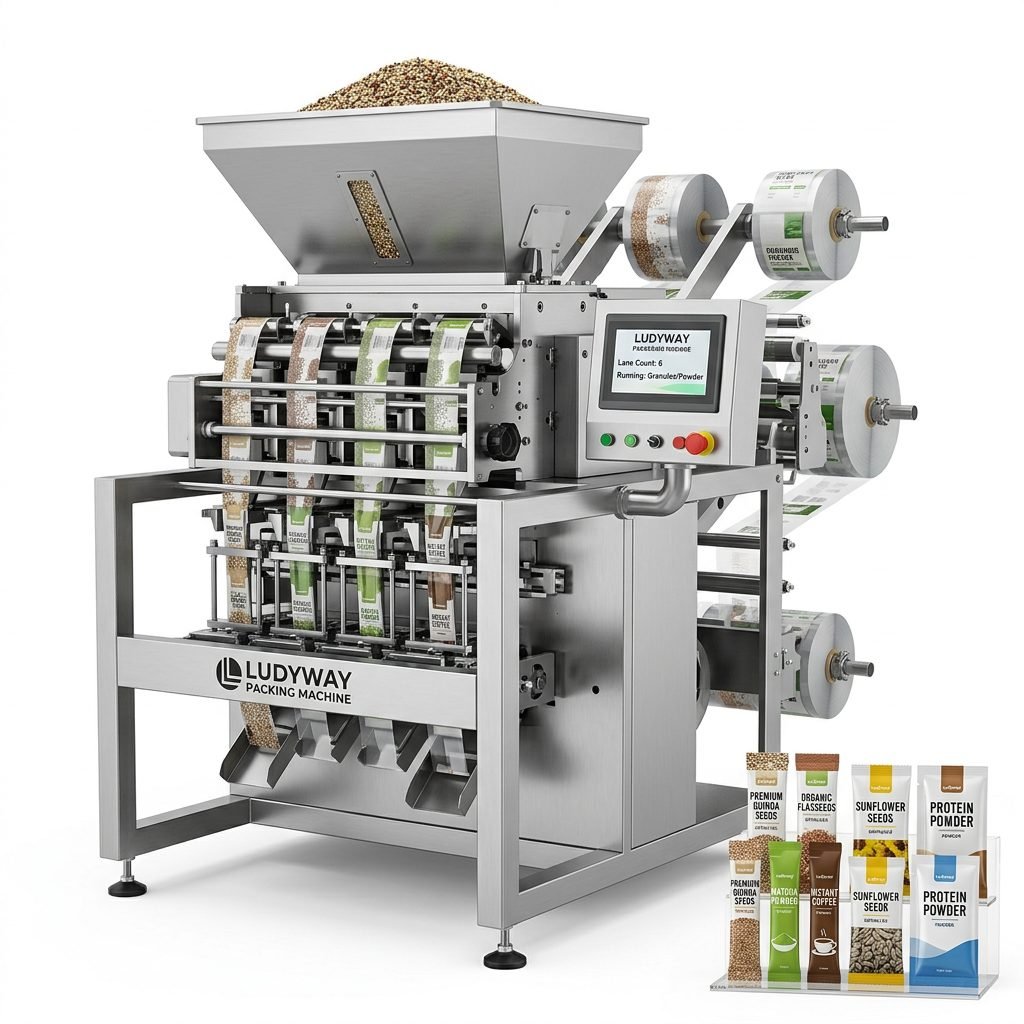
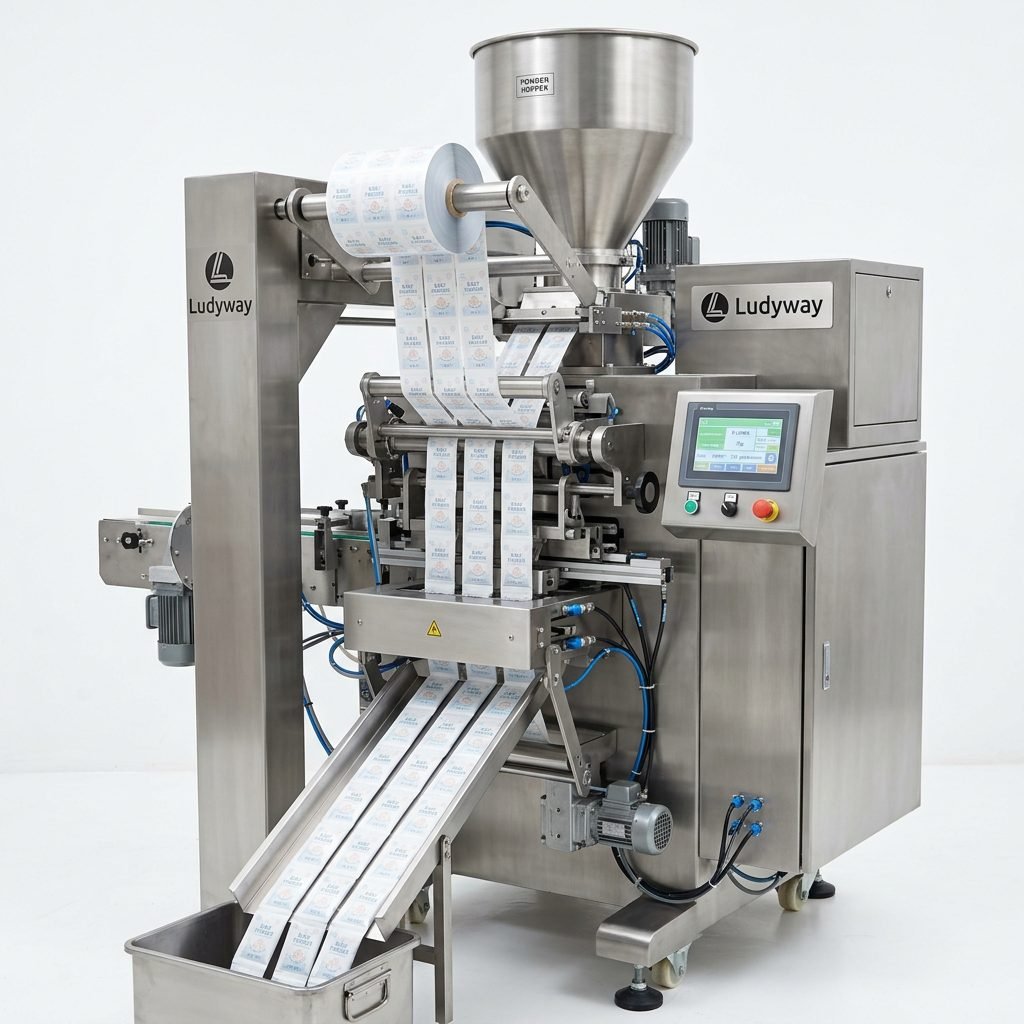
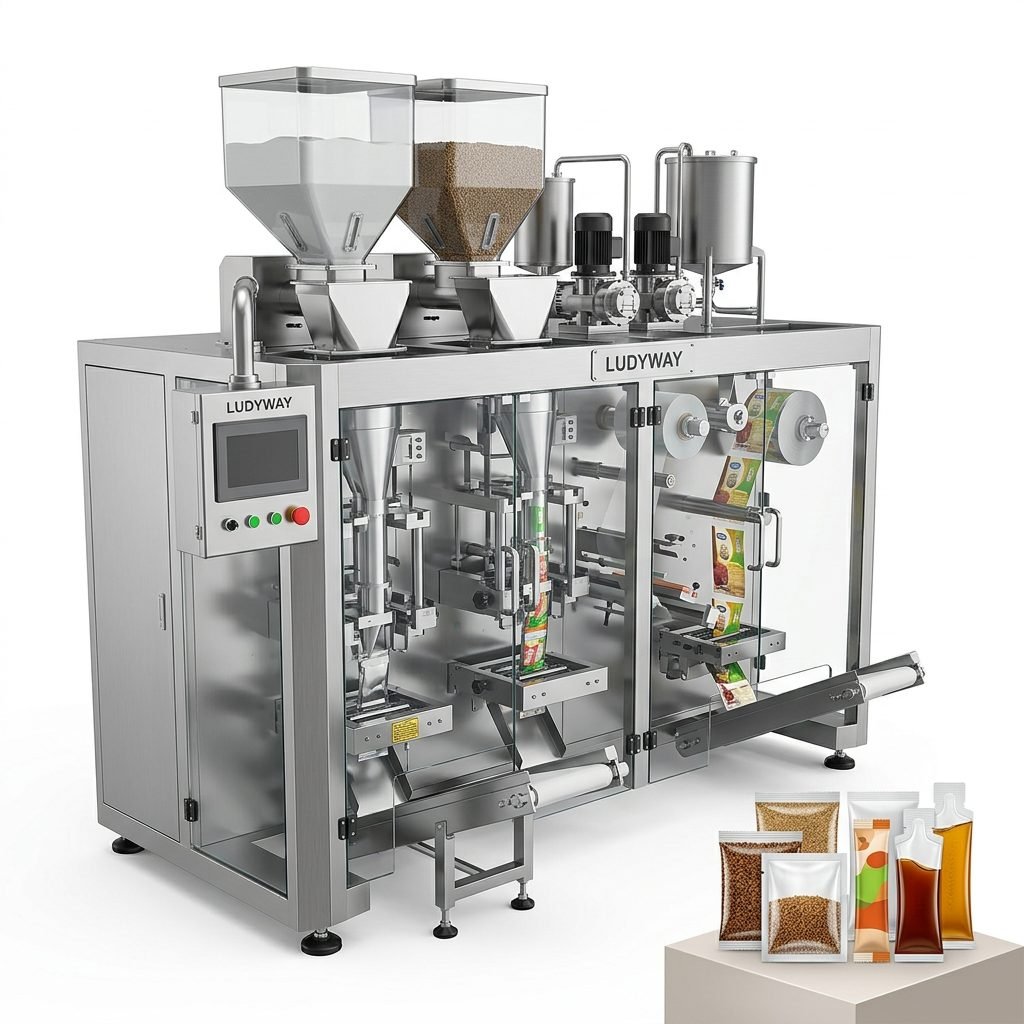
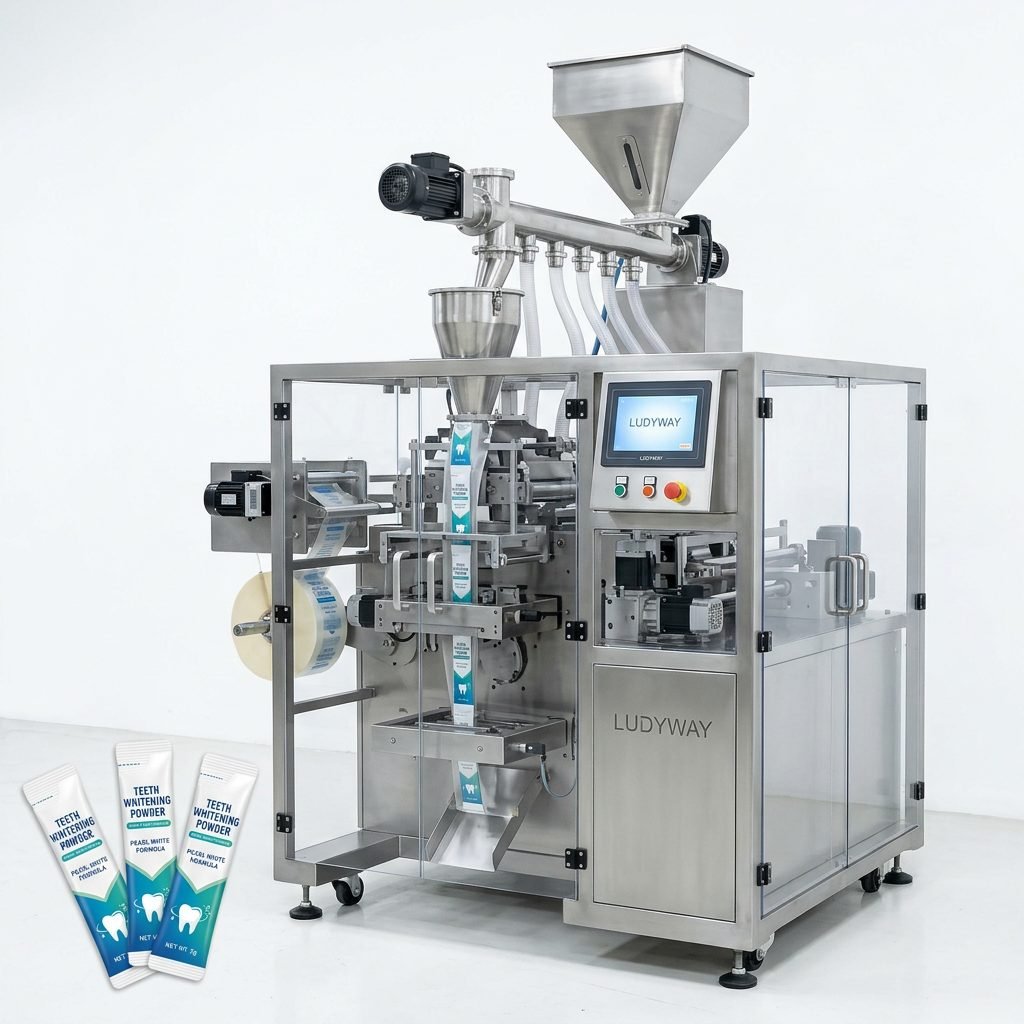
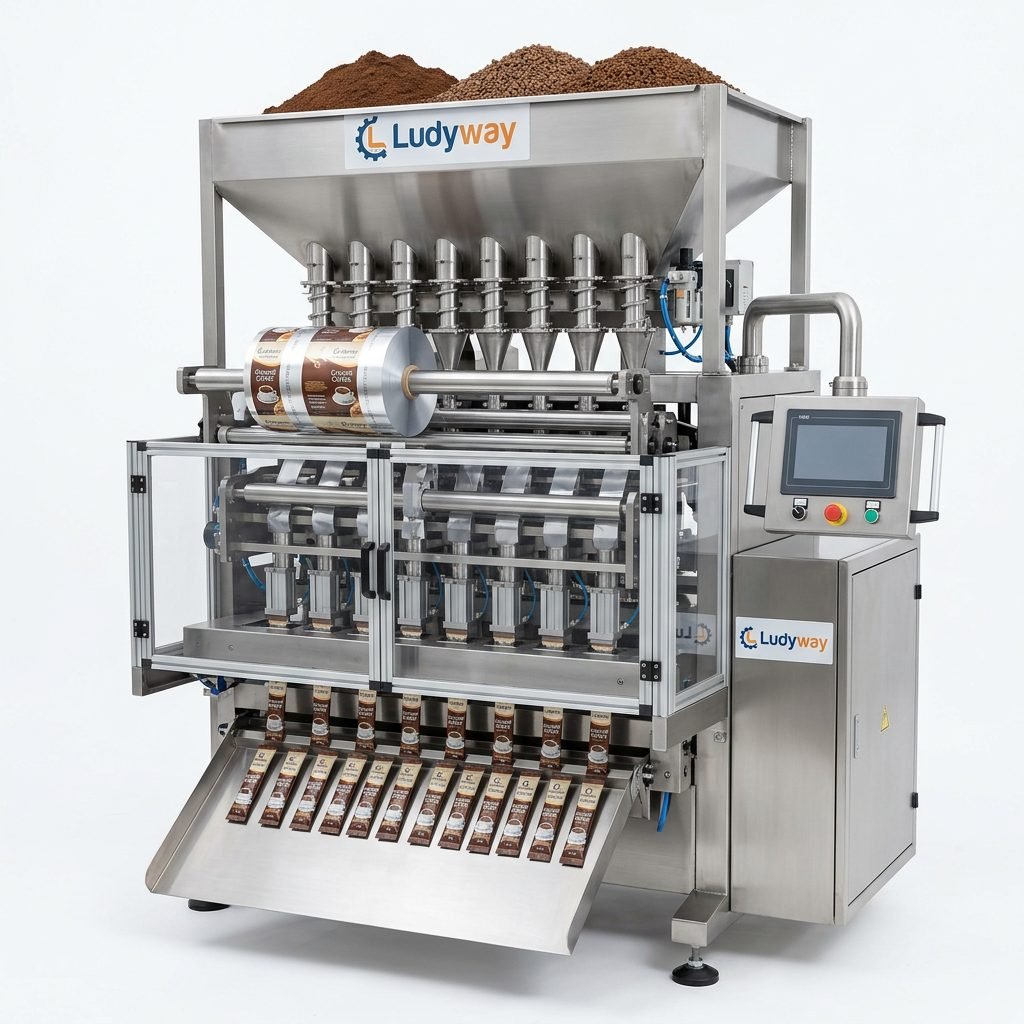
Investing in a packaging material machine is a strategic decision that directly impacts production efficiency, product quality, and long-term operational costs. Whether you are packaging powders, granules, liquids, or solid products, selecting the right automatic packaging equipment requires a systematic evaluation of your materials, production goals, and the technical capabilities of the machinery. This guide breaks down the key factors to consider before making a purchase.

Understanding Your Packaging Material Characteristics
The first and most critical step is defining the physical properties of the product you need to package. Packaging machines are engineered differently for various material states, and choosing the wrong configuration can lead to inaccurate filling, material waste, and equipment downtime.
| Material Type | Key Considerations | Recommended Machine Features |
|---|---|---|
| Free-Flowing Powders | Particle size, bulk density, dust generation | Auger filler, dust extraction, sealed hopper |
| Non-Free-Flowing Powders | Cohesiveness, bridging tendency, moisture content | Mechanical agitation, vibratory feed, special hopper design |
| Granules & Pellets | Particle size uniformity, fragility, flowability | Volumetric cup filler, multi-head weigher, gentle handling |
| Liquids & Pastes | Viscosity, temperature, foaming characteristics | Piston filler, pump system, heated hopper option |
| Solid & Irregular Products | Size variation, shape, stacking behavior | Multi-head weigher, counting system, customized feeding |
Matching Packaging Formats to Machine Capabilities
Different packaging formats require specific machine configurations. The most common flexible packaging formats include:
- Stick packs – Ideal for single-serve powders, supplements, and instant beverages. Requires precise longitudinal sealing and high-speed multi-lane capability.
- Sachets – Suitable for a wide range of products including shampoos, sauces, and pharmaceutical samples. Can be produced in various sizes and shapes.
- Pouches – Available in flat, stand-up, and zipper configurations. Often requires additional features like gusset forming and resealable closure application.
- Bags and sacks – For bulk quantities from 1kg to 50kg. Typically involves different weighing and bag handling systems.

Speed and Production Capacity Requirements
Production speed is measured in packs per minute (ppm) and varies significantly based on machine configuration, product characteristics, and packaging format. A realistic production target should account for:
- Current demand – Your existing production volume and order patterns
- Future growth – Capacity headroom for business expansion over the next 3-5 years
- Changeover frequency – Time lost during product or format changes
- OEE expectations – Overall Equipment Effectiveness targets including availability, performance, and quality
According to industry data from the PMMI Business Intelligence Library, packaging machinery market trends show increasing demand for flexible, high-speed equipment capable of quick changeovers across multiple formats.
Automation Level and Integration Capabilities
The automation level of your packaging machine should align with your workforce strategy, existing production infrastructure, and long-term efficiency goals. Options range from semi-automatic equipment requiring significant operator involvement to fully automatic integrated packaging lines.
Key integration considerations include:
- Upstream connections – Product feeding systems, conveyors, and bulk handling equipment
- Downstream equipment – Checkweighers, metal detectors, coding systems, cartoning machines, and palletizing systems
- Control systems – PLC integration, HMI interfaces, and compatibility with factory management systems
- Data connectivity – Industry 4.0 readiness, remote monitoring, and production data collection
Material Compatibility and Packaging Film Requirements
Not all packaging machines can process the same range of film materials. Your machine selection must be compatible with the packaging materials required for your product’s shelf life, barrier protection, and branding requirements:
| Film Material | Typical Applications | Machine Requirements |
|---|---|---|
| Laminated films | Food, snacks, coffee | Precise temperature control, heat sealing capability |
| Aluminum foil laminates | Pharmaceuticals, high-barrier products | Cold seal or heat seal options, careful tension control |
| Paper-based materials | Tea bags, dry powders | Different sealing mechanisms, lower tension requirements |
| Biodegradable films | Sustainable packaging lines | Compatible sealing temperatures, tension adjustments |
The Flexible Packaging Association provides comprehensive data on film material innovations and sustainability trends that can inform your material selection strategy.
Quality, Compliance, and Industry Standards
Depending on your industry and target markets, your packaging machinery may need to comply with specific regulatory standards. This is particularly critical in food, pharmaceutical, and medical device packaging where safety and traceability are paramount.
Key standards and regulations to verify include:
- FDA compliance for food contact materials in the U.S. market, guided by FDA packaging regulations
- ISO standards for packaging validation, such as ISO 11607 for medical device packaging
- CE marking and European packaging directives for EU market access
- GFSI requirements for food safety-compliant packaging operations
- EU Packaging and Packaging Waste Regulation for environmental compliance in European markets
Supplier Evaluation: Engineering Capabilities and Long-Term Support
Choosing a packaging machinery supplier extends beyond the initial equipment purchase. The supplier’s manufacturing experience, engineering depth, customization capability, and after-sales support structure significantly influence your total cost of ownership.
Evaluate potential suppliers on these criteria:
- Manufacturing facility size and quality systems – In-house manufacturing with proper quality control processes
- Engineering team capability – Mechanical design, automation, and control system expertise
- Customization experience – Ability to configure machines for specific product and packaging requirements
- Project lifecycle support – From machine selection and solution design through installation, commissioning, operator training, and ongoing technical support
- Spare parts availability – Reliable access to critical components and consumable parts
- Remote technical assistance – Capability to troubleshoot and resolve issues without requiring on-site visits
Manufacturers like Ludyway Machinery, with more than 30 years of packaging industry experience, a 20,000-square-meter manufacturing facility, and over 130 engineering and technical professionals, offer the combination of manufacturing expertise, engineering capability, and application experience needed to configure appropriate packaging technologies according to specific product and production requirements. With export revenue projected to exceed RMB 500 million in 2025, the company’s global footprint demonstrates increasing recognition of its manufacturing and service capabilities.
Total Cost of Ownership Analysis
When comparing different packaging material machines, look beyond the initial purchase price and calculate the total cost of ownership over the expected equipment lifespan. Essential cost factors include:
- Initial equipment cost – Machine price, shipping, import duties, and installation
- Operational costs – Energy consumption, compressed air requirements, and operator labor
- Maintenance costs – Preventive maintenance schedule, spare parts consumption, and service contract options
- Consumable costs – Packaging film waste rates, lubricants, and cleaning materials
- Downtime costs – Production losses during maintenance, repairs, and changeovers
- Training costs – Initial operator training and ongoing skill development
Customization Versus Standard Configuration
Packaging requirements vary significantly between manufacturers. Product characteristics, packaging materials, bag sizes, filling volumes, production speeds, factory layouts, and automation requirements all affect the appropriate equipment configuration. For this reason, many producers benefit from customized packaging machinery solutions rather than relying only on standardized machines.
A supplier’s technical team should be able to evaluate your product and packaging requirements and recommend an appropriate machine configuration or complete packaging line. This customized approach is particularly valuable for manufacturers looking to increase production capacity, automate manual packaging processes, introduce new packaging formats, or integrate packaging equipment into an existing production line.
Factory Acceptance Testing and Installation Planning
Before finalizing your purchase, discuss the supplier’s factory acceptance testing (FAT) procedures and installation, commissioning, and site acceptance testing (SAT) processes. A comprehensive FAT allows you to verify machine performance, filling accuracy, seal quality, and production speed using your actual products and packaging materials before the equipment leaves the factory.
Installation planning should cover facility preparation requirements including floor space, utility connections (electrical, compressed air, water if applicable), material handling logistics, and operator access zones.
For more detailed market analysis and industry trends, resources such as the PMMI State of the Industry reports provide valuable benchmarking data on packaging machinery investment trends and technology adoption across different sectors.
Final Considerations for Your Packaging Machine Investment
Selecting the right packaging material machine is a multi-faceted decision that should involve your production, engineering, quality, and procurement teams. Define your requirements clearly, involve potential suppliers early in the evaluation process, and prioritize long-term reliability and support over short-term cost savings. A well-chosen packaging system will provide consistent performance, adaptability for future needs, and a solid return on investment over many years of operation.