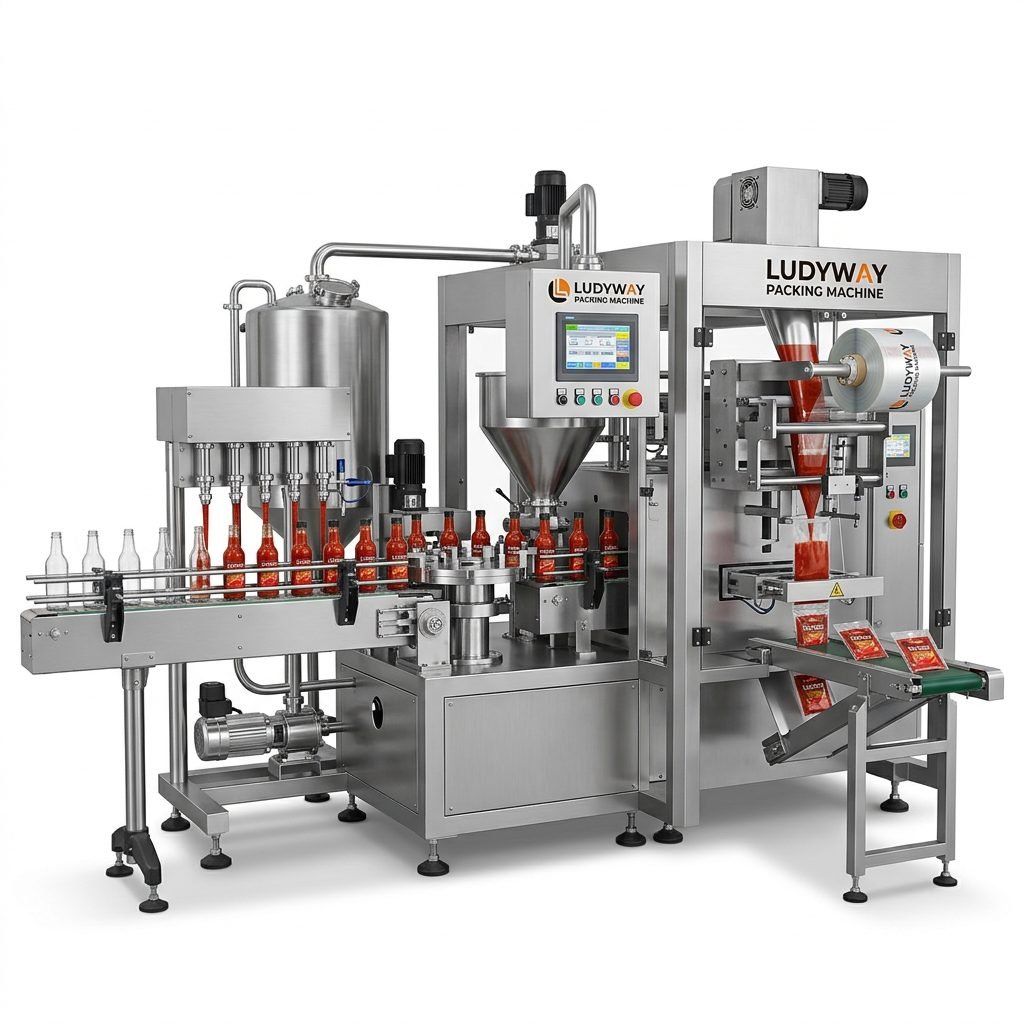
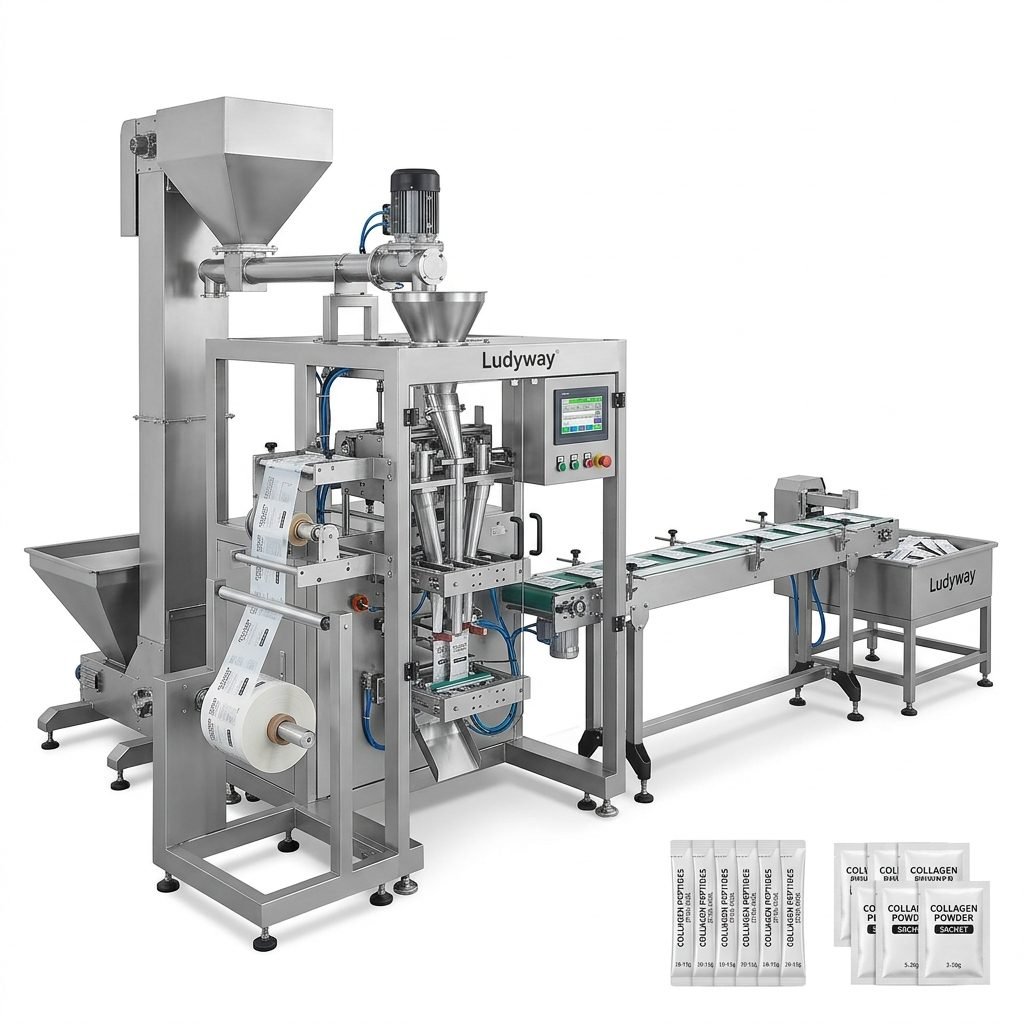
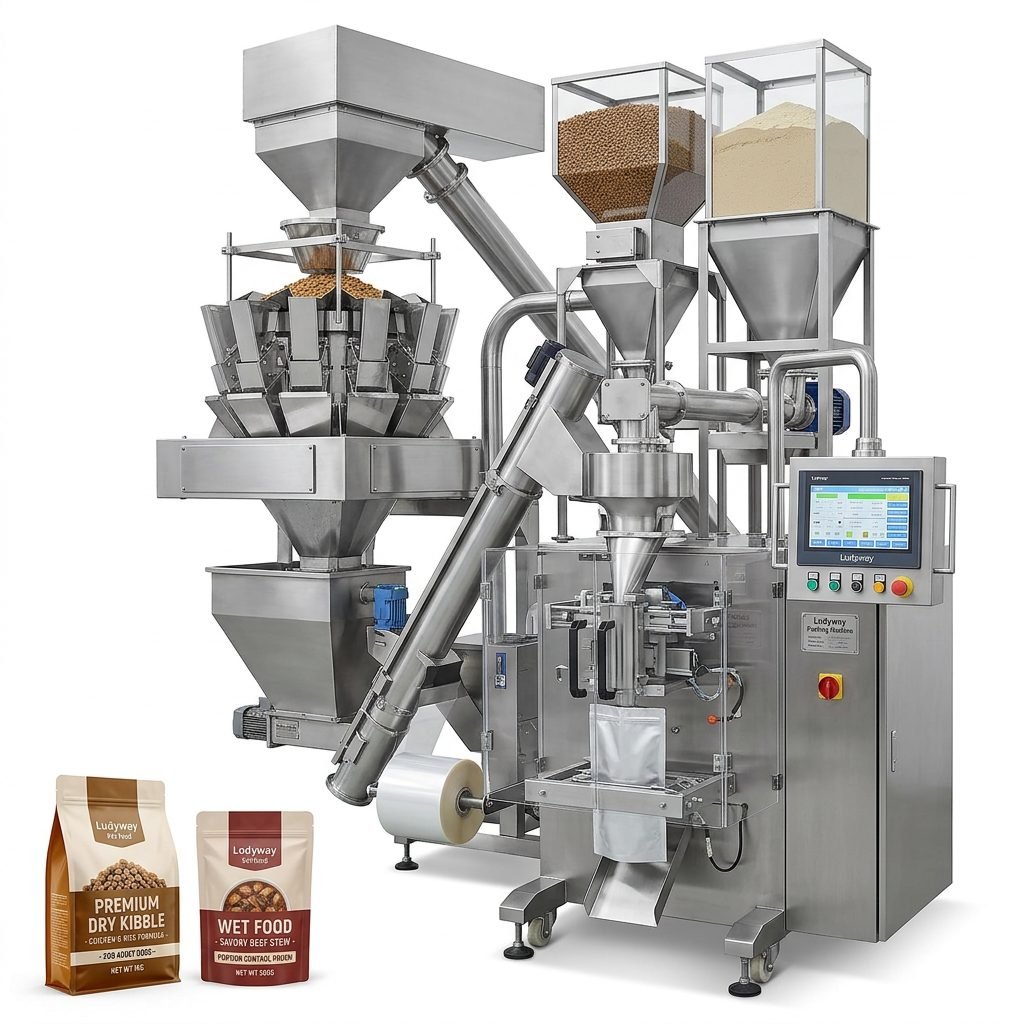
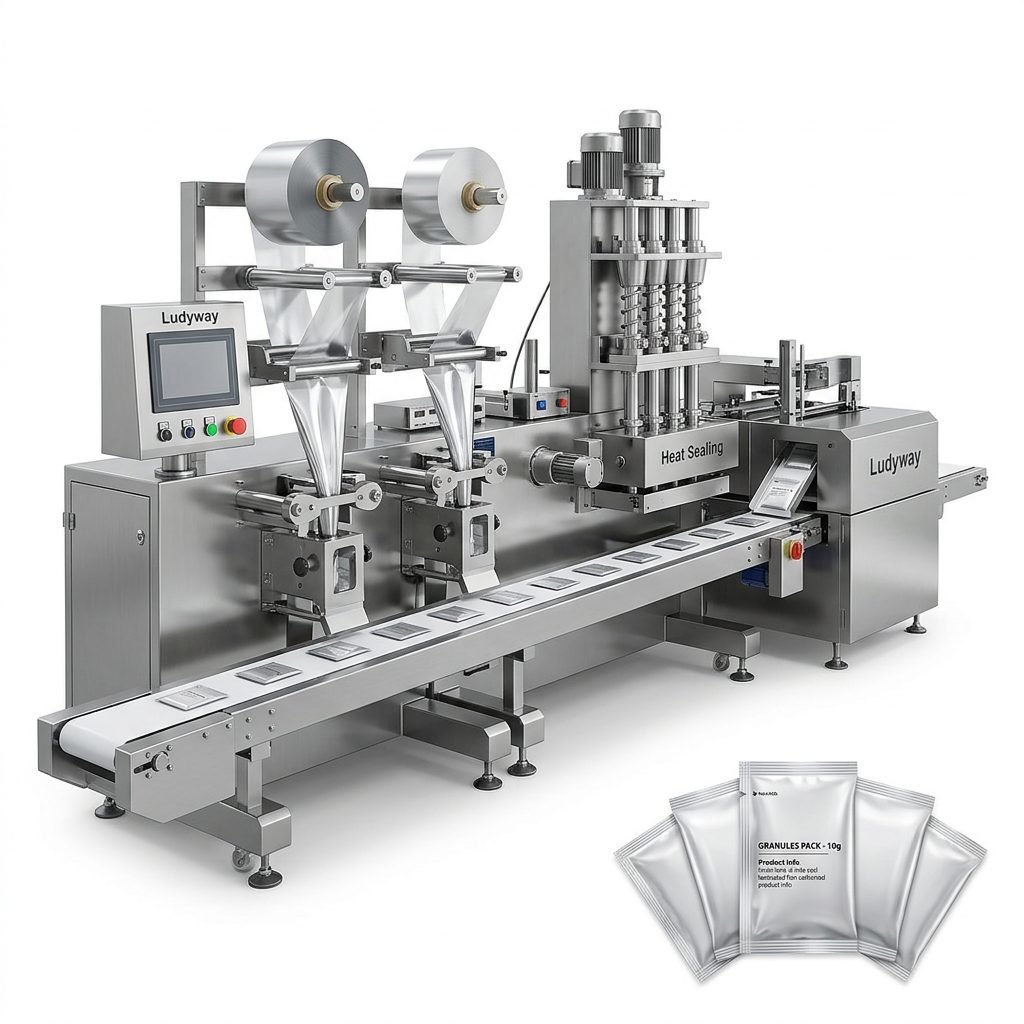
Investing in a tea and pulses packing machine is a significant decision for any food processing or packaging business. The cost varies widely depending on automation level, production capacity, machine configuration, and the specific characteristics of the product being packaged. Whether you are packing fine tea powder, whole leaf tea, lentils, chickpeas, or other granular pulses, understanding the key cost drivers will help you make an informed purchasing decision.
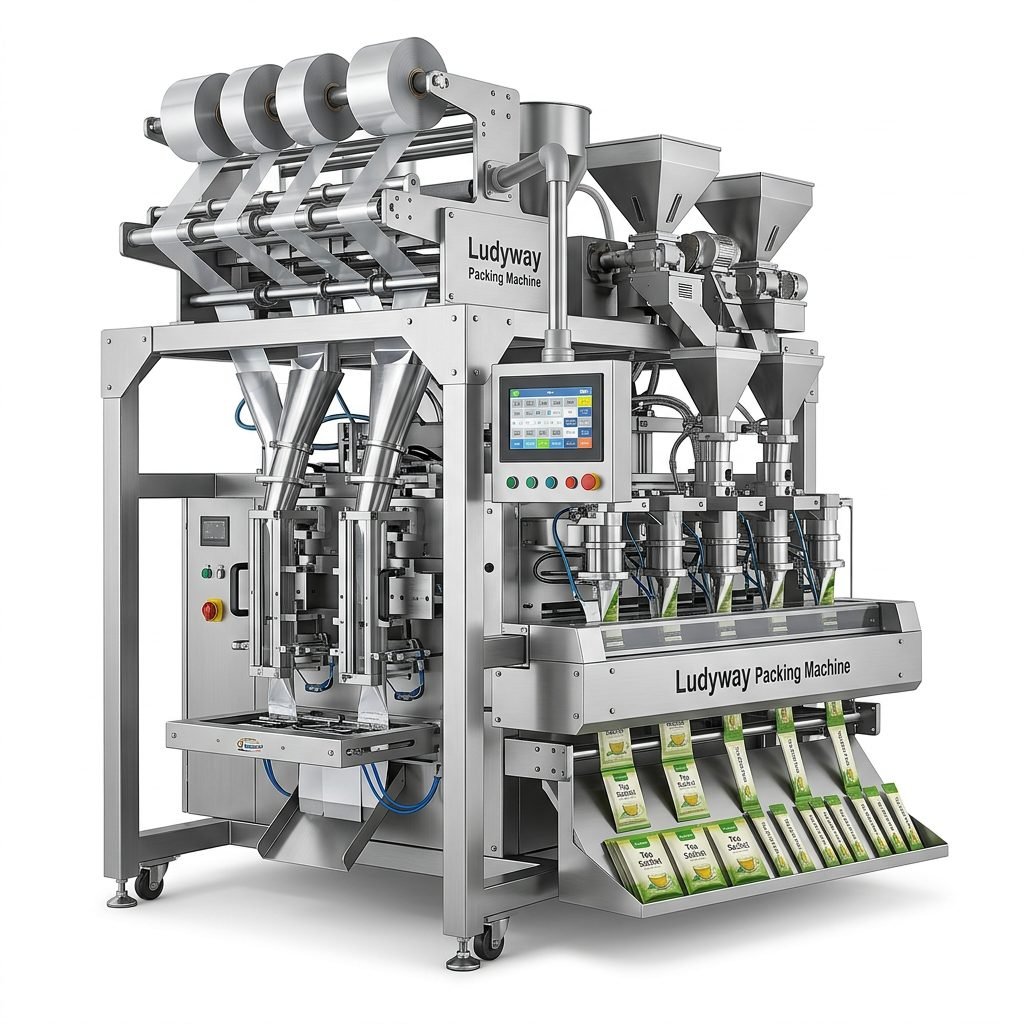
Key Factors That Determine Packaging Machine Costs
The final price of a tea and pulses packaging machine is influenced by several critical variables. Below are the primary factors you should evaluate before requesting a quotation:
- Automation Level: Manual, semi-automatic, and fully automatic machines each carry different price tags. A fully automated multi-lane stick pack machine with touch-screen controls will cost significantly more than a basic single-lane filler.
- Production Speed: Machines capable of producing 60 to 120 packs per minute per lane naturally command higher prices due to precision engineering and high-grade components.
- Weighing & Filling System: Volumetric cup fillers are economical, while multi-head weighers and auger fillers offer higher accuracy at a premium. For tea powders and fine granules, precision auger dosing systems are often essential.
- Packaging Format: Sachet, stick pack, pillow pouch, or gusseted pouch formats impact machine complexity. Multi-format machines that can switch between styles add versatility but increase investment cost.
- Material of Construction: Food-grade stainless steel 304 or 316L, especially for contact parts, affects durability and price. Machines with full stainless steel frames cost more but offer longer service life and easier cleaning.
- Additional Modules: Integrated features such as nitrogen flushing, date coding, gas detection, automatic reject systems, and cartoning lines increase the overall system cost.
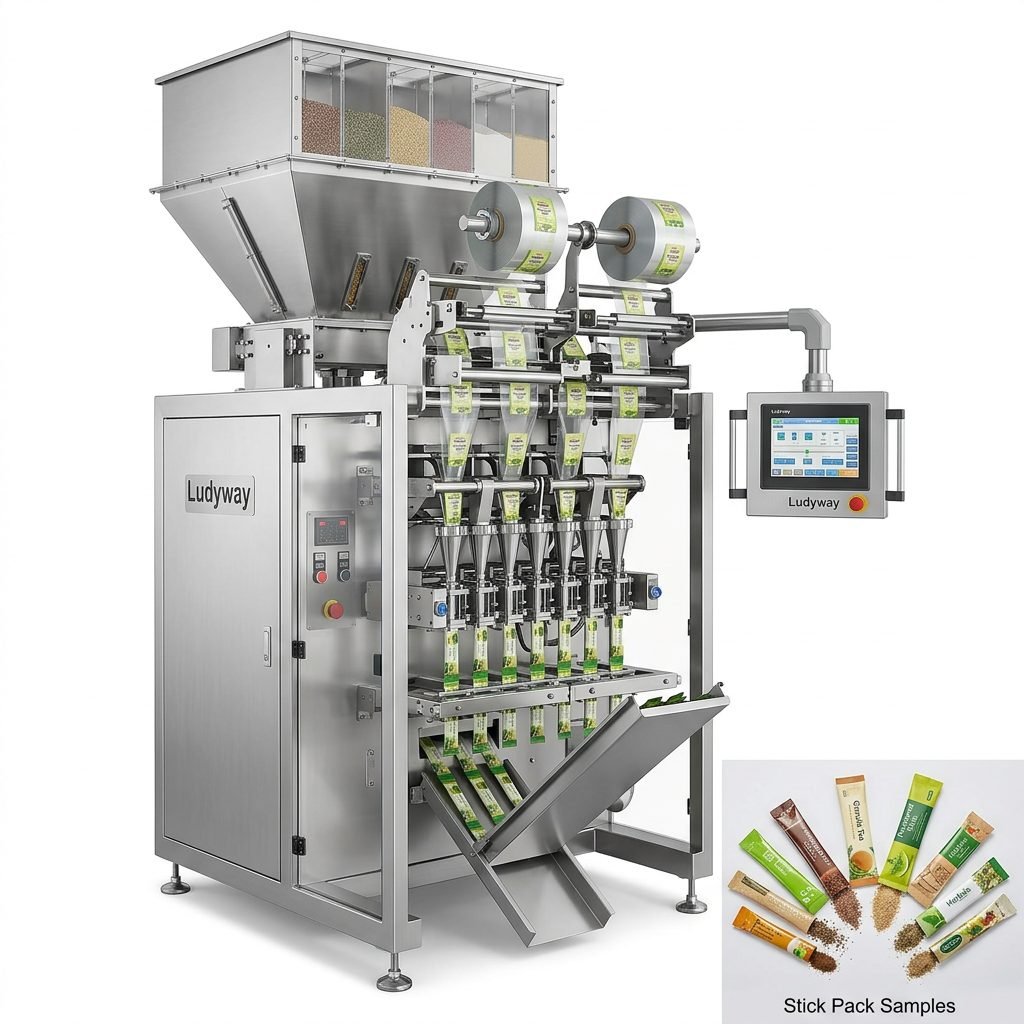
Estimated Price Ranges for Tea and Pulses Packaging Machines
The table below provides a general cost framework for different types of packaging equipment used in the tea and pulses industry. Actual prices depend on custom configurations and optional add-ons.
| Machine Type | Suitable For | Estimated Price Range (USD) |
|---|---|---|
| Semi-Automatic Single-Lane Filler | Small-scale tea or pulses packing, low output | $3,000 – $12,000 |
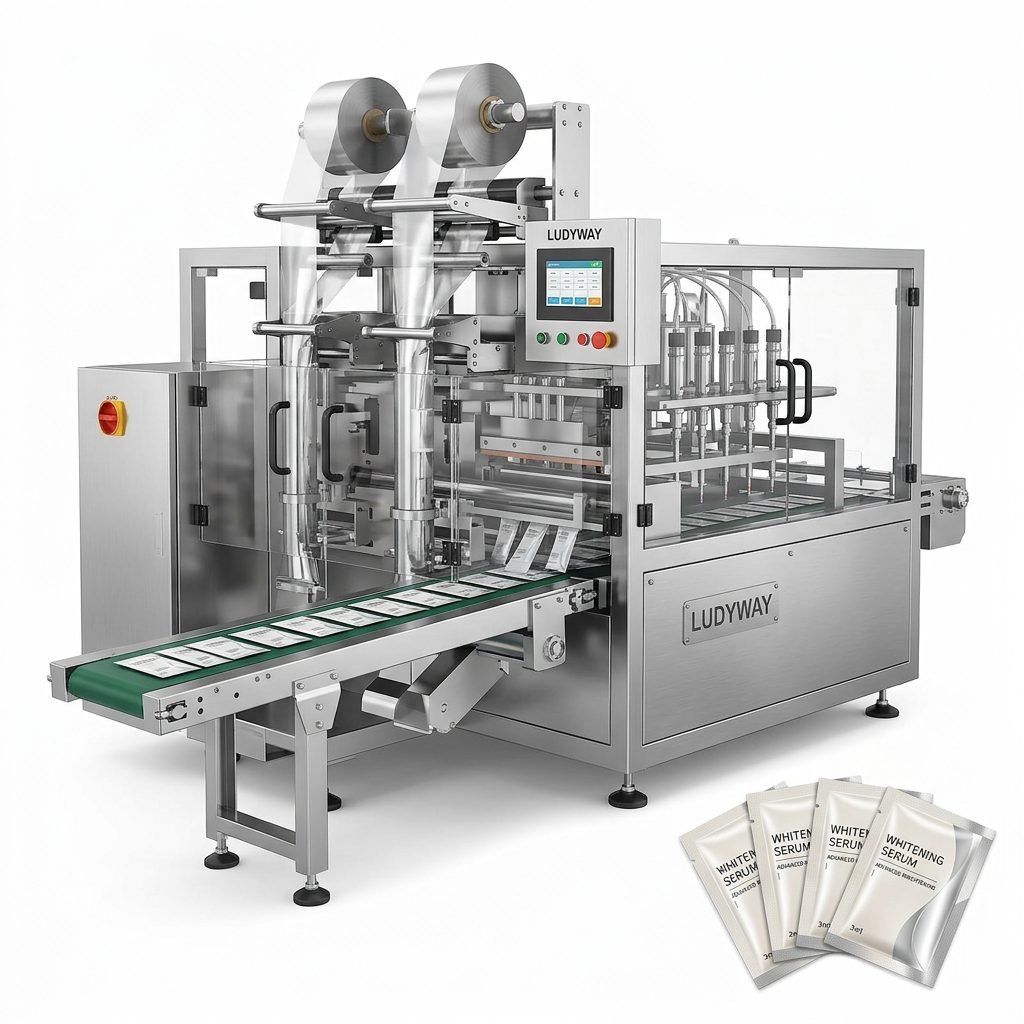
| Automatic Single-Lane Sachet Machine | Tea powders, ground pulses, single-serve packs | $12,000 – $28,000 |
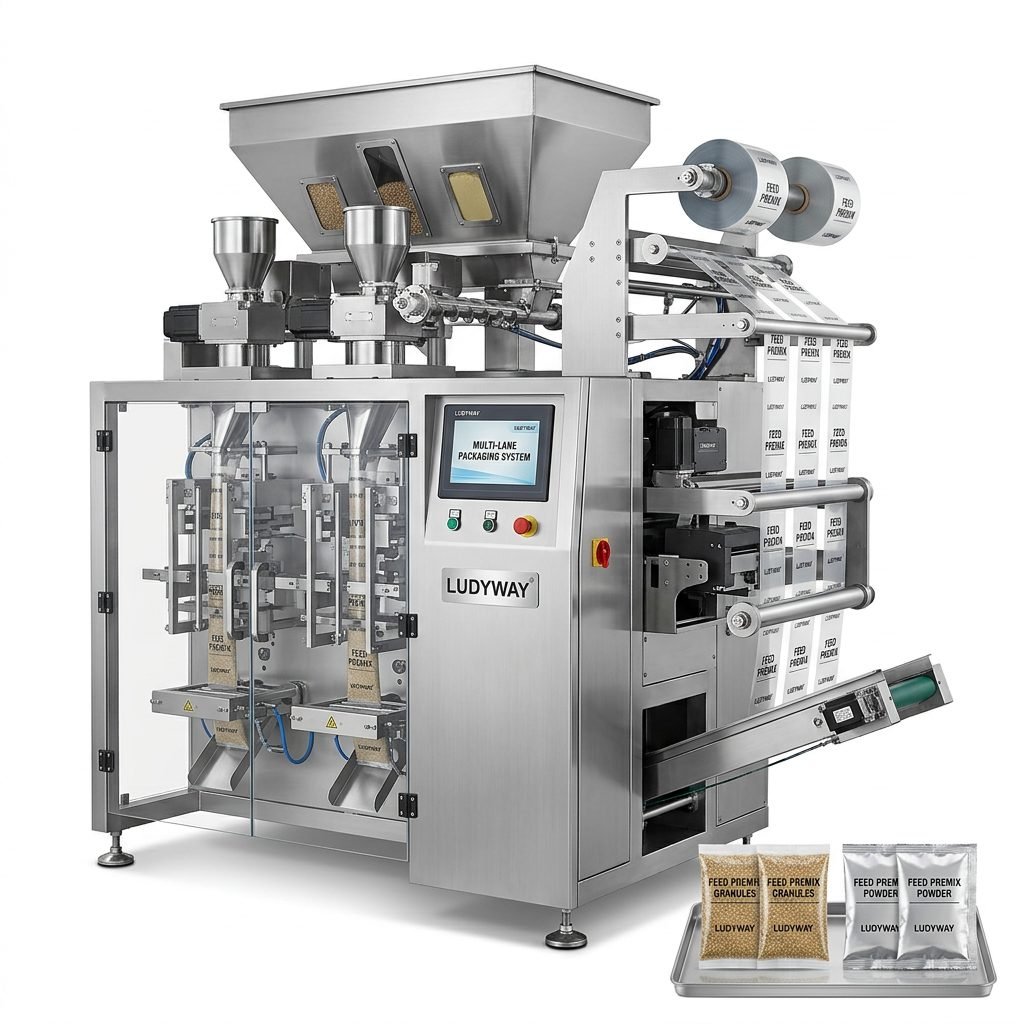
| Multi-Lane Stick Pack Machine (4-6 lanes) | High-speed tea and pulses packaging, stick pack format | $30,000 – $65,000 |
| Multi-Lane Sachet Machine (8-12 lanes) | Large-volume production with integrated weighing | $55,000 – $120,000 |
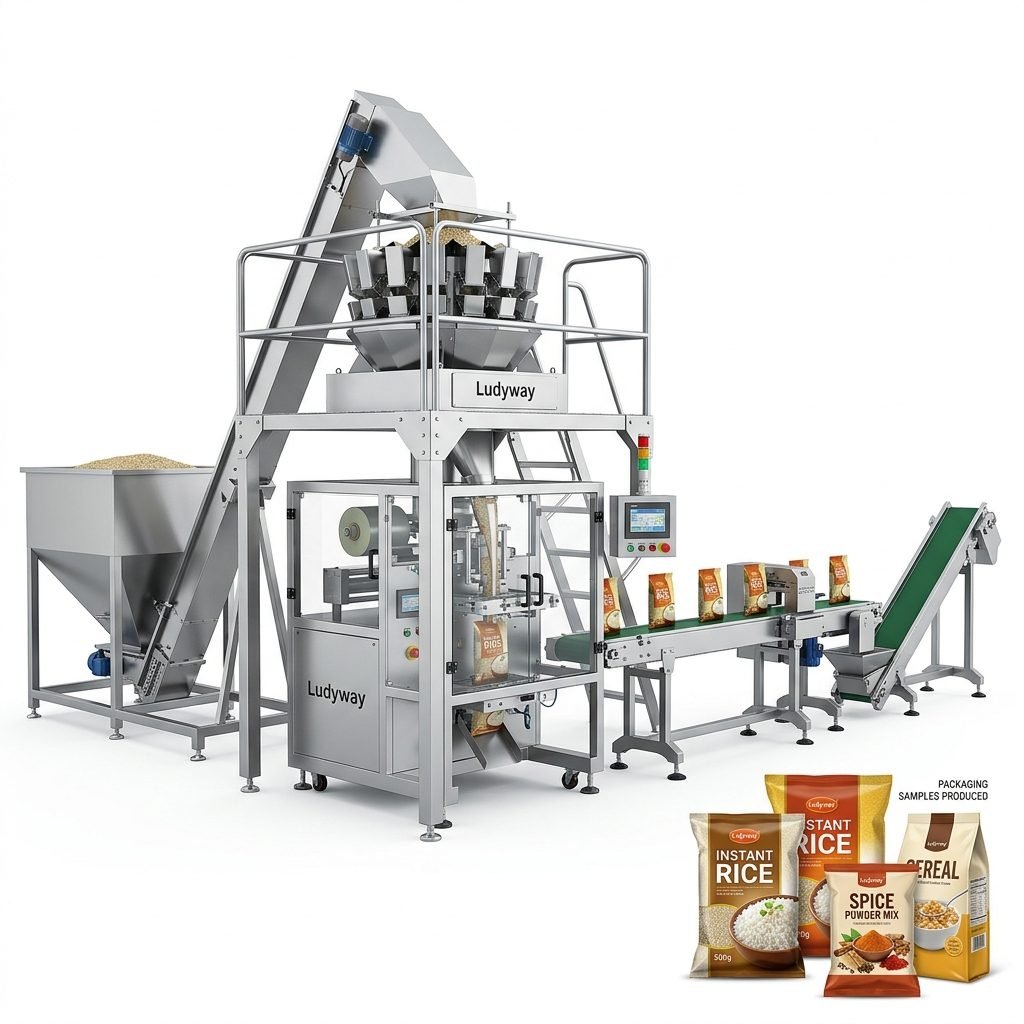
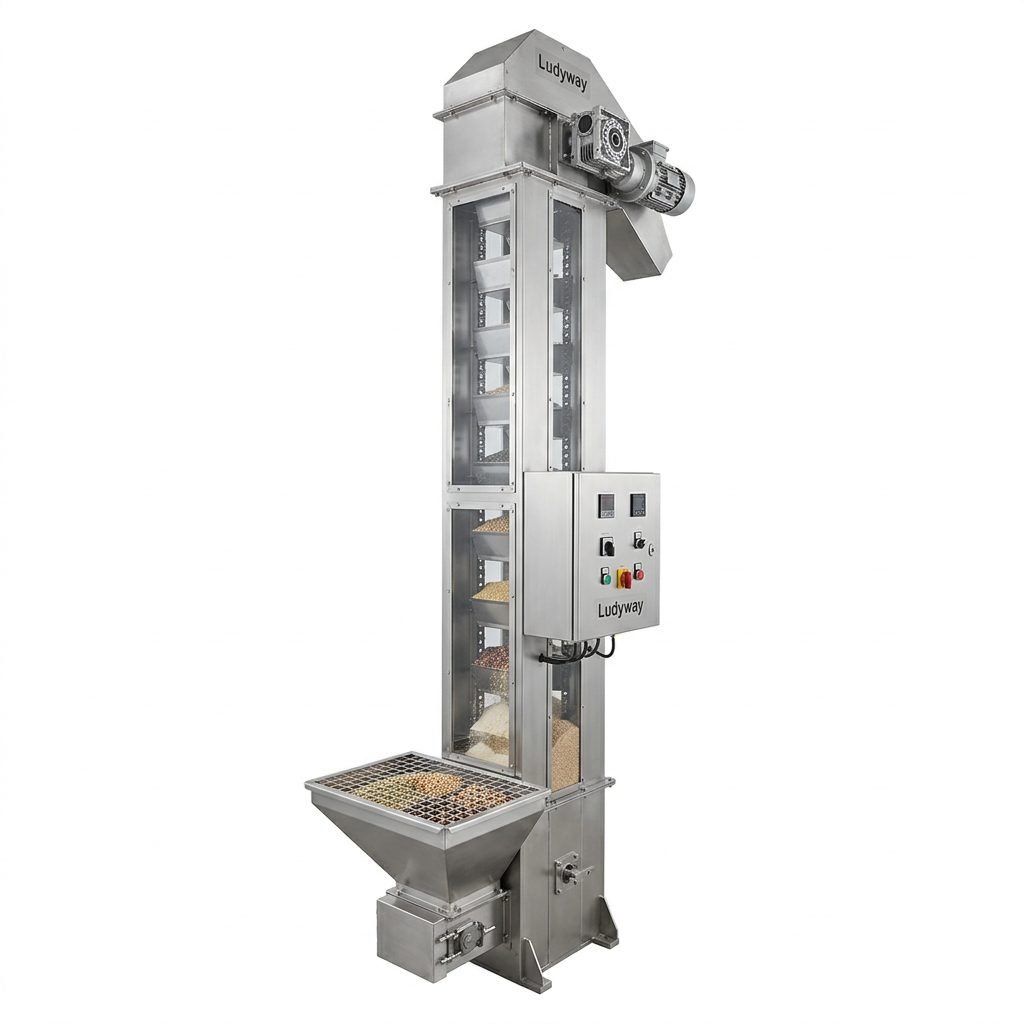
| Fully Automated Turnkey Packaging Line | Complete system: feeding, weighing, packing, cartoning, palletizing | $100,000 – $350,000+ |
Note: Prices are indicative and vary based on configuration, capacity, and optional modules.
Understanding Different Packaging Machine Configurations
Tea and pulses come in various forms—whole leaves, broken leaves, fine powders, whole lentils, split peas, and granular flour. Each form requires a specific type of filling mechanism. The Packaging Machinery Manufacturers Institute (PMMI) provides industry benchmarks that help classify machinery by function and output class. Below are the most common configurations for this category:
Volumetric Cup Fillers
Best suited for free-flowing granules like whole pulses and large tea leaves. These machines use adjustable measuring cups to dispense product. They are cost-effective but less accurate for fine powders or sticky materials.
Auger Filling Systems
Ideal for fine tea powders, matcha, and ground pulses. Auger fillers deliver precise dosing by rotating a screw mechanism. Accuracy can reach ±1% for many powder products. These systems are slightly more expensive than volumetric fillers but essential for premium product lines.
Multi-Head Weigher Systems
For high-speed operations, multi-head weighers provide the best combination of speed and accuracy. Commonly used in large-scale pulses packaging lines, these systems can handle up to 120 weighments per minute with excellent consistency. They represent a significant portion of the total machine cost.

Cost-Saving Strategies Without Compromising Quality
While it may be tempting to opt for the lowest-priced machine, long-term operational costs often outweigh initial savings. Consider these strategies to optimize your investment:
- Modular Upgrades: Purchase a base machine now and add modules such as automatic feeding, nitrogen flushing, or cartoning later as your production scales.
- Energy Efficiency: Evaluate power consumption ratings. Machines with servo-driven motors and energy-efficient heating systems reduce operating costs over time.
- Local Support & Spare Parts: Choose a manufacturer that offers reliable after-sales support and readily available spare parts. Downtime in a production line can cost more than the machine itself.
- Standardized Footprint: Compact, standardized machine designs reduce factory floor space requirements and installation costs.
Machine Material and Compliance Standards
Food-grade packaging equipment must comply with international standards. The ISO 55 series for packaging standards outlines requirements for safety, hygiene, and performance. Machines built with stainless steel 304 or 316L contact parts, IP65-rated enclosures, and easy-clean designs are essential for tea and pulses processing. Compliance with FDA and EU food contact material regulations adds to the base cost but is non-negotiable for export-oriented businesses.
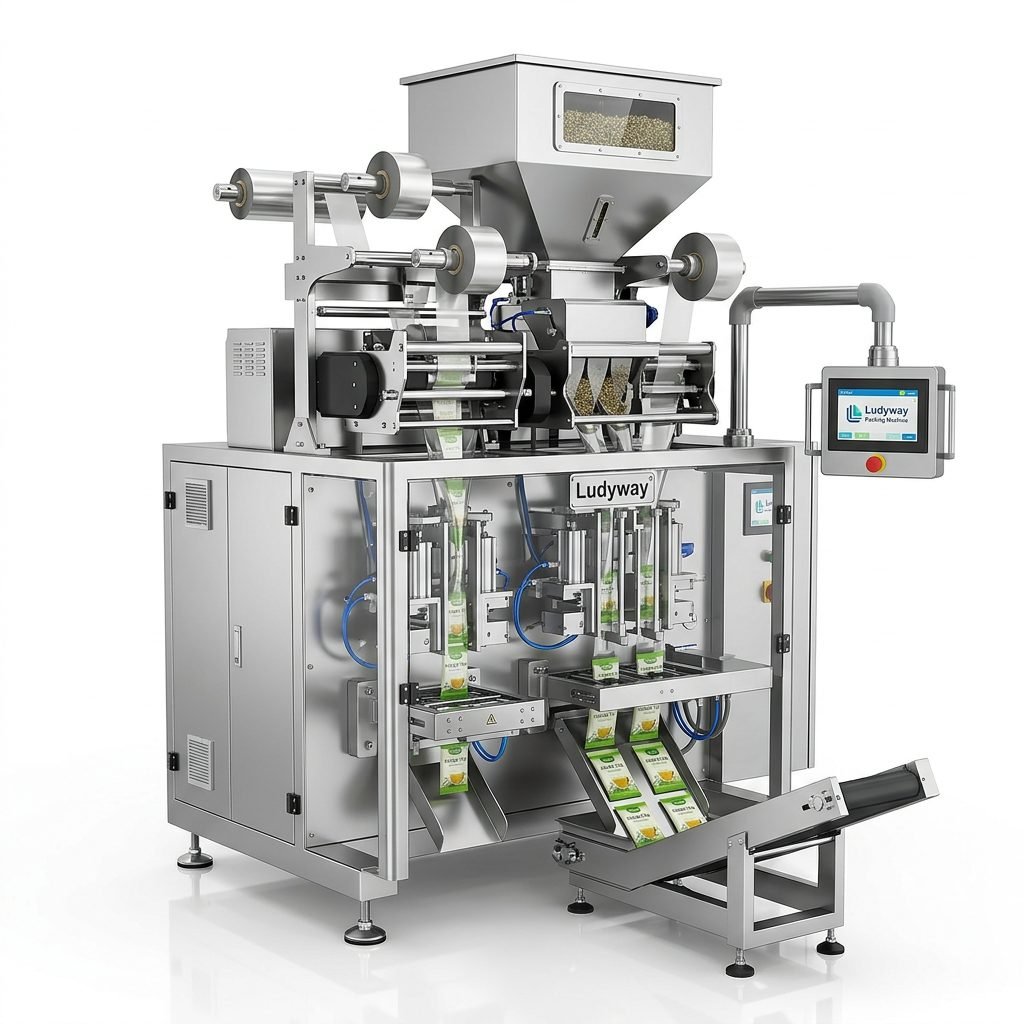
Operational Costs to Consider Beyond the Purchase Price
The sticker price of a tea and pulses packing machine is only part of the total cost of ownership. Here is what else you should budget for:
| Cost Category | Description | Estimated Annual Range |
|---|---|---|
| Spare Parts & Consumables | Sealing jaws, cutting blades, belts, filters | $800 – $3,500 |
| Packaging Film Material | Laminated films, aluminum foil, biodegradable materials | Varies by volume: $5,000 – $50,000+ |
| Maintenance Labor | Routine servicing, cleaning, and inspections | $1,200 – $4,000 |
| Operator Training | Initial and ongoing training for machine operators | $500 – $2,000 |
Selecting the Right Manufacturer for Your Investment
When sourcing a tea and pulses packaging machine, the manufacturer’s experience and technical support capability are as important as the machine specifications. A reliable packaging machine manufacturer should offer a proven track record, factory acceptance testing, and global service coverage. For example, Ludyway operates a 20,000㎡ modern production facility with over 30 years of industry expertise, providing more than 50 intelligent packaging machine models including multi-lane stick pack and sachet systems. Evaluating factors such as warranty terms, spare parts availability, and installation support will protect your investment in the long run. Consulting resources from the Flexible Packaging Association can also help you understand broader industry standards and packaging material compatibility for your products.
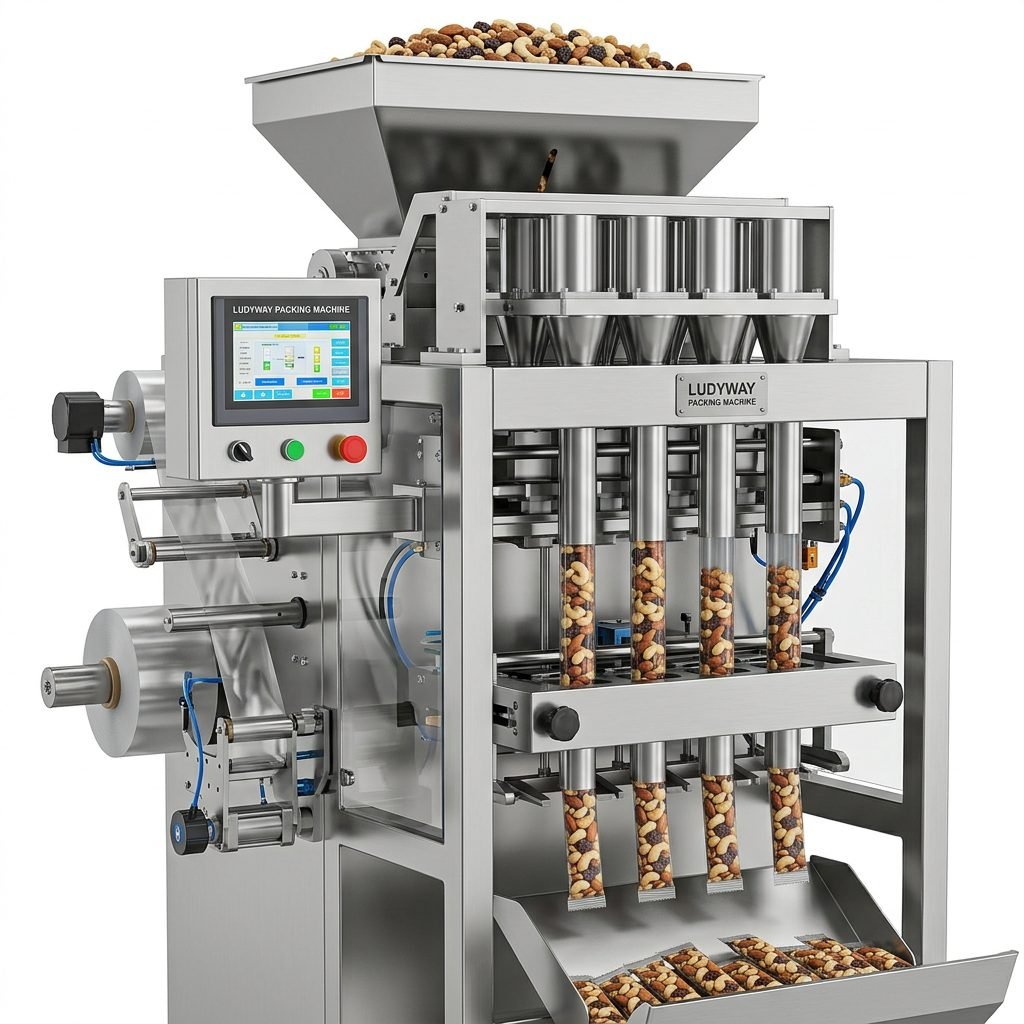
Common Questions When Budgeting for a Packaging Machine
Here are practical considerations that directly impact your cost planning:
- Can I start with a single-lane machine and upgrade later? Some manufacturers offer modular platforms that allow lane expansion. Check if the frame and control system support future upgrades.
- What is the typical lead time? Standard machines may ship in 30–60 days, while custom-configured lines can take 90–120 days or more.
- Are there hidden costs? Ask about crating, freight, import duties, on-site commissioning, and training fees before finalizing your order.
- What warranty is standard? Most reputable manufacturers offer a 12-month warranty on mechanical and electrical components.
Return on Investment (ROI) Considerations
A mid-range multi-lane stick pack machine costing $50,000 that produces 60 packs per minute across 4 lanes can output over 14,400 finished pouches per hour. When compared to manual or semi-automatic processes, labor savings alone can recover the investment within 12 to 24 months. Additionally, consistent fill accuracy reduces product giveaway—a critical factor for high-value tea powders and organic pulses—further improving ROI.
Ultimately, the cost of a tea and pulses packing machine should be evaluated against your production targets, product characteristics, and long-term growth plans. By understanding the technical requirements and working with an experienced equipment provider, you can secure a packaging solution that delivers both efficiency and value for years to come.