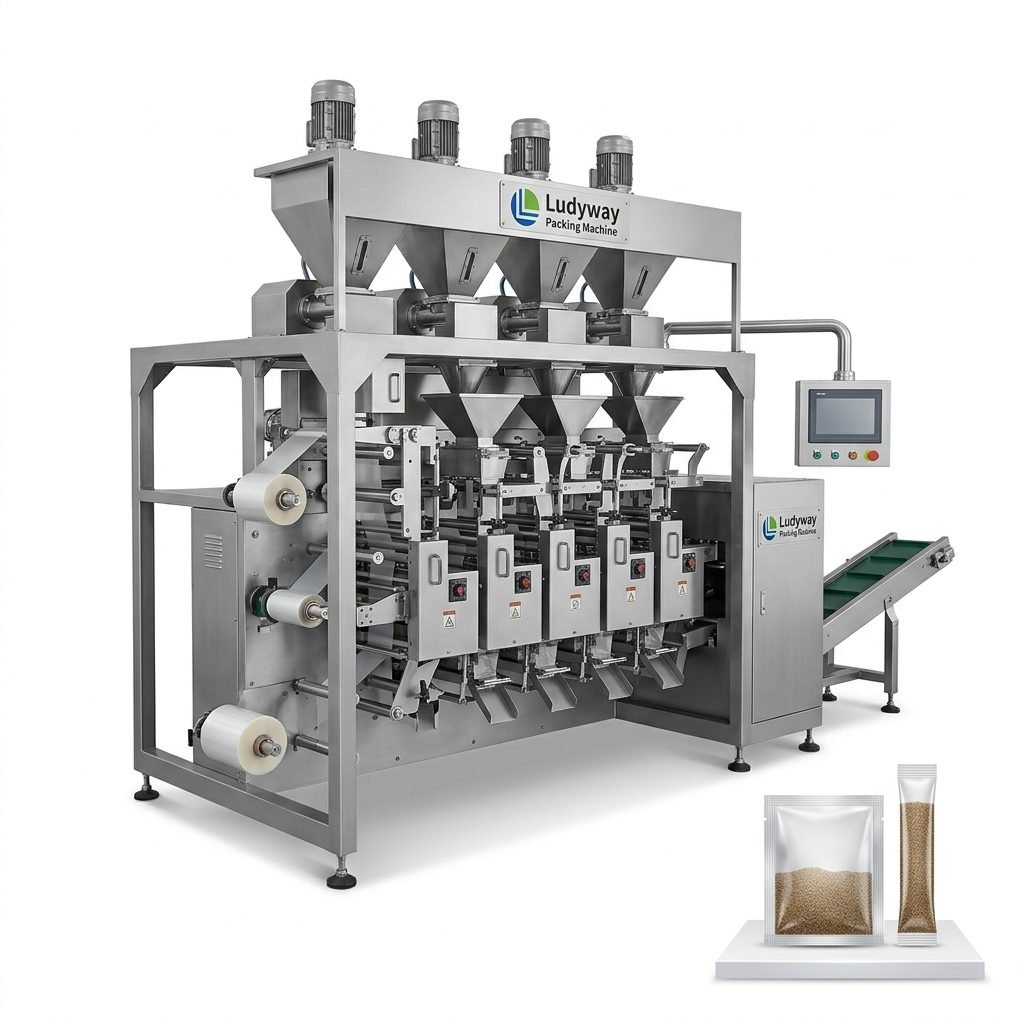
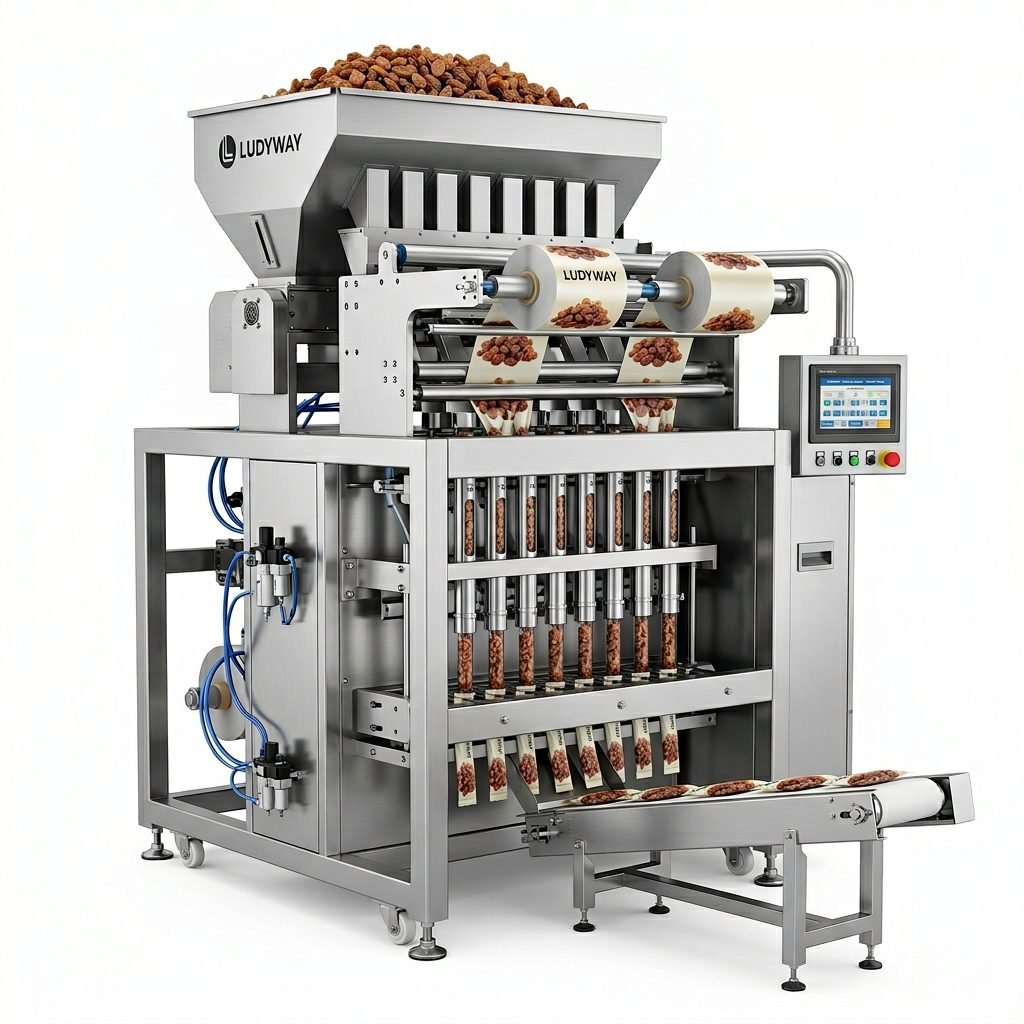
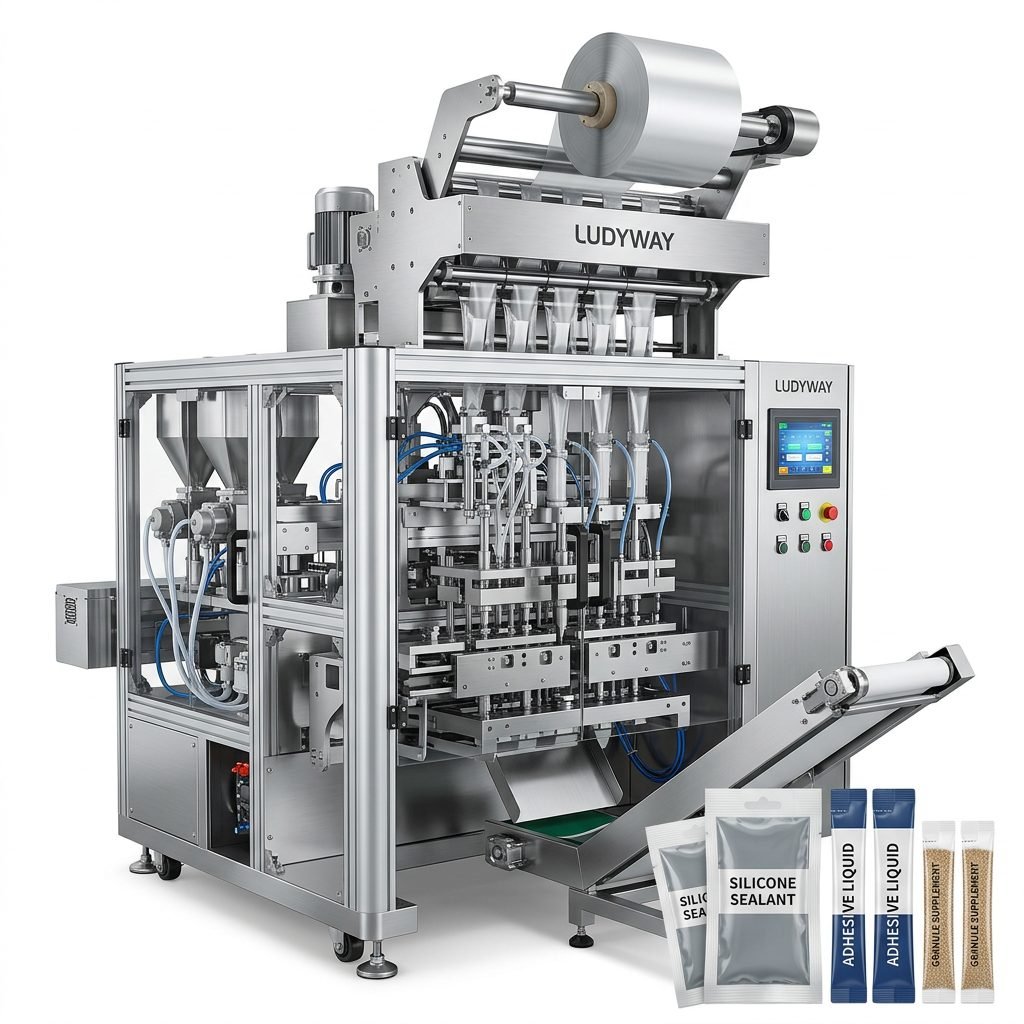
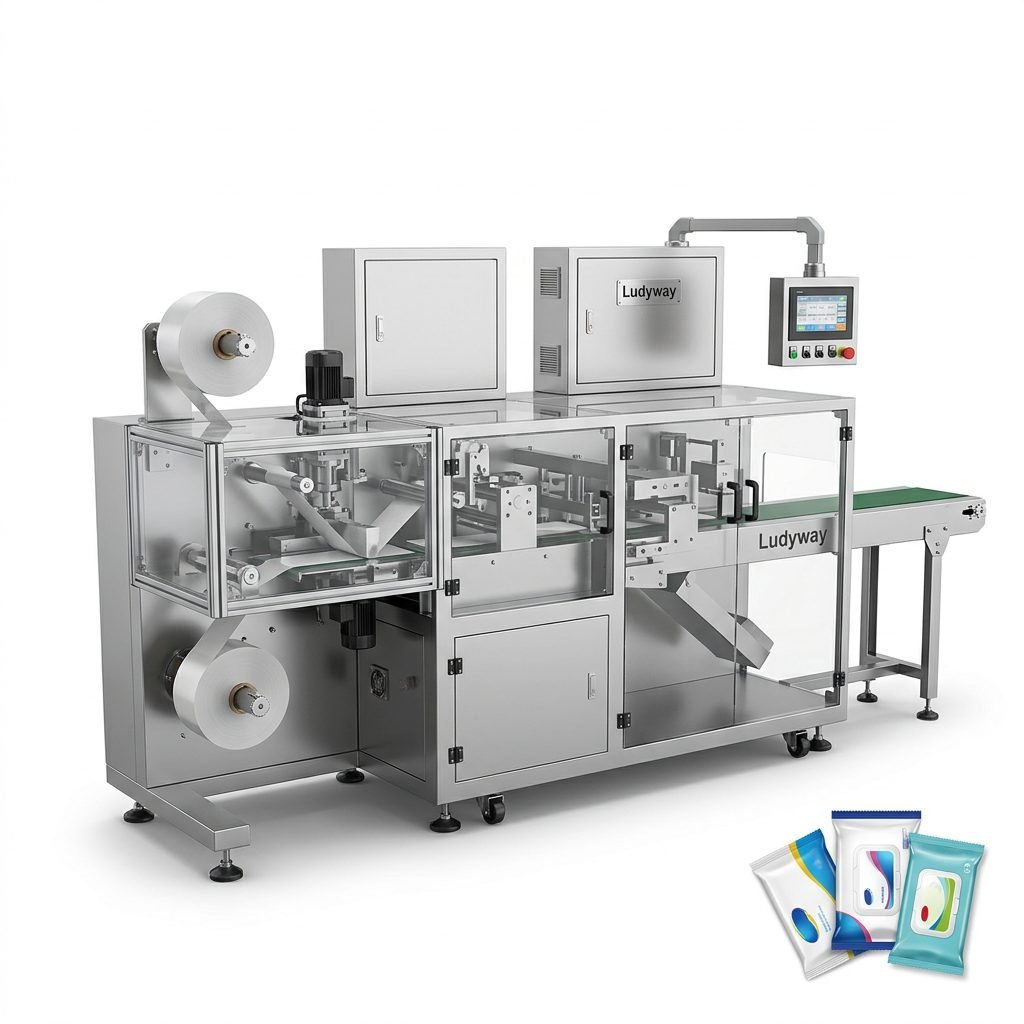
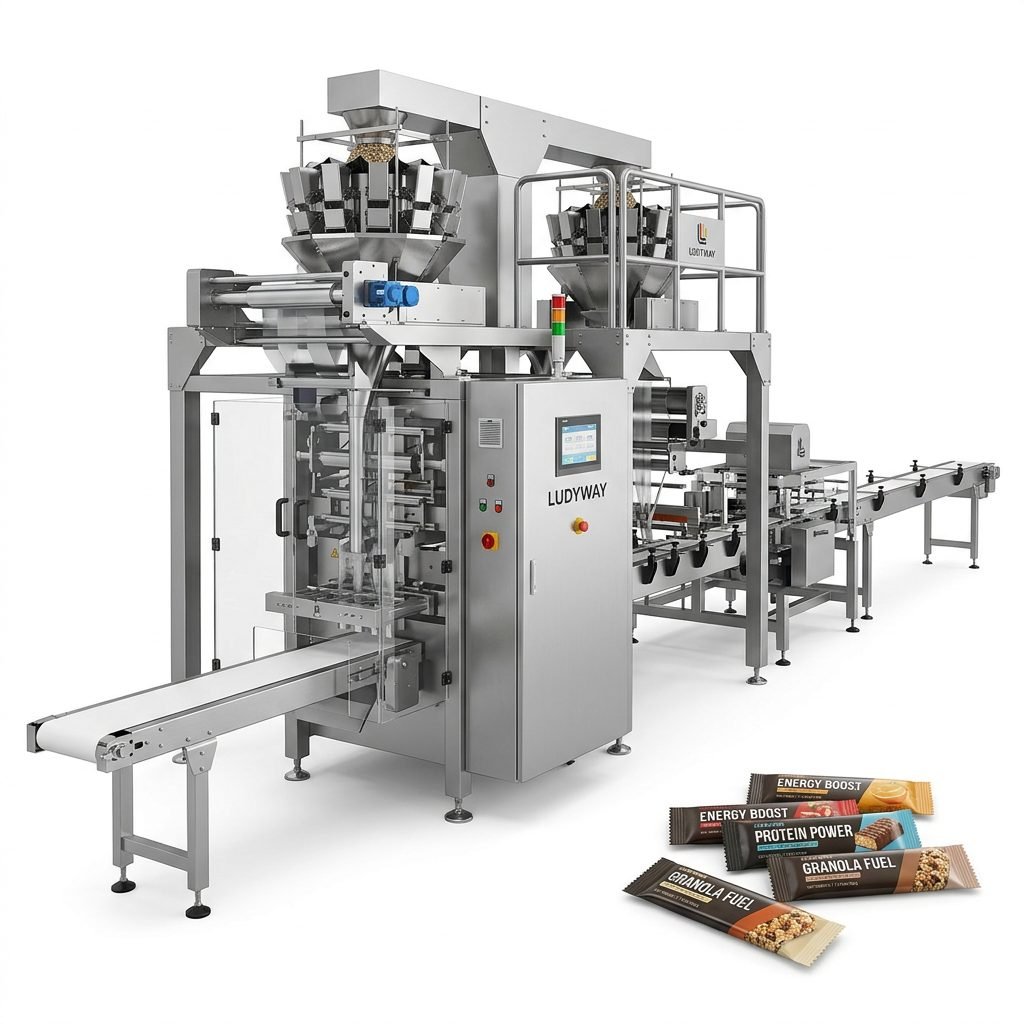
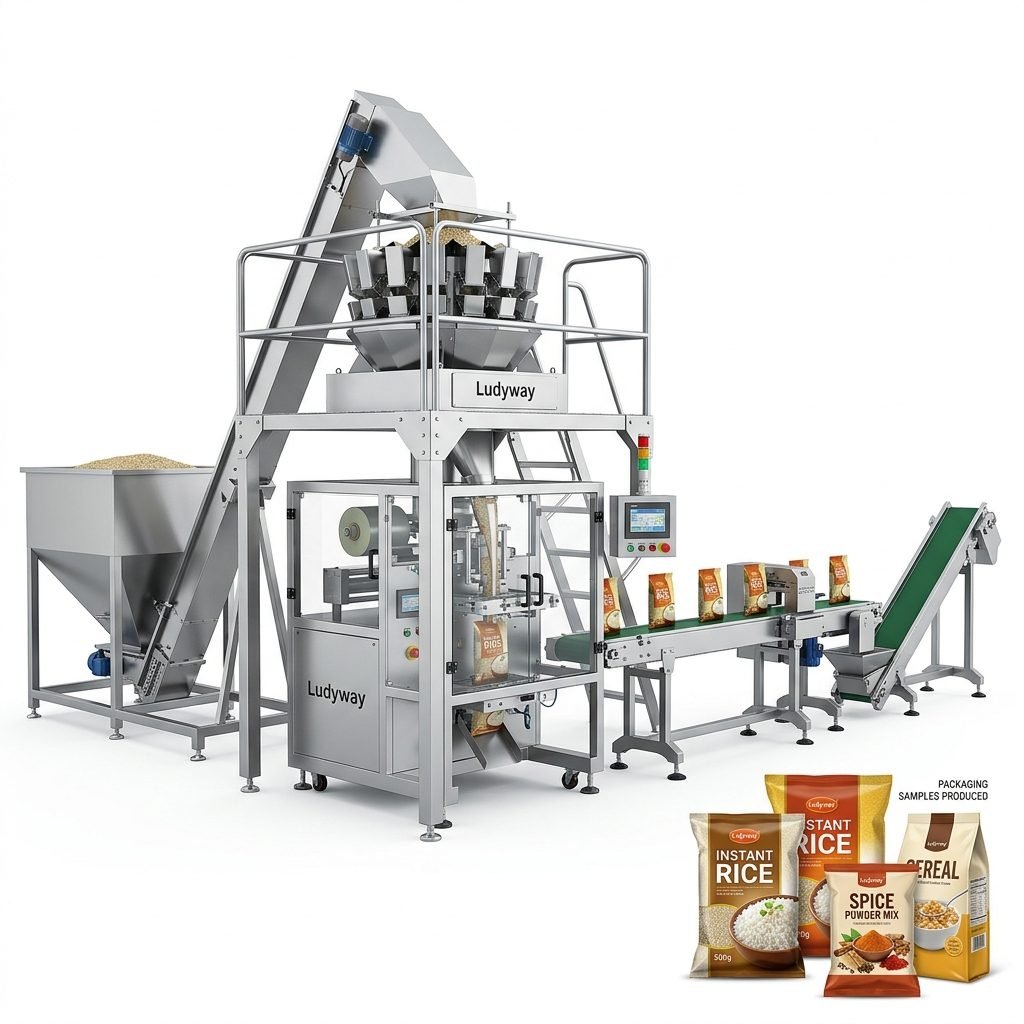
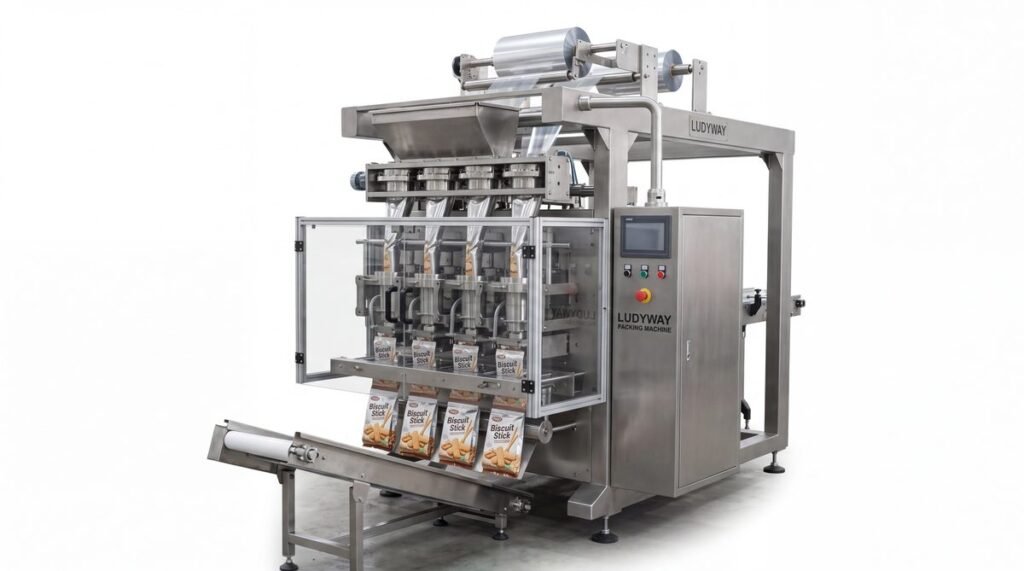
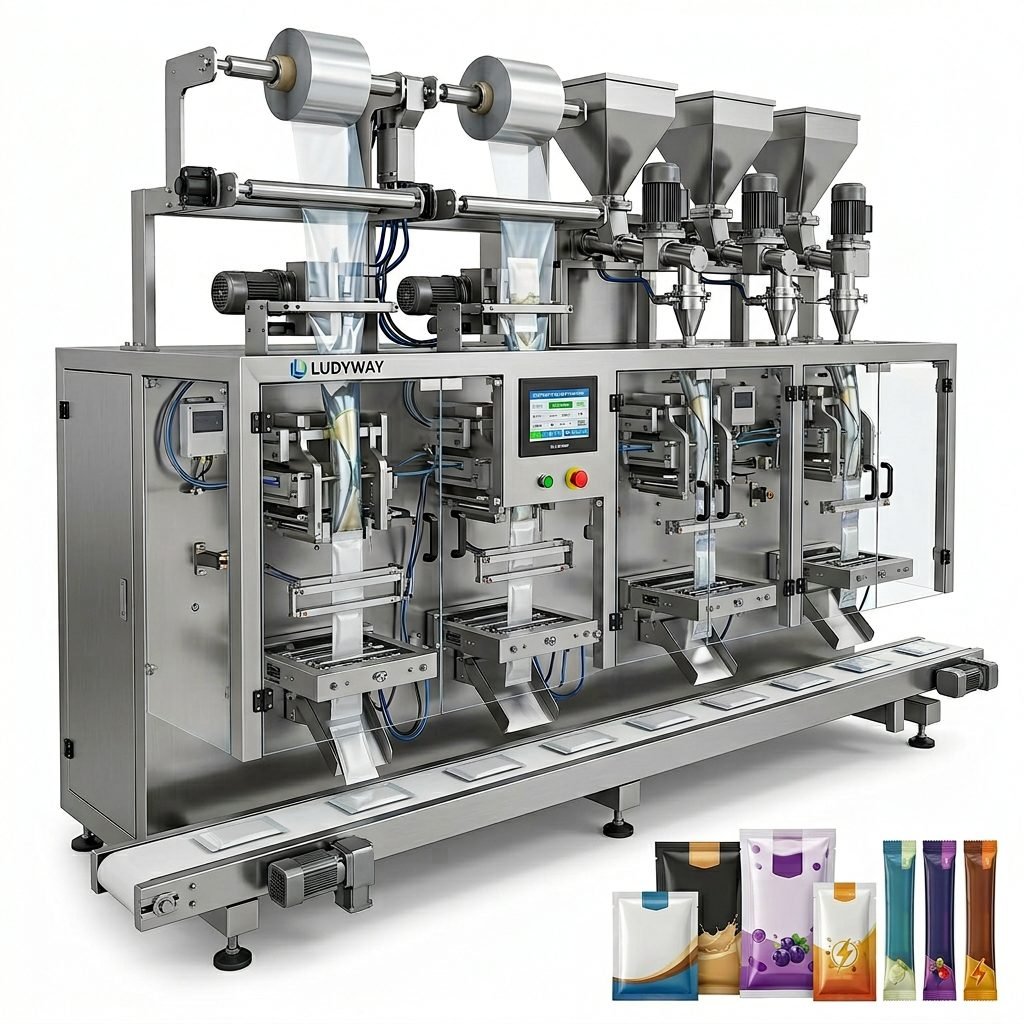
Operating a high-speed pan masala packing machine demands more than a simple start-and-stop routine. To ensure consistent output, minimize production downtime, and extend the lifespan of your packaging equipment, a structured maintenance program is critical. Ignoring daily care can lead to inaccurate fills, seal failures, and costly mechanical breakdowns. This guide provides a practical roadmap for maintaining your pan masala packing machinery, keeping your production line running efficiently year-round.
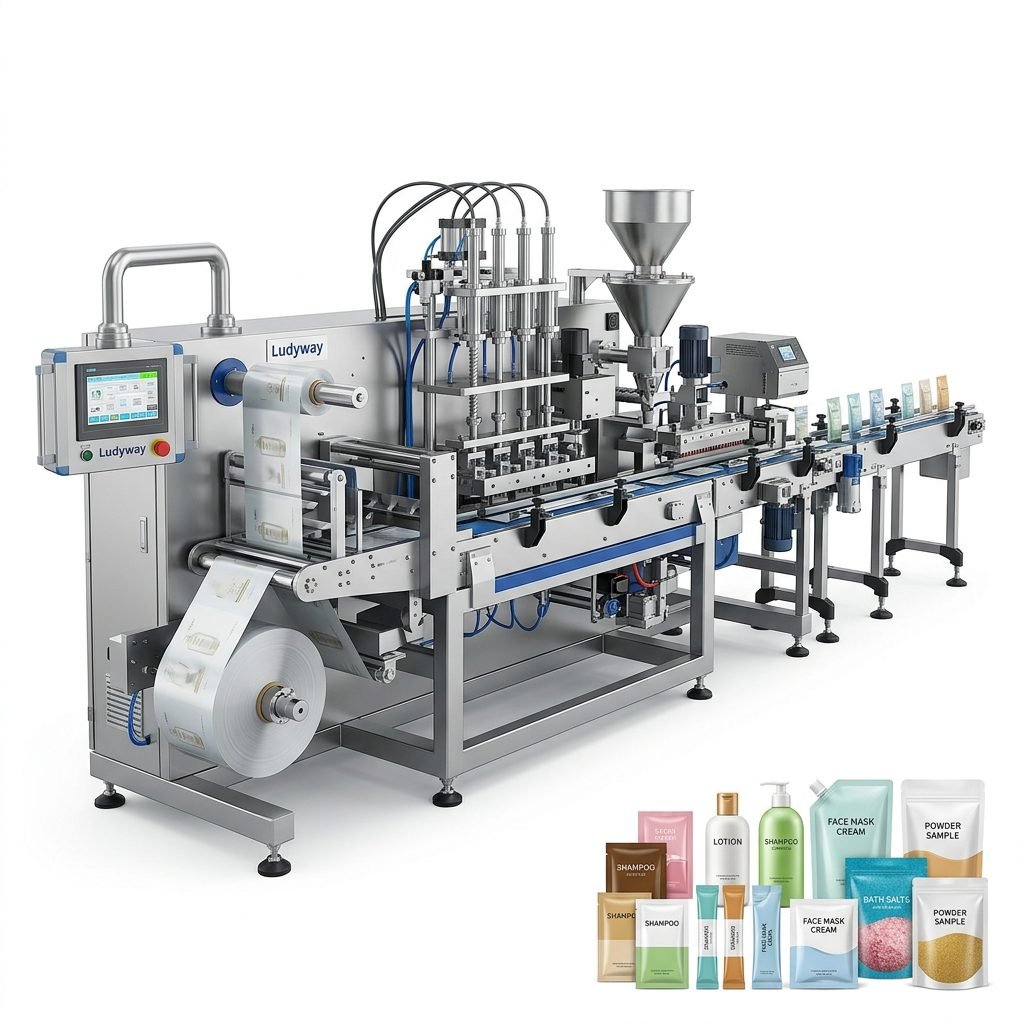
1. Daily Preventive Maintenance Checklist
Daily inspections are your first line of defense against unexpected failures. For granule packaging and powder applications like pan masala, residue buildup is the most common culprit behind machine jams and sealing defects.
- Remove Product Residue: Pan masala powders are highly hygroscopic and sticky. Use compressed air and approved cleaning agents to thoroughly clean the hopper, filling auger, and sealing jaws. Never use water directly on electronic components.
- Inspect Sealing Jaws: Check the heat-seal bars for carbonized material or Teflon tape wear. Uneven heating leads to leaky sachets or stick packs. Replace damaged Teflon covers immediately to maintain seal integrity.
- Check Sensors and Electricals: Wipe down the photoelectric sensors and proximity switches with a dry lint-free cloth. Dust accumulation can trigger false signals, causing the machine to miss film registration marks.
- Lubricate Moving Parts: Apply food-grade lubricant sparingly to the cam followers, linear bearings, and cross-seal drive mechanisms. Insufficient lubrication accelerates wear on these high-stress components.
2. Weekly Mechanical and Pneumatic Inspections
While daily checks focus on cleanliness, weekly routines dive deeper into the mechanical integrity of the stick pack machine and its auxiliary systems. A well-maintained pneumatic system is vital for precise cutting and sealing pressure in automated pan masala lines.
- Verify Pneumatic Pressure: The main regulator for the machine should maintain a stable pressure level (typically between 0.6 – 0.8 MPa). Fluctuations cause inconsistent seal quality and dropping of the knife cutter.
- Inspect Film Unwinding Roller: Ensure the packaging film roller unwinds smoothly without jerking. A misaligned dancer arm can wrinkle the film, destroying the aesthetic finish of the pan masala pouch.
- Calibrate the Weighing System: For multi-lane sachet packaging machines, check the zero point of the load cells. Even minor zero drift can lead to significant product give-away in high-volume pan masala production.
- Tighten Fasteners: Vibration from continuous high-speed operation can loosen bolts, especially on the forming tube collar and cutter assembly. Use the correct torque specifications for refastening.
3. Monthly Deep Maintenance Protocol
A monthly shutdown for deep maintenance prevents micro-failures from escalating. This involves opening the main drive panels and conducting a thorough structural check of the packaging machine frame.
| Component | Maintenance Action | Frequency |
|---|---|---|
| Main Drive Motor & Gears | Check gear box oil level; clean ventilation grills | Monthly |
| Electrical Control Panel | Vacuum dust from PCBs; check wiring connections for tightness | Monthly |
| Vacuum Belt / Feed Conveyor | Inspect belt tracking and tension; clean or replace worn belts | Monthly |
| Date Coder / Embosser | Clean inkjet nozzles or hot stamps; test batch number alignment | Monthly |
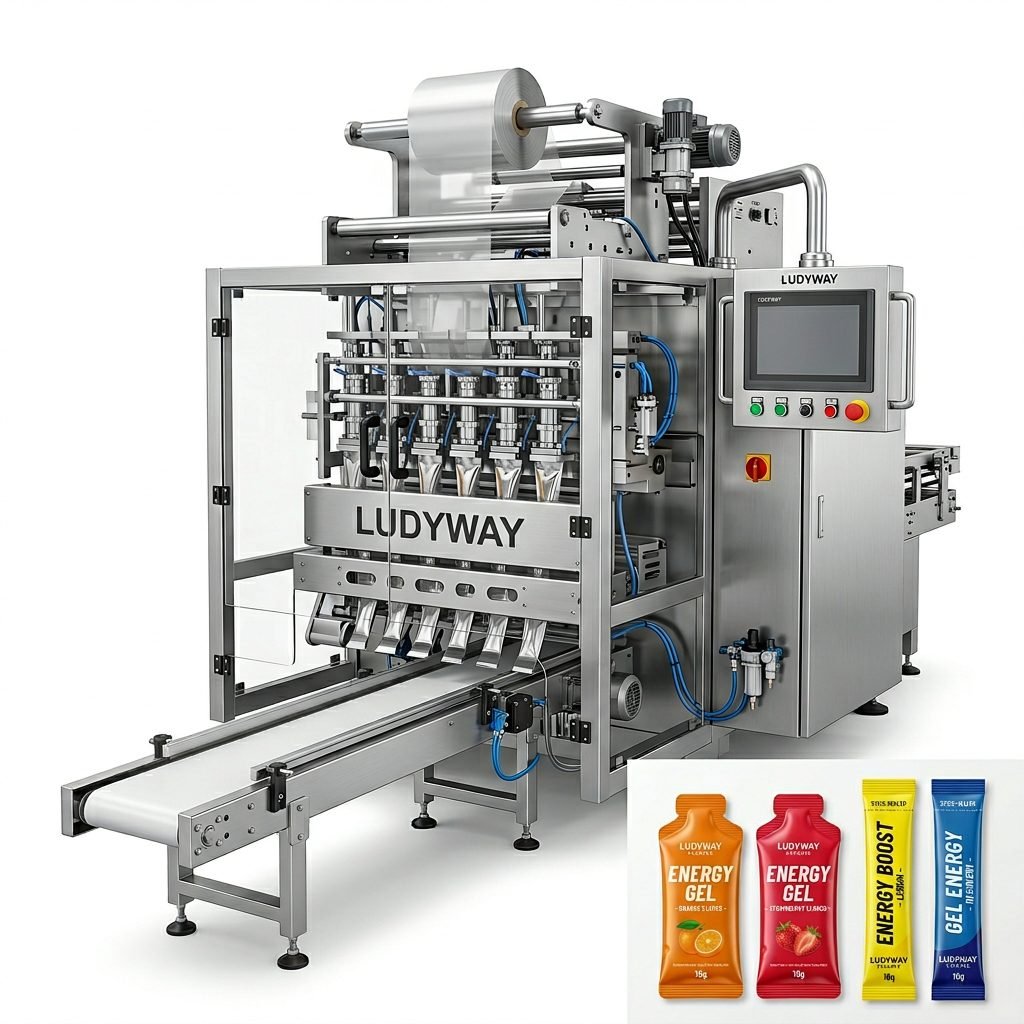
4. Troubleshooting Common Pan Masala Packing Issues
Precise filling is non-negotiable. Even with rigorous maintenance, specific issues arise due to the fine, sticky nature of pan masala powder. Here is a quick reference for troubleshooting stanard faults:
- Inaccurate Fill Weight: Check for bridging of powder in the hopper agitator. Ensure the auger clearance is calibrated specifically for the density of pan masala granules rather than free-flowing powder.
- Wrinkled or Twisted Pouches: Usually caused by misaligned forming tubes or poor film tracking. Reset the forming collar and ensure the vertical seal wheels are parallel.
- Incomplete Seals (Leakers): The sealing temperature might be too low for the laminate structure used to contain aromatic masala. Increase temperature in small increments, or check for product residue trapped in the seal area.
5. The Critical Role of Spare Parts Management
Waiting for a component to fail before ordering a replacement is a risky strategy. Smart factory managers keep a critical stock of genuine spares. Essential parts for pan masala lines include specific heaters for seal bars, Teflon tape rolls, knife blades, thermocouples, and drive belts. Using non-OEM parts often reduces the efficiency of the fully automatic packaging system and may void your warranty.
Pro Tip: Maintain a logbook for each machine. Document every temperature adjustment, part replacement, and calibration. This historical data is invaluable for predictive maintenance and diagnosing recurring problems with powder packaging machines.
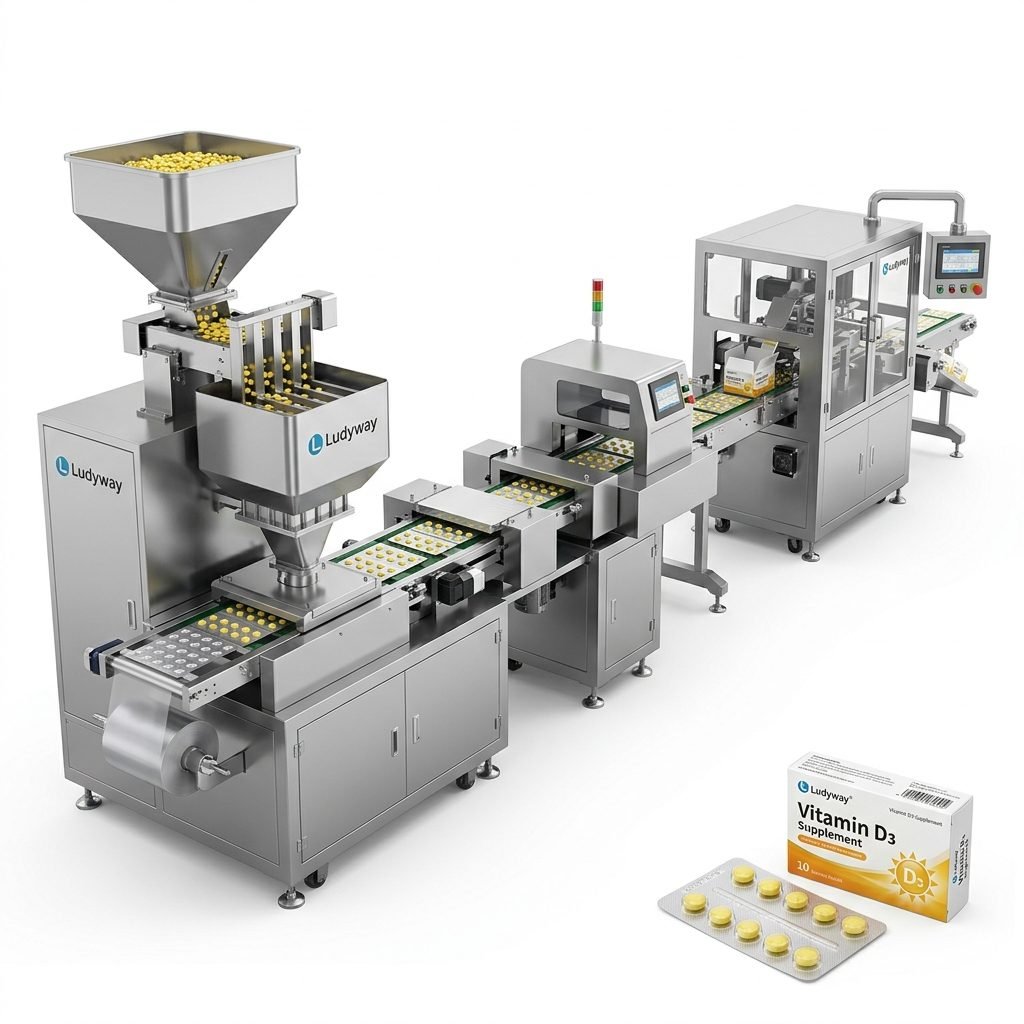
6. Safety Procedures During Maintenance
Never compromise on safety. Before performing any internal inspection or cleaning of the pan masala packing machine, follow these lock-out tag-out (LOTO) protocols:
- Disconnect the main power supply and physically lock the isolator switch.
- Release any stored pneumatic pressure in the cylinders and air reservoirs.
- Allow the seal bars to cool down for at least 15 minutes before handling.
- Post a warning sign on the control panel indicating maintenance is in progress.
If you encounter complex circuit faults or mechanical vibrations that simple alignment cannot fix, it is time to consult the experts. For complex repairs or retrofitting older units, manufacturers like Ludyway offer technical consulting and OEM parts to bring your packaging machinery back to its peak performance curve.
For further reading on packaging standards and industry best practices, refer to the authoritative resources at PMMI or review the regulatory guidelines on FDA Food Packaging.