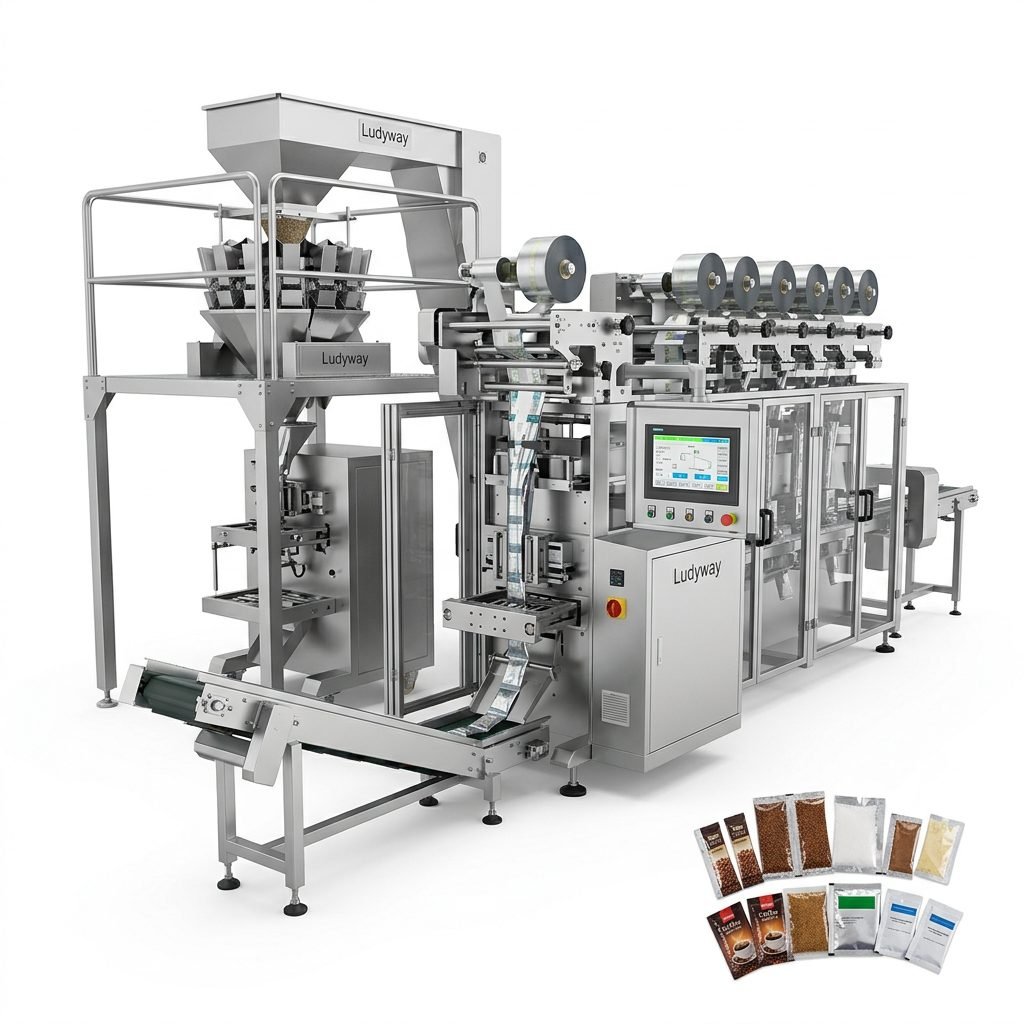
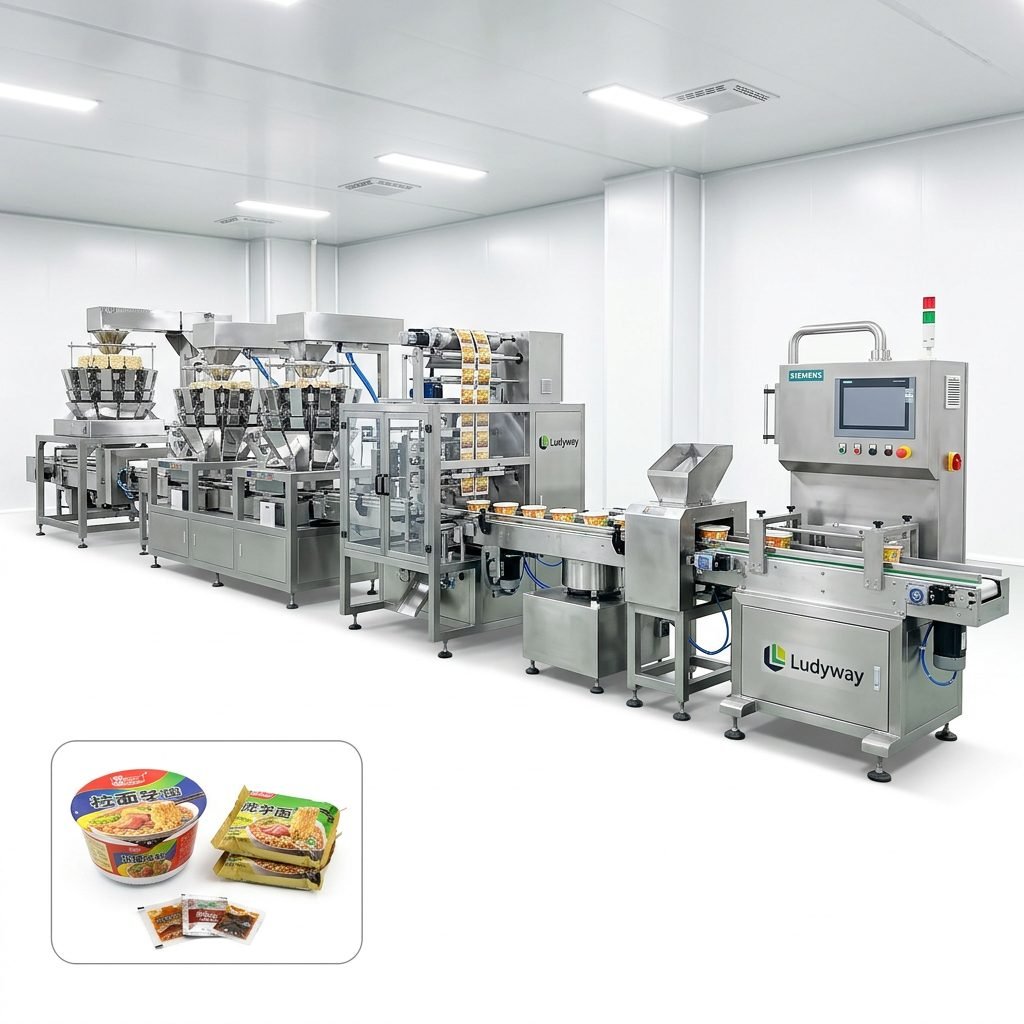
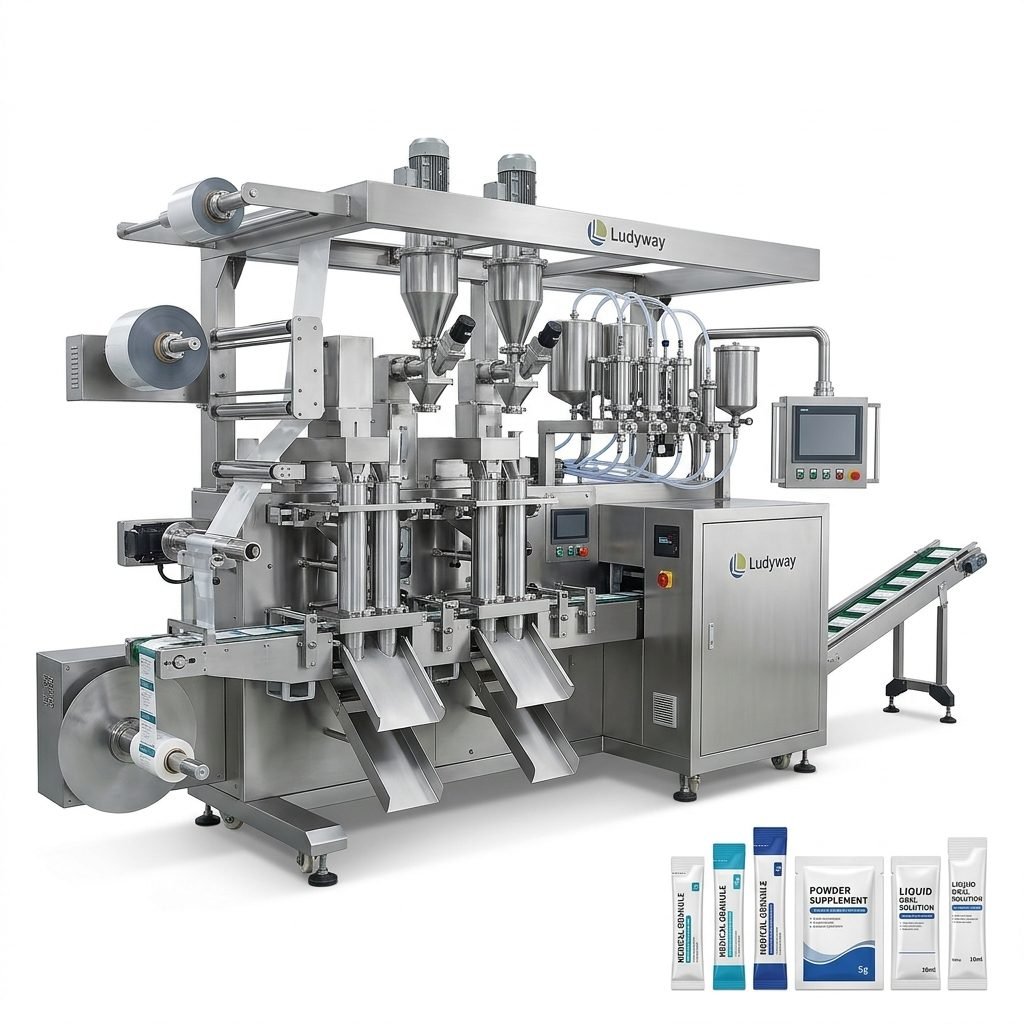
Why Consistent Maintenance Matters for Aluminium Packaging Machines
An aluminium packaging machine is a critical asset in food, pharmaceutical, and chemical production lines. Without a structured maintenance routine, even the most robust systems can suffer from unexpected downtime, inconsistent seal quality, or product contamination. Regular upkeep not only extends the lifespan of your aluminium packaging equipment but also ensures compliance with stringent industry regulations. A well-maintained machine operates at peak efficiency, reducing material waste and energy consumption.

Key Areas of Focus in Your Daily Inspection Checklist
Operators should perform a 15-minute visual and auditory inspection before starting production. This proactive step identifies minor issues before they escalate into major failures. Focus on the sealing jaws, film feed mechanisms, and control panels.
- Sealing Jaws and Heating Elements: Check for residue buildup or misalignment that could cause weak seals.
- Film Feed Rollers: Ensure rollers are free of adhesive residue and rotate smoothly without wobbling.
- Pneumatic Pressure: Verify that the air pressure gauge reads within the manufacturer’s recommended range.
- Safety Sensors: Test emergency stops and guard door interlocks daily.
Weekly and Monthly Preventative Maintenance Tasks
While daily checks handle surface-level concerns, deeper mechanical and electrical components require regular scheduled attention. Neglecting these tasks is the leading cause of premature wear in high-speed packaging environments.
Weekly Tasks
- Clean and lubricate chains, gears, and cam followers with food-grade lubricant.
- Inspect the cutting blade sharpness; a dull blade causes jagged edges on aluminium pouches.
- Check the vacuum system and replace filters if equipped.
- Back up machine parameters and recipe settings to an external drive.
Monthly Tasks
- Inspect electrical wiring and terminals for signs of overheating or corrosion.
- Calibrate temperature controllers for the vertical and horizontal sealing bars.
- Verify the accuracy of the multi-head weigher or volumetric filler.
- Examine belts for tension and signs of cracking.
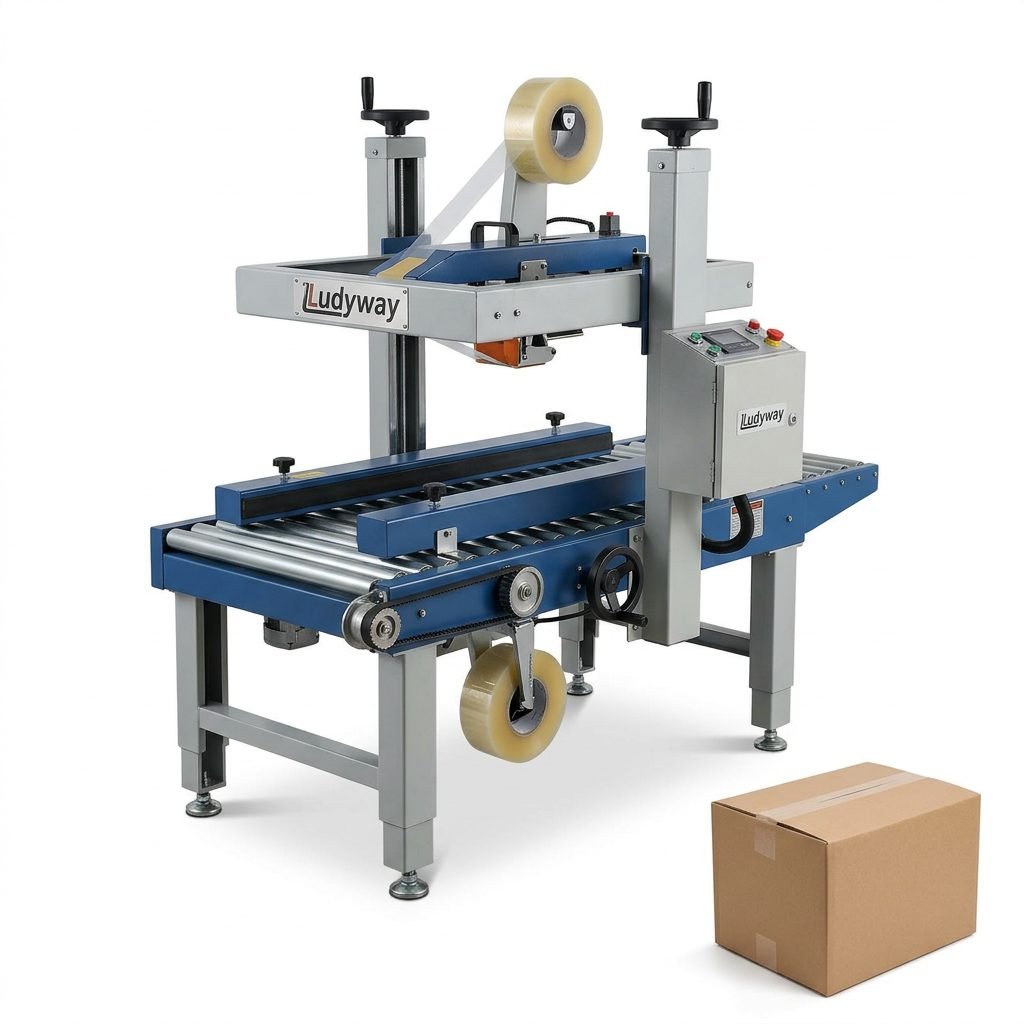
Troubleshooting Common Issues in Aluminium Foil Packaging
Aluminium film is sensitive to heat and tension. If you encounter frequent packaging defects, use the table below to diagnose the root cause quickly.
| Problem | Possible Cause | Recommended Action |
|---|---|---|
| Wrinkled Seals | Excessive sealing temperature or misaligned jaws | Lower temperature by 5°C increments; realign jaws |
| Film Slippage | Insufficient tension or dirty rollers | Increase back tension; clean rollers with isopropyl alcohol |
| Inconsistent Cut Length | Worn servo motor encoder or slipping belt | Replace belt; recalibrate encoder settings |
| Product Contamination | Static electricity attracting dust | Install ionizing bars; clean HEPA filters |
Cleaning Protocols for Sensitive Aluminium Applications
Aluminium packaging machines used in dairy, protein powders, and pharmaceuticals demand hygienic design cleaning. Always disconnect the main power supply before cleaning. Use a non-abrasive, lint-free cloth dampened with a mild detergent solution. Never spray water directly onto electrical housings or touch screens. For the forming tube and shoulders, a specific polish is recommended to maintain the non-stick surface, preventing product drag and film jams.
Deep Cleaning Checklist
- Remove and wash removable contact parts in warm soapy water.
- Dry components thoroughly with compressed air (filtered and oil-free).
- Wipe down photo-eye sensors with a dry cotton swab.
- Sanitize hoppers and feeders if switching between allergen and non-allergen products.
Optimizing Machine Performance Through Operator Training
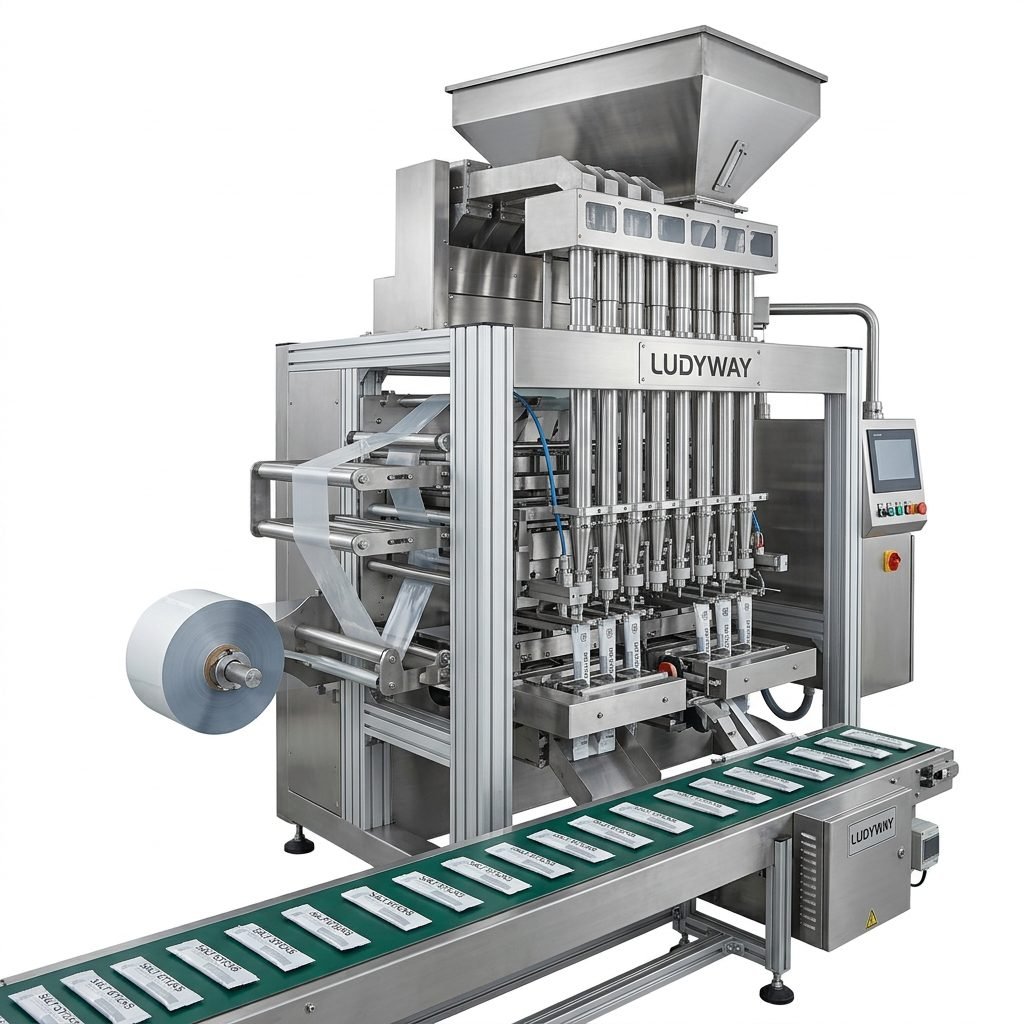
Even the most advanced stick pack machine requires a skilled operator. Investing in regular training reduces human error significantly. Operators should understand the Human-Machine Interface (HMI) deeply, know how to respond to alarm codes, and be trained in film splicing techniques to minimize film waste during roll changes.
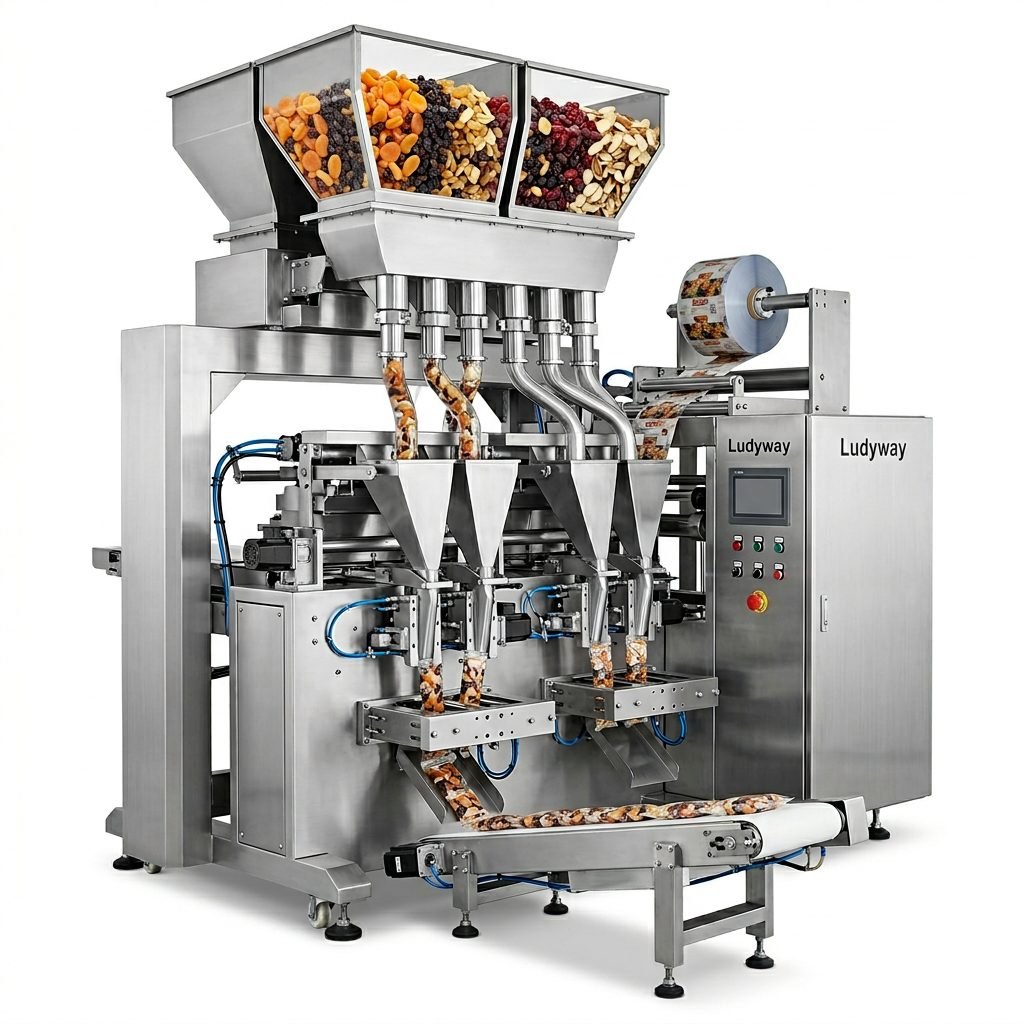
Essential Operator Training Modules
- Safe Lockout/Tagout (LOTO) procedures for maintenance.
- Correct film threading paths for aluminium laminates.
- Fine-tuning sealing pressure and dwell time.
- Basic fault diagnosis and error log interpretation.
The Crucial Role of Lubrication in High-Speed Operations
High-speed aluminium packaging generates friction. Using the correct lubricant grade is non-negotiable. Food-grade synthetic grease should be applied sparingly to bearing housings and sliding tracks. Over-greasing attracts dust and creates a grinding paste that accelerates wear. A quarterly analysis of lubrication points will protect mechanical integrity. Pay close attention to the rotary sealing station, which often runs hotter than other components.
Scheduled Component Replacement Plan
Adopting a predictive maintenance model prevents catastrophic failure. Critical spare parts should always be kept in stock. Based on industry best practices, the following replacement intervals are recommended for heavy-use environments:
| Component | Recommended Replacement Interval | Impact if Ignored |
|---|---|---|
| Heating Cartridges | 6 – 12 months | Temperature fluctuation, cold seals |
| Teflon Tape/Sheets | 3 months (or visual check) | Film tearing, product sticking |
| Drive Belts | 12 – 18 months | Registration errors, slipping |
| Pneumatic Seals/O-rings | Annual | Pressure loss, slow actuation |
Precision Calibration: Temperature, Timing, and Tension
Aluminium is a conductive material, meaning heat dissipates quickly. The temperature profile required for a secure hermetic seal is specific to the laminate thickness. Recalibrate the PID controllers every time a new film batch is used. Do not rely solely on the default recipes. Perform a peel test using a tensile strength tester to validate the seal integrity. Maintain a calibration log for ISO 9001 and GMP compliance audits.
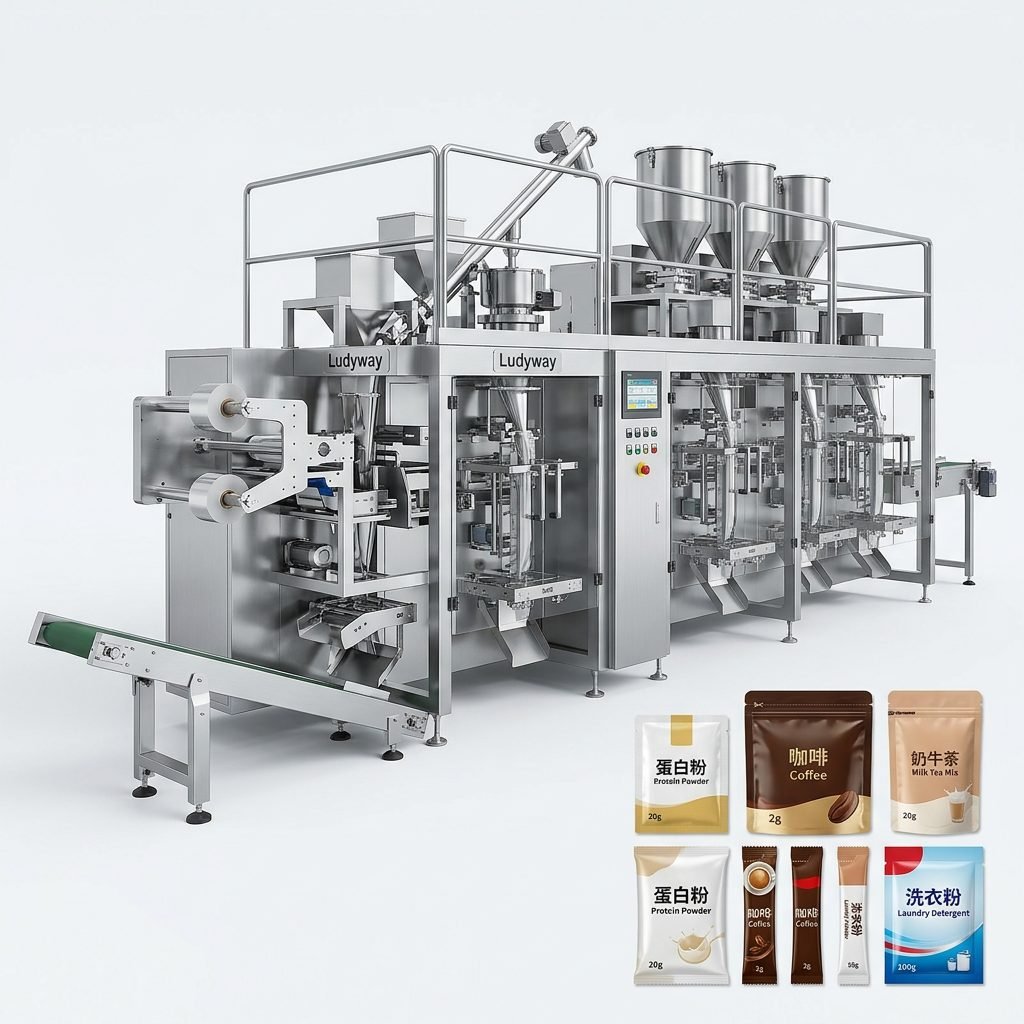
Step-by-Step Calibration Guide
- Run the machine at low speed (60% of max capacity).
- Create sample packages and check the seal width against the specification.
- Adjust the horizontal sealer alignment using feeler gauges for parallel accuracy.
- Increase speed gradually while monitoring the temperature PID auto-tune function.
Electrical Cabinet Maintenance and Environmental Controls
Dust ingress is a silent killer of packaging machinery. The electrical cabinets housing VFDs (Variable Frequency Drives) and PLCs must remain sealed. Weekly filter cleaning of the cabinet cooling fans is mandatory. In humid environments, ensure the cabinet anti-condensation heaters are functioning to prevent PCB corrosion. A yearly thermographic inspection can identify loose terminals that generate heat, potentially tripping breakers or causing voltage drops.
Leveraging Manufacturer Support and Turnkey Solutions
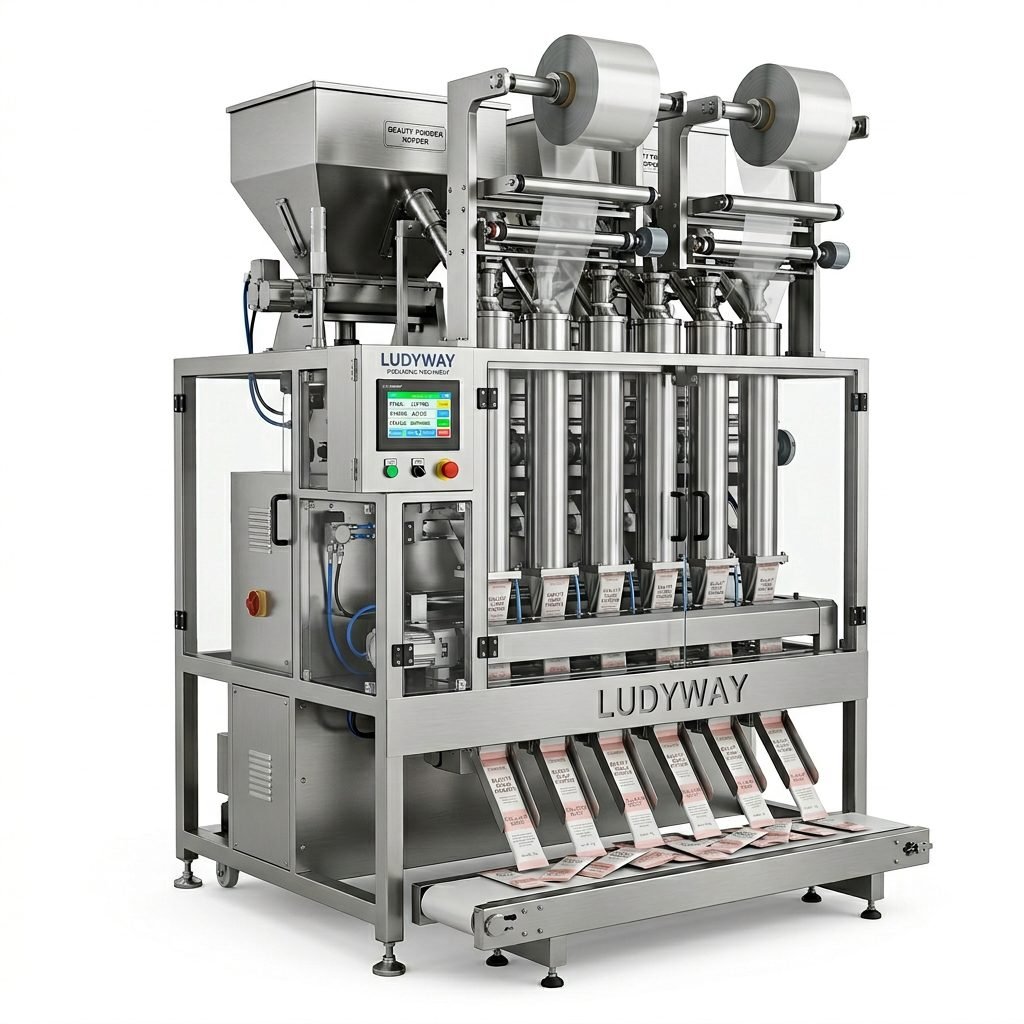
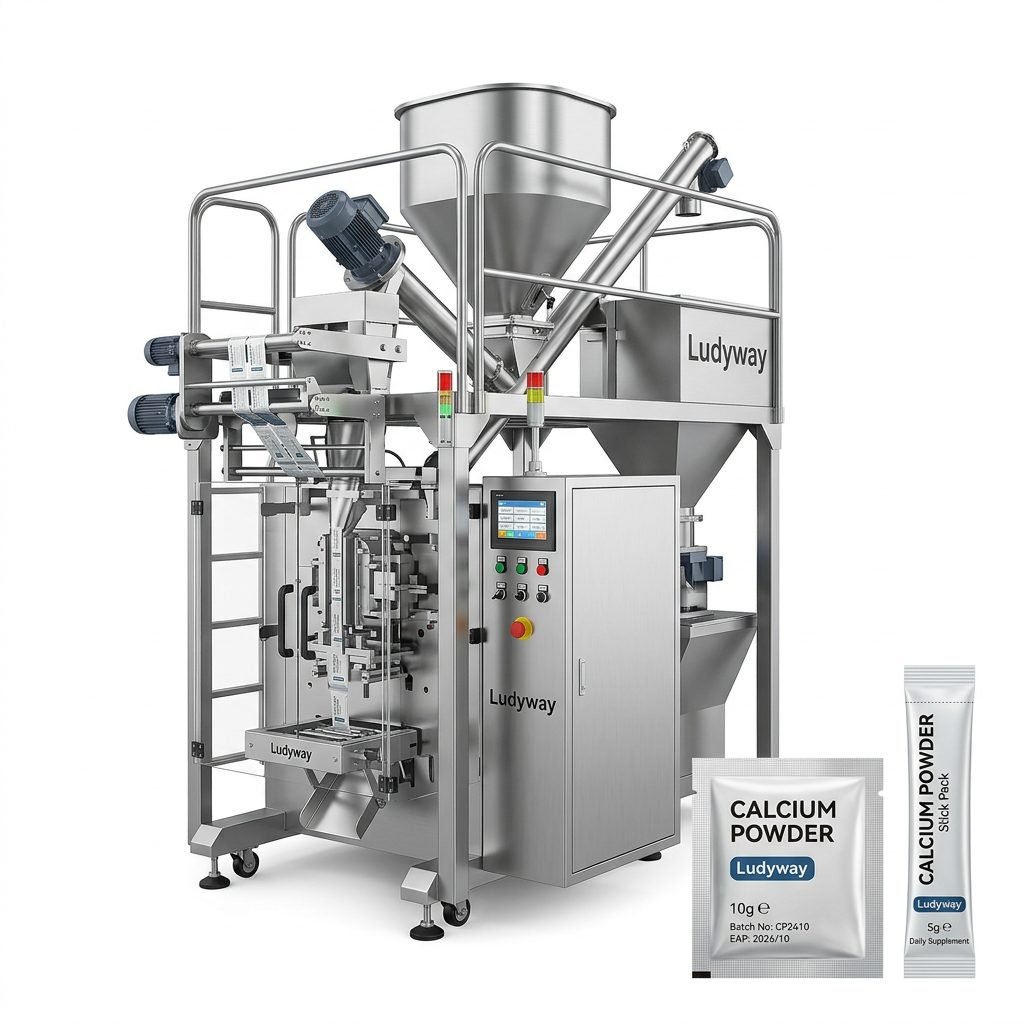
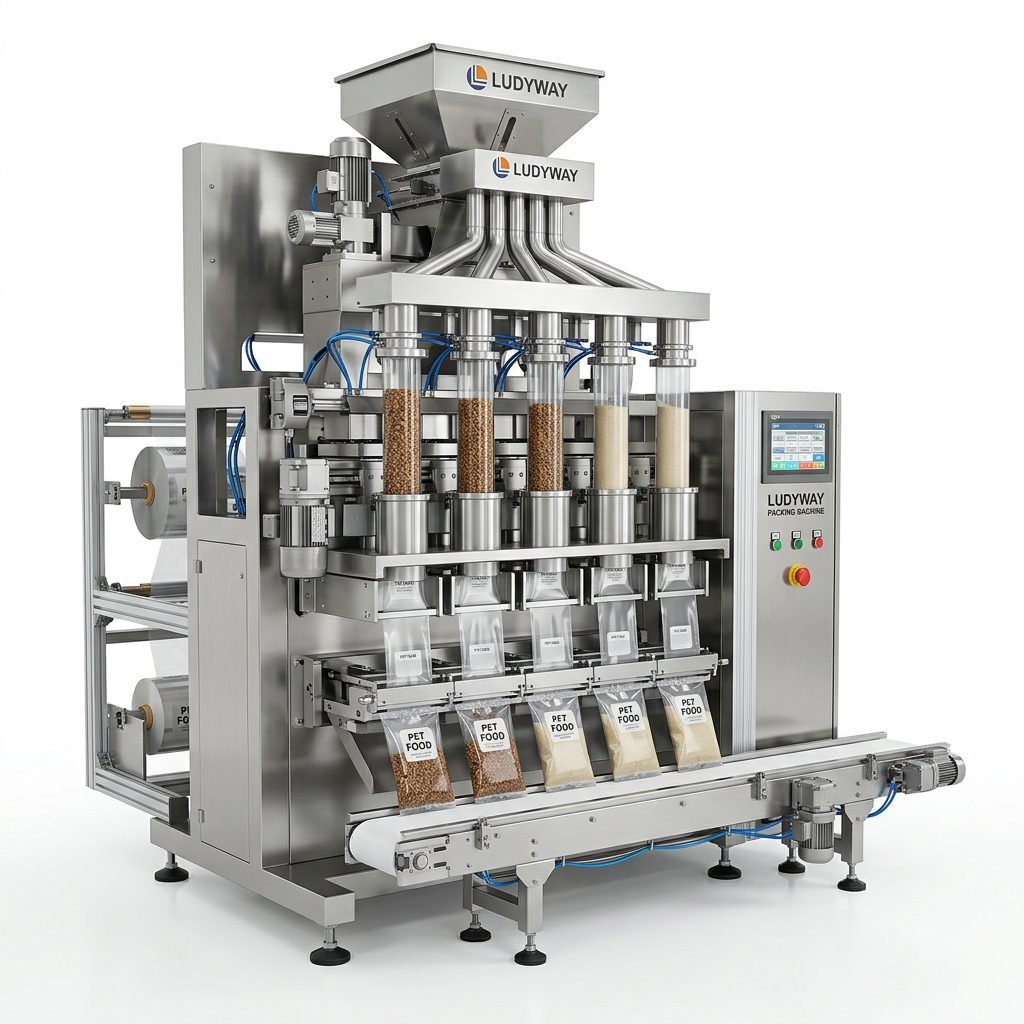
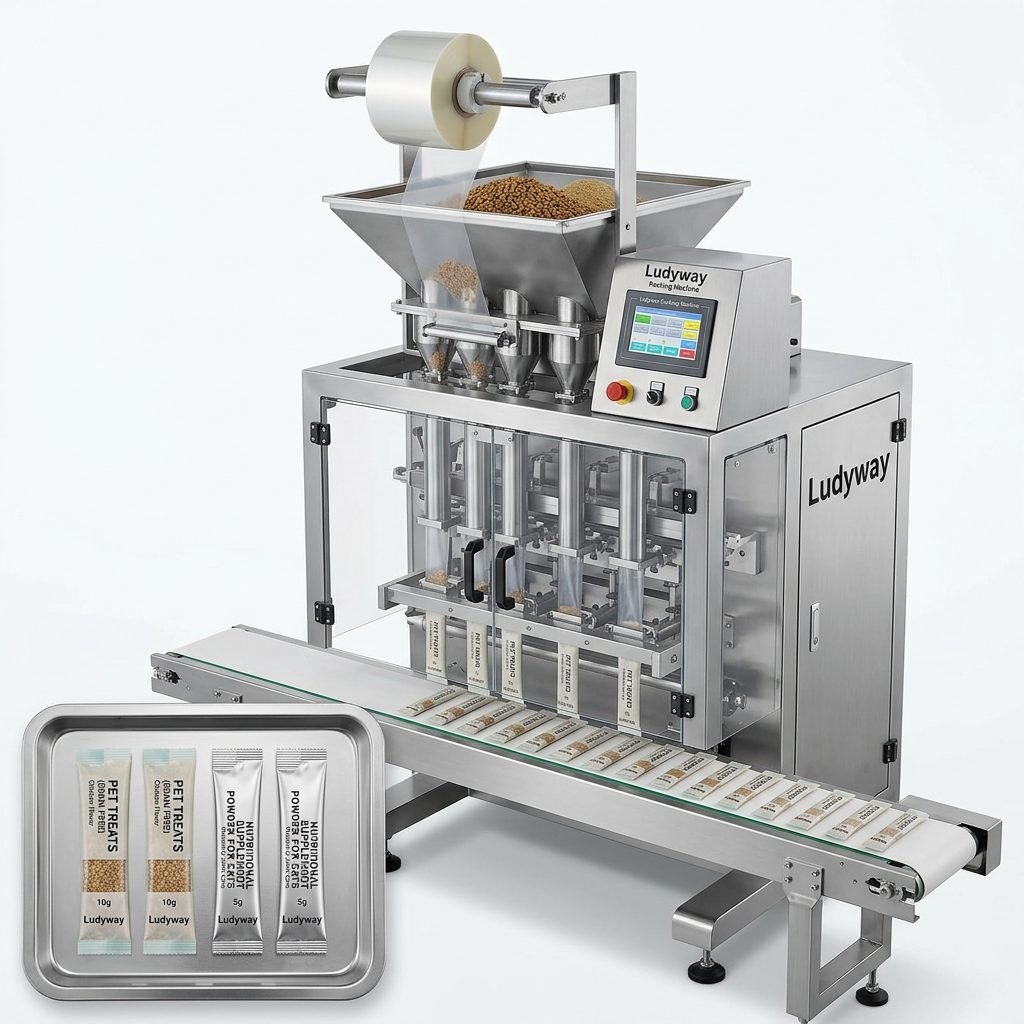
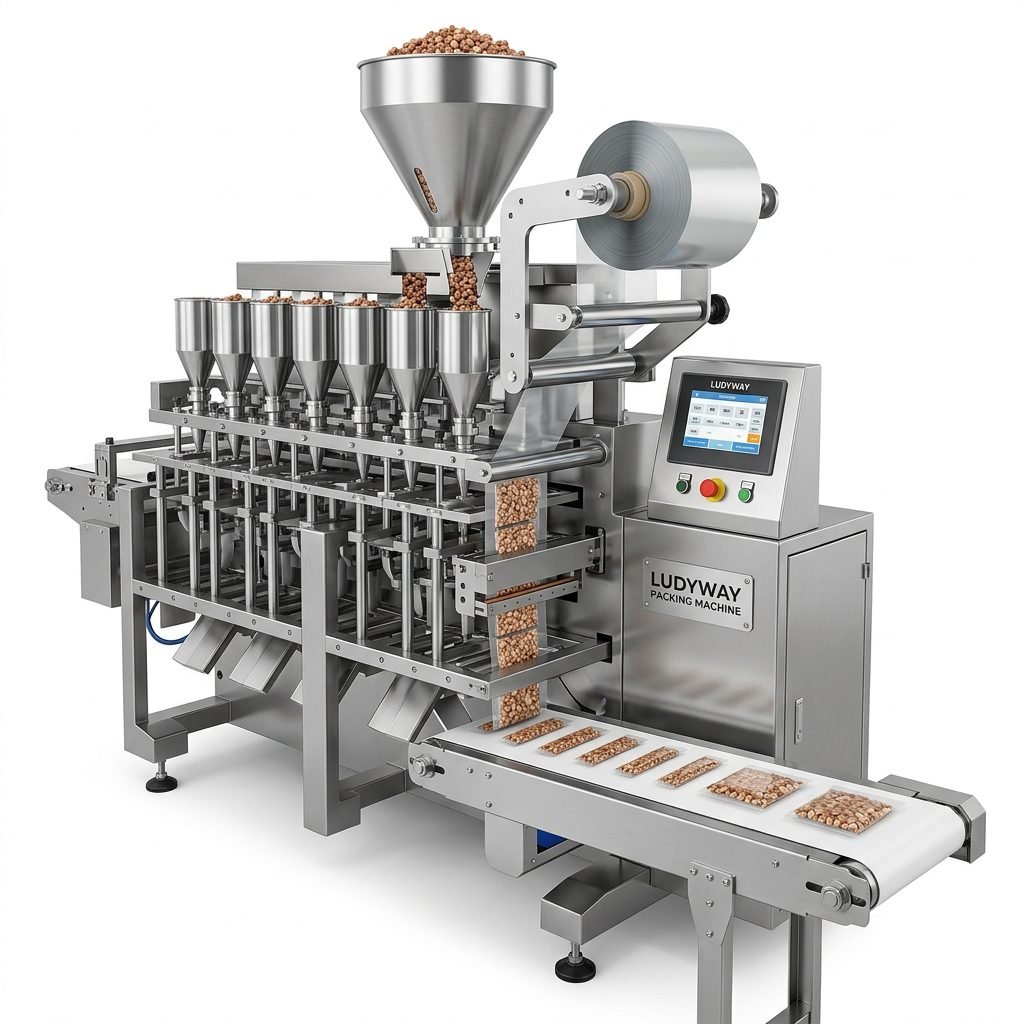
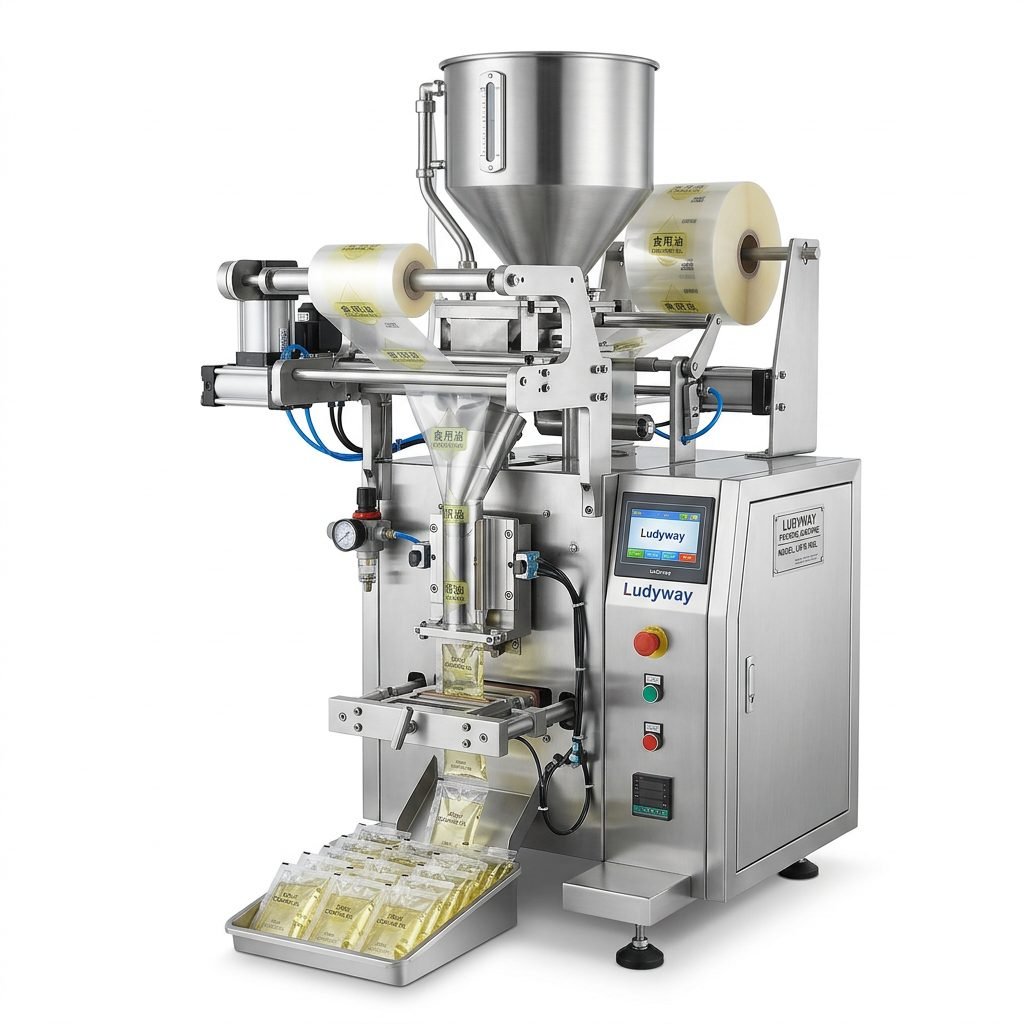
Sometimes, the best maintenance practice is a direct partnership with the Original Equipment Manufacturer (OEM). For complex packaging challenges, manufacturers like Ludyway, one of the largest packaging machine manufacturers in China, provide comprehensive technical support. With over 30 years of industry experience and a modern facility exceeding 20,000㎡, they specialize in advanced packaging equipment including multi-lane stick pack systems and turnkey production solutions. Engaging with experts for an annual service contract ensures your aluminium packaging machine benefits from firmware updates and systematic overhauls, keeping productivity at its peak.
Relevant Industry Resources
For further insights into packaging industry standards, you can explore resources from the PMMI – The Association for Packaging and Processing Technologies. You may also reference safety regulations from the FDA – Food Packaging and Food Contact Substances to ensure your maintenance protocols align with current compliance requirements.
Final Checklist for Long-Term Reliability
A final consolidated checklist can be printed and attached to the machine station for quick weekly audits.
- ✔ Check and record sealing temperature drift.
- ✔ Inspect film path for aluminum oxide dust deposits.
- ✔ Test reject station confirmation logic.
- ✔ Verify the gas flushing pressure (for Modified Atmosphere Packaging).
- ✔ Audit spare parts inventory and reorder consumables.