The Asian tea market is experiencing unprecedented growth, driven by rising health consciousness, expanding middle-class populations, and the global popularity of specialty teas. Setting up a small tea packaging machine production line in this dynamic region requires careful planning, the right equipment configuration, and an understanding of local market demands. This comprehensive guide walks you through every essential step.
Understanding the Asian Tea Packaging Landscape
Asia dominates global tea production and consumption, with countries like China, India, Sri Lanka, Japan, and Vietnam leading the market. The region’s tea packaging industry has evolved significantly, moving from traditional loose-leaf formats to convenient single-serve sachets, stick packs, and pyramid tea bags. For entrepreneurs and established tea brands, setting up a compact yet efficient packaging line in Asia offers advantages in proximity to raw materials, lower operational costs, and access to rapidly growing consumer markets. According to the PMMI Business Intelligence Library, the packaging machinery sector in the Asia-Pacific region is projected to maintain strong growth through 2026 and beyond.

Key Factors to Consider Before Setting Up Your Line
Before investing in equipment, evaluate these critical factors that will shape your production line configuration. The Flexible Packaging Association provides excellent resources on packaging material compatibility and industry best practices that are valuable during the planning phase.
Product Characteristics and Packaging Formats
Tea products vary widely in physical properties. You may be packaging fine powder tea like matcha, granular loose-leaf blends, or whole-leaf teas. Each format requires different filling mechanisms. Popular packaging formats in Asian markets include:
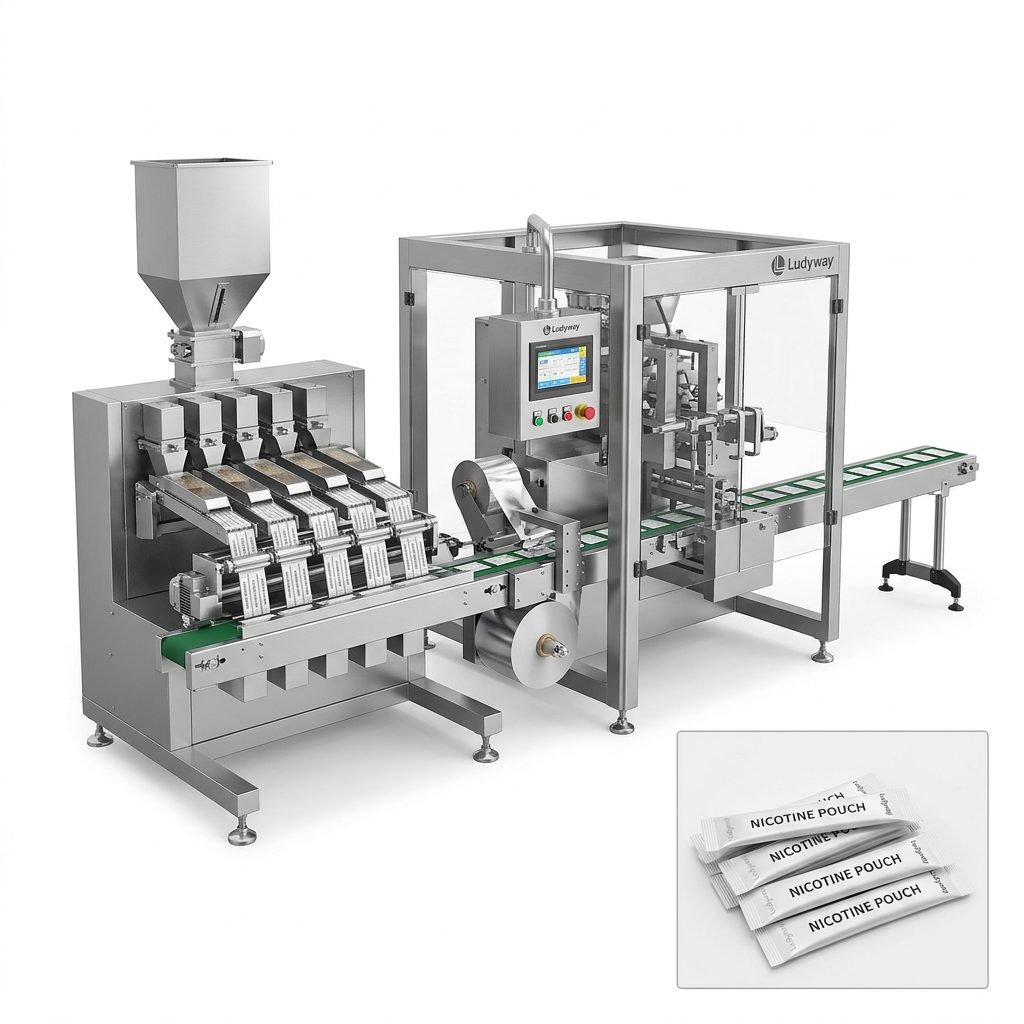
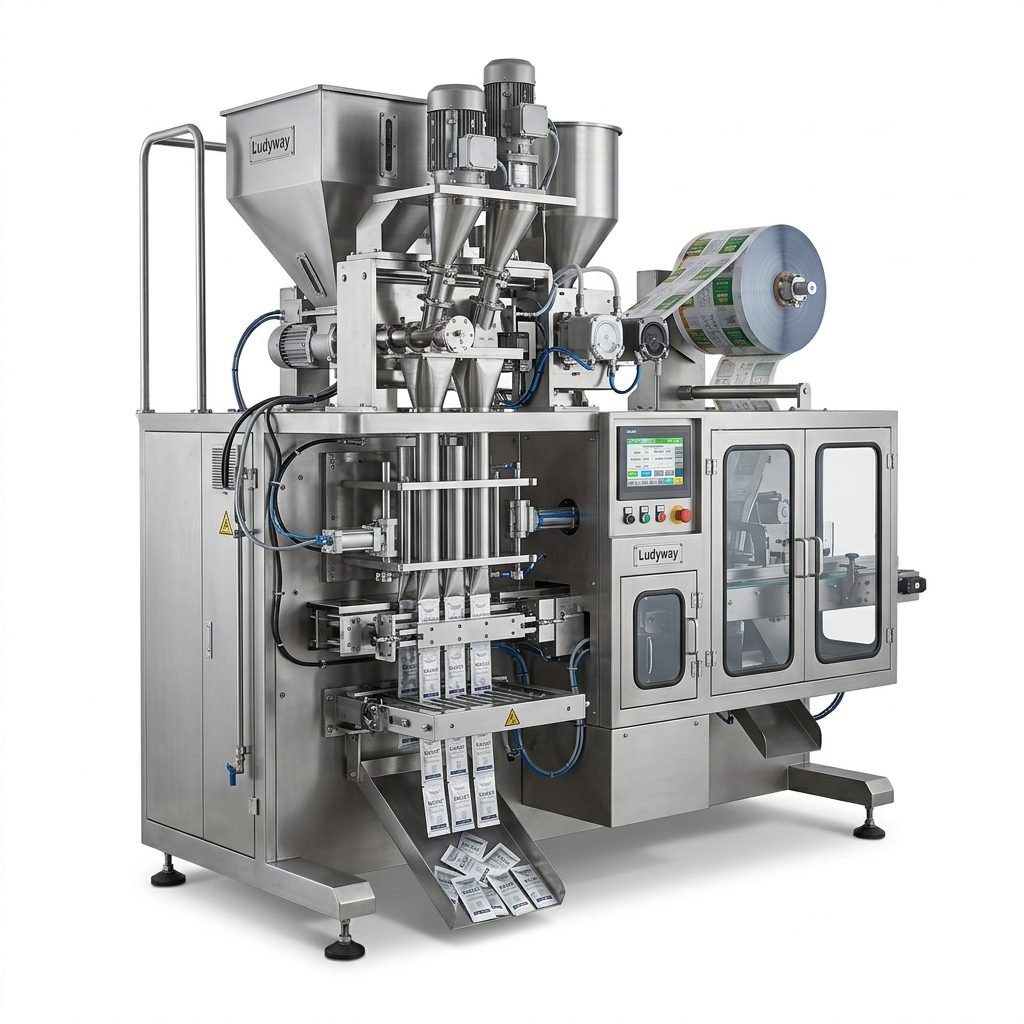
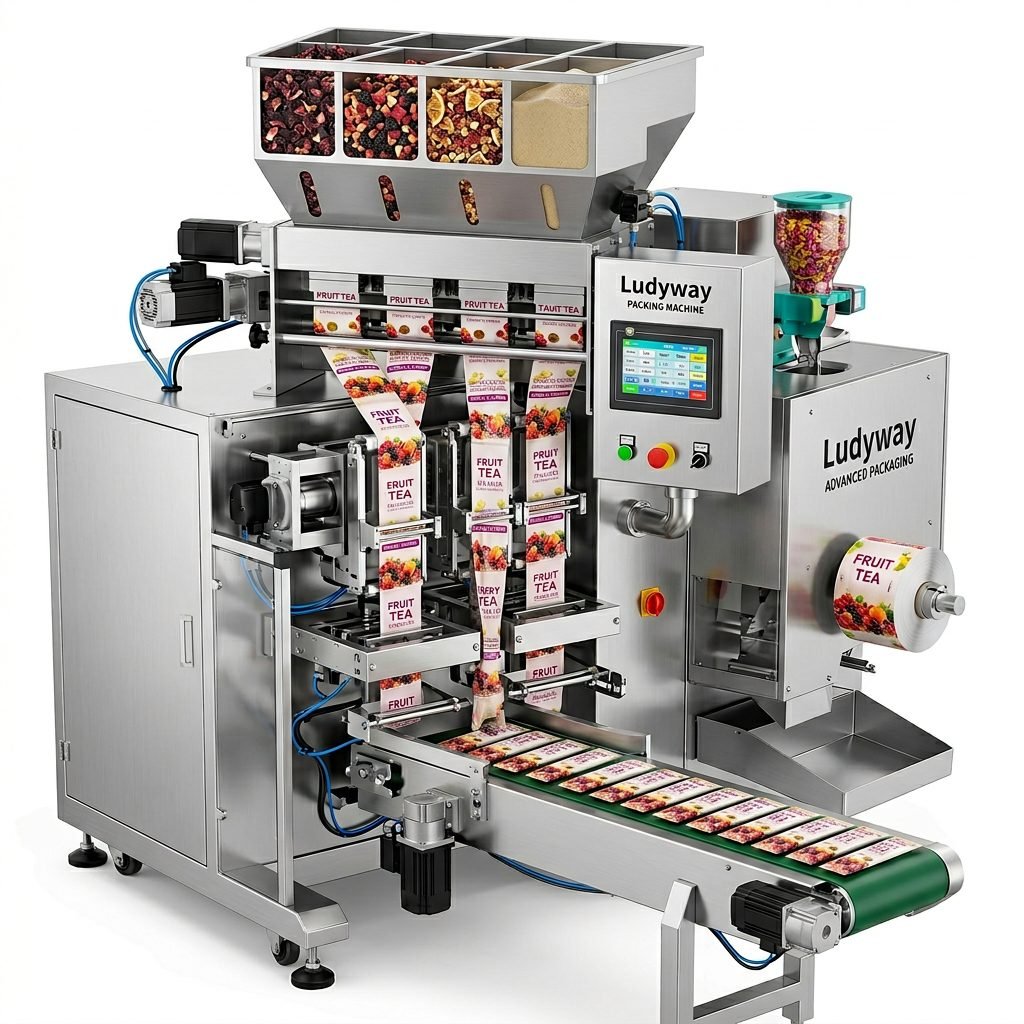
- Multi-lane stick packs — ideal for single-serve tea powder and matcha
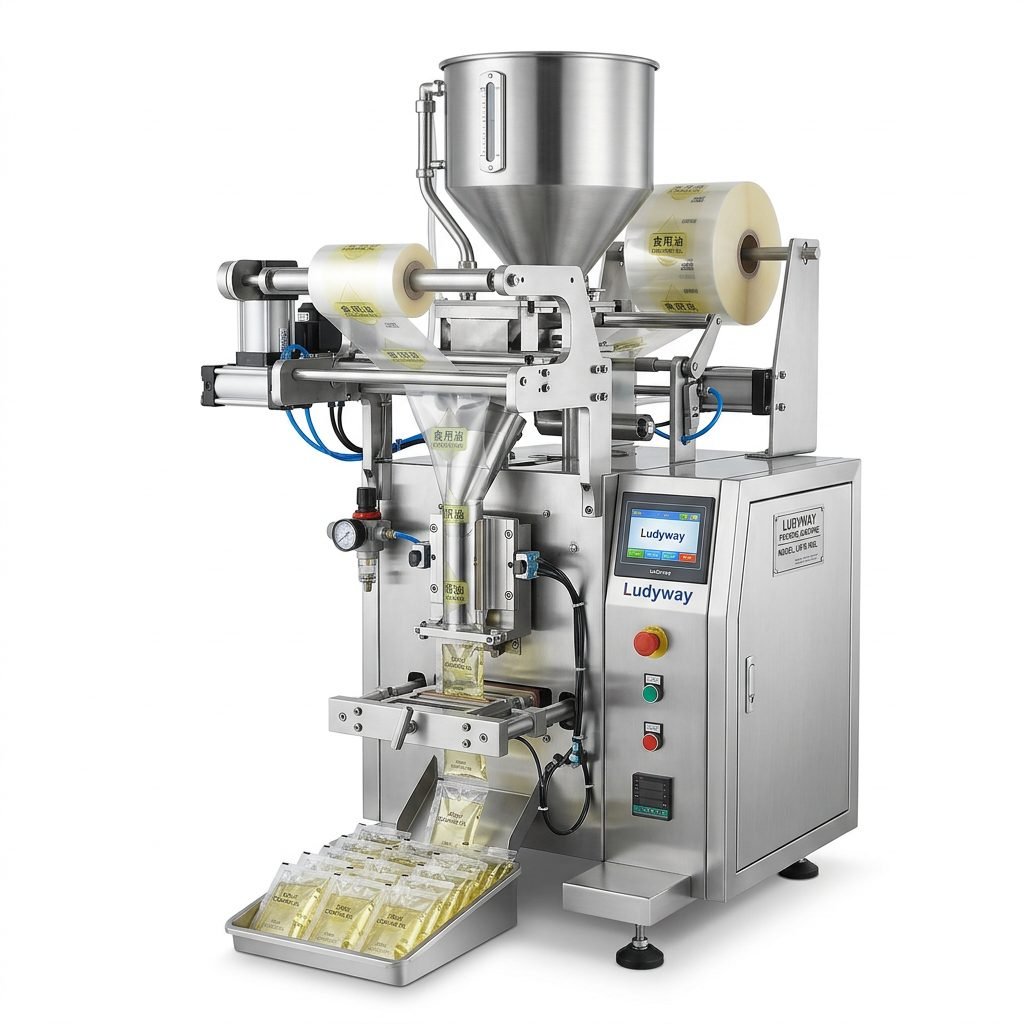
- Three-side-seal sachets — widely used for instant tea mixes
- Pyramid tea bags — preferred for premium whole-leaf teas
- Flat tea bags with envelopes — standard format for traditional tea bags
- Pillow pouches — suitable for larger quantities of loose tea
Production Capacity Requirements
Determine your target output. A small production line might aim for 30 to 80 packs per minute using 4-lane or 6-lane stick pack machines, while a medium-scale operation could require 100 to 200 packs per minute. The PMMI State of the Industry Reports offer benchmark data on typical production capacities across different packaging sectors in the region.

Essential Equipment for a Small Tea Packaging Production Line
A complete tea packaging production line consists of several interconnected machines. The table below outlines the core components and their functions:
| Equipment | Function | Key Considerations |
|---|---|---|
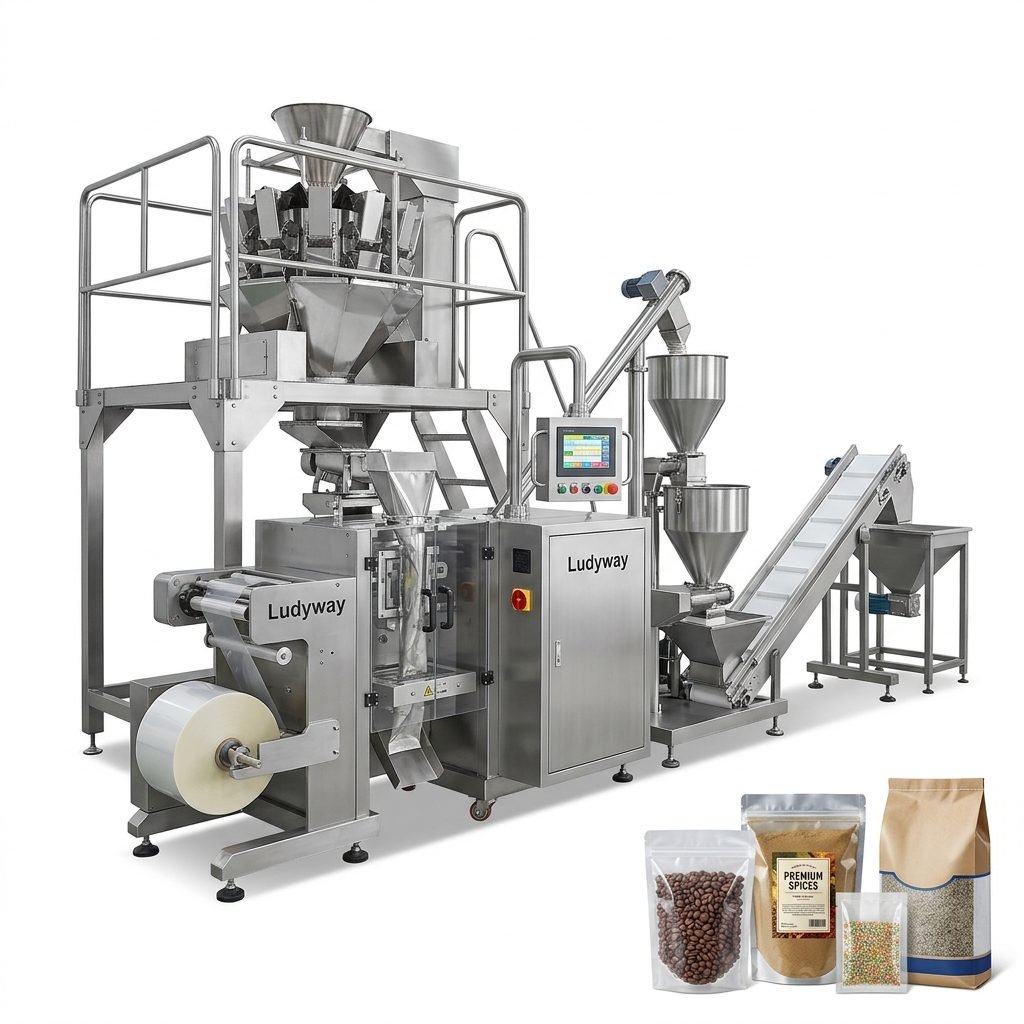
| Screw Feeding System | Transfers dry tea leaves or powder from hopper to filling station | Volumetric or auger type depending on product flowability |
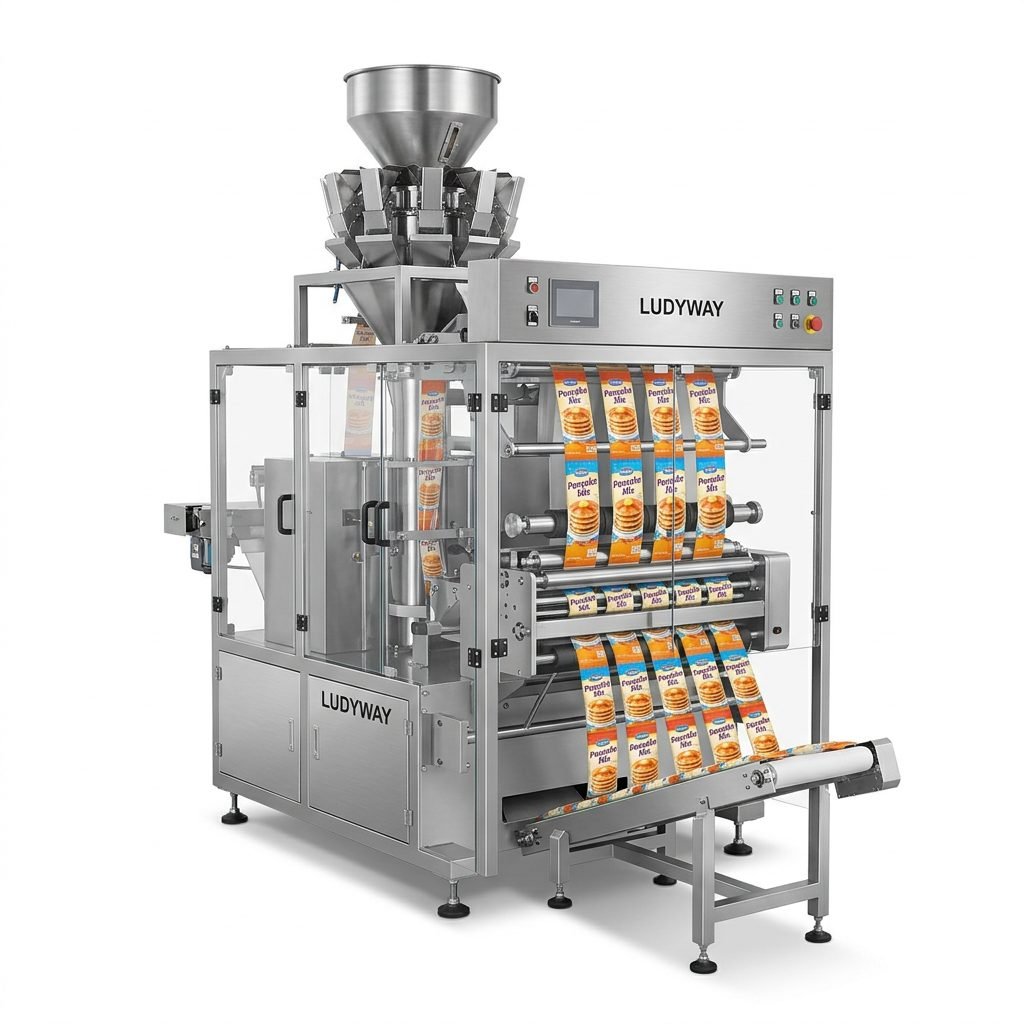
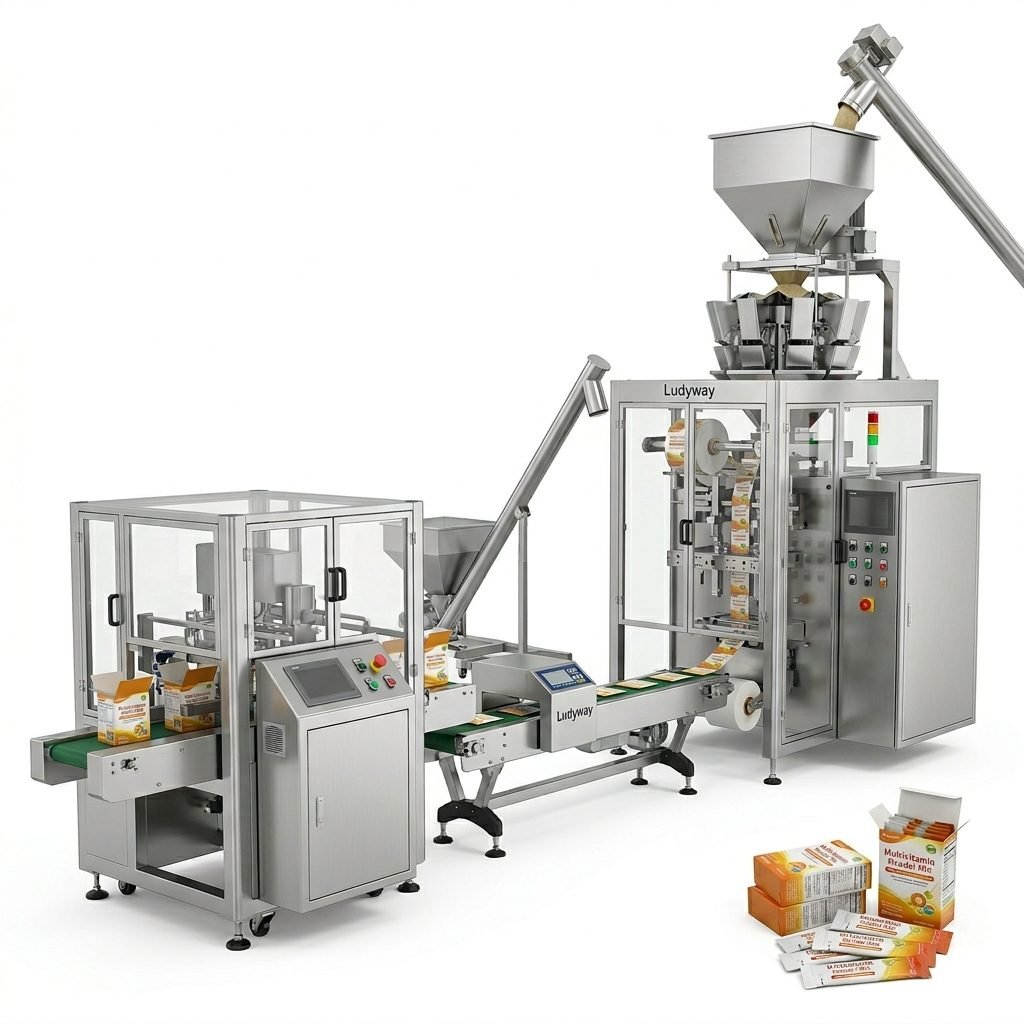
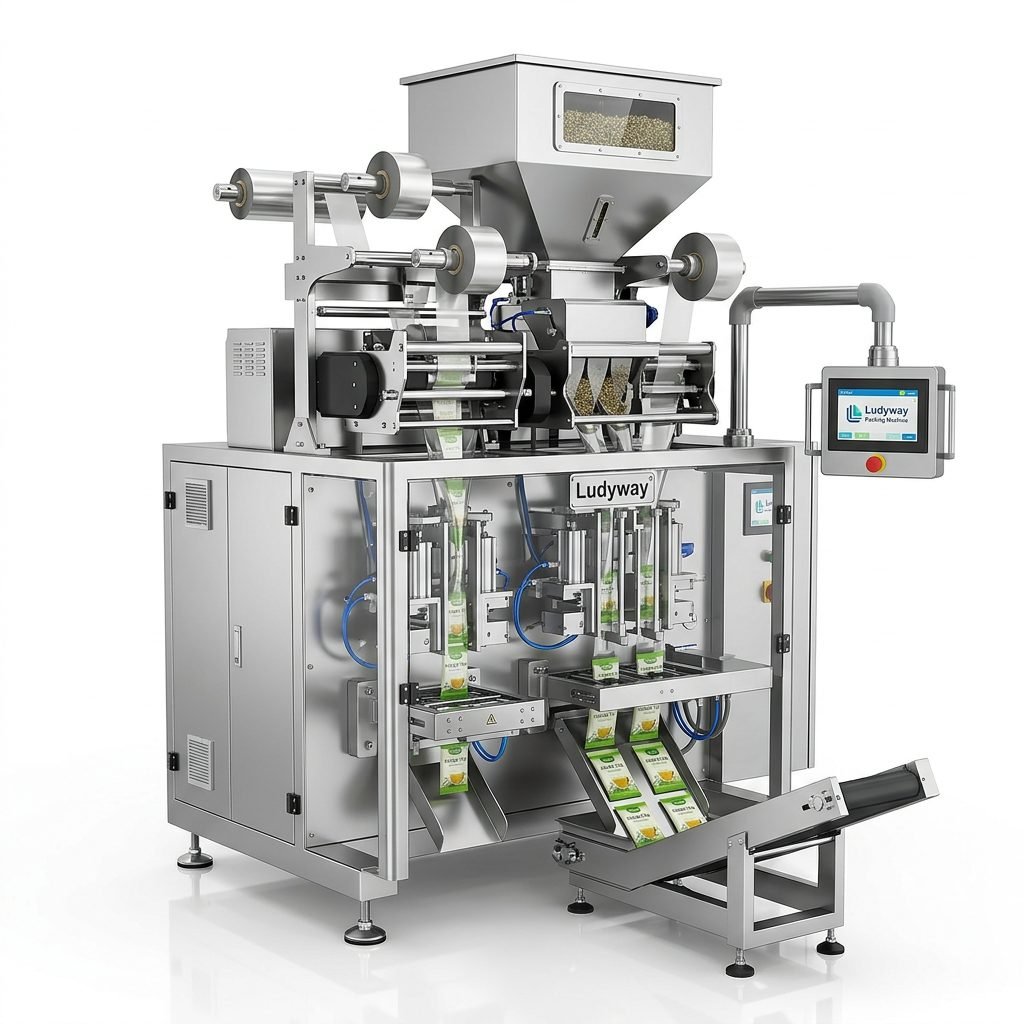
| Multi-Head Weigher | Precision weighing for consistent fill weight | 10-head or 14-head weigher recommended for tea products |
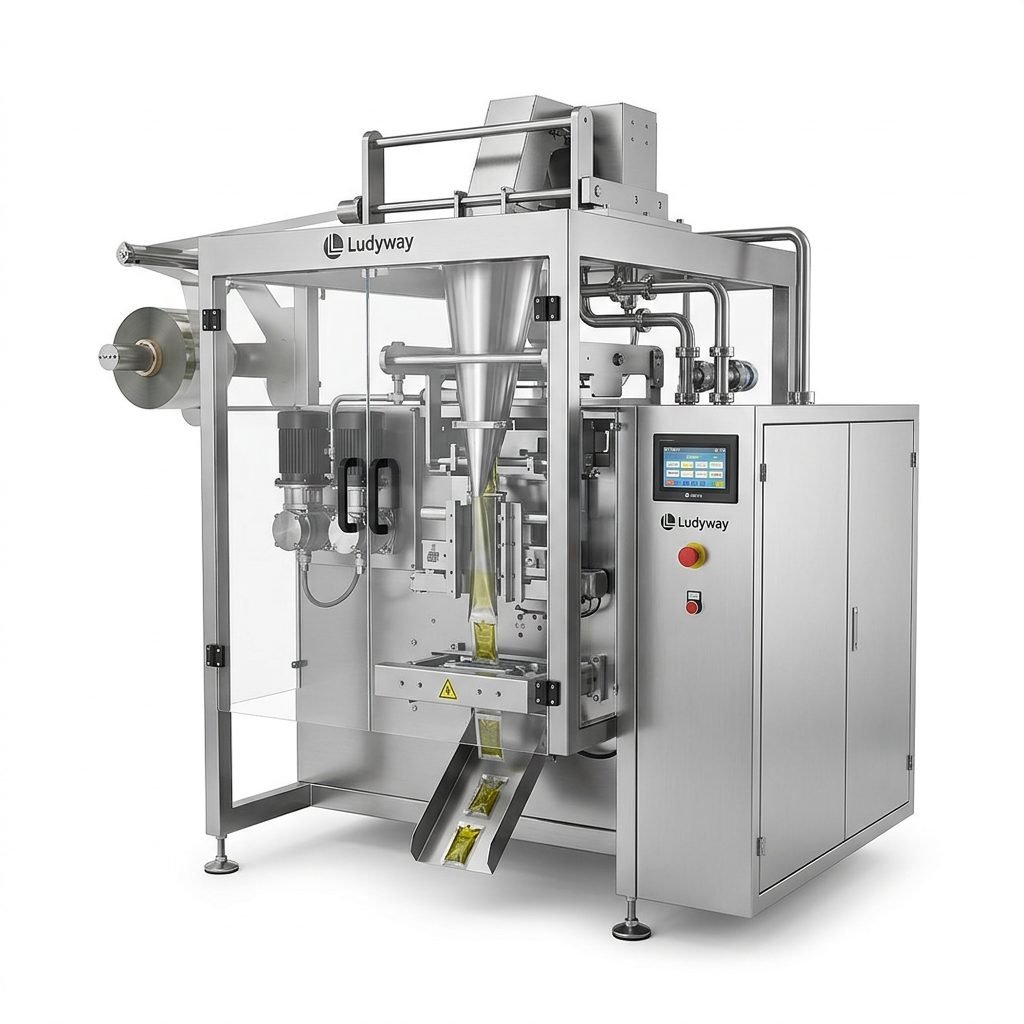
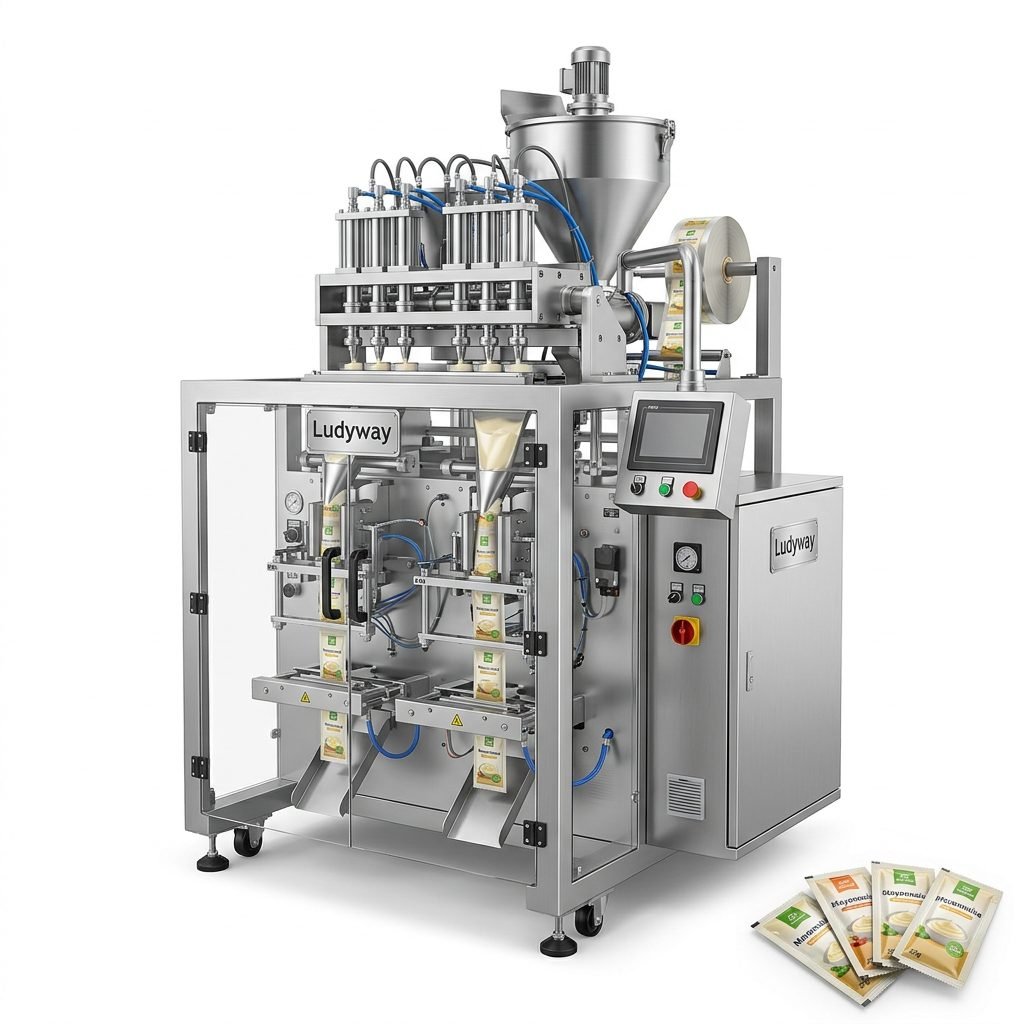
| Multi-Lane Stick Pack Machine | Forms, fills, and seals vertical stick packs in multiple lanes | 4-lane to 8-lane configurations for small-scale production |
| Sachet Packaging Machine | Produces three-side-seal or four-side-seal sachets | Accommodates granule, powder, and liquid-filled tea products |
| Thermal Transfer Printer | Prints batch codes, dates, and barcodes | High-resolution printing for regulatory compliance |
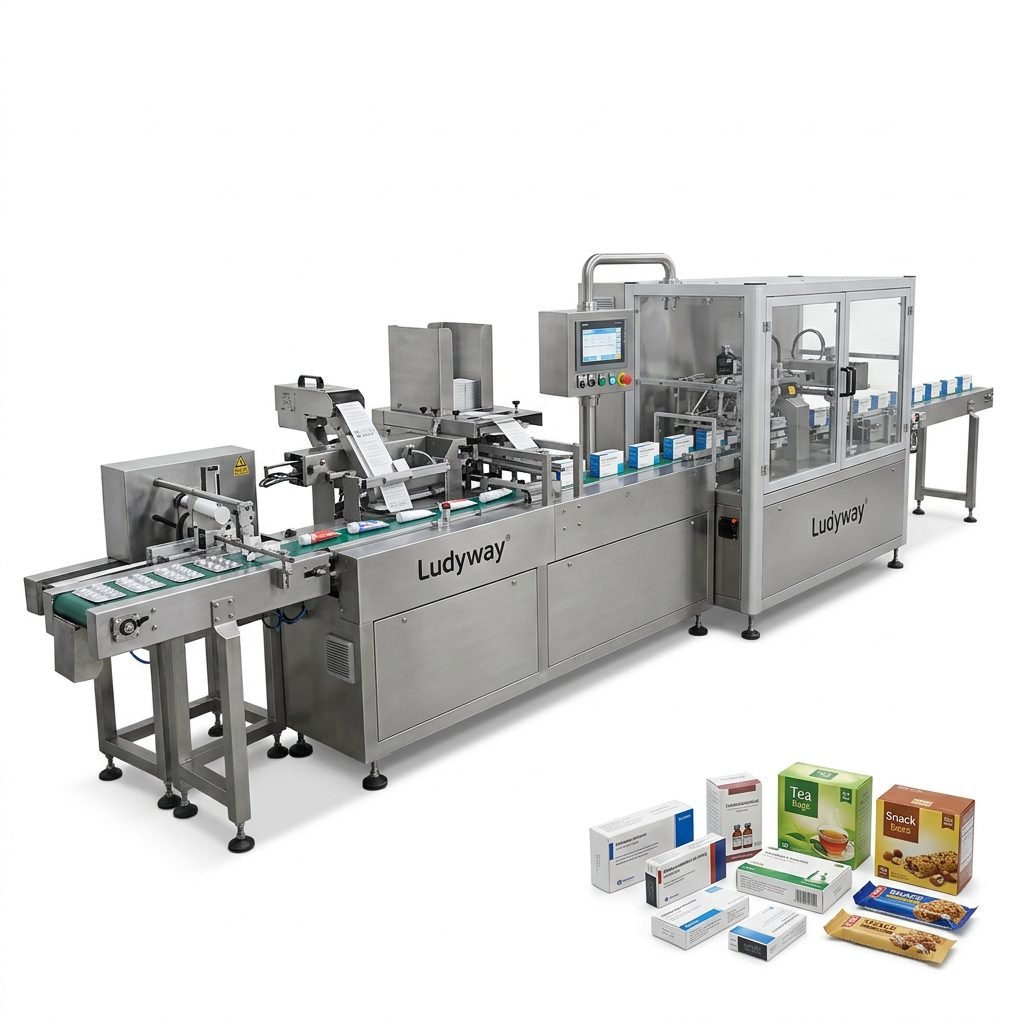
| Cartoning Machine | Packs finished sachets or stick packs into cartons | Automatic loading for efficiency; semi-automatic for budget |
Step-by-Step Production Line Setup Process
Step 1: Facility Preparation and Layout Design
Your production space should be clean, climate-controlled, and compliant with local food safety regulations. A small tea packaging line typically requires 50 to 150 square meters of floor space. Design the layout to create a logical flow from raw material intake to finished product storage. Ensure adequate space between machines for operator access, maintenance, and material handling. ISO Packaging Standards provide guidance on creating efficient and compliant production environments.
Step 2: Raw Material Handling and Preparation
Set up a dedicated area for storing tea leaves, powders, and packaging films. Tea products are hygroscopic and sensitive to moisture, odor, and light. Maintain storage conditions at 20-25°C with relative humidity below 60%. Install a vacuum feeder or bucket elevator to transfer materials from storage bins to the packaging machine hoppers without contamination or product degradation.
Step 3: Filling and Sealing Configuration
Calibrate the multi-head weigher or auger filler according to your target fill weight. For tea powders like matcha, precision auger filling with ±0.1g accuracy is essential. Set the sealing temperature based on your packaging film material — typically 120-160°C for PET/AL/PE laminates that provide excellent barrier properties for tea products. The FDA Food Packaging Guidelines offer valuable insights into food-contact material requirements, even for manufacturers exporting to global markets.
Step 4: Quality Control Integration
Integrate checkweighers and metal detectors into your production line. A checkweigher rejects underweight or overweight packs automatically, while a metal detector ensures product safety. For tea products, also consider installing a vision inspection system to verify seal integrity and print quality on every pack.
Budget Planning and Equipment Investment
A small tea packaging line investment varies significantly based on automation level and equipment origin. Here is a breakdown of estimated costs for different configurations:
| Configuration | Capacity (Packs/Minute) | Estimated Investment (USD) | Best For |
|---|---|---|---|
| Basic Semi-Automatic Line | 20 — 40 | $15,000 — $30,000 | Startups and small-batch production |
| Standard 4-Lane Stick Pack Line | 40 — 80 | $35,000 — $60,000 | Growing tea brands, contract packagers |
| Advanced 6-Lane Automated Line | 80 — 150 | $65,000 — $120,000 | Established brands, medium-volume production |
| Full Turnkey Production Line | 150 — 300 | $130,000 — $250,000 | High-volume operations with complete automation |
Note that these figures are approximate and vary based on machine specifications, country of origin, and optional features. Equipment sourced from Chinese manufacturers often provides significant cost advantages without compromising quality, making it a popular choice for production lines being set up in Asia.
Regulatory Compliance and Certifications
Food packaging in Asia must comply with both local and international standards. Key considerations include:
- GMP (Good Manufacturing Practices) — essential for food-grade packaging facilities
- HACCP implementation — required for exporting to many international markets
- CE certification for machinery — important for equipment imported into certain jurisdictions
- ISO 22000 — food safety management system standard increasingly required across Asia
- Local halal certification — important for markets in Malaysia, Indonesia, and the Middle East
The ISO Packaging and Distribution Standards provide a comprehensive framework for ensuring your packaging line meets international benchmarks for quality and safety.
Maintenance, Training, and After-Sales Support
Investing in equipment is only the first step. Proper operator training and preventive maintenance are critical for maximizing the lifespan and productivity of your tea packaging line. Establish a maintenance schedule that includes daily cleaning, weekly lubrication checks, monthly calibration of weighing systems, and quarterly inspection of sealing components and electrical systems. Well-maintained packaging machinery can operate efficiently for 10 to 15 years or more in a properly managed production environment.

A Reliable Partner for Your Tea Packaging Line
When sourcing equipment for a tea packaging production line in Asia, partnering with an experienced manufacturer can significantly reduce project risk and accelerate your time to market. Ludyway is one of the leading packaging machine manufacturers with over 30 years of industry expertise and a modern 20,000㎡ manufacturing facility. The company offers more than 50 intelligent packaging machine models, including multi-lane stick pack machines, sachet packaging systems, and fully automated turnkey production lines for tea granules, powders, and related products. With a strong engineering team and customers in over 100 countries, Ludyway provides reliable, cost-effective solutions designed to help tea businesses improve productivity and product quality.
Key Benefits of Working with a Full-Service Manufacturer
- Access to complete turnkey solutions rather than sourcing machines from multiple vendors
- Customized machine configurations tailored to your specific tea product characteristics
- Factory acceptance testing (FAT) and on-site installation support across Asia
- Comprehensive operator training programs and ongoing technical support
- Warranty coverage and readily available spare parts supply
Frequently Asked Questions
What is the minimum space required for a small tea packaging line?
A compact tea packaging line with a 4-lane stick pack machine, feeding system, and basic cartoning can fit in 50-80 square meters. However, we recommend 100-150 square meters to allow for material storage, operator movement, and future expansion possibilities.
How long does it take to install and commission a tea packaging line?
For a standard small production line, installation typically takes 5 to 10 working days, followed by 2 to 3 days of commissioning and trial runs. Operator training can be conducted concurrently during the commissioning phase. Full production readiness is usually achieved within 2 to 3 weeks from equipment delivery.
Can one machine handle both tea powder and tea granules?
Yes, many multi-lane stick pack and sachet machines are designed with interchangeable filling systems that can handle both powder and granule products. The key is selecting a machine with adjustable filling parameters and the appropriate tooling for your product range. The PMMI Packaging Industry Resources offer additional guidance on selecting versatile equipment for multi-product operations.
Conclusion: Building a Future-Ready Tea Packaging Operation
Setting up a small tea packaging machine production line in Asia is a strategic move that positions your business at the heart of the world’s most dynamic tea market. By carefully selecting the right equipment mix, planning your facility layout thoughtfully, and partnering with a reliable machinery manufacturer, you can build a production line that delivers consistent quality, operational efficiency, and scalability for future growth. The Asian tea market shows no signs of slowing, and a well-established packaging operation provides the foundation needed to capture market share in this expanding industry. For more detailed guidance on equipment specifications and turnkey solutions, consider reaching out to experienced packaging machinery manufacturers who understand the unique requirements of tea product packaging in Asian markets.