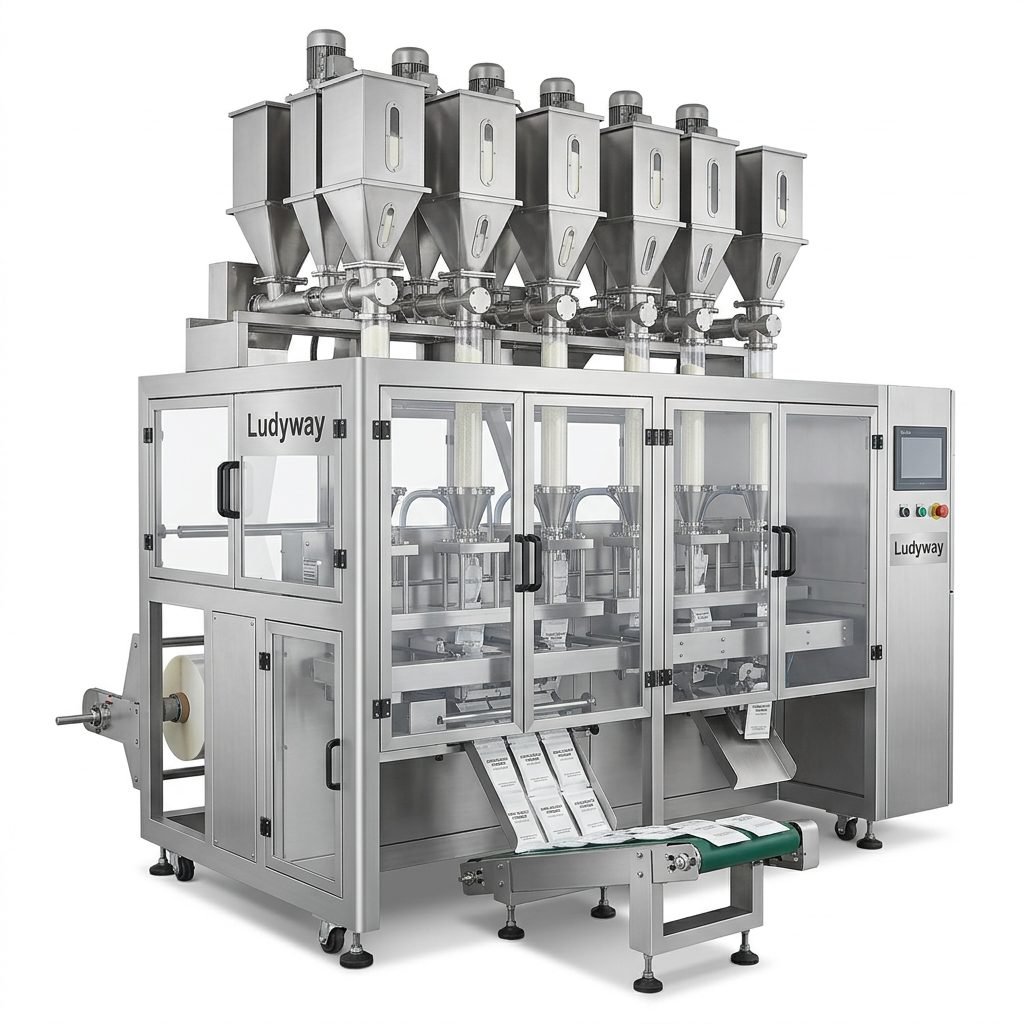
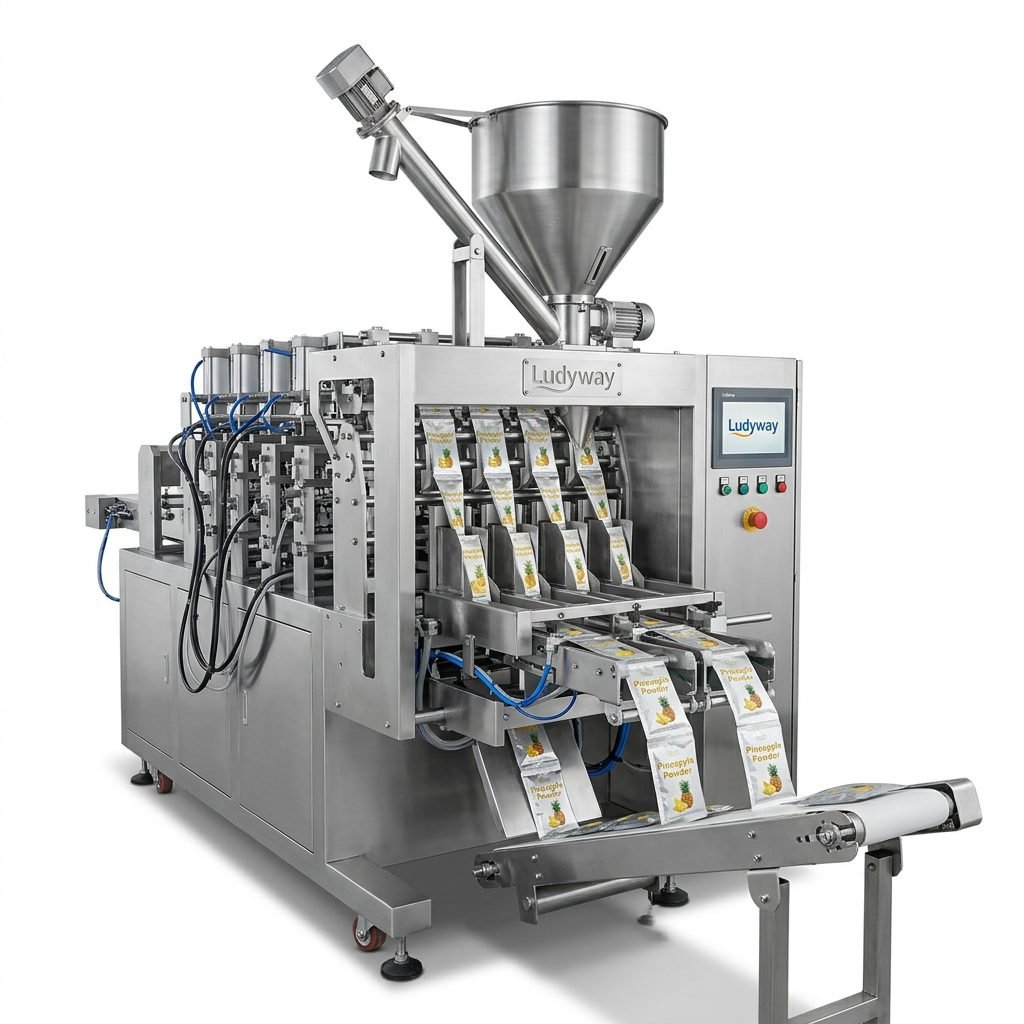
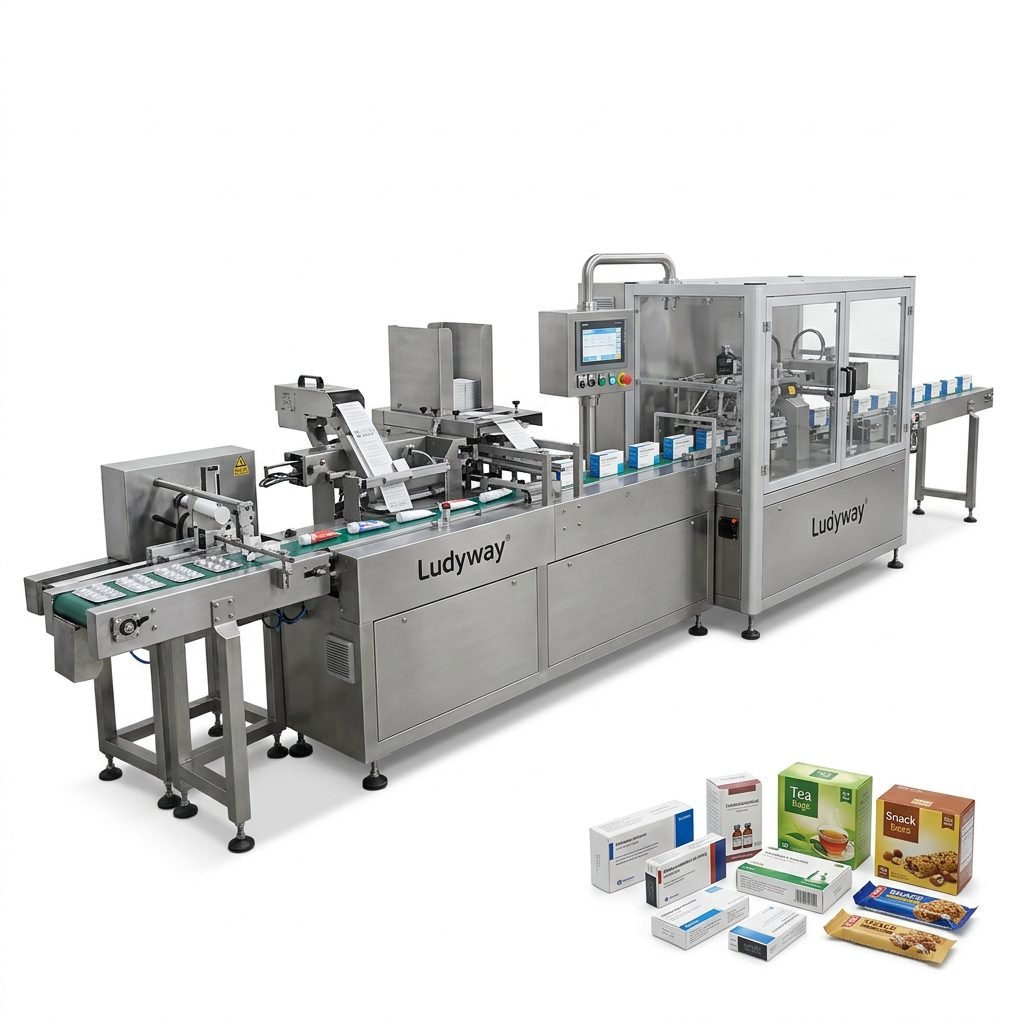
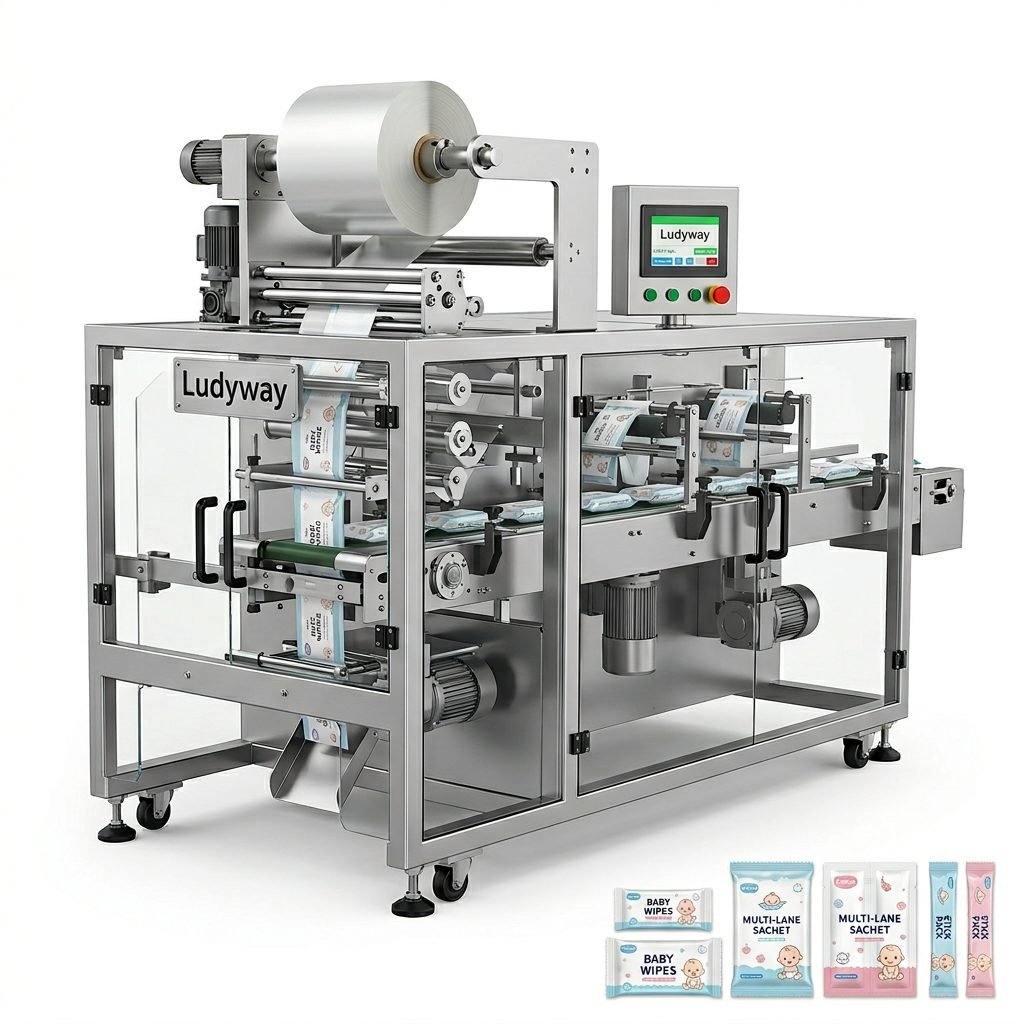
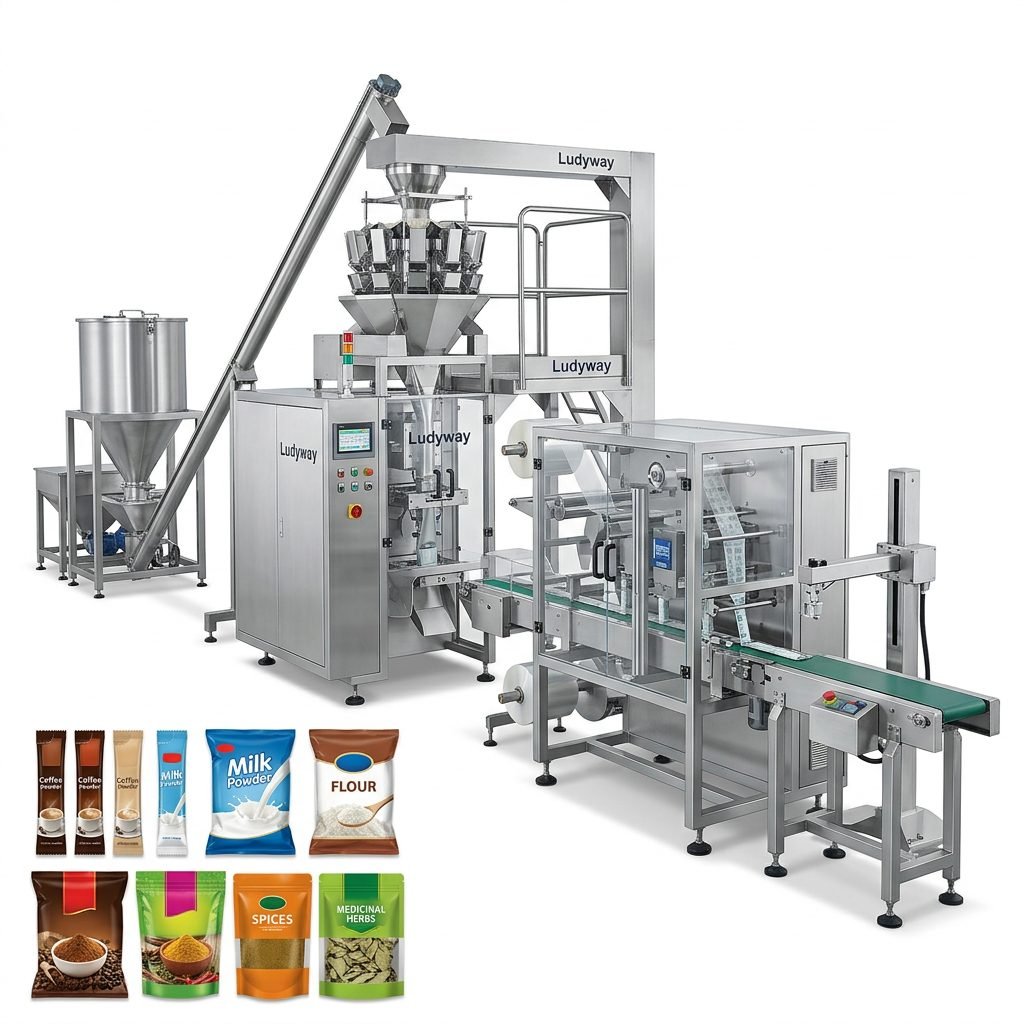
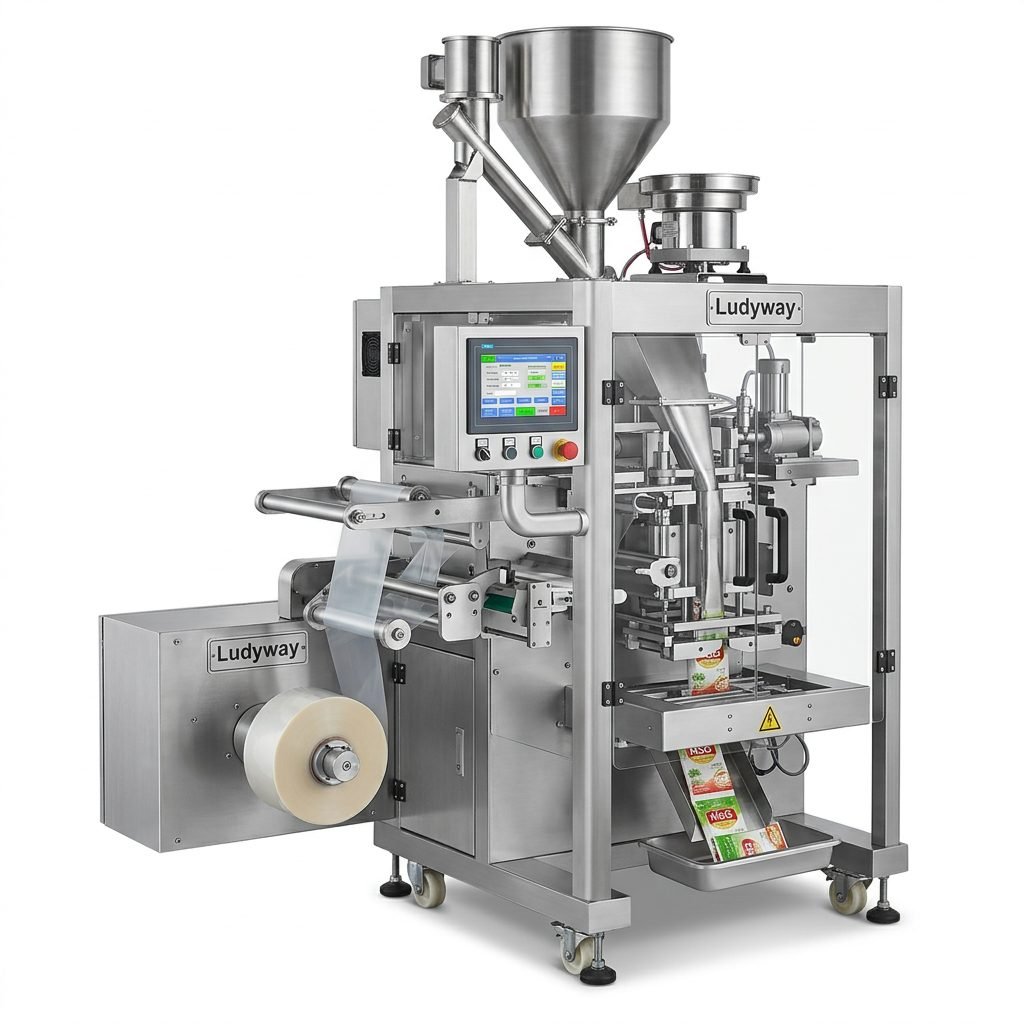
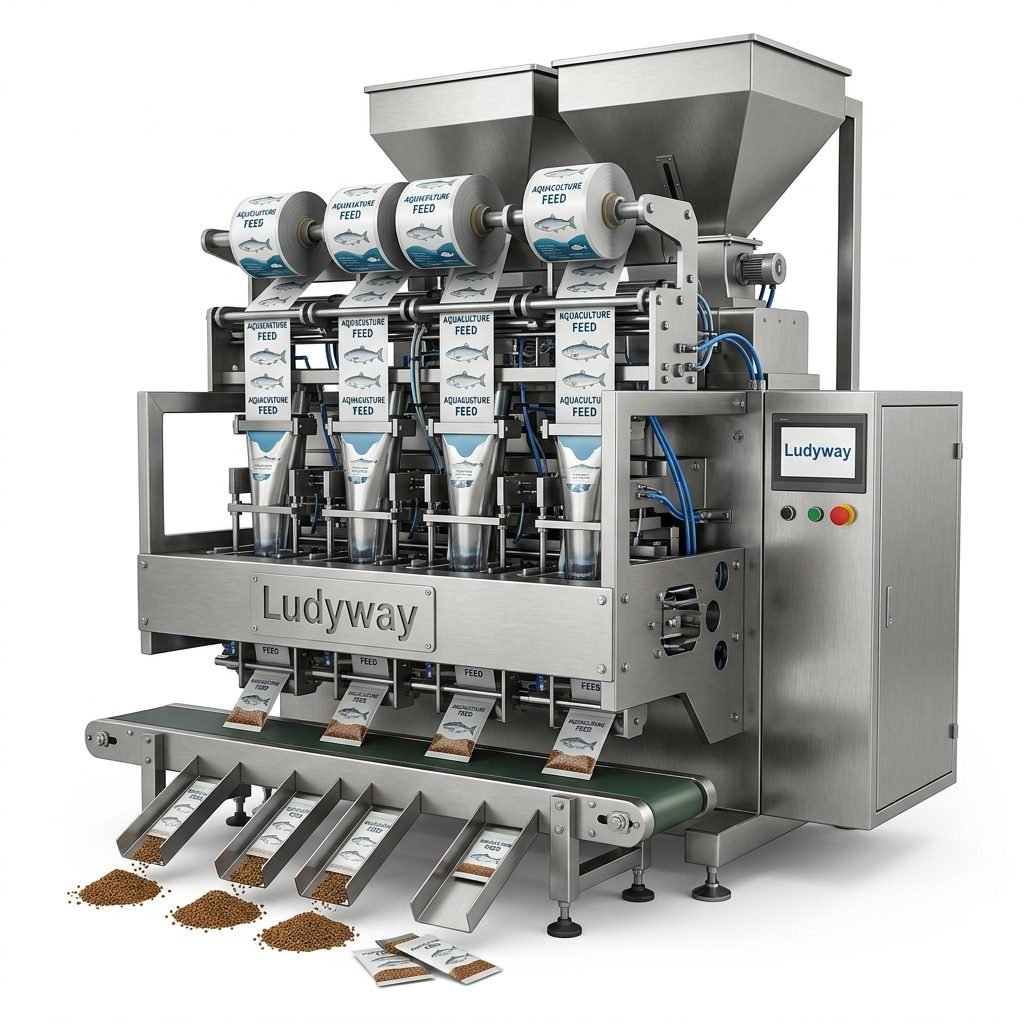
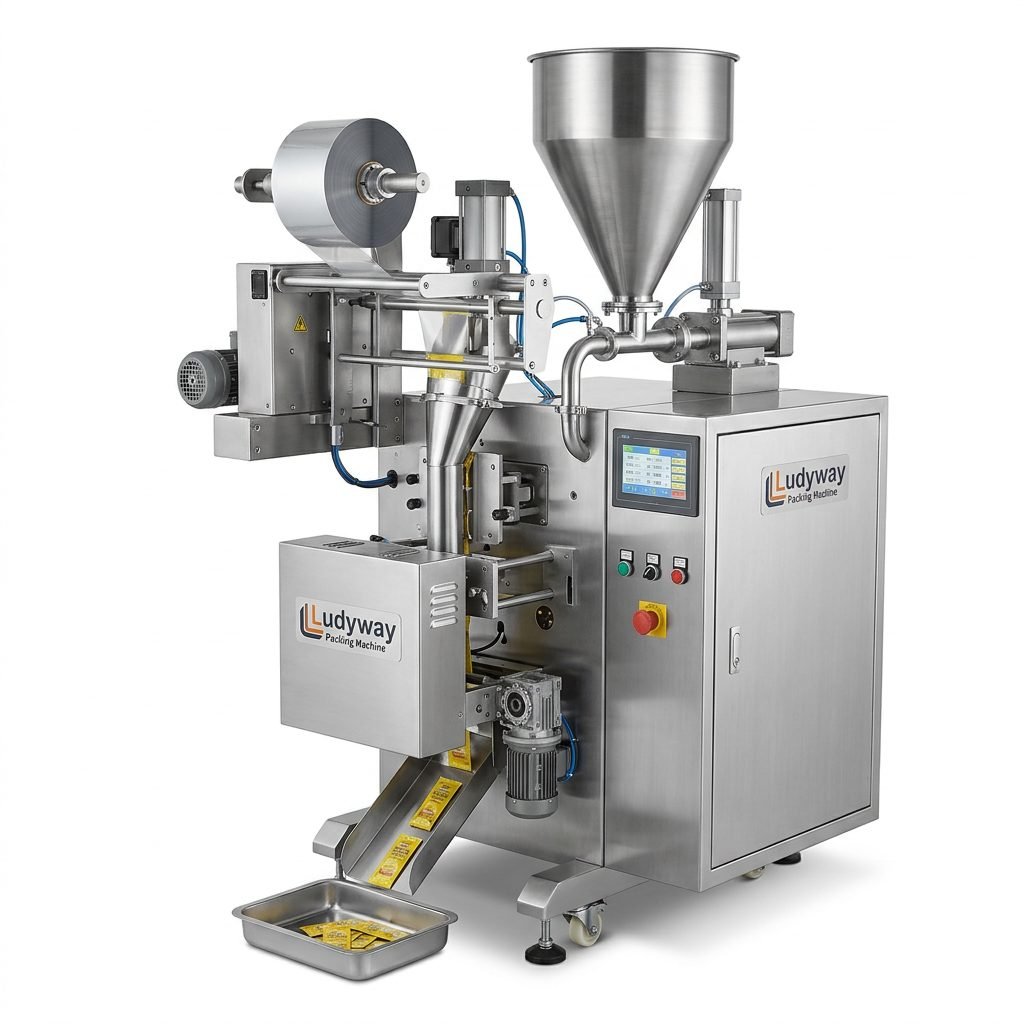
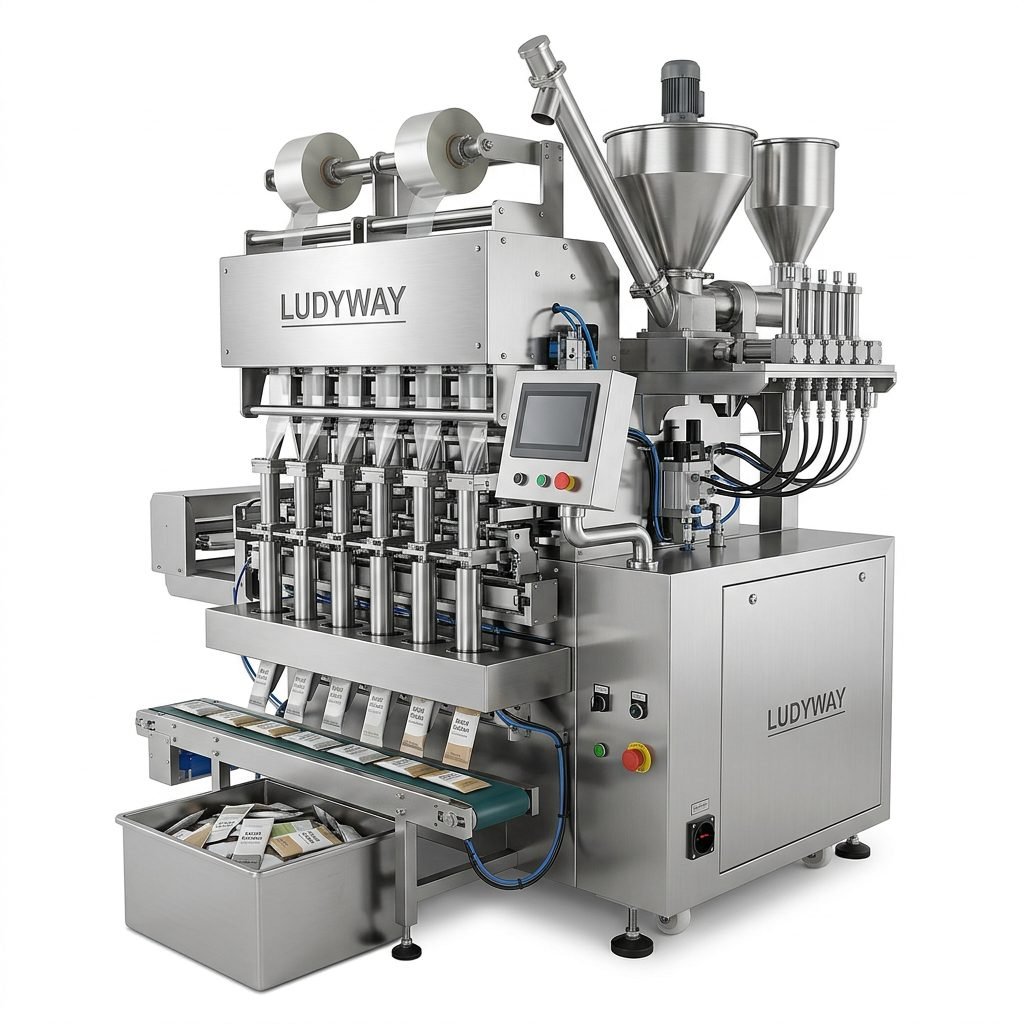
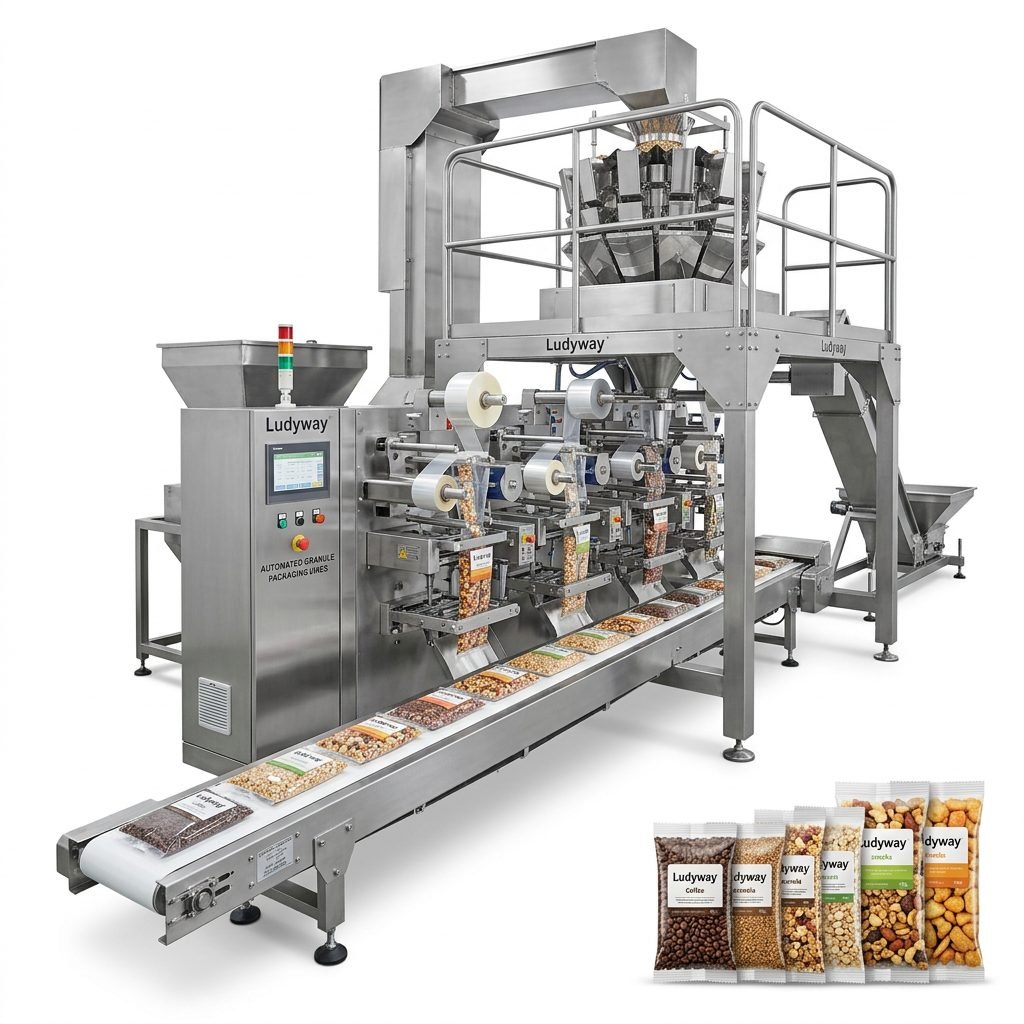
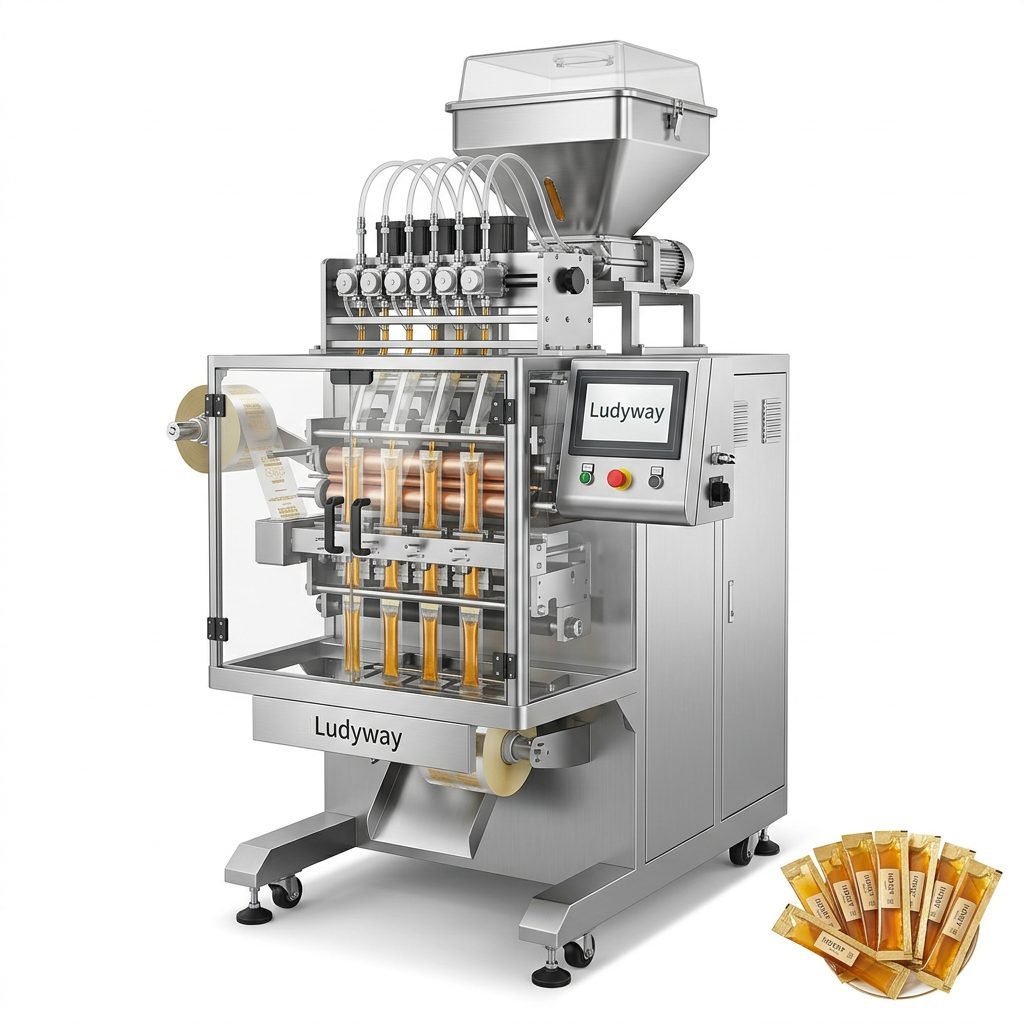
Proper maintenance is the cornerstone of maximizing the return on your packaging equipment investment. Whether you are running a Shri Vinayak packaging machine for granules, powders, or liquids, a consistent and well-structured maintenance routine directly impacts production uptime, packaging accuracy, and the overall lifespan of your machinery. Neglecting routine care often leads to unexpected breakdowns, costly repairs, and compromised product quality. This comprehensive guide outlines essential maintenance practices designed to keep your Shri Vinayak packaging machine operating at peak efficiency, helping you avoid unplanned downtime and maintain consistent output in demanding production environments.

Understanding the Importance of Routine Maintenance
A packaging machine is a complex system integrating mechanical, electrical, and pneumatic components. Without proper care, wear and tear on critical parts such as sealing jaws, cutting blades, forming tubes, and filling mechanisms can cause inconsistent seal quality, inaccurate fill weights, and frequent machine stoppages. Preventive maintenance is significantly more cost-effective than reactive repairs. A well-maintained machine consumes less energy, produces less waste, and maintains the high-speed performance that modern production lines demand. Regular inspections also help you identify potential issues before they escalate into major failures, ensuring that your packaging operation remains reliable and your product shelf-life is never compromised by faulty seals.
Key Benefits of a Structured Maintenance Program
- Extended Equipment Lifespan: Routine care reduces mechanical stress and prevents premature component failure.
- Consistent Packaging Quality: Properly calibrated filling systems and well-maintained sealing units ensure every pouch meets quality standards.
- Reduced Downtime: Planned maintenance minimizes the risk of unexpected breakdowns during critical production runs.
- Lower Operating Costs: Efficient machines consume less power and require fewer emergency replacement parts.
- Compliance and Safety: Regular checks help meet industry regulations, including standards referenced by ISO packaging standards and food safety requirements.
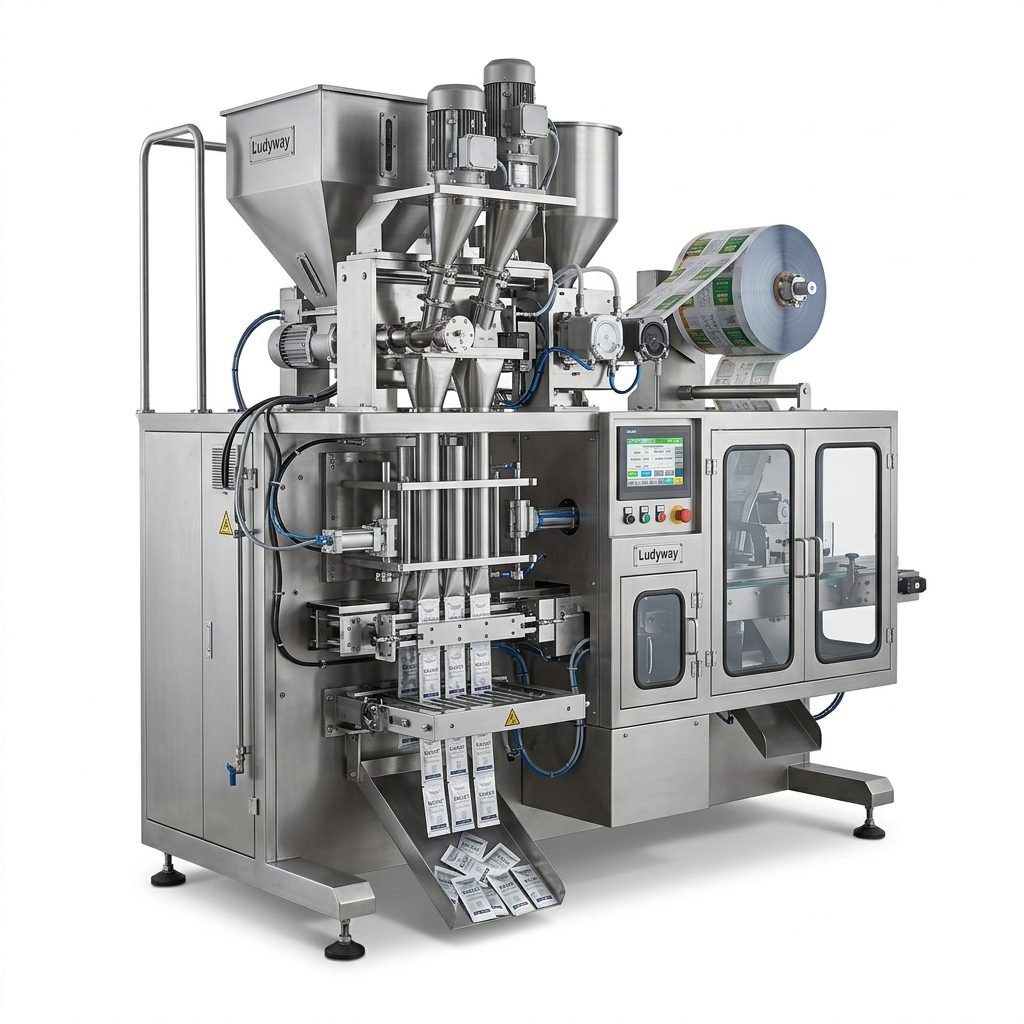
Daily Maintenance Checklist for Your Shri Vinayak Machine
Daily inspections take only a few minutes but can prevent hours of troubleshooting. Operators should perform the following checks at the start and end of each shift to ensure the packaging machine is in optimal condition. Documenting these checks helps build a maintenance history that can predict future service needs.
| Checkpoint | Frequency | Key Actions |
|---|---|---|
| Sealing Jaws & Heating Elements | Every Shift | Inspect for residue buildup, verify temperature settings, clean with a non-abrasive cloth |
| Filling System & Auger | Every Shift | Check for product leakage, verify fill accuracy, clean product contact surfaces |
| Forming Tube & Film Path | Daily | Inspect for scratches or debris, ensure smooth film feeding, check alignment |
| Cutting Blades & Knives | Daily | Check sharpness, clean adhesive residue, replace if dull or damaged |
| Sensors & Photocells | Every Shift | Clean lens surfaces, verify registration mark detection, test emergency stops |
| Air Filters & Pneumatic Lines | Weekly | Drain moisture traps, check for air leaks, clean or replace filter elements |
| Conveyor Belts & Chains | Daily | Inspect tension and alignment, lubricate per manufacturer guidelines, check for wear |
The PMMI packaging industry resources provide additional guidance on establishing comprehensive maintenance protocols that align with global best practices for packaging and processing equipment.
Weekly and Monthly Deep-Cleaning Procedures
Beyond daily checks, deeper cleaning and inspection at regular intervals are critical. Product residue accumulation is one of the leading causes of machine malfunction in packaging operations. Granules and powders can infiltrate bearings, clog pneumatic valves, and compromise sensor accuracy. A thorough weekly cleaning of all product contact surfaces, combined with a comprehensive monthly inspection of internal mechanical components, significantly extends machine reliability. Pay special attention to the sealing station area where melted film residue can build up over time, affecting heat transfer and seal integrity. Use only approved cleaning agents compatible with your machine’s materials and always disconnect power before performing any deep-cleaning tasks.

Critical Areas to Inspect During Monthly Maintenance
- Electrical Connections: Tighten terminal screws, inspect wiring for signs of overheating or wear, and verify grounding continuity.
- Bearing Housing and Drive Shafts: Listen for unusual noise, check for excessive play, and apply appropriate lubrication as specified.
- Temperature Controllers: Calibrate heating elements and verify that actual temperatures match setpoint values within acceptable tolerances.
- Pneumatic Cylinders and Solenoids: Inspect seals for leaks, clean or replace as needed, and verify smooth operation throughout the full stroke range.
- PLC and Control System: Back up program parameters, check for error logs, and verify that all safety interlocks function correctly.
Lubrication Best Practices for Extended Machine Life
Proper lubrication is essential for reducing friction and preventing premature wear on moving parts. Each Shri Vinayak packaging machine model has specific lubrication points and recommended grease or oil types as outlined in the manufacturer’s service manual. Over-lubrication can be just as damaging as under-lubrication, as excess grease attracts dust and contaminants that accelerate wear. Use only food-grade lubricants for machines handling consumable products to maintain compliance with safety regulations. Establish a lubrication schedule based on operating hours, and always clean fittings before applying fresh lubricant to prevent introducing contaminants into bearing surfaces. Keep a detailed log of all lubrication activities to track service intervals and identify any recurring issues.
Recommended Lubrication Schedule
| Component | Lubricant Type | Interval |
|---|---|---|
| Linear Bearings & Guide Rails | Food-grade grease (NLGI #2) | Every 200 operating hours |
| Chain Drives & Sprockets | Synthetic chain oil | Weekly |
| Sealing Jaw Pivot Points | High-temperature grease | Monthly |
| Gearbox / Transmission | Manufacturer-specified gear oil | Check quarterly, replace annually |
| Pneumatic Cylinder Seals | Light pneumatic oil (if required) | Per manufacturer specification |
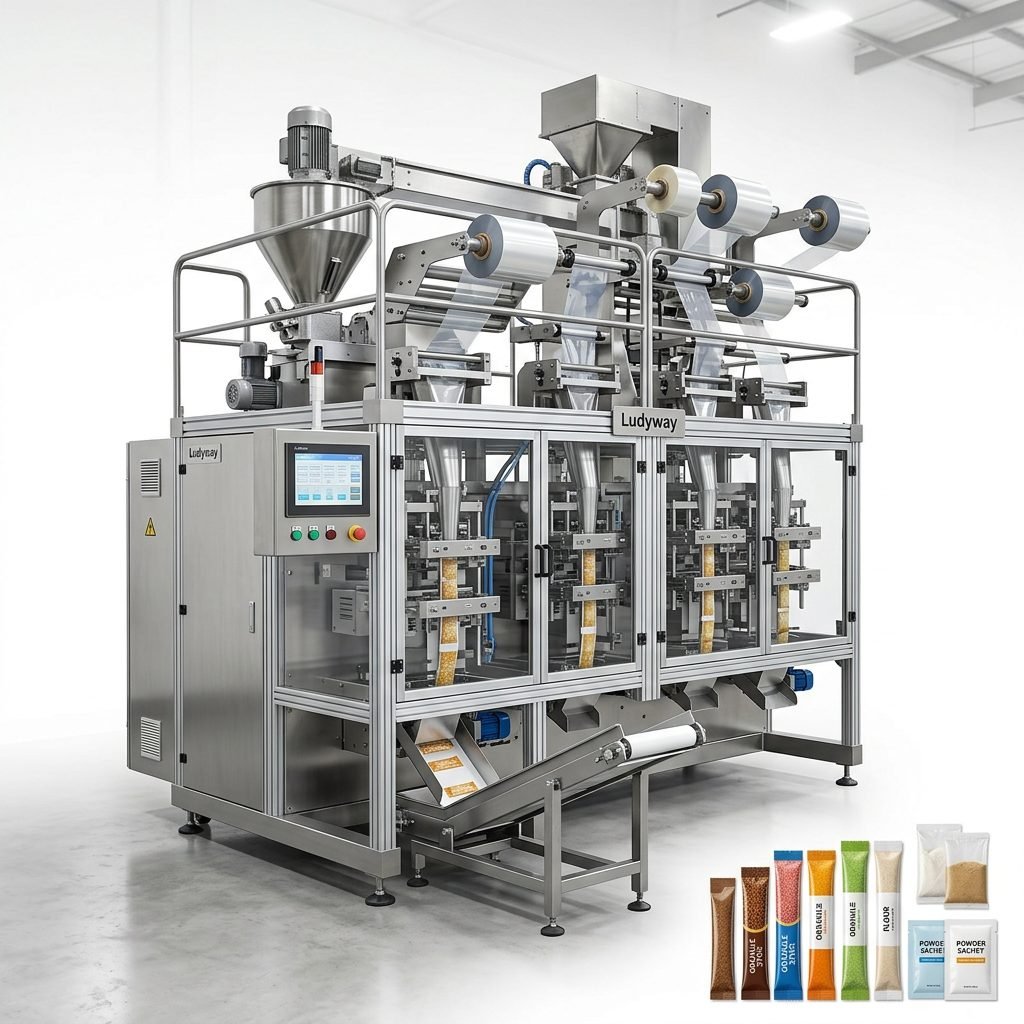
Troubleshooting Common Packaging Machine Issues
Even with rigorous maintenance, operational issues can arise. Understanding common problems and their solutions helps operators respond quickly and minimize downtime. Below are some frequently encountered issues with packaging machines and their typical root causes. Always consult your machine’s technical manual for model-specific troubleshooting guidance, and refer to resources like the Flexible Packaging Association’s knowledge hub for broader industry insights on packaging materials and processes that may affect machine performance.
Quick Troubleshooting Reference
| Problem | Possible Cause | Recommended Action |
|---|---|---|
| Inconsistent Seal Quality | Incorrect temperature, worn sealing jaws, or contaminated film path | Verify and recalibrate temperature settings, clean jaw surfaces, inspect heating element continuity |
| Inaccurate Fill Weights | Auger wear, product bridging in hopper, or calibration drift | Recalibrate the filling system, inspect auger for wear, check hopper level sensors |
| Film Tracking / Wrinkling | Misaligned rollers, incorrect tension, or worn forming tube | Adjust roller alignment, verify film tension settings, inspect forming tube surface condition |
| Registration Errors | Dirty photocell, incorrect sensor sensitivity, or film slippage | Clean sensor lens, adjust sensitivity, check film brake and tension control |
| Excessive Machine Vibration | Loose mounting bolts, worn bearings, or unbalanced rotating components | Tighten all fasteners, inspect and replace worn bearings, check drive belt condition |
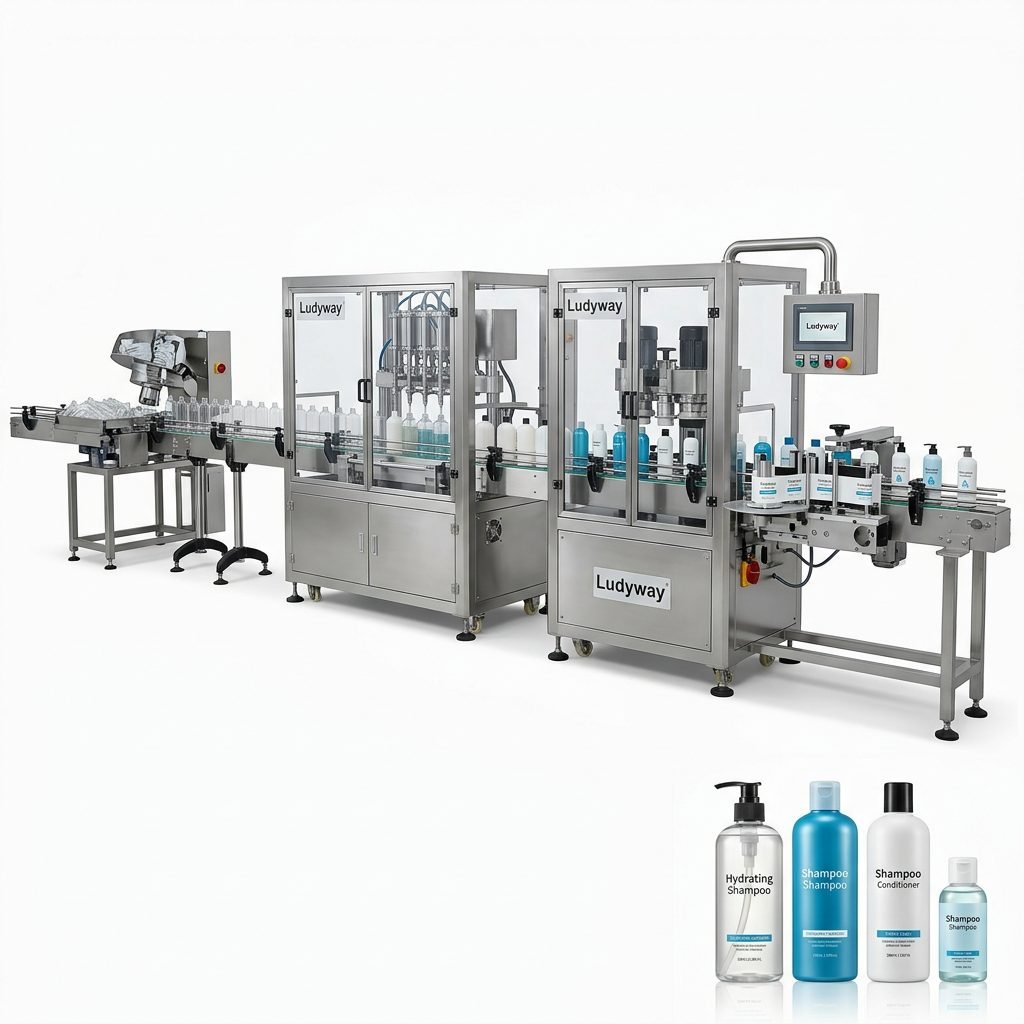
Spare Parts Management and Inventory Planning
A well-organized spare parts inventory is a critical component of any effective maintenance strategy. Waiting for replacement parts during a breakdown can cost hours or even days of lost production. Identify the most frequently replaced wear items for your specific machine model, including sealing jaws, cutting blades, heating elements, belts, bearings, filters, and sensor assemblies. Maintain an adequate stock of these critical components, and establish relationships with reliable suppliers who can provide genuine or equivalent-quality parts quickly. The PMMI business intelligence library offers valuable data on packaging machinery market trends that can inform your procurement and inventory planning decisions. Keep a digital record of all part numbers, supplier contacts, and lead times for easy reference during urgent situations.
Essential Spare Parts to Keep On Hand
- Sealing jaw sets — both horizontal and vertical configurations
- Cutting blades and knife assemblies with mounting hardware
- Heating cartridges and thermocouples for temperature control systems
- Drive belts and timing belts matched to your machine’s specifications
- Sensor modules including photocells, proximity switches, and temperature sensors
- Pneumatic components such as cylinders, fittings, and solenoid valves
- Filter elements for air, oil, and product dust extraction systems
- Emergency stop buttons and safety relay modules
Operator Training and Documentation
Even the best maintenance program cannot compensate for inadequately trained personnel. Operators who understand the full functionality of their packaging machine are better equipped to identify early warning signs of potential issues and perform basic troubleshooting effectively. Invest in comprehensive training that covers machine operation, daily maintenance procedures, safety protocols, and basic troubleshooting techniques. Maintain clear, accessible documentation including standard operating procedures (SOPs), maintenance checklists, and service history logs. Digital maintenance management systems can help track service intervals, store equipment manuals, and generate automated maintenance reminders. Well-documented maintenance records also support compliance with industry regulations and can be invaluable during audits or quality certifications.
Key Elements of an Effective Operator Training Program
- Machine Familiarization: Understanding all components, controls, and safety features of the specific packaging machine model.
- Daily Checklist Execution: Hands-on practice performing and documenting pre-shift and post-shift inspections.
- Cleaning and Sanitation Procedures: Proper disassembly, cleaning, and reassembly of product contact surfaces.
- Basic Troubleshooting: Recognizing common fault indicators and performing first-line corrective actions.
- Safety and Emergency Protocols: Lockout/tagout procedures, emergency stop functions, and safe restart sequences.
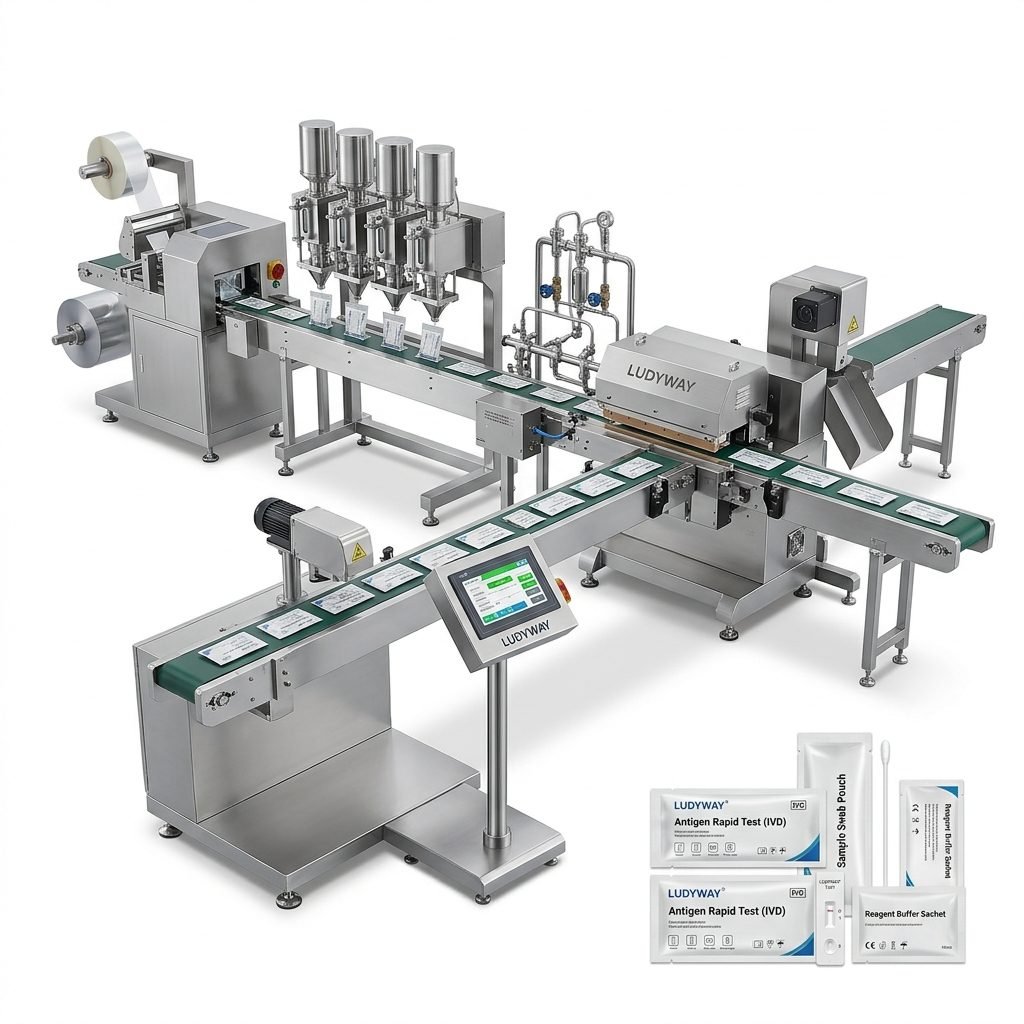
When to Call a Professional Service Technician
While in-house maintenance teams can handle most routine tasks, certain situations warrant professional intervention. Complex electrical faults, PLC programming errors, and major mechanical overhauls should be addressed by qualified service technicians with specialized training on your specific machine model. Attempting to repair sophisticated control systems or precision mechanical assemblies without proper expertise can cause further damage and void warranty coverage. Establish a service agreement with a reputable provider to ensure priority access to technical support when needed. Companies like Ludyway, one of the largest packaging machine manufacturers, offer comprehensive after-sales service and technical support for a wide range of packaging equipment, helping businesses maintain optimal machine performance through professional maintenance programs and genuine replacement parts.
Long-Term Strategies for Maximizing Machine Performance
Sustaining peak performance from your packaging machine requires a long-term perspective. Beyond daily and monthly maintenance routines, consider implementing a predictive maintenance approach that uses data from sensors and performance logs to anticipate component failures before they occur. Track key performance indicators such as overall equipment effectiveness (OEE), mean time between failures (MTBF), and mean time to repair (MTTR) to benchmark your maintenance program’s effectiveness. Regular consultations with organizations like the Flexible Packaging Association and adherence to standards outlined by ISO packaging and distribution standards can help your operation stay current with evolving industry requirements. Periodically review and update your maintenance procedures to incorporate lessons learned, new technologies, and feedback from operators and technicians. A culture of continuous improvement ensures that your packaging operation remains competitive, efficient, and reliable for years to come.
Performance Metrics to Monitor
| Metric | Description | Target Range |
|---|---|---|
| OEE (Overall Equipment Effectiveness) | Combined measure of availability, performance, and quality | 85% or higher |
| MTBF (Mean Time Between Failures) | Average operating time between unplanned stoppages | Increasing trend over time |
| MTTR (Mean Time to Repair) | Average time required to restore machine to operational status | Decreasing trend over time |
| Scrap Rate | Percentage of packages rejected due to quality defects | Below 1% |
Additional Resources for Packaging Machine Maintenance
Staying informed about the latest maintenance techniques and industry standards is essential for continuous improvement. Below are several authoritative resources that provide valuable information on packaging machinery maintenance, industry trends, and regulatory requirements. These resources complement the manufacturer-specific guidance provided with your Shri Vinayak packaging machine and help you build a comprehensive knowledge base for your maintenance team.
Recommended Industry Links
- PMMI – The Association for Packaging and Processing Technologies — Comprehensive industry resources, training programs, and technical publications.
- Flexible Packaging Association — Resources and regulatory guidance for flexible packaging applications.
- ISO Packaging Standards — International standards for packaging machinery, materials, and testing procedures.
- FDA – Food Packaging and Food Contact Substances — Regulatory information for food-grade packaging equipment and materials.
- PACK EXPO International — Industry trade show featuring the latest packaging machinery innovations and maintenance technologies.
- European Commission – Packaging and Packaging Waste — Sustainability and regulatory updates relevant to packaging operations.