The global demand for automated packaging solutions is surging, and the tissue paper industry is no exception. Whether you are packaging facial tissues, pocket sachets, or wet wipes, understanding the tea tissue paper packaging machine cost is critical for business planning. The price of such equipment varies significantly based on speed, automation level, and configuration. This comprehensive guide breaks down the pricing structure, helping you make an informed investment decision.
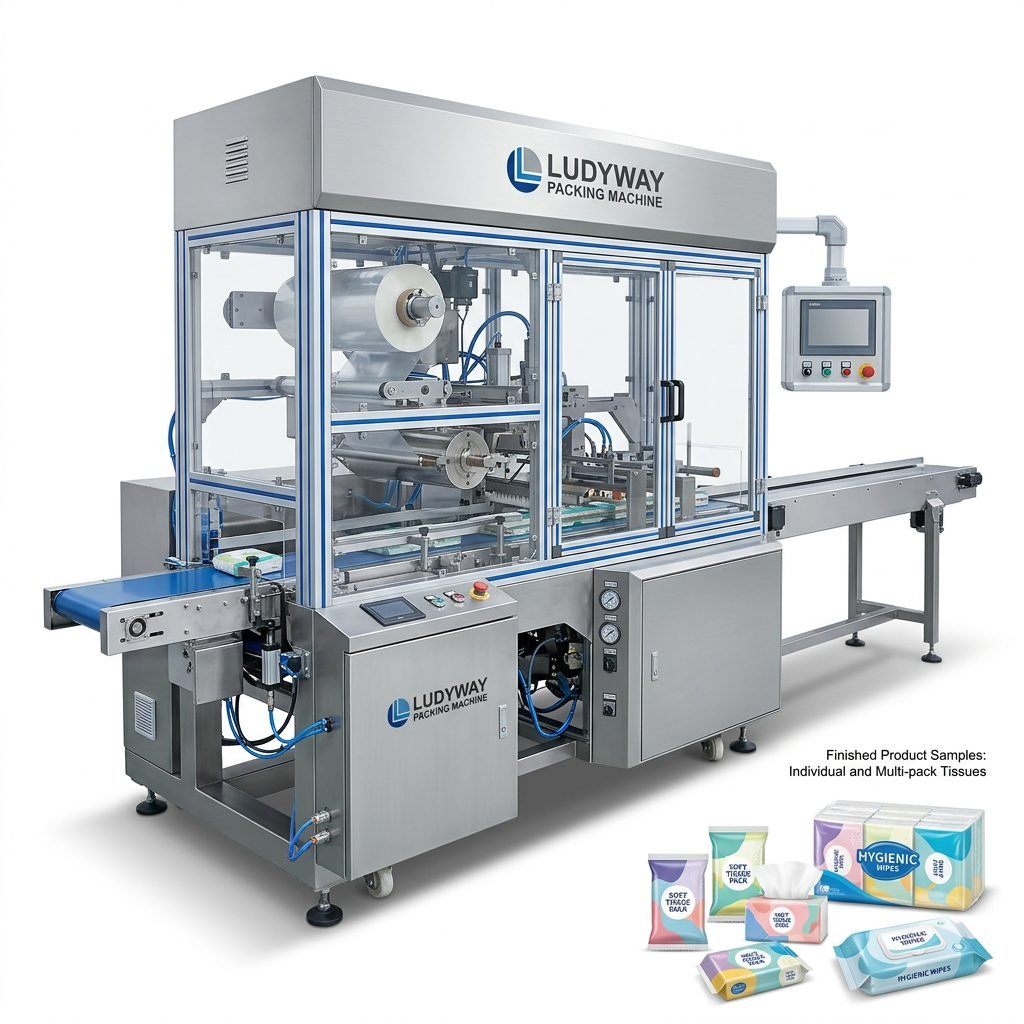
Key Factors Influencing Tea Tissue Paper Packaging Machine Cost
Several variables dictate the final price tag of a tea tissue paper packaging system. Recognizing these factors helps align your budget with operational goals. The most significant cost drivers include:
- Production Speed: Machines capable of producing 100-150 packs per minute cost substantially more than entry-level 30-50 pack/minute models. Higher throughput requires more sophisticated servo drives and precision engineering.
- Automation Level: Fully automatic lines integrating feeding, folding, sealing, and labeling command a premium. Semi-automatic machines, which require manual loading, are available at lower entry prices.
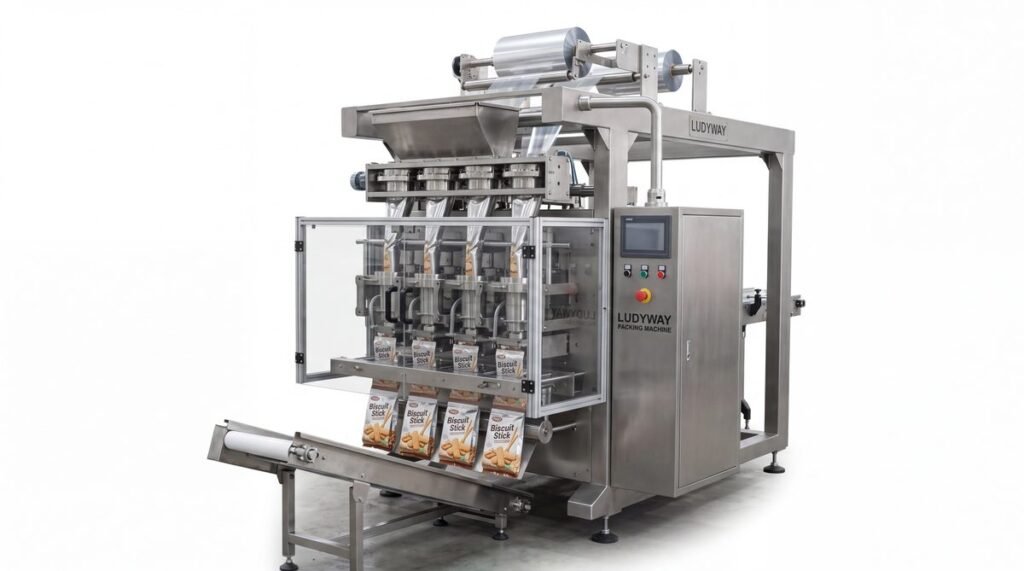
- Packaging Format: Multi-lane stick pack configurations and specialized sachet formats add complexity and cost compared to standard pillow-type single-lane systems.
- Material Compatibility: Machines engineered to handle biodegradable films, aluminum laminates, or specialty paper-backed materials often require customized sealing jaws and temperature control systems.
- Additional Modules: Optional add-ons like nitrogen flushing systems, date coders, conveyors, and cartoning machinery increase the overall investment but may be essential for complete production lines.
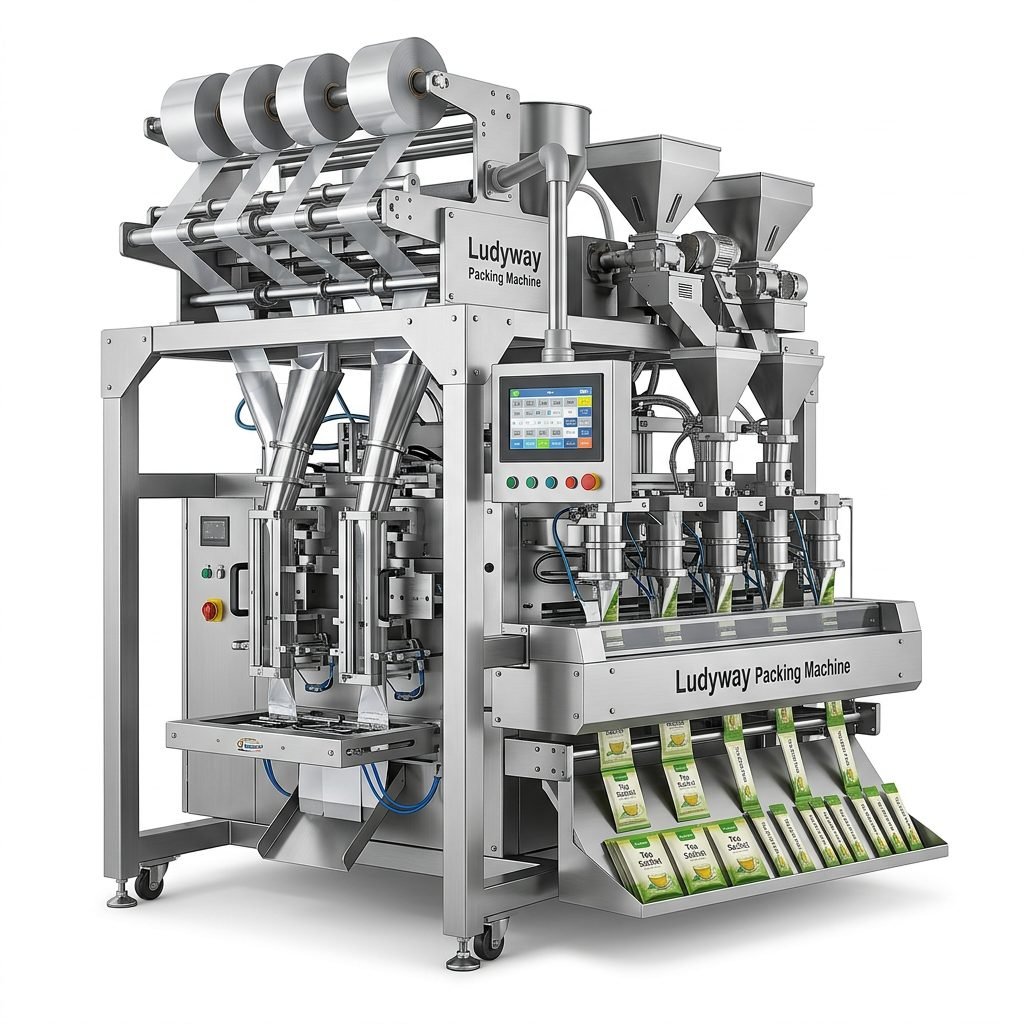
Tea Tissue Paper Packaging Machine Price Range Overview
The market offers a broad spectrum of machinery to suit different production scales. Below is a comparative table outlining typical price brackets based on machine type and capabilities. Note that these figures are indicative and can fluctuate due to custom engineering requirements and global supply chain dynamics.
| Machine Type | Estimated Price Range (USD) | Best For |
|---|---|---|
| Semi-Automatic Single-Lane | $8,000 – $25,000 | Startups, low-volume artisans, boutique tea brands |
| Fully Automatic Pillow Pack | $30,000 – $75,000 | Mid-size manufacturers, OEM suppliers |
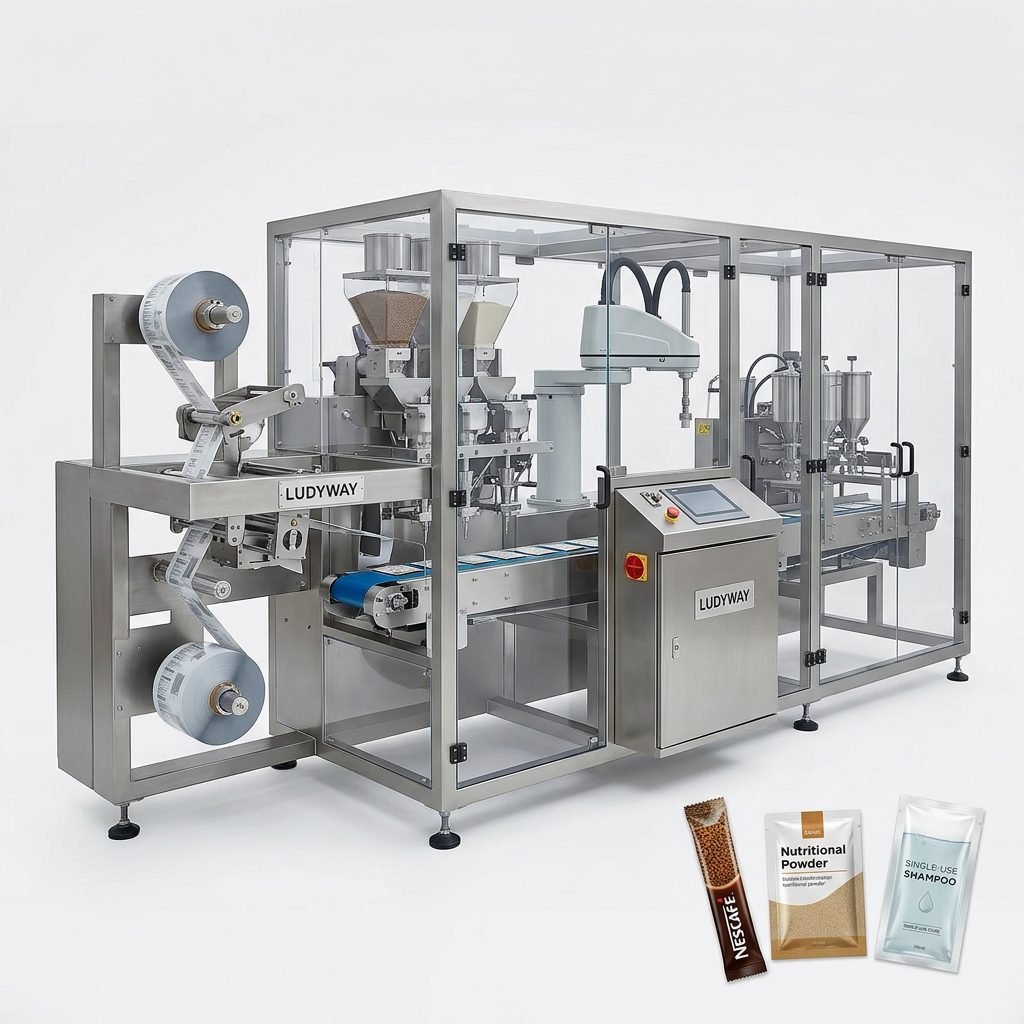
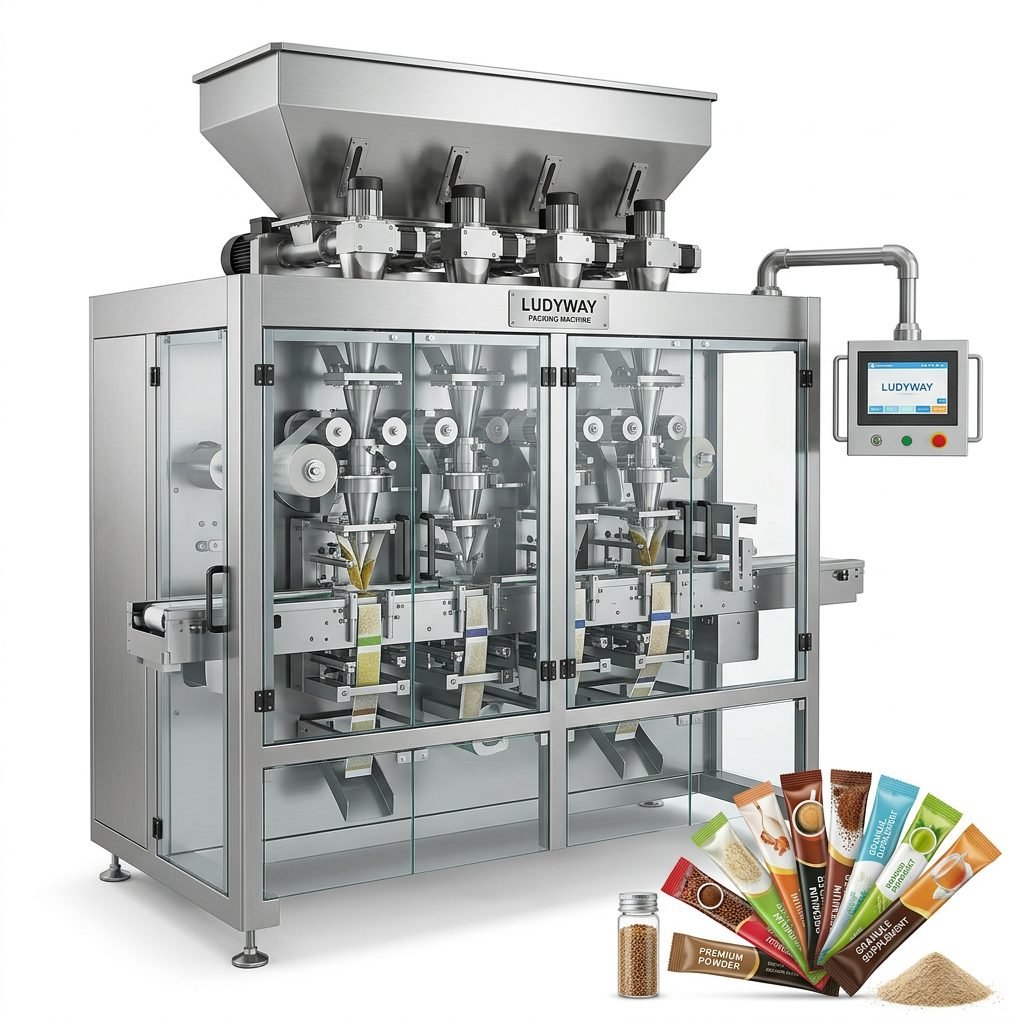
| Multi-Lane Stick Pack / Sachet | $50,000 – $180,000 | High-volume production, single-serve tea sachets |
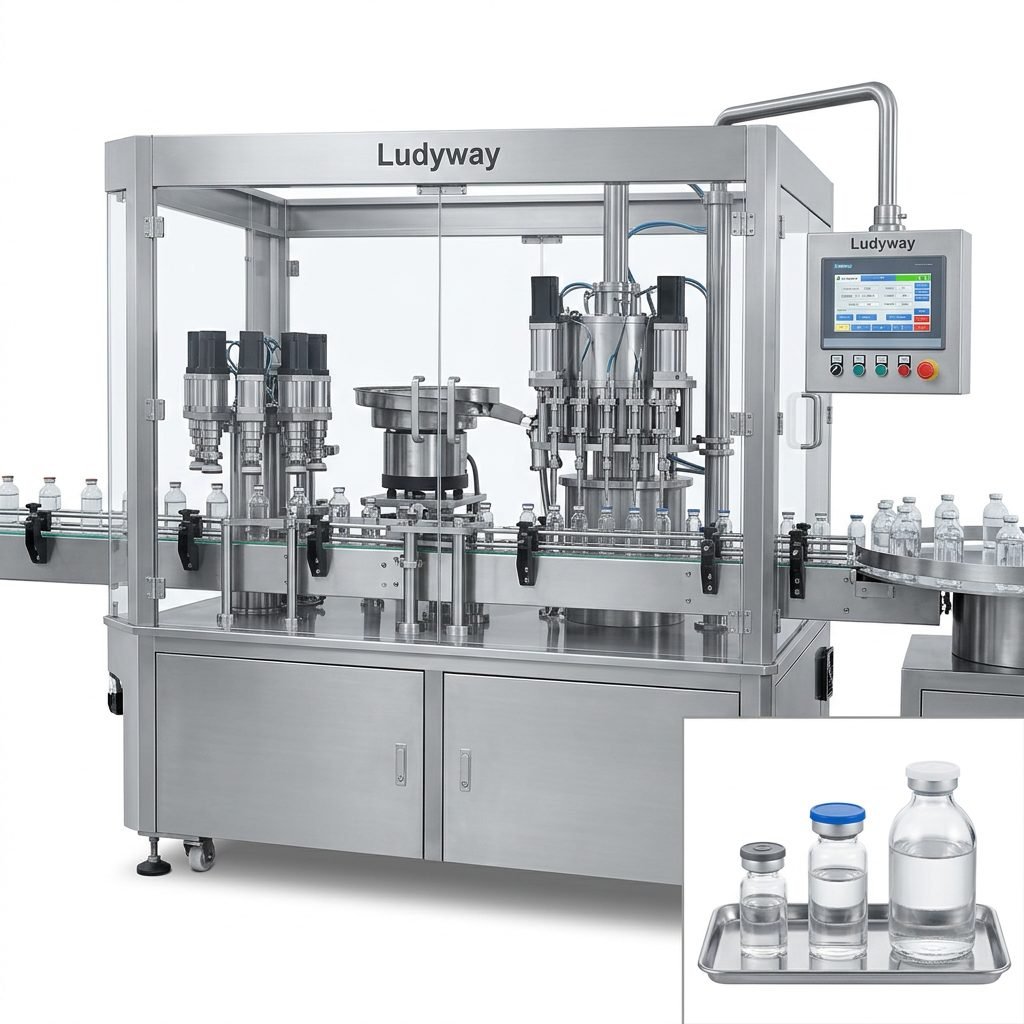
| Complete Turnkey Packaging Line | $150,000 – $500,000+ | Large enterprises requiring integrated solutions from feeding to case packing |

Entry-Level Semi-Automatic Machines
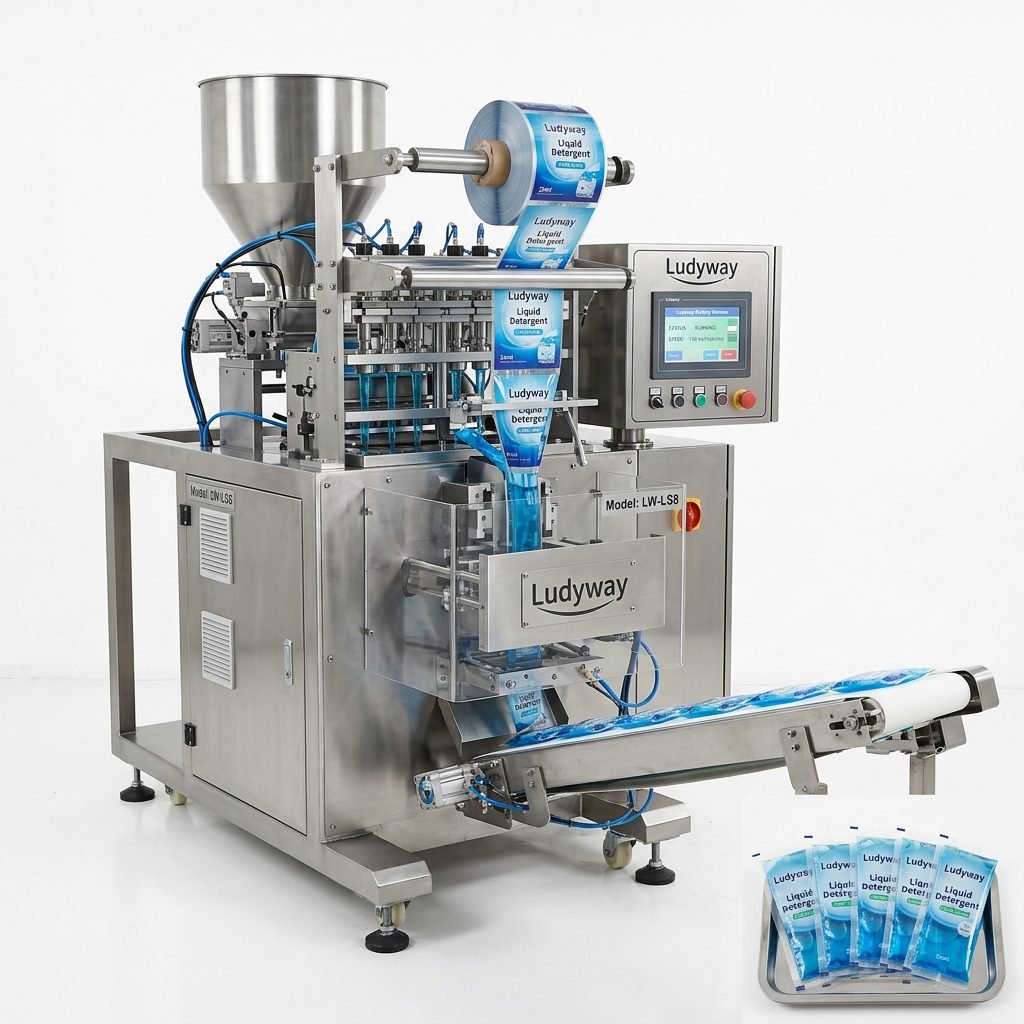
For small businesses testing the market or producing limited edition tea collections, semi-automatic units offer an affordable gateway. These machines typically handle simple overwrapping and sealing tasks but require manual product placement. The low upfront cost is attractive, though labor costs per unit remain higher. Key applications include packaging individual tea bags into outer envelopes or wrapping small bundles of tissue paper for retail display. While the initial price is low, it is crucial to account for long-term scalability limitations when evaluating the total cost of ownership.
High-Speed Multi-Lane Sachet Systems
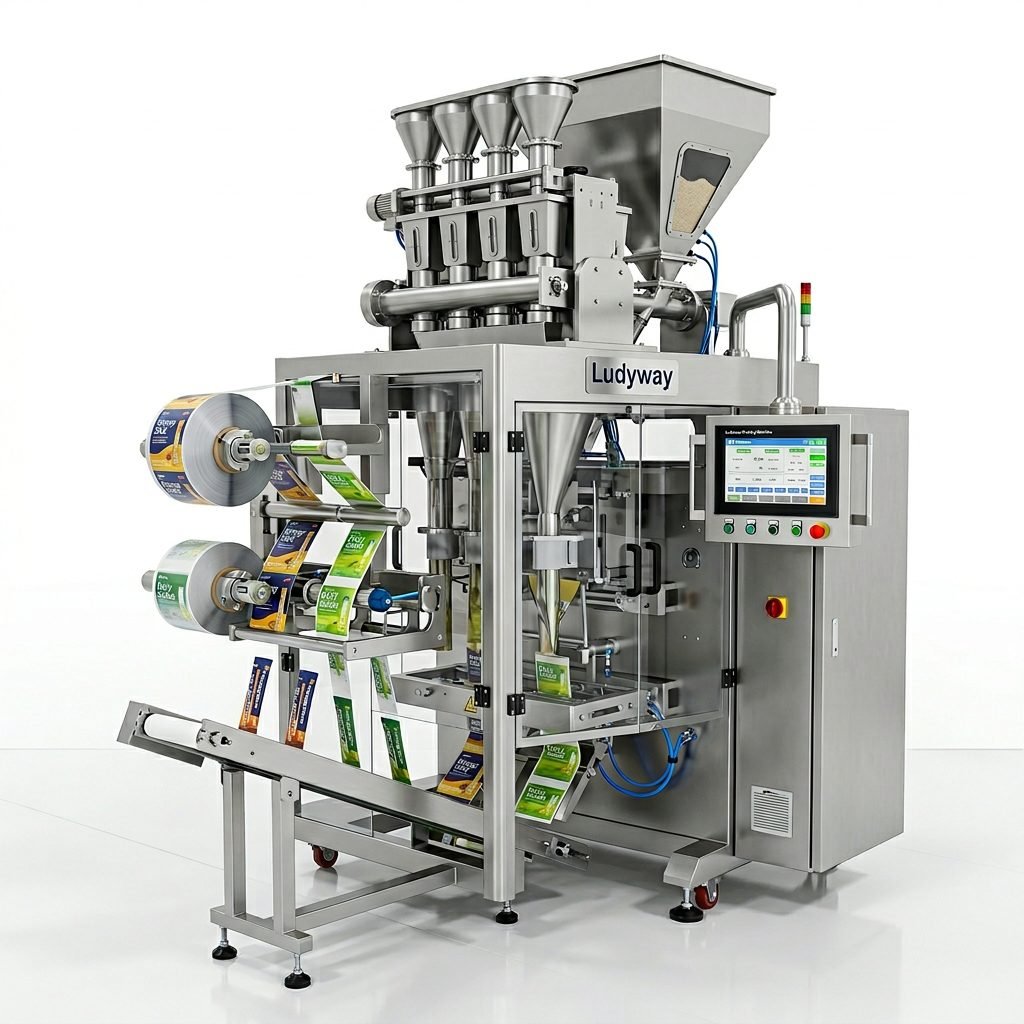
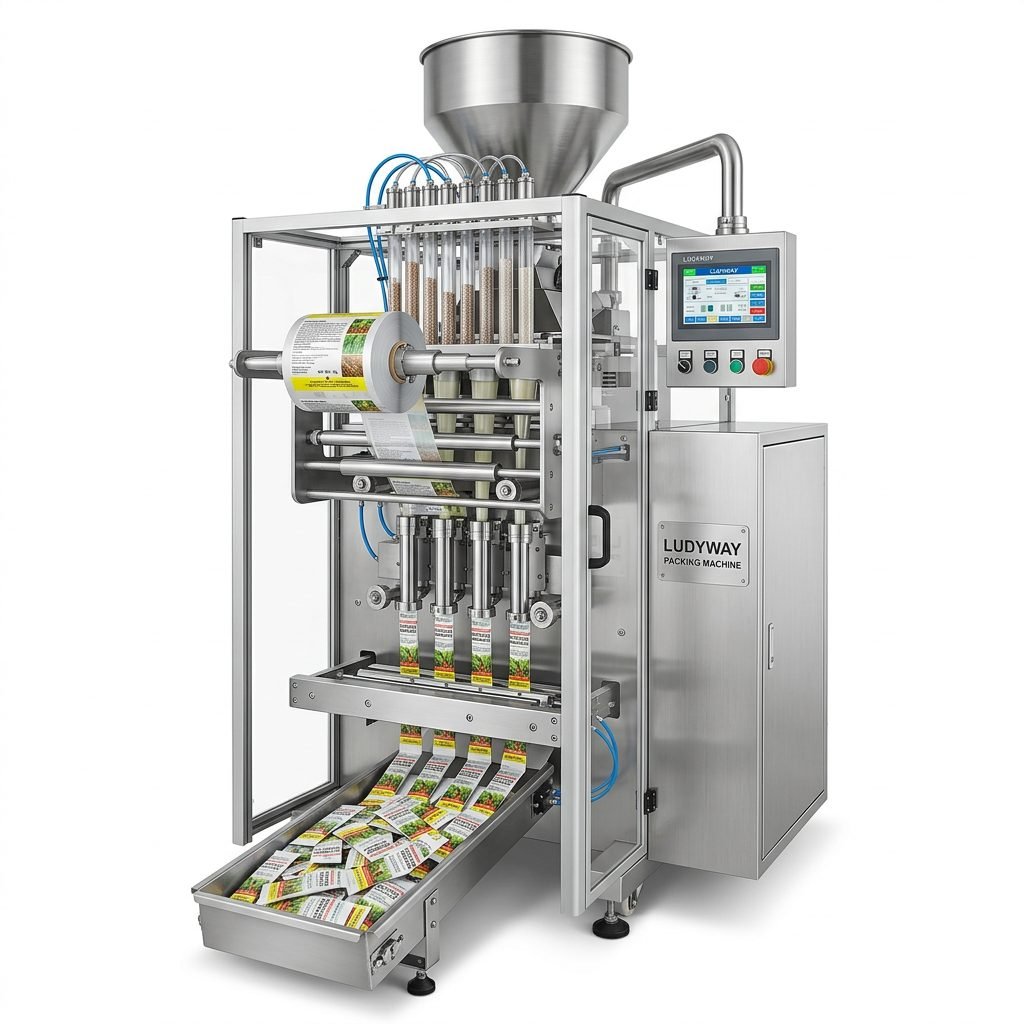
This category represents a significant leap in capability and investment. Designed for producers of pyramid tea bags, herbal infusions, and single-use tissue papers, these machines excel in speed and precision. A 12-lane stick pack machine can produce hundreds of filled, sealed sachets per minute, dramatically reducing per-unit production costs. The higher acquisition price is justified by reduced waste, consistent seal integrity, and seamless integration with downstream counting and cartoning systems. For companies targeting retail chains or export markets with strict quality standards, this investment is often non-negotiable.
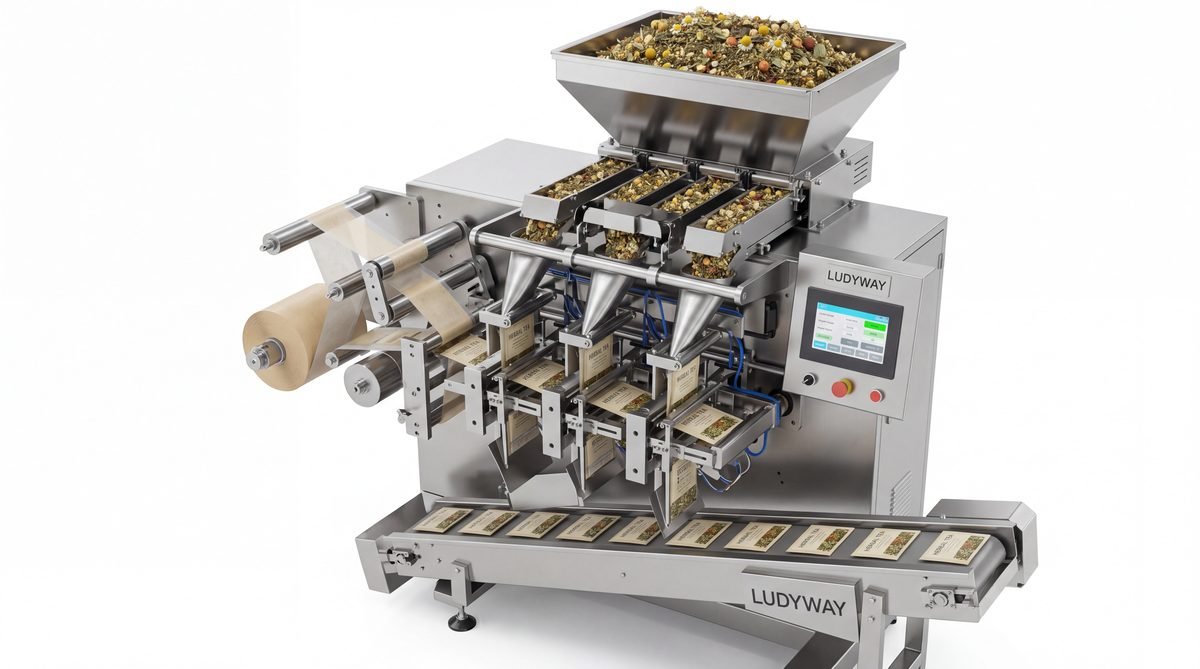
Beyond the Machine: Hidden Costs and ROI Considerations
When calculating the true tea tissue paper packaging machine cost, budget for more than just the hardware. Installation, operator training, and facility modifications can add 15-25% to the base price. Spare parts inventories, particularly for sealing jaws and cutting blades, are another ongoing expense. Furthermore, the choice of packaging material plays a major role; machines calibrated for flexible packaging materials may require adjustments if you switch suppliers. However, a well-chosen automatic line delivers a rapid return on investment through labor reduction, higher output, and improved product consistency. According to PMMI industry research, automation typically reduces packaging labor costs by 50-70% while cutting material waste by up to 30%.
Optional Upgrades That Influence Final Price
- Vision Inspection Systems: For quality control, detecting open seals or misaligned prints. Adds $15,000 – $35,000.
- Automatic Cartoners: Collate filled sachets and load them into display boxes. Adds $40,000 – $100,000.
- Nitrogen Flushing: Extends shelf life for premium teas by replacing oxygen inside the packet. Adds $8,000 – $20,000.
- Servo-Driven Motors: Provide faster, quieter, and more precise operation compared to pneumatic alternatives. Worth the premium for high-speed lines.
Evaluating Compliance and Global Standards
Machinery destined for international markets must comply with ISO packaging standards and regional safety directives. CE marking for European markets or UL certification for North America adds to engineering and component costs but is essential for legal importation. Similarly, equipment handling direct food contact materials must meet FDA food packaging regulations. Investing in compliant machinery upfront avoids costly retrofits or shipment rejections at customs, protecting your bottom line.
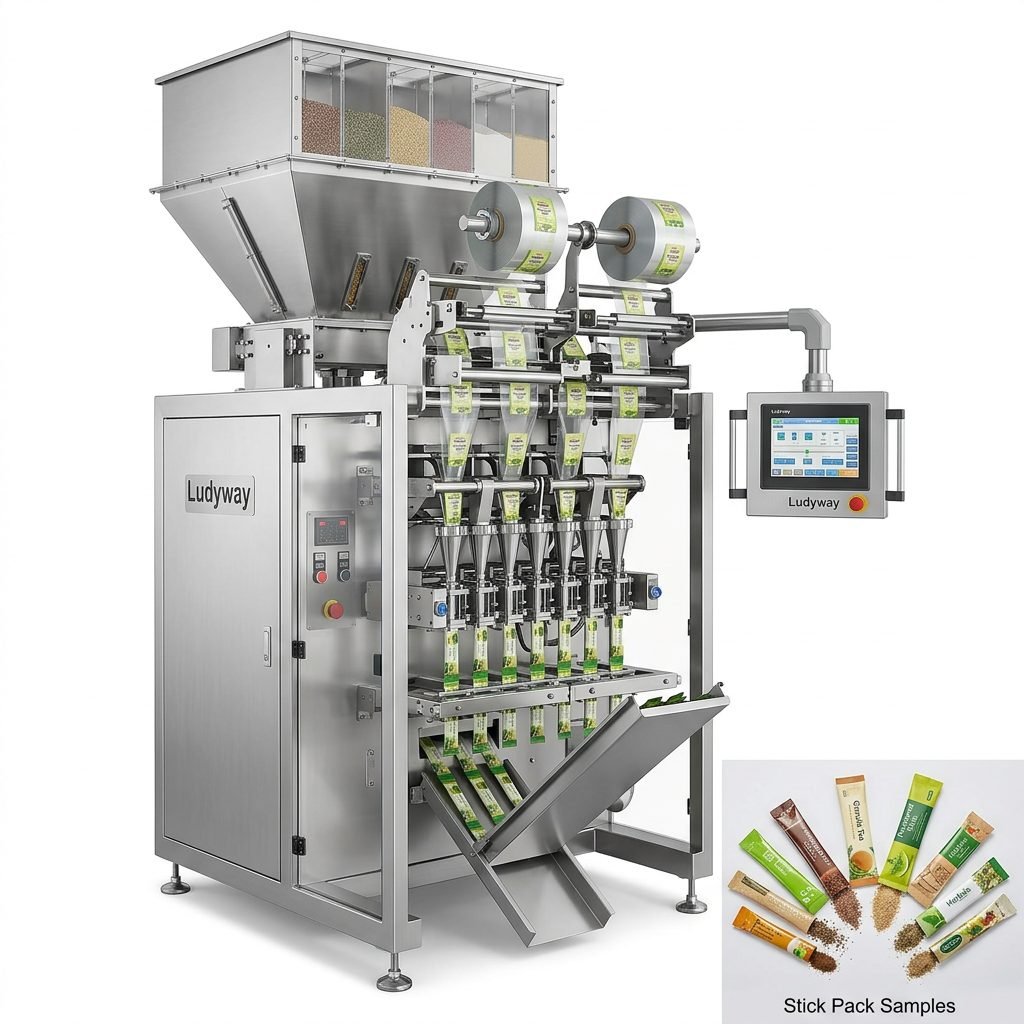
Key Features to Look for in a Quality Machine
Not all equipment is created equal, and the lowest price rarely guarantees the best value. Prioritize manufacturers that offer robust after-sales support, readily available spare parts, and documented track records. The following attributes separate industrial-grade machines from commodity alternatives:
- Stainless steel construction and washdown-ready design for hygiene compliance.
- PLC control with touchscreen HMI for intuitive recipe management and parameter adjustments.
- Independent lane control on multi-lane systems, allowing continued production even when one lane is paused.
- Quick-change forming tubes to accommodate different sachet sizes with minimal downtime.
- Remote diagnostics capability, enabling technicians to troubleshoot software issues without an on-site visit.
Where to Source Reliable Packaging Machinery
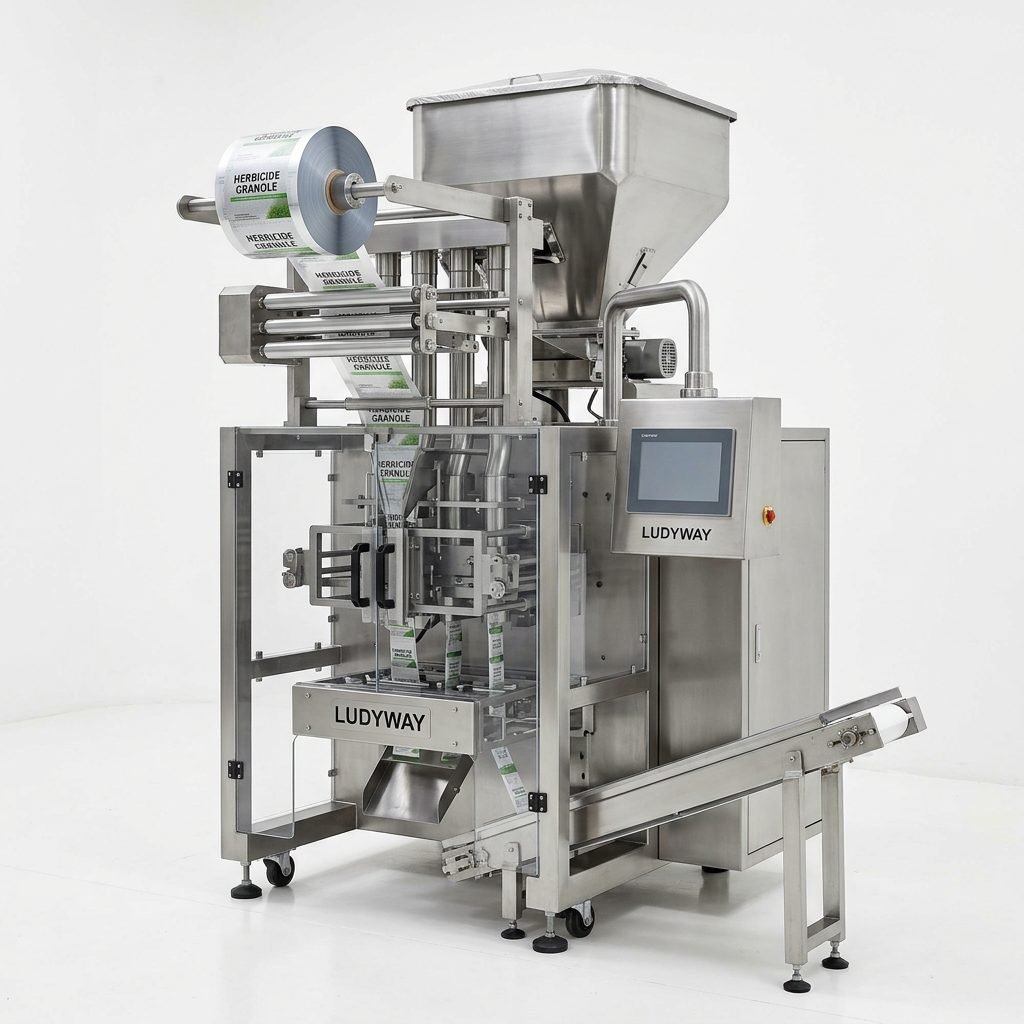
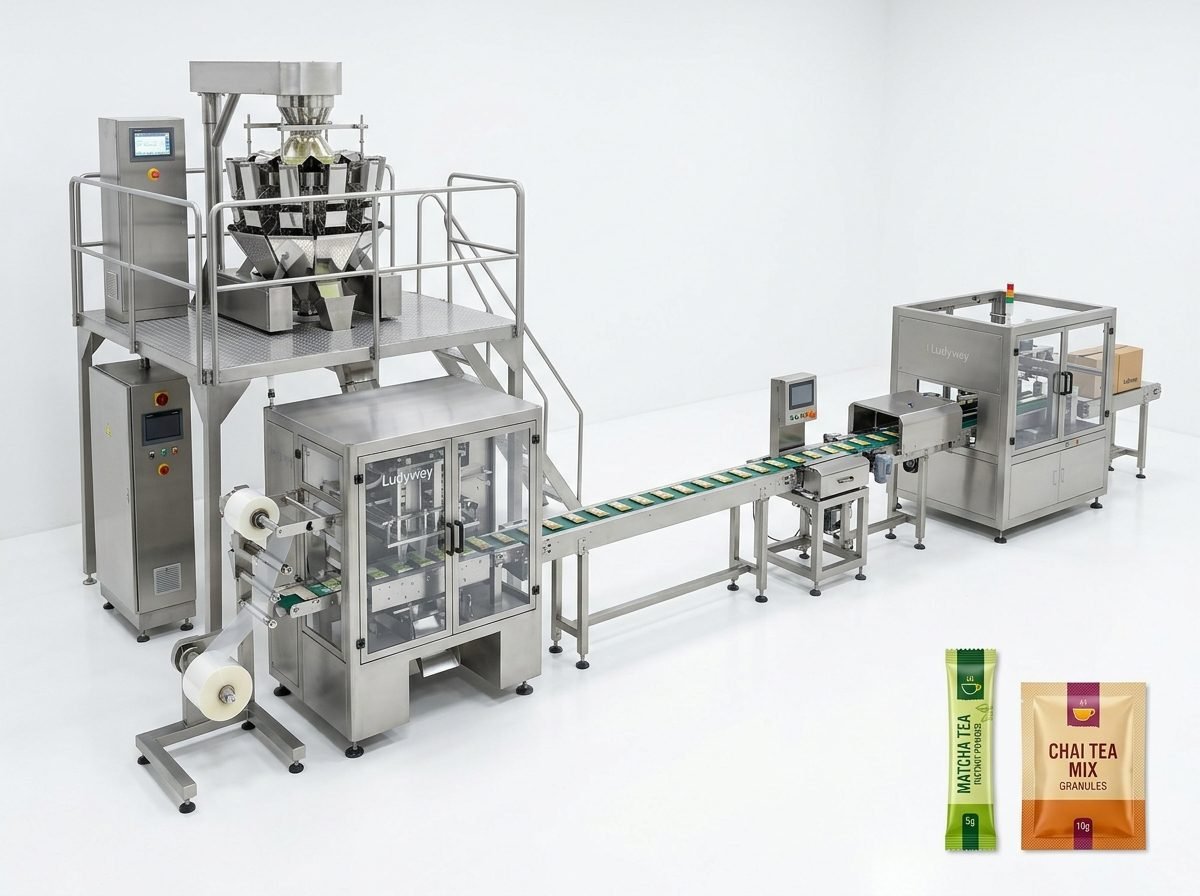
Selecting the right supplier is as critical as selecting the right machine. Look for manufacturers with deep engineering expertise and a global footprint. One such example is Ludyway, a leading packaging machine manufacturer based in China, offering over 50 intelligent models supported by a 20,000㎡ production facility and three decades of industry experience. Their broad portfolio covers the exact machinery discussed in this article, ensuring that businesses at every scale can find a suitable solution. For emerging trends and equipment innovations, the PACK EXPO International events remain invaluable resources for hands-on comparison.
Conclusion: Aligning Budget with Production Ambitions
The tea tissue paper packaging machine cost is a strategic investment, not merely an operational expense. From compact semi-automatic starters to sprawling multi-lane lines, the market provides options for every niche. By carefully mapping your current throughput requirements, future growth projections, and desired automation level, you can identify a machine that delivers maximum value. Prioritize build quality, compliance with regulatory affairs guidelines, and supplier reliability to ensure that your packaging line remains a competitive advantage for years to come.