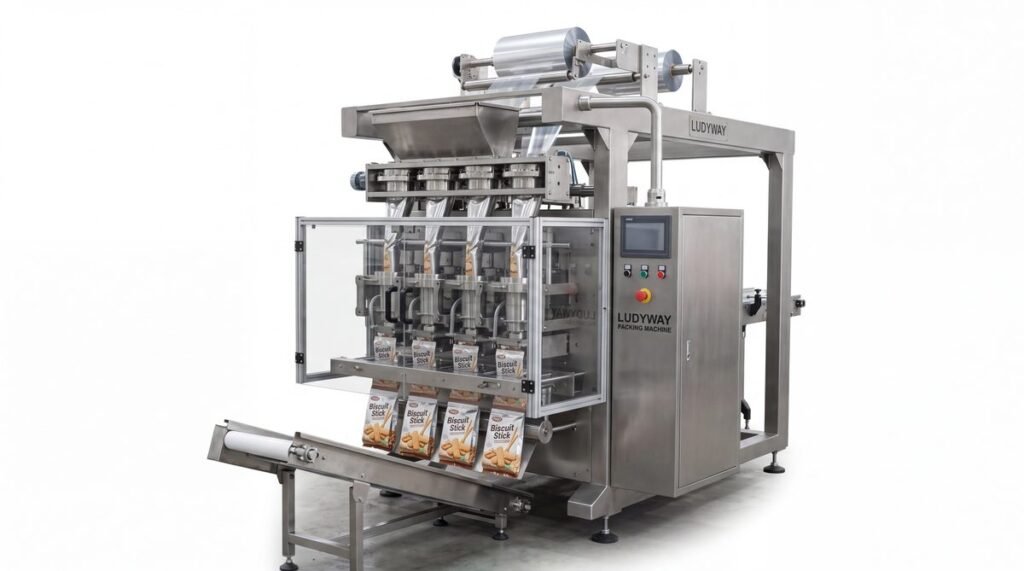
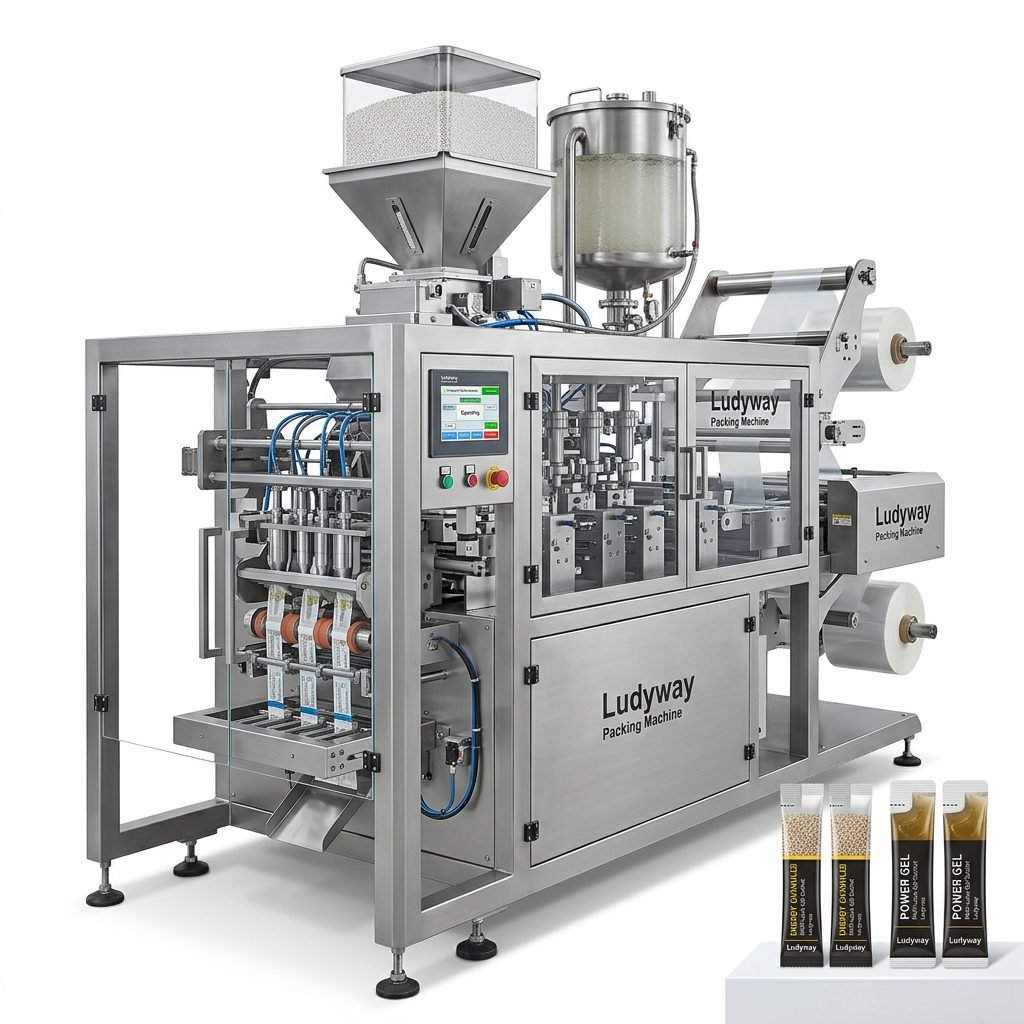
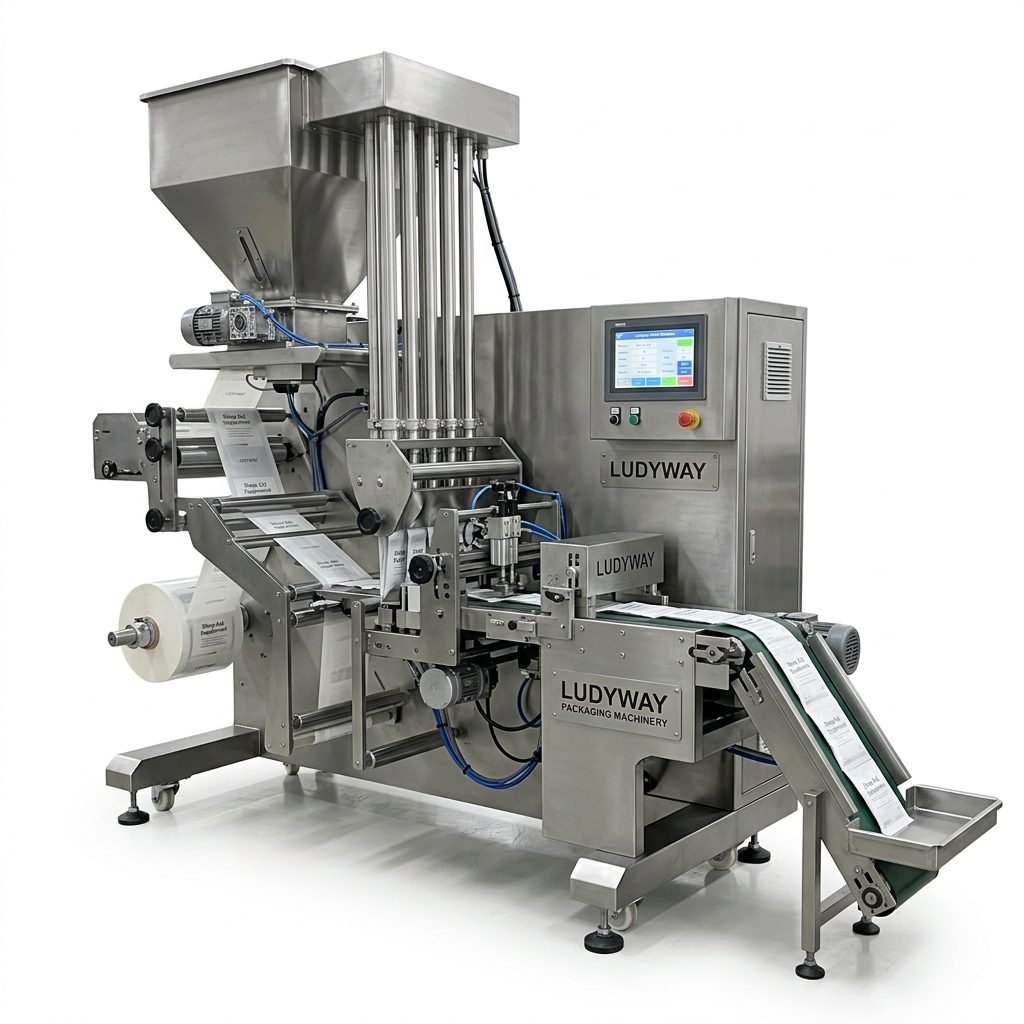
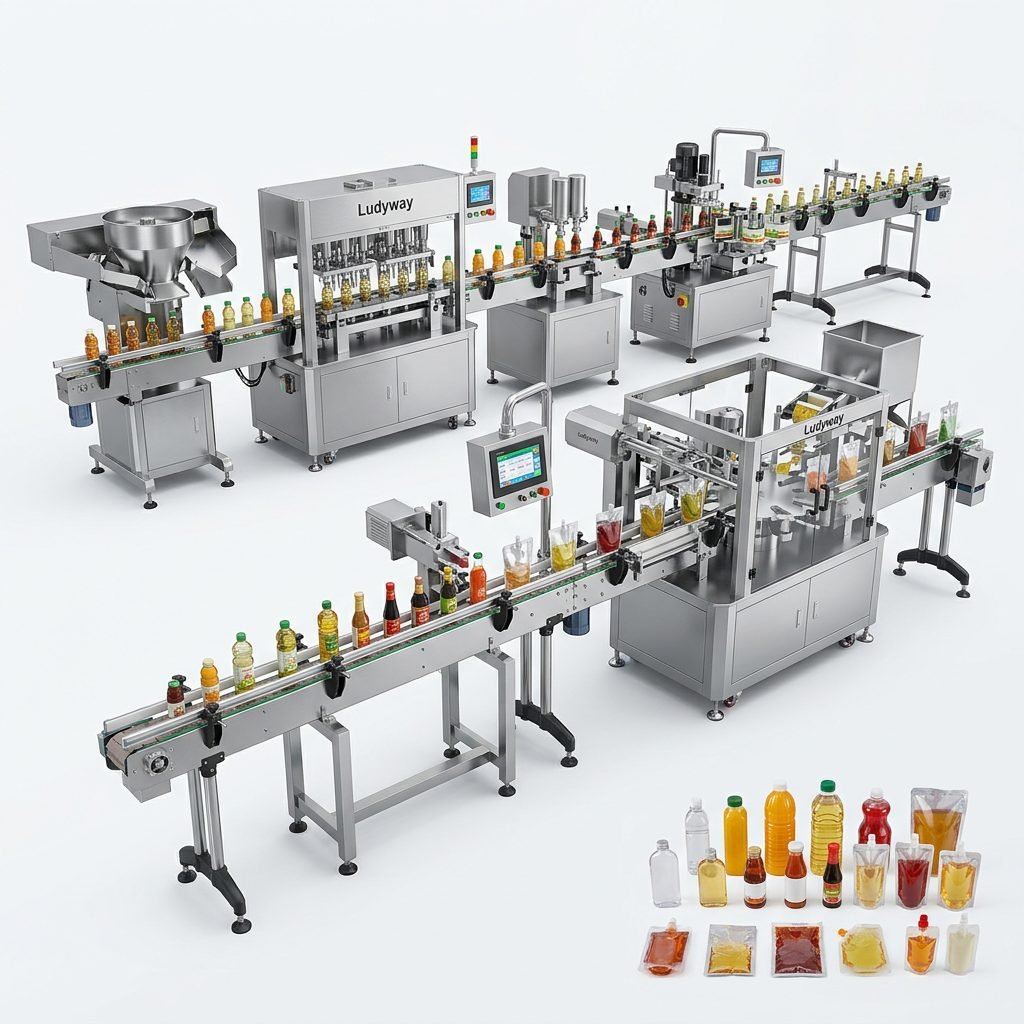
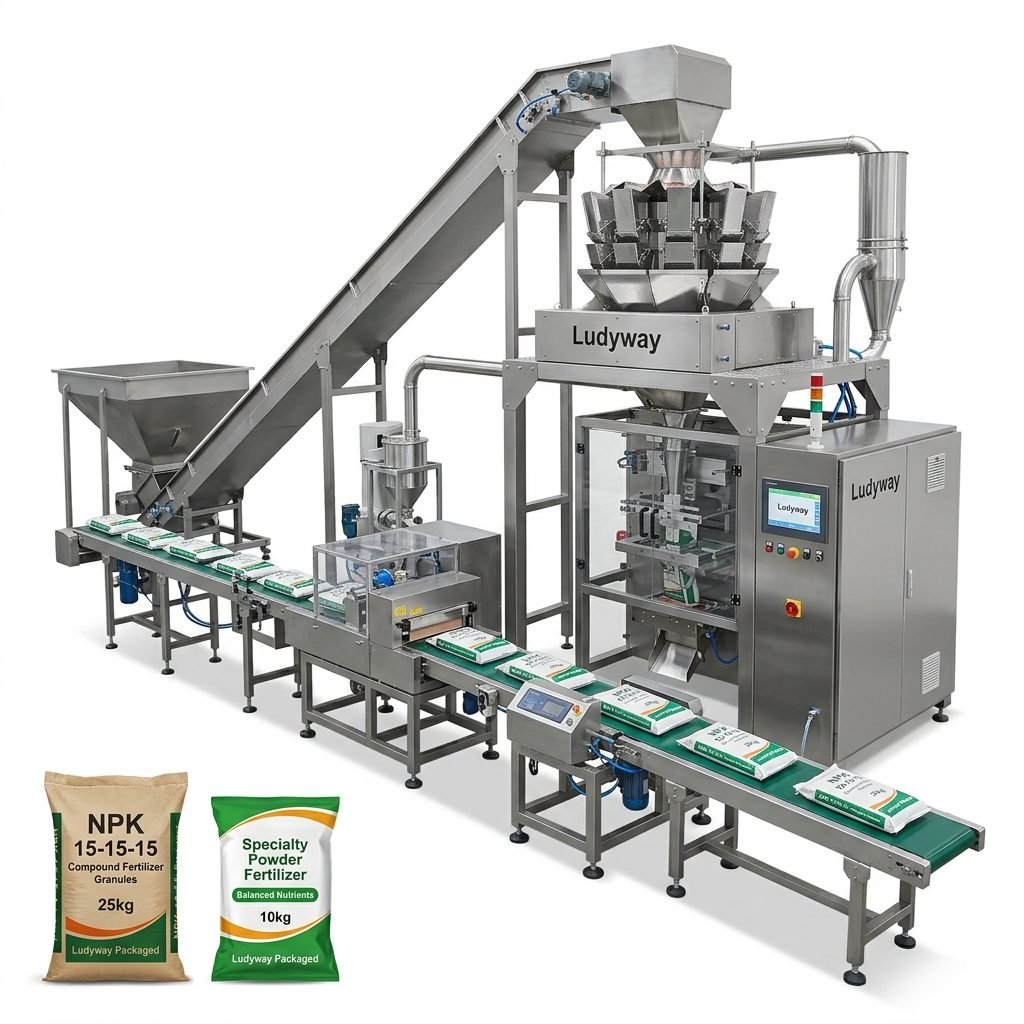
Maintaining a sterile packaging machine is not just about operational efficiency—it is a critical requirement for product safety, regulatory compliance, and brand integrity. In sectors like pharmaceuticals, medical devices, and food processing, any lapse in sterility can lead to catastrophic contamination, costly recalls, and damage to consumer trust. A robust cleaning and maintenance program is the backbone of consistent sterile production.

Understanding the Core of Sterile Packaging Maintenance
Effective maintenance balances cleaning efficacy with machine preservation. Aggressive chemicals can corrode sensitive components, while inadequate sanitation leaves biofilms and particulate matter behind. The goal is to establish a documented, repeatable process aligned with Good Manufacturing Practices (GMP) and validated through regular testing.
Daily and Pre-Production Cleaning Protocols
Start every shift with a thorough visual inspection. Remove any residual product, dust, or debris from the previous run. Pay special attention to product contact surfaces, forming tubes, sealing jaws, and filling nozzles. Use lint-free wipes and approved cleaning agents that are compatible with stainless steel and food-grade polymers. Document the cleaning log with date, time, and operator signature.
- Disassemble all removable product-contact parts for manual washing.
- Flush the filling system with a validated cleaning solution.
- Rinse thoroughly with purified or sterile water to remove chemical residues.
- Dry components with compressed sterile air to prevent microbial growth.
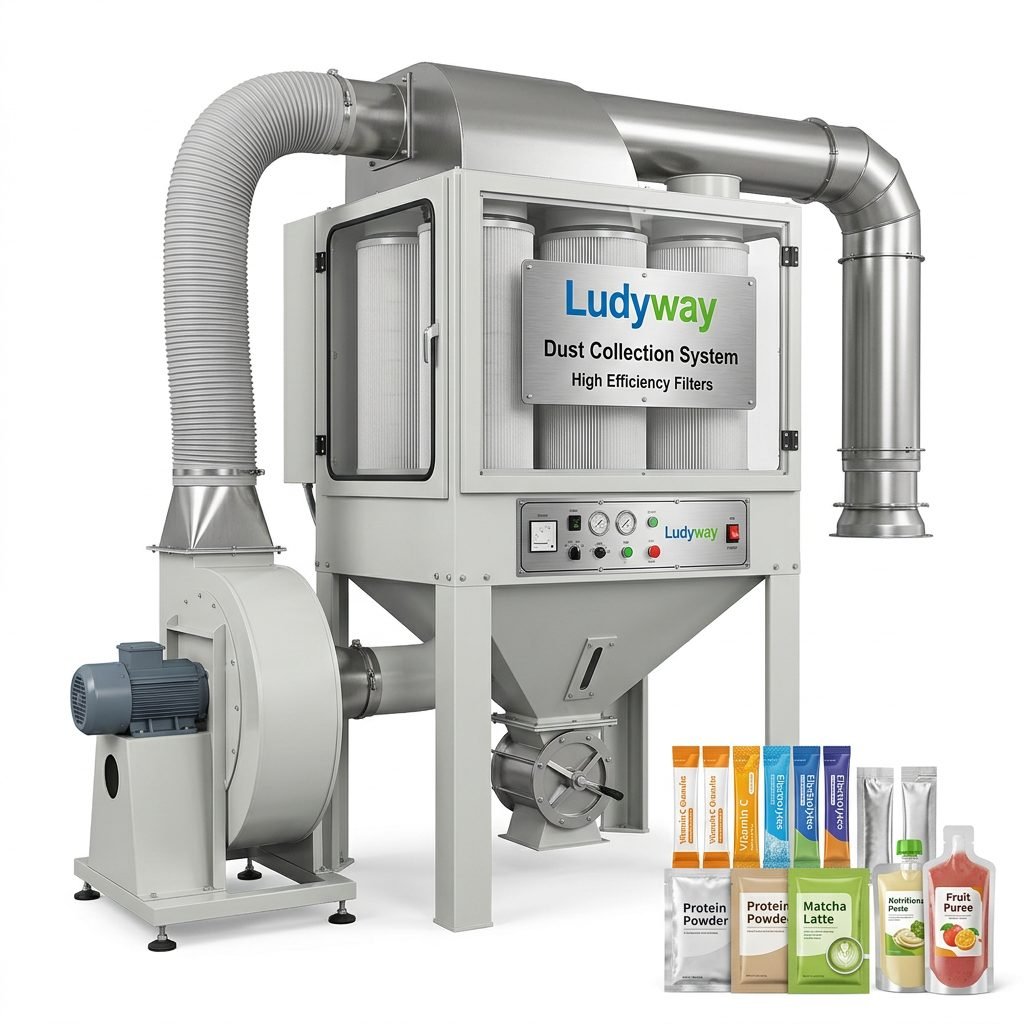
Critical Components to Inspect and Clean Regularly
Beyond surface cleaning, certain modules demand focused attention. Sealing components, for example, accumulate residue that compromises seal integrity. Use a non-metallic scraper and a magnifying glass to check for micro-cracks or buildup. Regularly verify the temperature calibration of heat sealers; a deviation of just a few degrees can cause sterility breaches.
| Component | Maintenance Action | Frequency |
|---|---|---|
| Sealing Jaws | Clean residue, check alignment and temperature | Daily |
| Filling Nozzles | Disassemble, clean, and sterilize | Per Batch |
| Film Tracking Rollers | Remove adhesive buildup, check bearings | Weekly |
| HEPA Filters | Inspect integrity and pre-filter replacement | Monthly |
The Role of Lubrication in Sterile Environments
Lubrication is essential but must be managed carefully to avoid contamination. Always use food-grade or pharmaceutical-grade lubricants with appropriate certifications. Apply sparingly to chains, gears, and linear guides, immediately wiping away any excess. Over-lubricating is a common mistake that attracts dust and microbes, creating a contamination hotspot within the machine housing.
Preventive Maintenance Scheduling
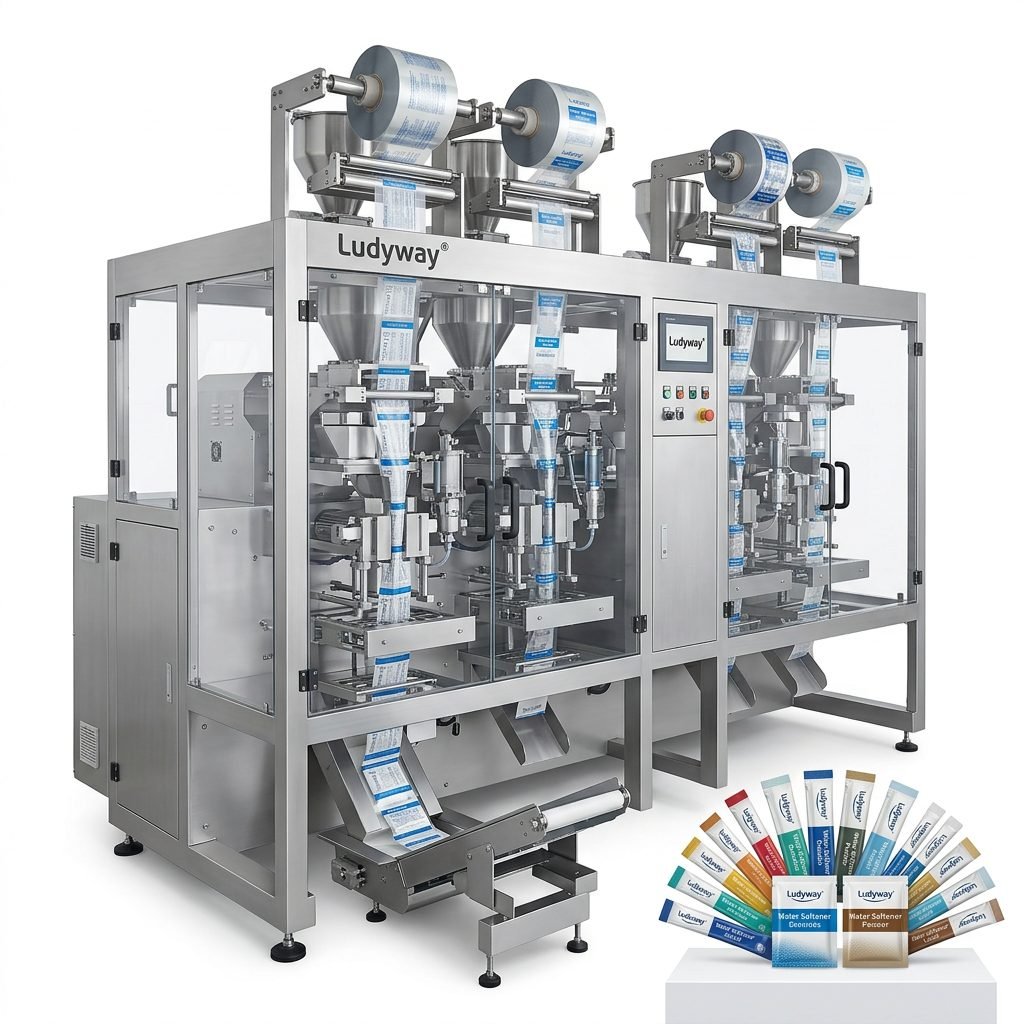
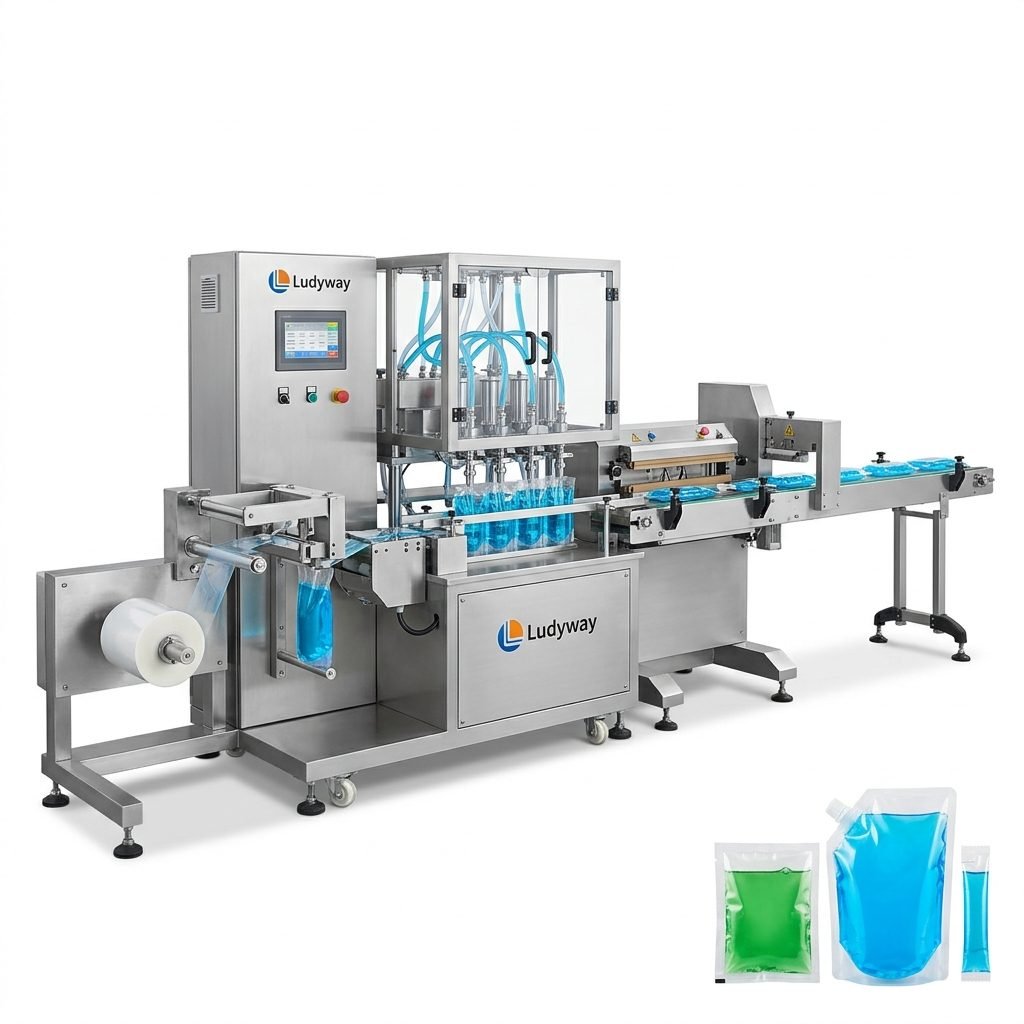
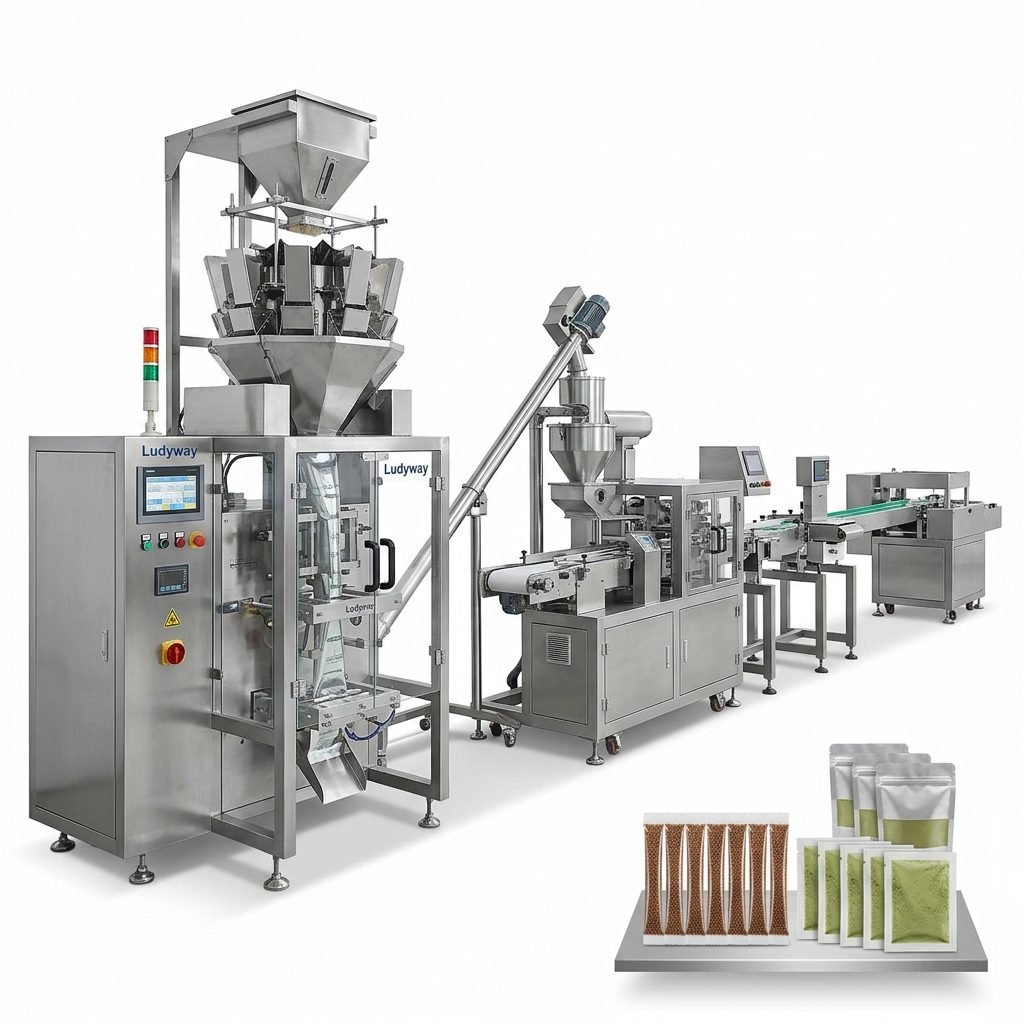
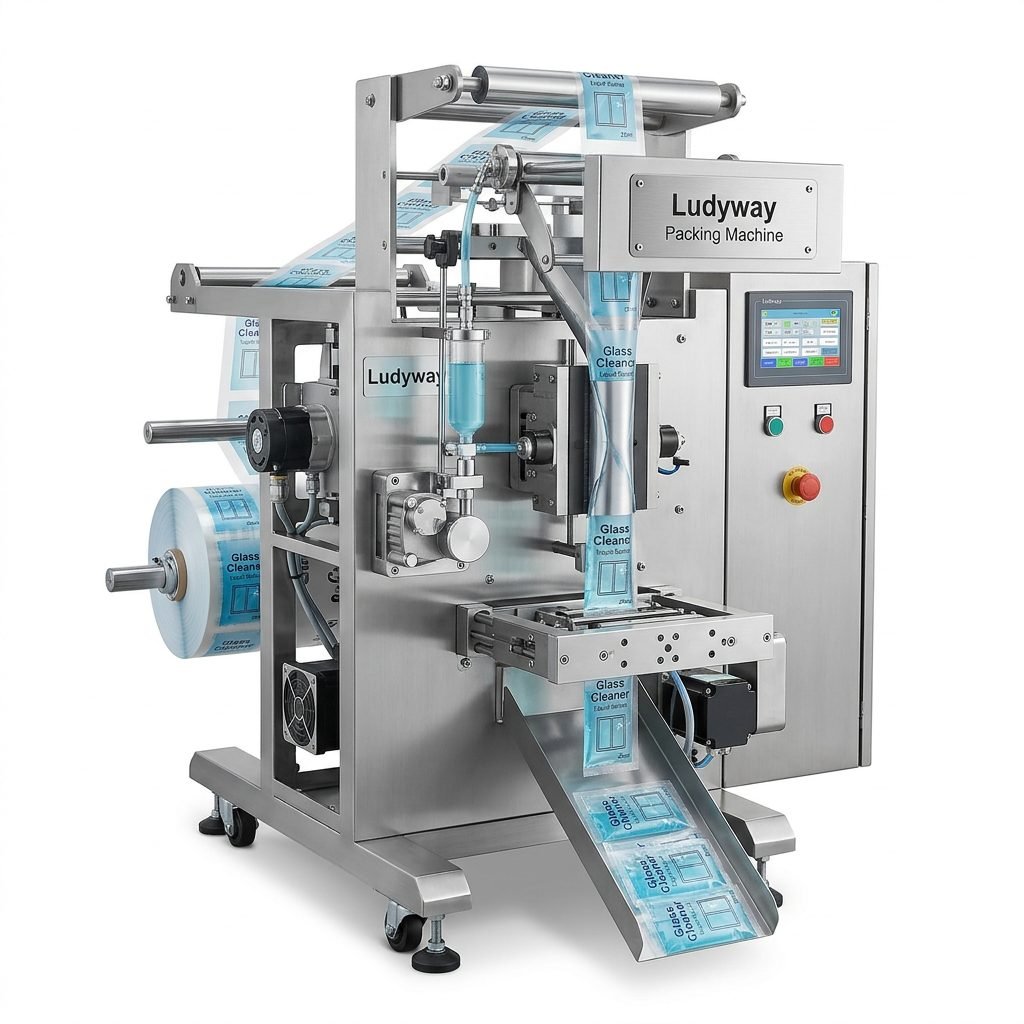
Reactive repairs disrupt sterility validation. A proactive schedule reduces unplanned downtime and extends equipment life. Partnering with experts can streamline this process. For turnkey support, manufacturers like Ludyway offer comprehensive guidance on maintaining their advanced packaging machine systems, ensuring peak performance over decades of use. Track the following intervals rigorously:
- Weekly: Inspect sensor sensitivity, chain tension, and pneumatic pressure.
- Monthly: Check electrical connections, motor brushes, and gearbox oil levels.
- Quarterly: Full system calibration, replace wear-and-tear parts like belts and O-rings.
- Annually: Major overhaul, including servo motor diagnostics and frame stress checks.

Validation and Sterility Assurance
Cleaning is only effective if it is validated. After maintenance, perform biological indicator testing on product contact surfaces. Use ATP swabs to rapidly assess organic residue. Maintain a detailed logbook that correlates cleaning activities with sterility test results. This data is indispensable during FDA audits or ISO 13485 surveillance inspections.
Common Mistakes That Compromise Sterility
Avoiding pitfalls is as important as following protocols. One frequent error is using compressed air that is not properly filtered, inadvertently blowing contaminants back onto sterile surfaces. Another is neglecting the internal surfaces of film unwind systems, where dust can accumulate and transfer onto packaging material. Always follow a top-down cleaning pattern and dedicate separate tools for sterile and non-sterile zones.
Essential Resources and Industry Standards
Staying compliant requires adherence to global benchmarks. Below are key references to integrate into your maintenance program:
| Resource Title | Link |
|---|---|
| PMMI – Packaging Machinery Standards | pmmi.org/resources |
| ISO 11607 Packaging for Sterile Devices | iso.org/standard/70799 |
| FDA Food Contact Packaging Regulations | fda.gov/food-ingredients-packaging |
| Flexible Packaging Association Resources | flexpack.org/industry-resources |
| EPA Sustainable Packaging Management | epa.gov/smm |
Building a Culture of Sterile Discipline
Ultimately, the best maintenance procedures are only as good as the people executing them. Regular training on hygiene zones, gowning requirements, and machine-specific dismantling techniques is non-negotiable. Empower operators to halt production the moment a potential sterility breach is suspected. This culture of proactive intervention, combined with precision engineering from reliable equipment builders, ensures that every pouch, sachet, or stick pack that leaves the facility meets the absolute highest standards of patient and consumer safety.