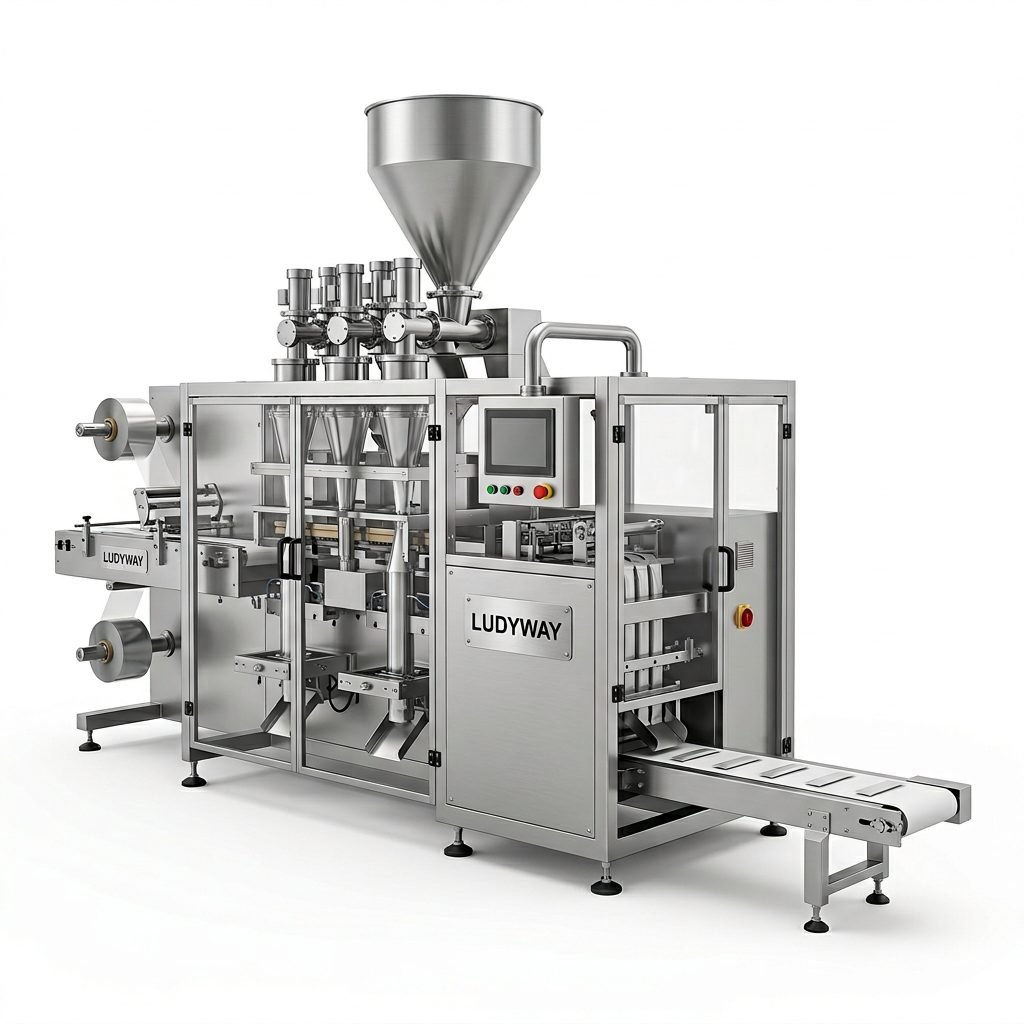
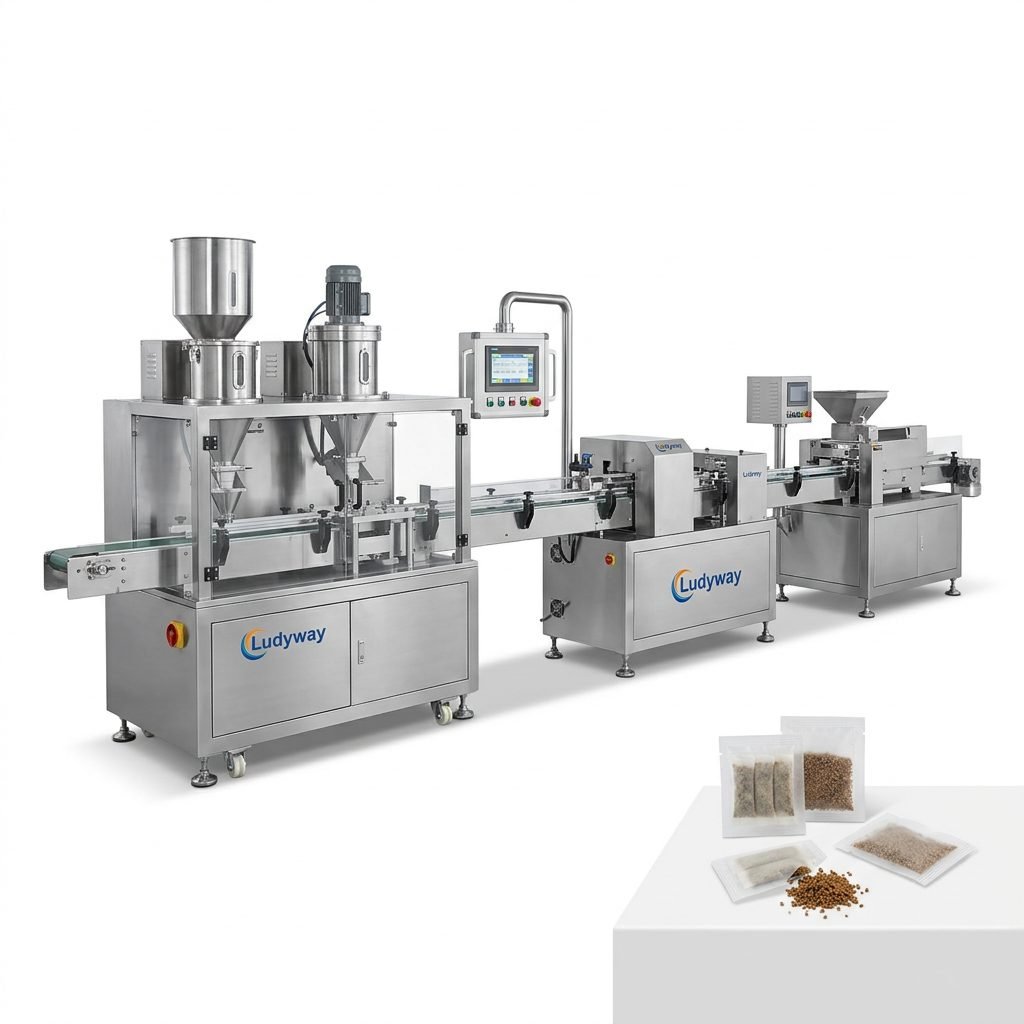
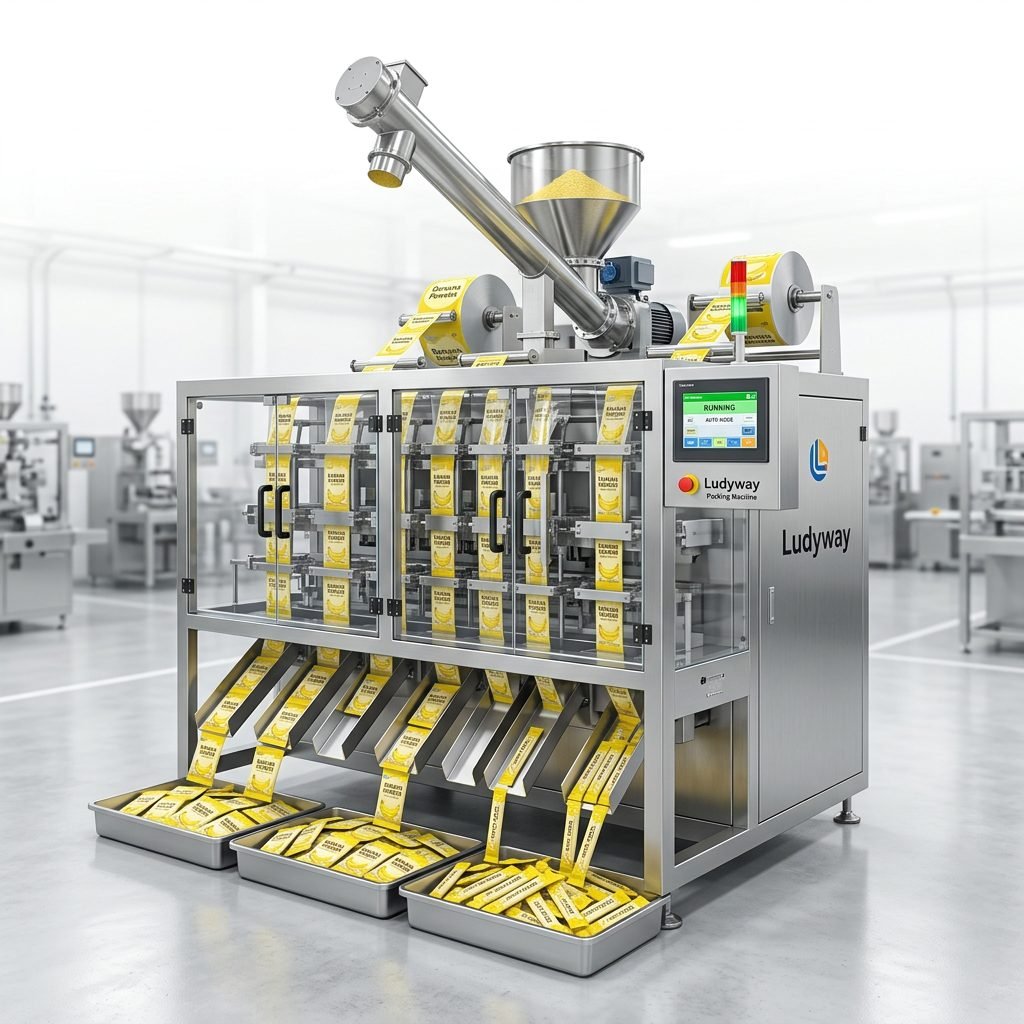
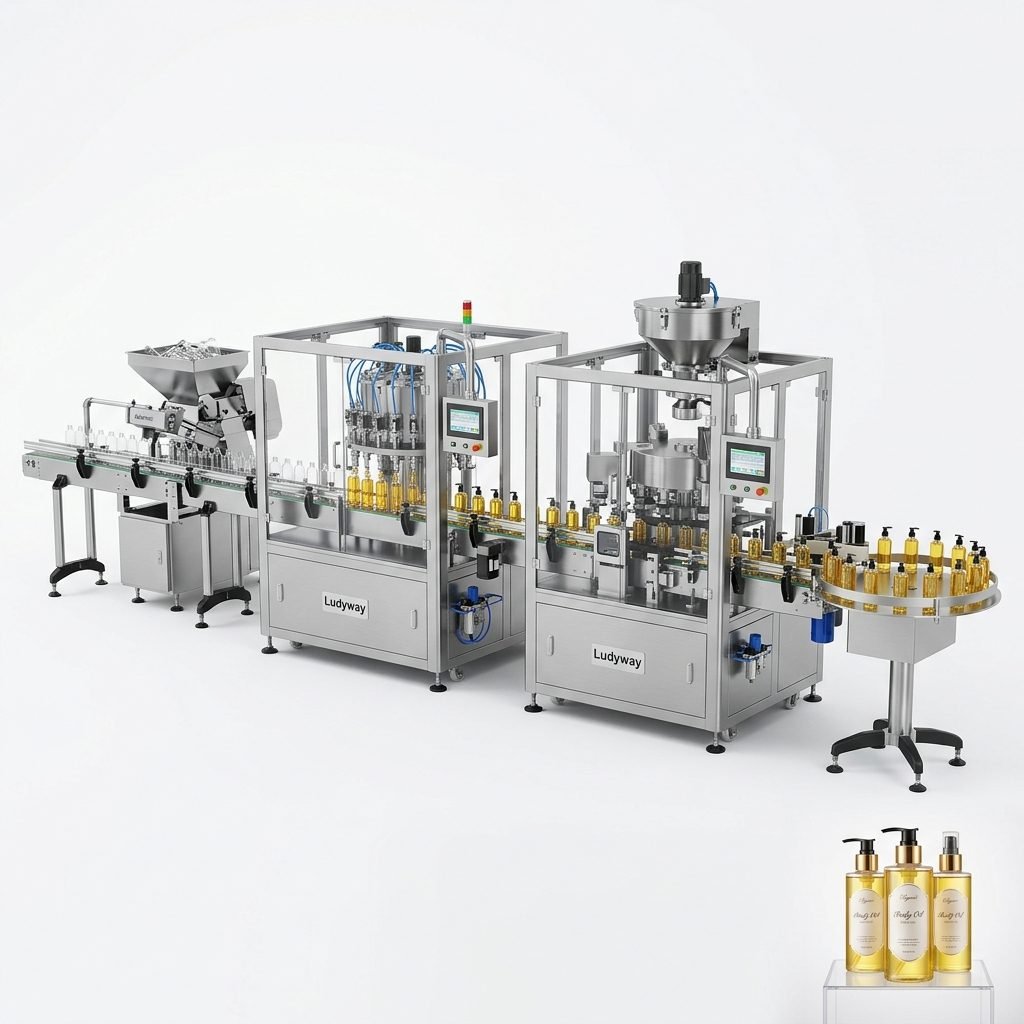
An expanding foam packaging machine is a critical asset for businesses that rely on protective packaging solutions. Without a consistent maintenance routine, even the most robust packaging machinery can suffer from downtime, inconsistent foam output, and costly repairs. A proactive approach ensures your equipment delivers reliable performance, extends its service life, and maintains product quality throughout every production cycle.
Daily Inspection and Cleaning Protocols
Daily maintenance forms the foundation of reliable expanding foam packaging machine operation. Operators should perform a visual inspection before each shift, checking for chemical residue buildup around mixing chambers, dispensing nozzles, and heating elements. Foam residue, if left unchecked, hardens quickly and can compromise dispensing accuracy while placing unnecessary strain on internal components.
- Inspect all hoses and connections for signs of chemical leakage or wear.
- Clean dispensing nozzles with manufacturer-approved solvents after each production run.
- Wipe down heated zones to prevent cured foam accumulation.
- Verify that temperature sensors read within the specified operating range.
- Check chemical drum levels and replace filters according to schedule.
Implementing a standardized cleaning checklist helps operators stay consistent and reduces the risk of oversight during busy production periods. Documentation of daily inspections also supports long-term reliability tracking.
Weekly Component Lubrication and Wear Assessment
Moving parts within an expanding foam packaging machine require regular lubrication to prevent friction-related damage. Pumps, mixing motors, and conveyor mechanisms all benefit from a weekly lubrication schedule using food-grade or manufacturer-specified lubricants where applicable. Skipping this step can lead to premature bearing failure and uneven foam distribution.
- Apply lubricant to pump seals and piston assemblies as specified in the manual.
- Inspect drive belts for tension, cracking, or glazing; replace if necessary.
- Examine electrical connections for corrosion or looseness.
- Test emergency stop functions and safety interlocks.
- Clean or replace air filters on pneumatic systems to maintain proper pressure.
Proper lubrication reduces mechanical wear and keeps the packaging equipment operating within its designed performance parameters. Neglecting this step is one of the most common causes of unexpected breakdowns.
Monthly Calibration and Performance Verification
Over time, calibration drift can affect the accuracy of chemical mixing ratios in your expanding foam packaging machine. Monthly calibration checks are essential to ensure that the two-part foam system dispenses the correct proportions. An improperly calibrated machine leads to wasted material, inconsistent foam density, and poor protective packaging results.
- Run a test cycle and measure foam density against the target specification.
- Calibrate flow meters and pressure sensors using certified reference standards.
- Verify temperature controller accuracy with an independent thermometer.
- Inspect the mixing chamber for polymerized buildup and clean thoroughly.
- Review historical performance logs to identify gradual shifts in operating parameters.
Consistent calibration not only maintains product quality but also reduces chemical consumption, directly impacting your operational costs. Many modern systems include diagnostic modes that simplify this process.
Critical Focus Areas for Foam-Specific Systems
Unlike general packaging machinery, foam packaging equipment faces unique challenges due to the reactive nature of polyurethane chemicals. Moisture contamination in chemical lines can trigger premature curing inside hoses and pumps. Nitrogen or dry air purging systems must be checked regularly to prevent this issue. Additionally, heated hose assemblies require insulation inspection to maintain consistent chemical temperatures from the pump to the dispensing head.
Common Troubleshooting Scenarios and Solutions
| Symptom | Probable Cause | Recommended Action |
|---|---|---|
| Inconsistent foam density | Chemical ratio imbalance or temperature fluctuation | Recalibrate flow meters; verify heater function |
| Dispensing gun clogging | Residue buildup or inadequate purging after use | Deep-clean nozzle; increase post-cycle purge duration |
| Pump cavitation noise | Air ingress or low chemical supply level | Check drum levels; bleed air from supply lines |
| Slow cycle times | Worn pump seals or restricted filters | Replace seals and filters per maintenance schedule |
| Overheating in heated zones | Failed thermocouple or relay malfunction | Test and replace faulty sensor or control relay |
Preventive Maintenance Scheduling for Long-Term Reliability
Establishing a structured preventive maintenance plan is the most effective strategy for maximizing the lifespan of your expanding foam packaging machine. Rather than reacting to failures, scheduled interventions prevent them from occurring. A well-designed plan distributes maintenance tasks across daily, weekly, monthly, and annual intervals.

Annual Service Tasks That Should Not Be Overlooked
- Complete disassembly and deep cleaning of the mixing head assembly.
- Replacement of all dynamic seals, O-rings, and gaskets throughout the chemical path.
- Comprehensive electrical system inspection including wiring integrity checks.
- Calibration verification against factory specifications using certified test equipment.
- Software and firmware updates if the machine includes programmable logic controllers.
Skipping annual service intervals dramatically increases the risk of catastrophic component failure. The cost of scheduled downtime is far lower than emergency repair expenses and lost production capacity.
Training Operators for Maintenance Awareness
Well-trained operators serve as the first line of defense for equipment reliability. When personnel understand how an expanding foam packaging machine functions, they can detect subtle changes in noise, vibration, or output quality before they escalate into major problems. Empowering your team with knowledge creates a culture of proactive care rather than reactive firefighting. Regular training sessions covering proper startup and shutdown procedures, chemical handling safety, and basic troubleshooting techniques yield significant returns in machine uptime.
Maintenance Documentation and Spare Parts Management
Maintaining accurate records of all service activities helps identify recurring issues and optimize maintenance intervals. Keep a dedicated logbook or digital record for your expanding foam packaging machine that documents every inspection, repair, and parts replacement. Equally important is maintaining an inventory of critical spare parts such as pump seals, heater elements, dispensing nozzles, and filter cartridges. Lead times for specialized components can be lengthy, and having spares on hand minimizes production disruptions.
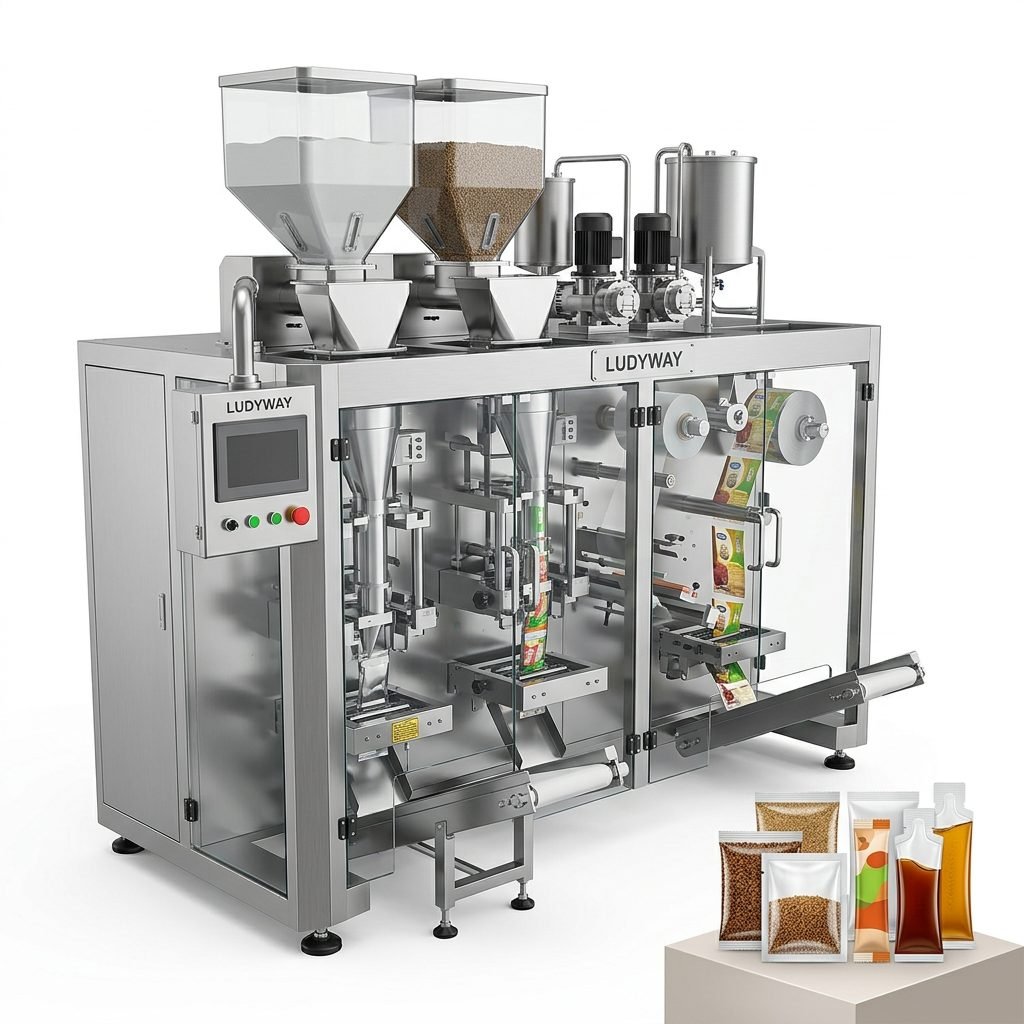
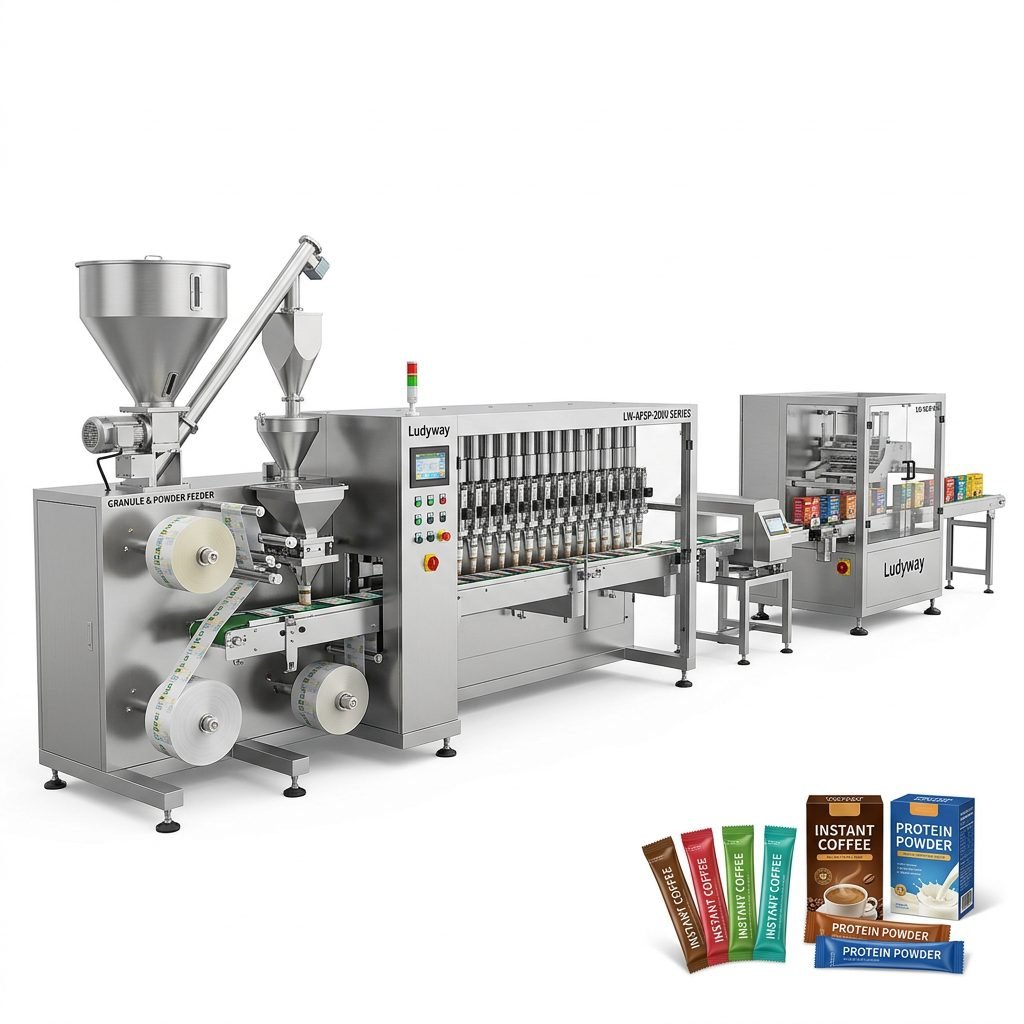
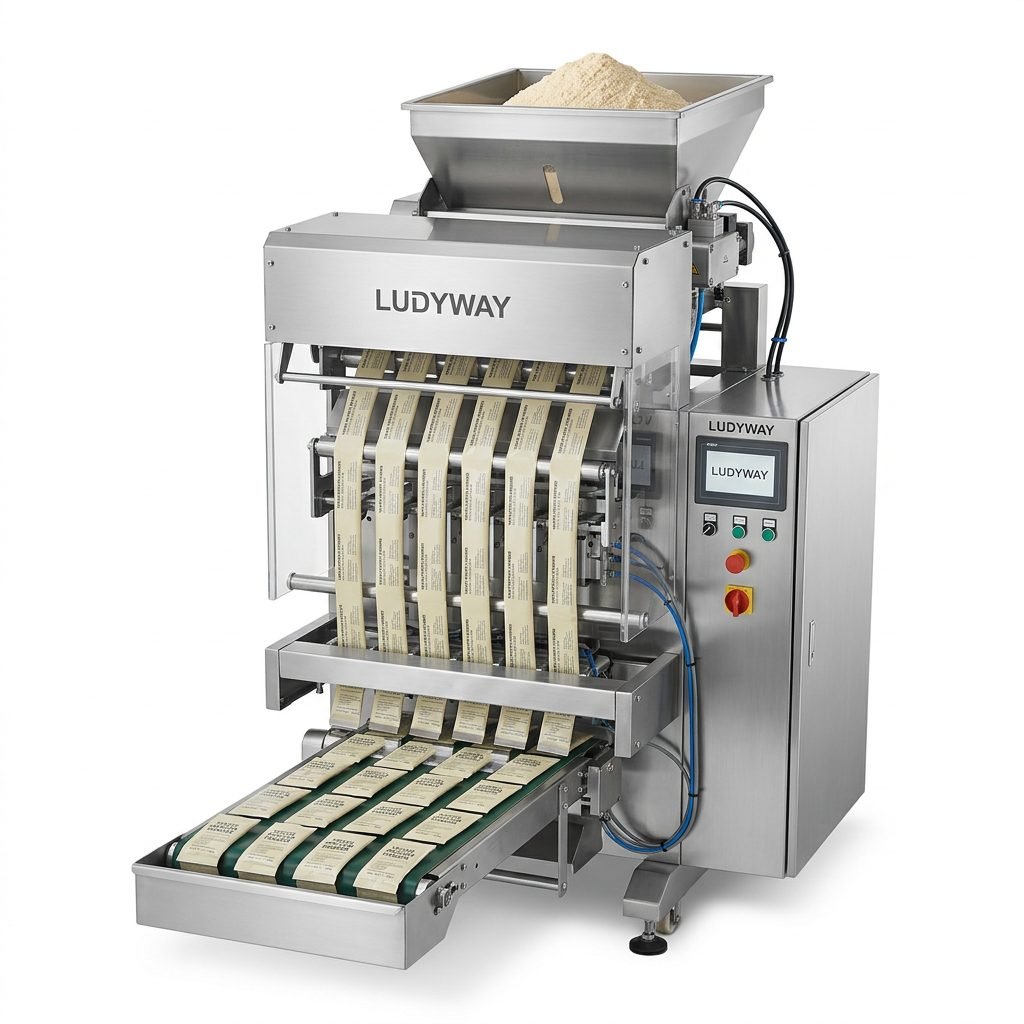
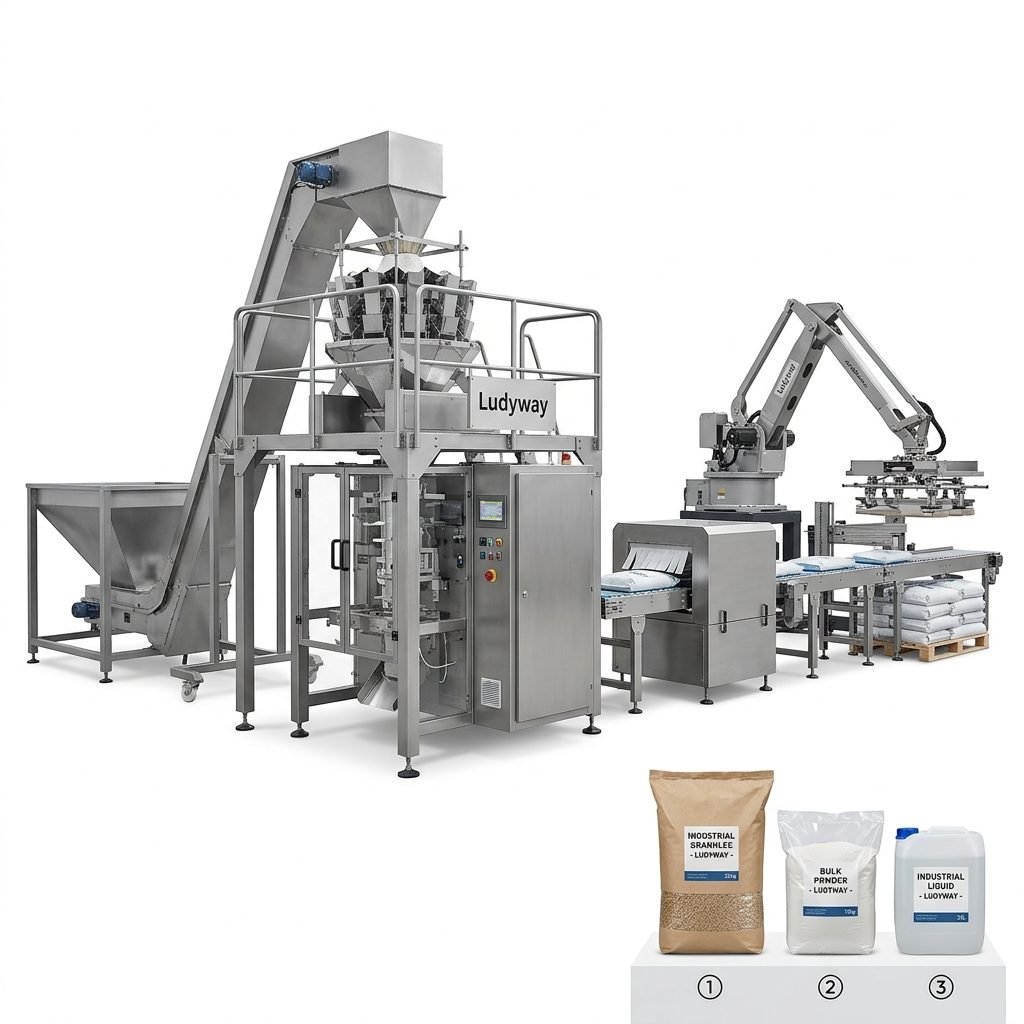
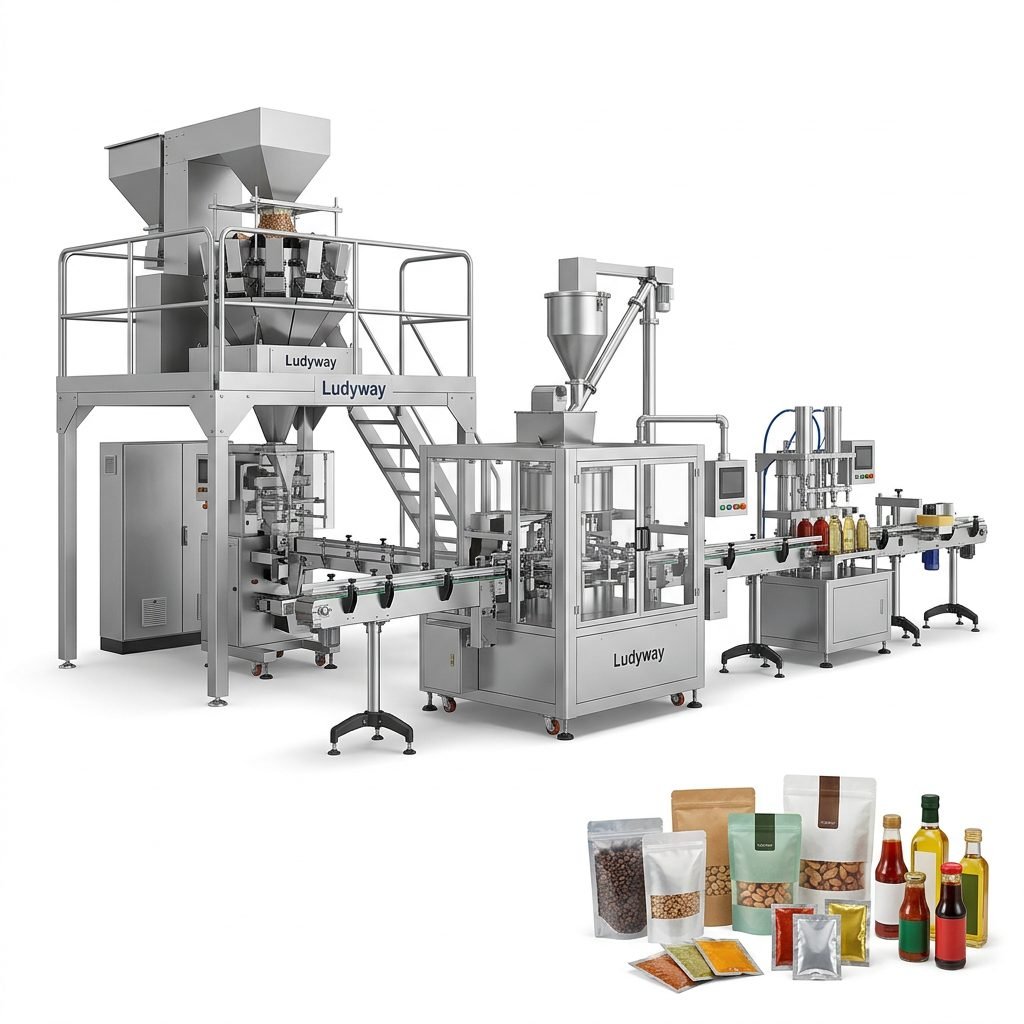
For businesses seeking reliable packaging solutions, working with experienced equipment manufacturers makes a significant difference. As one of the largest packaging machine manufacturers, Ludyway provides advanced equipment and turnkey solutions designed for long-term operational stability across diverse industries.
Key Takeaways for Sustained Machine Performance
- Perform daily cleaning of dispensing components to prevent foam curing in critical areas.
- Lubricate weekly following manufacturer guidelines to protect moving parts from wear.
- Calibrate monthly to maintain accurate chemical mixing ratios and foam quality.
- Document every service action for trend analysis and predictive maintenance planning.
- Train operators thoroughly to recognize early warning signs of potential failures.
A disciplined maintenance program transforms your expanding foam packaging machine from a potential bottleneck into a consistently productive asset. The investment in regular care pays dividends through reduced downtime, lower repair costs, and dependable output quality.