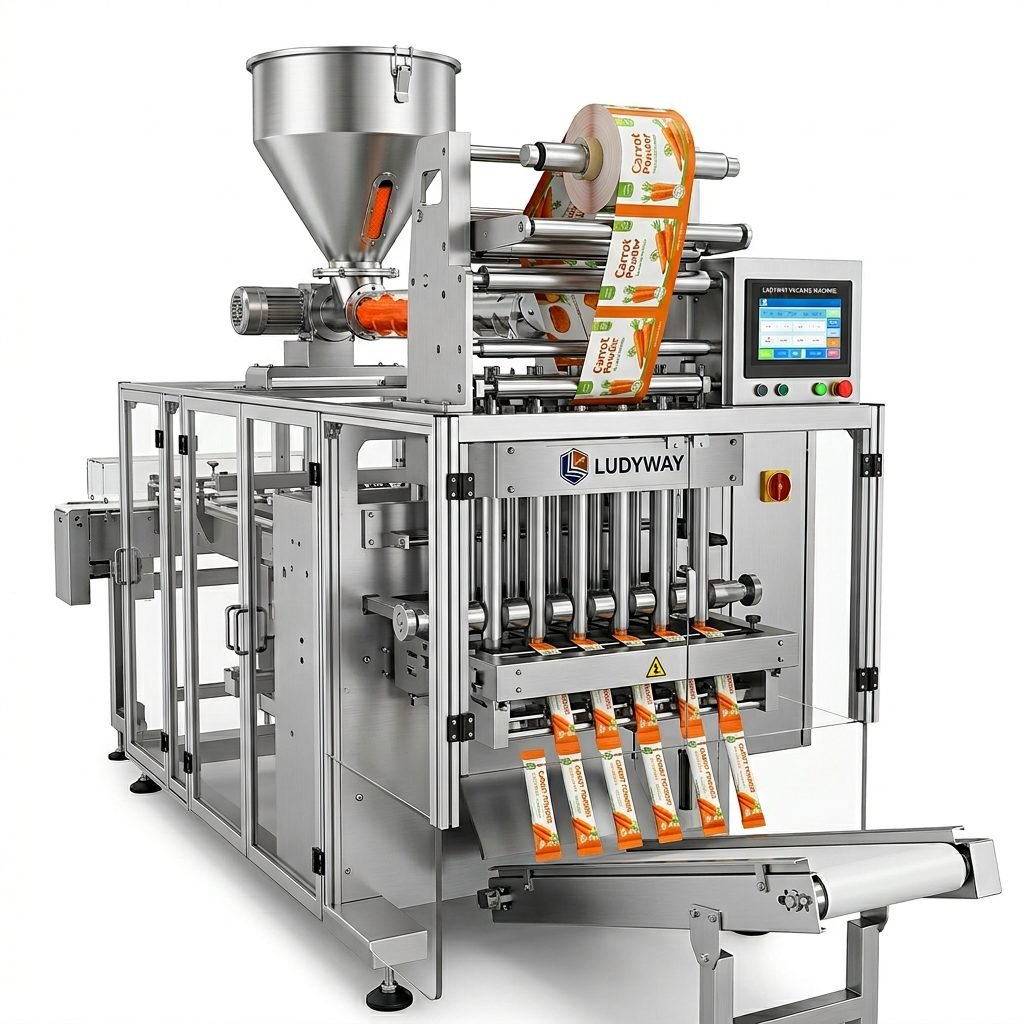
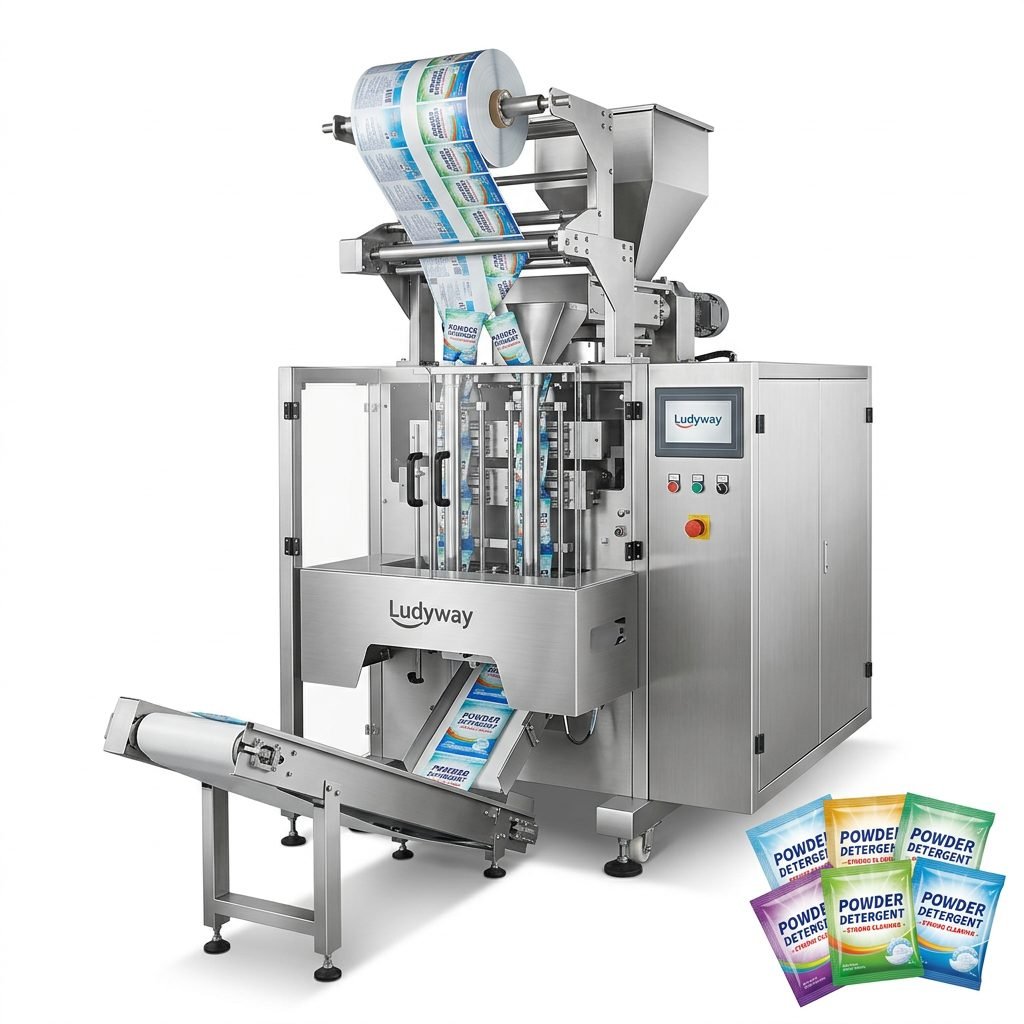
Selecting the right 1 litre oil packing machine is a critical decision that directly impacts your production efficiency, product quality, and long-term operational costs. Whether you are packaging edible oils, essential oils, lubricants, or industrial fluids, the equipment you choose must align with your specific production requirements, regulatory obligations, and business goals. This comprehensive buyer’s guide walks you through every essential factor to consider before making your investment.
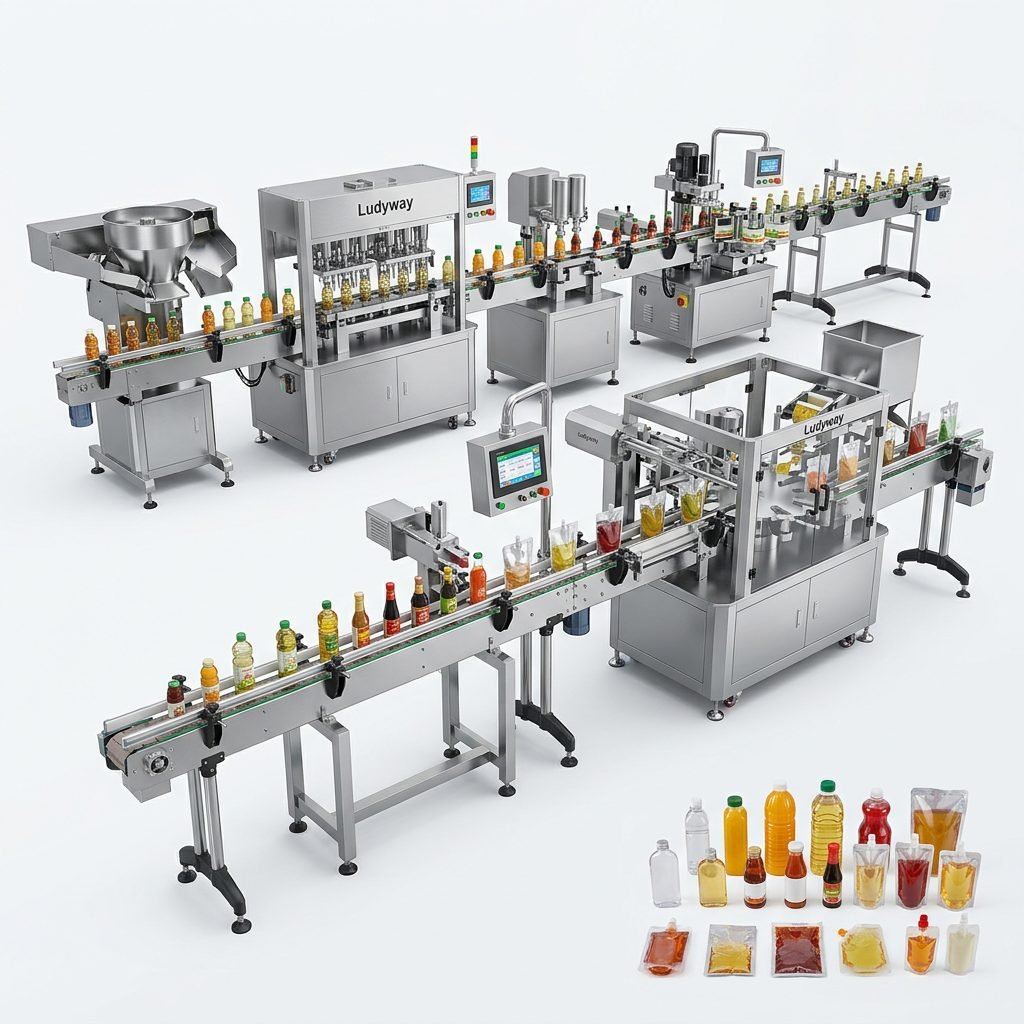
Understanding the Types of 1 Litre Oil Packing Machines
Before diving into specifications, it is important to understand the primary types of filling machines suitable for oil products. Different filling technologies are designed to handle varying oil viscosities, from thin cooking oils to thick industrial lubricants. The most common categories include:
- Piston filling machines — Ideal for medium to high-viscosity oils, providing consistent fill volumes through positive displacement technology.
- Gravity filling machines — Best suited for thin, free-flowing oils where product can flow naturally from an overhead tank.
- Overflow filling machines — Designed to fill bottles to a consistent visual level, commonly used for transparent containers where appearance matters.
- Flow meter filling machines — Highly accurate systems that measure product by volume using precision flow meters, suitable for a wide range of oil viscosities.
- Weigh filling machines — Use load cells to fill by weight, offering exceptional accuracy regardless of oil density variations caused by temperature changes.
Each technology offers distinct advantages, and the right choice depends on your product characteristics, required filling accuracy, and production throughput targets. For 1 litre oil applications, piston fillers and flow meter systems are among the most widely adopted solutions due to their balance of speed and precision.
Key Factors to Evaluate Before Purchasing
Investing in a 1 litre oil packing machine requires careful evaluation of several interconnected factors. Overlooking any single element can lead to production bottlenecks, excessive downtime, or regulatory non-compliance. Below are the critical areas to assess:
Oil Viscosity and Product Characteristics
The viscosity of your oil product is perhaps the single most important variable influencing machine selection. Thin oils such as sunflower oil or soybean oil flow easily and can be handled by gravity or overflow fillers. In contrast, thicker products like motor oil, gear lubricants, or castor oil require piston or pump-driven systems capable of generating sufficient pressure. Additionally, consider whether your product is foaming, abrasive, or temperature-sensitive, as these characteristics may necessitate specialized filling nozzles, heated tanks, or corrosion-resistant contact parts. For manufacturers seeking guidance on material compatibility and equipment selection, resources from organizations like the PMMI packaging industry association provide valuable technical references.
Production Speed and Automation Level
Your target output — measured in bottles per hour (BPH) — directly determines the level of automation and the number of filling heads required. A small-scale operation may only need a semi-automatic 1 litre oil filling machine producing 300–600 bottles per hour, while a mid-sized manufacturer might require a fully automatic 4-head or 6-head system capable of 1,200–2,400 BPH. High-volume producers often integrate multi-head rotary fillers that can exceed 5,000 BPH. Beyond the filler itself, evaluate whether you need complementary automation such as automatic bottle unscramblers, capping machines, labeling systems, and conveyors. A fully integrated line reduces manual handling and ensures consistent throughput.
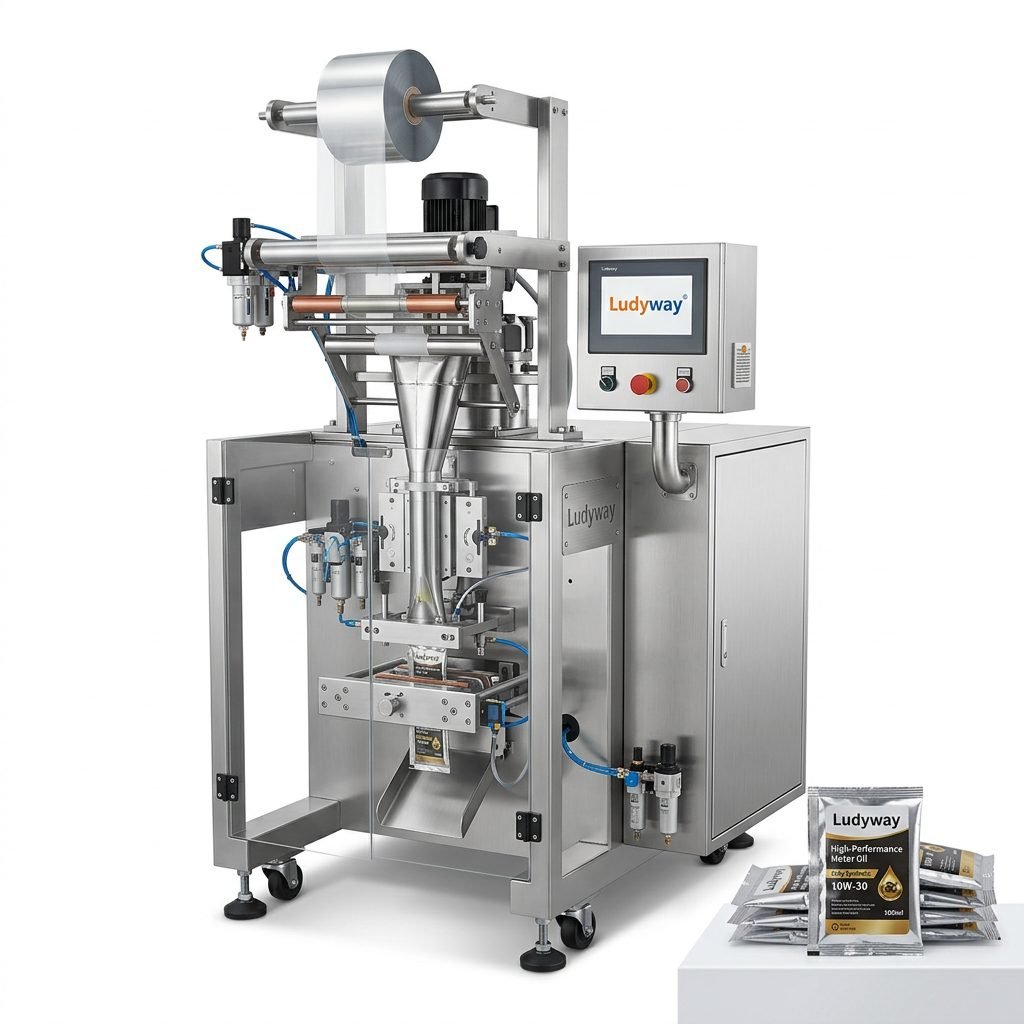
Filling Accuracy and Consistency
For 1 litre oil packing, fill accuracy is non-negotiable. Overfilling leads to product giveaway that erodes profit margins, while underfilling can result in regulatory penalties and customer complaints. Modern filling machines typically achieve accuracy within ±0.5% to ±1% of the target volume. Piston fillers and flow meter systems generally offer the highest precision for oil products. Verify the manufacturer’s stated accuracy specifications and, if possible, request third-party validation or sample testing with your actual product before finalizing your purchase.
Technical Specifications Comparison
The table below provides a comparative overview of the most common 1 litre oil filling technologies, helping you quickly identify which system aligns with your operational needs:
| Filling Technology | Best For | Accuracy | Speed Range | Cost Level |
|---|---|---|---|---|
| Piston Filler | Medium to high viscosity oils | ±0.5% – ±1% | 300 – 5,000 BPH | Moderate |
| Flow Meter Filler | Wide viscosity range, high precision needs | ±0.25% – ±0.5% | 500 – 10,000 BPH | Higher |
| Gravity Filler | Thin, free-flowing oils only | ±1% – ±2% | 200 – 3,000 BPH | Lower |
| Weigh Filler | Variable density oils, premium accuracy | ±0.1% – ±0.3% | 200 – 2,000 BPH | Higher |
| Overflow Filler | Transparent bottles, consistent visual level | Visual level ±1mm | 300 – 4,000 BPH | Moderate |
Material Construction and Food Safety Compliance
For edible oil applications, all product-contact parts must be manufactured from food-grade materials — most commonly 304 or 316L stainless steel. Stainless steel construction ensures corrosion resistance, ease of cleaning, and compliance with food safety regulations. Regulatory frameworks such as those outlined by the FDA food packaging and contact substances guidelines provide essential requirements for manufacturers targeting the U.S. market. Similarly, international operations should verify compliance with relevant ISO packaging standards and European Union packaging regulations. Additionally, if your production facility follows HACCP, GMP, or ISO 22000 protocols, the machine design should support easy sanitation with features such as quick-release fittings, smooth weld finishes, and minimal dead zones where product can accumulate.
Budget Considerations and Return on Investment
The cost of a 1 litre oil packing machine can vary widely based on automation level, filling technology, brand reputation, and included features. Entry-level semi-automatic systems may start from a few thousand dollars, while fully automatic, high-speed integrated lines can exceed six figures. When evaluating cost, consider the following factors beyond the initial purchase price:
- Installation and commissioning — Including site preparation, utility connections, and technician travel.
- Operator training — Ensuring your team can operate and troubleshoot the equipment effectively.
- Spare parts availability — Local or readily shippable parts inventory to minimize downtime.
- Energy consumption — Long-term operational costs associated with running the equipment.
- Product giveaway reduction — Improved accuracy directly translates to raw material savings over time.
A machine with higher upfront cost but superior accuracy and reliability can deliver a stronger return on investment through reduced waste, higher uptime, and consistent output quality. Calculate your total cost of ownership over a 3–5 year horizon rather than focusing solely on the purchase price.
Choosing the Right Packaging Machinery Supplier
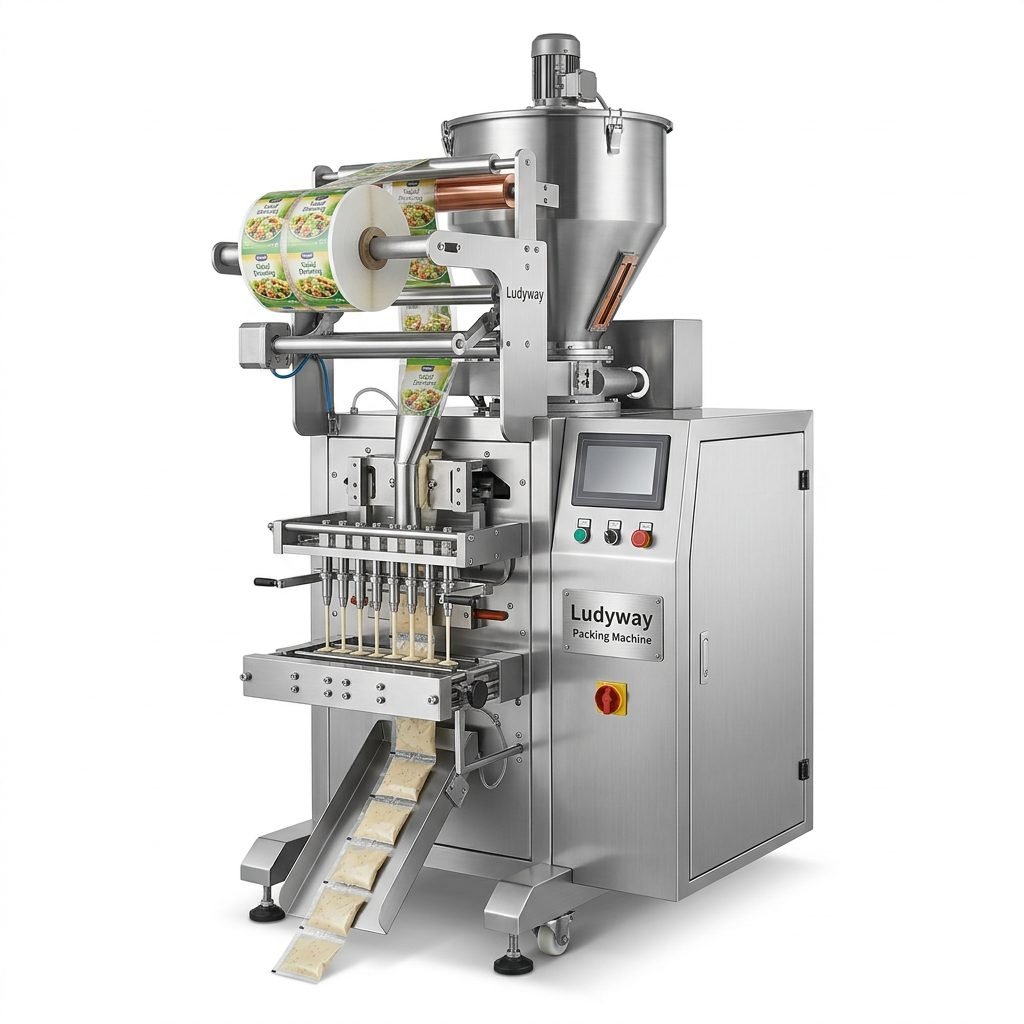
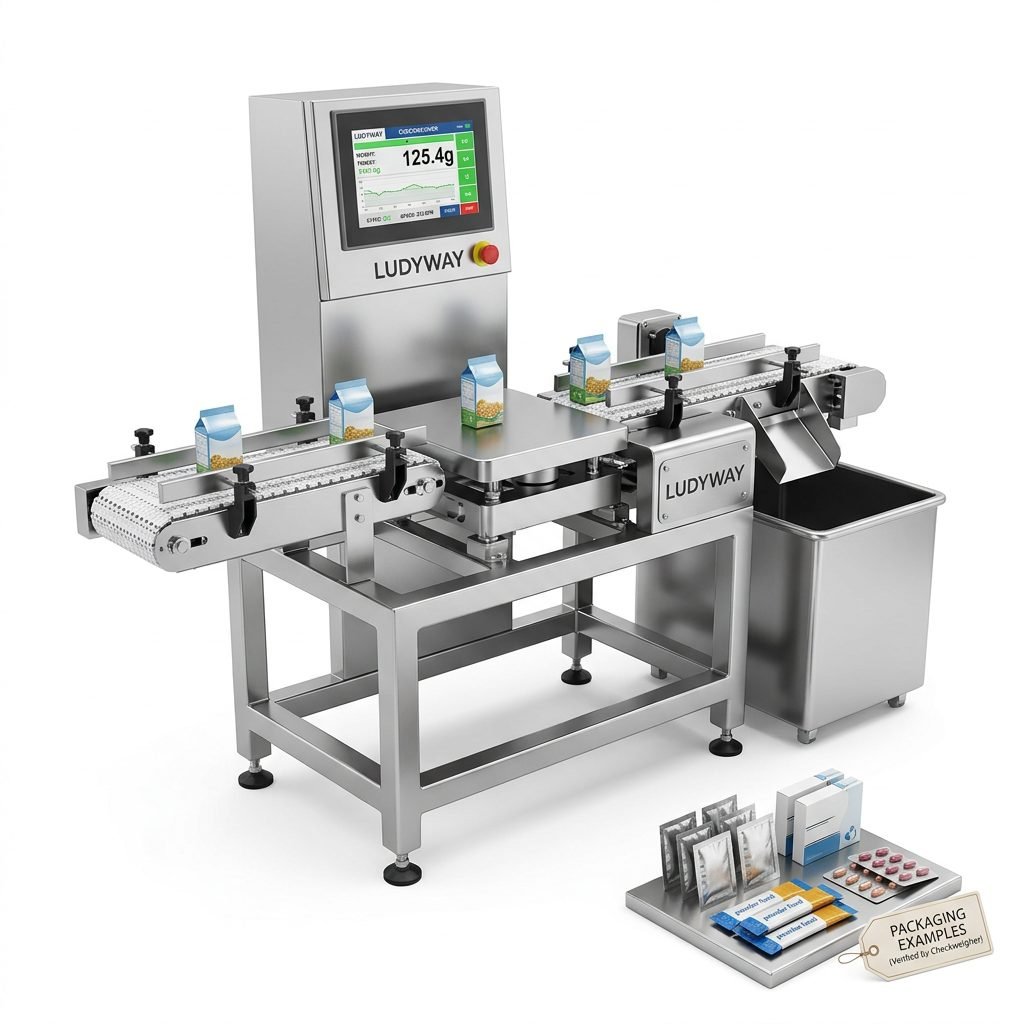
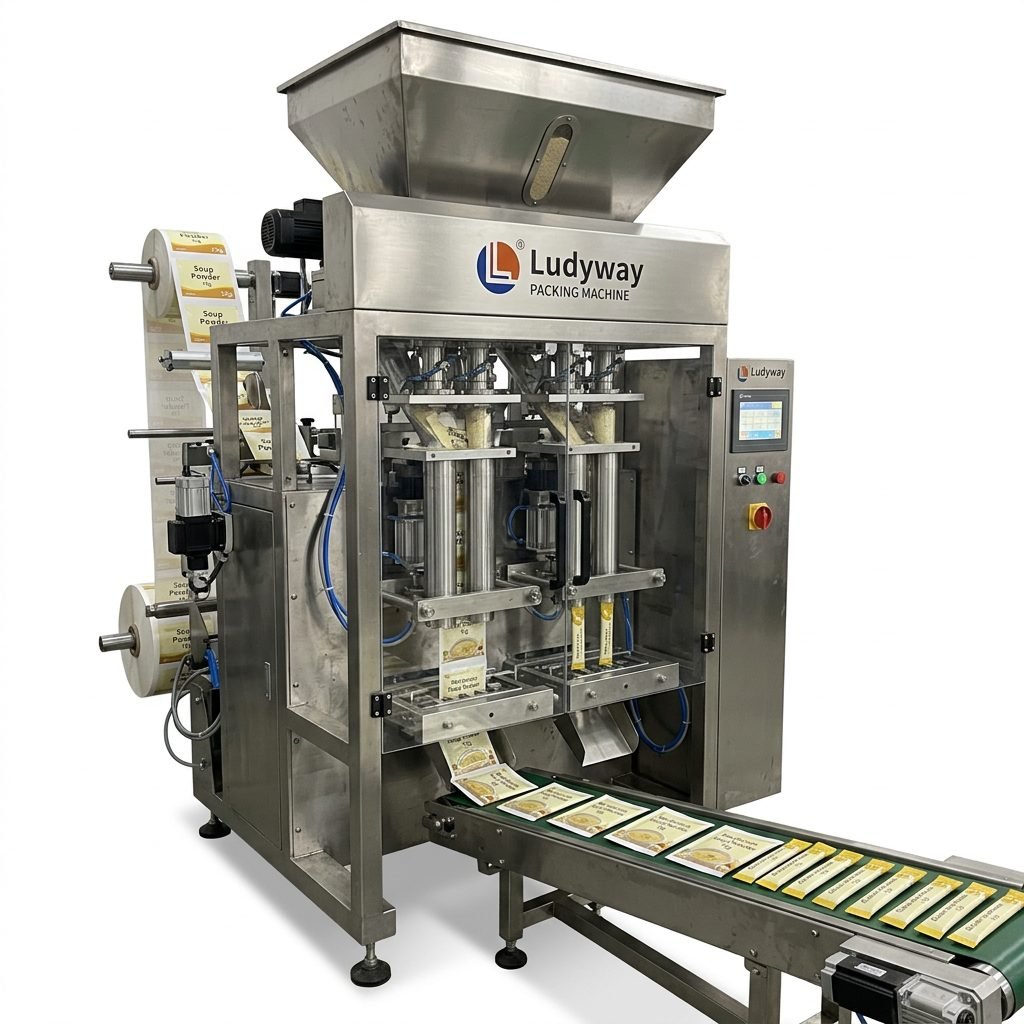
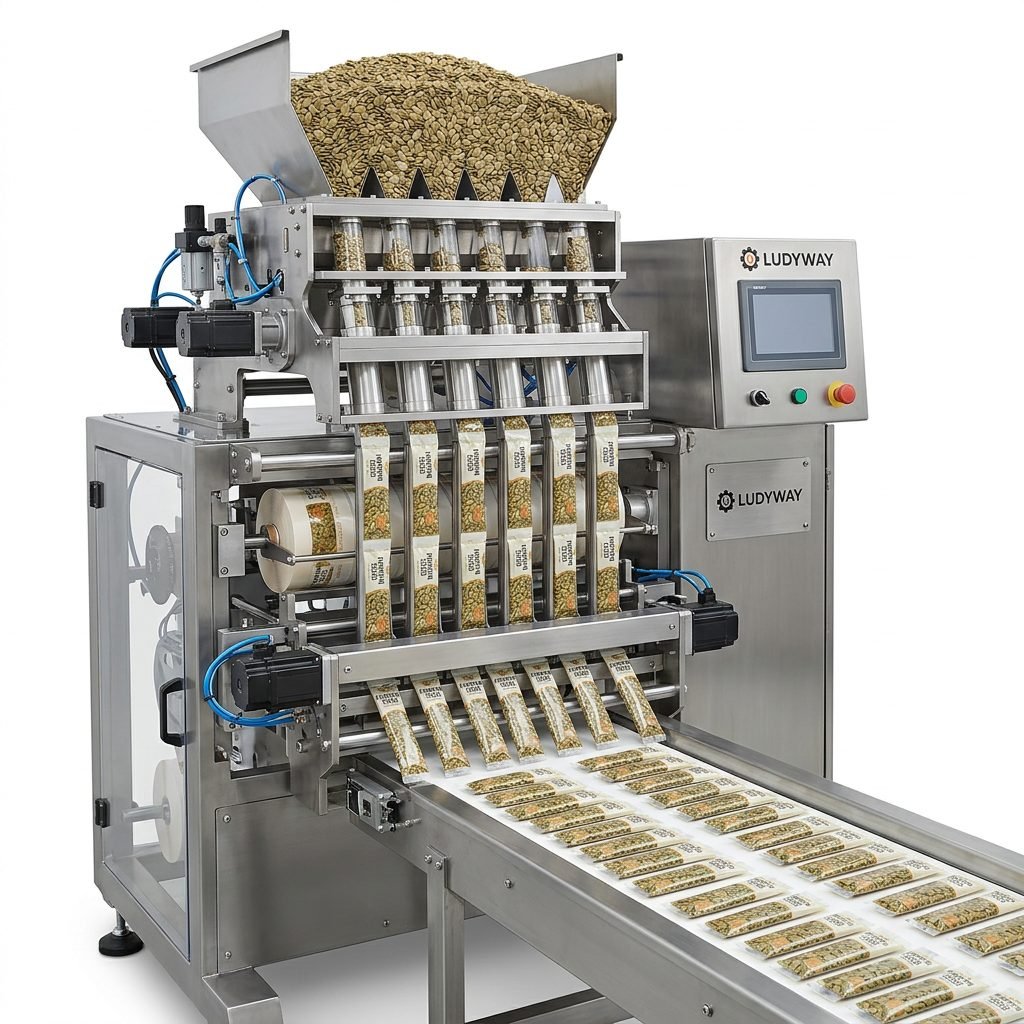
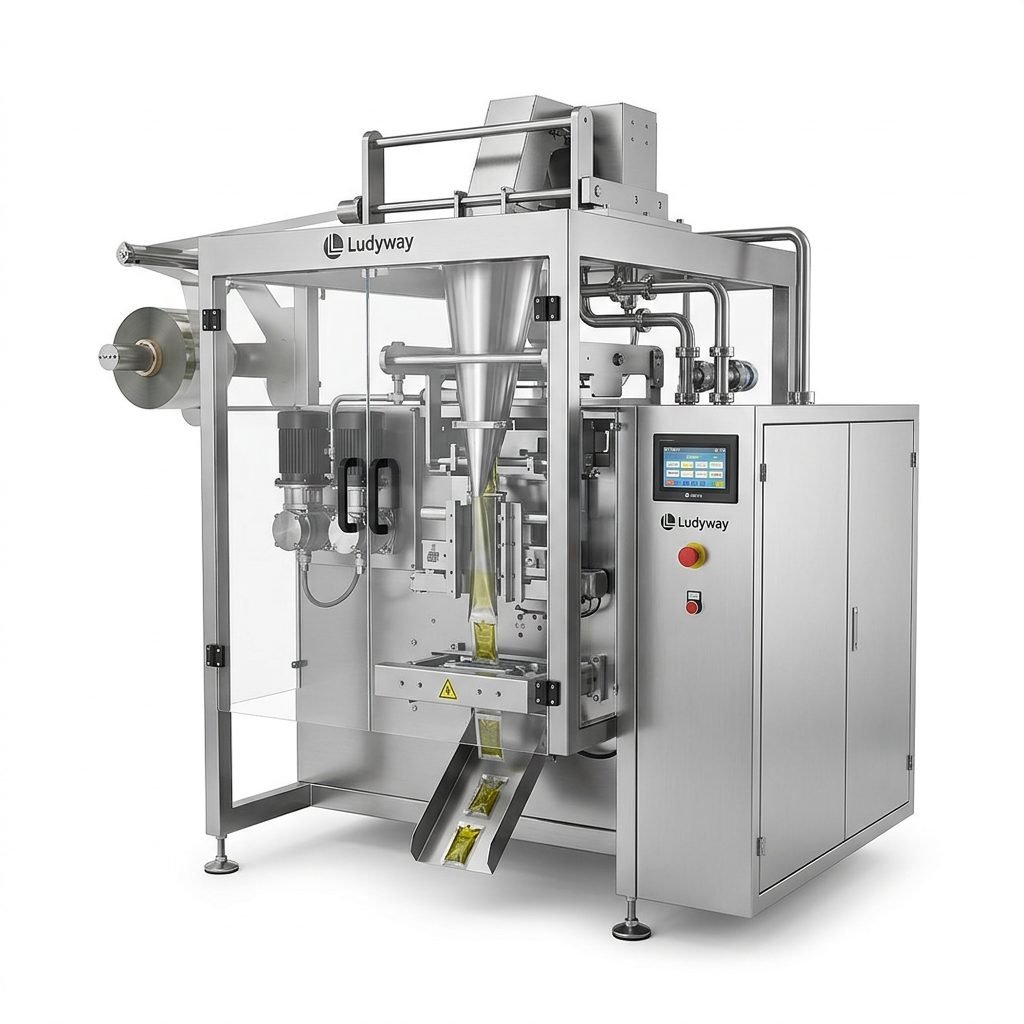
Your choice of supplier is just as important as your choice of equipment. A reliable packaging machinery partner should offer more than hardware — they should provide engineering support, customization capabilities, installation services, and responsive after-sales care. When evaluating suppliers, consider their industry experience, the breadth of their product portfolio, and their track record with similar oil filling projects. Request references from existing customers in your industry segment, and if possible, arrange a factory visit or live demonstration. For example, Ludyway Machinery, a China-based packaging machinery manufacturer with over 30 years of experience and a 20,000-square-meter manufacturing facility, provides customized liquid filling solutions and turnkey packaging lines for customers across more than 100 countries. The company’s engineering team works closely with manufacturers to configure equipment according to specific oil characteristics, bottle formats, and production throughput requirements. For deeper insights into packaging machinery market trends, the PMMI state of the industry reports offer valuable data on equipment investments and technology adoption patterns.

Maintenance, Serviceability, and Long-Term Support
A 1 litre oil packing machine represents a significant capital investment, and maximizing its lifespan requires proactive maintenance and reliable technical support. Before purchasing, clarify the following points with your supplier:
- Preventive maintenance schedules — What routine tasks are required and at what intervals?
- Common wear parts — Are seals, gaskets, pistons, and nozzles readily available?
- Remote diagnostic capabilities — Can the supplier troubleshoot issues via remote access?
- Local service network — Is there a technician or service partner in your region?
- Warranty terms — What is covered and for how long?
Machines with modular designs and easily accessible components simplify routine maintenance and reduce mean time to repair. Additionally, verify that comprehensive documentation — including operation manuals, electrical schematics, and parts catalogs — is provided in a language your team can work with effectively. The Flexible Packaging Association industry resources provide additional guidance on maintenance best practices and packaging equipment lifecycle management.
Future-Proofing Your Investment
As your business grows, your packaging requirements may evolve. When selecting a 1 litre oil packing machine, consider whether the system can be upgraded or expanded to accommodate higher throughput, additional bottle sizes, or new product formulations. Modular systems that allow adding extra filling heads, integrating new capping stations, or connecting to downstream packaging equipment offer greater flexibility. Also evaluate the machine’s compatibility with Industry 4.0 initiatives — features such as IoT-enabled performance monitoring, automated data logging, and integration with enterprise resource planning systems can provide valuable operational insights as your facility digitalizes. Staying informed about evolving packaging regulations through resources like the European Commission packaging and packaging waste directive helps ensure your equipment and processes remain compliant over the long term.

Final Checklist Before Purchase
To consolidate your evaluation process, use the following checklist to ensure all critical aspects have been addressed before committing to a 1 litre oil packing machine purchase:
- Product compatibility verified — Machine tested or specified for your oil’s viscosity and characteristics.
- Filling accuracy confirmed — Manufacturer’s stated accuracy aligns with your quality and regulatory requirements.
- Production speed matched — System throughput meets current needs with headroom for future growth.
- Material compliance checked — Food-grade stainless steel and regulatory certifications in place.
- Supplier credentials vetted — Industry experience, customer references, and after-sales support confirmed.
- Total cost of ownership calculated — Including installation, training, parts, energy, and maintenance.
- Integration plan defined — Upstream and downstream equipment compatibility assessed.
- Operator training arranged — Training program included in the supplier’s scope of delivery.
Selecting the right 1 litre oil packing machine is a multifaceted decision that rewards thorough research and a long-term perspective. By carefully assessing your product requirements, production goals, regulatory obligations, and supplier capabilities, you can invest in equipment that delivers consistent performance, regulatory compliance, and sustainable profitability for years to come.