Understanding the Ghana Packaging Landscape
Ghana’s economy is built on robust agricultural and manufacturing sectors. Cocoa, coffee, shea butter, and a growing range of processed foods, pharmaceuticals, and personal care products drive local demand for efficient packaging. The shift toward single-serve and portable formats is accelerating, making the choice of packaging equipment a strategic decision. Selecting a machine that matches your product type, production goals, and local operating conditions can directly impact your business growth and profitability.
Key Factors to Consider When Choosing a Packaging Machine for Ghana
Whether you are packaging cocoa powder, liquid beverages, spices, or cosmetics, several critical factors will guide your investment. Below, we break down the essential considerations to help you make an informed decision.
1. Product Characteristics and Packaging Format
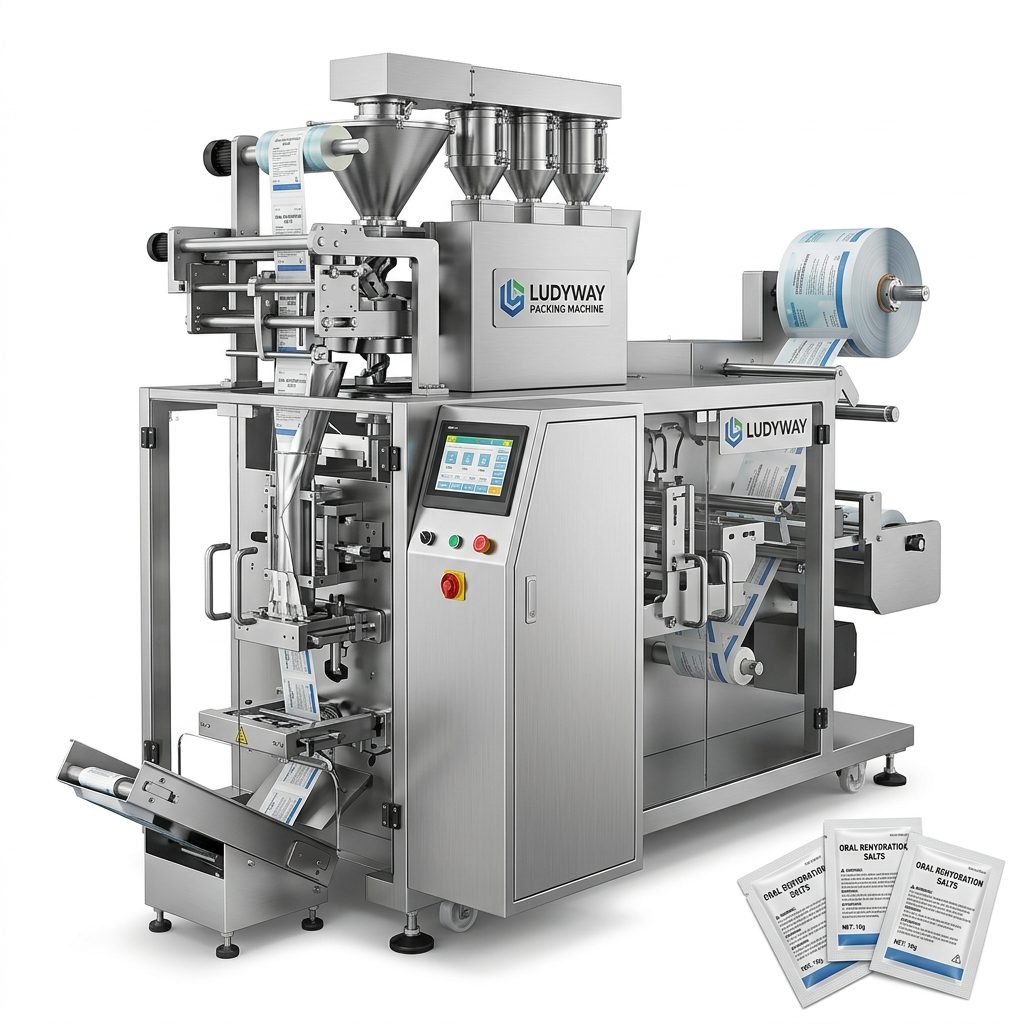
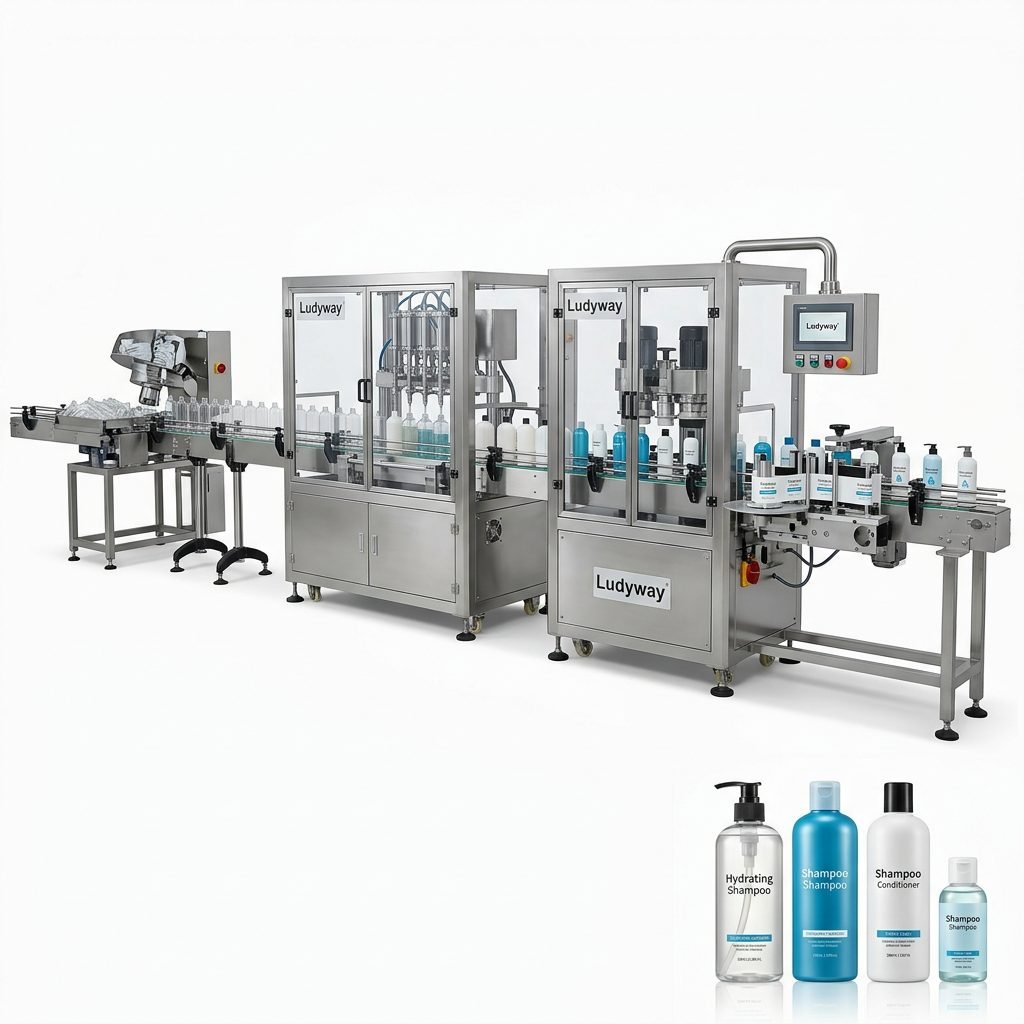
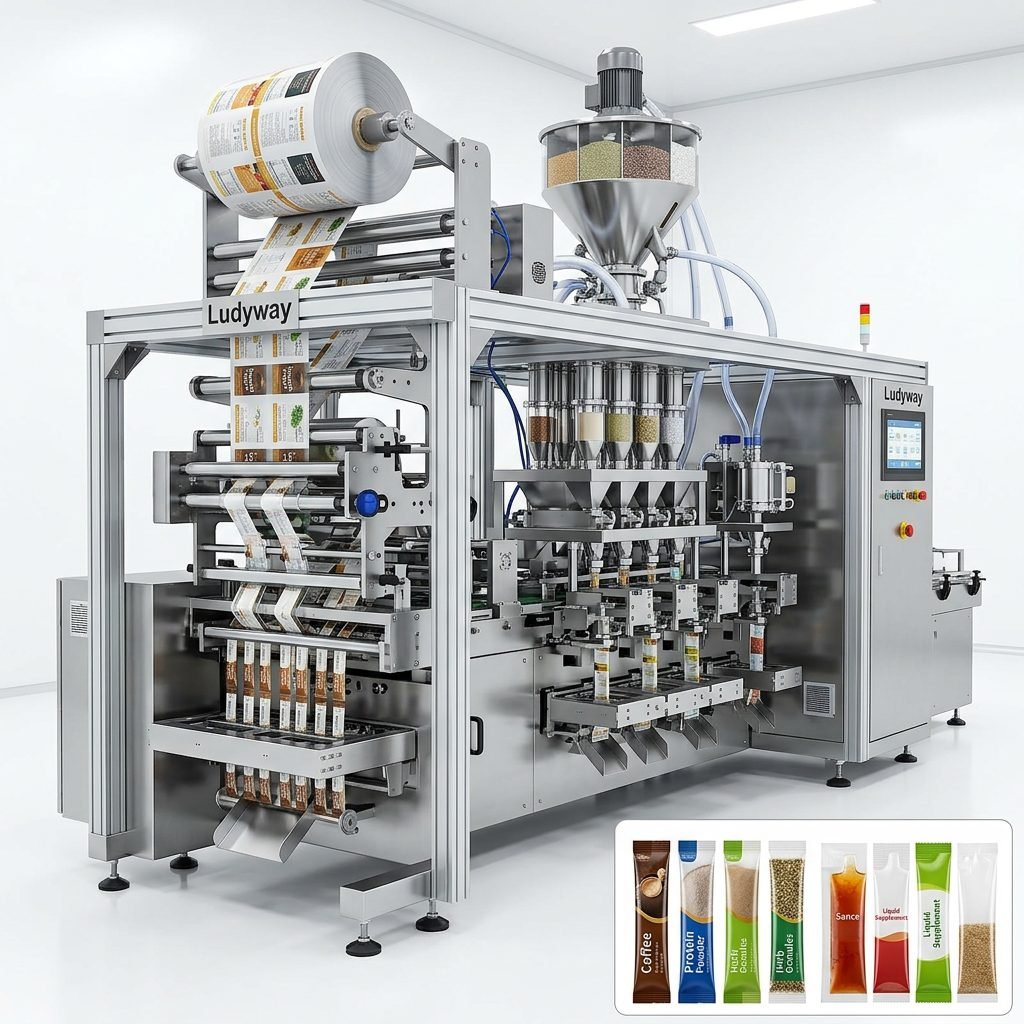
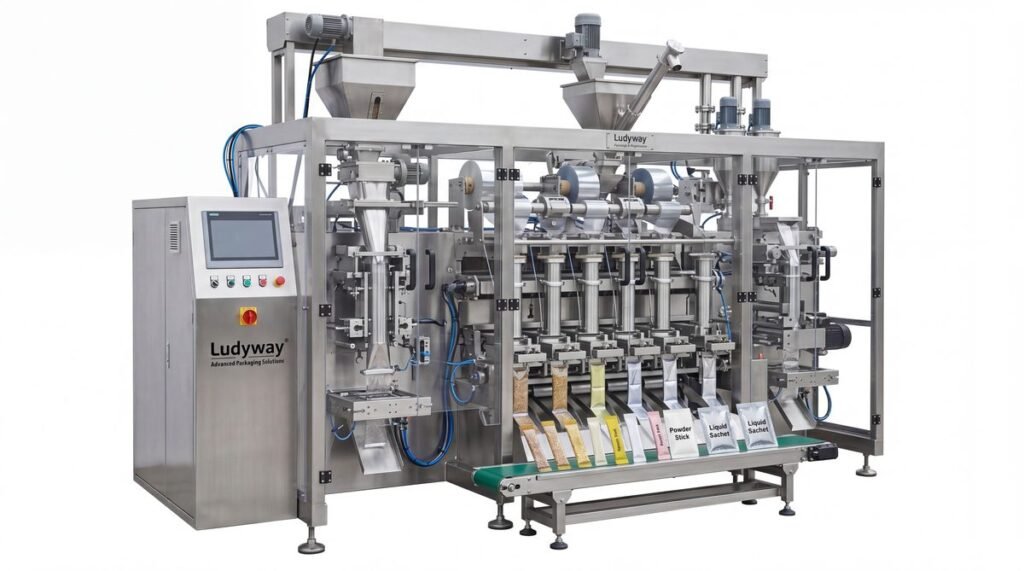
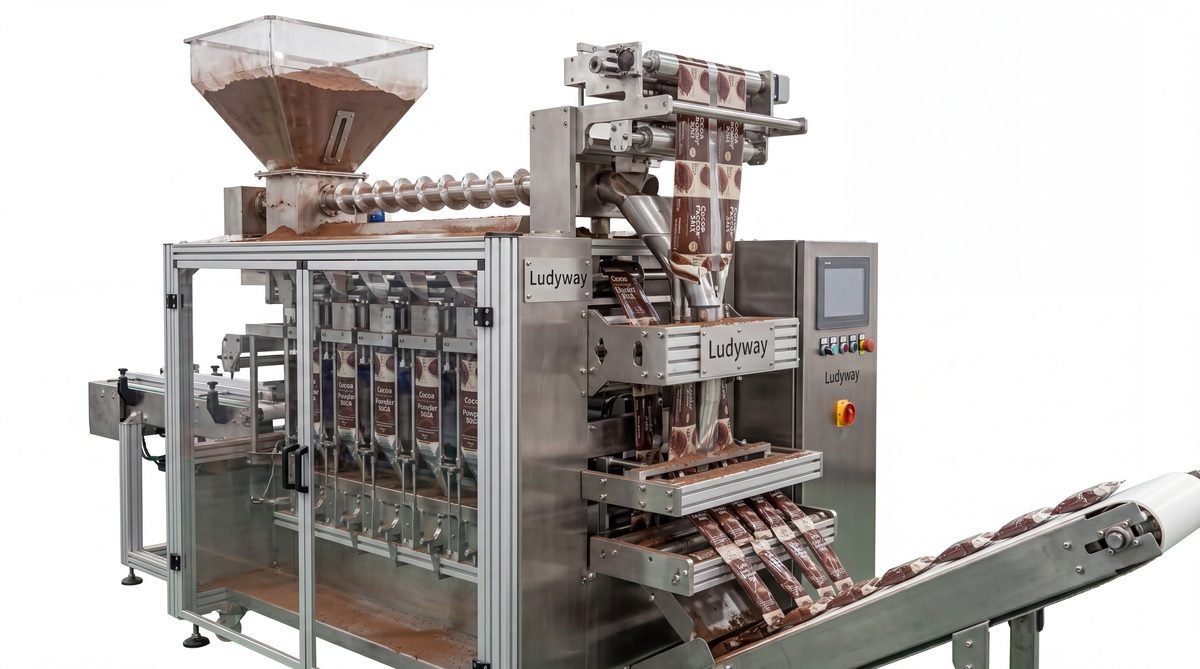
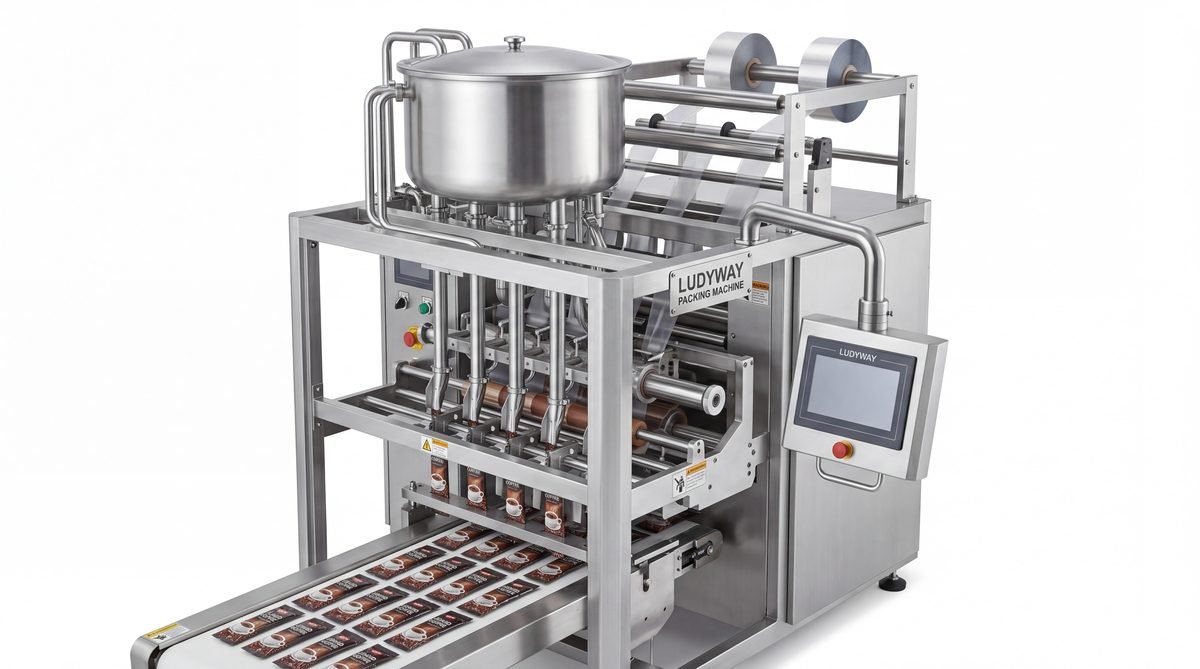
Start by clearly defining the physical properties of your product. Is it a free-flowing granule, a fine powder, a viscous liquid, or a paste? Each type demands a specific filling system — auger fillers for powders, piston pumps for liquids, or volumetric cup fillers for granules. Equally important is the packaging format. In Ghana, popular options include multi-lane stick packs, sachets, and stand-up pouches. According to the Flexible Packaging Association, flexible packaging continues to gain market share due to its convenience, reduced material use, and cost efficiency. Matching the machine configuration to your targeted format — such as a multi-lane stick pack machine for instant coffee or a liquid sachet machine for juices — ensures product integrity and consumer appeal.
2. Production Speed and Capacity Requirements
Your current and forecasted production volumes decide the machine’s speed class. A small startup packaging local honey may need a compact, slower machine, while a large cocoa processor exporting stick packs to West African markets requires high-speed multi-lane equipment. Pay attention to packets per minute per lane and overall output stability. Machines with servo-driven controls often deliver higher accuracy and consistent performance, minimizing product giveaway and downtime.
3. Adaptability to Local Power Supply and Climatic Conditions
Ghana’s electrical grid can experience voltage fluctuations, and the tropical climate means high humidity and temperatures. Packaging machines with wide voltage tolerance, international electrical standards, and robust climate-resistant components perform more reliably. Additionally, sealed control cabinets, corrosion-resistant materials, and moisture-protected electronics help prevent premature wear. Verify that the machine supports the available power supply and that the manufacturer offers tropicalized packages if needed.
4. Compliance with Ghanaian and International Standards
Packaging machinery must align with food safety, pharmaceutical, and environmental regulations. Depending on your sector, you may need to meet guidelines set by the Ghana Food and Drugs Authority or international benchmarks. Refer to resources like the FDA food packaging requirements and ISO packaging standards to ensure materials and machine design comply with applicable safety and hygiene protocols. Machines built with stainless steel contact parts, easy-clean designs, and validated sealing integrity are key for producers looking to export or attract international partners.
5. After-Sales Support, Spare Parts, and Local Service
Access to technical support and spare parts is critical in Ghana. Before buying, evaluate the manufacturer’s service network, availability of remote diagnostics, and readiness to ship wear parts quickly. Working with a supplier that offers operator training and documented maintenance schedules reduces the risk of prolonged downtime. Remote video support and local partner engineers can make a significant difference in keeping your line running.
6. Total Cost of Ownership and Return on Investment
Look beyond the initial purchase price. Calculate total cost of ownership (TCO) by factoring in energy consumption, spare parts, maintenance, and expected machine lifespan. A slightly more expensive machine with lower reject rates, faster changeovers, and higher efficiency often delivers a better return on investment. Models with quick size change parts and modular designs adapt as your product ranges evolve, protecting your capital over time.

Common Packaging Machine Types for the Ghana Market
The table below compares machine types frequently deployed in Ghanaian production environments, based on product state and format.
| Machine Type | Best for | Common Ghana Applications |
|---|---|---|
| Multi-Lane Stick Pack Machine | Powders, granules | Cocoa powder, coffee, sugar, detergents |
| Liquid Sachet Machine | Liquids, pastes | Juices, sauces, shampoos, hand sanitizers |
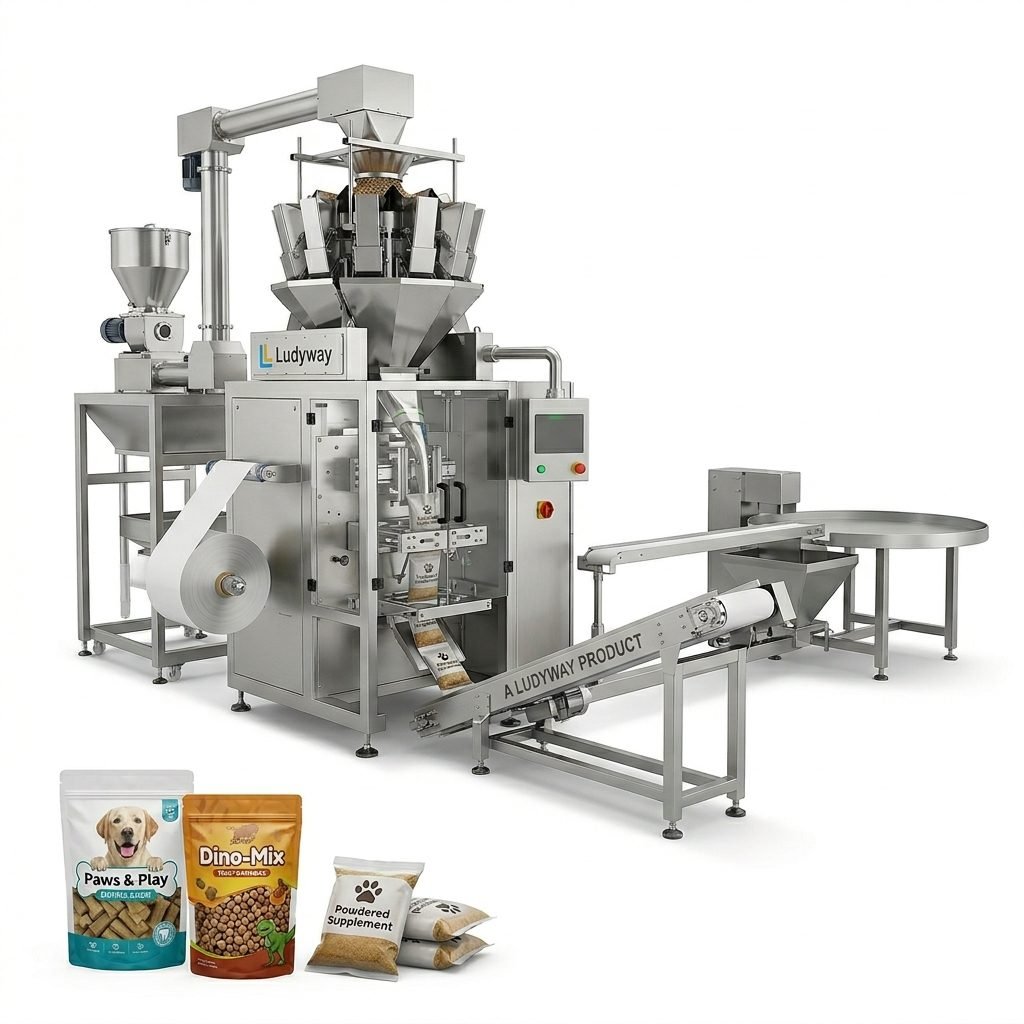
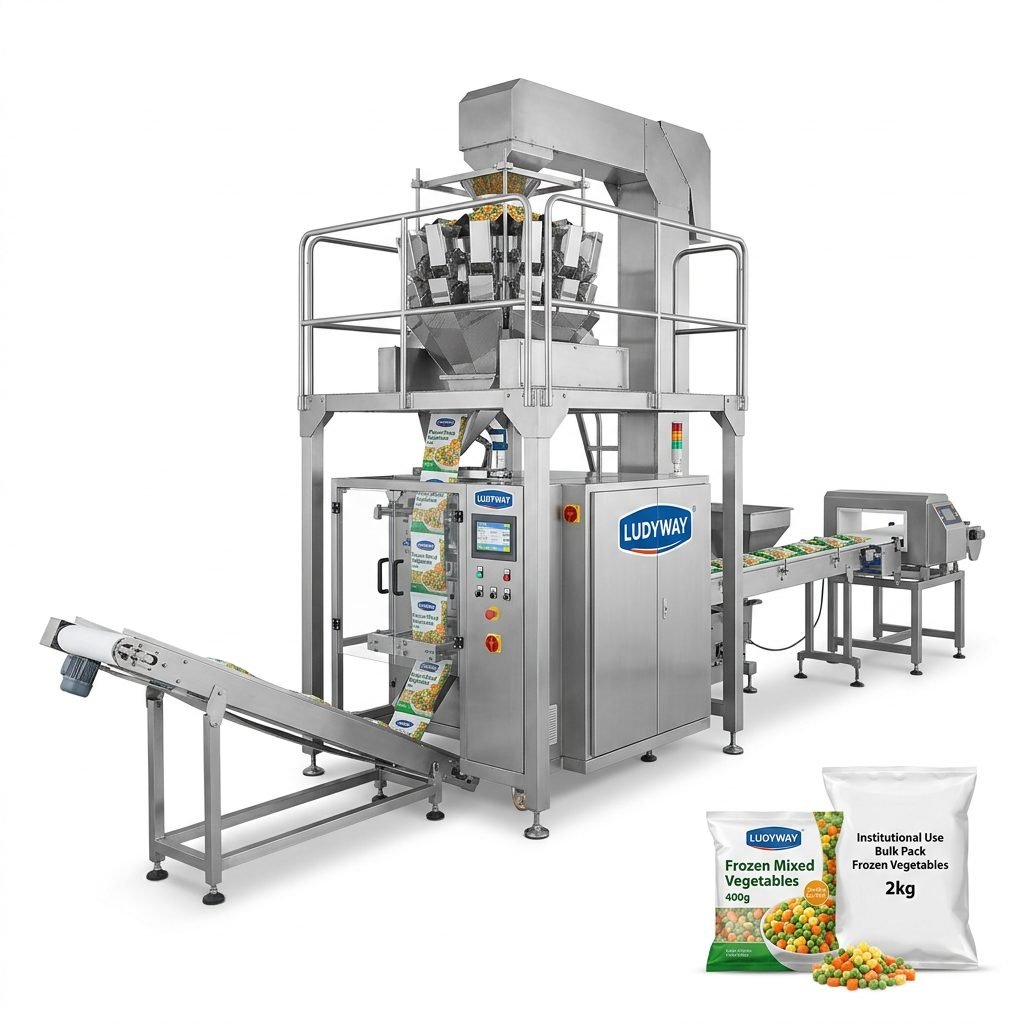
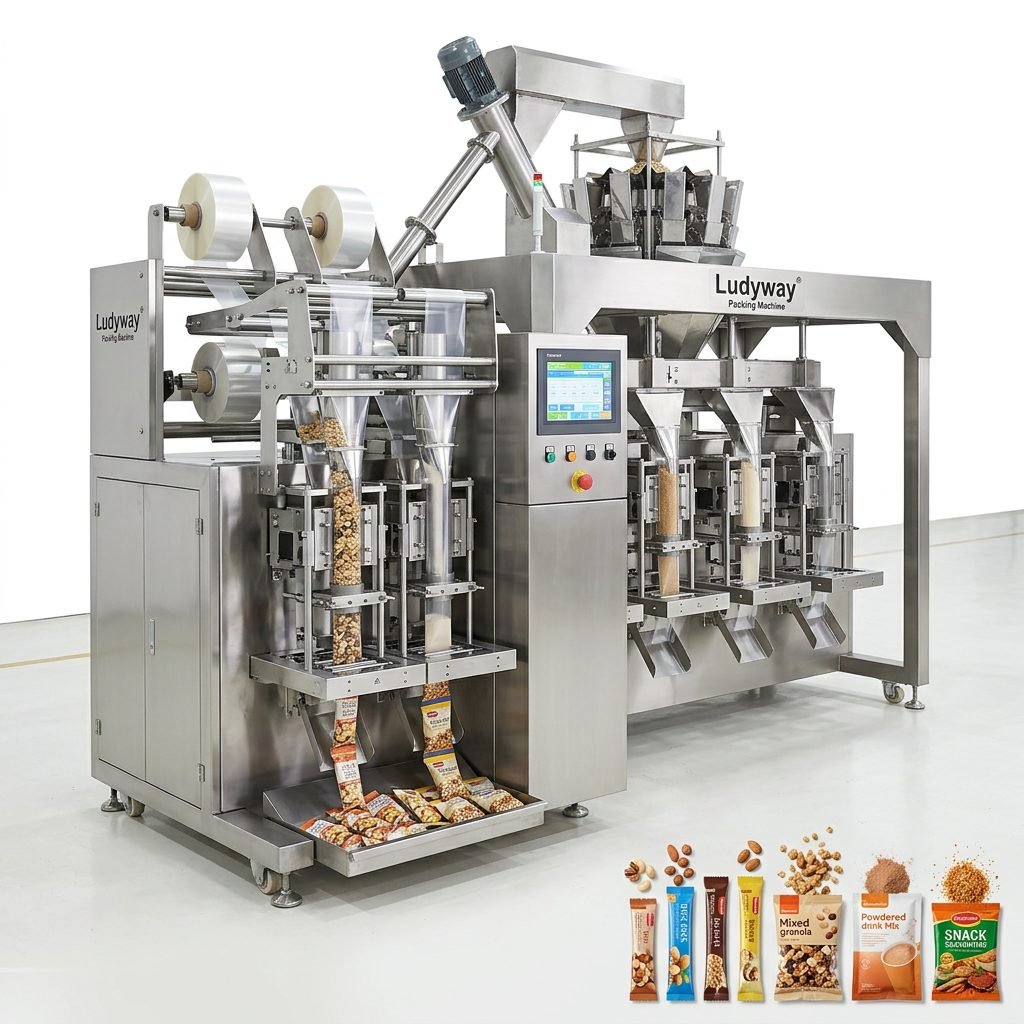
| Premade Pouch Rotary Machine | Snacks, nuts, solid pieces | Dried fruits, pet treats, hardware |
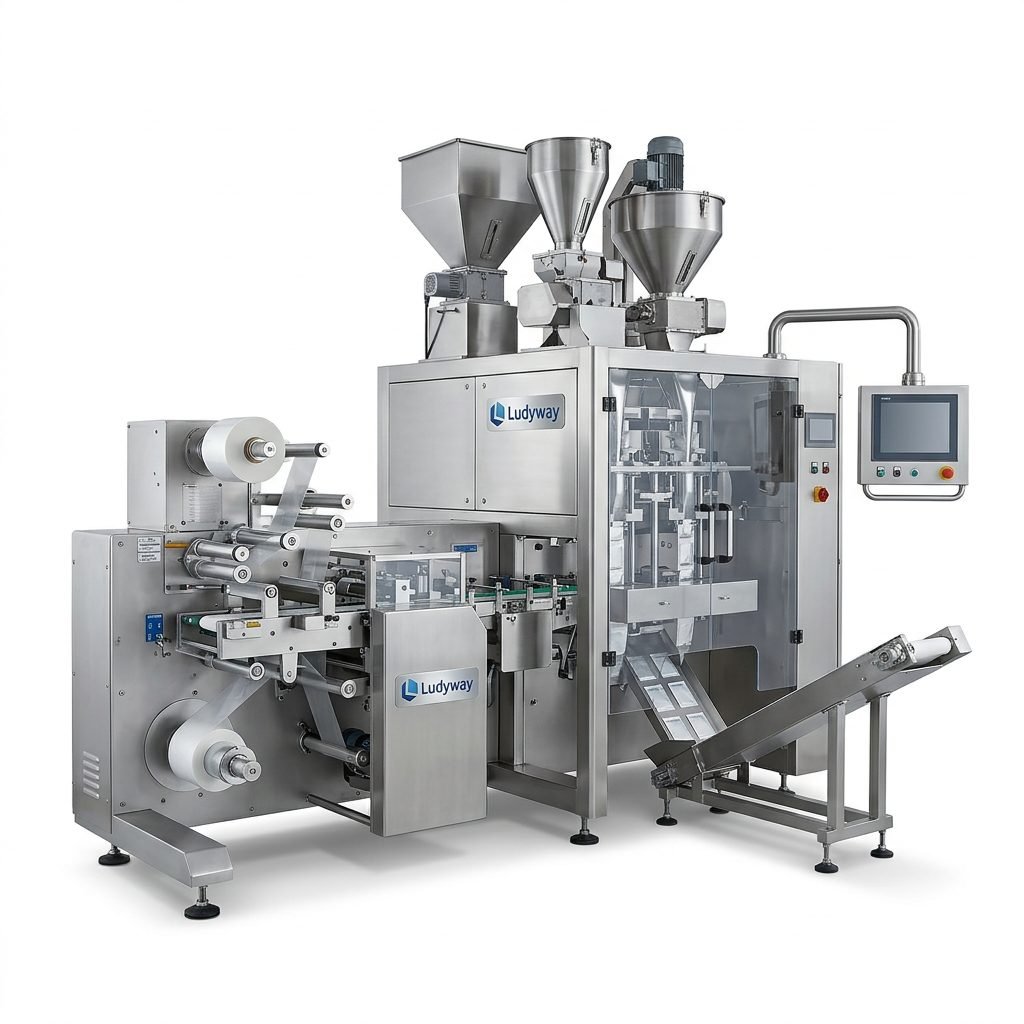
| Vertical Form Fill Seal (VFFS) | Granules, powders, snacks | Gari, rice, seeds, feed supplements |
Making a Smart Investment: Partner with a Trusted Manufacturer
Choosing the right packaging machine involves more than comparing specifications — it requires a reliable partner who understands both your local challenges and global quality standards. As one of the largest packaging machine manufacturers in China, Ludyway delivers advanced packaging equipment and turnkey production solutions tailored for the food, pharmaceutical, and health industries. With over 30 years of experience and a modern 20,000㎡ facility, the company supports Ghanaian businesses with machines designed for granules, powders, liquids, and multi-lane sachet systems — backed by professional service that helps you scale efficiently.
When evaluating suppliers, examine their track record, available technical documentation, and willingness to provide local references. Resources like the PMMI State of the Industry reports and the Flexible Packaging Association Knowledge Hub offer valuable data on packaging trends and automation benchmarks that can guide your decision.
Conclusion
Selecting the right packaging machine for the Ghana market means carefully balancing product requirements, production capacity, local infrastructure, and regulatory needs. Prioritize equipment that offers proven reliability, strong after-sales support, and the flexibility to handle future product lines. By investing wisely and partnering with experienced manufacturers, you position your business to capture the growing demand for packaged goods across Ghana and the wider West African region.