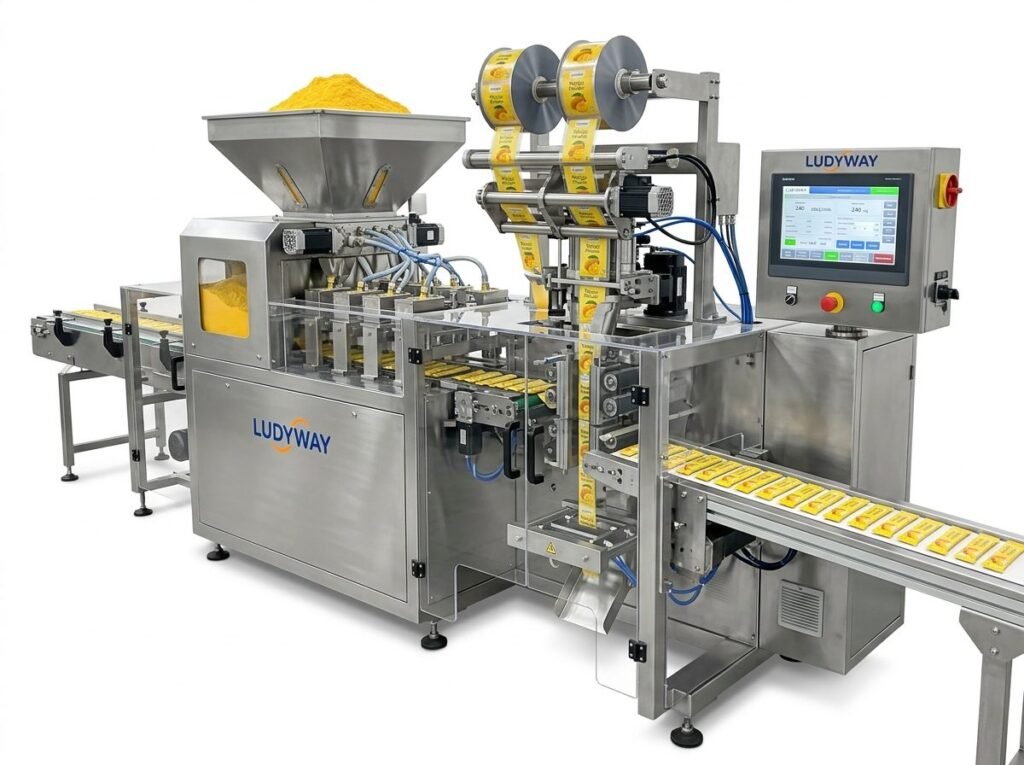
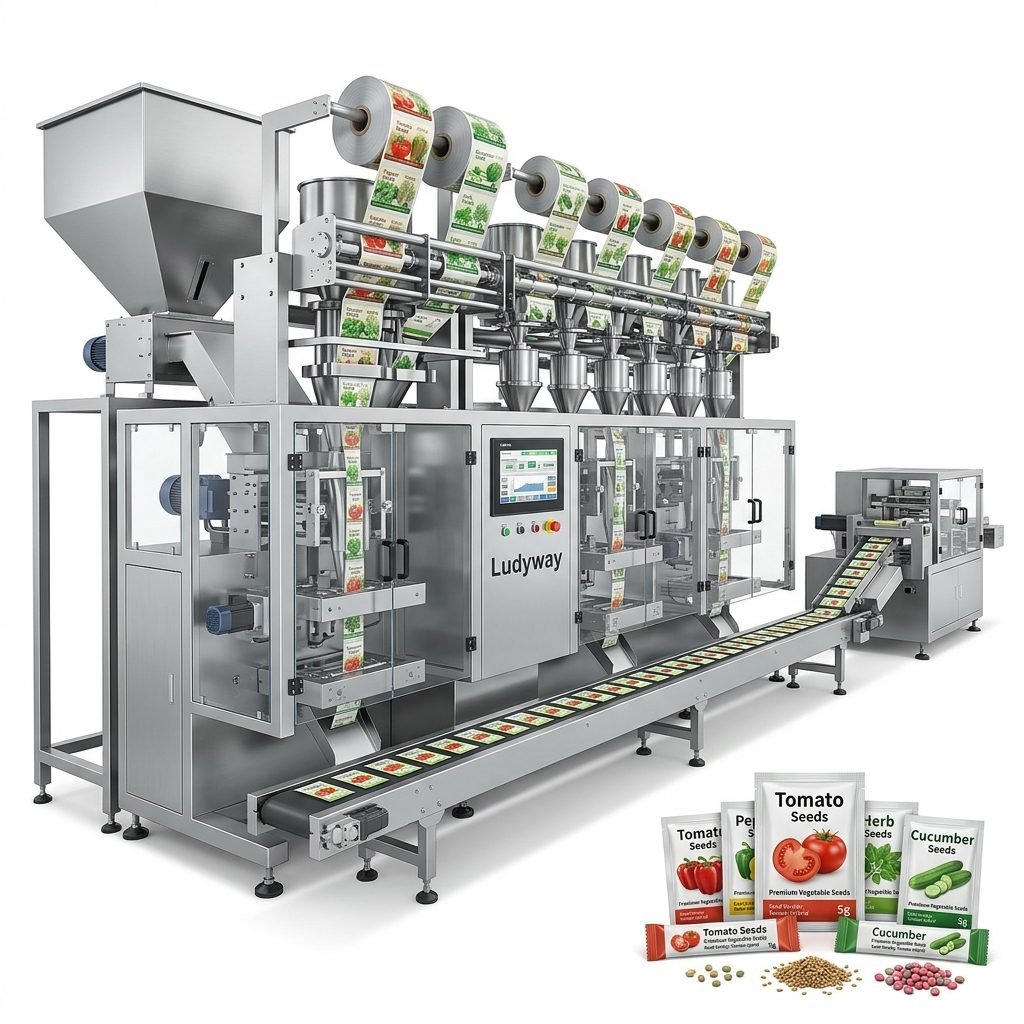
Maintaining a seed counting and packaging machine is essential for ensuring consistent throughput, count accuracy, and extended equipment life. A well-structured maintenance routine reduces unexpected downtime, prevents costly repairs, and keeps your production line running at peak efficiency. Whether you operate a multi-lane seed packing system or a single-lane configuration, the following best practices will help you achieve reliable, long-term performance.
1. Establish a Daily Cleaning and Inspection Routine
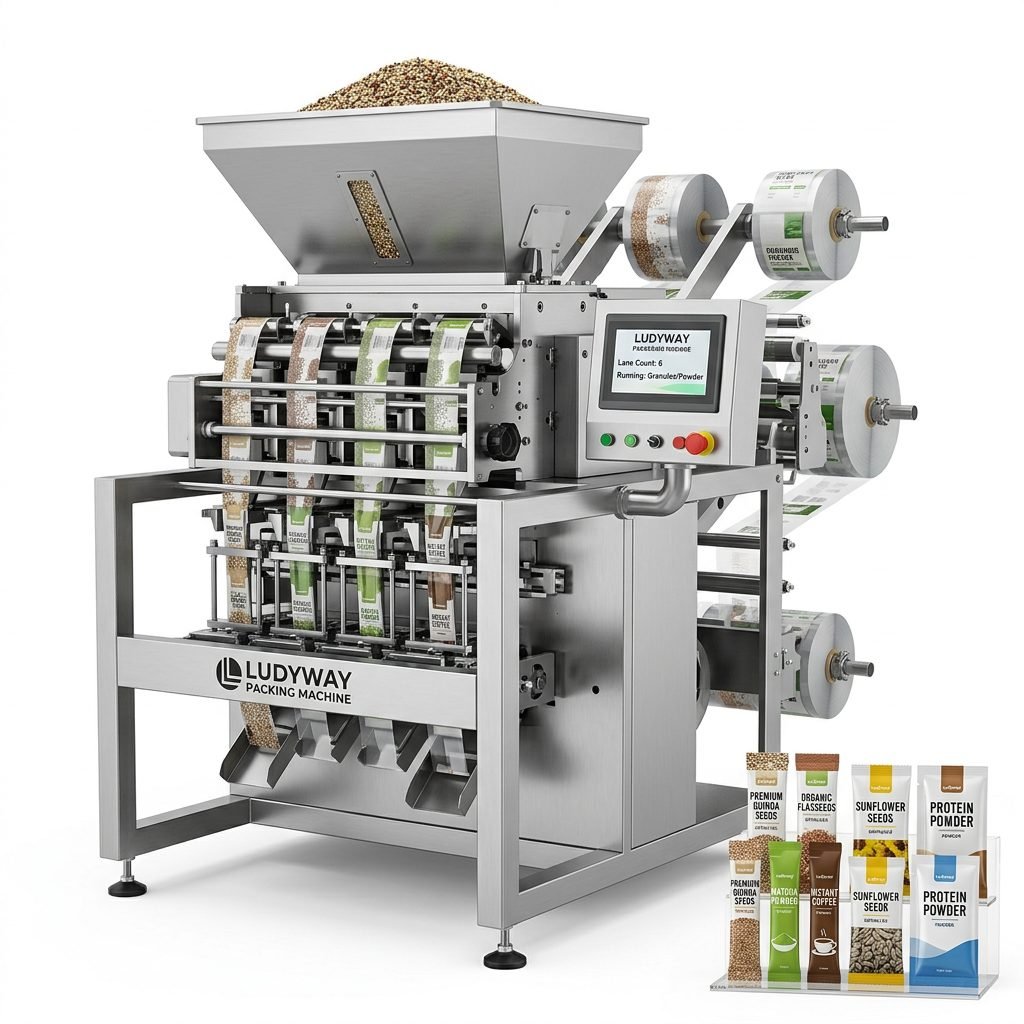
Dust, seed debris, and residual particles can accumulate rapidly in counting channels and sensors. Daily cleaning is the single most effective measure to maintain counting precision. Use a soft brush and a low-pressure air blower to remove loose particles from the counting head assembly, vibratory feed trays, and optical sensor windows. Avoid using excessive moisture near electronic components. Inspect all visible wiring and connectors for signs of wear or looseness during each cleaning session.
2. Perform Critical Component Checks Weekly
Several components demand closer attention on a weekly basis. Prioritize the following:
- Optical Sensors and Infrared Counters: Check for dust accumulation on lenses; clean with a microfiber cloth and approved optical cleaner.
- Vibratory Feed Mechanisms: Verify that vibration amplitude remains consistent; irregular feeding often points to loose mounting bolts or worn springs.
- Sealing Jaws and Heating Elements: Inspect for residue buildup or uneven wear that could compromise package integrity.
- Conveyor Belts and Drive Chains: Look for fraying, stretching, or misalignment that affects material flow.
- Air Filtration Units: Clean or replace filters to maintain proper pneumatic pressure for counting gates.
3. Calibrate the Counting System Regularly
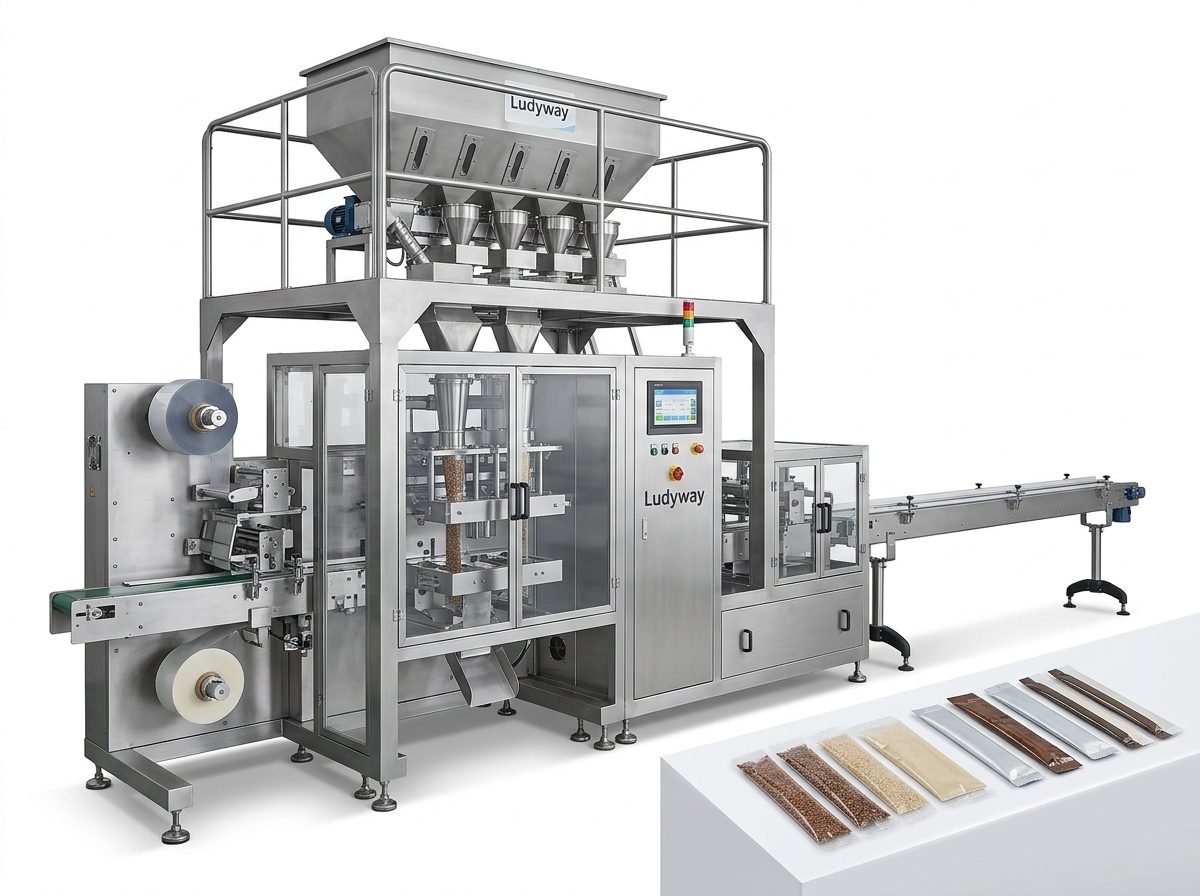
Counting accuracy degrades gradually over time due to sensor drift, changes in seed size, or variations in ambient conditions. Calibration should be performed at least once per month—or more frequently if you switch between seed types with different shapes and weights. Run a verification batch of a known quantity through the system and compare the results against the machine’s count. Adjust sensitivity thresholds and photoelectric parameters according to the manufacturer’s guidelines. Documentation of each calibration session is critical for traceability and quality assurance.
Key Calibration Parameters to Monitor
- Photoelectric sensor sensitivity levels
- Vibratory feed rate consistency
- Gate timing and sequencing
- Count verification window tolerances
- Ambient temperature and humidity readings
4. Follow a Structured Lubrication Schedule
Proper lubrication minimizes friction in moving parts and prevents premature wear in bearings, chains, and linear guides. Use only food-grade or manufacturer-recommended lubricants to avoid contamination. Key lubrication points include cam followers, sealing jaw pivot points, chain drives, and linear rail carriages. Over-lubrication can attract dust and cause buildup, so apply sparingly and wipe away excess. Maintain a logbook to track lubrication dates and the specific points serviced.
5. Troubleshoot Common Issues Before They Escalate
Early detection of minor anomalies prevents major breakdowns. The table below outlines frequent issues and their typical causes:
| Symptom | Probable Cause | Recommended Action |
|---|---|---|
| Inconsistent count output | Dirty sensors or misaligned feed chute | Clean sensor lenses; realign feed guide |
| Packaging film wrinkling | Incorrect tension or temperature setting | Adjust film tension and heat parameters |
| Excessive vibration noise | Loose fasteners or worn dampeners | Tighten bolts; replace vibration isolators |
| Seal integrity failures | Contaminated sealing jaws or uneven pressure | Clean jaws; recalibrate sealing pressure |
| Frequent sensor errors | Electrical interference or aging components | Shield cables; replace failing sensor modules |
6. Implement a Preventive Maintenance Schedule
A structured preventive maintenance plan is the backbone of reliable machine performance. The following schedule provides a starting framework adaptable to your production volume and operating environment:
| Frequency | Maintenance Task | Responsible Role |
|---|---|---|
| Daily | Clean counting sensors, inspect packaging film path, check emergency stops | Machine Operator |
| Weekly | Inspect belts, chains, and seals; verify vibratory feed consistency | Maintenance Technician |
| Monthly | Full calibration of counting system, lubrication of all moving parts | Quality & Maintenance Team |
| Quarterly | Replace worn wear strips, inspect pneumatic seals, test safety interlocks | Senior Technician |
| Annually | Complete machine overhaul, replace aged sensors and drive components | Manufacturer Service Team |
7. Train Your Maintenance Team Thoroughly
Even the best maintenance schedule fails without a knowledgeable team. Operators and technicians should receive hands-on training covering sensor diagnostics, calibration procedures, and safe lockout/tagout practices. Cross-training multiple staff members ensures that maintenance continuity is maintained during shift changes or personnel absences. Equipment suppliers such as Ludyway often provide detailed operational manuals and remote technical support to assist with training and complex troubleshooting. Investing in your team’s expertise pays dividends in reduced error rates and faster recovery from unplanned stoppages.
8. Document Everything for Continuous Improvement
Maintain detailed records of every maintenance action, calibration result, and component replacement. This historical data helps identify recurring issues, predict component lifespans, and refine your preventive maintenance intervals. Use digital maintenance management software or a well-organized physical logbook. Review these records quarterly to spot trends and adjust your maintenance strategy accordingly. A data-driven approach transforms maintenance from a reactive cost into a strategic advantage for your packaging operation.
Essential Documentation Practices
- Record date, time, and technician name for each intervention
- Log calibration results with before-and-after values
- Track spare parts consumption and lead times
- Photograph worn components before replacement for reference
- Review maintenance logs during quarterly performance meetings
9. Leverage Industry Resources and Standards
Staying informed about packaging machinery standards helps ensure your maintenance practices align with industry best practices. The PMMI – Association for Packaging and Processing Technologies offers extensive resources, including business intelligence reports and state of the industry reports that cover machinery maintenance trends. Additionally, ISO packaging standards provide internationally recognized guidelines for equipment performance and safety. Regularly reviewing these resources keeps your maintenance protocols current and competitive.
10. Know When to Call for Professional Service
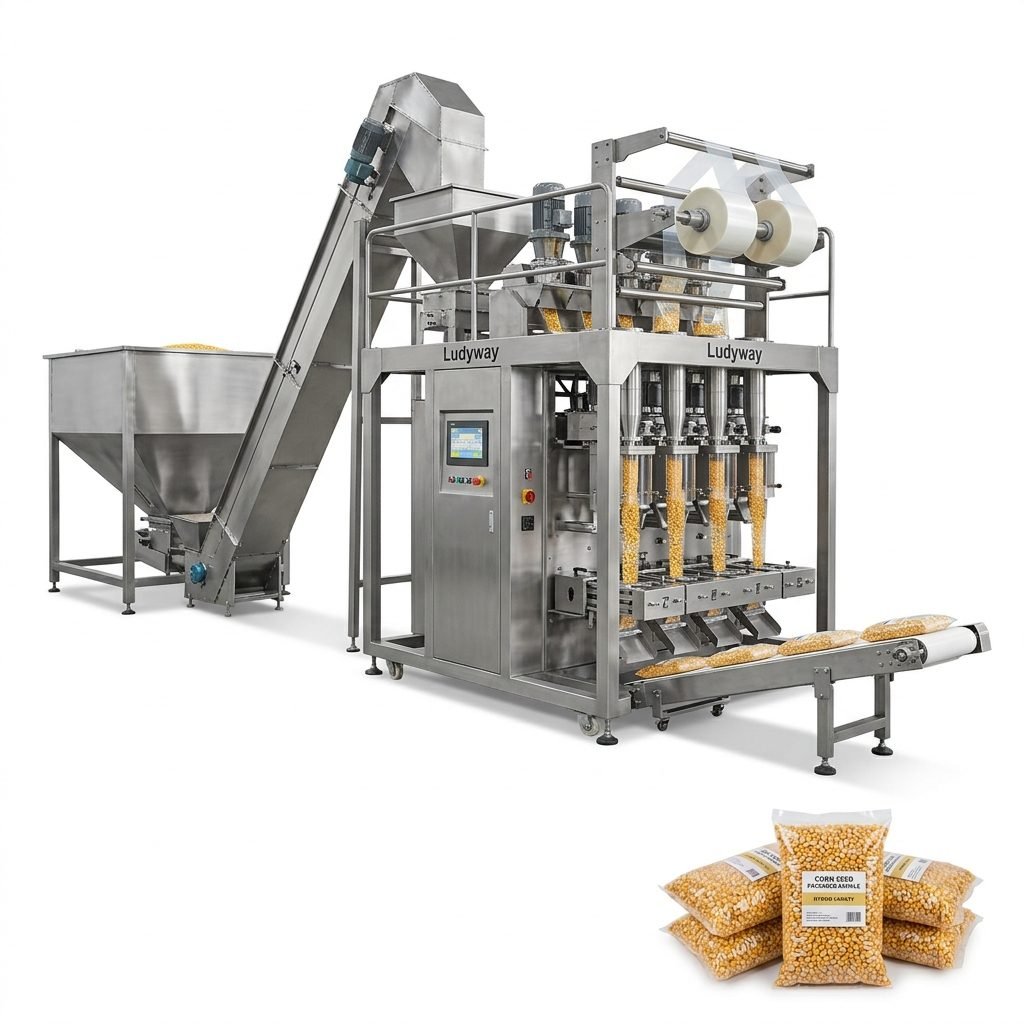
While routine maintenance can be handled in-house, certain situations demand professional intervention. If you encounter persistent counting errors after recalibration, unusual mechanical noises, or electrical faults that exceed your team’s diagnostic capabilities, contact your equipment manufacturer’s service department promptly. Delaying professional assistance often compounds the problem and increases repair costs. A qualified service technician can quickly identify root causes and restore your seed counting and packaging machine to optimal condition.
Key Takeaways for Sustained Reliability
- Clean daily — dust and debris are the primary enemies of counting accuracy
- Calibrate monthly — regular calibration maintains precision across seed varieties
- Lubricate systematically — use the right lubricants and follow a documented schedule
- Train continuously — skilled operators catch issues before they cause downtime
- Document thoroughly — historical records drive smarter maintenance decisions
- Seek expert help — professional service prevents small problems from escalating
By integrating these maintenance practices into your daily operations, your seed counting and packaging machine will deliver consistent accuracy, extended service life, and maximum return on investment. A proactive approach to equipment care is not merely a cost—it is a competitive advantage that ensures your packaging line meets the demands of modern agricultural and industrial markets.