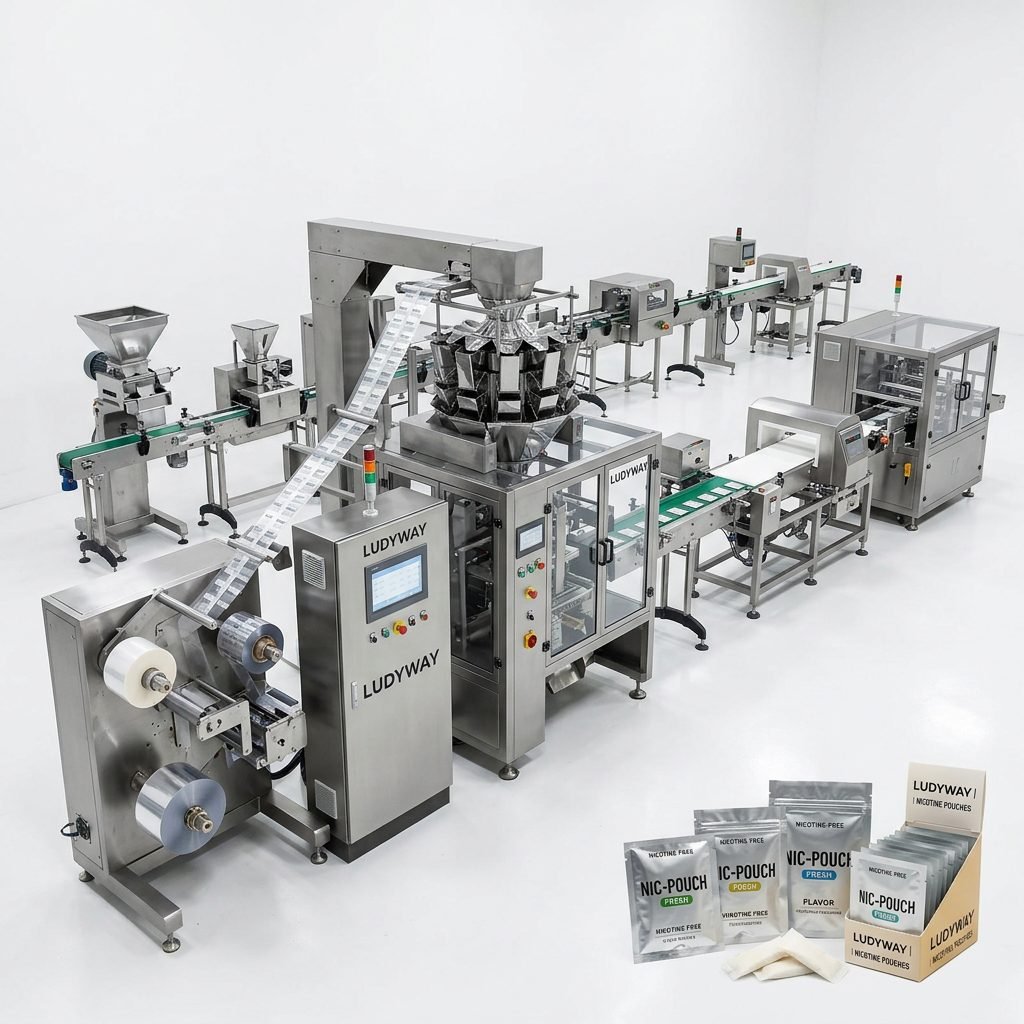
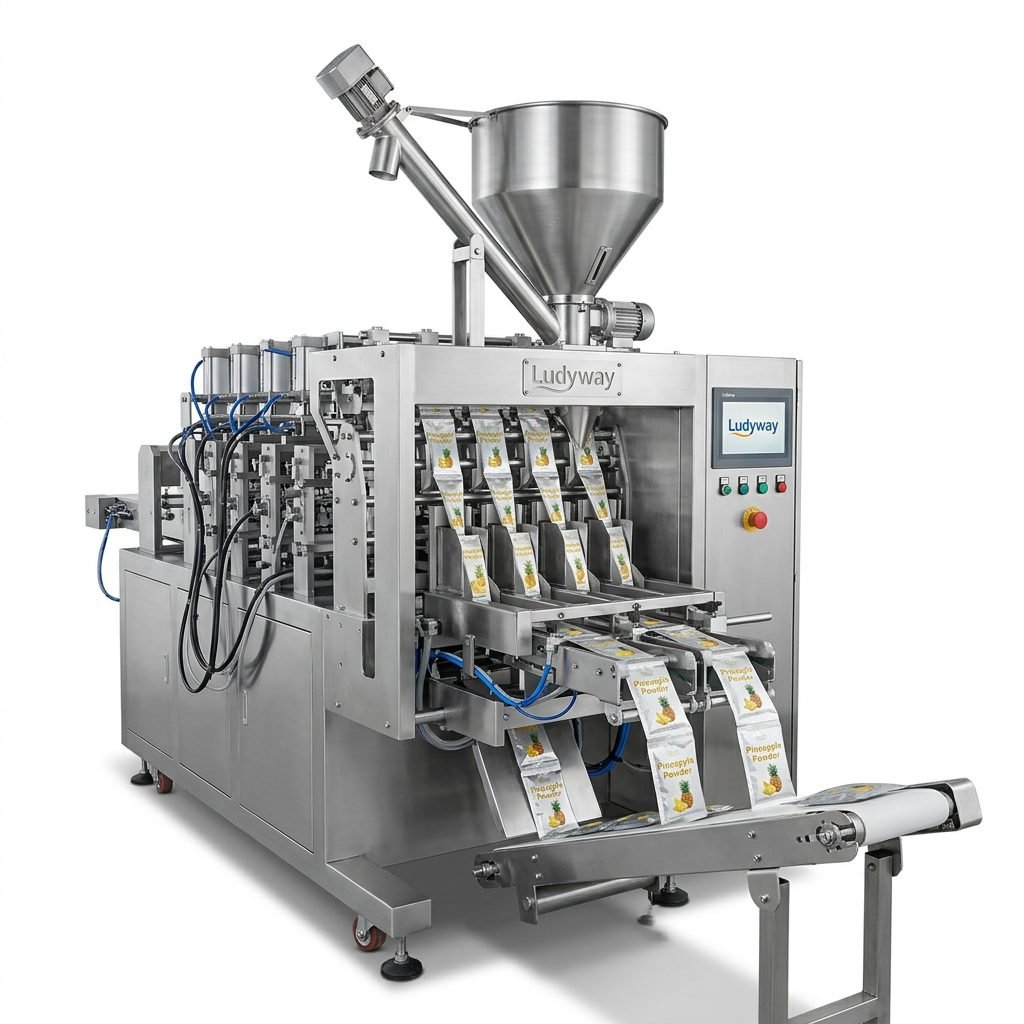
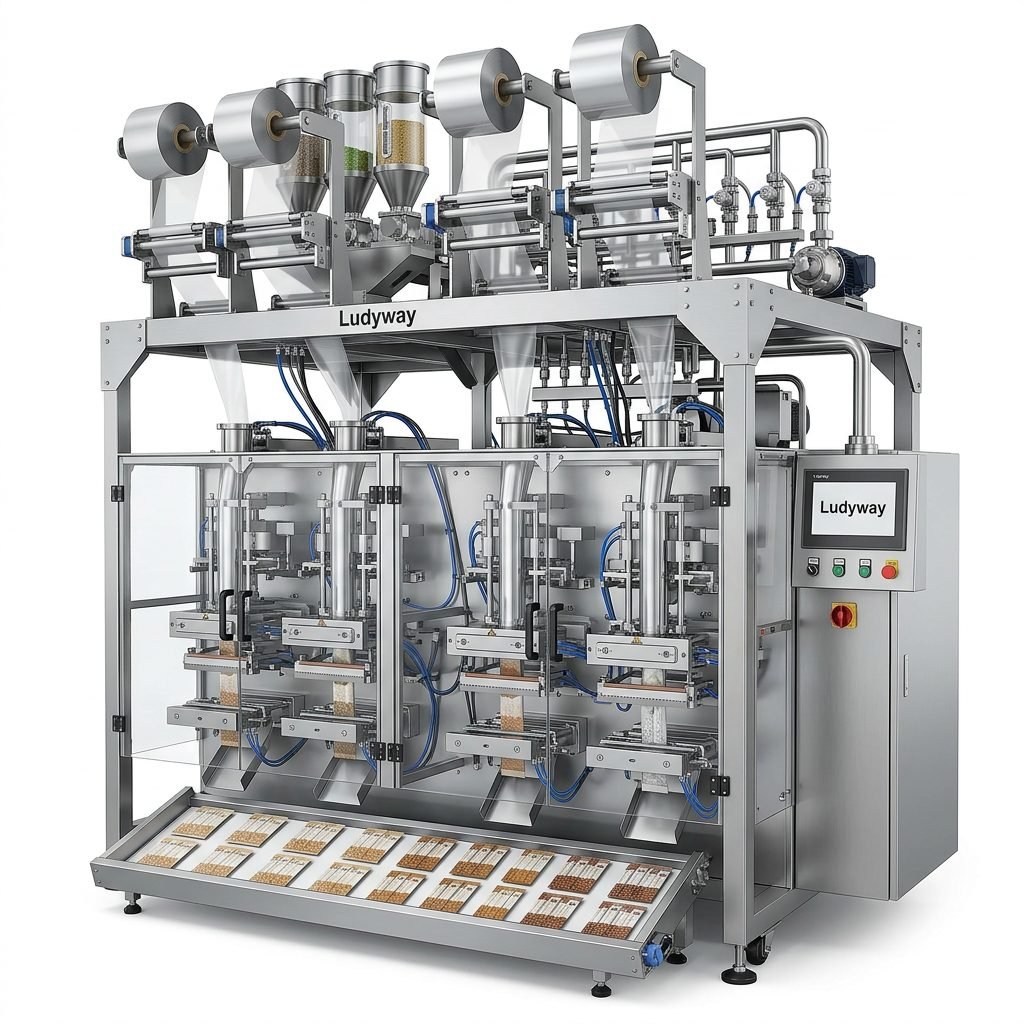
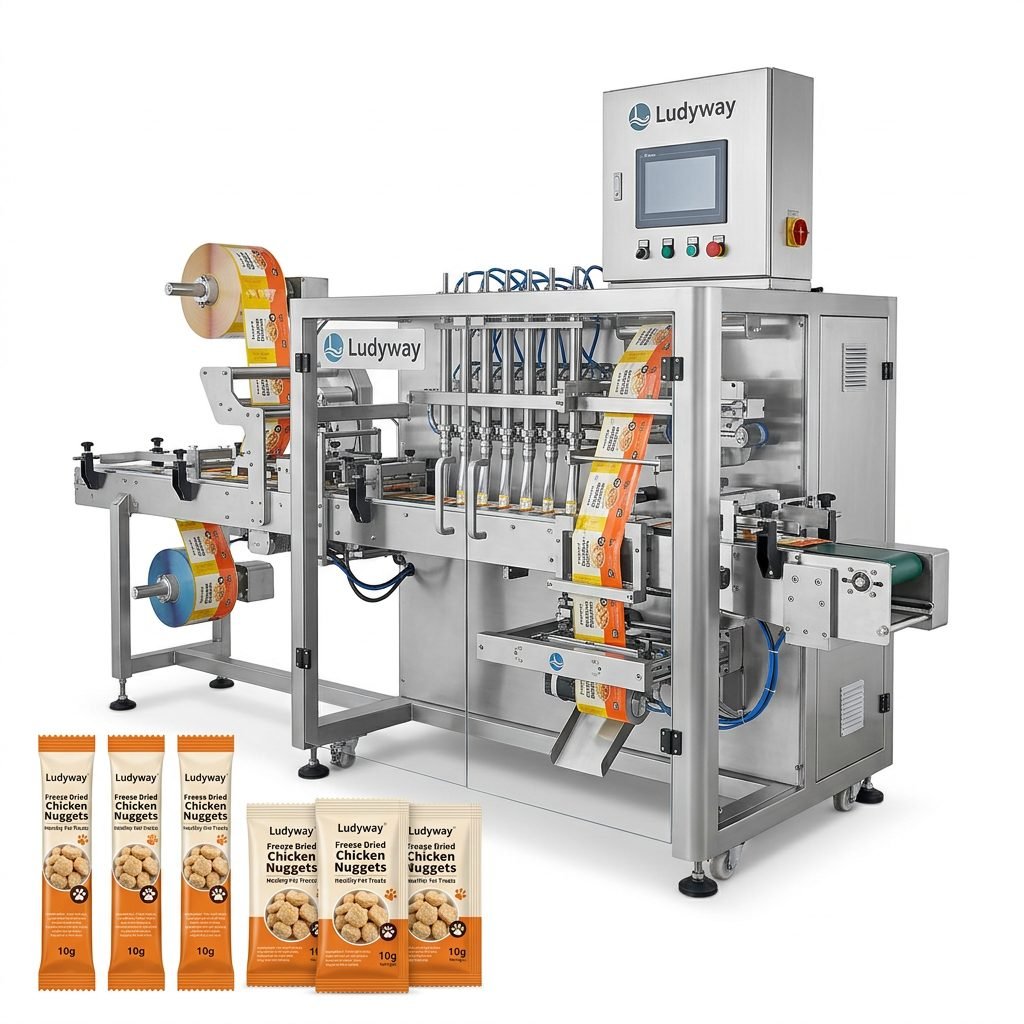
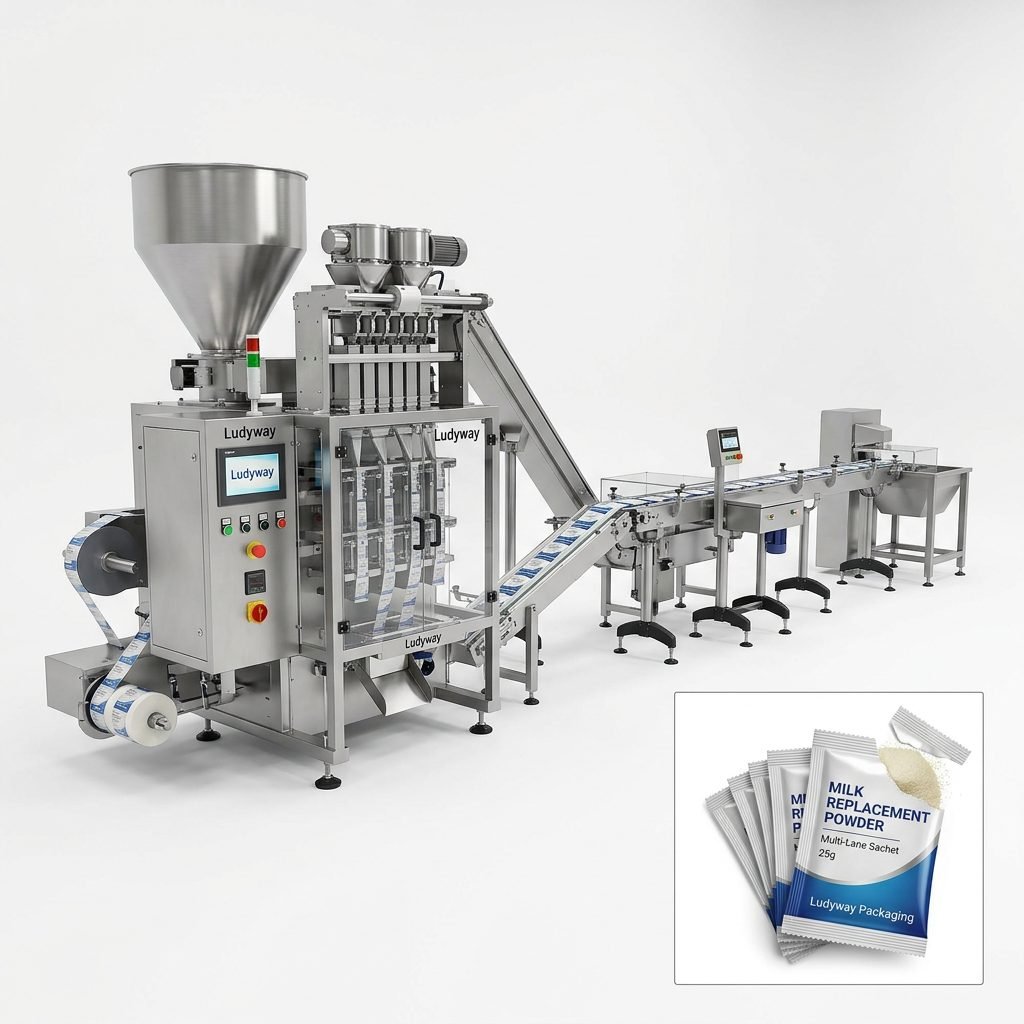
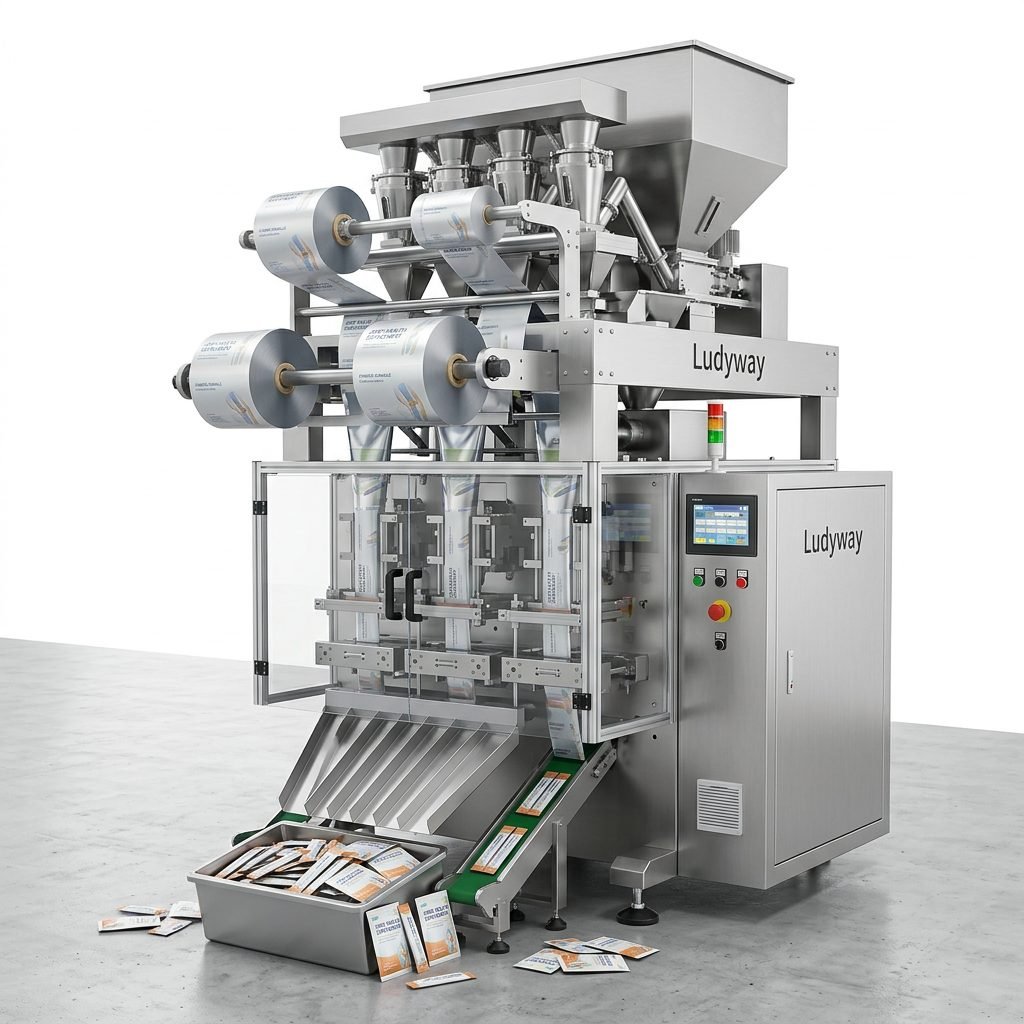
Proper maintenance of a 15 kg oil tin packing machine is the cornerstone of operational efficiency and product quality in industrial lubricant and edible oil packaging lines. Without a structured upkeep program, even the most robust equipment can suffer from premature wear, unexpected downtime, and costly repairs. This comprehensive guide walks you through every critical aspect of maintaining your oil tin filling and sealing machinery, helping you maximize throughput, extend equipment life, and ensure consistent pack integrity for every 15 kg tin that leaves your facility.
Why Routine Maintenance Matters for Oil Tin Packaging Equipment
Oil tin packaging machines operate under demanding conditions. They handle viscous fluids, contend with metal tin abrasion, and often run continuously in high-volume production environments. According to the Flexible Packaging Association, equipment reliability directly correlates with maintenance frequency in liquid filling applications. A well-maintained machine delivers accurate fill volumes, reduces product waste, prevents seal failures, and minimizes the risk of oil contamination. Neglecting routine checks, on the other hand, can lead to inconsistent filling weights, leaking tins, conveyor jams, and ultimately a damaged reputation with downstream buyers.
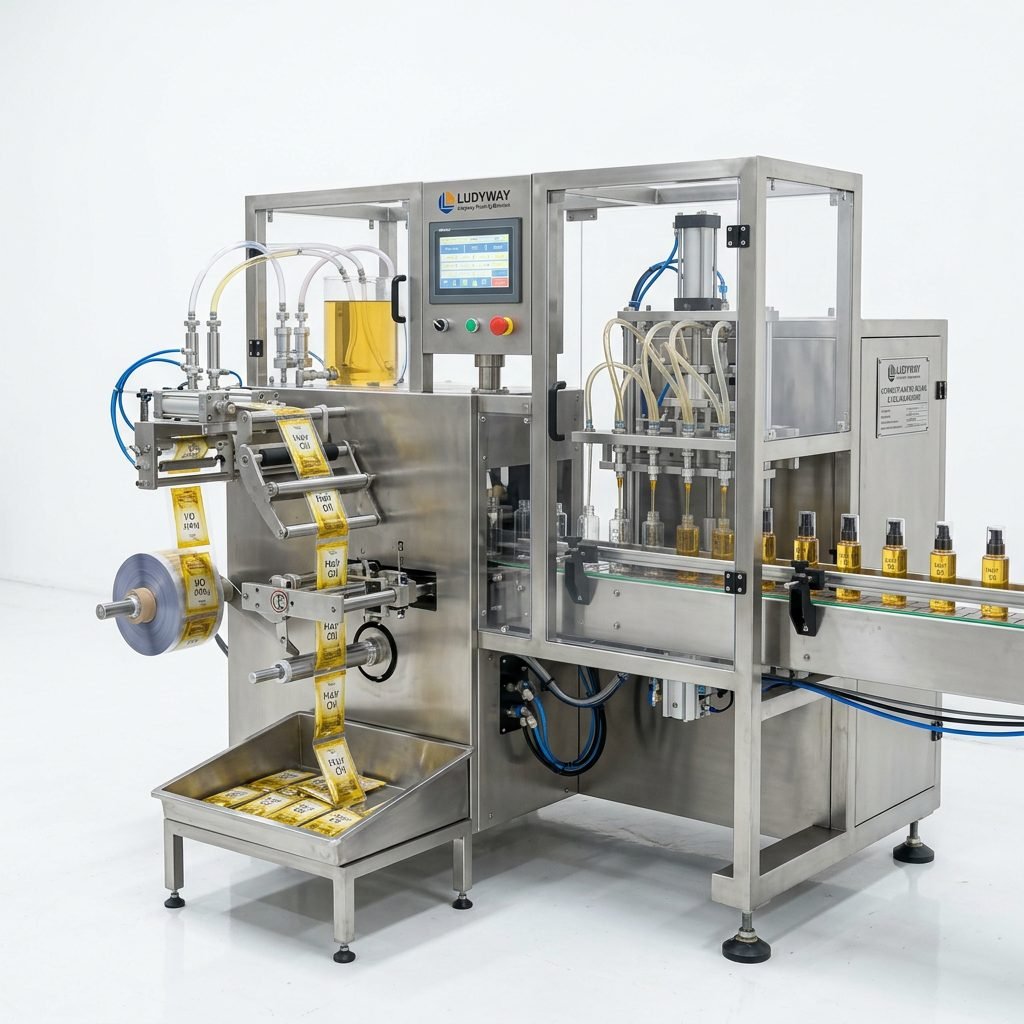
Daily Maintenance Checklist for Optimal Performance
A disciplined daily routine prevents minor issues from escalating into major breakdowns. Operators should perform the following checks at the beginning and end of each shift:
- Inspect filling nozzles for oil residue buildup and clean with approved solvents to maintain precision dosing.
- Examine tin conveyor rails and guides for alignment issues that could cause jams or misfeeds.
- Check sealing jaws and crimping heads for oil contamination that compromises seal integrity on 15 kg tins.
- Verify sensor calibration on all photoelectric and proximity detectors to ensure accurate tin positioning.
- Monitor air pressure and hydraulic fluid levels if your machine uses pneumatic or hydraulic actuation systems.
- Record any unusual noises, vibrations, or deviations in fill weight for trend analysis.
Cleaning Protocol for Oil Contact Surfaces
Oil residue can accumulate rapidly on filling heads, drip trays, and sealing mechanisms. Use food-grade degreasers for edible oil applications or industrial solvents for lubricant packaging lines. Avoid abrasive tools that could scratch precision-machined surfaces. After cleaning, always wipe components dry and apply a thin protective film of compatible oil to prevent surface oxidation on stainless steel parts.
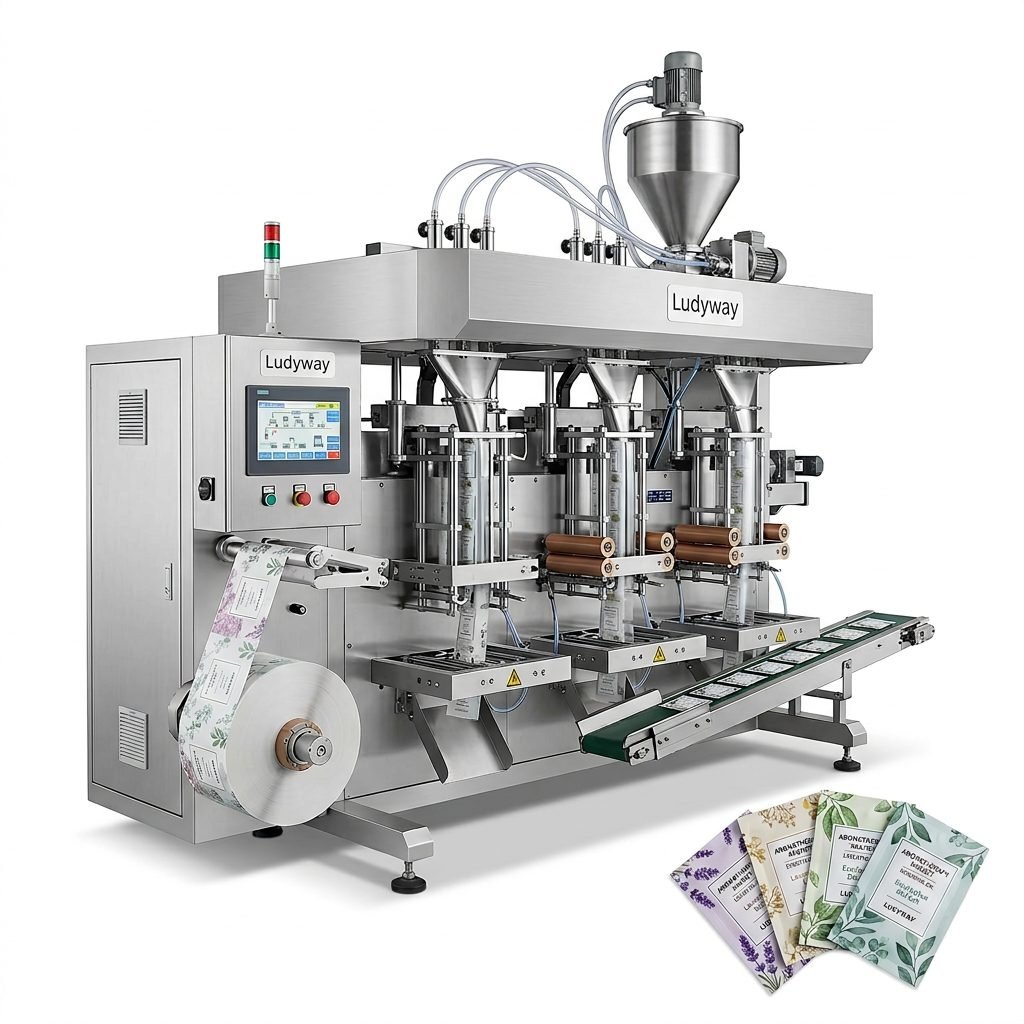
Weekly Maintenance: Deep Cleaning and Mechanical Inspection
Weekly maintenance shifts the focus from operational checks to mechanical integrity verification. This is the time to catch developing problems before they impact production schedules.
- Lubricate all moving components including chain drives, cam mechanisms, linear bearings, and rotary joints using manufacturer-specified lubricants suitable for oil-rich environments.
- Inspect belt tension and wear patterns on all drive belts and timing belts; replace frayed or stretched belts immediately.
- Check tin crimping dies and sealing rollers for uneven wear that could produce inconsistent cap seals on 15 kg tins.
- Clean and test weighing load cells if your machine includes integrated checkweighing functionality.
- Flush oil supply lines and filters to remove any sediment or coagulated product that could restrict flow.
Component Tightness and Fastener Inspection
Vibration from high-speed operation inevitably loosens fasteners over time. Use a torque wrench to verify critical bolt tightness on filling station mounts, sealing head assemblies, and conveyor drive couplings against the values specified in your machine’s technical manual. Pay special attention to any component that directly contacts the 15 kg tins during filling and capping.
Monthly Preventive Maintenance Tasks
Monthly maintenance requires a more systematic approach, often involving partial disassembly of key subsystems for thorough inspection and refurbishment. Allocate adequate downtime for these procedures to be performed correctly.
| Maintenance Area | Specific Task | Tools Required | Frequency |
|---|---|---|---|
| Filling System | Calibrate volumetric or piston fillers; replace worn O-rings and seals | Calibration weights, seal kit, micrometer | Monthly |
| Sealing/Crimping | Polish sealing jaws; verify temperature uniformity on heated dies | Temperature probe, fine-grit polish, thermal imaging camera | Monthly |
| Electrical Panel | Tighten terminal connections; inspect contactors for pitting; check for dust ingress | Torque screwdriver, multimeter, compressed air (clean, dry) | Monthly |
| Conveyor System | Lubricate bearings; check sprocket alignment; inspect chain elongation | Chain gauge, grease gun, alignment laser | Monthly |
| Sensors and Controls | Clean optical sensors; test emergency stops; validate PLC logic backup | Cleaning wipes, laptop with PLC software, test procedures | Monthly |
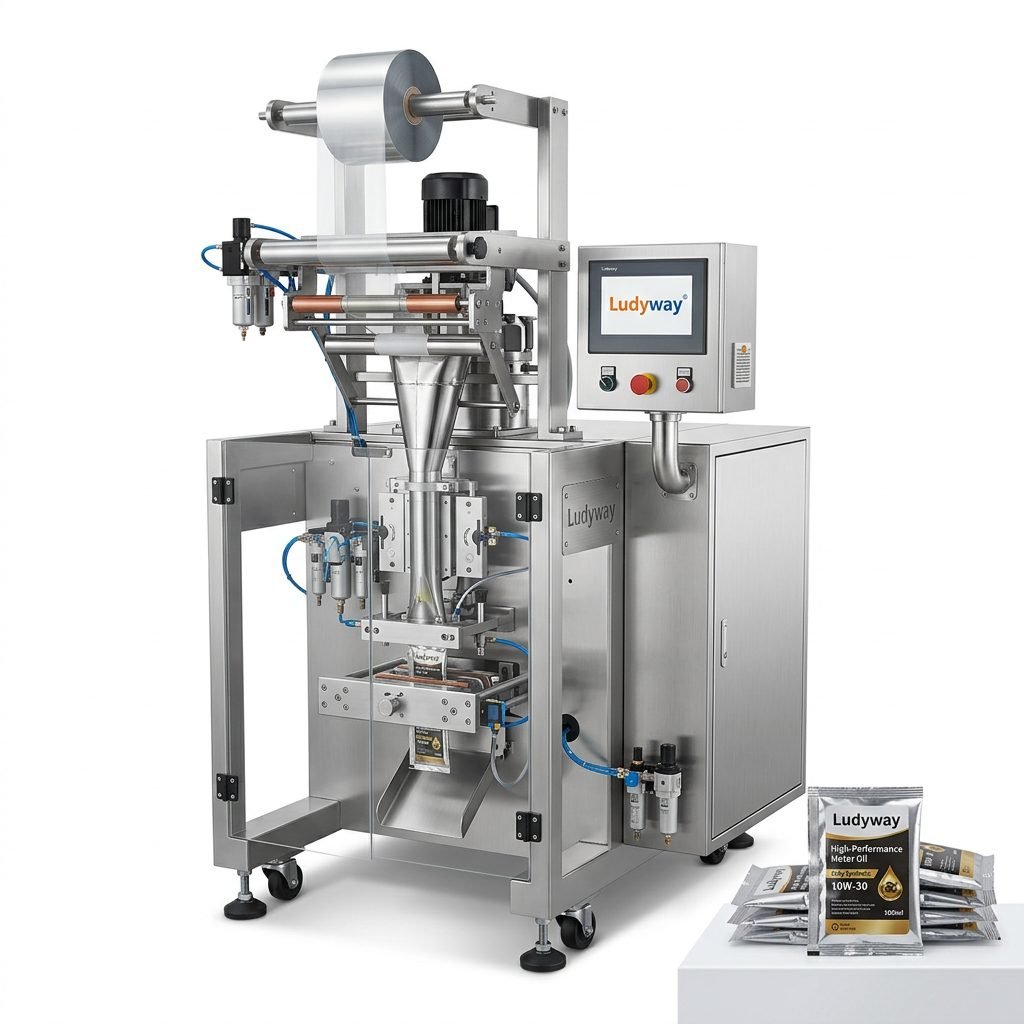
Quarterly and Annual Maintenance: Comprehensive Overhaul
Every quarter, conduct a more invasive inspection of internal machine assemblies. This includes removing guards and covers to access drive mechanisms, gearboxes, and pneumatic cylinders that are normally concealed. Replace any components that show measurable wear, even if they remain functional, to prevent unscheduled stoppages during critical production periods. Annual maintenance should be treated as a complete machine rebuild, including:
- Full disassembly and inspection of the filling metering system with replacement of all dynamic seals, bearings, and wear plates.
- Gearbox oil change in all drive units, with magnetic plug inspection for metal debris indicating internal wear.
- PLC and HMI firmware updates and comprehensive backups of all machine parameters and recipes for 15 kg tin configurations.
- Pneumatic system overhaul including cylinder rebuilds, valve cleaning, and complete air line inspection for leaks or moisture accumulation.
- Frame and structural integrity check with laser alignment verification of all critical mounting surfaces and filling stations.
Bearing and Seal Lifecycle Management
Bearings operating in oil-rich environments face unique challenges. While oil provides natural lubrication, it can also trap abrasive particles that accelerate raceway wear. Keep detailed records of bearing service life and establish predictive replacement schedules based on actual operating hours rather than waiting for failure indicators. Similarly, dynamic seals in filling pistons and rotary valves have finite lifespans — proactive replacement during scheduled downtime is significantly cheaper than emergency repairs.
Electrical System and Control Maintenance
Modern 15 kg oil tin packing machines integrate sophisticated electrical controls, including servo drives, VFDs, PLCs, and HMI touchscreens. These components are sensitive to power quality and environmental conditions. According to guidelines from the PMMI packaging industry association, electrical failures remain one of the most common causes of unscheduled downtime in automated packaging equipment. Key electrical maintenance practices include:
- Monthly thermal imaging scans of all electrical cabinets to identify loose connections generating excess heat.
- Regular backup of PLC programs and HMI configuration files to secure external storage devices.
- Inspection of cable harnesses and connectors for signs of oil ingress, which can degrade insulation over time.
- Verification of grounding continuity across all machine sections to prevent static discharge and electrical noise interference.
- Testing of all safety interlocks, light curtains, and emergency stop circuits per regulatory requirements.
Troubleshooting Common Issues in Oil Tin Packing Machines
Even with rigorous maintenance, intermittent problems can arise. The following table summarizes frequent issues and their primary diagnostic approaches for 15 kg tin filling equipment:
| Symptom | Probable Cause | Recommended Action |
|---|---|---|
| Inconsistent fill weights | Worn piston seals, air in oil supply line, sensor drift | Replace seals, bleed supply lines, recalibrate load cells |
| Oil leakage around tin cap | Misaligned crimping dies, insufficient sealing pressure, damaged cap threads | Realign dies, adjust pressure settings, inspect cap quality |
| Tin jamming on conveyor | Worn guide rails, conveyor speed mismatch, deformed tins | Replace rails, synchronize speeds, inspect tin quality |
| Oil dripping from filling nozzle | Nozzle seal deterioration, incomplete valve closure | Replace nozzle assembly, clean and inspect valve seat |
| Excessive machine vibration | Loose mounting bolts, worn bearings, unbalanced rotating parts | Tighten all fasteners, replace bearings, balance inspection |
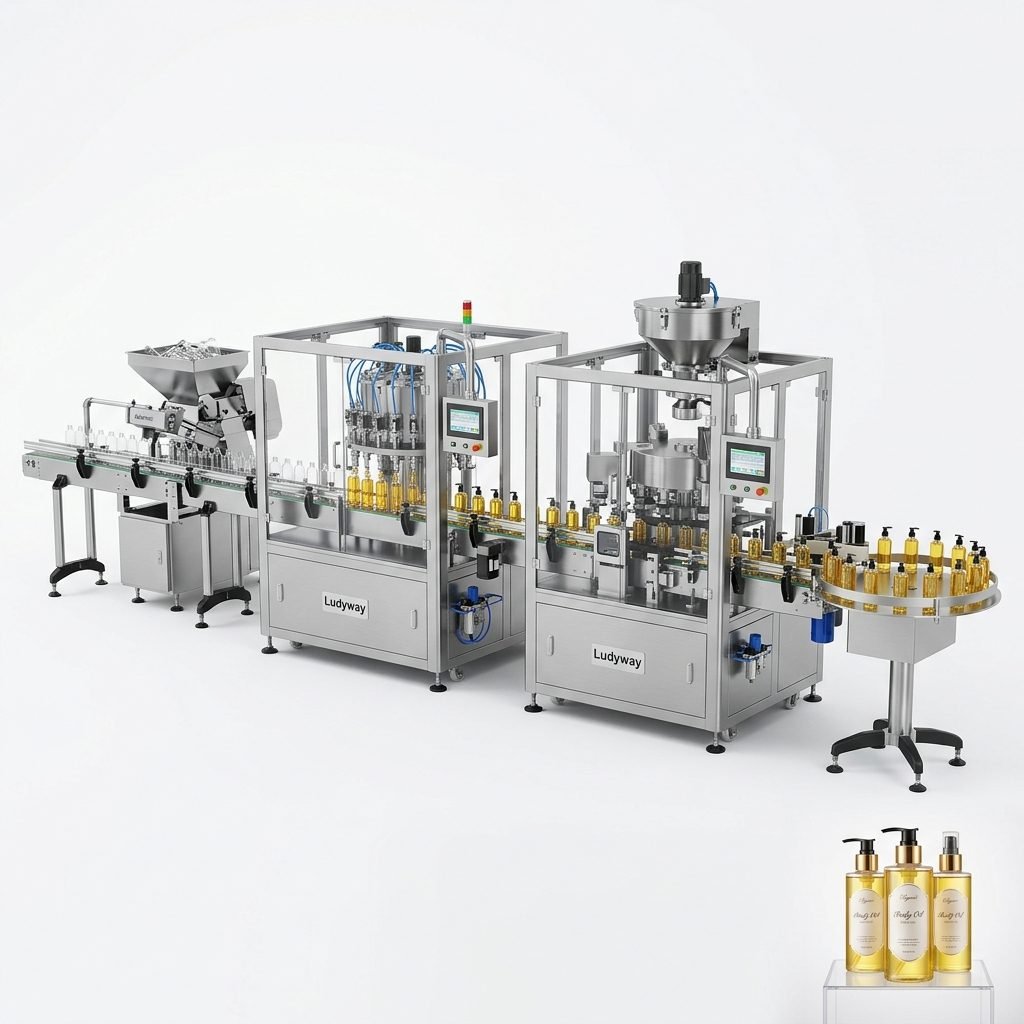
Lubrication Best Practices for Oil Packaging Machinery
Paradoxically, machines that package oil still require proper lubrication of their own moving parts. The challenge is that product oil contamination can break down machine-specific lubricants, while machine lubricants must never contaminate the product oil. Follow these guidelines to maintain the delicate balance:
- Use only H1 food-grade lubricants for any lubrication point that could potentially contact the product stream in edible oil applications.
- Establish separate lubrication schedules for different machine zones — filling area, sealing area, and conveyor drive area.
- Apply grease sparingly to avoid excess lubricant migration onto tin contact surfaces or sealing mechanisms.
- Maintain a lubrication logbook documenting the type, quantity, and date of lubricant applied to each lubrication point.
- Investigate any unusual lubricant discoloration during routine checks, as this may indicate cross-contamination or component degradation.
Spare Parts Inventory Management
Nothing extends downtime more than waiting for a critical spare part to arrive. Every facility operating a 15 kg oil tin packing machine should maintain an on-site critical spares inventory tailored to their specific machine model. At a minimum, stock the following categories:
- Seal kits for filling pistons, rotary valves, and pneumatic cylinders (complete sets, not individual seals).
- Bearings and bushings for all major rotating shafts and conveyor rollers.
- Drive belts in matched sets where applicable, ensuring consistent tension across multi-belt drives.
- Sensors and relays — at least one spare of each critical sensor type (photoelectric, proximity, temperature, pressure).
- Sealing jaw inserts and crimping dies specific to 15 kg tin dimensions.
- PLC and HMI backup modules pre-programmed with the latest validated configuration.
Safety Considerations During Maintenance Procedures
All maintenance activities must be conducted with lockout/tagout (LOTO) procedures firmly in place. Oil tin packing machines combine heavy mechanical forces with electrical hazards and, in some cases, heated sealing elements. Key safety protocols include:
- Complete energy isolation — disconnect pneumatic, hydraulic, and electrical power sources before any invasive work begins.
- Use of appropriate personal protective equipment (PPE) including oil-resistant gloves, safety glasses, and steel-toe footwear.
- Confined space protocols if maintenance requires entry into large oil reservoirs or tanks associated with the packaging line.
- Hot work permits for any maintenance involving welding, grinding, or open flames near oil residue.
- Thorough post-maintenance testing at slow speed before returning the machine to full production velocity.
For packaging machinery operating in food-grade environments, additional requirements apply. The FDA food packaging regulations mandate that all maintenance materials and lubricants that may contact food products must be approved for incidental food contact. Always verify compliance of cleaning solvents and replacement parts before installation.
Documentation and Record-Keeping for Maintenance Compliance
Comprehensive maintenance records serve multiple purposes: they enable trend analysis for predictive maintenance programs, demonstrate regulatory compliance during audits, and provide historical reference for troubleshooting recurring issues. Every facility should maintain:
- A machine-specific maintenance logbook (physical or digital) recording all inspections, repairs, and parts replacements with timestamps.
- Calibration certificates for weighing systems, temperature controllers, and pressure sensors, renewed at prescribed intervals.
- Spare parts consumption records to optimize inventory levels and identify components with unexpectedly short service life.
- Operator training records confirming that all personnel authorized to perform maintenance are properly qualified.
- Photographic documentation of wear patterns and failure modes to assist with root cause analysis.
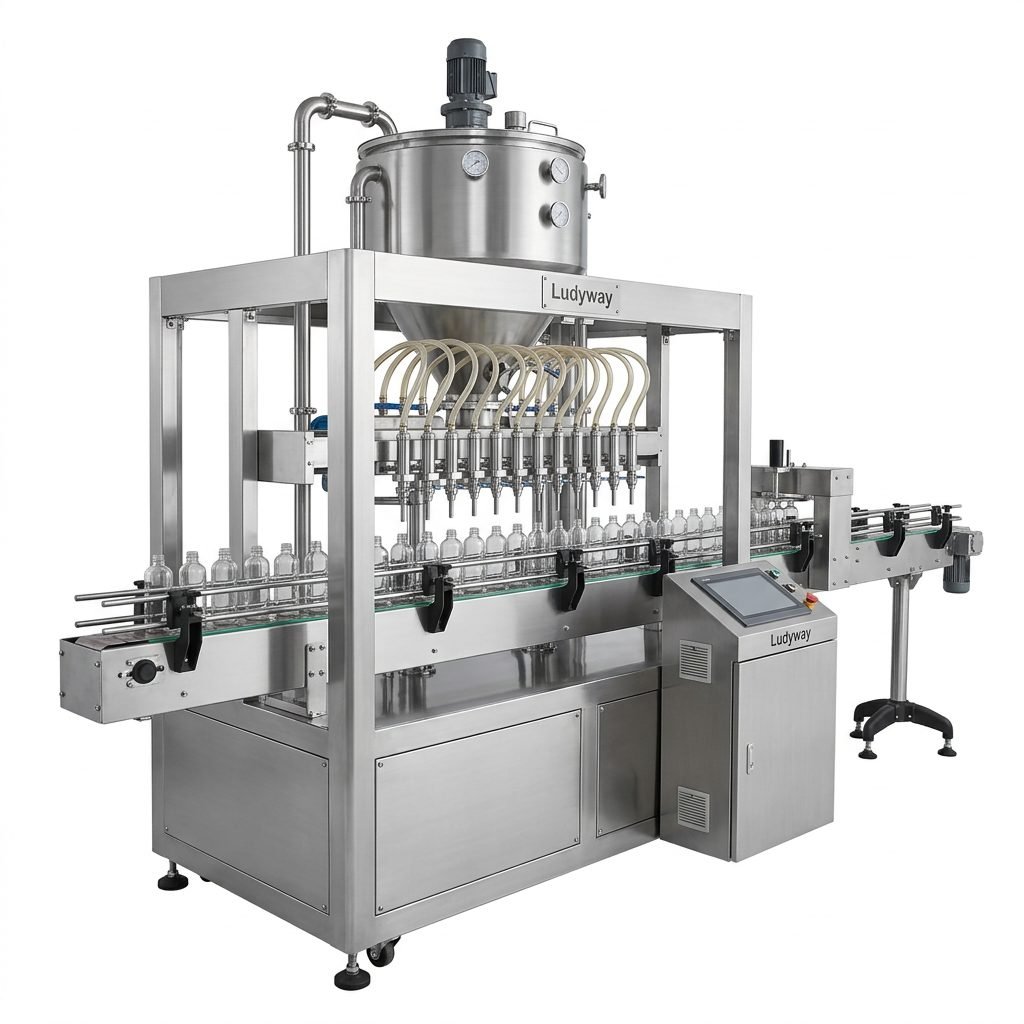
Leveraging Professional Support and OEM Expertise
While in-house maintenance teams can handle most routine and preventive tasks, certain situations warrant professional intervention. Complex electrical faults, PLC programming issues, or major mechanical overhauls often require specialized diagnostic equipment and OEM-trained technicians. Establishing a service agreement with your machine manufacturer ensures priority access to technical support, genuine spare parts, and firmware updates. Ludyway, as one of the leading packaging machine manufacturers, provides comprehensive after-sales support including remote diagnostics, on-site service, and customized maintenance training programs tailored to your specific 15 kg oil tin packing machine configuration and production environment. For broader industry standards on packaging machinery maintenance, consult the ISO packaging standards and the PMMI packaging industry resources for technical guidelines applicable across all packaging equipment categories.
Conclusion: Building a Culture of Preventive Maintenance
Maintaining a 15 kg oil tin packing machine is not merely a technical checklist — it is a strategic operational discipline that safeguards product quality, protects capital investment, and ensures uninterrupted supply to your customers. By implementing the daily, weekly, monthly, quarterly, and annual maintenance procedures outlined in this guide, your facility can achieve significantly higher machine availability, lower total cost of ownership, and consistent compliance with European packaging regulations and international quality standards. Remember that maintenance excellence is a continuous journey — regularly review your procedures, incorporate lessons learned from every incident, and invest in operator training to keep your oil tin packaging line operating at peak performance year after year.