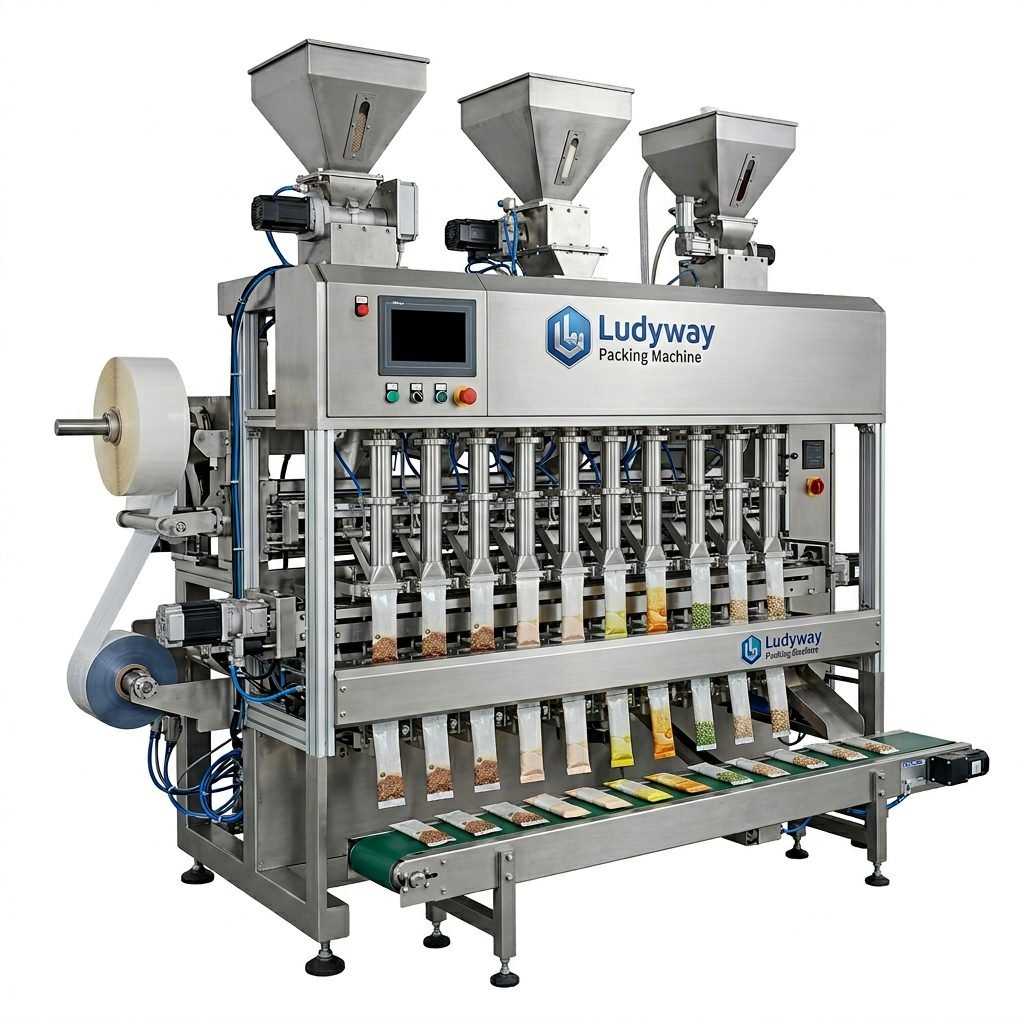
Regular maintenance of your pickle packing machine is critical to ensuring consistent performance, extending equipment lifespan, and meeting food safety regulations. Pickle brine is highly acidic and can accelerate corrosion on metal components, making cleaning and inspection routines even more essential than with standard packaging equipment. A well-maintained machine also reduces unplanned downtime and maintains accurate fill levels, which directly impacts your bottom line.

Daily Cleaning Protocol for Pickle Packaging Equipment
After every production run, residual salt, vinegar, and brine must be thoroughly removed from all product-contact surfaces. Start by flushing the filling nozzles and hoppers with warm water to dissolve salt crystals before they harden. Use food-grade stainless steel cleaners on all exposed metal parts, paying special attention to seams and joints where acidic residue tends to accumulate. Always follow the manufacturer’s recommended cleaning agents—harsh alkaline detergents can damage seals and gaskets over time.
The conveyor system should be wiped down completely, including the underside of belts where brine drips often go unnoticed. A quick daily checklist helps operators stay consistent:
- Flush filling system with warm water immediately after the final batch
- Wipe all stainless steel surfaces with a pH-neutral food-grade cleaner
- Inspect and clean brine splash guards and drip trays
- Check sealing jaws for sticky residue buildup
- Remove and wash any removable hopper components
Weekly Deep Cleaning and Inspection
While daily cleaning handles surface contamination, weekly maintenance targets areas that are harder to reach. Disassemble the filling mechanism according to your equipment maintenance guidelines and soak small parts in a mild citric acid solution to neutralize alkaline residues. Pay special attention to O-rings and silicone seals—these are particularly vulnerable to swelling and degradation from pickle brine exposure.
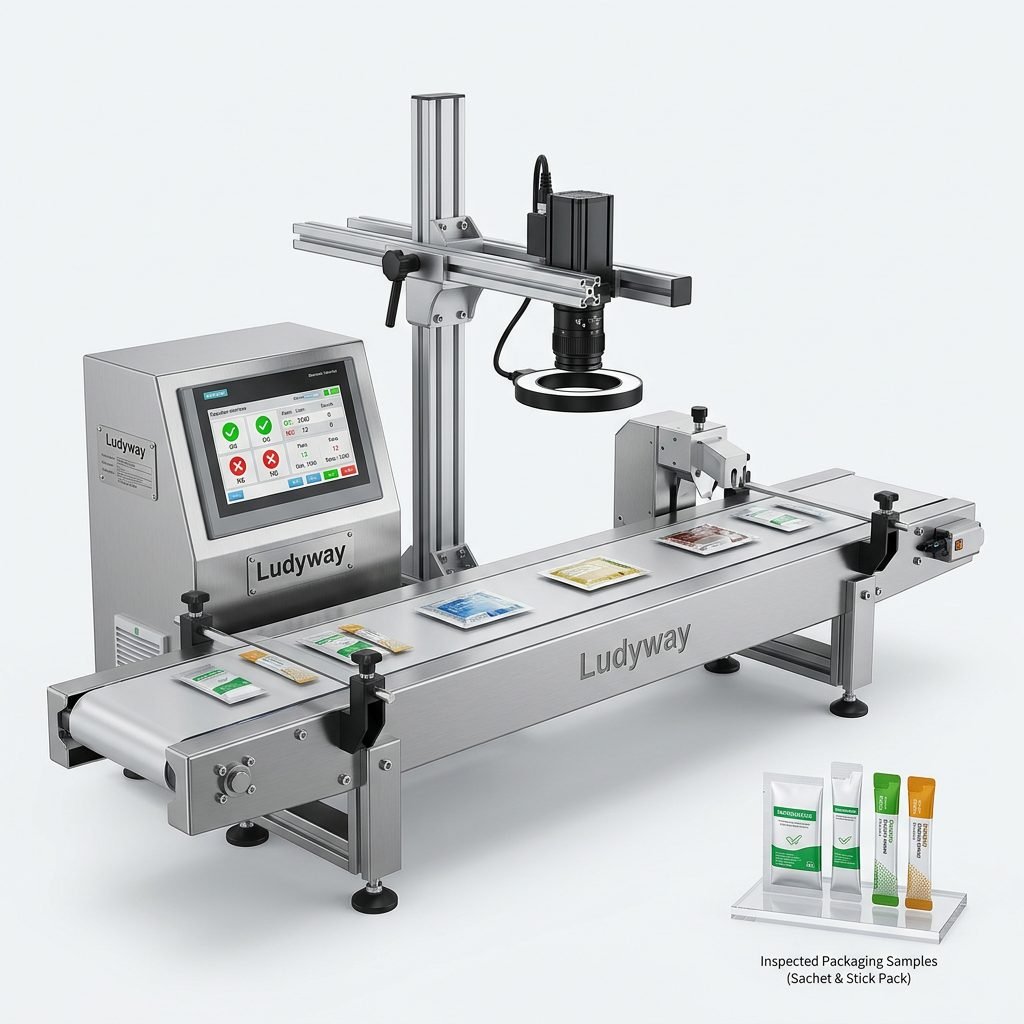
During weekly inspections, look for signs of pitting or discoloration on metal surfaces, especially around welds. Early detection of corrosion prevents costly part replacement later. Also test all emergency stop buttons and safety interlocks to verify they function properly—brine mist can sometimes interfere with electrical contacts.
Monthly Preventative Maintenance Tasks
Monthly maintenance shifts focus to mechanical integrity and calibration. Lubrication is especially important for pickle packing machines because brine exposure can wash away standard greases. Use waterproof, food-grade lubricants on all moving parts, including chain drives, cam mechanisms, and bearing housings. The following table outlines a recommended monthly maintenance schedule:
| Component | Task | Priority |
|---|---|---|
| Filling Pistons | Inspect for scoring; replace if brine damage is found | High |
| Sealing Jaws | Clean and check temperature calibration | High |
| Conveyor Bearings | Regrease with waterproof lubricant | Medium |
| Pneumatic Lines | Check for moisture accumulation; clean filters | Medium |
| Electrical Cabinets | Inspect for brine vapor ingress; verify seals | High |
| Film Rollers | Clean adhesive residue; check alignment | Low |
Lubrication Best Practices for Acidic Environments
Standard lubricants often fail in pickle packaging environments because brine chemically breaks down their protective properties. Select synthetic, acid-resistant greases specifically formulated for food processing equipment. Apply lubricant sparingly—excess grease attracts salt dust and creates abrasive paste that accelerates wear. Key lubrication points include:
- Vertical sealing bar guide rods
- Cam follower bearings on the filling station
- Chain tensioners and sprockets
- Cross-sealing mechanism pivot points
- Film unwinding shaft bearings
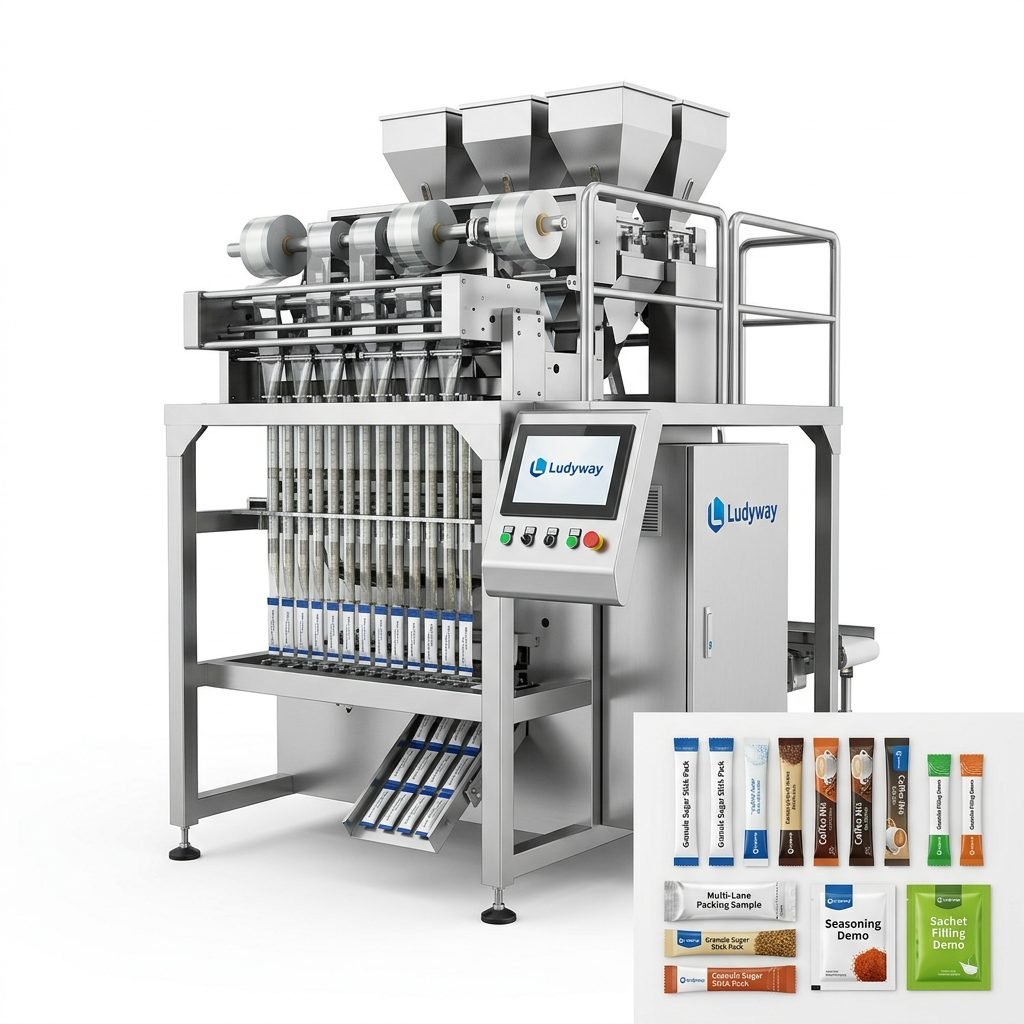
After lubricating, always wipe away any excess from external surfaces. This prevents the grease from migrating onto packaging film, which could compromise seal integrity. Document each lubrication event in your maintenance log to establish reliable service intervals.
Electrical System and Sensor Maintenance
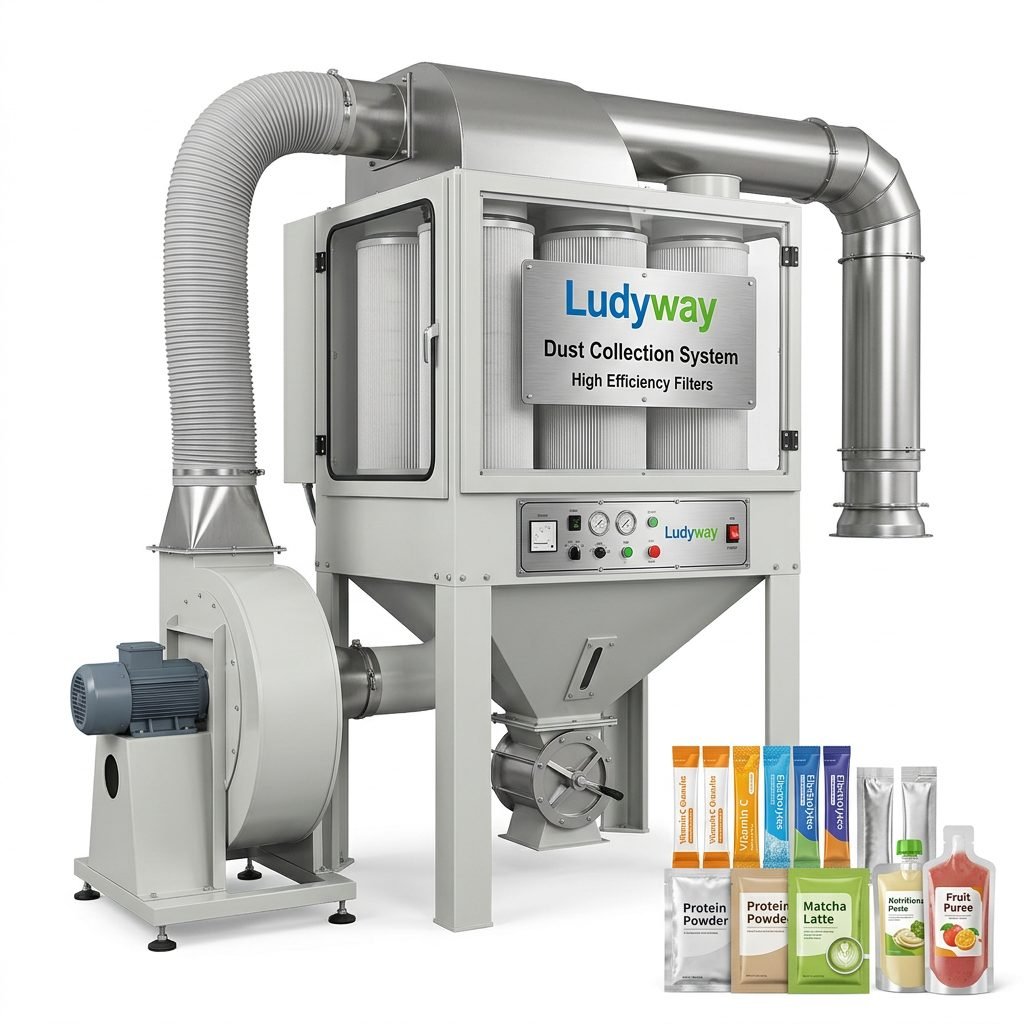
The electrical components of a pickle packing machine face unique challenges due to high humidity and corrosive airborne particles from brine mist. Inspect all electrical enclosures monthly to ensure gaskets form a tight seal. Even a small gap allows salt-laden moisture to enter and corrode terminals and circuit boards. Use dielectric grease on connector pins to provide an additional moisture barrier.
Photoelectric sensors and proximity switches must be kept clean for accurate packaging. A thin film of dried brine on a sensor lens can cause false readings and misfeeds. Clean sensor lenses weekly with a lint-free cloth and isopropyl alcohol. Pay particular attention to the film registration sensor—misalignment here leads to off-center seals and wasted packaging material.
Common Cleaning Mistakes That Damage Equipment
Even experienced operators can inadvertently cause damage during routine cleaning. One of the most frequent errors is using high-pressure water sprays directly on the machine. While this seems efficient, it forces water past seals into bearing housings and electrical enclosures, leading to premature failure. Always use low-pressure water or, ideally, a damp cloth for exterior surfaces.
Another common mistake is allowing cleaning solutions to pool on stainless steel surfaces. Despite its corrosion resistance, stainless steel can develop pitting when exposed to concentrated brine for extended periods. Always rinse thoroughly and dry all surfaces completely after cleaning. Additionally, never use steel wool or abrasive pads—these scratch the protective chromium oxide layer and create sites for corrosion to begin.
Seasonal and Long-Term Storage Maintenance
If your pickle packing line experiences seasonal slowdowns or extended shutdown periods, proper storage preparation is essential. Before any prolonged idle period, perform a complete deep clean and apply a protective food-grade anti-corrosion coating to all exposed metal surfaces. Disconnect pneumatic lines and drain any accumulated moisture from air filters and lubricators. Cover the machine with a breathable fabric cover—plastic sheeting traps humidity and promotes rust.
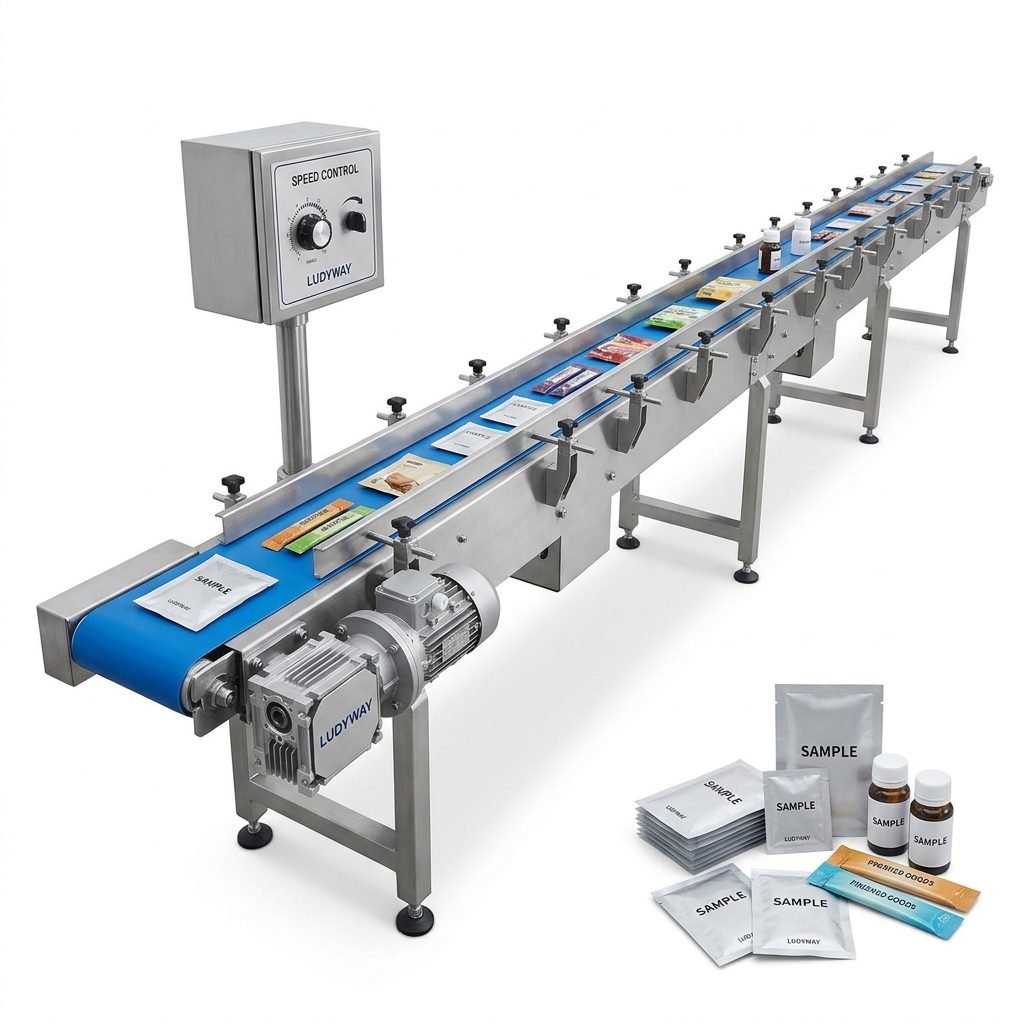
When bringing equipment back online after storage, run a thorough warm-up cycle with test materials before starting full production. Check all temperature controllers, verify seal integrity with peel tests, and confirm that fill weights remain accurate. This structured restart procedure prevents costly product waste and ensures your first production batches meet quality standards.
Building a Maintenance Documentation System
Effective maintenance goes beyond performing tasks—it requires consistent documentation. Maintain a logbook or digital record for each machine that tracks cleaning dates, parts replaced, and any unusual observations. This historical data helps predict component failure patterns and optimize your preventative maintenance schedule. Include the following in your records:
- Date and time of each maintenance session
- Technician name and signature
- Parts inspected, cleaned, or replaced
- Any abnormal findings or measurements
- Lubrication type and quantity applied
- Calibration adjustments made
When to Call Professional Service Support
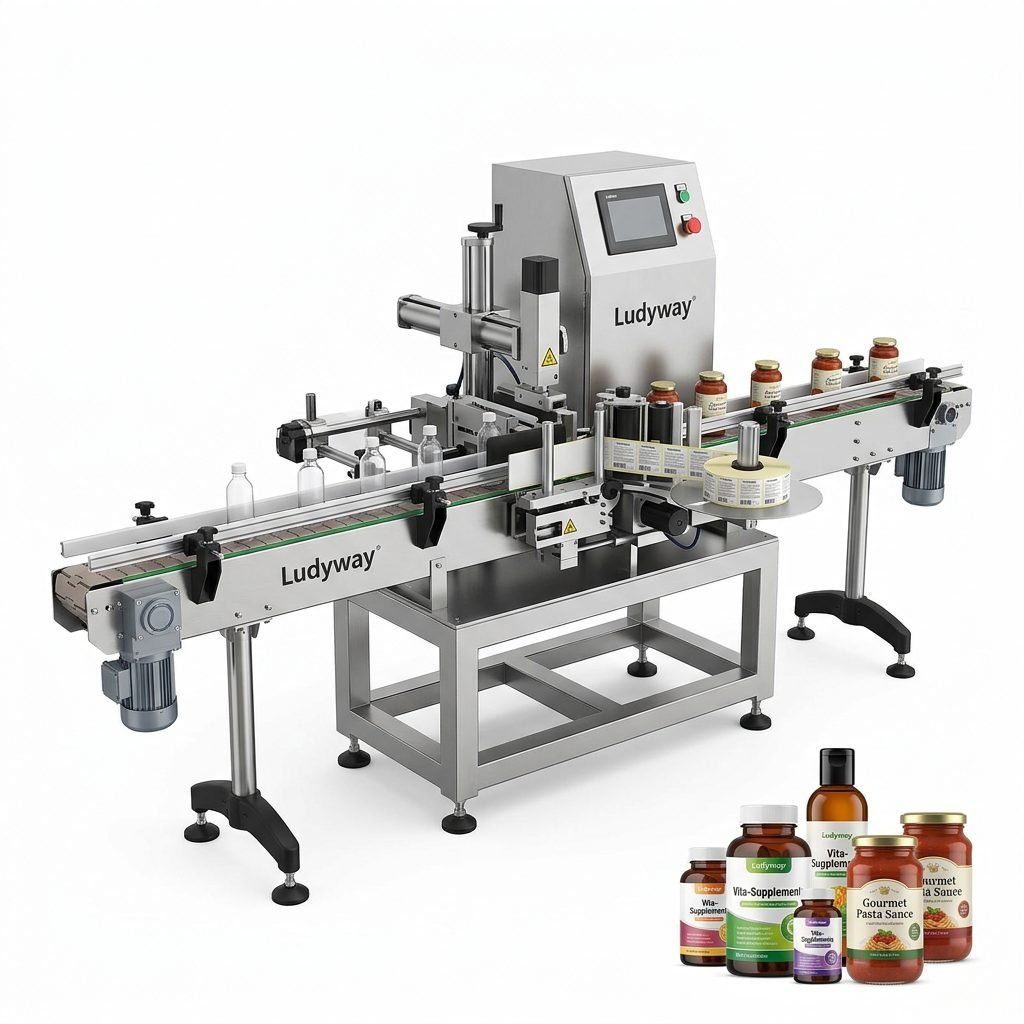
While routine cleaning and inspection can be handled in-house, certain situations warrant professional attention. If you notice persistent seal failures despite proper jaw alignment and temperature settings, the heating element may need replacement. Unusual noises from gearboxes or drive systems also indicate that internal components require expert diagnosis. For comprehensive equipment solutions and reliable machinery designed to withstand demanding food production environments, manufacturers like Ludyway provide specialized packaging equipment and ongoing technical support to keep your lines running efficiently.
Consistent and thorough maintenance of your pickle packing machine directly contributes to higher productivity, fewer production interruptions, and longer equipment life. By following these cleaning protocols and inspection routines, you protect your investment and ensure that every package meets quality standards. For further reading on packaging industry best practices, visit resources such as the PMMI packaging industry resources and stay updated on evolving packaging machinery standards.