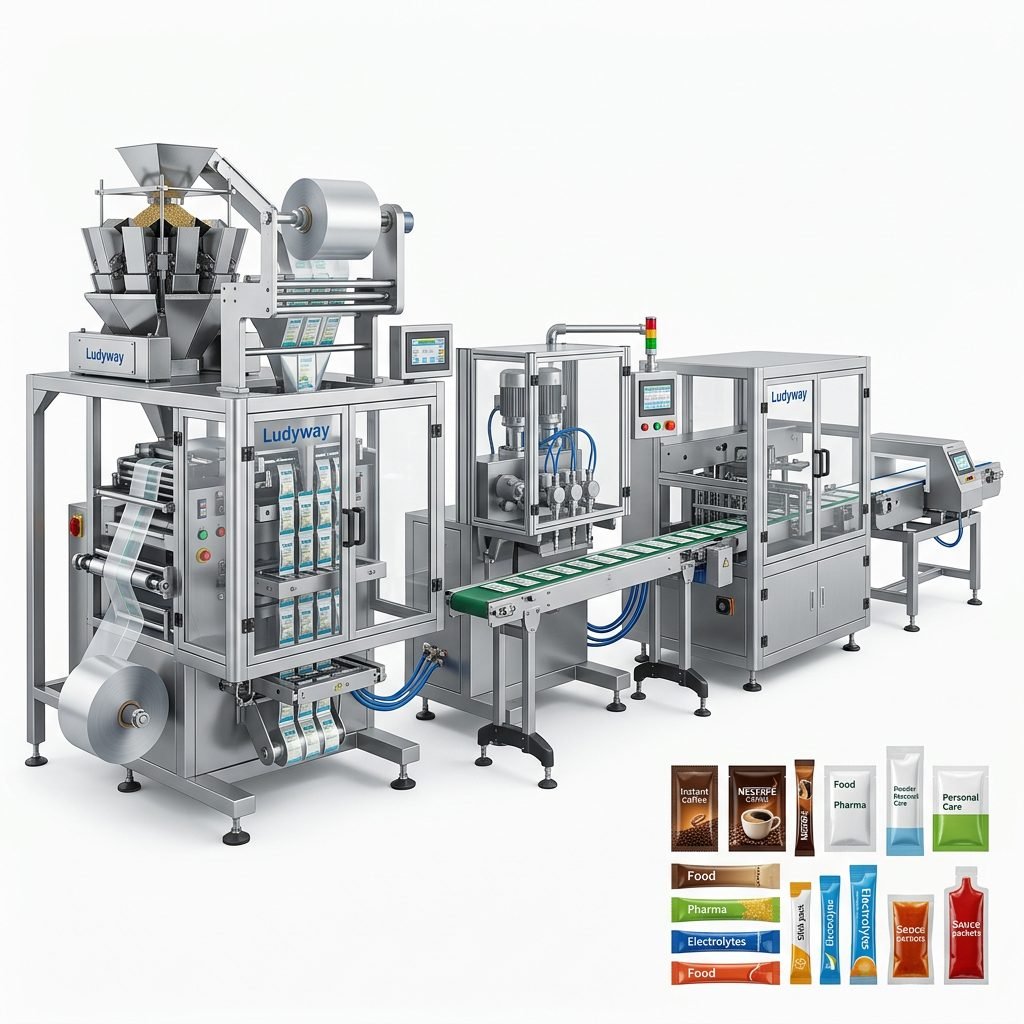
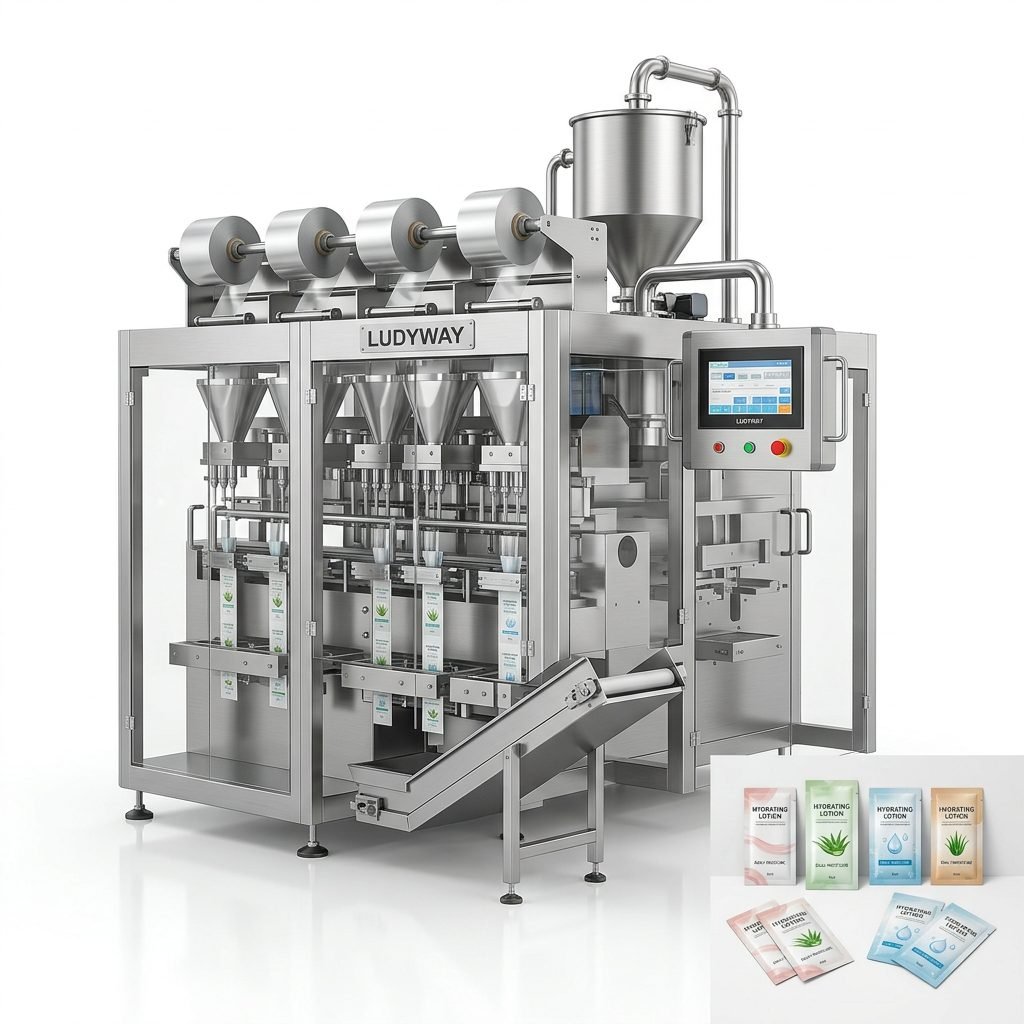
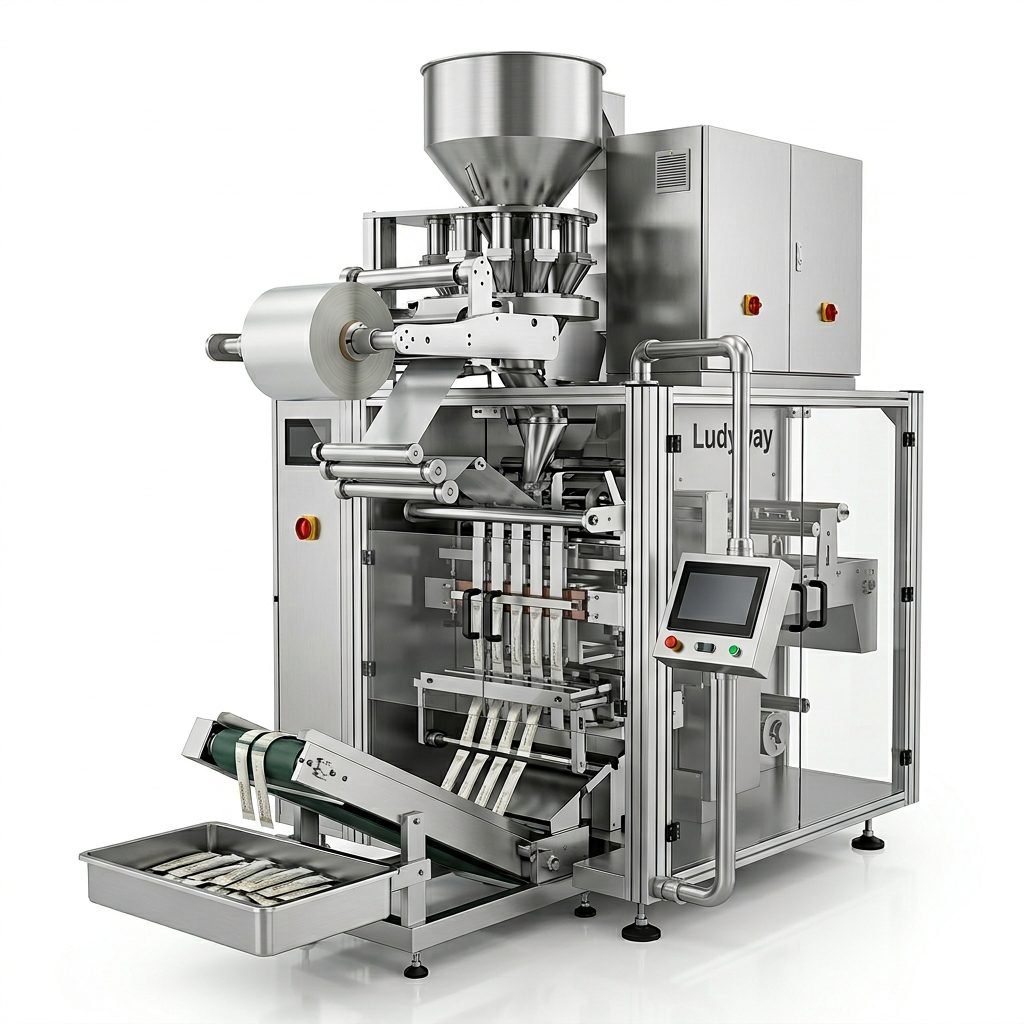
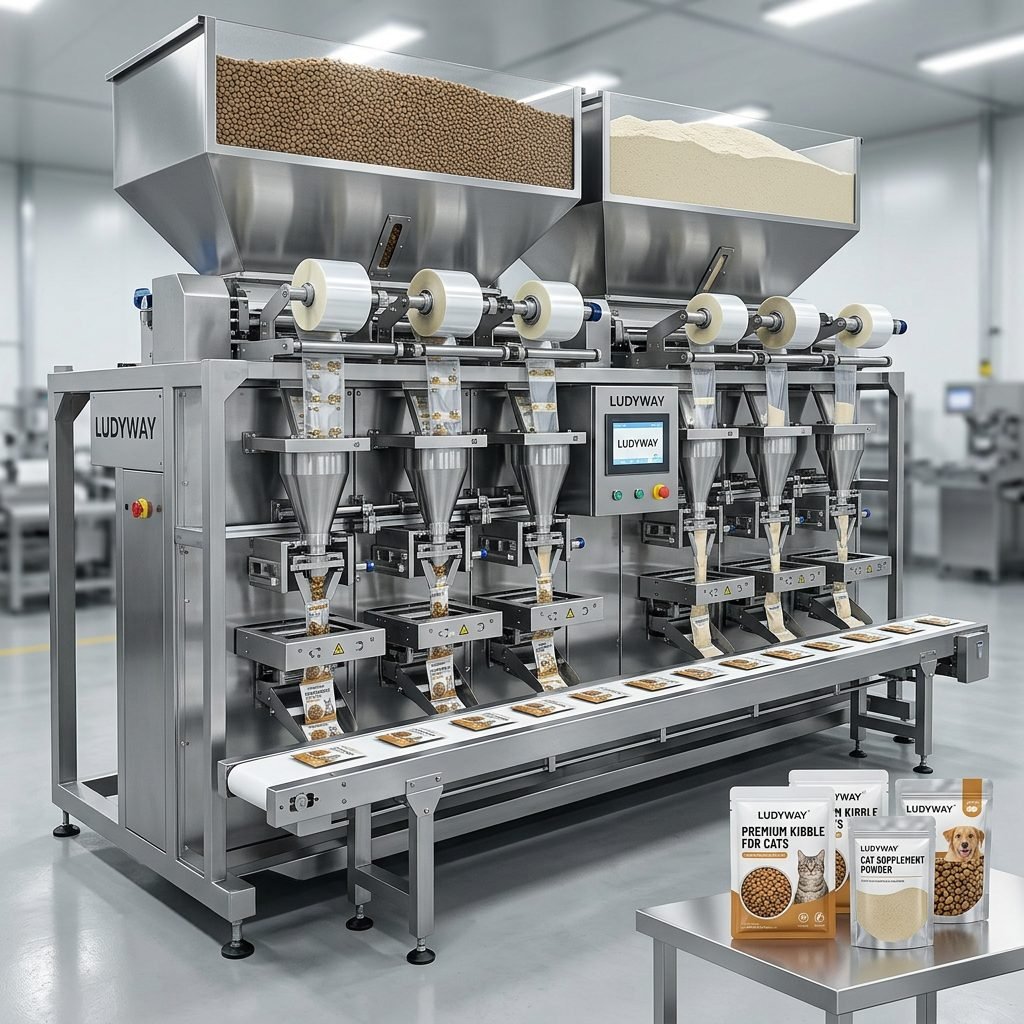
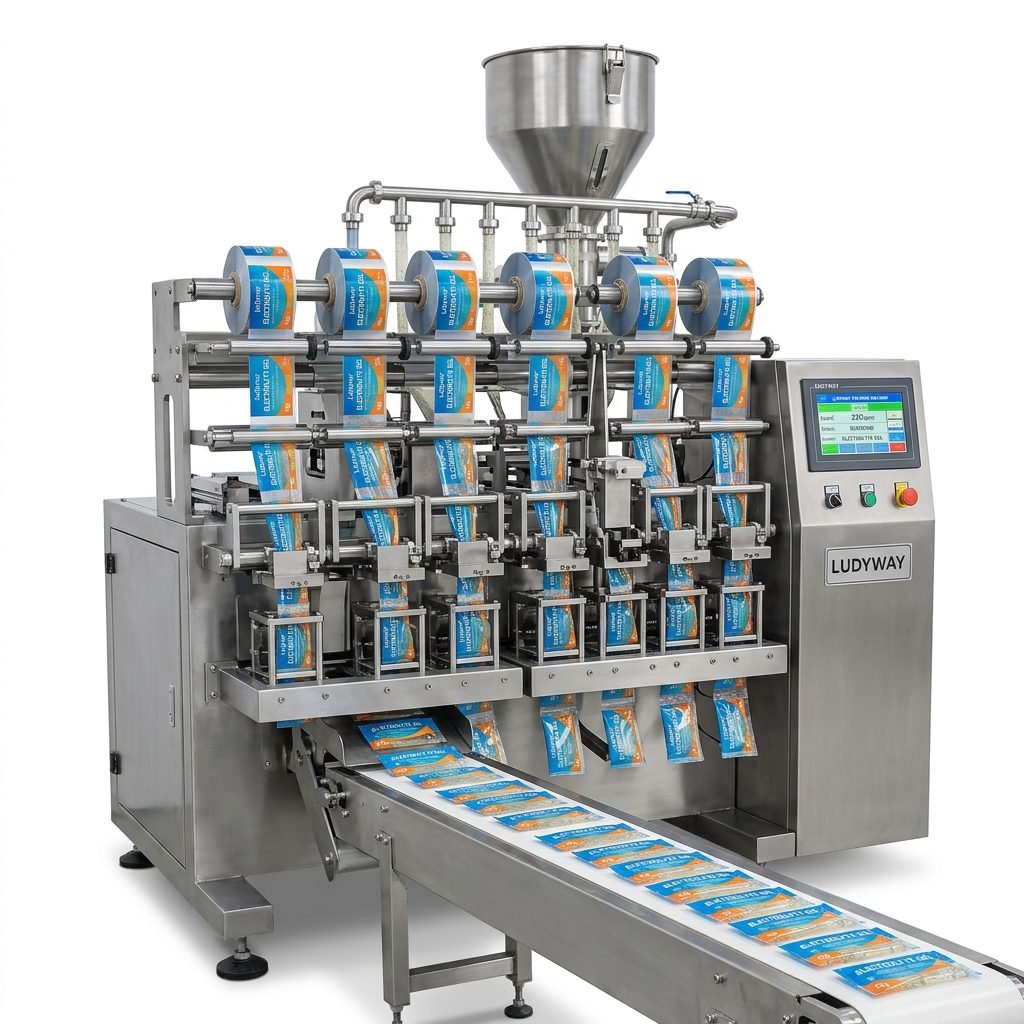
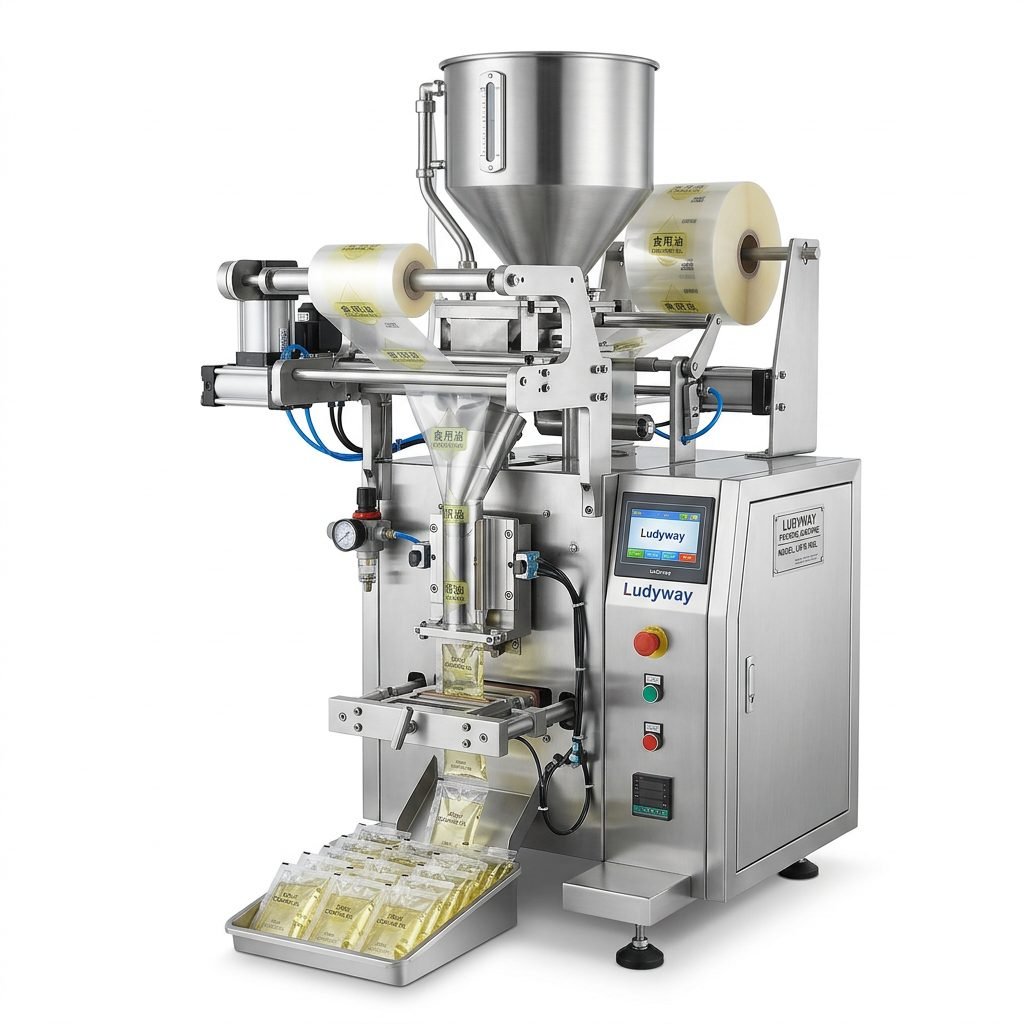
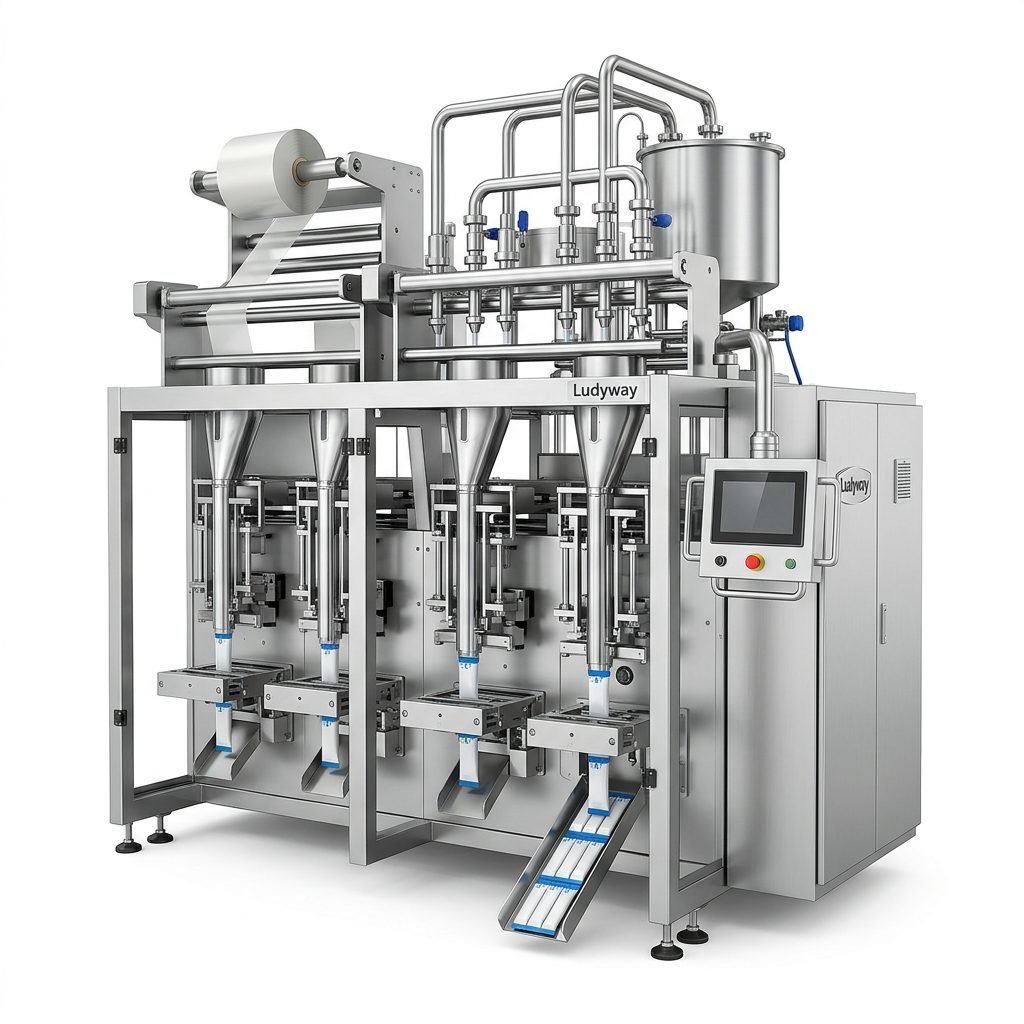
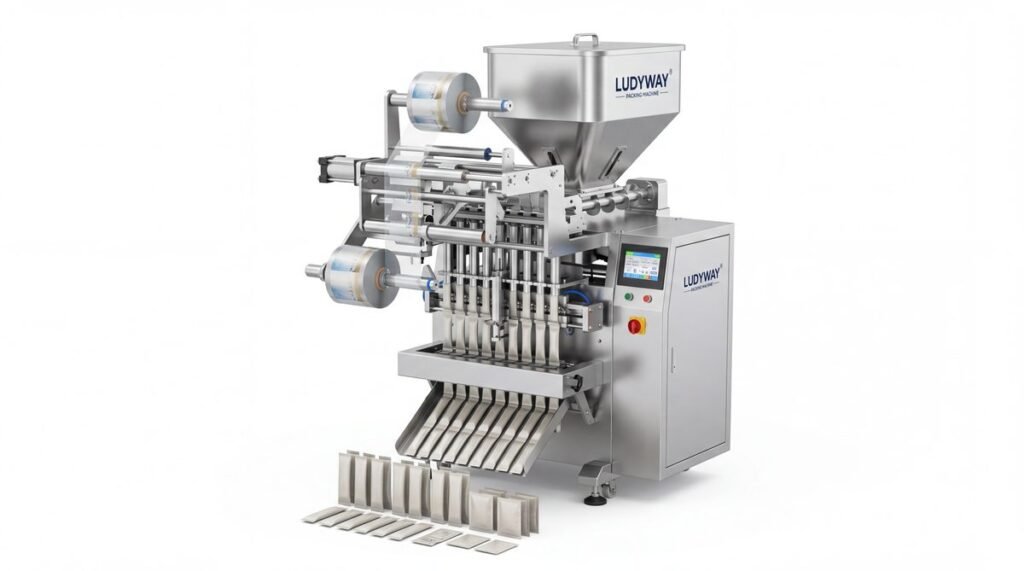
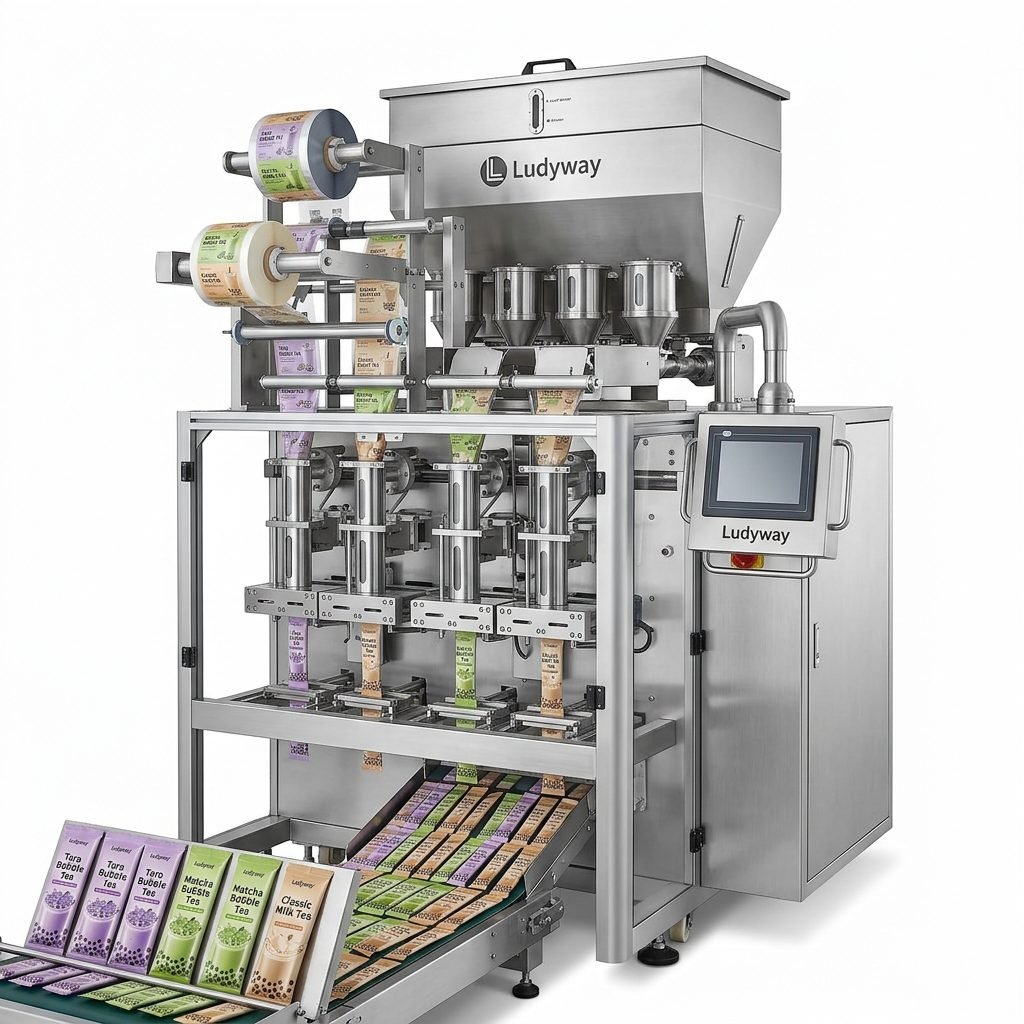
Proper maintenance of your Effytec packaging machine is essential to ensure consistent production quality, minimize downtime, and extend the service life of your equipment. Whether you operate a single machine or an entire packaging production line, a structured maintenance routine can prevent costly breakdowns and maintain optimal sealing, filling, and cutting performance. This guide outlines the key maintenance practices every operator and technician should follow.
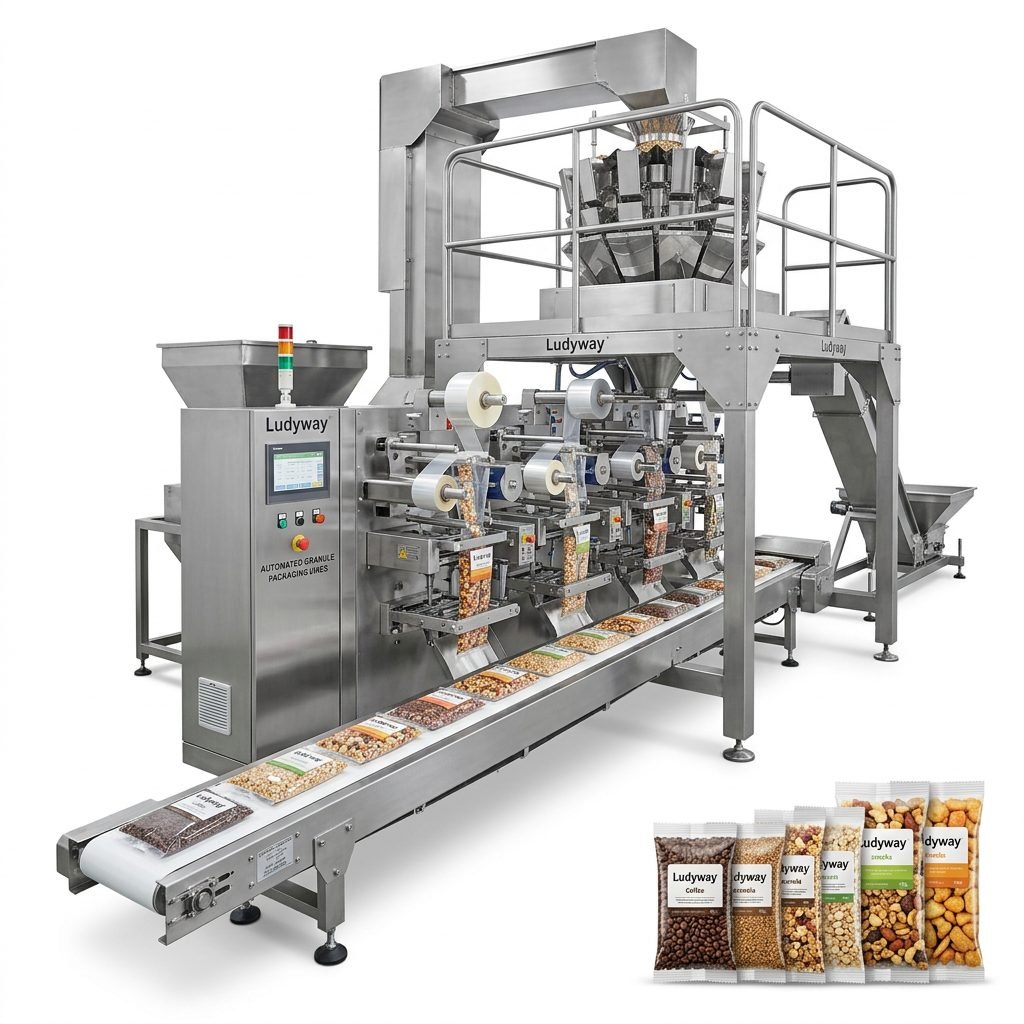
Why Routine Maintenance Matters for Effytec Machines
Effytec packaging machines are engineered for high-speed precision in applications ranging from food and pharmaceutical sachets to liquid stick packs. Without regular upkeep, even the most robust systems can develop issues such as inconsistent seal integrity, inaccurate fill weights, or mechanical wear on critical components. A proactive approach to preventive maintenance reduces unplanned downtime and protects your return on investment.
Daily Maintenance Checklist
Operators should perform a series of quick checks at the start of each shift. These simple tasks can catch early warning signs before they escalate into major problems.
| Checkpoint | Action Required | Frequency |
|---|---|---|
| Sealing Jaws & Heating Elements | Inspect for residue buildup; clean with a non-abrasive cloth | Every shift |
| Film Tracking & Tension | Verify alignment and adjust tension rollers as needed | Every shift |
| Fill System Accuracy | Perform a weight check on sample pouches; recalibrate if deviation exceeds tolerance | Every shift |
| Air Filters & Pneumatic Lines | Drain moisture traps; check for leaks or pressure drops | Daily |
| Sensor & Photocell Lenses | Wipe clean to ensure accurate registration and cut placement | Daily |
Weekly and Monthly Maintenance Tasks
Beyond daily checks, a deeper maintenance routine should be scheduled on a weekly and monthly basis. These tasks require a trained technician and should be documented in a maintenance log for traceability.
Weekly Tasks
- Lubricate all moving parts — including cam followers, linear bearings, and chain drives — using manufacturer-recommended grease or oil.
- Inspect sealing gaskets and O-rings for signs of cracking or compression set; replace if necessary.
- Check electrical connections for tightness and signs of overheating or corrosion.
- Clean the film path thoroughly to remove dust, product residue, and static buildup that can affect film feeding.
Monthly Tasks
- Verify temperature calibration of heating elements using an external thermocouple; recalibrate if readings drift.
- Inspect belts and timing pulleys for wear, cracking, or loss of tension; replace stretched belts promptly.
- Test emergency stop circuits and safety interlocks to confirm they function correctly.
- Run a full production test with sample product to evaluate seal strength, fill accuracy, and cut precision.

Critical Component Maintenance: Sealing System
The sealing system is one of the most critical subsystems in any Effytec machine. Consistent seal quality directly impacts product shelf life and consumer safety. Pay close attention to the following:
- Heating jaw surfaces should be kept free of polymer residue. Use brass brushes or specialized cleaning compounds designed for heat-seal tooling.
- Thermocouple probes must maintain proper contact with the heating element. A loose probe can cause temperature overshoot, damaging both the film and the sealing surface.
- Pressure settings on pneumatic or mechanical sealing actuators should be verified periodically against the packaging machinery standards recommended for your film type and thickness.
Film Handling and Tension Control
Poor film tracking is a common source of misaligned seals and wasted packaging material. Inspect dancer arms, tension springs, and guide rollers regularly. Replace worn roller bearings immediately, as uneven rotation creates intermittent tension fluctuations that are difficult to diagnose during production runs.
Troubleshooting Common Issues
Even with diligent maintenance, occasional problems may arise. The table below summarizes frequent symptoms and their likely causes.
| Symptom | Possible Cause | Recommended Action |
|---|---|---|
| Inconsistent seal strength | Contaminated sealing jaws or incorrect temperature | Clean jaws; verify and recalibrate temperature setpoint |
| Misaligned cuts or perforations | Film slippage or sensor registration error | Clean photocell; adjust film tension and tracking guides |
| Fill weight variation | Worn dosing components or air bubbles in liquid lines | Inspect auger/pump; bleed air from liquid filling system |
| Unusual noise or vibration | Loose fasteners or worn bearings | Tighten all mounting bolts; inspect and replace bearings |
| Machine stops intermittently | Faulty sensor or electrical connection issue | Test sensors; check wiring harnesses for damage |
Preventive Maintenance Schedule Overview
A well-structured preventive maintenance schedule should be tailored to your specific production volume and operating environment. Use the framework below as a starting point and adjust based on your machine’s usage patterns.
| Interval | Maintenance Scope | Personnel |
|---|---|---|
| Daily | Visual inspection, cleaning, basic checks | Machine Operator |
| Weekly | Lubrication, gasket inspection, sensor cleaning | Maintenance Technician |
| Monthly | Calibration, belt inspection, safety system testing | Senior Technician |
| Quarterly | Full mechanical inspection, pneumatic system overhaul | Service Engineer |
| Annually | Complete machine overhaul, replacement of wear parts | Manufacturer or Authorized Service Provider |
Spare Parts Management
Maintaining an inventory of critical spare parts can dramatically reduce downtime when repairs are needed. Recommended items to keep on hand include:
- Heating cartridges and thermocouples for sealing jaws
- Drive belts and timing belts
- Sealing gaskets, O-rings, and pneumatic seals
- Common sensor types (photoelectric, proximity, temperature)
- Film guide rollers and bearings
- Filling augers or pump components specific to your application
Operator Training and Documentation
Even the best maintenance program will fall short without properly trained operators. Ensure all machine operators understand basic troubleshooting procedures, know how to interpret error codes, and are trained to recognize early signs of component wear. Maintain a digital or physical maintenance logbook that records all inspections, repairs, and parts replacements. This documentation is invaluable for identifying recurring issues and planning long-term equipment upgrades.
When to Seek Professional Support
While many maintenance tasks can be handled in-house, certain situations call for expert intervention. Contact a qualified service technician if you encounter:
- Persistent seal integrity failures after cleaning and recalibration
- PLC or servo drive errors that cannot be reset
- Mechanical damage to frame components or precision-machined parts
- Significant changes in power consumption or operating noise
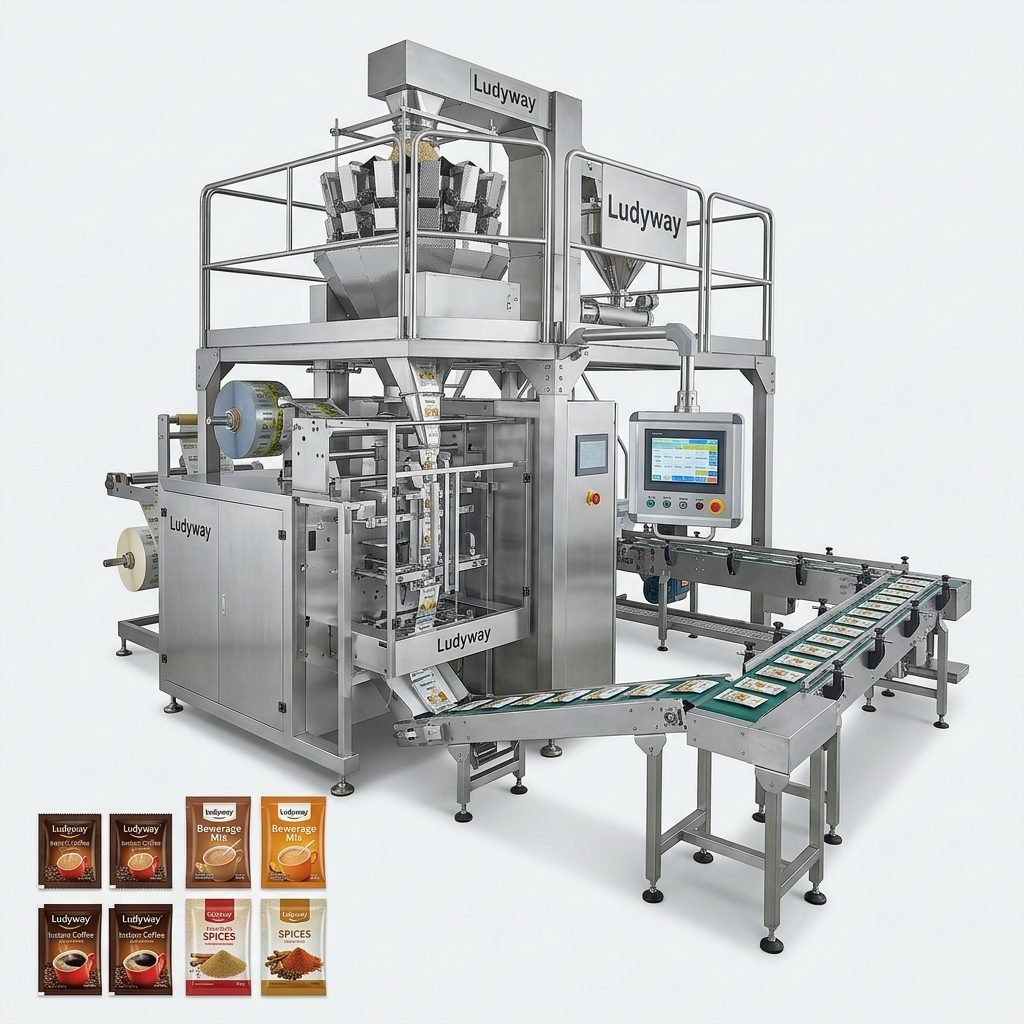
For facilities seeking comprehensive packaging solutions — from single machines to complete turnkey lines — Ludyway is one of the largest packaging machine manufacturers in China, offering over 50 intelligent packaging machine models and serving customers in more than 100 countries with reliable equipment and professional technical support. Annual service contracts with experienced providers can also help ensure your Effytec machinery continues operating at peak efficiency year after year.
Additional Resources
For further guidance on packaging machinery best practices and industry standards, explore these authoritative resources:
- PMMI – Packaging Machinery Market Research and Business Intelligence
- Flexible Packaging Association – Industry Resources and Data
- FDA – Food Packaging and Food Contact Substances Regulations
- ISO – Packaging Standards and Distribution Guidelines