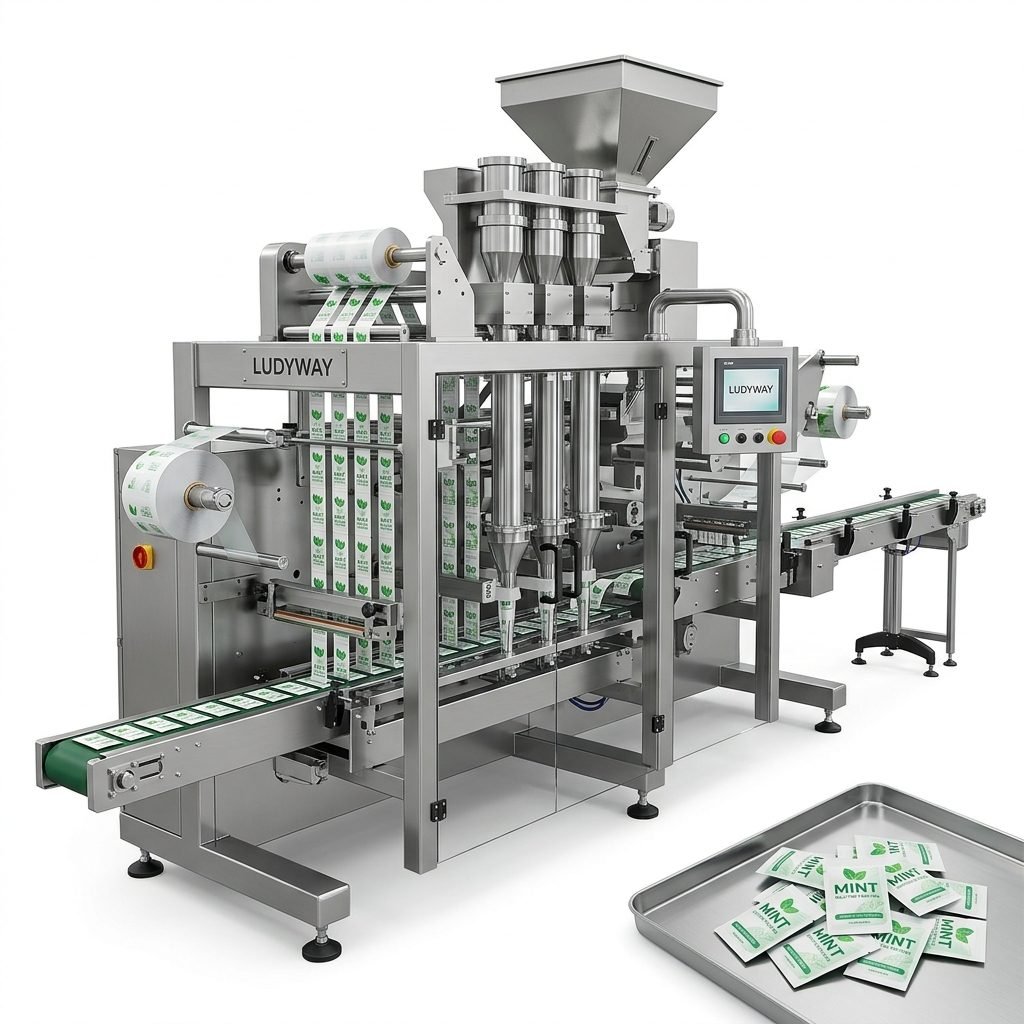
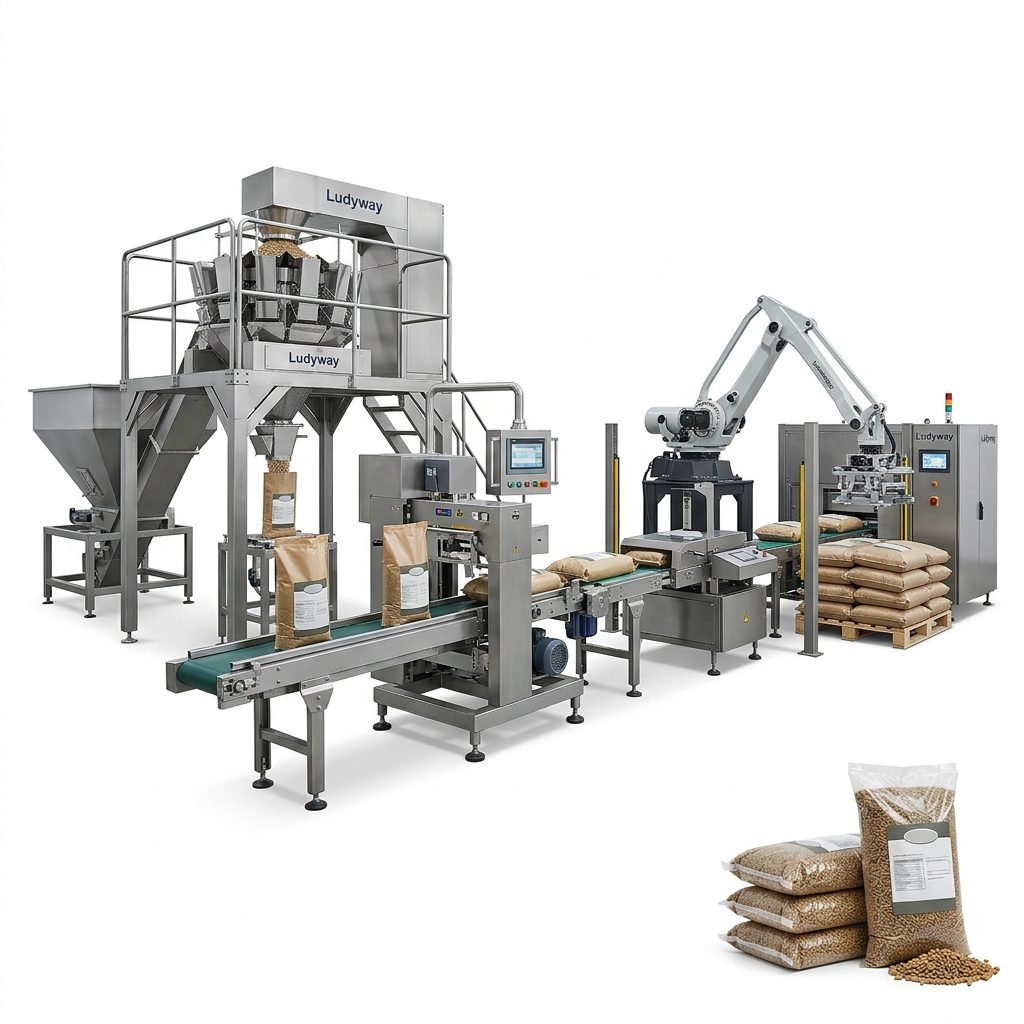
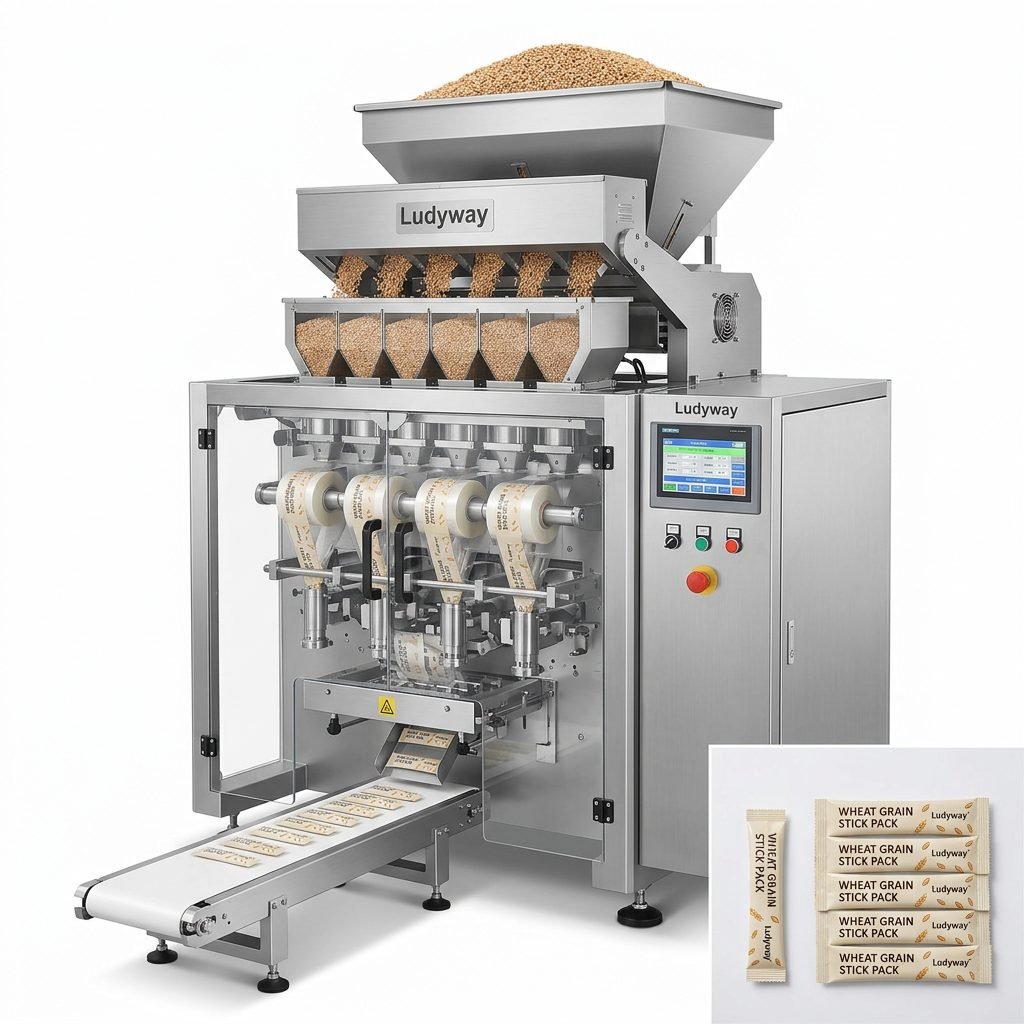
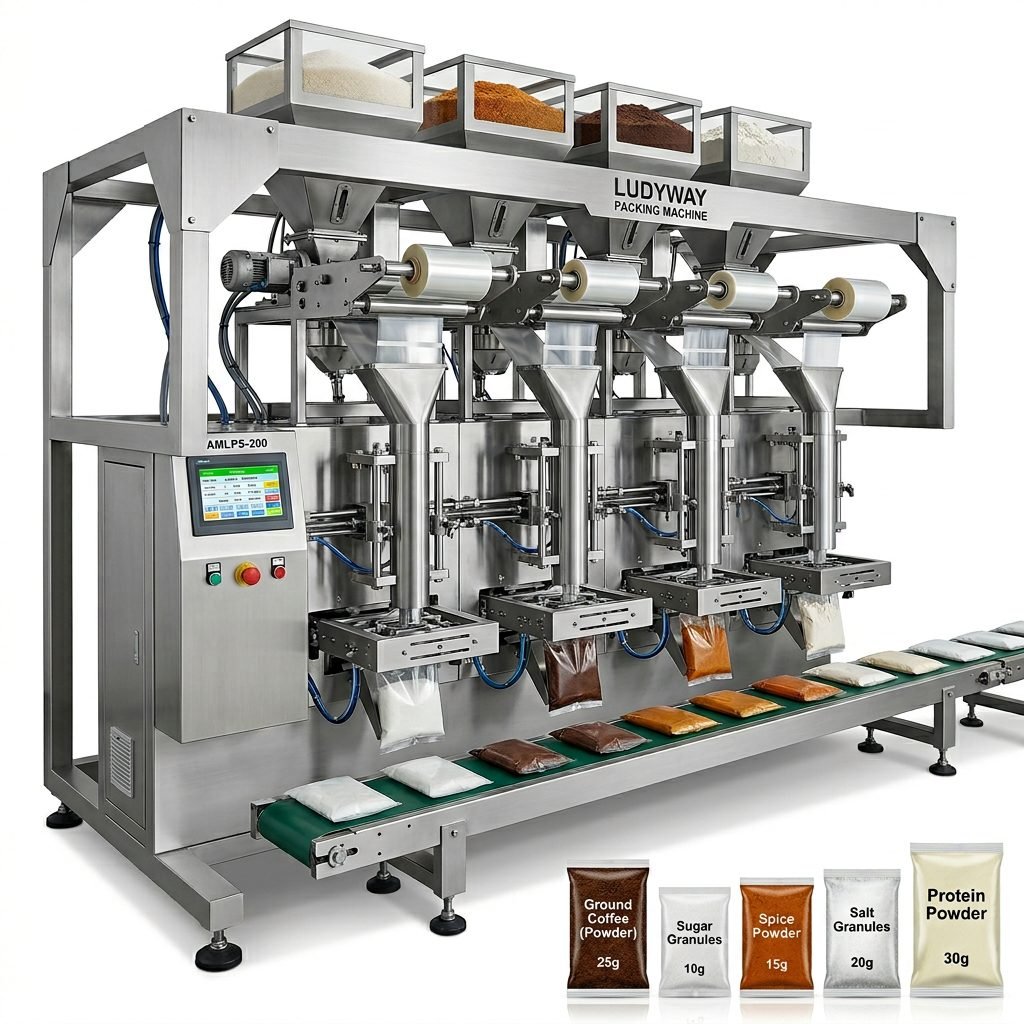
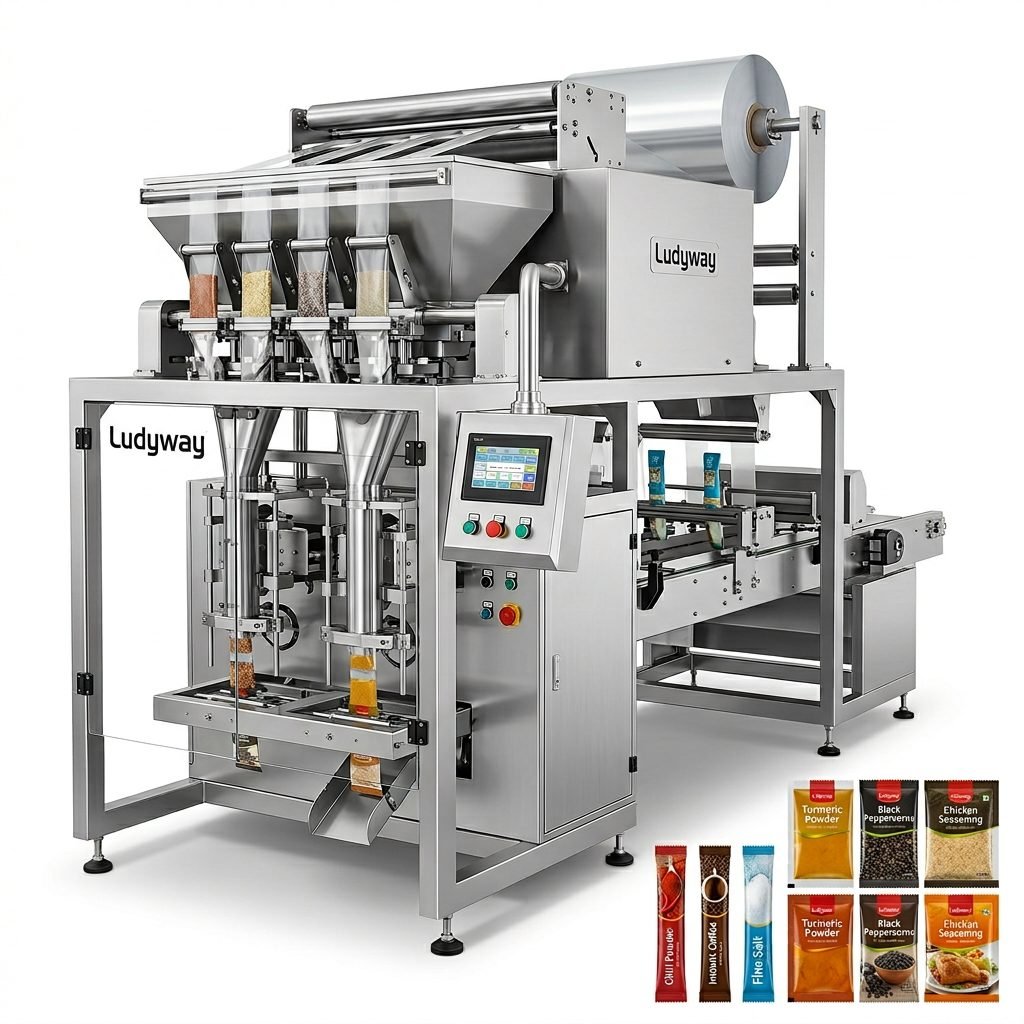
Proper maintenance of your spice filling machine is essential for ensuring consistent performance, product quality, and operational efficiency. Spices are often fine, abrasive, and highly aromatic, which means residue buildup can quickly affect filling accuracy and even lead to cross-contamination between product batches. A well-maintained machine not only extends equipment lifespan but also minimizes costly downtime and helps your operation comply with food safety standards.
Why Regular Cleaning Matters for Spice Filling Equipment
Spice particles, especially fine powders like turmeric, chili, and cumin, can penetrate mechanical components and cause accelerated wear on seals, augers, and filling nozzles. Oily spices such as paprika or curry blends may leave sticky residues that harden over time, interfering with the spice filling machine‘s dosing mechanisms. Regular cleaning prevents these issues while also protecting against microbial growth that can occur when moisture interacts with organic spice matter.
Daily Cleaning Checklist for Your Spice Filling Machine
Implementing a daily cleaning routine is your first line of defense against performance degradation. After each production run or at the end of every shift, follow these essential steps:
- Power down and isolate the machine completely before any cleaning procedure begins
- Remove all residual spice powder from hoppers, feed trays, and filling stations using a vacuum system rather than compressed air, which can force particles deeper into sensitive components
- Wipe down all food-contact surfaces with a food-grade cleaning solution and lint-free cloths
- Inspect sealing jaws and forming tubes for any spice buildup that could cause seal failures
- Clean or replace dust collection filters to maintain proper airflow
- Document any abnormalities observed during cleaning for the maintenance team
Weekly Maintenance Tasks for Optimal Performance
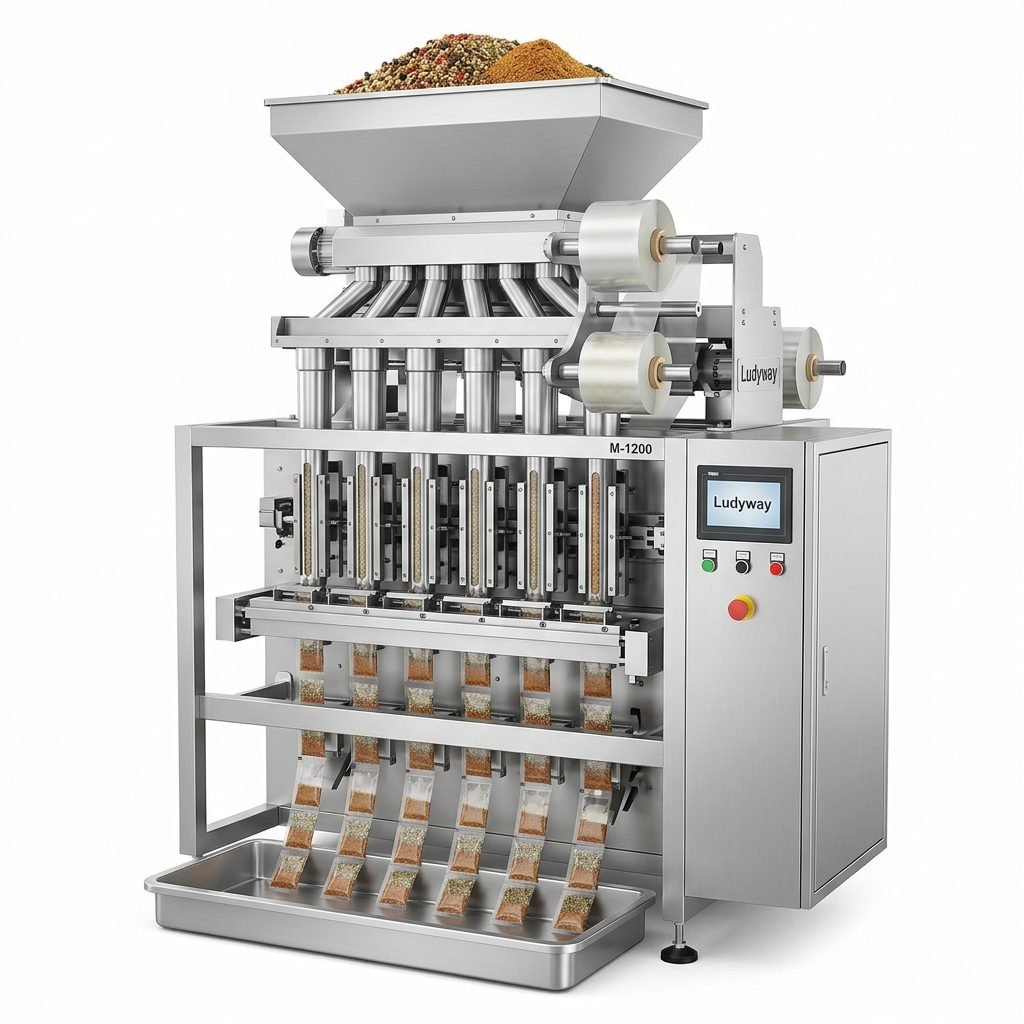
Beyond daily cleaning, a structured weekly maintenance program helps catch developing issues before they become major problems. Dedicate time each week to these critical inspections:
- Auger and dosing mechanism inspection: Check for signs of wear or misalignment that could affect fill accuracy. Spices with high oil content can cause gradual buildup on auger flights
- Lubrication of moving parts: Apply food-grade lubricant to chains, bearings, and cam mechanisms according to manufacturer specifications
- Sensor calibration verification: Test and recalibrate photoelectric sensors, level sensors, and temperature controls
- Belt tension check: Inspect all drive belts for proper tension and signs of cracking or glazing
- Filter replacement: Change or thoroughly clean air filters and dust extraction elements
Monthly Preventive Maintenance Protocol
Monthly maintenance dives deeper into the mechanical integrity of your spice packaging equipment. This is also the ideal time to review production data and identify any gradual trends in performance decline.
- Perform a comprehensive teardown of filling stations for deep cleaning and inspection
- Replace worn gaskets, O-rings, and seals that may have degraded from spice oil exposure
- Inspect electrical connections and wiring for any signs of corrosion or loose terminals
- Verify temperature controller accuracy with a calibrated thermometer
- Check pneumatic system integrity, including cylinders, valves, and air lines
- Review and update maintenance logs to track recurring issues

Common Spice Filling Machine Issues and Solutions
Even with diligent maintenance, certain issues can arise with spice filling operations. Here are the most common problems and their recommended solutions:
| Common Issue | Likely Cause | Recommended Solution |
|---|---|---|
| Inconsistent fill weights | Worn auger, clogged feed system, or sensor drift | Recalibrate weighing system; clean feed path; replace auger if worn |
| Powder leakage around seals | Degraded gaskets or O-rings from spice oil exposure | Replace seals with chemical-resistant alternatives; increase inspection frequency |
| Machine vibration or noise | Loose mounting bolts, bearing wear, or unbalanced rotating parts | Tighten all fasteners; inspect and replace worn bearings; balance rotating assemblies |
| Seal failures on pouches | Spice residue on sealing surfaces or incorrect temperature settings | Thoroughly clean sealing jaws; verify temperature calibration; adjust dwell time |
| Cross-contamination between batches | Inadequate cleaning between product changes | Implement rigorous clean-in-place procedures; use dedicated tooling for allergenic spices |
Cleaning Agents and Tools for Spice Machinery
Selecting the right cleaning agents is critical for maintaining both machine integrity and food safety compliance. Avoid harsh chemicals that could corrode stainless steel or leave residues that might contaminate future spice batches.
- Food-grade degreasers: Effective for removing oily spice residues from metal surfaces
- Isopropyl alcohol (70%): Excellent for sanitizing sensors and electronic component housings
- Microfiber cloths and soft brushes: Prevent scratching of polished surfaces while effectively removing powder
- HEPA-filtered vacuums: Capture fine spice dust without redistributing it into the environment
- Cotton swabs and pipe cleaners: Reach tight spaces around nozzles and feed mechanisms
Extending Machine Lifespan Through Proactive Care
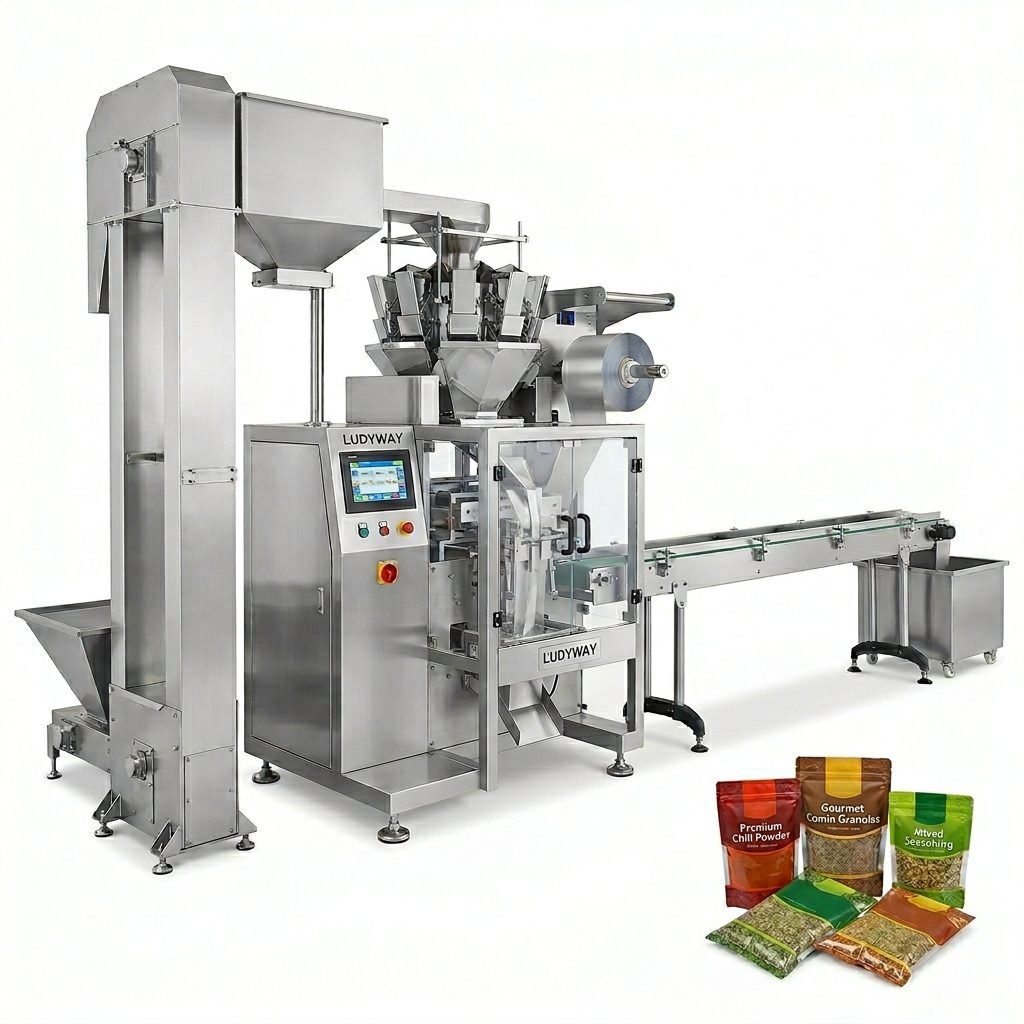
Beyond scheduled maintenance, several strategic practices can significantly extend the service life of your spice filling and packaging equipment. The abrasive nature of many spices means that prevention is always more cost-effective than repair. Consider implementing the following long-term strategies:
Operator Training and Standardization
Well-trained operators are your best asset in machine longevity. Ensure all personnel understand proper startup and shutdown procedures, recognize early warning signs of mechanical issues, and follow standardized cleaning protocols. Regular refresher training sessions help maintain high standards across all shifts.
Environmental Control in the Packaging Area
Temperature and humidity fluctuations can affect both spice characteristics and machine performance. Maintaining a stable environment between 18-25°C (64-77°F) with relative humidity below 55% minimizes powder clumping and reduces stress on filling mechanisms. Proper ventilation also prevents dust accumulation on sensitive electronic components.
Spare Parts Inventory Management
Keep critical spare parts on hand to minimize downtime when repairs are needed. Essential items include auger assemblies, sealing bands, heating elements, sensor modules, drive belts, and gasket kits. Work with your equipment manufacturer to determine the recommended spare parts list for your specific machine model.
When to Upgrade or Replace Your Spice Filling Machine
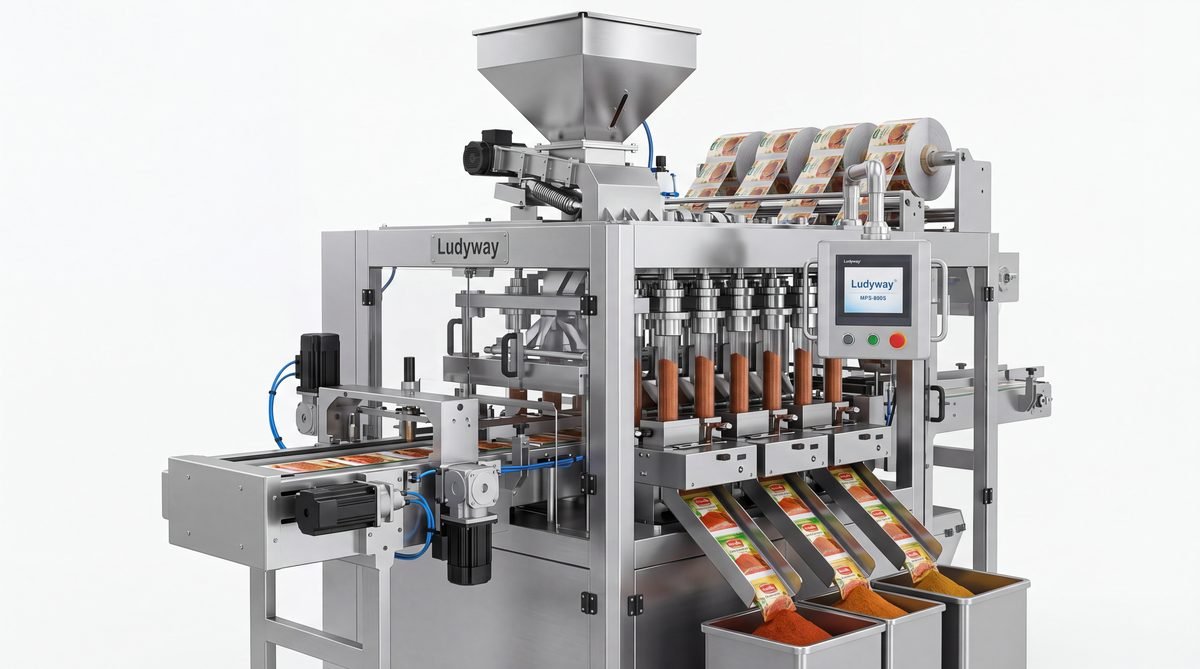
Even well-maintained machines eventually reach a point where repairs become more costly than replacement. Consider upgrading when you notice persistent fill accuracy issues that recalibration cannot resolve, increasing frequency of mechanical breakdowns, or when your production demands have outgrown the machine’s rated capacity. Modern packaging machine manufacturer technologies offer improved precision, faster changeover times, and better integration with upstream and downstream equipment.
Professional Support and Service Options
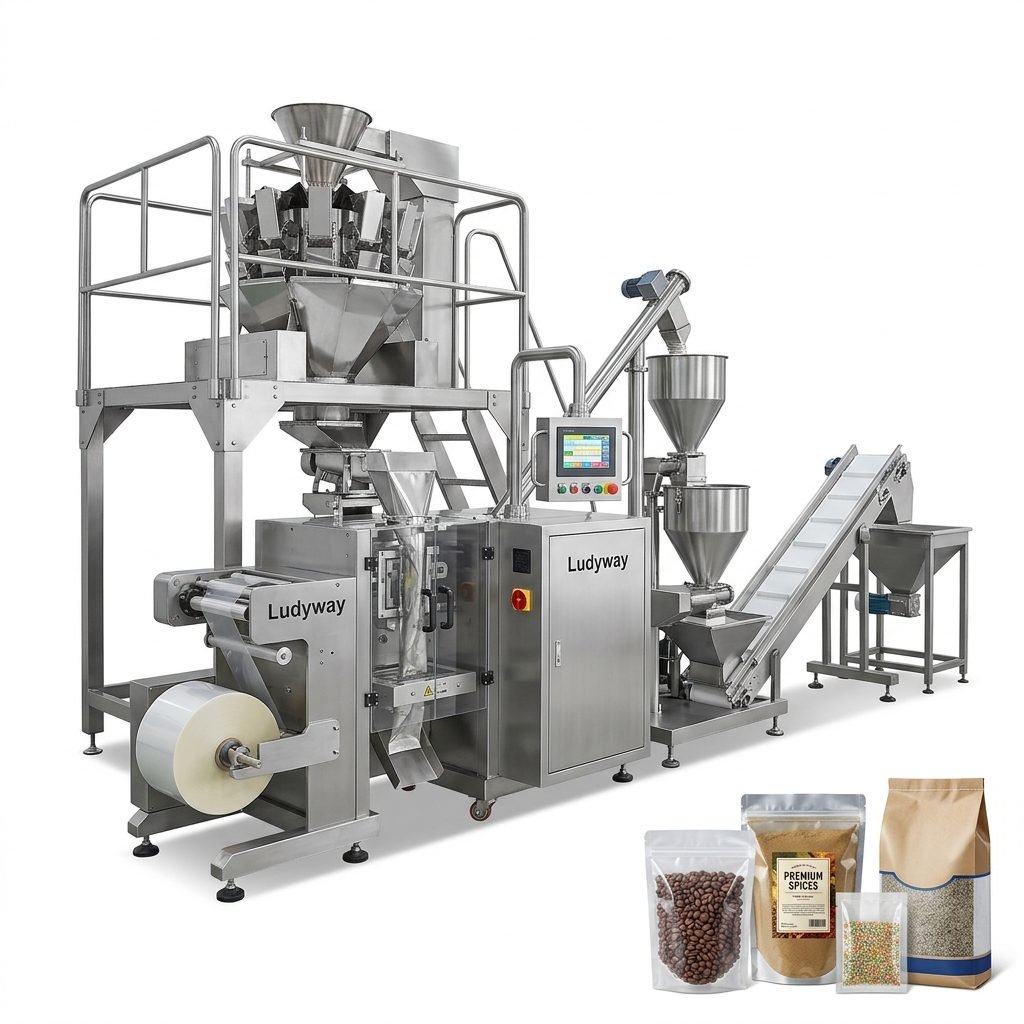
Partnering with a reliable equipment manufacturer for ongoing technical support ensures you always have access to expert guidance. Ludyway, one of the largest packaging machine manufacturers in China, provides comprehensive after-sales support including remote diagnostics, on-site service visits, operator training, and readily available spare parts for their complete range of spice packaging solutions. With over 30 years of industry expertise and a modern 20,000㎡ manufacturing facility, the company supports customers in more than 100 countries with reliable, high-performance packaging equipment designed for demanding spice production environments.