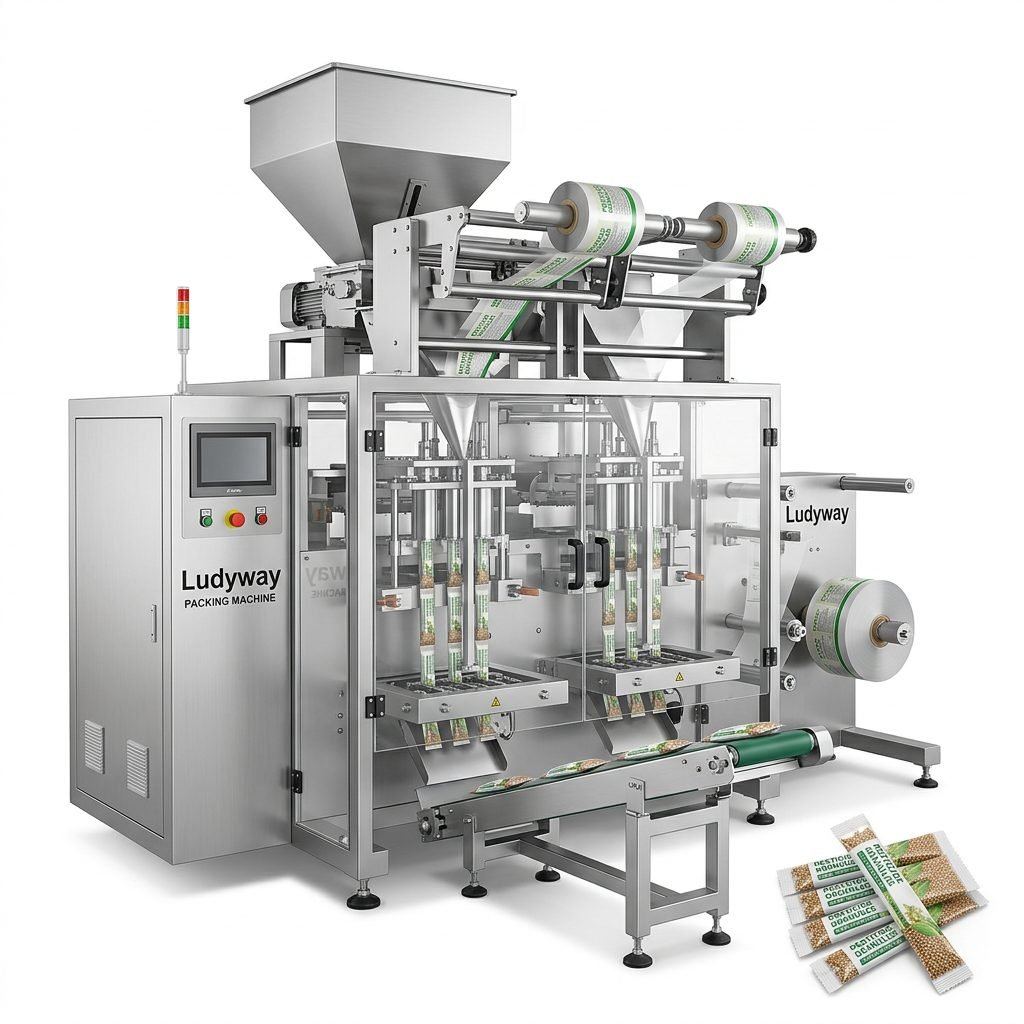
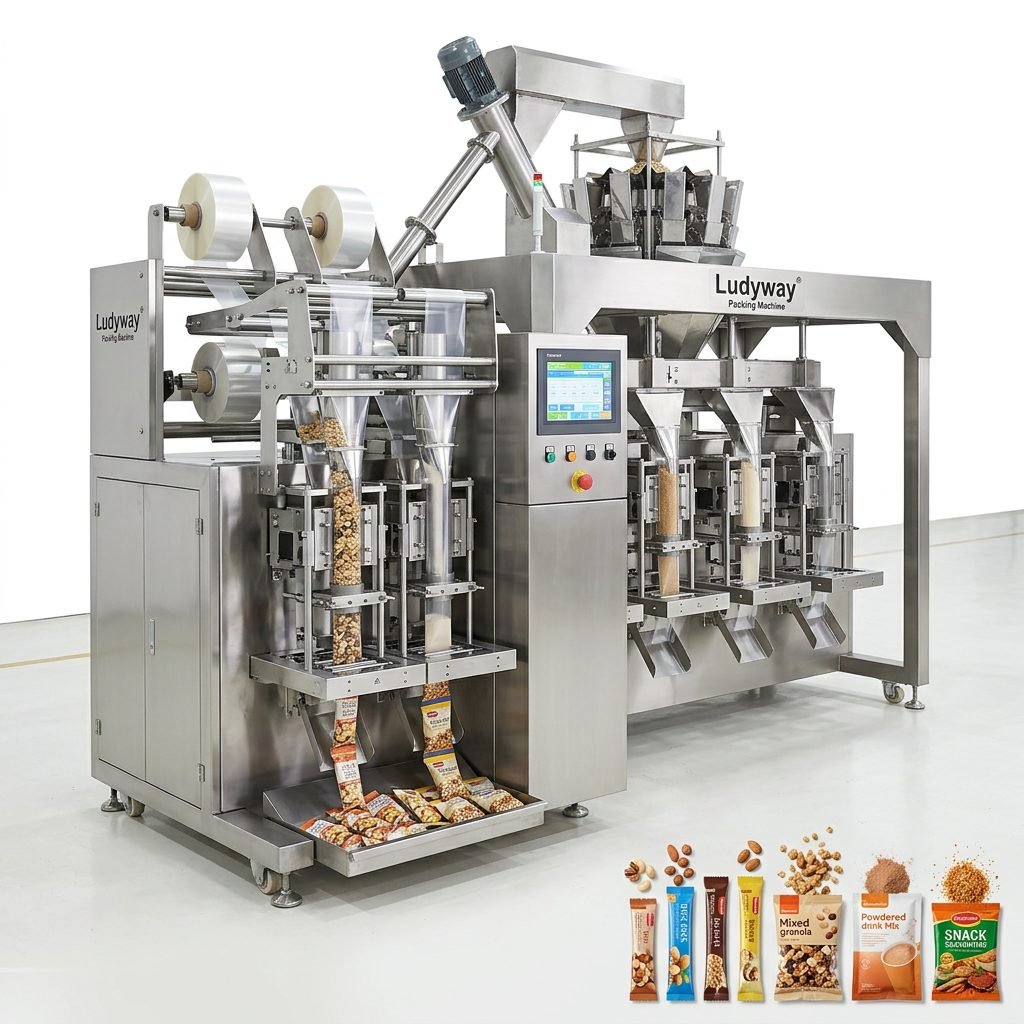
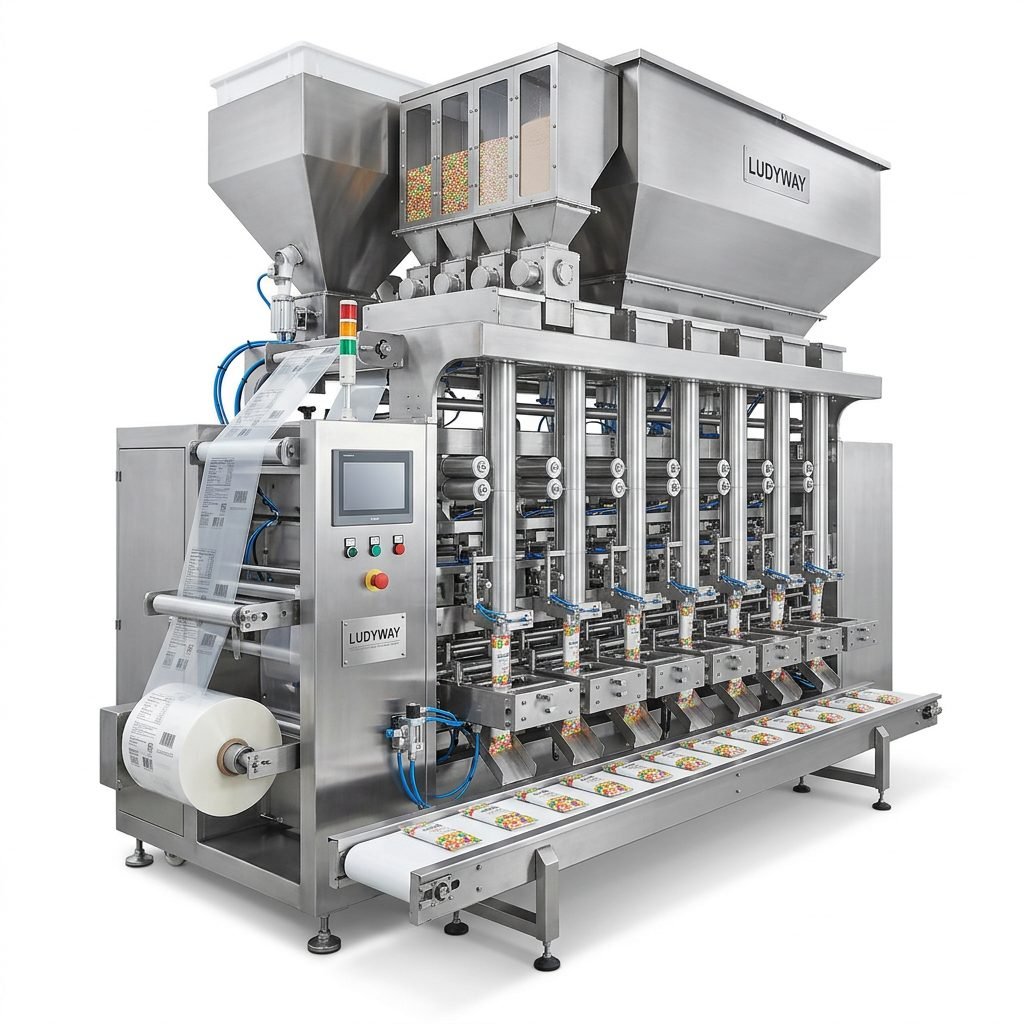
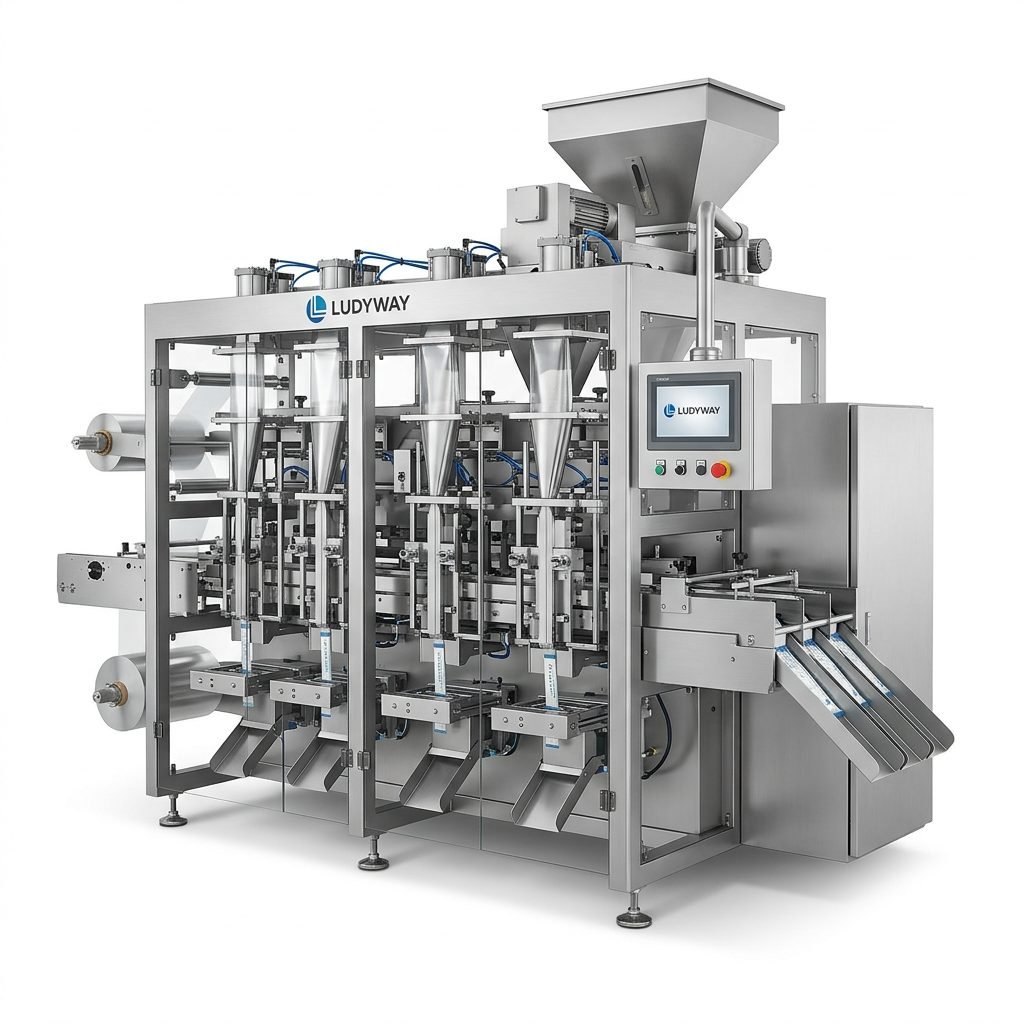
Regular maintenance of your pouch sealer packaging machine is essential to ensure consistent sealing quality, reduce unplanned downtime, and extend equipment lifespan. A well-maintained machine not only improves production efficiency but also minimizes product waste caused by defective seals. Whether you operate a multi-lane sachet packaging system or a single-lane unit, implementing a structured cleaning and inspection routine will help you avoid costly repairs and maintain optimal performance.
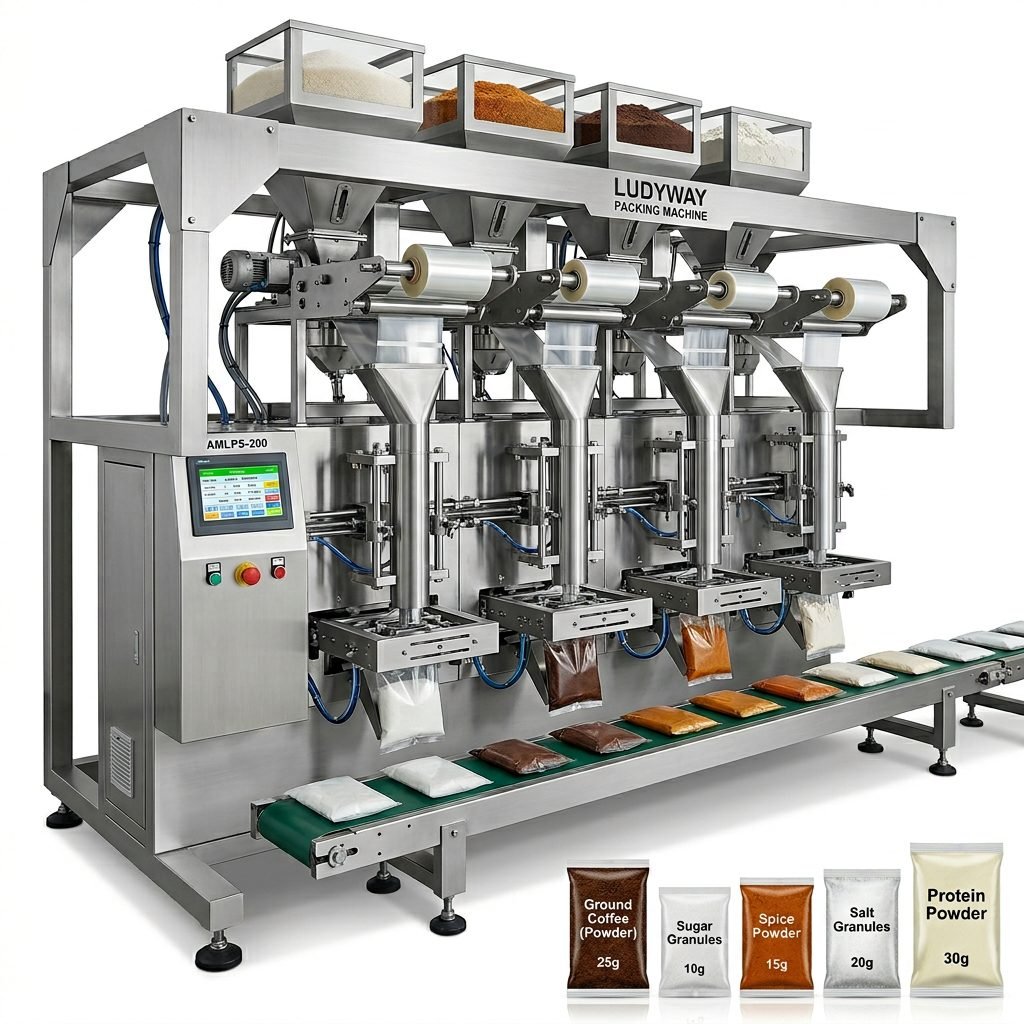
Daily Cleaning Procedures for Pouch Sealing Equipment
Daily cleaning is the most critical step in maintaining a pouch sealer. Product residue, dust, and film particles can accumulate quickly around the sealing area, leading to inconsistent seals and potential contamination. Follow these essential steps at the end of each production shift:
- Disconnect power and lock out the machine before any cleaning procedure begins.
- Remove all remaining packaging film and clear the film path of any debris or product spillage.
- Use a dry, lint-free cloth to wipe down the sealing jaws and heating elements while they are still slightly warm — this helps loosen residual product buildup.
- Clean the forming tube, pull belts, and film guides with a mild cleaning solution appropriate for your product type.
- Inspect and clean the photoelectric sensor lenses to ensure accurate film registration tracking.
- Vacuum or blow out any powder accumulation around the dosing or filling mechanism.
For machines handling sticky or hygroscopic products, more frequent cleaning may be necessary. Refer to your equipment’s packaging machinery standards documentation for product-specific cleaning recommendations.

Critical Component Inspection Checklist
Beyond daily cleaning, a weekly inspection of key components can identify potential issues before they cause machine failure. Pay particular attention to the following areas:
Sealing Jaws and Heating Elements
The sealing jaws are the heart of any pouch sealer. Inspect them for uneven wear, surface damage, or product buildup. Damaged or worn sealing surfaces can cause inconsistent seal integrity. Check heating element connections and ensure temperature sensors are functioning correctly. Calibrate the temperature controller if seals appear too weak or overly melted.
Film Feed and Tension System
Inspect all rollers, guides, and pull belts for smooth rotation. Worn or misaligned rollers can cause film tracking issues that lead to crooked seals or incomplete pouch formation. Verify that film tension is properly adjusted — excessive tension can stretch the film and cause registration errors.
Cutting Mechanism
Whether your machine uses a guillotine cutter, rotary knife, or perforation blade, sharp cutting edges are essential for clean pouch separation. Dull blades can cause tearing, incomplete cuts, or film jams. Inspect blade sharpness weekly and replace or sharpen as needed.
Lubrication Best Practices for Packaging Machinery
Proper lubrication is critical for the long-term reliability of your pouch sealer. However, over-lubrication can be just as harmful as under-lubrication. Follow these guidelines:
- Use food-grade lubricants for any components that may come into contact with product zones, especially in food and pharmaceutical applications.
- Lubricate bearings, chains, and linear guides according to the manufacturer’s recommended schedule — typically every 200–500 operating hours.
- Avoid applying lubricant near the sealing area or film path where contamination could affect seal quality.
- Keep a lubrication log to track service intervals and identify components that may require more frequent attention.
- Inspect belts and chains for proper tension during lubrication — loose drive components can affect timing and registration accuracy.
For detailed guidance, consult resources from the Flexible Packaging Association, which provides comprehensive industry data on packaging equipment maintenance.
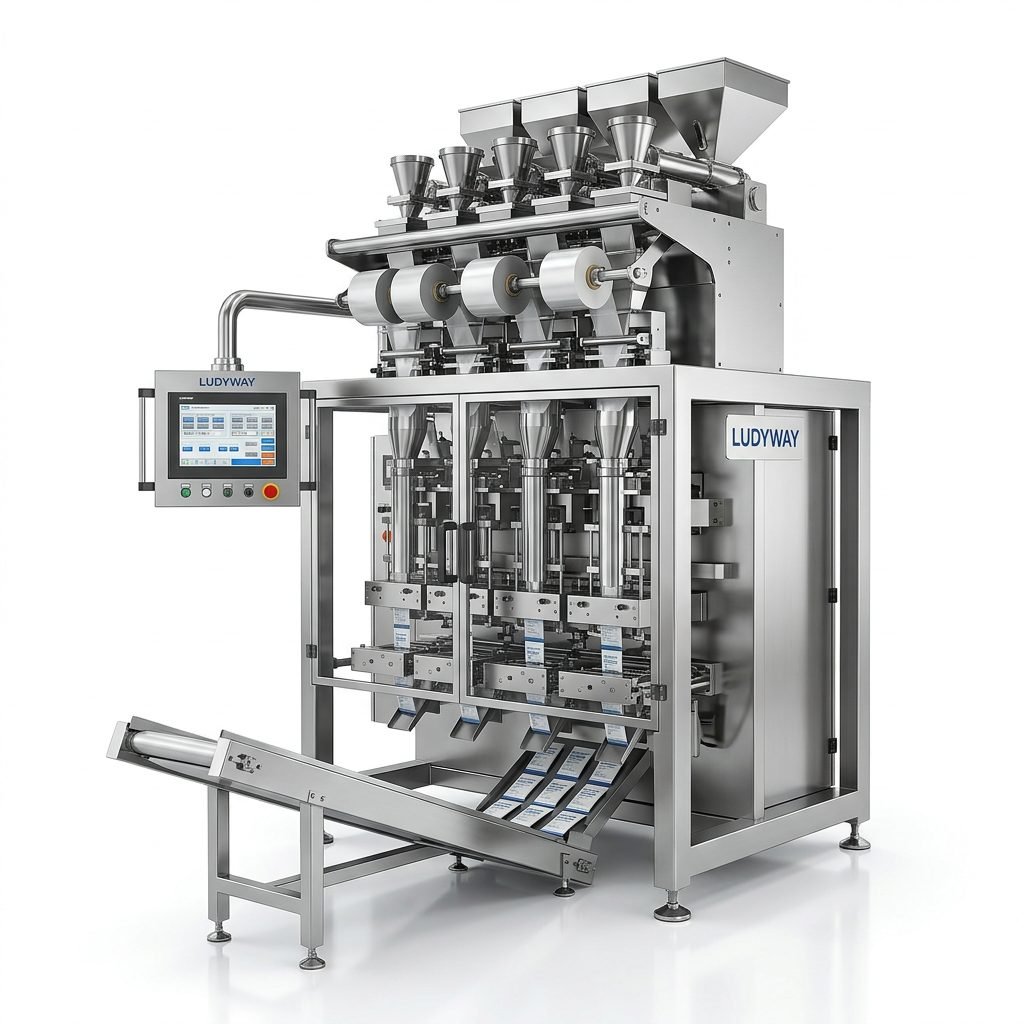
Troubleshooting Common Sealing Problems
Even with regular maintenance, sealing issues can occur. Here is a quick reference guide to diagnosing and resolving common problems:
Weak or Incomplete Seals
- Possible causes: Low temperature setting, insufficient dwell time, contaminated sealing surface, or worn heating elements.
- Solution: Verify temperature calibration, clean sealing jaws thoroughly, and check heater cartridge resistance with a multimeter.
Film Wrinkling or Puckering at Seal Area
- Possible causes: Excessive sealing temperature, misaligned film path, or incorrect film tension.
- Solution: Reduce temperature incrementally, realign film guides, and adjust tension settings according to film specifications.
Inconsistent Pouch Length or Registration Errors
- Possible causes: Dirty or faulty photoelectric sensor, slipping pull belts, or incorrect registration mark settings.
- Solution: Clean sensor lenses, inspect belt condition and tension, and recalibrate sensor sensitivity.
Recommended Maintenance Schedule
Adhering to a structured maintenance schedule is the most effective way to prevent unexpected equipment failure. The following table outlines a comprehensive maintenance plan for pouch sealer packaging machines:
| Frequency | Maintenance Task | Responsible Personnel |
|---|---|---|
| Daily | Clean sealing jaws, film path, sensors; inspect seals for quality | Machine Operator |
| Weekly | Inspect heating elements, cutting blades, belts, and roller alignment | Maintenance Technician |
| Monthly | Calibrate temperature controllers, check electrical connections, verify sensor function | Maintenance Technician |
| Quarterly | Replace worn belts, inspect drive chains, lubricate bearings and moving parts | Maintenance Supervisor |
| Annually | Full machine overhaul — replace heating elements, inspect gearboxes, update firmware | Service Engineer |
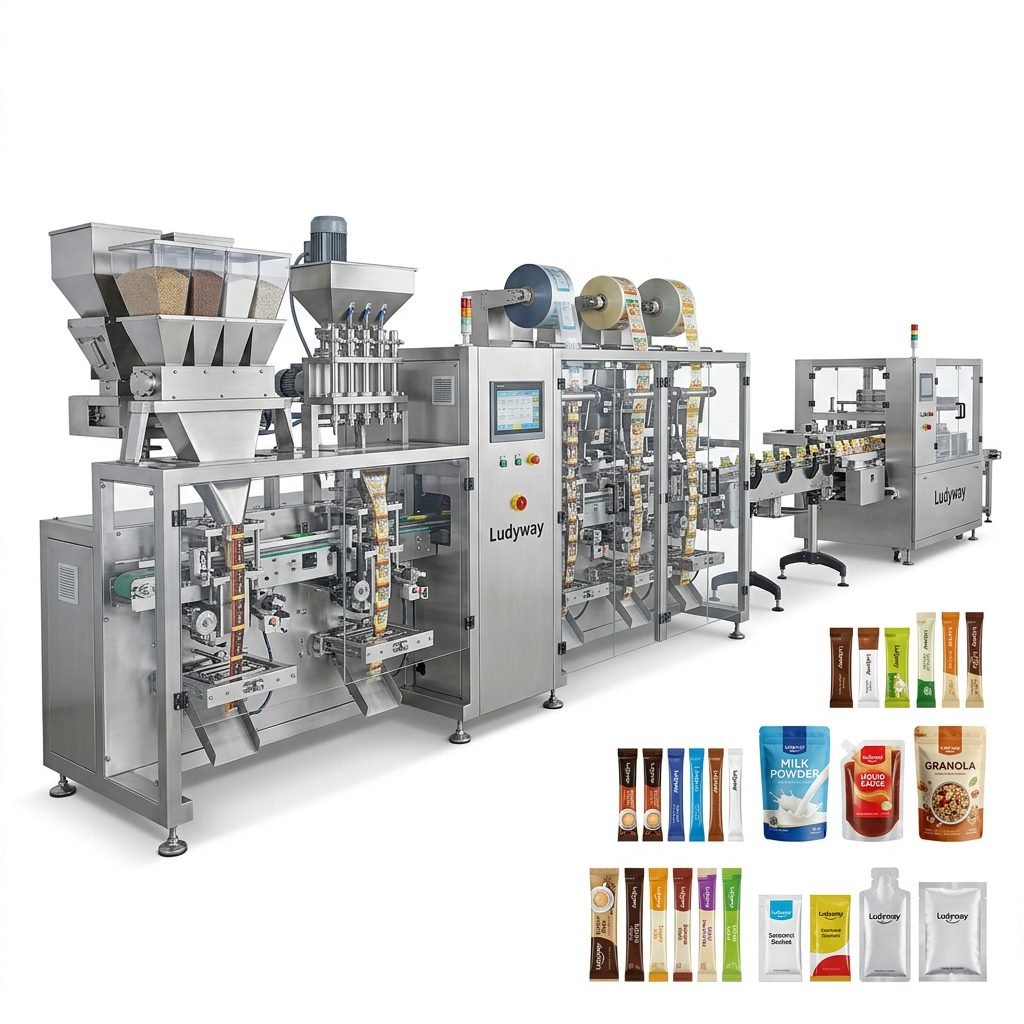
Professional Support and Equipment Quality
While routine in-house maintenance is essential, certain tasks require professional technical support. Complex calibrations, firmware updates, and major component replacements should be performed by qualified service engineers. Investing in high-quality equipment from reputable manufacturers also significantly reduces long-term maintenance burdens. For example, Ludyway designs its packaging machinery with durable components and accessible service points specifically engineered to simplify daily cleaning and routine maintenance procedures.
Operators should maintain a detailed maintenance logbook documenting all cleaning activities, part replacements, and calibration adjustments. This record serves as a valuable diagnostic tool when troubleshooting recurring issues and helps optimize spare parts inventory management. Combined with proper operator training and adherence to the manufacturer’s guidelines, a well-executed maintenance program ensures your pouch sealer packaging machine delivers consistent performance and maximum return on investment throughout its service life.