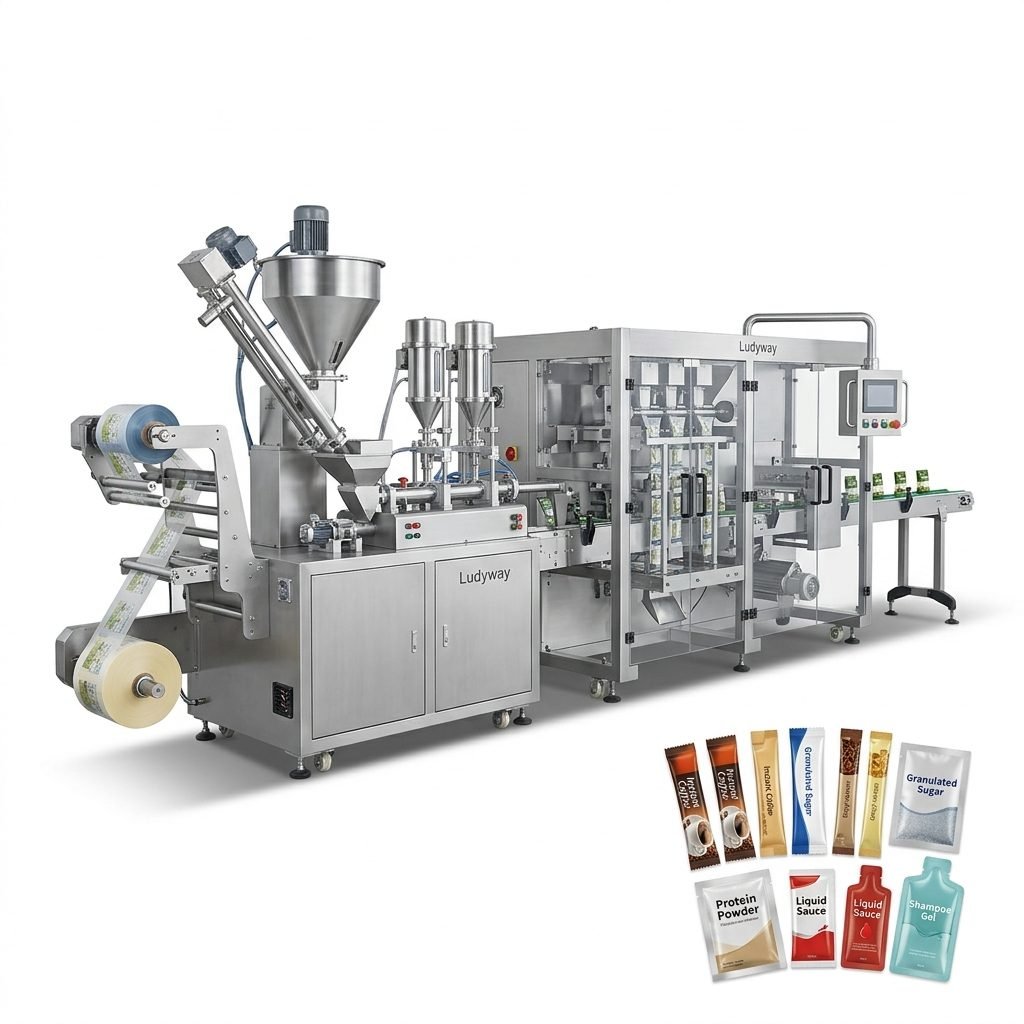
Regular maintenance of a commercial vacuum packaging machine is essential for ensuring food safety, extending equipment lifespan, and maintaining peak operational efficiency. Without a structured cleaning and upkeep routine, residue buildup, seal degradation, and pump failure can lead to costly downtime and compromised package integrity. This guide provides actionable steps to keep your industrial vacuum packaging machine running smoothly in demanding production environments.

Daily Cleaning Routine for Vacuum Packaging Machines
Consistent daily cleaning prevents cross-contamination and maintains hygienic standards. Follow these steps at the end of each production shift:
- Power down and disconnect the machine completely before any cleaning procedure.
- Remove all loose debris, food particles, and powder residue from the sealing bar area and chamber interior using a soft brush or vacuum.
- Wipe down all external surfaces with a food-safe sanitizing solution and a non-abrasive microfiber cloth.
- Inspect the seal bar Teflon tape for signs of wear, burn marks, or residue accumulation; replace if damaged.
- Check and clean the vacuum pump oil level sight glass, noting any unusual discoloration or contamination.
- Drain any accumulated moisture from the air filter and moisture trap components.
Weekly Deep Cleaning Checklist
A more thorough weekly cleaning targets internal components that directly affect vacuum performance:
- Remove the chamber lid or access panels to clean the vacuum chamber thoroughly with warm water and mild detergent.
- Inspect and clean the silicone seal gaskets around the chamber perimeter; replace any that show cracking or loss of elasticity.
- Clean the heating element wires and confirm proper alignment across the entire seal bar length.
- Sanitize the product contact zones with an approved cleaning agent suitable for your packaged product type.
- Examine electrical connections and wiring for any signs of corrosion or loosening.

Monthly Maintenance Schedule Overview
Use the following table as a reference for monthly preventive maintenance tasks:
| Component | Maintenance Task | Frequency |
|---|---|---|
| Vacuum Pump Oil | Replace oil and clean filters | Monthly / Every 300 hours |
| Seal Bar Assembly | Replace Teflon tape and inspect heating element | Monthly or as needed |
| Chamber Gaskets | Clean, inspect for cracks, re-seat or replace | Monthly inspection |
| Air Filters & Moisture Traps | Clean or replace filter elements | Monthly |
| Control Panel & Sensors | Test calibration and inspect wiring connections | Monthly |
| Lubrication Points | Apply food-grade lubricant to moving parts | Monthly |
Seal Bar and Vacuum Pump Care
The seal bar assembly and vacuum pump are the two most critical subsystems. Proper care here prevents the majority of operational failures:
- Teflon Tape Replacement: Replace the protective Teflon cover on the seal bar as soon as discoloration or surface damage appears. A worn tape causes uneven sealing and product leaks.
- Heating Element Check: Test the heating wire resistance monthly; inconsistent heat output often indicates a failing element that requires immediate replacement.
- Vacuum Pump Oil Quality: Milky or dark oil signals moisture contamination or wear particle buildup. Always use the manufacturer-recommended oil grade for your specific pump model.
- Exhaust Filter: A clogged exhaust filter reduces pump efficiency and may cause overheating. Replace according to the maintenance schedule.

Lubrication and Mechanical Inspection
Moving parts in a commercial packaging system require regular lubrication to minimize friction and wear. Key areas to address include:
- Hinges and pivot points on the chamber lid mechanism — apply food-grade lubricant monthly.
- Chain drives and gear assemblies on automated conveyor-fed vacuum systems — inspect tension and lubricate per the OEM manual.
- Pneumatic cylinders and valves — confirm smooth actuation and check for air leaks at fittings.
- Fasteners and mounting bolts — tighten any loosened hardware that may cause vibration or misalignment during operation.
Common Issues and Troubleshooting Guide
Even with diligent maintenance, occasional issues arise. Here are the most common problems and their likely causes:
- Weak or incomplete vacuum: Check for worn chamber gaskets, contaminated pump oil, clogged filters, or an obstructed vacuum hose.
- Poor seal quality or leaks: Inspect the Teflon tape condition, verify heating element temperature settings, and ensure the seal bar is properly aligned.
- Excessive noise from the pump: This often indicates low oil levels, air leaks in the suction line, or internal pump wear requiring professional servicing.
- Machine not reaching set vacuum level: Recalibrate the vacuum sensor and check for pinhole leaks in the chamber or lid assembly.
The Importance of Professional Servicing
While daily and monthly maintenance can be performed by trained in-house operators, annual professional servicing is highly recommended. A certified technician can perform deep diagnostics, replace internal pump components, recalibrate control systems, and identify emerging issues before they become production-stopping failures. For businesses relying on high-output packaging machinery, scheduling a comprehensive service visit every 12 months is a cost-effective strategy to avoid unplanned downtime.
Leading manufacturers like Ludyway, one of the largest packaging machine manufacturers in China with over 30 years of industry experience, design their equipment with maintenance accessibility in mind. Their engineering approach ensures that critical components such as pumps, seal bars, and control panels are easy to access for routine service, reducing technician hours and operational interruptions.
Additional Resources for Packaging Professionals
For further guidance on packaging machinery standards and best practices, explore these industry resources:
- PMMI – Packaging Industry Resources and Technical Standards
- Flexible Packaging Association – Equipment Maintenance Data
- ISO – International Packaging Standards
- PMMI – Business Intelligence and Market Research Library
Pro Tip: Always maintain a detailed maintenance logbook for each machine. Documenting oil changes, part replacements, and calibration dates not only helps with troubleshooting but also supports compliance audits and warranty claims. A well-maintained vacuum packaging machine delivers consistent seal quality, reduces product waste, and ensures reliable performance for years of continuous operation.