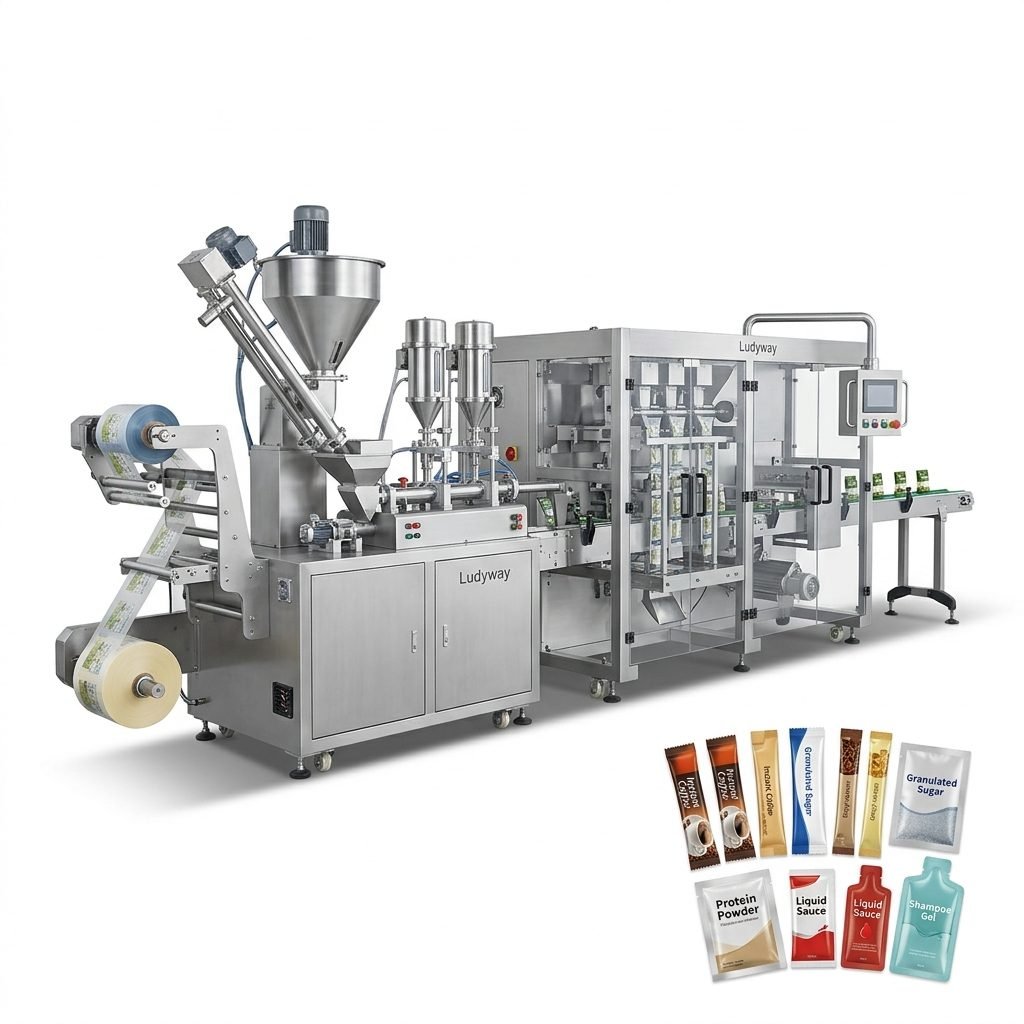
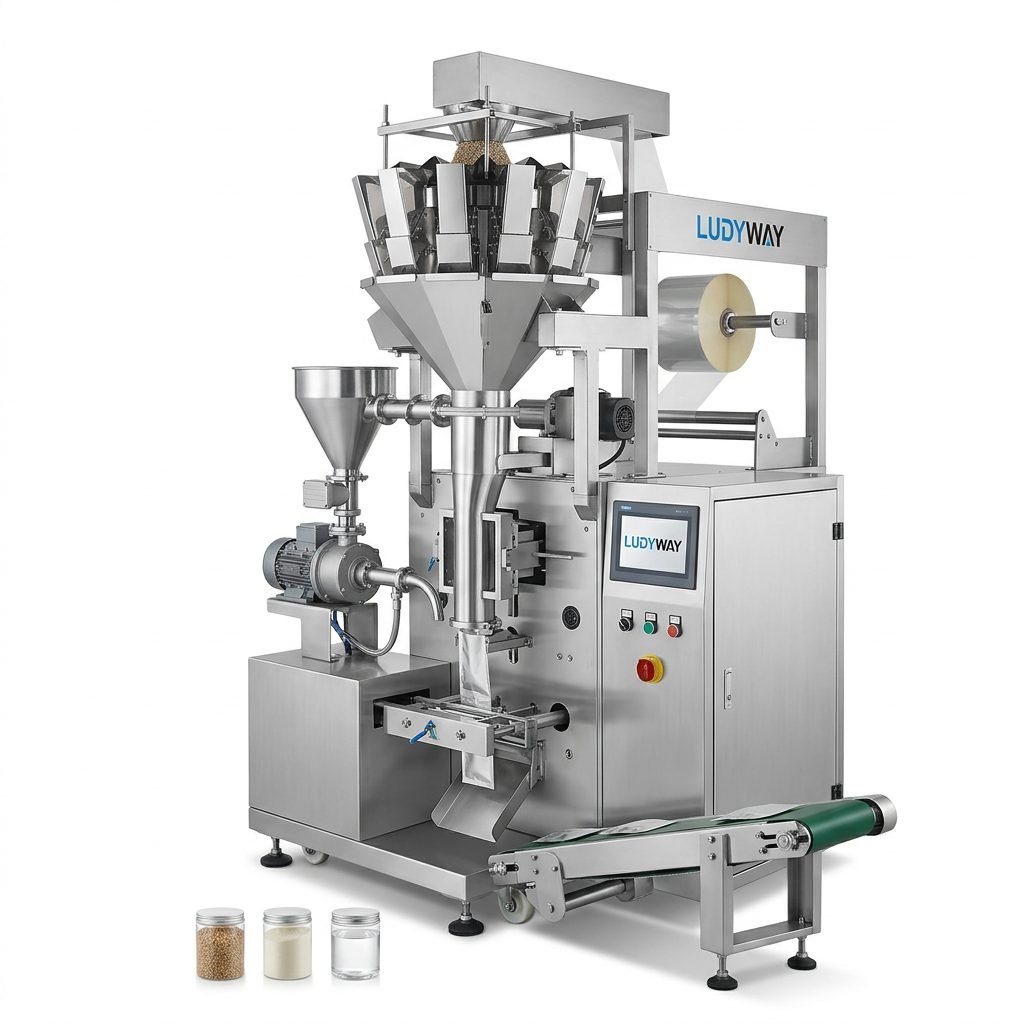
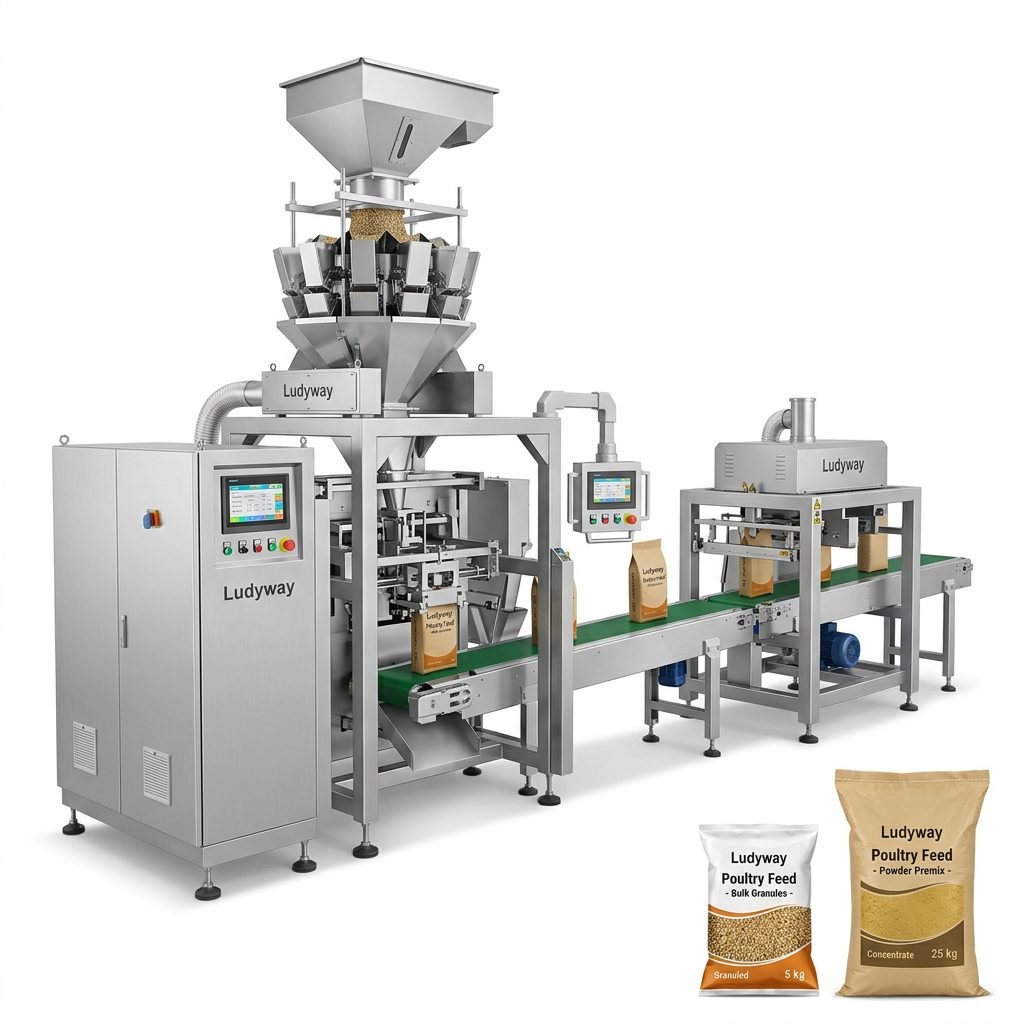
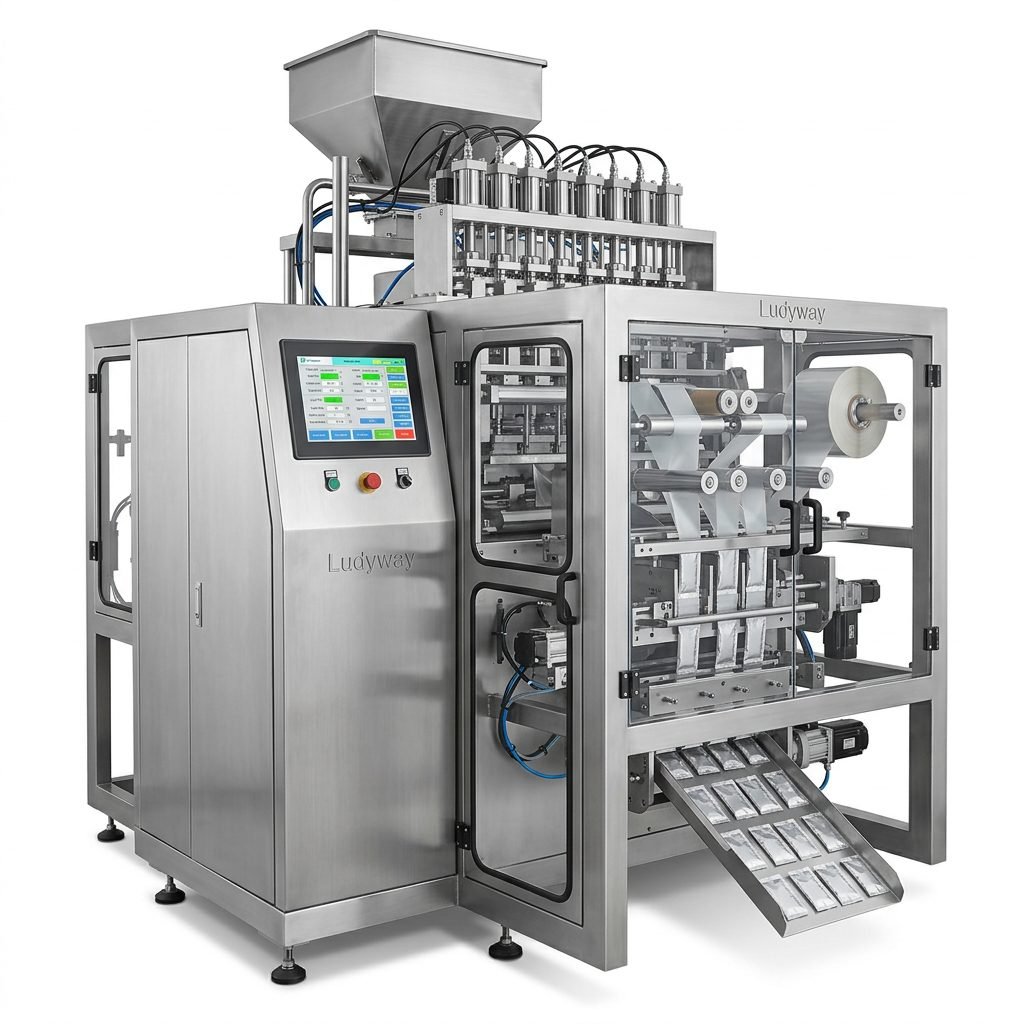
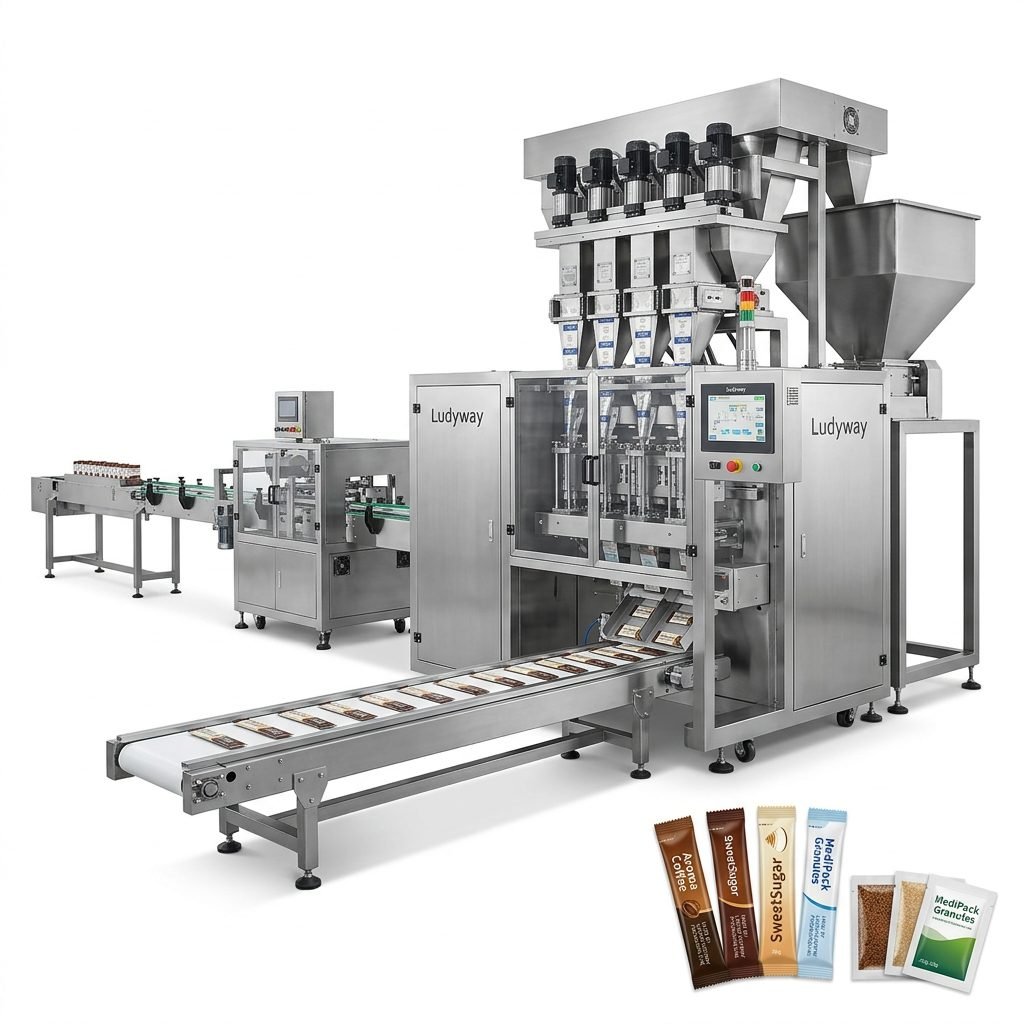
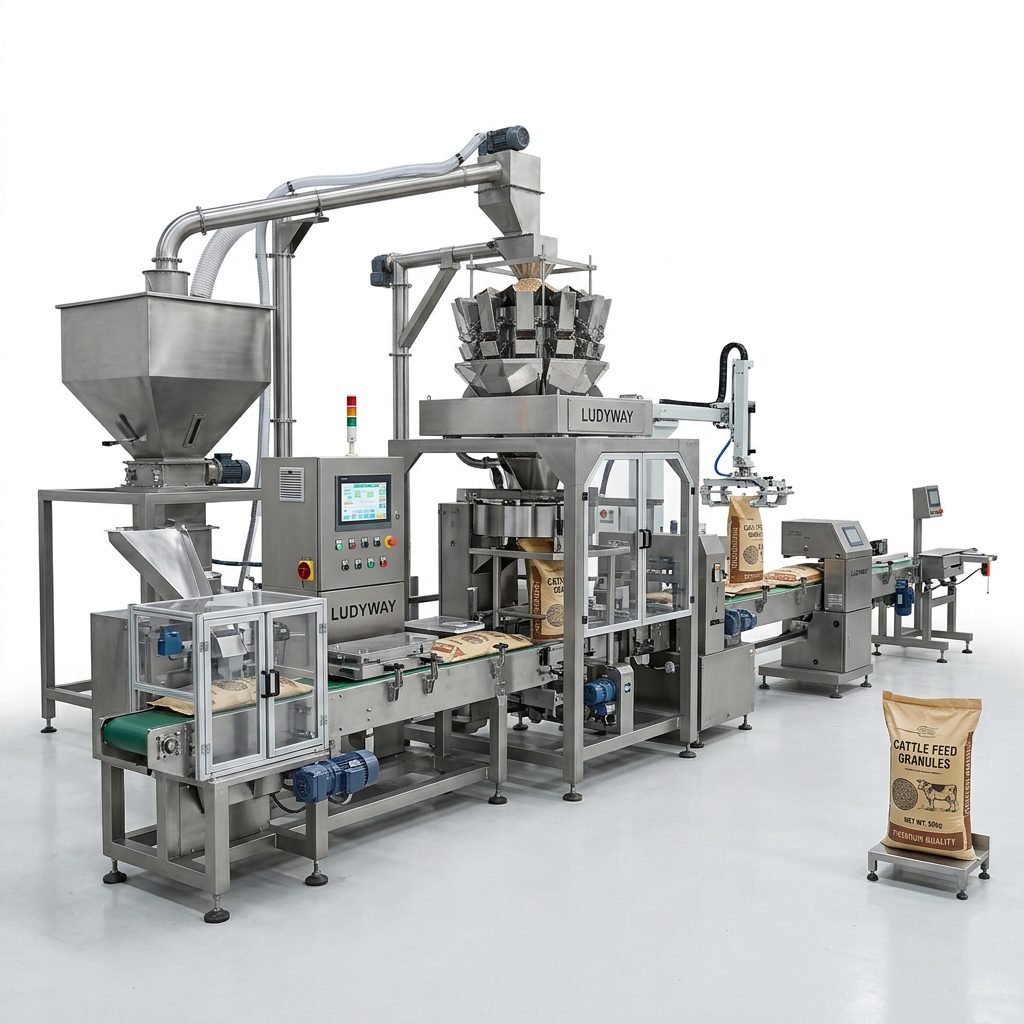
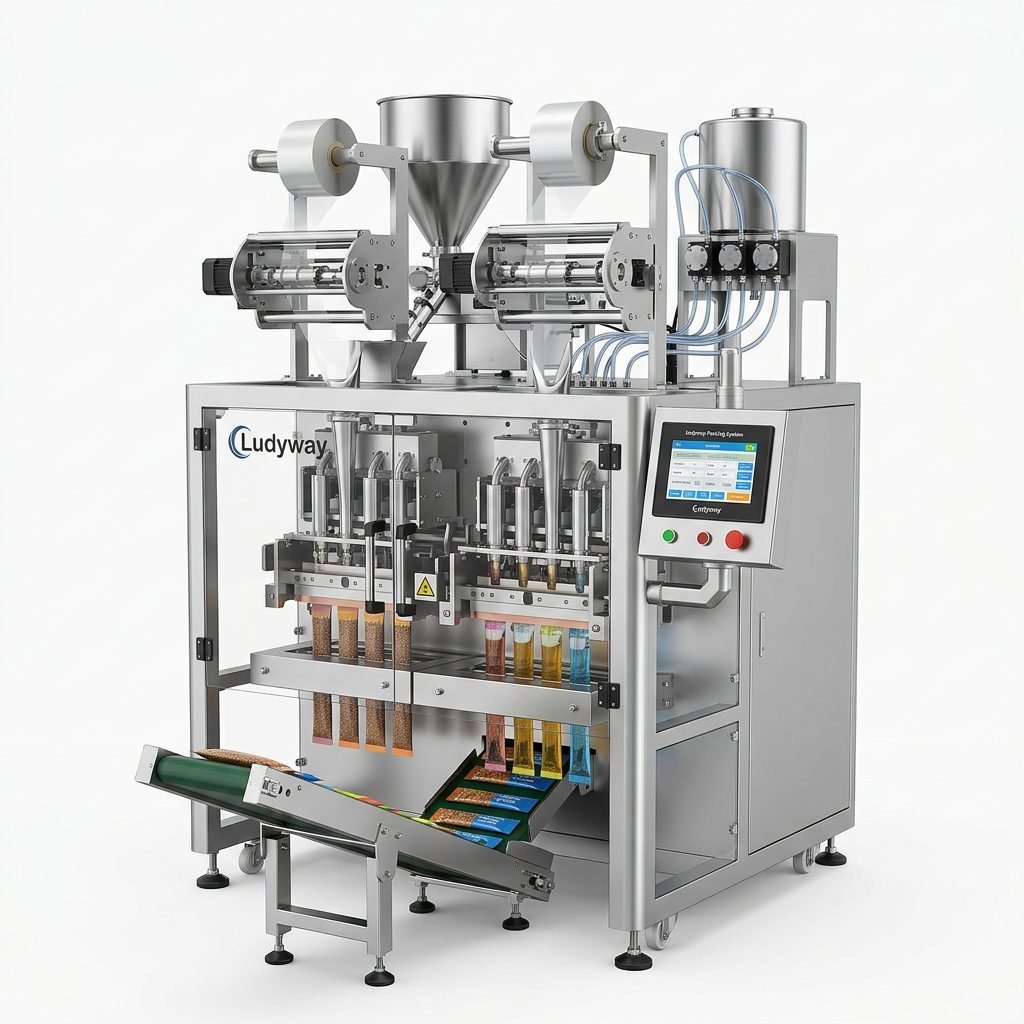
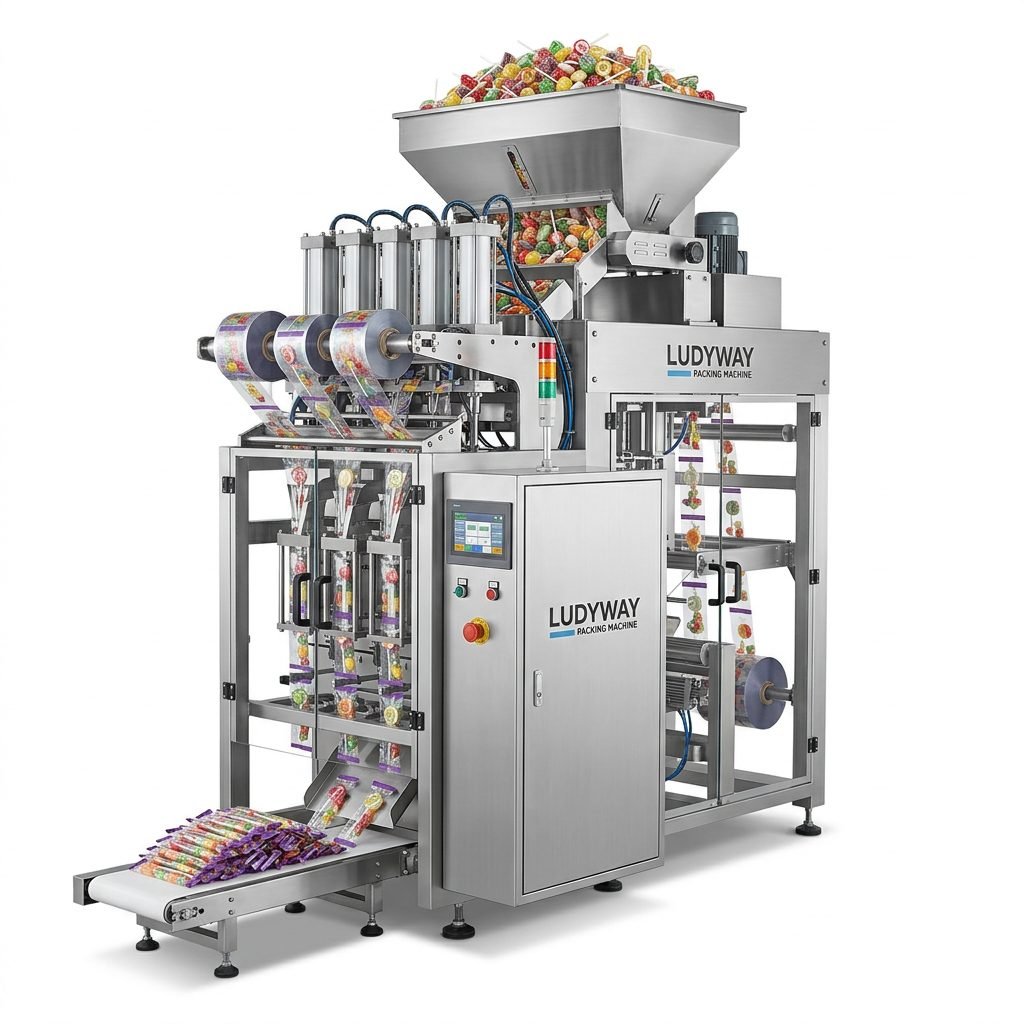
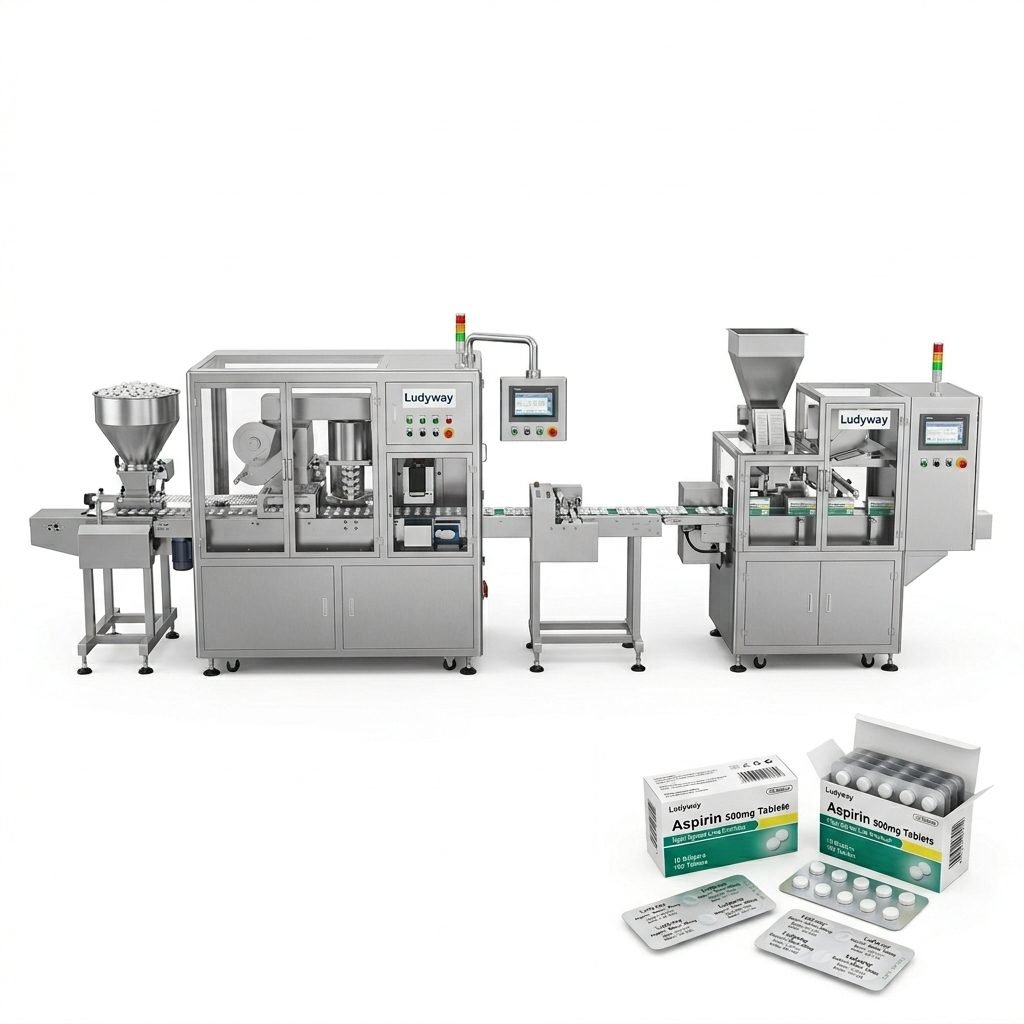
Maintaining a tea packaging machine is critical for ensuring consistent product quality, minimizing downtime, and extending the lifespan of your equipment. Whether you are running a multi-lane packaging line for high-volume production or a single-lane system, a strict maintenance routine prevents contamination and mechanical failures.
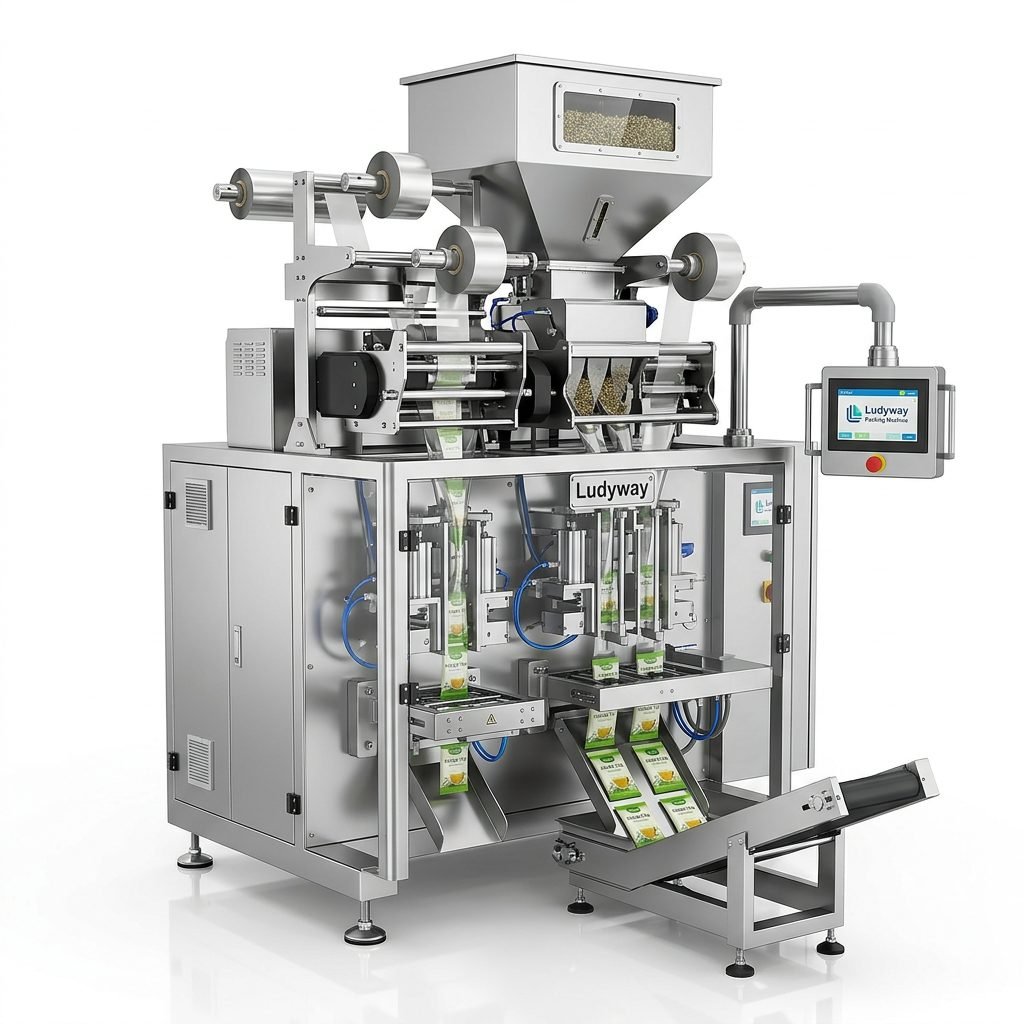
Daily Cleaning Protocol for Tea Packaging Equipment
Tea powder and granules are highly hygroscopic and can cling to machine surfaces. Daily cleaning prevents cross-contamination and ensures the accuracy of your weighing systems. Following a strict end-of-shift procedure is the foundation of good machine hygiene.
- Remove residual powder: Use a vacuum system or compressed air to blow out fine tea dust from the forming tube, sealing jaws, and filling auger. Never use a damp cloth on electrical components.
- Wipe down sealing surfaces: Residue on heat-sealing jaws causes inconsistent seals. Clean the serrated and flat jaws with a soft brass brush while they are still warm to remove baked-on film residue.
- Clean the hopper: Empty the hopper completely and wipe it with a dry, food-grade cloth. For sticky tea blends, a light food-grade alcohol wipe may be used, but ensure it evaporates fully before reloading.
- Inspect sensors: Dust on the registration photoelectric sensor can cause film tracking errors. Gently wipe the sensor eye with a lint-free cloth.
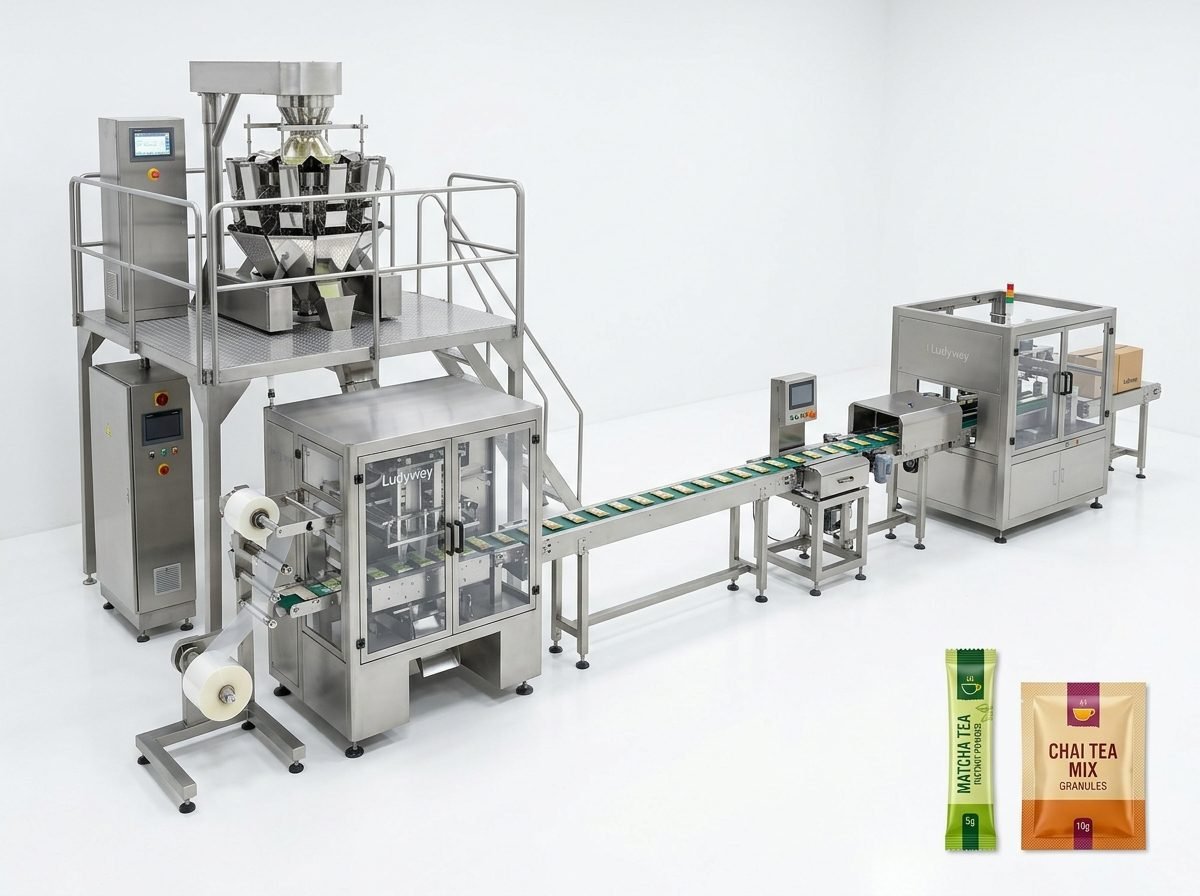
Weekly Maintenance and Lubrication
Weekly checks go beyond surface cleaning. Proper lubrication of moving parts is essential to prevent wear on granule packaging machine shafts and bearings. Friction points handling the pull belts and sealing carriage must operate smoothly.
| Frequency | Component | Action Required |
|---|---|---|
| Daily | Sealing Jaws | Brush off residue; check Teflon tape integrity |
| Weekly | Linear Guides | Apply food-grade grease to rails |
| Weekly | Chain Drives | Clean and re-lubricate with appropriate oil |
| Monthly | Air Filters | Clean or replace clogged filters to maintain suction |
Advanced Inspection of Sealing and Cutting Mechanisms
The quality of your tea packaging depends heavily on the condition of the sealing tools. Check the temperature controllers against actual temperatures using a thermocouple gauge. Deviations can lead to leaking packs or burnt film. Inspect the cutting knife for sharpness; a dull blade causes stringy cuts and jams in stick pack machine operations.
Electrical Cabinet and Control System Care
Tea dust is extremely fine and can penetrate control panels. The electrical cabinet must remain sealed and slightly pressurized if possible. Monthly tasks must include:
- Checking the tightness of all terminal connections (power off first).
- Inspecting cooling fans and ventilation filters.
- Verifying the integrity of cable glands and door seals.
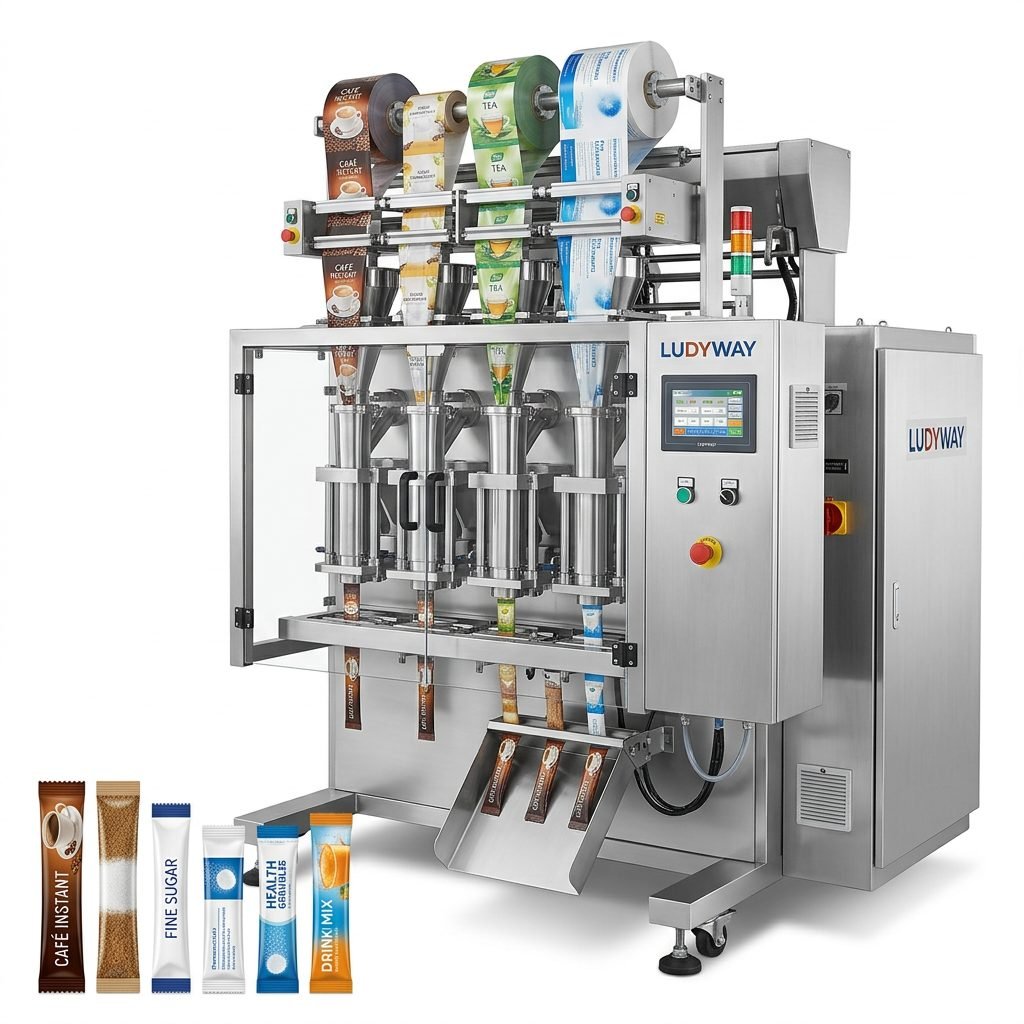
Long-Term Storage and Shutdown Procedures
If a sachet packaging machine is idle for an extended period, special care is required. Moisture is the enemy of tea processing equipment. Run the machine empty to expel any remaining product. Disconnect air supplies and drain water traps to prevent corrosion. Cover the machine loosely with a breathable fabric sheet to block dust but allow air circulation.
Spare Parts Management
To avoid lengthy production halts, maintain a critical inventory of wear-and-tear items:
- Heat-sealing bands and Teflon tapes
- Film-drive belts
- Forming tubes (specific to bag width)
- Sensors and relays
- Cutting blades
About Ludyway
At Ludyway, we understand that reliable maintenance support is as important as the machinery itself. We are one of the largest packaging machine manufacturers globally, offering not just advanced turnkey packaging solutions but also comprehensive technical support to keep your tea lines running efficiently. With over 30 years of industry expertise and a 20,000㎡ modern production facility, we design systems that are robust and easy to service, ensuring your high-speed chay packaging machine delivers peak performance for years to come.