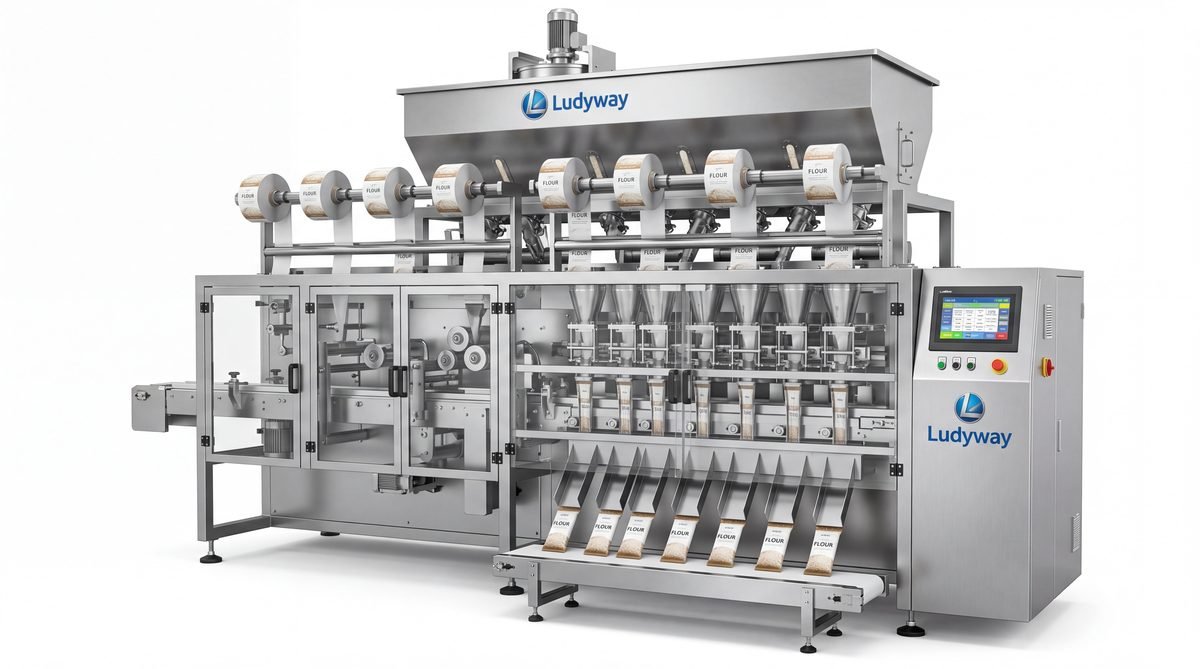
Proper maintenance of a flour packing machine is essential to ensure consistent performance, extend equipment lifespan, and prevent costly downtime. Flour dust is highly abrasive and hygroscopic, meaning it easily absorbs moisture from the air. Without a structured cleaning and maintenance routine, residue buildup can lead to weighing inaccuracies, sealing failures, and even mechanical breakdowns. This comprehensive guide covers essential cleaning procedures, scheduled maintenance tasks, and troubleshooting tips to keep your packaging line running at peak efficiency.
Why Routine Maintenance Cannot Be Overlooked
Flour particles are extremely fine and tend to infiltrate every component of your packaging machinery — from load cells and sensors to sealing jaws and drive chains. Accumulated flour dust not only compromises hygiene but also accelerates wear on moving parts. A well-maintained machine delivers higher packaging accuracy, reduces product giveaway, and minimizes unplanned stoppages. According to industry data from PMMI, regular preventive maintenance can reduce packaging line downtime by up to 30% annually.
Daily Cleaning Procedures for Flour Packaging Equipment
Daily cleaning should be non-negotiable in any production environment handling flour. The following tasks must be performed at the end of each shift or production cycle:
- Compressed Air Blowdown: Use dry, food-grade compressed air to remove loose flour from weighing buckets, forming tubes, and sealing surfaces. Avoid blowing flour deeper into sensitive electronic compartments.
- Surface Wipe-Down: Wipe all accessible stainless steel surfaces with a clean, dry cloth. Avoid using excessive water, as flour and moisture create a paste that is difficult to remove and can harbor bacteria.
- Sealing Jaw Inspection: Check the heat-sealing jaws for carbonized flour residue. Use a soft brass brush to gently clean the serrations without scratching the Teflon coating.
- Dust Collector Check: Empty or inspect the dust extraction system if your packaging machine is equipped with one. A clogged filter reduces suction and allows dust to settle on critical components.
- Film Path Cleaning: Inspect the film rollers and tensioners for flour buildup that can cause film tracking issues or misalignment during pouch forming.
Weekly Maintenance Checklist
A more thorough weekly routine addresses components that experience gradual wear. Dedicate time each week to the following inspections and tasks:
- Load Cell Calibration Verification: Test weighing accuracy using certified check weights. Flour dust on load cells can cause drift; clean them gently with isopropyl alcohol and a lint-free cloth.
- Chain and Belt Tension: Inspect drive chains and timing belts for proper tension and alignment. Loose chains cause inconsistent film registration and pouch length variation.
- Sensor Cleaning: Clean photoelectric sensors, proximity switches, and registration mark sensors. A thin layer of flour dust can cause false readings and machine stoppages.
- Lubrication Points: Apply food-grade lubricant to designated grease nipples and sliding surfaces. Refer to the machine manual for the correct lubricant specification and application intervals.
- Pneumatic System Check: Drain water from the air filter bowl and check the air pressure regulator settings. Moisture in compressed air lines is especially problematic for flour packaging environments.
Monthly and Quarterly Maintenance Tasks
Longer-interval maintenance focuses on components that do not require daily attention but are critical for long-term reliability. Schedule these tasks during planned production pauses:
Monthly Inspections
- Inspect heater cartridge resistance values and compare them to factory specifications. Degraded heating elements cause inconsistent seal strength.
- Check all electrical connections and terminal blocks for tightness. Vibration from continuous operation can loosen connections over time.
- Examine rubber rollers and silicone sleeves for signs of wear, cracking, or glazing that could affect film feeding precision.
- Test emergency stop circuits and safety interlocks to ensure proper functionality.
Quarterly Deep Maintenance
- Replace worn Teflon tape on sealing jaws and forming surfaces to maintain optimal heat transfer and prevent film sticking.
- Open and clean the electrical control cabinet using a vacuum cleaner with antistatic protection. Inspect cooling fans and ventilation filters.
- Perform a full weighing system recalibration across the entire target weight range used in production.
- Inspect gearboxes and replace lubricant if contamination or degradation is detected.
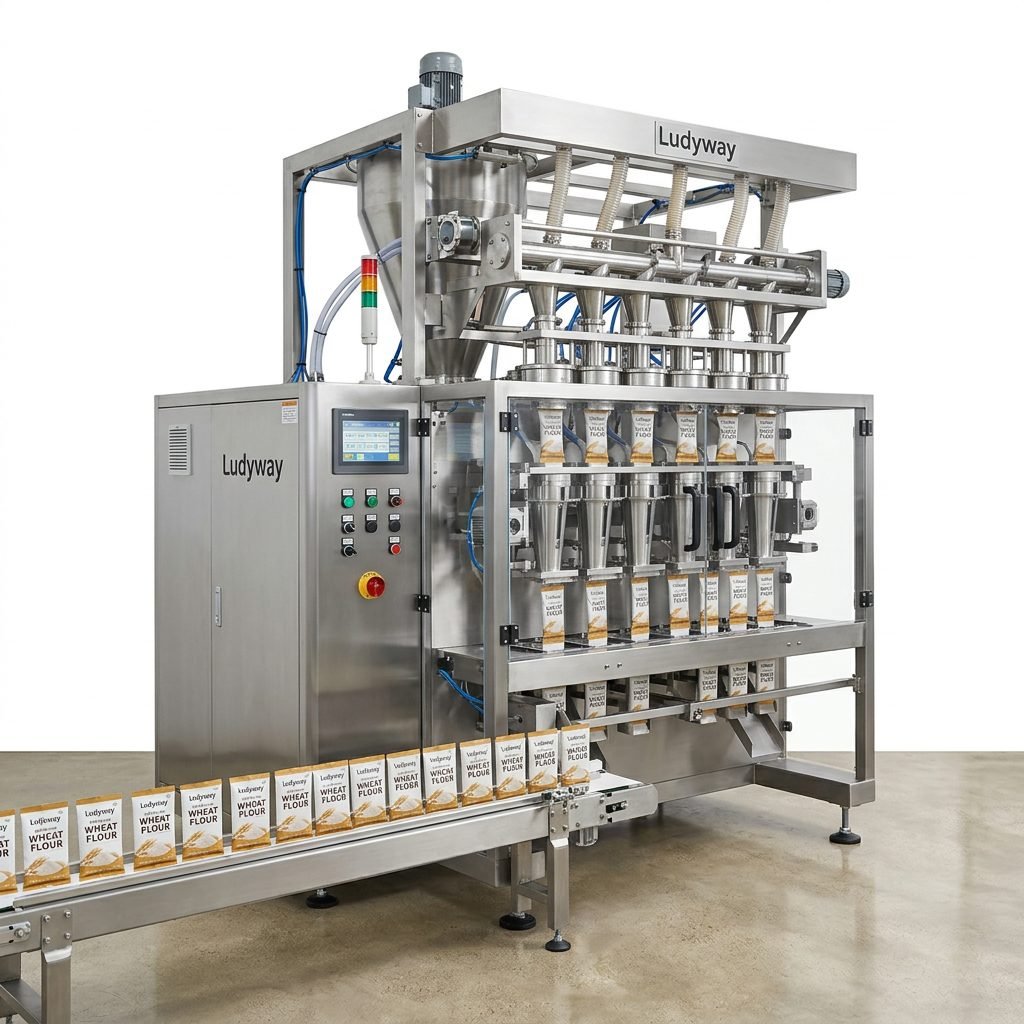
Common Flour Packing Machine Problems and Solutions
The table below summarizes frequently encountered issues with flour packaging machinery and their recommended corrective actions. Use this as a quick reference for troubleshooting on the production floor:
| Problem | Probable Cause | Recommended Solution |
|---|---|---|
| Inconsistent Fill Weight | Flour buildup on load cells or auger flights; worn dosing components | Clean load cells with isopropyl alcohol; inspect and calibrate the weighing system; check auger clearance |
| Weak or Incomplete Seals | Contaminated sealing jaws; incorrect temperature; worn Teflon coating | Clean jaws thoroughly; verify temperature settings against material specifications; replace Teflon tape |
| Film Misalignment | Dust on tracking rollers; incorrect film tension; worn rubber rollers | Clean all rollers and guides; adjust tension per manual; replace worn rollers |
| Excessive Dust Leakage | Damaged seals or gaskets; clogged dust extraction filter; overfilled forming tube | Replace gaskets; clean or replace dust collector filters; optimize fill settings |
| Machine Vibration or Noise | Loose fasteners; worn bearings; misaligned drive components | Tighten all bolts; inspect and replace bearings; realign drives and couplings |
Lubrication Best Practices for Flour Packaging Machinery
Lubrication is a critical aspect of maintenance that is often performed incorrectly in flour handling environments. The key challenge is that flour dust mixes with lubricants to form an abrasive paste that accelerates wear rather than preventing it. Follow these guidelines to ensure effective lubrication:
- Always use food-grade H1 lubricants certified for incidental food contact when lubricating components near the product zone.
- Apply lubricant sparingly — excess grease attracts and traps flour dust. Wipe away any visible excess after application.
- Keep a lubrication log documenting each lubrication point, the type of lubricant used, and the date of service.
- Consider using sealed or self-lubricating bearings in high-dust areas to reduce the frequency of manual lubrication and minimize contamination risks.
Electrical and Control System Maintenance
The electrical systems of a flour packaging machine require special attention due to the conductive and potentially explosive nature of airborne flour dust in high concentrations. While flour dust is not typically classified as a high-risk explosive dust in most packaging environments, good housekeeping around electrical panels is essential:
- Keep control cabinet doors tightly sealed and inspect gaskets regularly for damage.
- Use antistatic vacuum cleaners — never compressed air — when cleaning inside electrical enclosures to avoid forcing dust into sensitive electronics.
- Inspect cable glands and conduit entries for tightness to prevent dust ingress through wiring ports.
- Verify that all grounding connections are secure to dissipate static electricity that can build up during high-speed film handling.
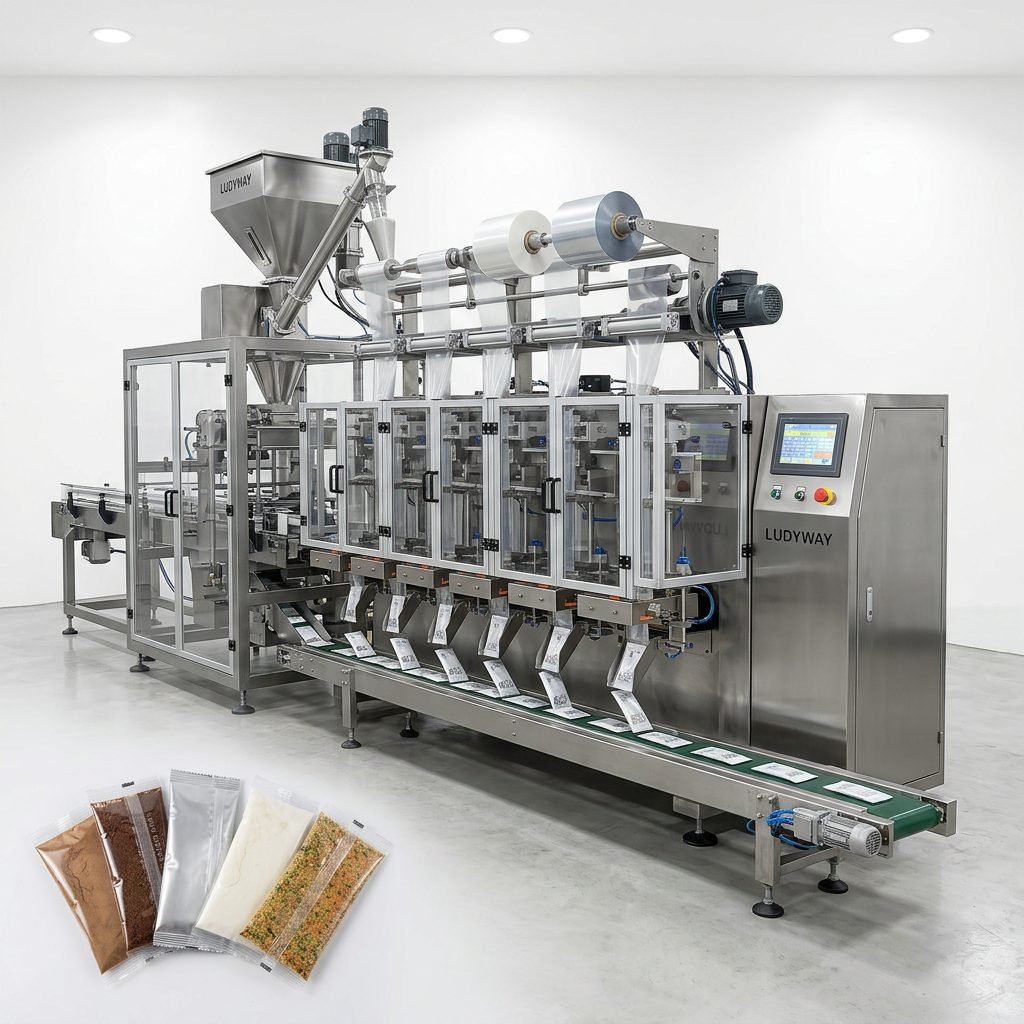
Spare Parts Inventory Planning
Maintaining a well-stocked spare parts inventory is a proactive strategy that significantly reduces downtime when components fail. Based on typical wear patterns in flour packaging applications, the following spare parts should be kept on hand:
- Sealing jaw Teflon tape and silicone sleeves — replaced frequently due to heat and abrasion
- Rubber film rollers and silicone belts — subject to continuous wear from film friction
- Heater cartridges and thermocouples — critical for seal quality; keep at least one full set
- Load cells — having a calibrated spare minimizes downtime during weighing system failures
- Sensors and photoelectric switches — flour dust can cause premature failure of standard sensors
- Drive belts and timing belts — keep matched sets for multi-belt drives
- Pneumatic seals and O-rings — essential for maintaining proper cylinder operation
When to Call a Professional Service Technician
While routine cleaning and basic maintenance can be performed by in-house operators, certain situations require the expertise of a qualified service technician. Contact your equipment supplier or a professional service provider when you encounter:
- Persistent sealing problems that are not resolved by cleaning, temperature adjustment, or Teflon replacement — this may indicate warped jaws or control system faults
- Unexplained drift in weighing accuracy that persists after thorough cleaning and recalibration of load cells
- PLC or HMI malfunctions including program errors, touchscreen calibration issues, or communication failures between modules
- Structural or frame damage from accidental impacts or excessive vibration that may compromise machine alignment
- Major component replacement such as gearbox overhauls, servo motor replacement, or film drive system rebuilding
Attempting complex repairs without proper training can lead to further damage and may void your equipment warranty. Always consult the machine documentation and manufacturer guidelines before undertaking any major service work.
Cleaning Safety Precautions
Safety must always come first during any cleaning or maintenance activity. Observe these precautions when working on flour packaging machinery:
- Always perform a full lockout/tagout (LOTO) procedure before opening guards, reaching into the machine, or performing any maintenance task that exposes moving parts or electrical components.
- Wear appropriate personal protective equipment (PPE) including safety glasses, dust masks, and cut-resistant gloves when handling sealing jaws or sharp machine components.
- Allow sealing jaws to cool completely before cleaning — these surfaces can retain heat long after the machine is powered down and can cause serious burns.
- Use only cleaning agents approved for food processing environments. Avoid harsh solvents that could leave chemical residues on product contact surfaces.
- Ensure the work area is well-ventilated when using compressed air or cleaning solvents to prevent inhalation of airborne flour particles.
Implementing a Preventive Maintenance Program
A successful maintenance strategy goes beyond reactive repairs. Implementing a structured preventive maintenance (PM) program tailored to your flour packaging operation yields the best long-term results. Key elements of an effective PM program include:
- Documented maintenance schedules with clearly defined daily, weekly, monthly, and quarterly tasks assigned to specific personnel
- Digital maintenance logs that track service history, parts replacements, and calibration records for each machine
- Operator training programs that ensure all machine operators understand basic cleaning procedures and can identify early warning signs of potential failures
- Key performance indicators (KPIs) such as mean time between failures (MTBF) and overall equipment effectiveness (OEE) to measure maintenance program effectiveness
Conclusion
Maintaining a flour packing machine requires consistent attention to cleaning, lubrication, inspection, and timely parts replacement. The abrasive and hygroscopic nature of flour demands a disciplined approach — one where daily cleaning routines are as important as quarterly deep maintenance. By following the guidelines outlined in this article, you can significantly extend your equipment’s service life, maintain accurate filling performance, and avoid unplanned production stoppages. For businesses seeking reliable, high-performance packaging equipment backed by comprehensive after-sales support, Ludyway — one of the largest packaging machine manufacturers in China with over 30 years of industry expertise — offers a full range of flour and powder packaging solutions designed for durability and ease of maintenance. A well-maintained machine is the foundation of a productive and profitable packaging operation.