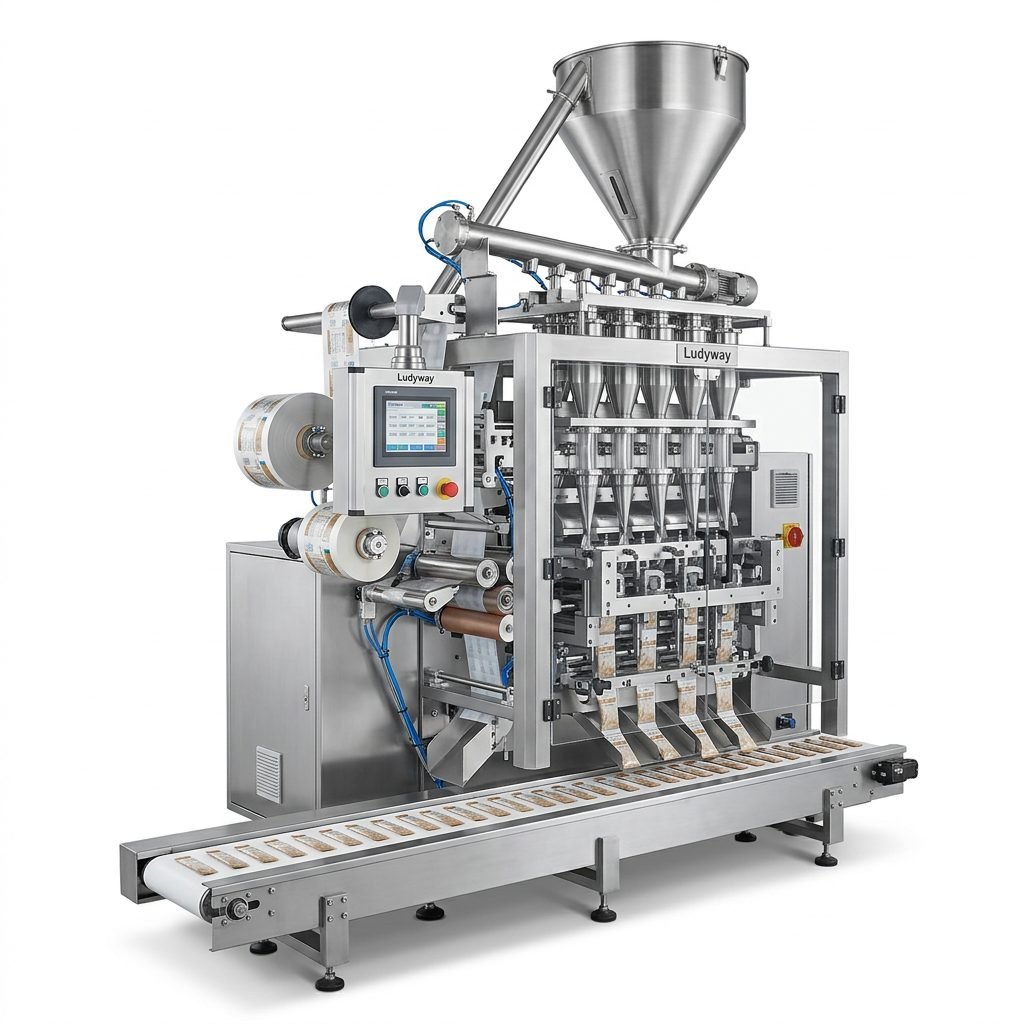
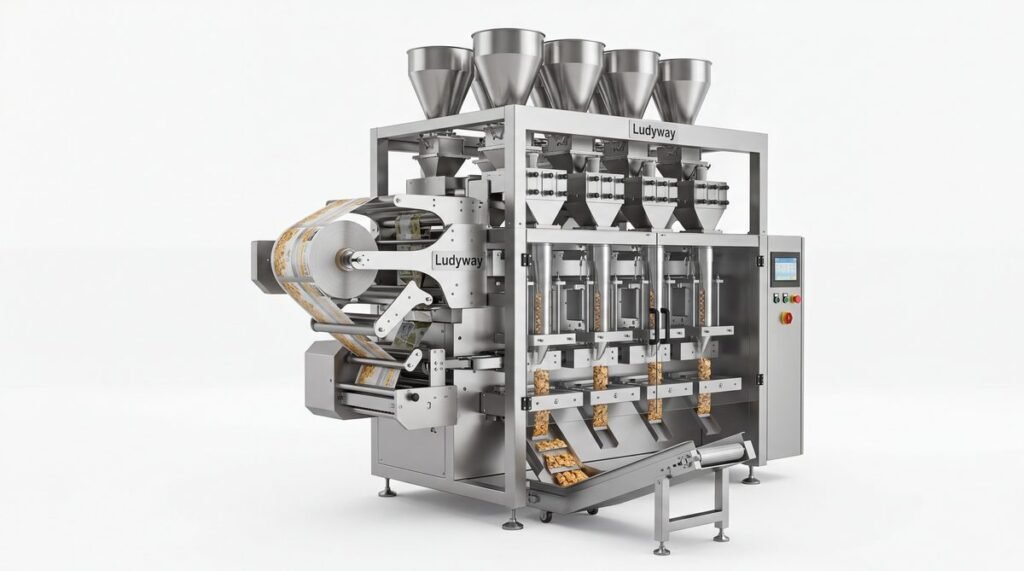
Regular and thorough maintenance of a butter packing machine is essential for ensuring food safety, consistent product quality, and extended equipment lifespan. Butter, as a high-fat dairy product, presents unique challenges — oil residues, product buildup, and the risk of bacterial growth demand a disciplined cleaning and inspection routine. Whether you operate a standalone filling unit or a fully automated packaging line, a proactive maintenance strategy will help you avoid costly downtime and regulatory issues.

Why Butter Packing Machine Maintenance Matters
Butter is a temperature-sensitive and high-fat product that can solidify, smear, or degrade if equipment is not properly maintained. Residue left inside filling nozzles, sealing jaws, or conveyors can lead to contamination, off-flavors, and even product recalls. According to FDA food packaging guidelines, food-contact surfaces must be cleaned at frequencies sufficient to prevent allergen cross-contact and microbial growth.
A well-maintained machine also performs more efficiently — reducing film waste, minimizing seal failures, and maintaining accurate fill weights. For manufacturers looking to optimize output, preventive maintenance is far more cost-effective than emergency repairs.
Key Risks of Poor Maintenance
- Product contamination from rancid butter residue
- Inconsistent fill weights due to clogged or worn dosing components
- Seal integrity failures caused by dirty or misaligned sealing jaws
- Increased downtime and higher operational costs
- Regulatory non-compliance with food safety standards
Daily Cleaning Procedures for Butter Packaging Equipment
Daily cleaning is the first line of defense against product buildup and contamination. At the end of each production shift, operators should follow a standardized cleaning protocol that covers all food-contact surfaces. The Flexible Packaging Association emphasizes that thorough sanitation is critical for dairy packaging operations.

Step-by-Step Daily Cleaning Checklist
- Power down and lock out the machine completely before starting any cleaning activity.
- Remove all removable parts — including filling nozzles, hoppers, augers, and guides — and wash them with food-grade detergent and warm water.
- Wipe down all stationary surfaces using clean, lint-free cloths and approved sanitizing solutions.
- Pay special attention to sealing jaws, where butter residue often accumulates and carbonizes over time.
- Inspect and clean photoelectric sensors and film tracking components to ensure consistent packaging quality.
- Rinse and dry all components thoroughly before reassembly to prevent water spots or corrosion.
- Run a brief dry cycle without product to verify proper reassembly and functionality.
Weekly Preventive Maintenance Tasks
Beyond daily cleaning, a weekly maintenance routine helps identify wear and tear before it leads to breakdowns. Use the following table as a reference for your weekly inspection schedule:
| Maintenance Area | Task Description | Frequency |
|---|---|---|
| Sealing System | Inspect jaw alignment, check Teflon tape condition, clean carbon deposits | Weekly |
| Lubrication Points | Apply food-grade grease to bearings, chains, and moving joints | Weekly |
| Film Feed Mechanism | Check tension rollers, inspect belts for wear, clean dust from sensors | Weekly |
| Pneumatic System | Drain moisture from air filters, check pressure settings, inspect hoses | Weekly |
| Electrical Connections | Visually inspect wiring, check emergency stop function, test safety interlocks | Weekly |
Tip: Document all weekly inspections in a maintenance log. This creates a valuable record for troubleshooting, compliance audits, and continuous improvement.
Monthly Deep Maintenance for Extended Equipment Life
Monthly maintenance goes deeper — addressing components that experience gradual wear and may not be part of daily or weekly routines. This is also the time to review industry best practices and update your maintenance plan accordingly.
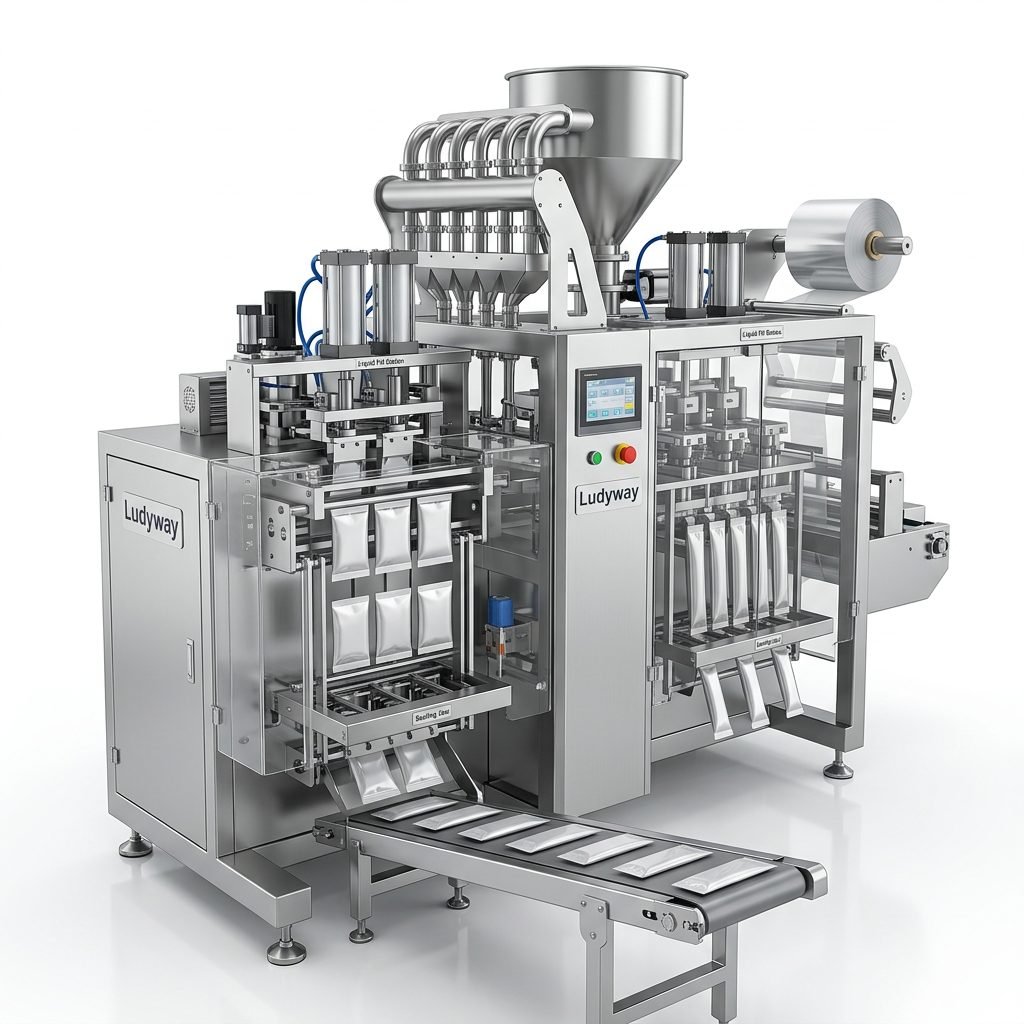
Monthly Maintenance Checklist
- Calibrate filling and weighing systems — verify fill weight accuracy across all lanes and adjust dosing parameters if deviation exceeds ±1%.
- Inspect and replace worn gaskets and O-rings in product contact zones; these degrade faster when exposed to butter’s fat content.
- Check drive belts and timing belts for tension, cracking, or elongation; replace if any signs of fatigue are visible.
- Test temperature control systems — for butter packaging, maintaining the right product temperature range (typically 12-20°C) is critical for consistent portioning.
- Deep-clean conveyor systems and inspect for bearing wear or alignment drift.
- Update firmware and software if your machine uses programmable logic controllers (PLCs) or touchscreen interfaces.
Food Safety Compliance and Sanitation Standards
Butter packaging operations must comply with HACCP principles and relevant local food safety regulations. The FDA’s food contact substance regulations set clear expectations for materials and cleaning procedures. Key compliance areas include:
| Compliance Area | Requirement | Recommended Action |
|---|---|---|
| Allergen Control | Prevent cross-contact with allergens | Dedicated cleaning tools, validated sanitation procedures |
| Microbial Control | Minimize bacterial growth risk | Regular swab testing, scheduled deep cleaning |
| Traceability | Maintain maintenance and cleaning logs | Digital or written records with date, time, and operator signature |
| Material Compatibility | Use food-grade lubricants and cleaning agents | Verify all consumables meet NSF H1 or equivalent standards |
Common Butter Packing Machine Issues and Troubleshooting
Even with diligent maintenance, issues can arise. Here are some of the most common problems encountered in butter packaging operations and how to address them:
1. Inconsistent Fill Weights
Often caused by product temperature fluctuations or partially clogged filling nozzles. Verify that butter is maintained at the recommended processing temperature and that all dosing components are clean and calibrated.
2. Seal Failures or Leaks
Dirty or misaligned sealing jaws are the usual suspects. Carbonized butter residue on the sealing surface can prevent proper heat transfer. Clean jaws thoroughly and check jaw parallelism.
3. Film Tracking Issues
Worn rollers, incorrect tension settings, or dust accumulation on sensors can cause the packaging film to drift. Inspect all film path components and clean optical sensors weekly.
4. Excessive Noise or Vibration
This typically indicates worn bearings, loose fasteners, or dry lubrication points. Perform an immediate inspection of all moving mechanical components and apply food-grade lubricant as needed.

Best Practices for Extending Equipment Lifespan
To maximize the return on your butter packing machine investment, consider these long-term strategies:
- Train all operators thoroughly — human error is a leading cause of preventable equipment damage.
- Stock critical spare parts — including sealing jaws, Teflon tape, gaskets, belts, and common sensors — to minimize downtime during repairs.
- Schedule professional servicing annually — a qualified technician can identify developing issues that routine inspections might miss. Ludyway, with over 30 years of packaging machinery expertise, offers comprehensive technical support for its equipment range.
- Use only approved cleaning agents — harsh chemicals can corrode stainless steel surfaces and degrade seals over time.
- Monitor environmental conditions — humidity, ambient temperature, and air quality in the packaging area all affect machine performance and product quality.
Conclusion: Build Maintenance into Your Daily Operations
Maintaining a butter packing machine is not just about cleaning — it is a comprehensive discipline that combines daily sanitation, preventive inspections, and strategic planning. By following structured daily, weekly, and monthly routines, you can dramatically reduce unscheduled downtime, ensure consistent product quality, and meet stringent food safety standards. Refer to resources from organizations like PMMI and the Flexible Packaging Association to stay informed about evolving industry standards. A well-maintained machine is the foundation of a profitable, efficient, and compliant butter packaging operation.