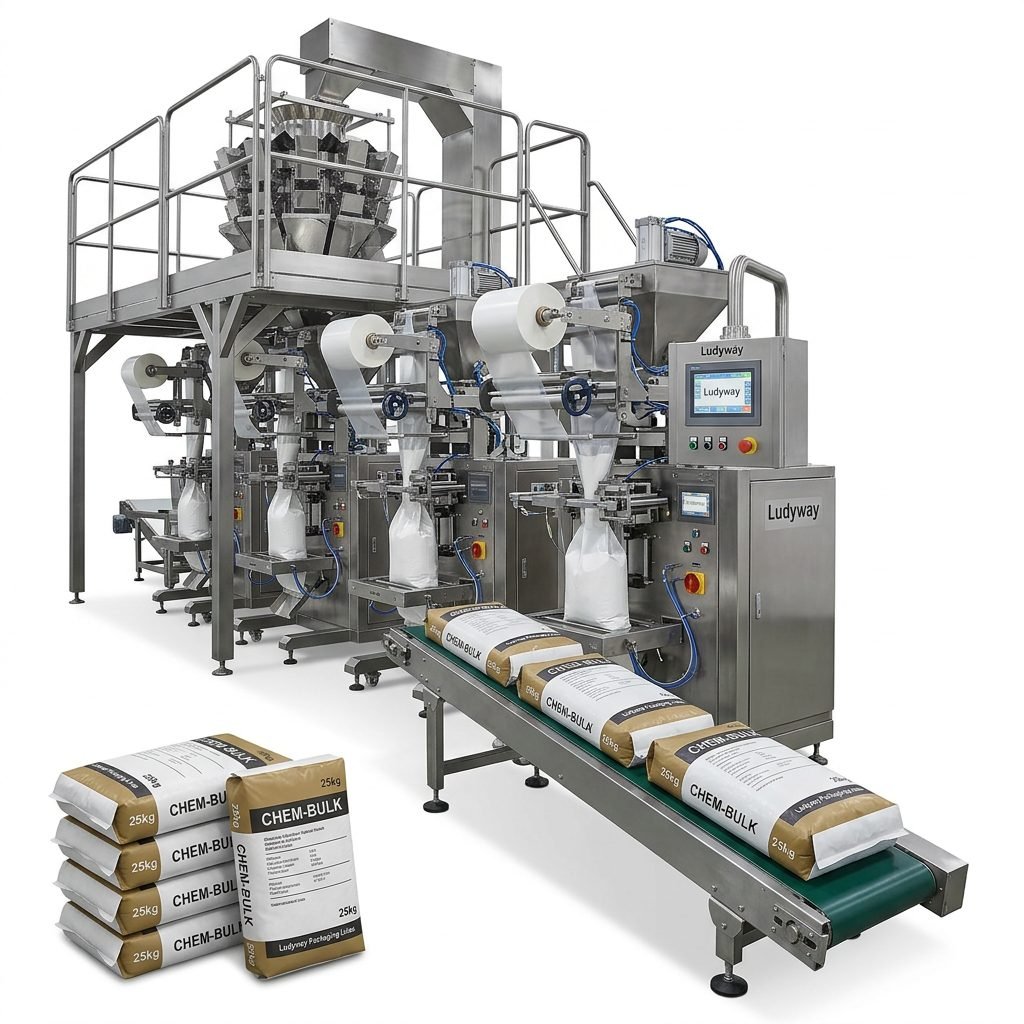
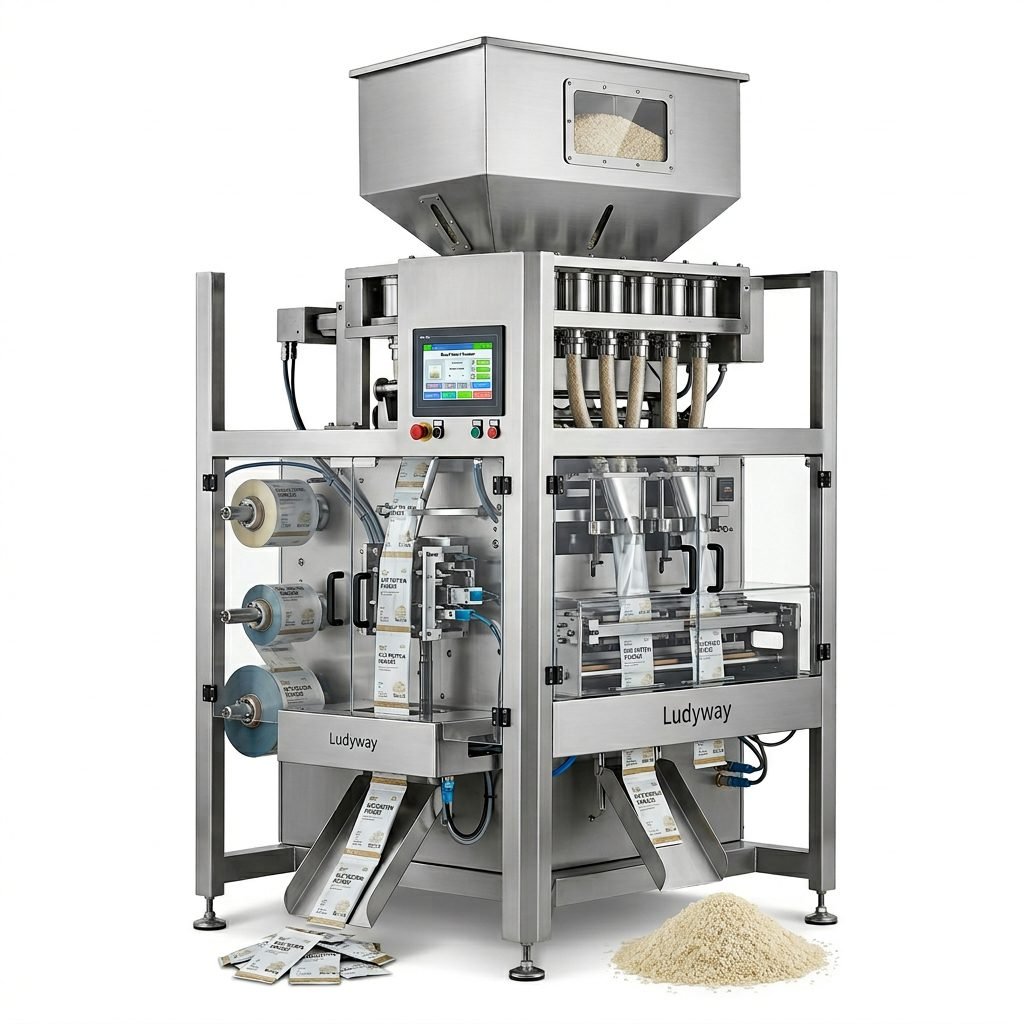
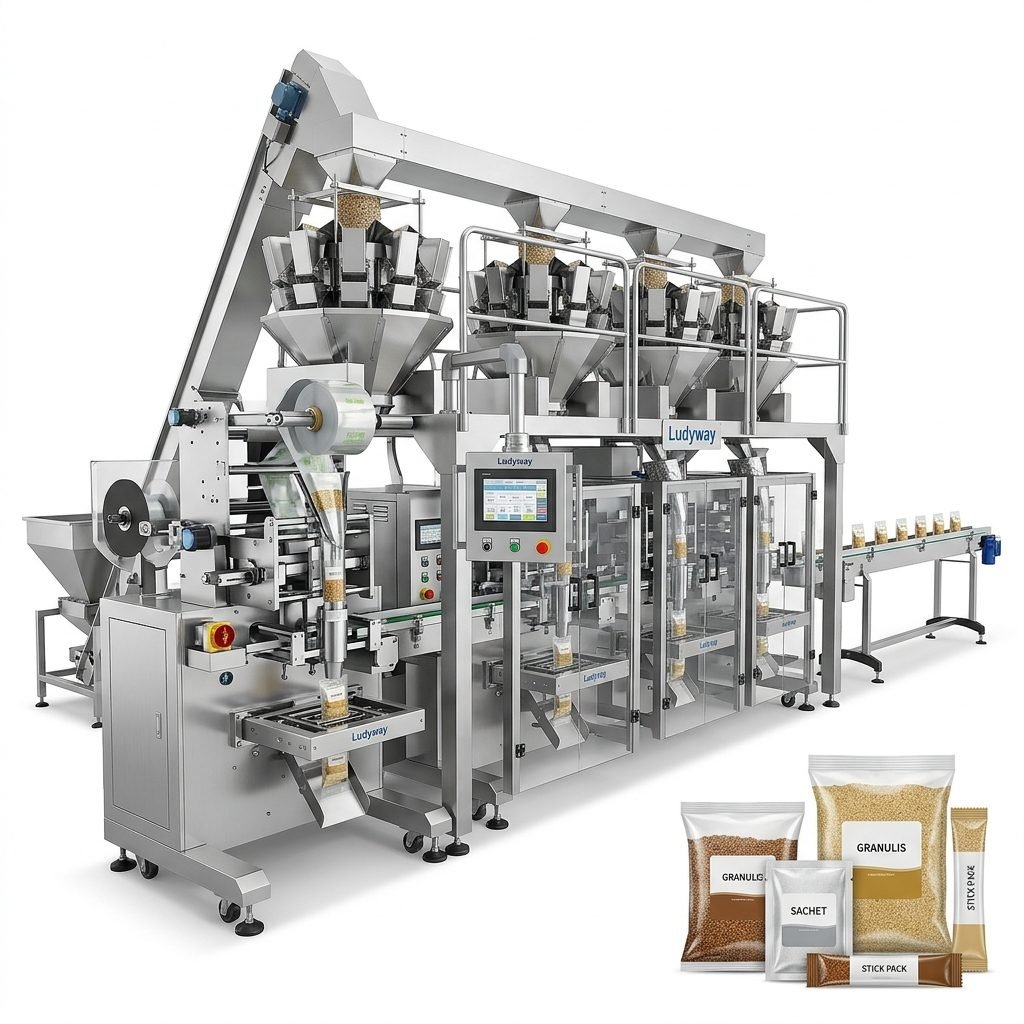
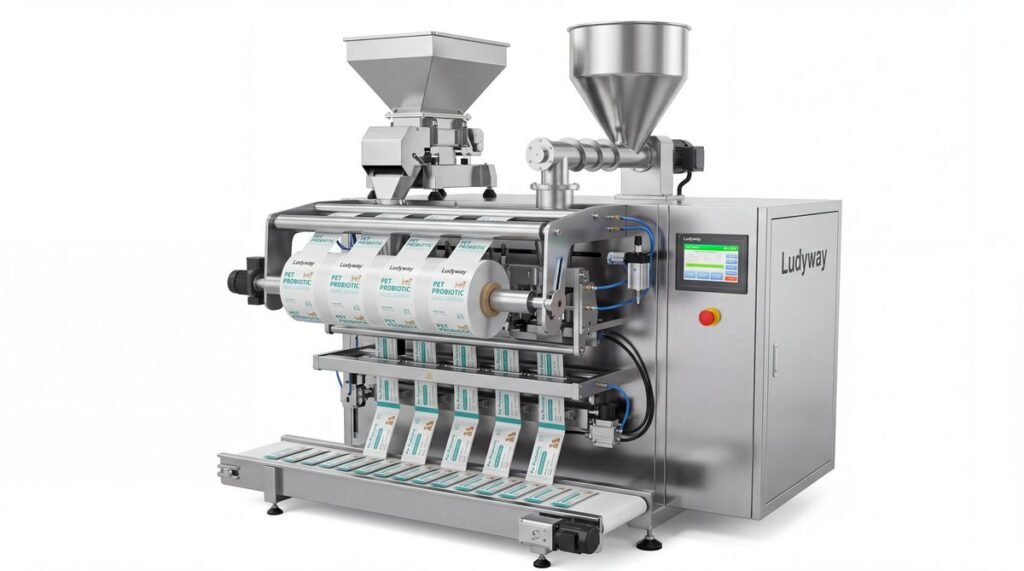
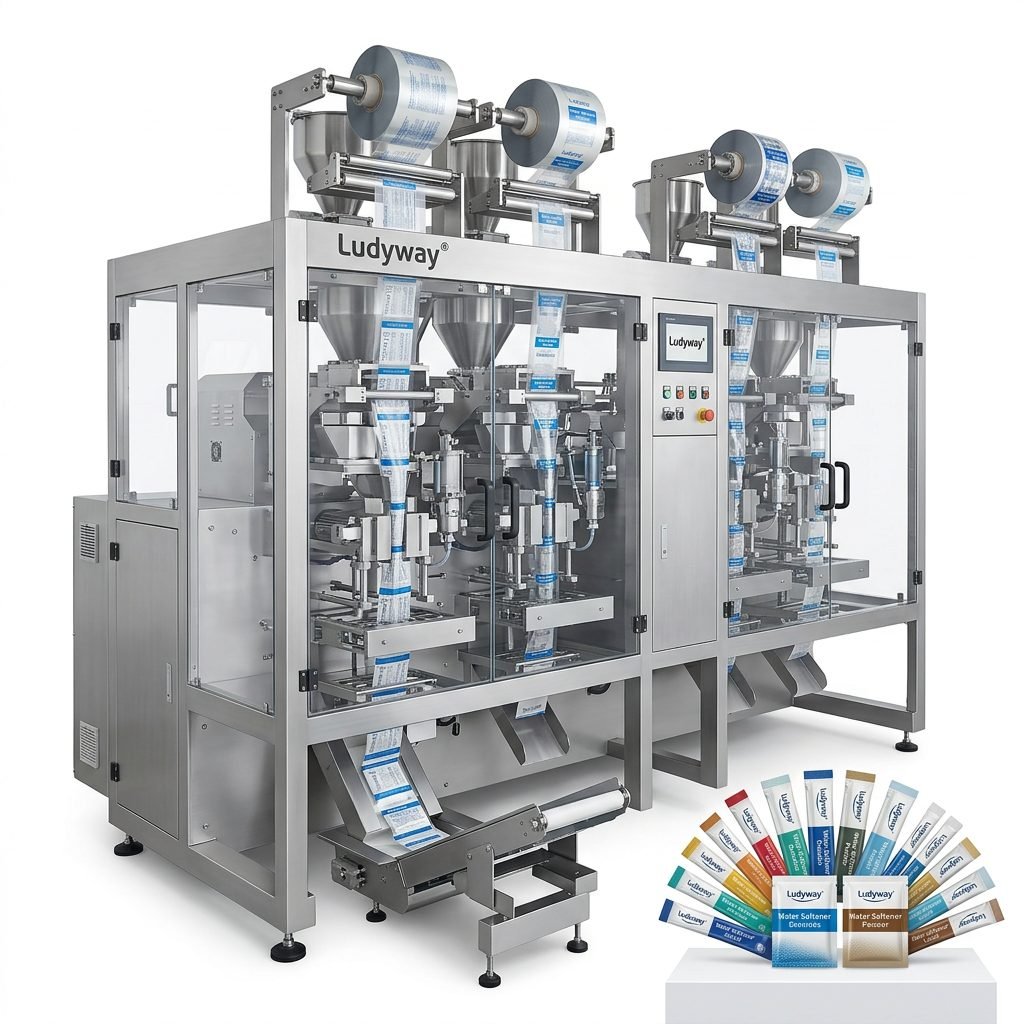
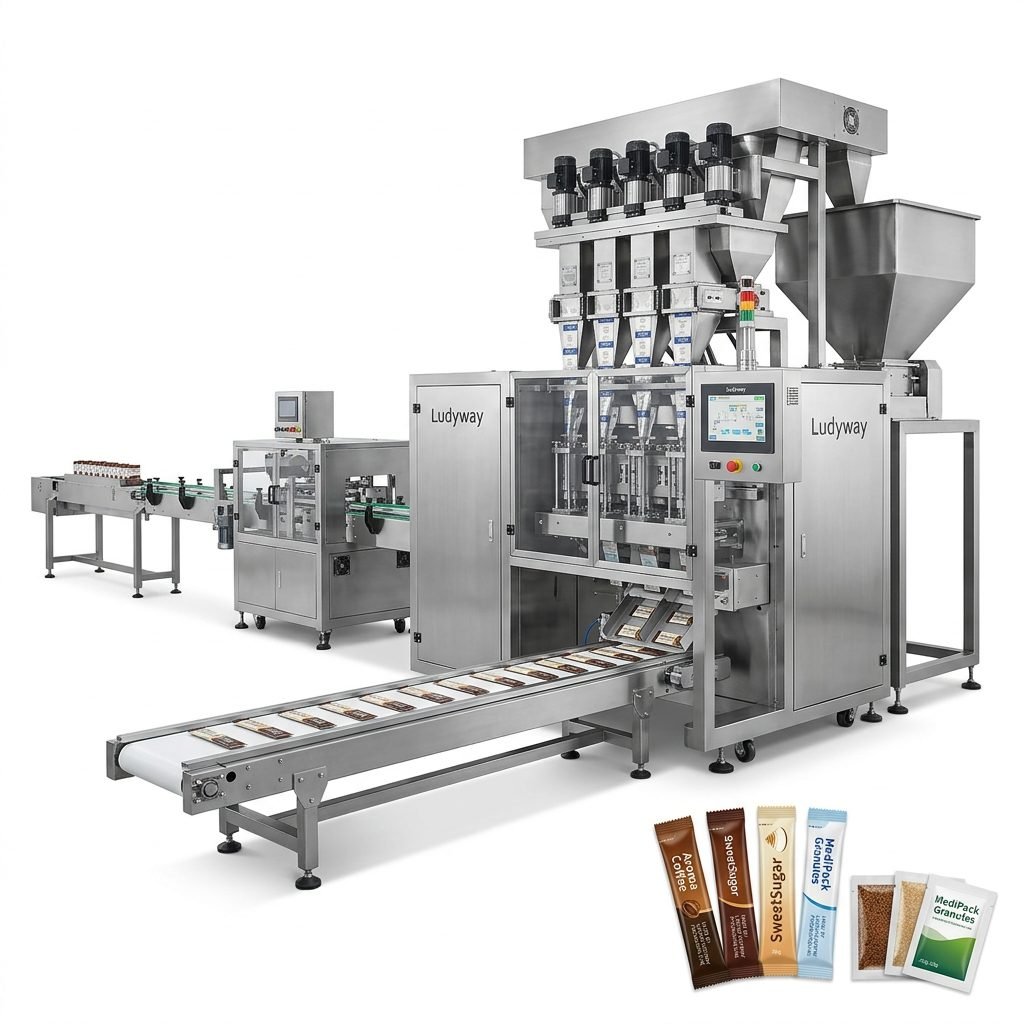
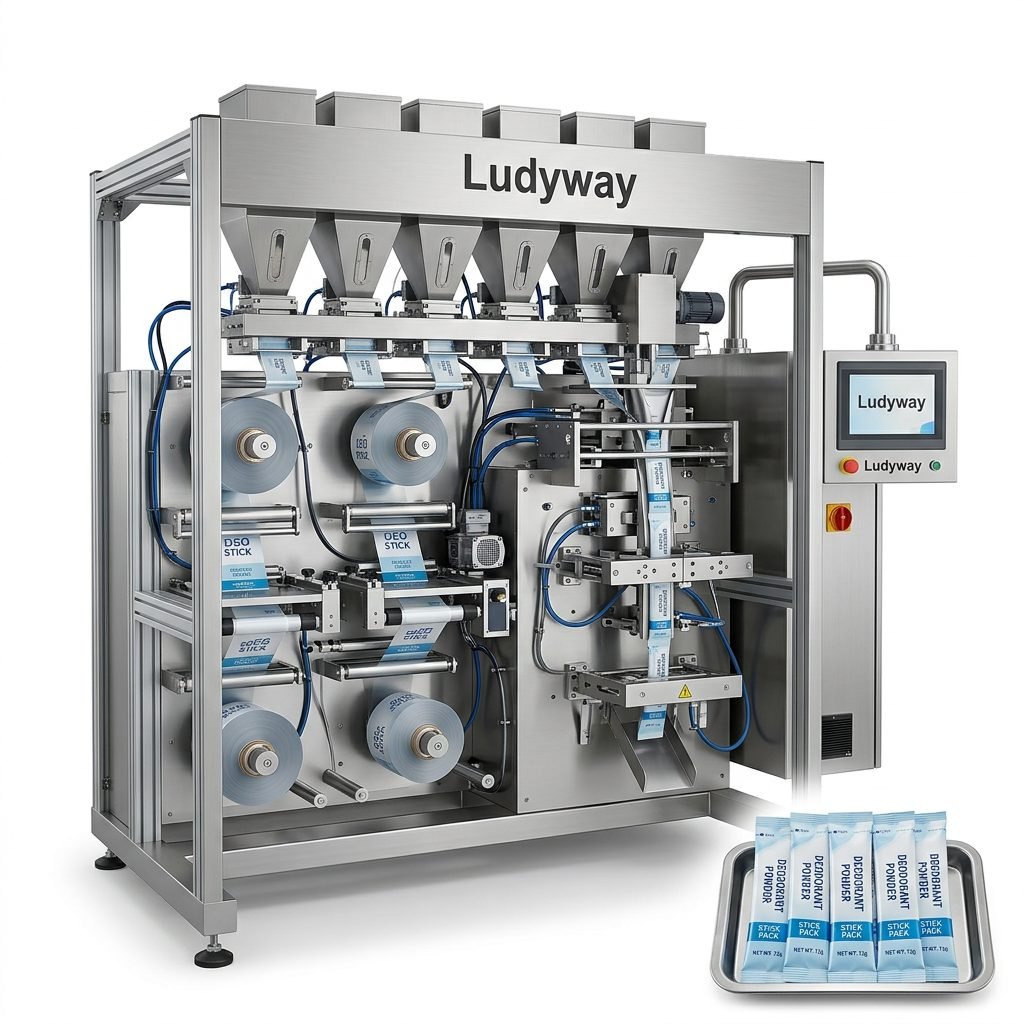
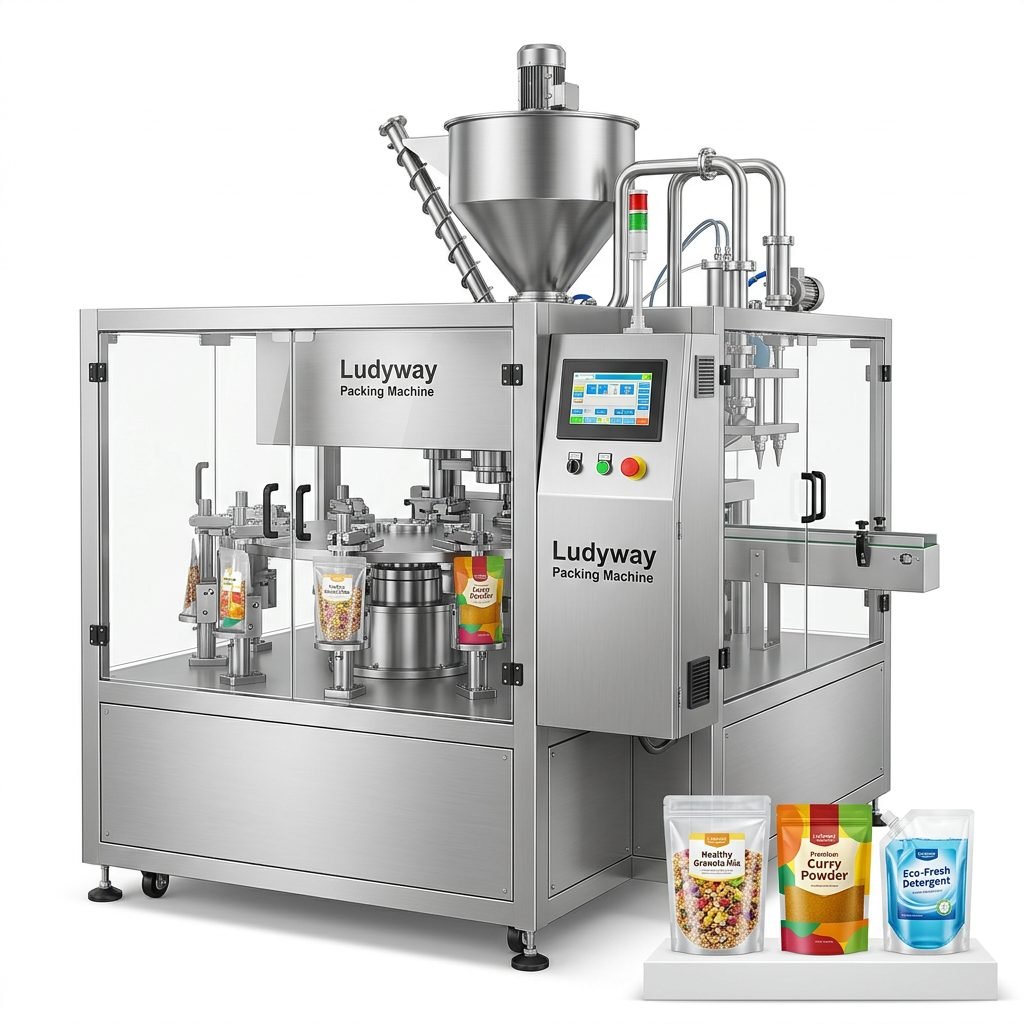
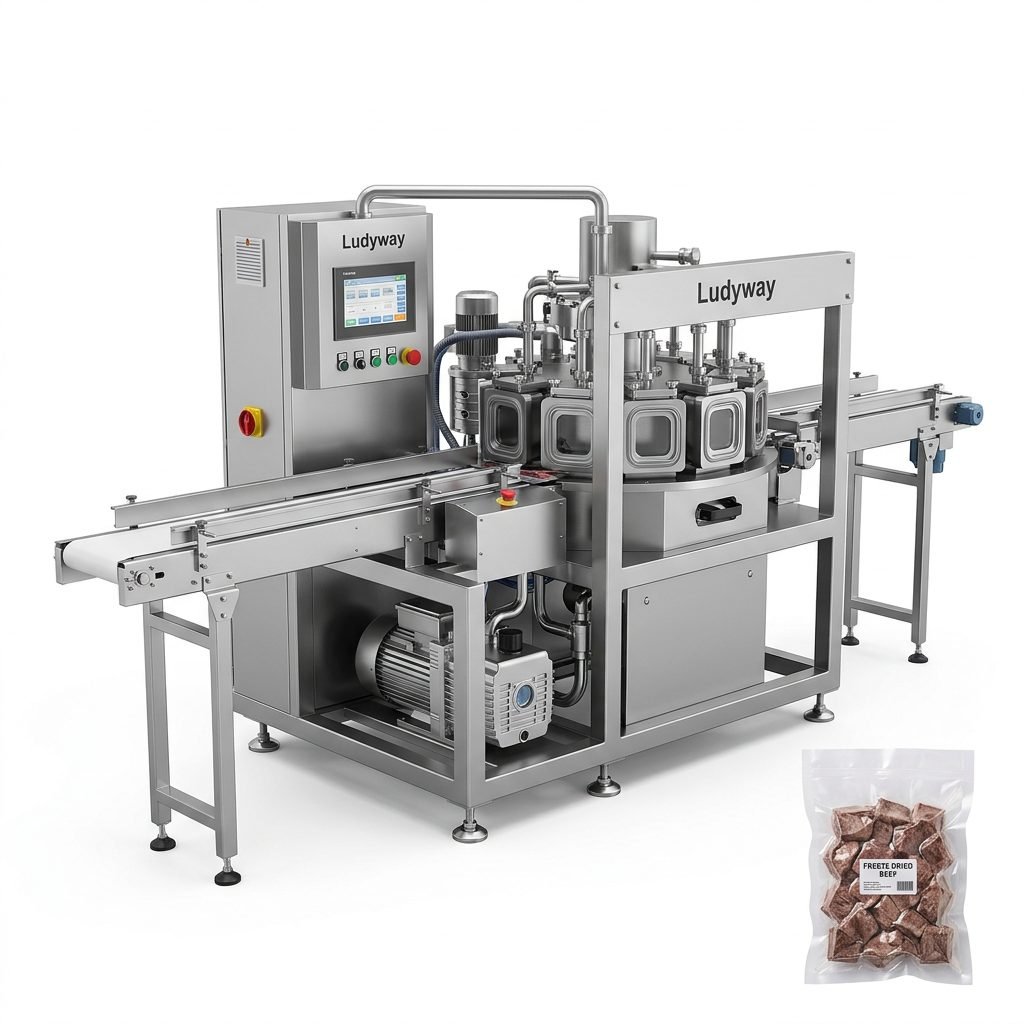
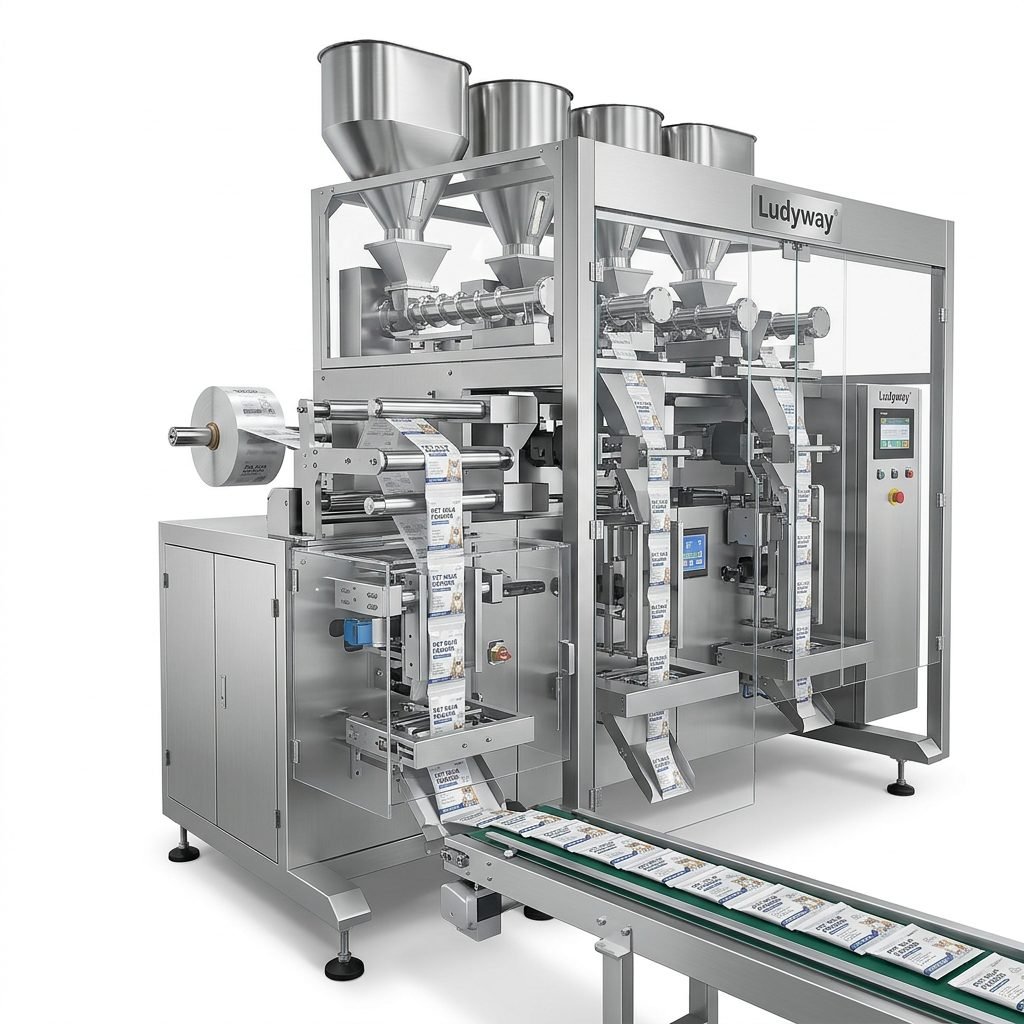
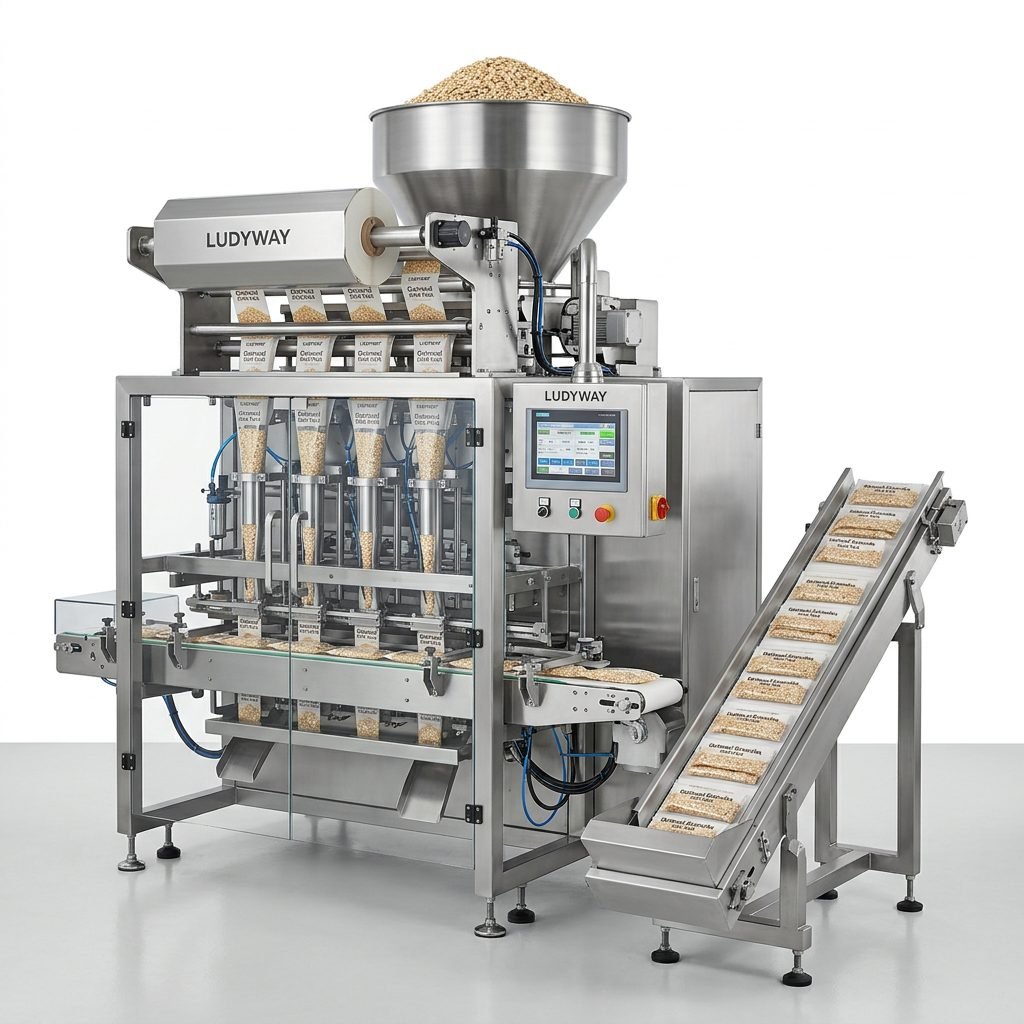
Selecting the right packaging machinery in Iran presents unique challenges and opportunities. With a dynamic domestic market spanning food, pharmaceutical, and chemical sectors, the demand for reliable, efficient, and compliant packaging solutions continues to grow. Understanding the key factors before investing is critical.

Understanding Iran’s Packaging Machinery Landscape
Iran’s industrial base is substantial, yet international trade restrictions have shaped how businesses source packaging equipment. Many European and American brands face export limitations, making Chinese, Turkish, and domestic manufacturers the primary suppliers. This reality means buyers must carefully evaluate not just machine specifications, but also long-term serviceability, spare parts availability, and technical support channels.
Key industries driving demand include:
- Food processing — dried fruits, nuts, saffron, spices, tea, and confectionery
- Pharmaceuticals — powders, granules, tablets, and oral liquids
- Chemicals and detergents — industrial powders, cleaning agents, and agricultural inputs
- Cosmetics and personal care — creams, serums, shampoos, and sachet-packed products
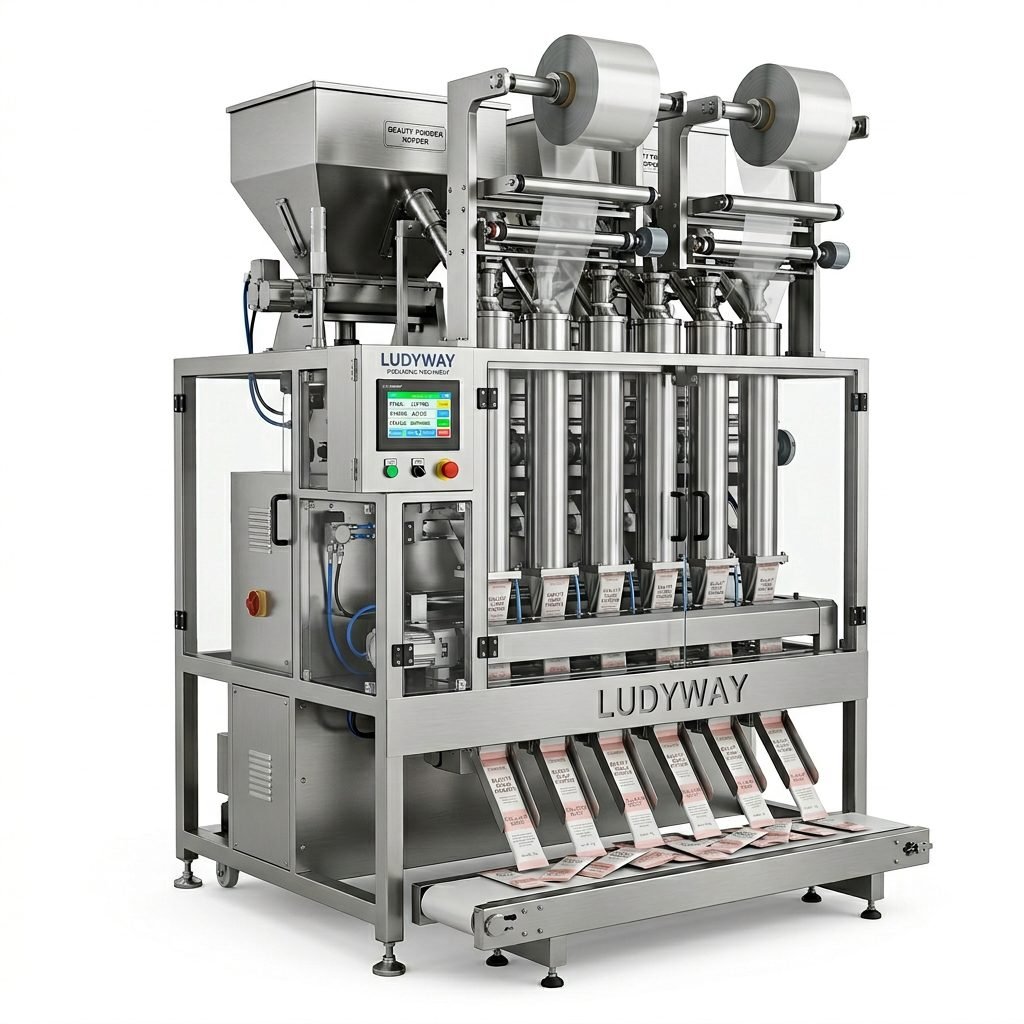
Step 1: Define Your Product and Packaging Format
The single most important decision starts with your product characteristics. Different states of matter require fundamentally different packaging machine technologies:
- Granules — free-flowing solids like sugar, salt, seeds, fertilizers, and plastic pellets
- Powders — flour, milk powder, spices, protein supplements, and chemical dusts (consider dust control)
- Liquids — oils, beverages, shampoos, sanitizers, and liquid detergents (viscosity matters)
- Pastes and creams — tomato paste, honey, moisturizers, and industrial greases
Equally important is your target packaging format. Stick packs and sachets dominate the Iranian retail market for single-use portions, while larger pouches and bags serve wholesale and bulk channels.
Common Packaging Formats in Iran
| Packaging Format | Best Suited Products | Typical Industries |
|---|---|---|
| Stick Pack | Instant coffee, sugar, milk powder, supplements | Food, Nutraceutical |
| Sachet (3-side/4-side seal) | Shampoo, ketchup, spices, sanitizer | Cosmetics, Food, Pharma |
| Pouch (stand-up, zipper) | Dried fruits, nuts, frozen foods, detergents | Food, Chemical |
| Bottle/Jar filling | Liquids, creams, syrups, oils | Pharma, Cosmetics, Food |
| Bulk bag (10-50 kg) | Fertilizers, grains, industrial powders | Agriculture, Chemical |
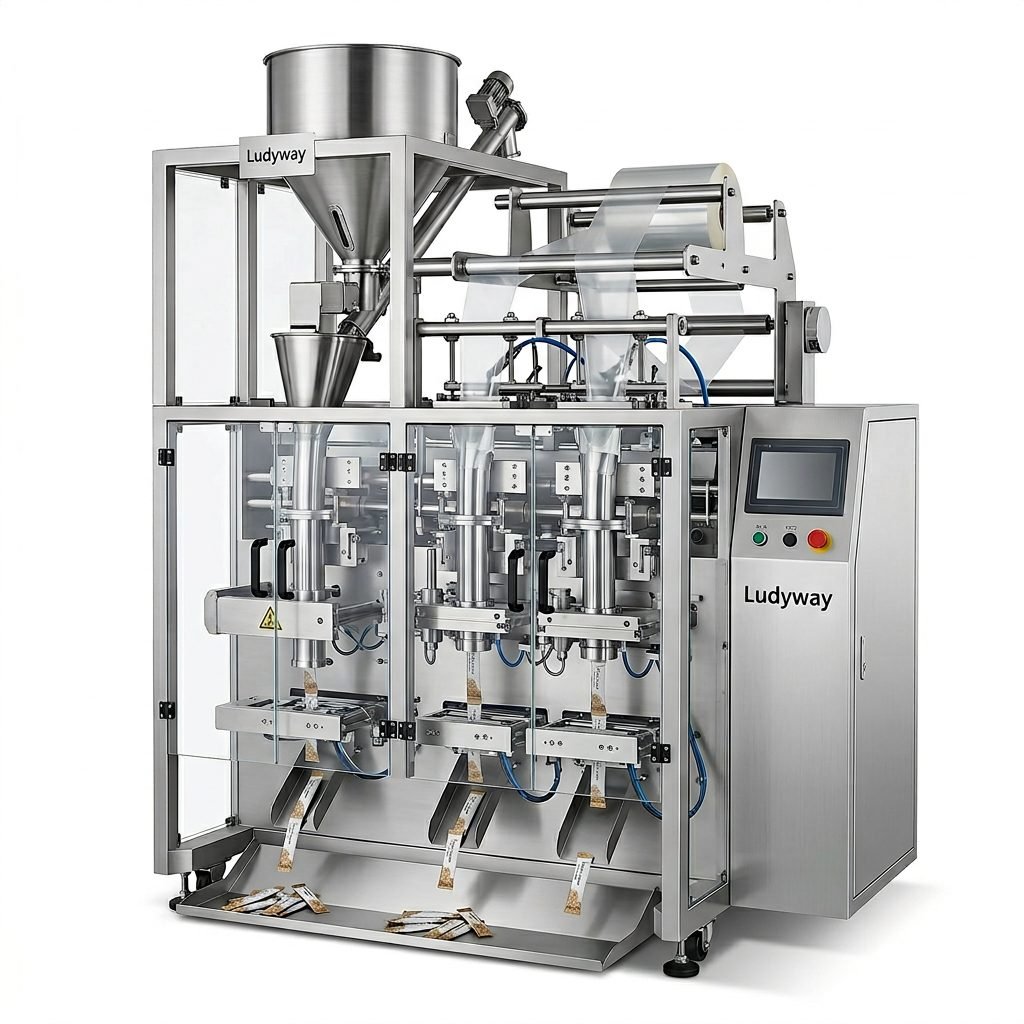
Step 2: Match Speed and Automation Level to Production Needs
Iranian manufacturers range from small-scale artisanal producers to large industrial operations. Your required output capacity directly determines the machine configuration you need:
- Single-lane machines — suitable for startups producing 30-60 packs per minute
- Multi-lane machines (4-12 lanes) — ideal for medium to large factories targeting 200-600 packs per minute
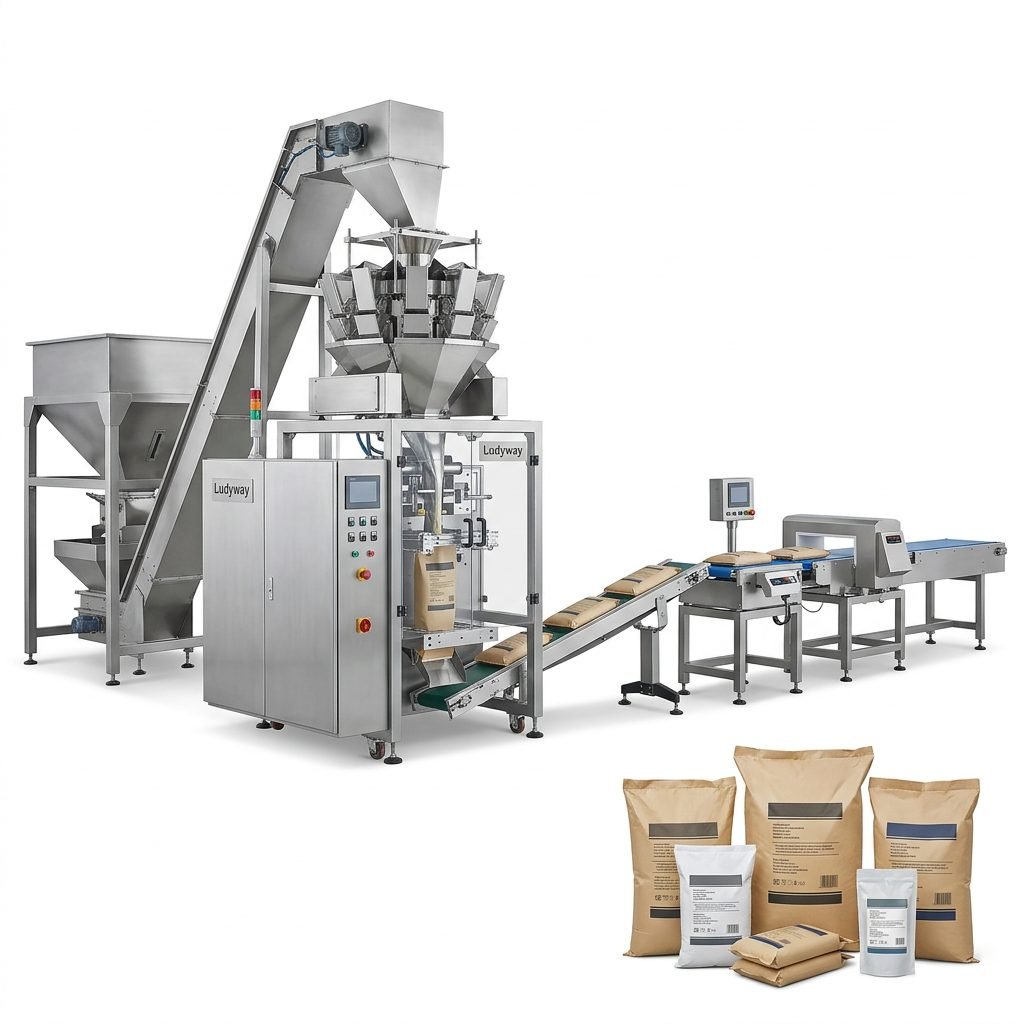
- Fully automated turnkey lines — combining filling, sealing, labeling, cartoning, and palletizing for maximum throughput
Multi-lane stick pack and sachet machines have become increasingly popular in Iran’s food and pharmaceutical sectors due to their efficiency and reduced per-unit packaging cost. When evaluating speed ratings, always confirm whether the stated capacity reflects real-world conditions with your specific product.
Automation Level Comparison
| Automation Tier | Features | Ideal For |
|---|---|---|
| Semi-Automatic | Manual feeding, automatic filling/sealing | Small workshops, niche products |
| Fully Automatic (Standalone) | Automatic feeding, filling, sealing, cutting | Mid-size manufacturers |
| Integrated Turnkey Line | End-to-end automation with conveyors, checkweighers, cartoners | Large-scale industrial production |
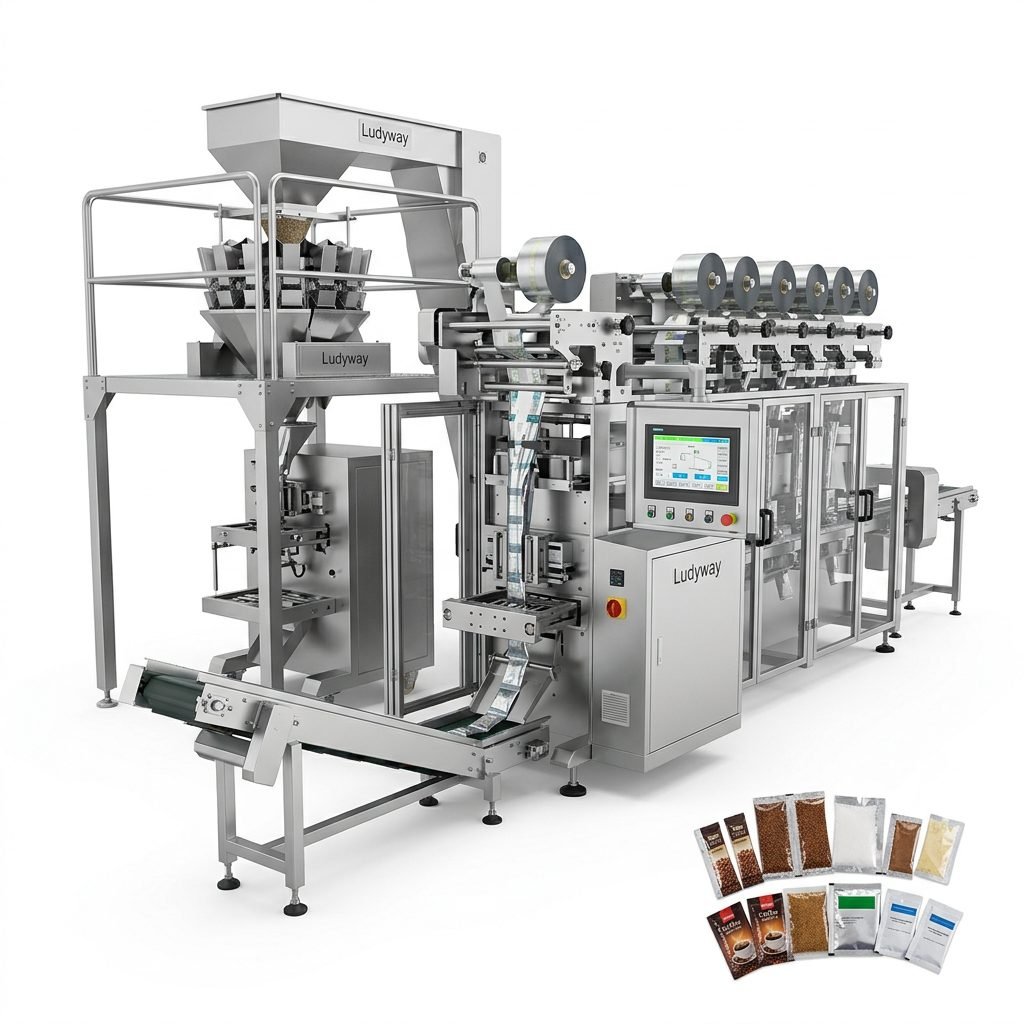
Step 3: Prioritize After-Sales Support and Spare Parts
In Iran, after-sales service is arguably the most critical factor when choosing a packaging machine supplier. Due to trade restrictions, importing spare parts from some countries can involve significant delays. Before committing to a purchase, verify:
- Whether the supplier has a local representative or distributor in Iran
- Spare parts inventory and typical delivery lead times to Iranian ports
- Availability of remote technical support (video calls, multilingual manuals)
- Warranty terms that are enforceable within Iran’s regulatory framework
- Training provisions for your operators and maintenance technicians
Chinese packaging machinery manufacturers have become dominant suppliers to the Iranian market precisely because they offer a combination of competitive pricing, robust engineering, and reliable spare parts logistics through established trade routes.
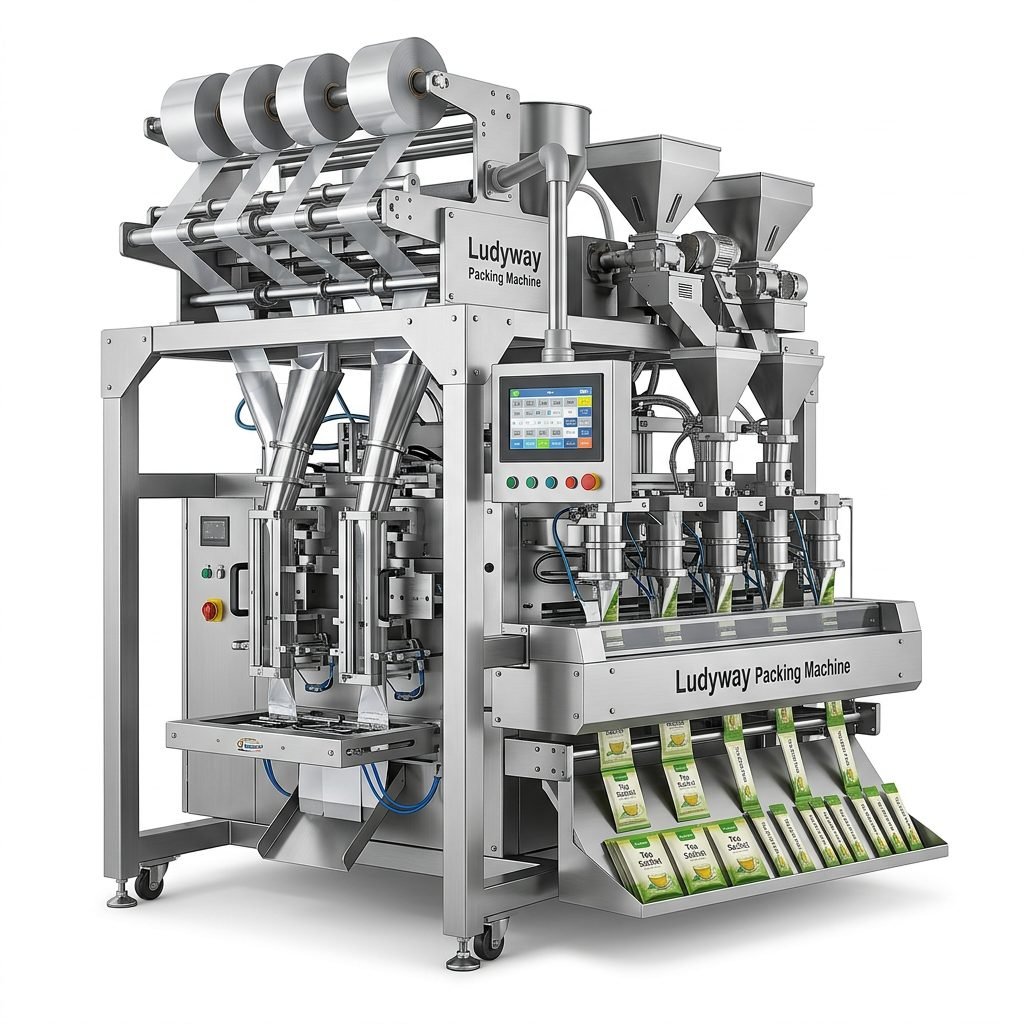
Step 4: Verify Compliance and Quality Certifications
Iran’s Food and Drug Administration (IFDA) and the Institute of Standards and Industrial Research of Iran (ISIRI) enforce specific requirements for packaging machinery used in food and pharmaceutical production. Key certifications to look for include:
- CE marking — widely recognized and often accepted by Iranian import authorities
- ISO 9001 — quality management system certification for the manufacturer
- GMP-compatible design — especially important for pharmaceutical and food-grade applications
- Food-grade contact materials — stainless steel (SUS304 or SUS316L) construction for product-contact parts
Always request documentation that materials used in construction comply with FDA food contact standards or equivalent EU regulations, as these are commonly referenced by Iranian authorities. For pharmaceutical applications, ISO packaging standards provide a globally recognized benchmark.
Machine Construction Checklist
| Component | Recommended Material | Why It Matters |
|---|---|---|
| Product-contact parts | SUS304 or SUS316L Stainless Steel | Prevents contamination; easy to clean |
| Frame and exterior panels | SUS304 Stainless Steel | Durability in humid or washdown environments |
| Sealing jaws | Hardened steel with Teflon coating | Consistent seal quality over millions of cycles |
| Electrical components | Schneider, Siemens, or equivalent | Reliability and availability of replacements |
| PLC and HMI | Siemens, Mitsubishi, or Omron | Serviceability by local technicians in Iran |
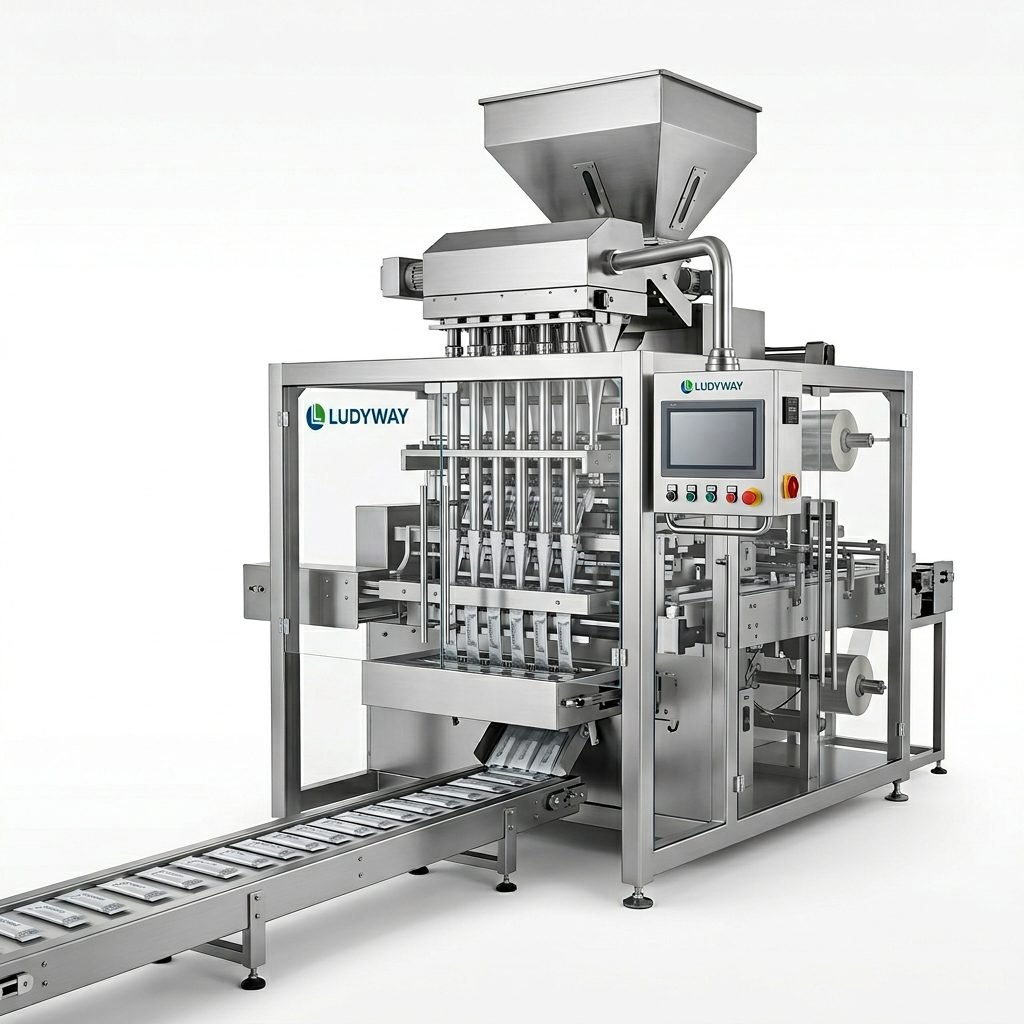
Step 5: Plan for Payment and Logistics Realities
International payments involving Iran require careful planning. Many traditional banking channels remain restricted, so buyers should discuss payment methods with potential suppliers early in the negotiation process. Common approaches include:
- Letters of Credit (L/C) — routed through banks in countries with active trade relationships with Iran
- Telegraphic Transfer (T/T) — through intermediary banks in the UAE, Turkey, or China
- Escrow services — providing security for both parties in cross-border transactions
Experienced suppliers who regularly export to Iran will already have established payment corridors and logistics partnerships, significantly simplifying the process. Ask potential vendors about their export history to Iran and whether they have references from Iranian customers.
Step 6: Evaluate Total Cost of Ownership
The purchase price is only one component of the total cost of ownership (TCO). Over a machine’s 10-15 year lifespan, operational costs often far exceed the initial investment. Calculate TCO by considering:
- Energy consumption — motors, heaters, and compressed air requirements
- Consumables — sealing films, lubricants, filters, and wear parts
- Spare parts — typical annual replacement costs for belts, bearings, and seals
- Downtime risk — the production cost of machine unavailability
- Operator training — initial and ongoing training investments
A slightly more expensive machine with higher reliability and better local support can deliver significantly lower TCO in the Iranian operating environment.
TCO Factor Comparison
| Cost Factor | Low-Initial-Cost Machine | Quality-Engineered Machine |
|---|---|---|
| Purchase Price | Lower | Higher |
| Energy Efficiency | Often lower | Optimized motors and controls |
| Spare Parts Frequency | More frequent replacements | Longer component life |
| Downtime Risk | Higher | Lower with better support |
| 10-Year TCO Estimate | Often higher overall | Lower total cost |
Step 7: Research Supplier Reputation and Iran Experience
Before finalizing any purchase, conduct thorough due diligence on your shortlisted suppliers:
- Export track record to Iran — how many machines have they delivered to Iranian clients?
- Client testimonials and references — request contact with existing customers in Iran
- Exhibition presence — do they exhibit at major packaging exhibitions where you can see machines in person?
- Factory audit capability — can you or a representative visit their manufacturing facility?
- Documentation quality — are manuals, schematics, and training materials available in Persian or English?
According to recent packaging industry data from PMMI, the global packaging machinery market continues to grow, with significant demand coming from Middle Eastern markets including Iran. This growth has attracted numerous suppliers, making careful vetting essential.

Making Your Final Decision
Choosing the best packaging machine in Iran is not about finding the cheapest option or the most feature-rich model. It is about finding the right balance of performance, reliability, compliance, and support tailored to your specific production requirements. By systematically evaluating product compatibility, automation level, after-sales infrastructure, certifications, and total cost of ownership, you can make a confident investment decision.
Work with suppliers who understand Iran’s unique market conditions and can provide documented evidence of successful installations in the region. Request a detailed quotation that includes all ancillary equipment, installation support, and a clear spare parts program.
Final Decision Checklist
- Product compatibility confirmed — machine tested or specified for your exact product type
- Speed and format requirements matched — current and projected production volumes
- After-sales plan documented — service response times, spare parts availability, training schedule
- Compliance verified — certifications accepted by Iranian authorities
- Payment and logistics pathway established — clear understanding of costs and timelines
- References checked — positive feedback from existing Iranian customers
- TCO calculated — total cost of ownership projected over expected machine lifespan
For businesses seeking a reliable partner in packaging machinery, Ludyway is one of the largest packaging machine manufacturers in China, specializing in advanced equipment for the food, pharmaceutical, and health industries. With over 30 years of experience and a modern 20,000m² facility, the company offers more than 50 intelligent models including multi-lane stick pack, sachet, and fully automated systems. Ludyway serves customers in over 100 countries with professional technical support and cost-effective solutions. For more insights on global packaging trends, explore flexible packaging industry resources and stay informed on evolving standards.