Kenya’s food processing sector is experiencing rapid growth, driven by rising consumer demand, urbanization, and a dynamic agricultural supply chain. From coffee and tea to spices, flours, dairy products, and ready-to-eat snacks, the diversity of food products requires intelligent investment in the right packaging technology. Selecting the best food packaging machine for the Kenya market is not just about finding the lowest price—it involves understanding local production conditions, product characteristics, regulatory requirements, and long-term operational costs.

Understanding Kenya’s Food Packaging Landscape
Kenya serves as a commercial hub for East Africa, with a growing middle class that increasingly values product quality, convenience, and brand presentation. The packaging machinery industry must adapt to local needs such as intermittent power supply, variable climate conditions, and the requirement for machines that can handle both small-batch and high-volume production. According to the 2025 State of the Industry report, emerging markets in Africa are showing double-digit growth in packaging equipment adoption, making equipment selection more critical than ever.
Manufacturers entering or expanding within the Kenyan market must evaluate packaging solutions that accommodate multiple product formats—granules, powders, liquids, and pastes—while maintaining flexibility for future product line extensions. The right machine should also integrate seamlessly with upstream and downstream processes, from weighing and filling to sealing and secondary packaging systems.
Key Product Categories for the Kenyan Market
Food products requiring packaging automation in Kenya typically fall into several broad categories, each demanding specific machine configurations:
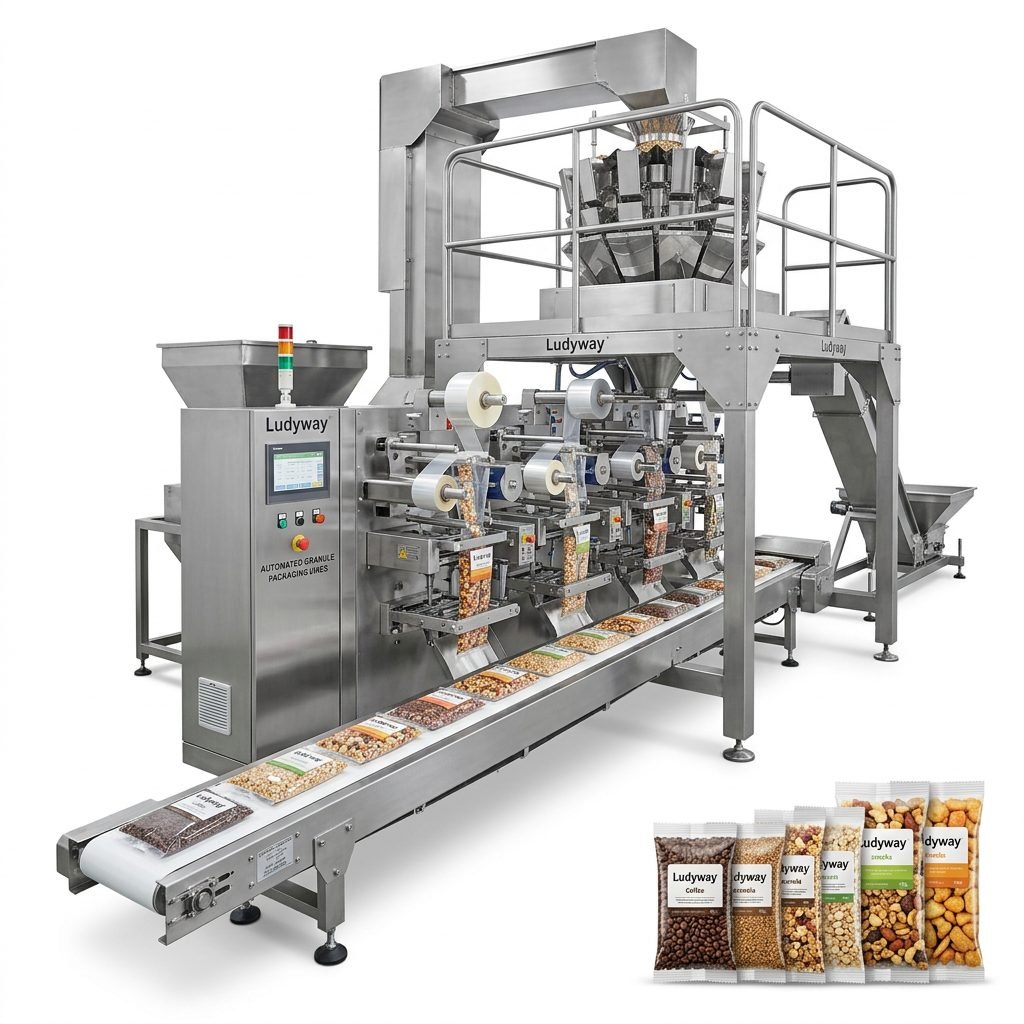
- Dry granular products: Coffee beans, tea leaves, rice, maize flour, sugar, and spice blends require precise weighing and dust-controlled filling environments.
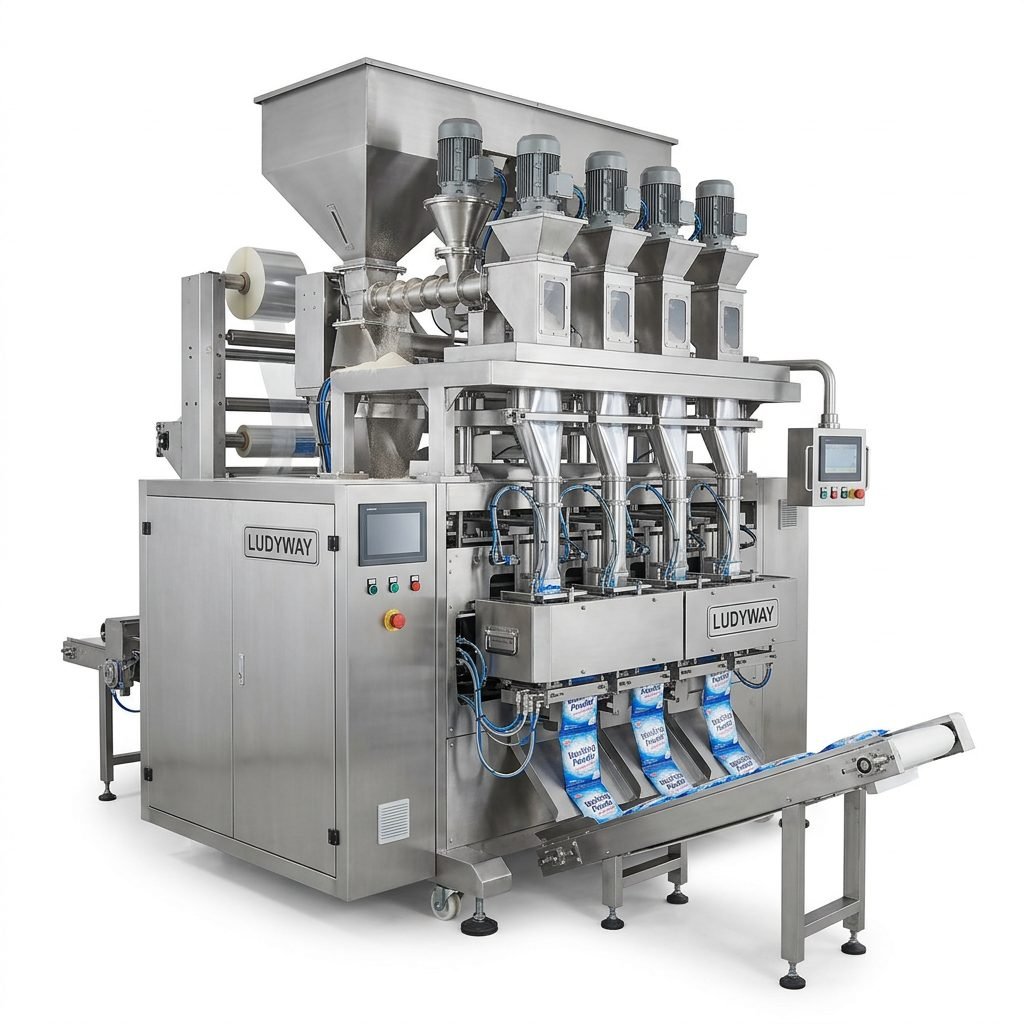
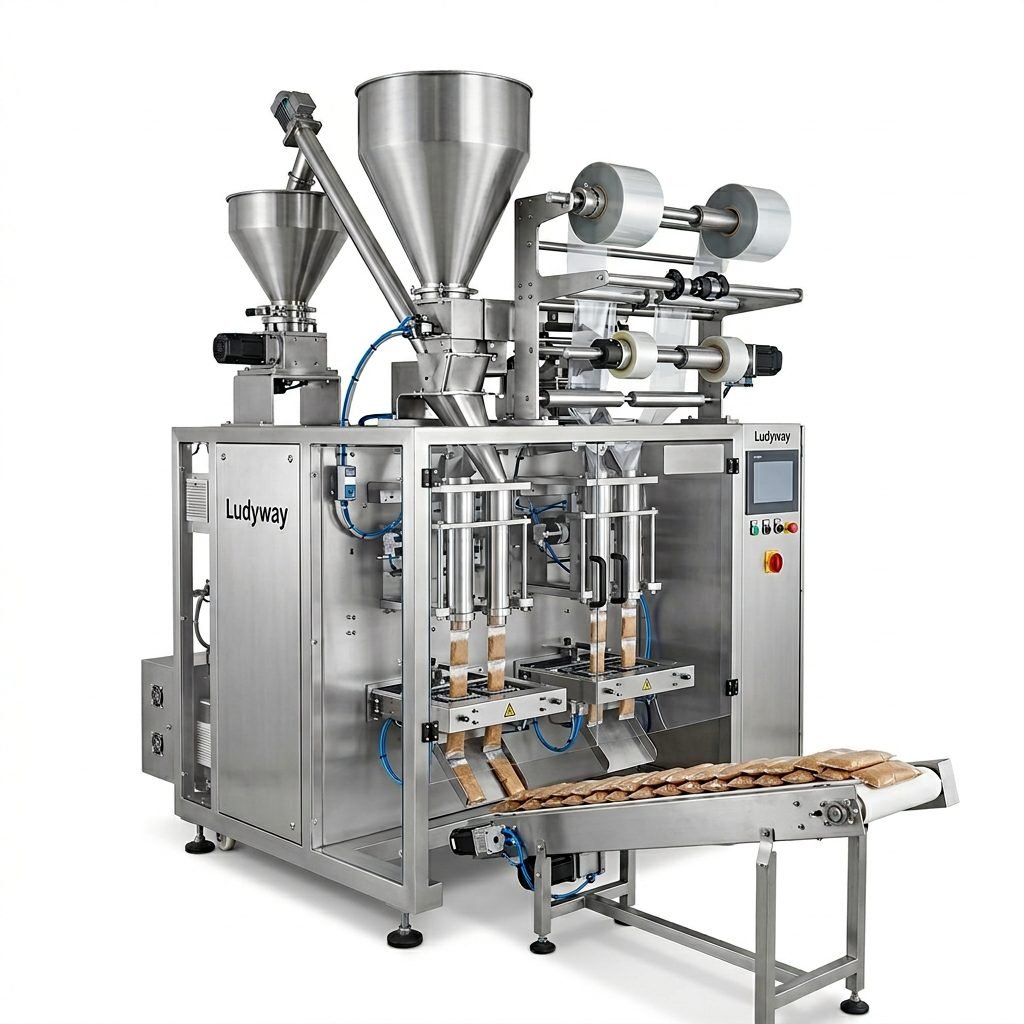
- Powdered products: Milk powder, cocoa powder, nutritional supplements, and baking mixes need auger-based or volumetric filling systems with high accuracy.
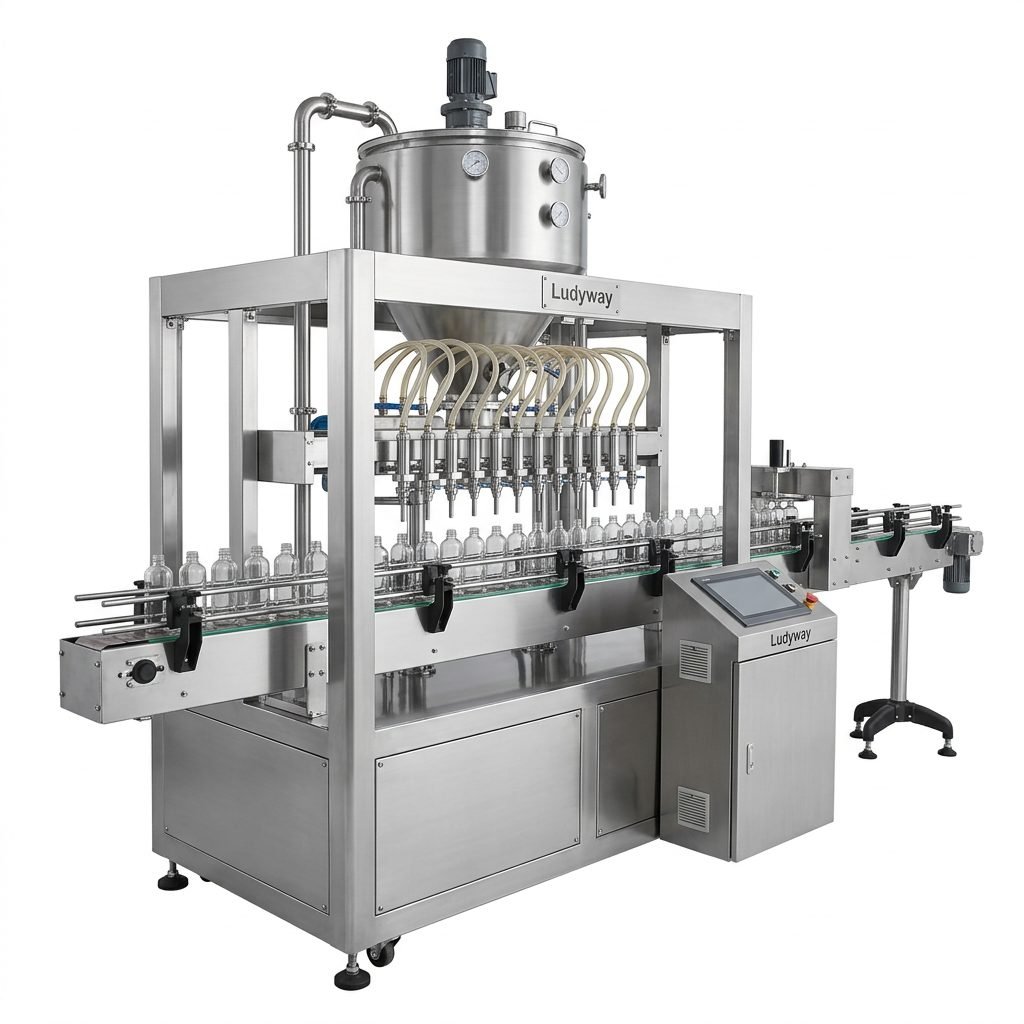
- Liquid and viscous products: Cooking oils, honey, sauces, juices, and liquid detergents require piston pumps, gear pumps, or flow-meter filling systems.
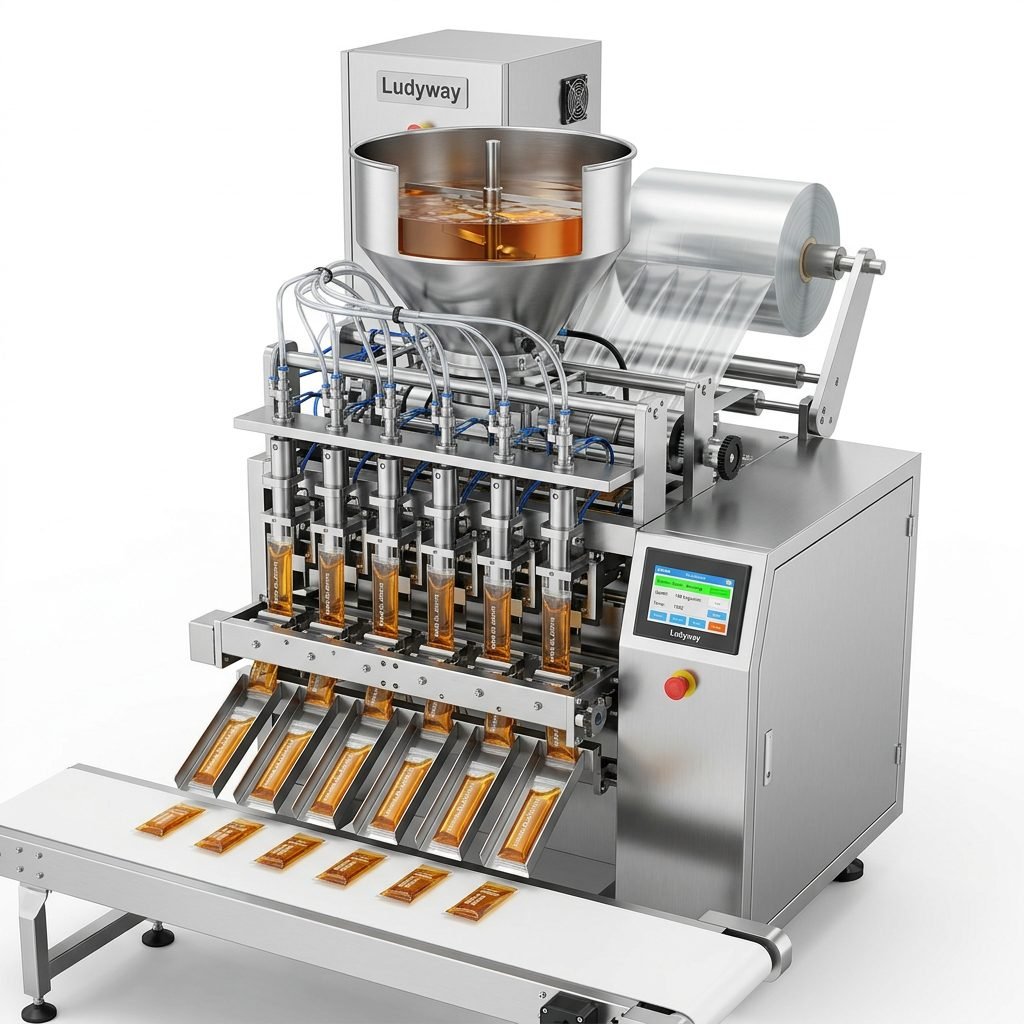
- Ready-to-eat snacks and portions: Single-serve sachets and stick packs are increasingly popular, demanding high-speed multi-lane technology.
Machine Types and Their Applications
Choosing the correct machine type directly impacts efficiency, product shelf life, and overall profitability. Below is a comparison of the primary packaging machine configurations suitable for Kenya-based food manufacturers:
| Machine Type | Best For | Key Advantage |
|---|---|---|
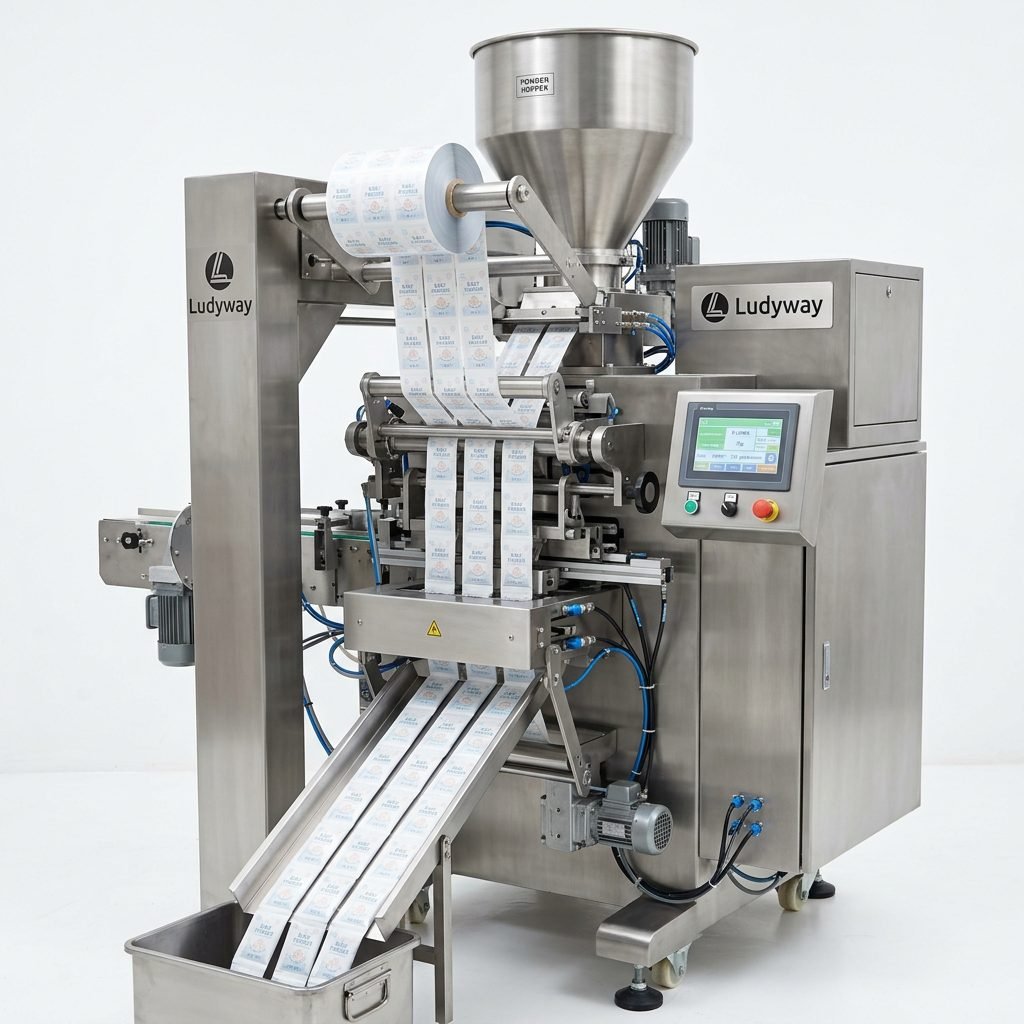
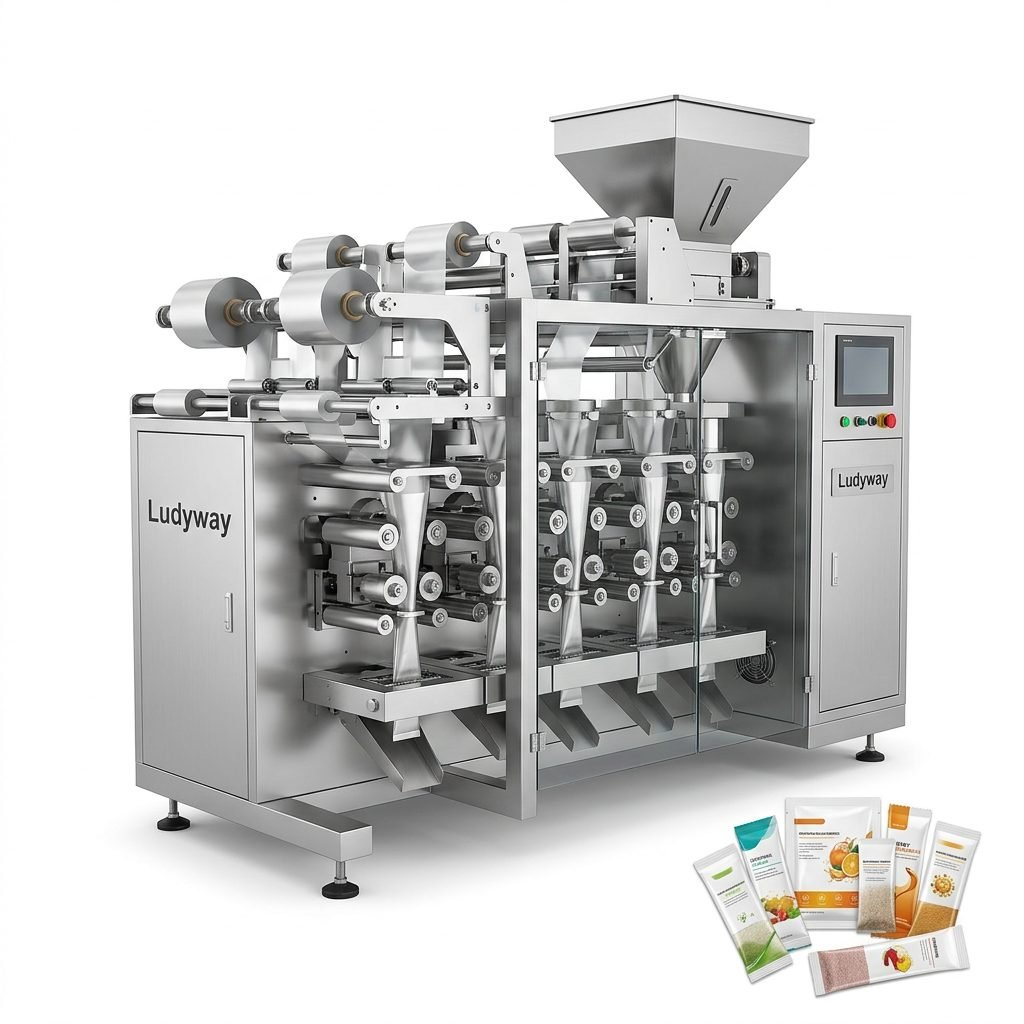
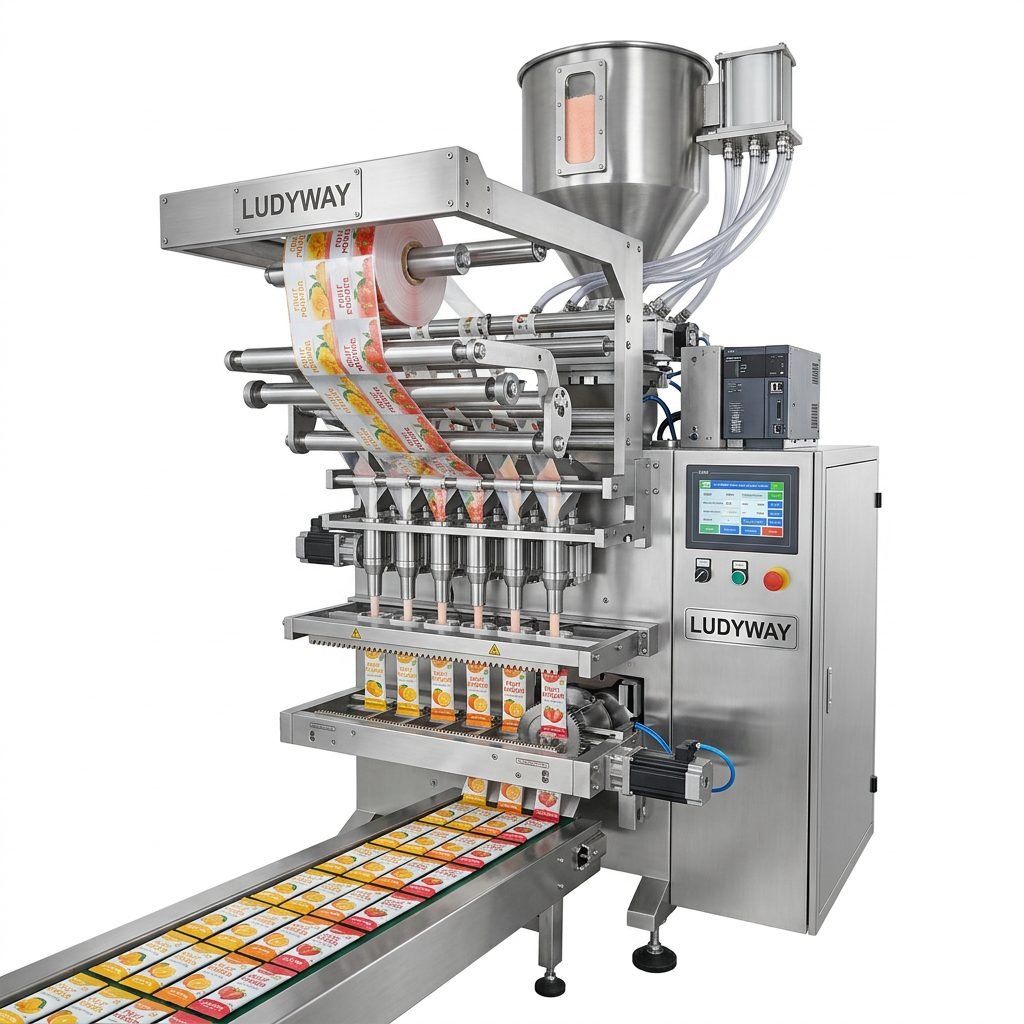
| Multi-Lane Stick Pack Machines | Coffee, sugar, milk powder, seasonings | High output, single-serve convenience |
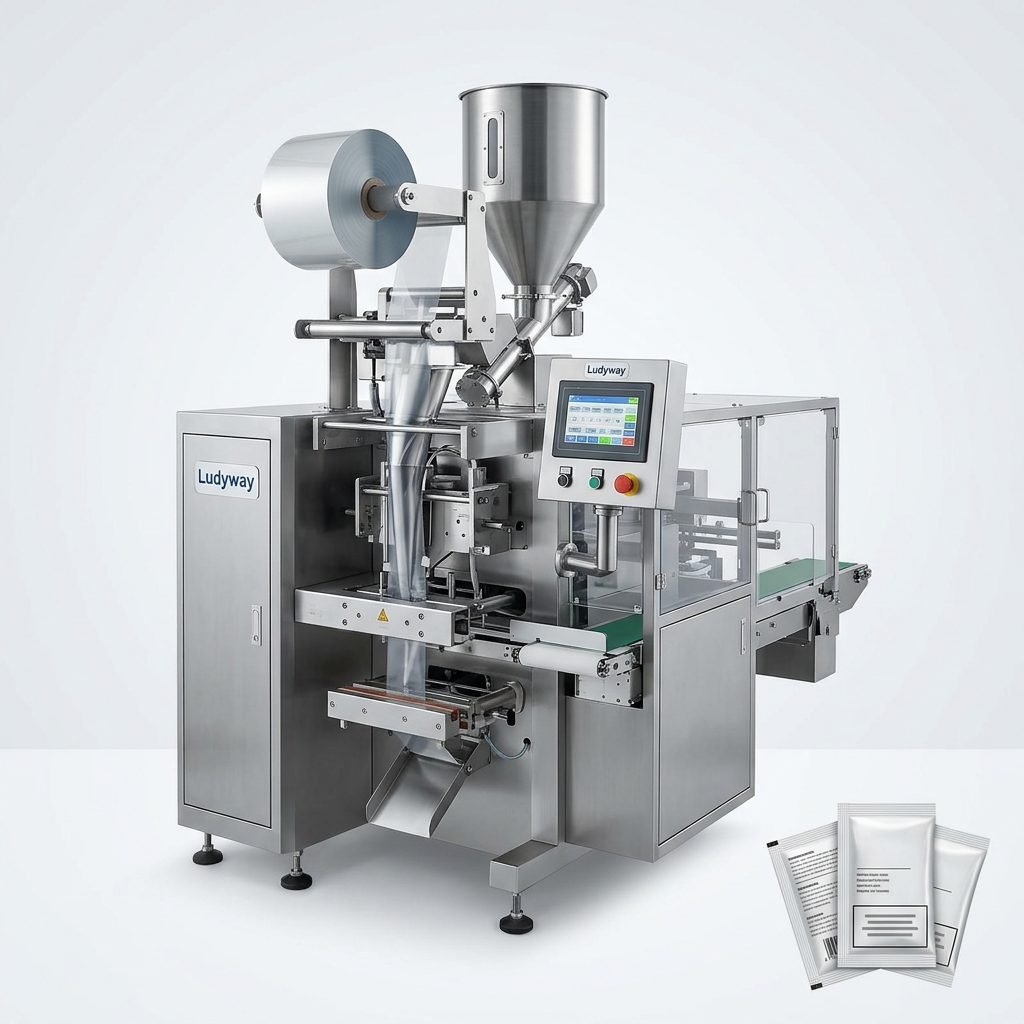
| Sachet Form-Fill-Seal Machines | Sauces, oils, shampoos, liquid detergents | Versatile for liquids and pastes |
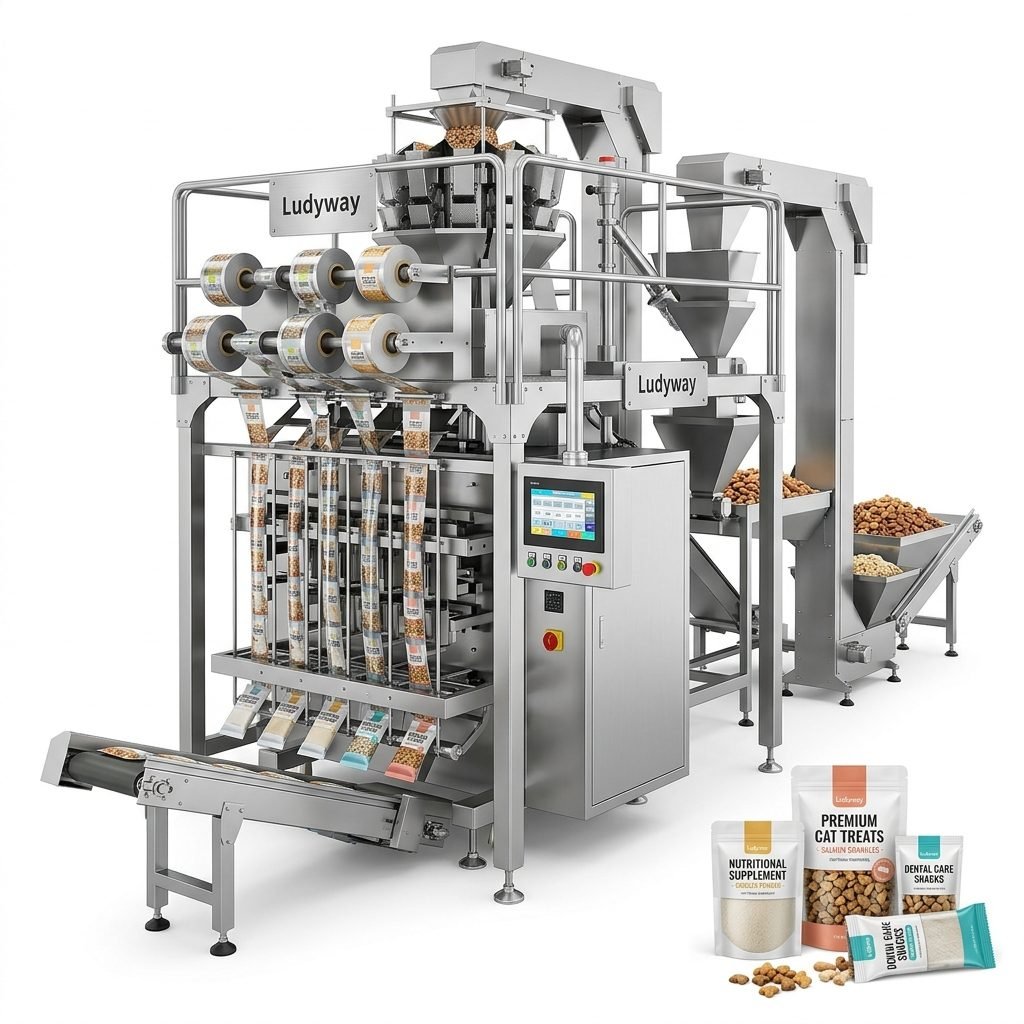
| Vertical Packaging Machines | Flour, grains, snacks, pet food | Cost-effective for medium-scale production |
| Pre-Made Pouch Filling Lines | Premium tea, dried fruits, specialty foods | Superior seal integrity and shelf appeal |
| Bottle Filling and Capping Systems | Juices, cooking oils, honey, sauces | Scalable for liquid products |
Critical Factors When Selecting a Food Packaging Machine
Investing in food packaging equipment requires a thorough assessment of multiple technical and operational parameters. The following checklist helps Kenyan food processors make informed decisions:
Production Capacity and Speed Requirements
Determine your target output in packs per minute or hour. A small-scale spice blender may only need a single-lane machine producing 30–60 packs per minute, while a large coffee exporter serving regional markets may require a high-speed multi-lane system capable of 200–400 packs per minute. Oversizing or undersizing equipment leads to either wasted capital or production bottlenecks.
Packaging Material Compatibility
Kenya’s warm climate and supply chain distances demand robust packaging films with excellent moisture and oxygen barrier properties. Ensure your selected machine is compatible with locally available materials such as laminated films, aluminum foil laminates, and polyethylene-based substrates. Verify that the sealing temperature and pressure controls can be adjusted to suit different material thicknesses and compositions, as outlined in FDA food packaging guidelines and international standards.
Accuracy and Waste Reduction
Product give-away—overfilling to compensate for inaccurate dosing—directly erodes profit margins, especially when packaging high-value commodities like coffee or nutritional powders. Modern packaging machines equipped with servo-driven auger fillers or multi-head weighers achieve accuracy within ±0.5 to ±1 gram, significantly reducing product loss over millions of production cycles.
Cleaning, Maintenance, and Hygiene
Food safety compliance in Kenya increasingly aligns with international ISO packaging standards. Select machines designed with tool-free disassembly, stainless steel contact surfaces, and sloped surfaces that prevent product accumulation. Easy cleaning reduces downtime between product changeovers—a critical factor for contract packers serving multiple clients.
Regulatory Compliance and Certifications
The Kenya Bureau of Standards (KEBS) enforces food packaging regulations that align with international benchmarks. Equipment should support traceability, batch coding, and tamper-evident sealing. Additionally, if you plan to export packaged food products to regional markets under the East African Community (EAC) or to Europe and North America, your packaging processes must meet relevant standards recognized by regulatory bodies referenced by European Commission packaging regulations and Flexible Packaging Association resources.
Evaluating Total Cost of Ownership
While upfront purchase price is important, a comprehensive total cost of ownership (TCO) analysis reveals the true investment required over a machine’s 10–15 year service life. Key TCO components include:
- Initial capital expenditure and import duties
- Installation, commissioning, and operator training
- Spare parts availability and local service support
- Energy consumption and utility costs
- Downtime risk and production loss during repairs
- Packaging material waste rates
Machines with modular designs and globally sourced components often reduce long-term maintenance costs and simplify part replacement in remote locations.
After-Sales Support and Local Service
In markets like Kenya, where specialized packaging technicians may not be immediately available, supplier responsiveness becomes a decisive factor. Prioritize manufacturers that offer remote diagnostic support, video-guided troubleshooting, and readily available technical documentation. Training programs for local operators and maintenance staff ensure that day-to-day operations remain stable and productive. Industry data consistently shows that proactive after-sales support significantly extends equipment lifespan and return on investment.
Selecting the Right Partner for Long-Term Success
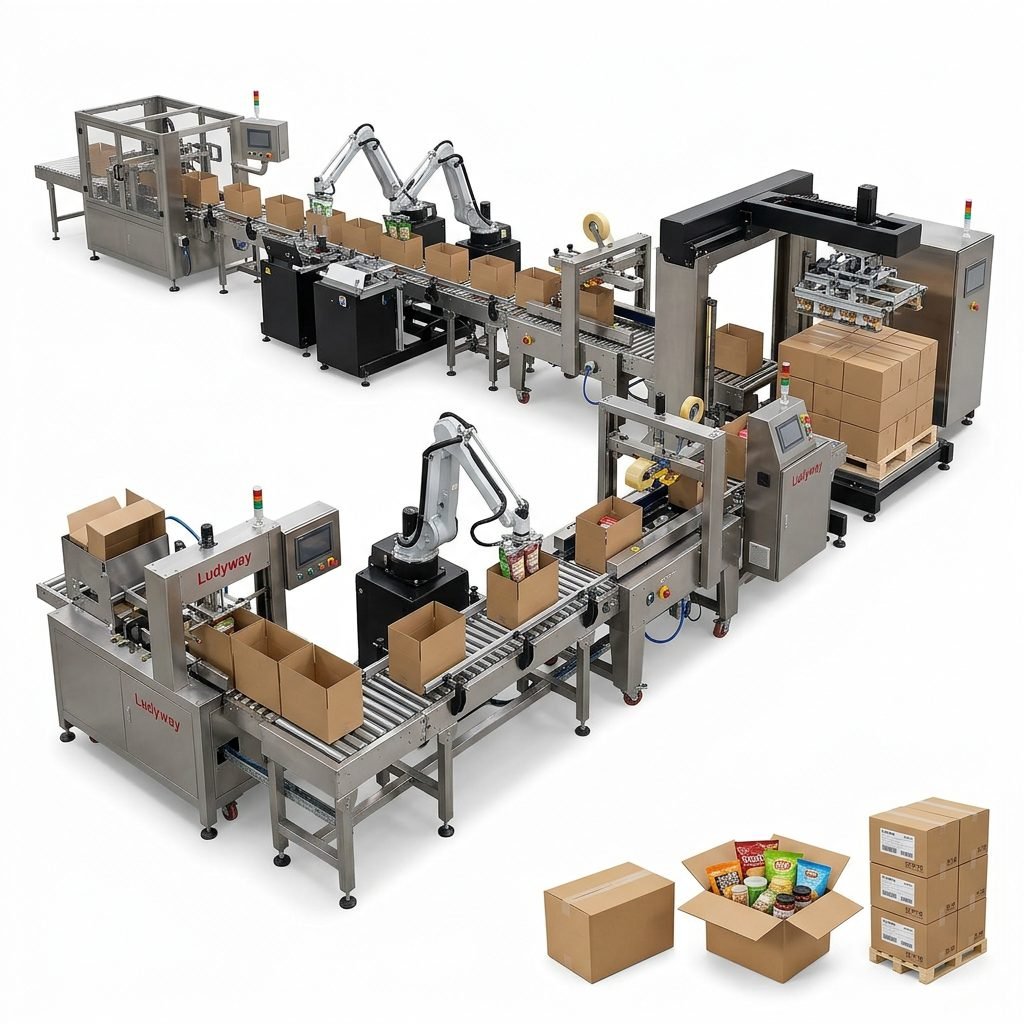
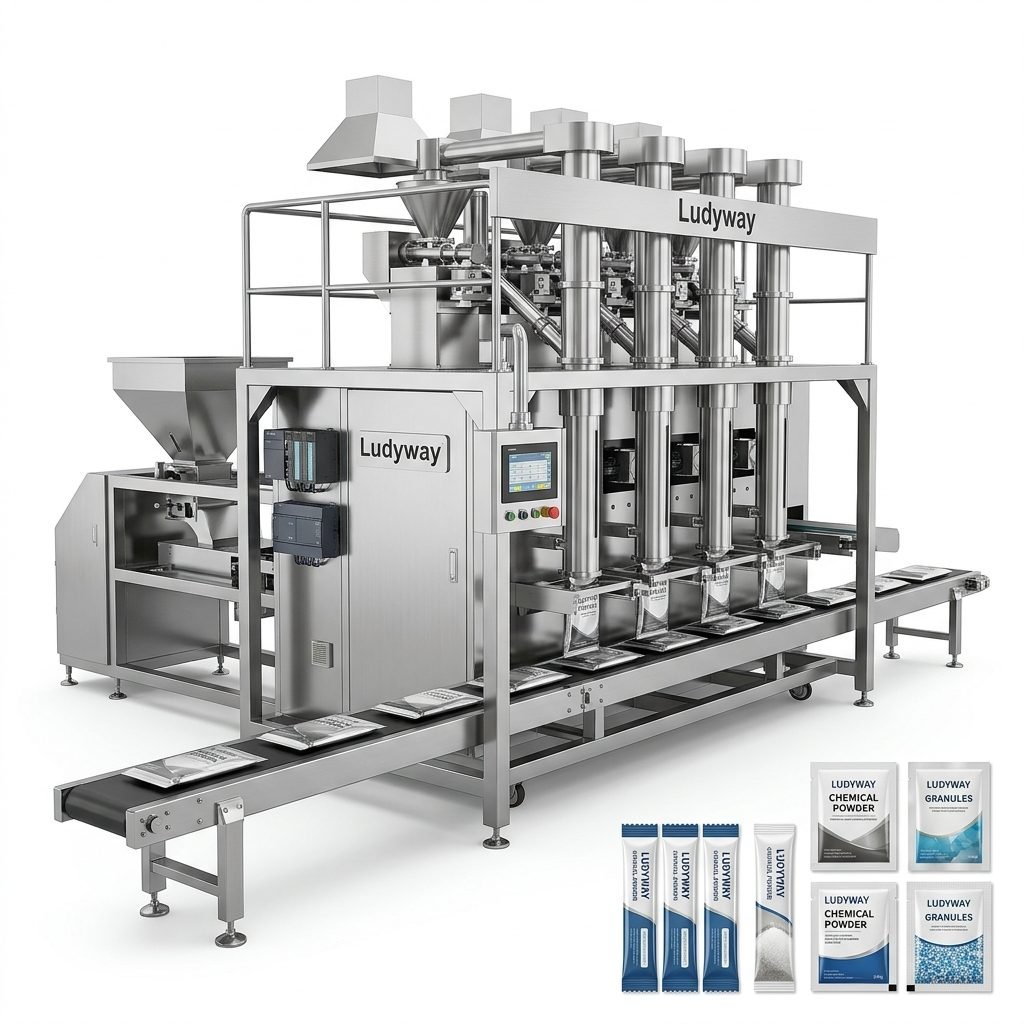
Choosing a packaging machine is ultimately about choosing a long-term technology partner. Look for manufacturers with a proven track record in international markets, comprehensive product portfolios spanning multiple packaging formats, and the engineering capability to customize solutions for unique product requirements. Turnkey packaging lines that integrate weighing, filling, sealing, coding, and cartoning into a single automated workflow dramatically reduce integration risk and accelerate time-to-market.
For food manufacturers and exporters in Kenya seeking reliable, cost-effective packaging equipment, Ludyway is one of the largest packaging machine manufacturers in China, offering advanced multi-lane stick pack, sachet, and fully automated packaging systems backed by over 30 years of industry experience and a 20,000㎡ modern production facility. Evaluating your specific product characteristics, target volumes, and growth projections against a supplier’s technical capabilities and service infrastructure is the surest path to a successful investment. For further insights, review the 2026 Packaging State of the Industry report from PMMI and the Flexible Packaging Association’s knowledge hub to stay informed on global packaging trends that directly impact equipment selection decisions in emerging markets.