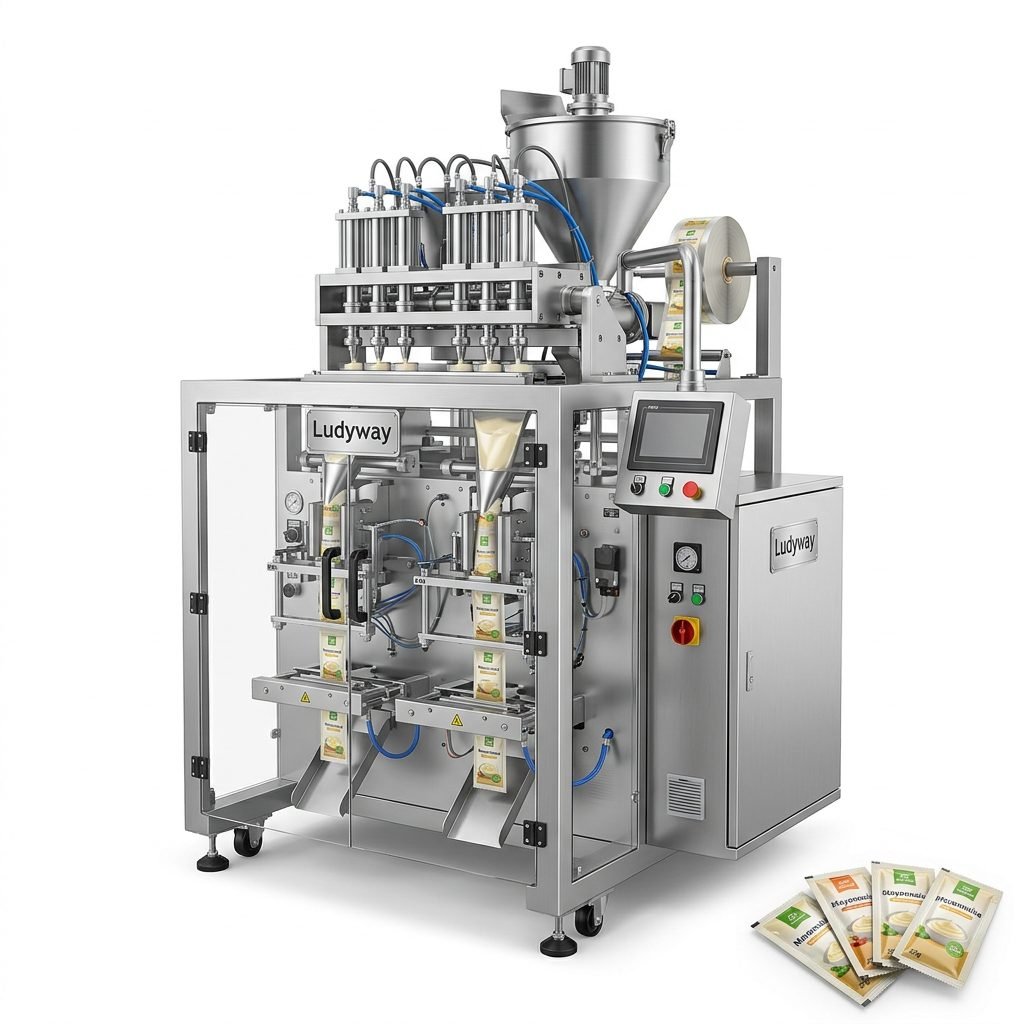
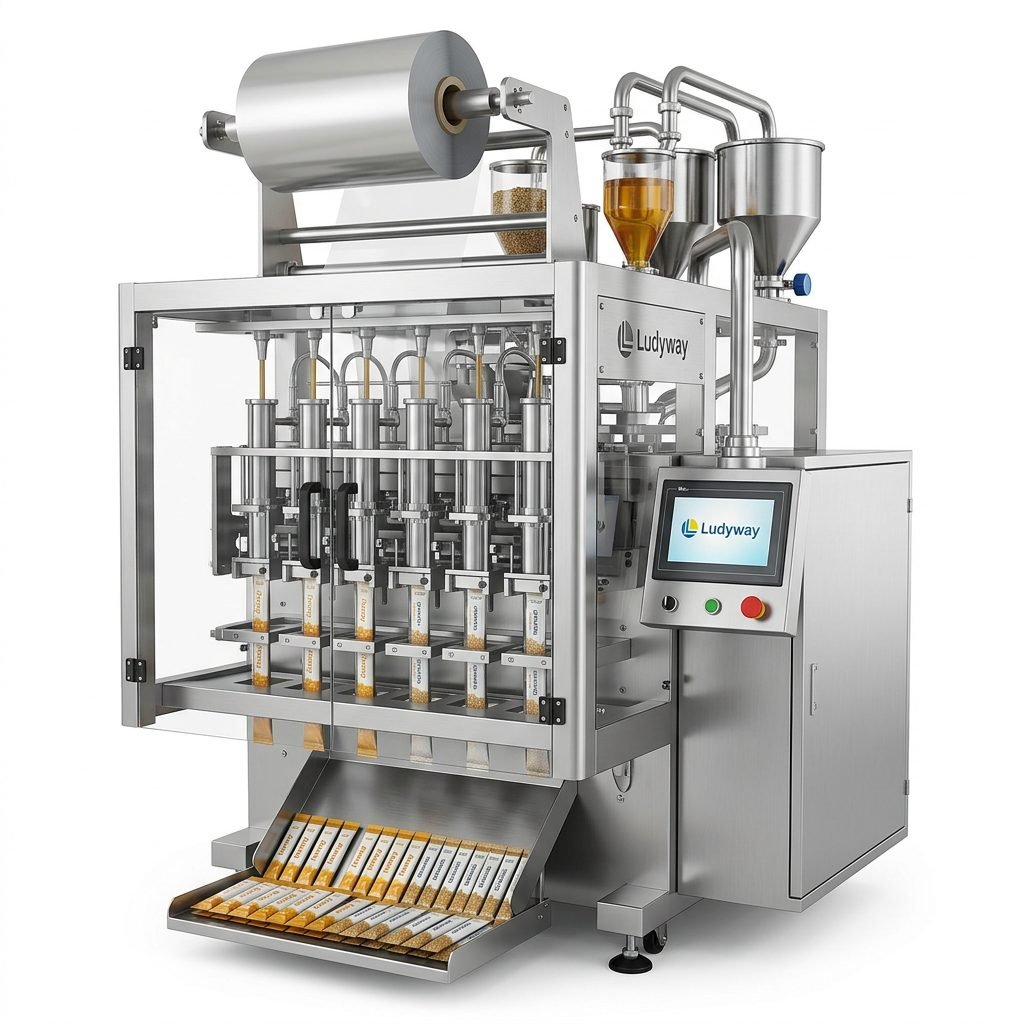
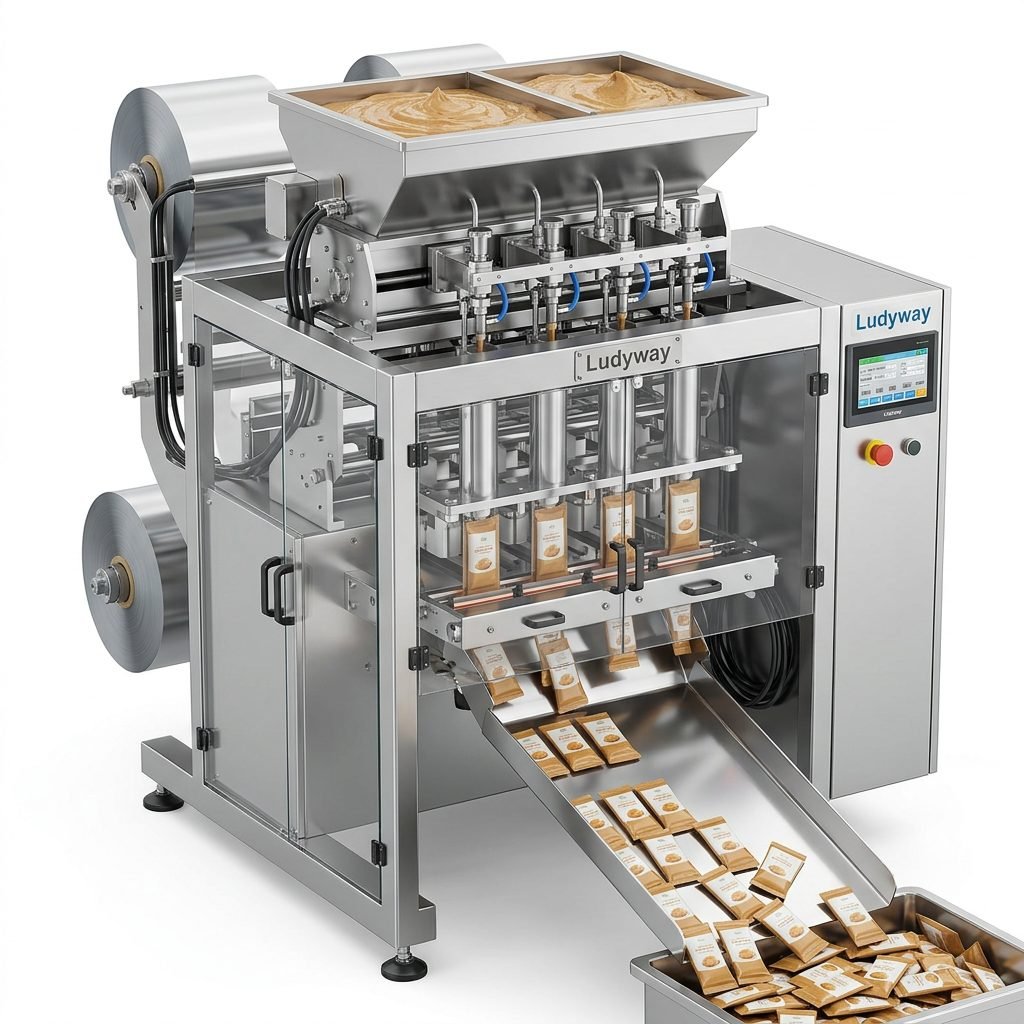
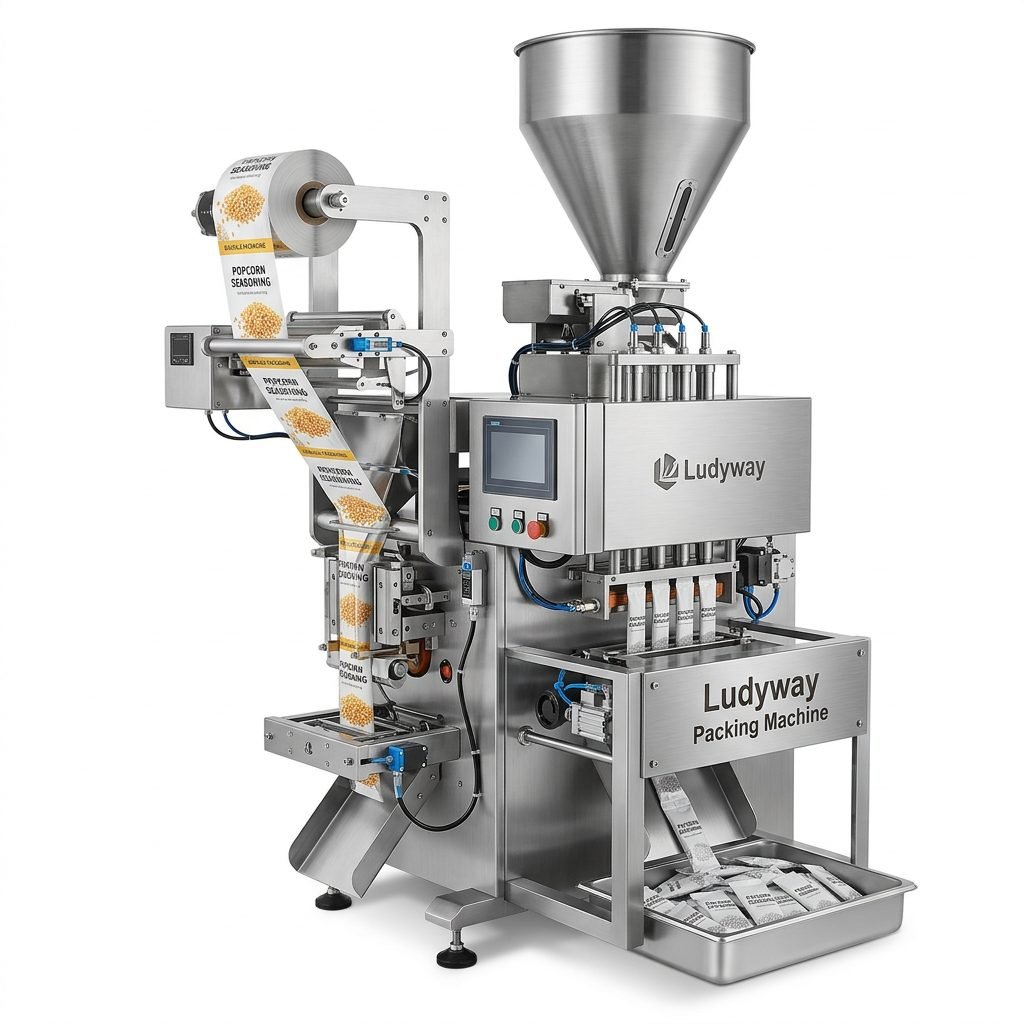
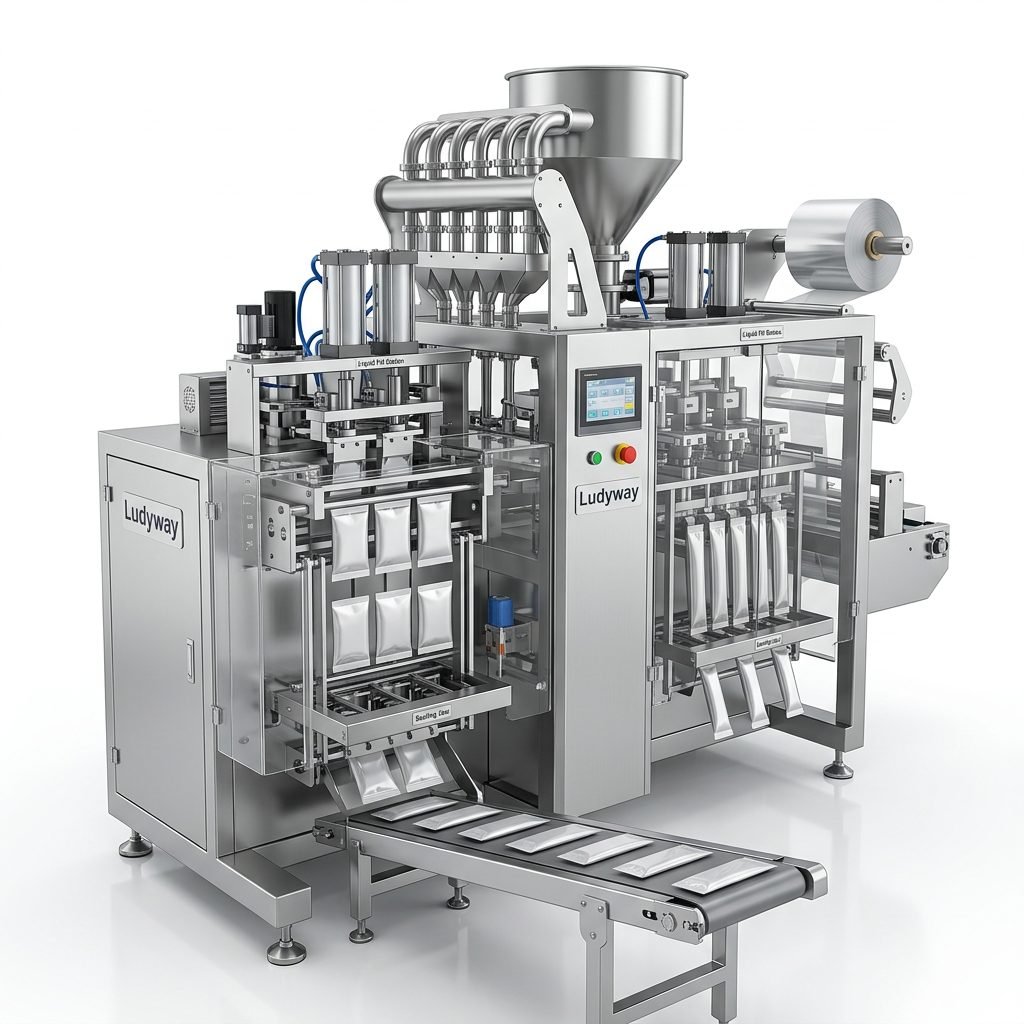
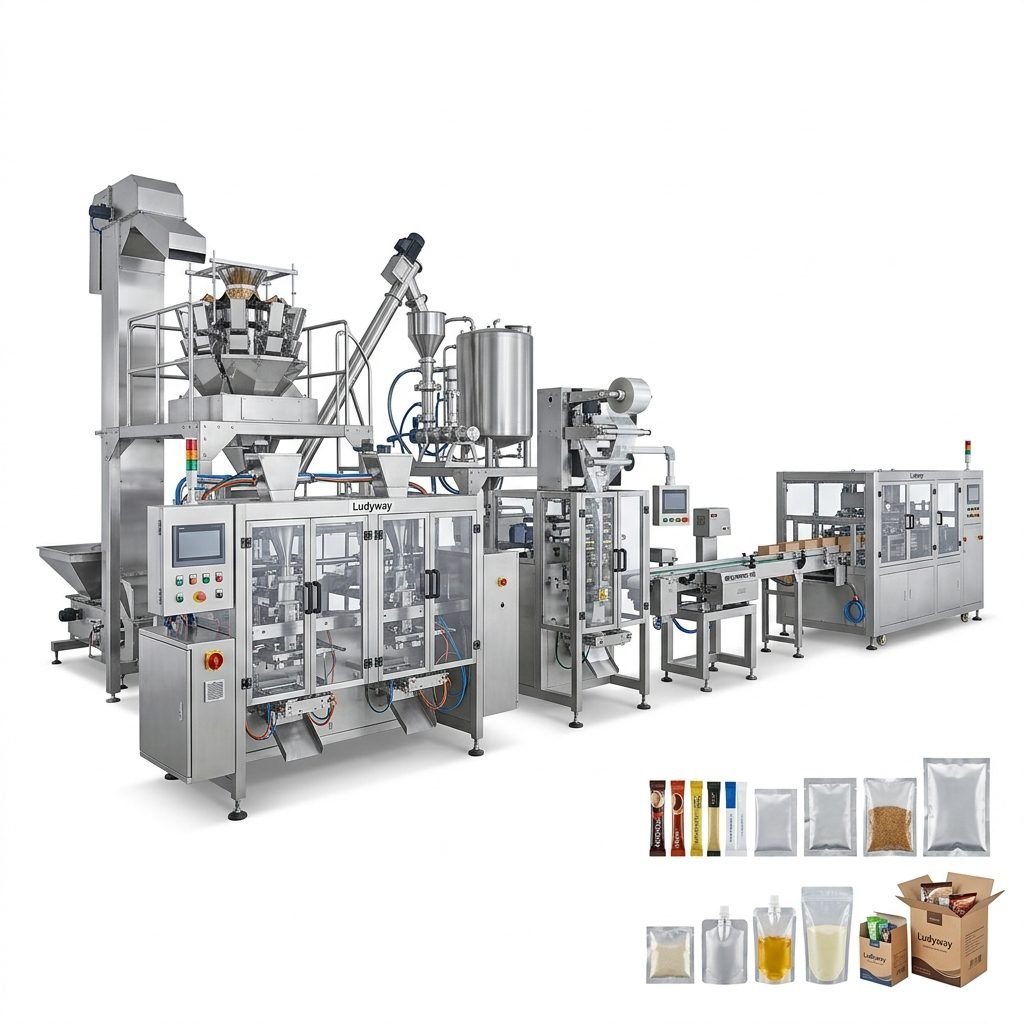
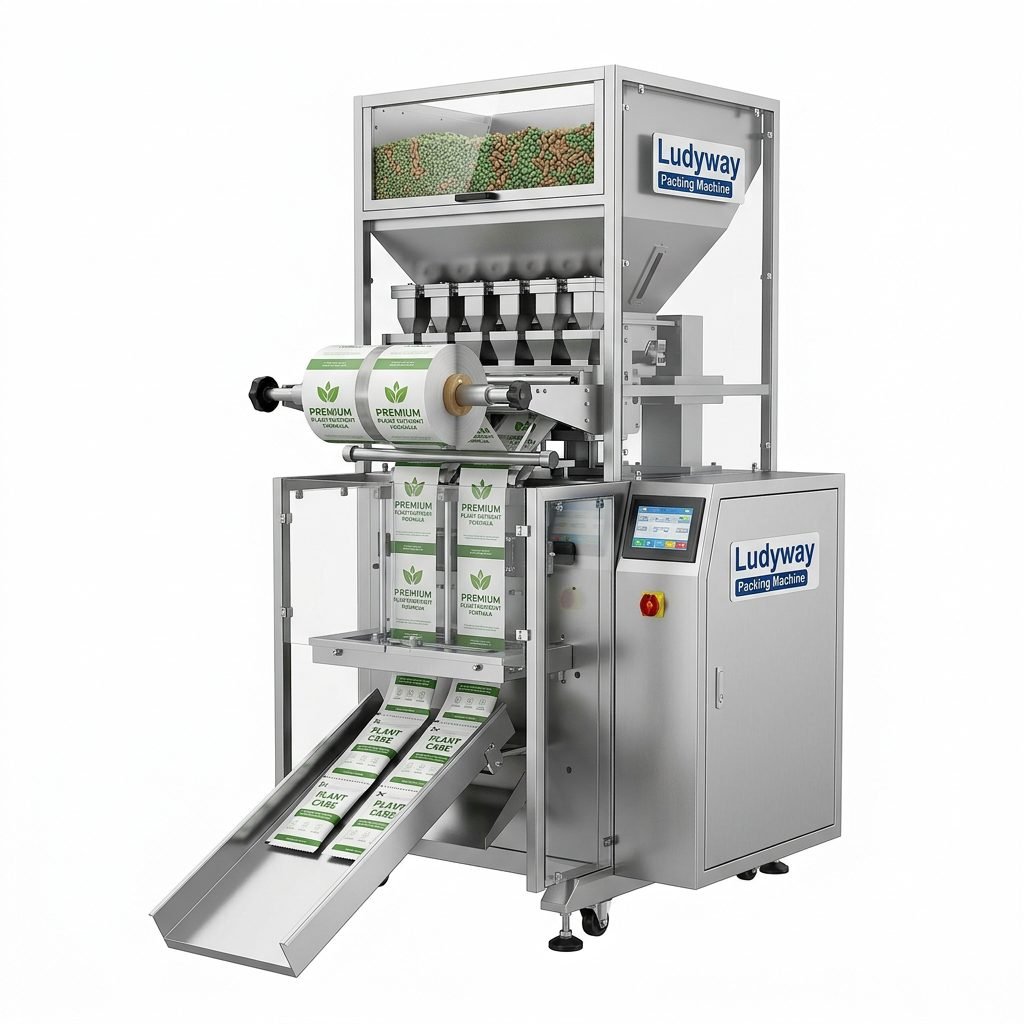
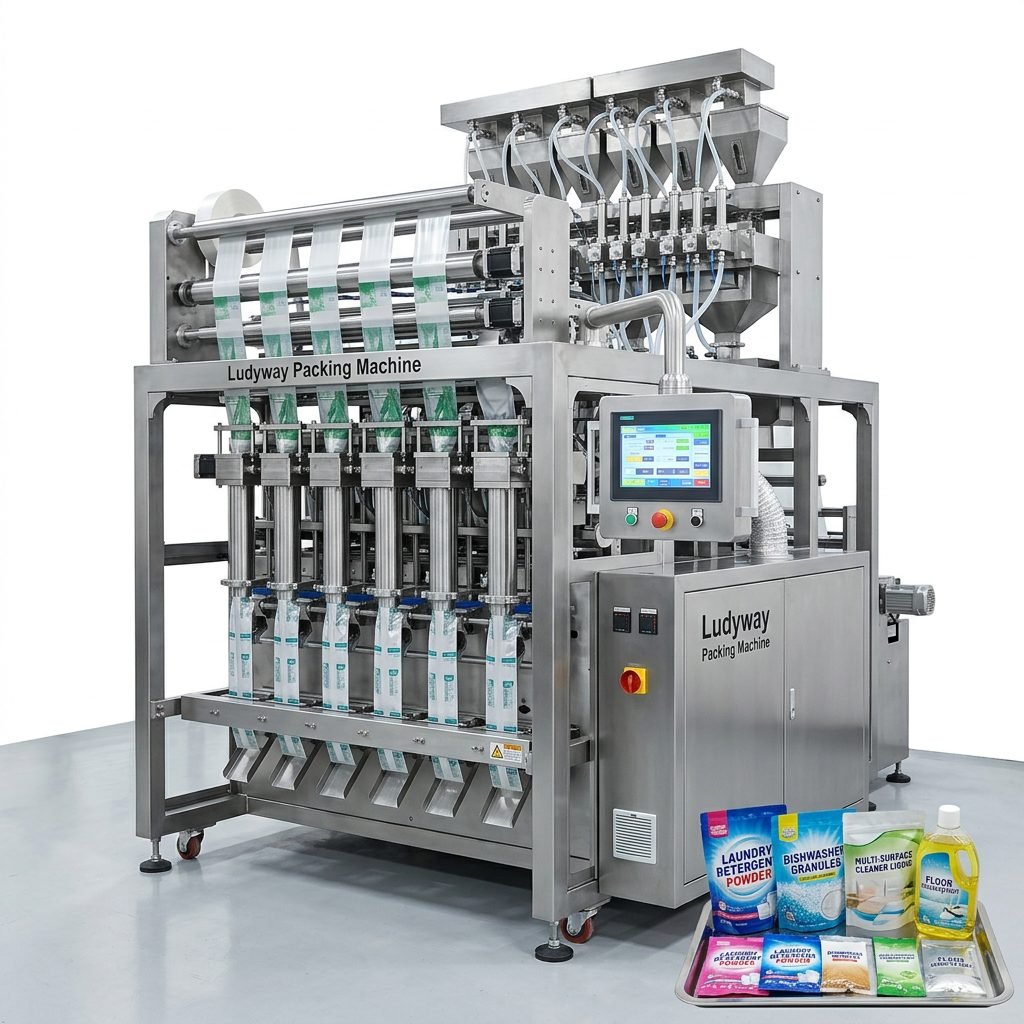
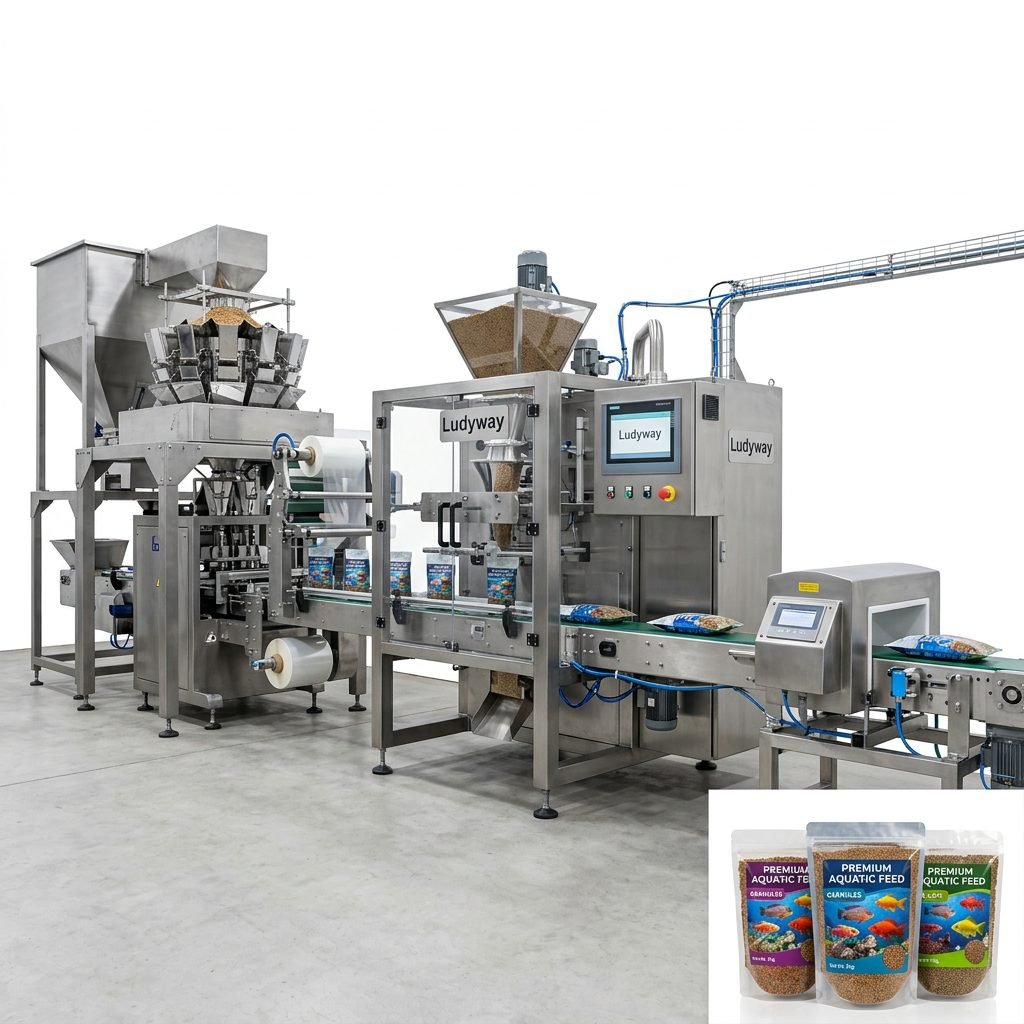
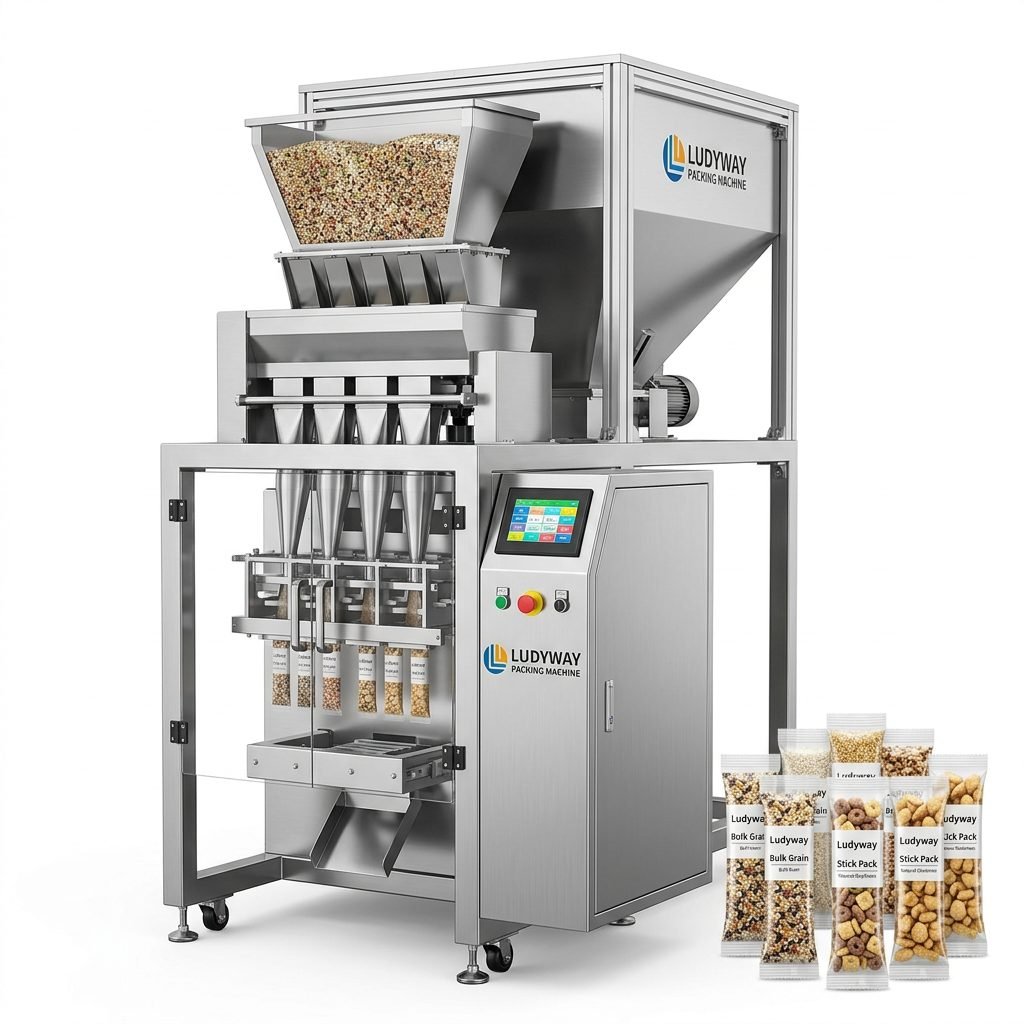
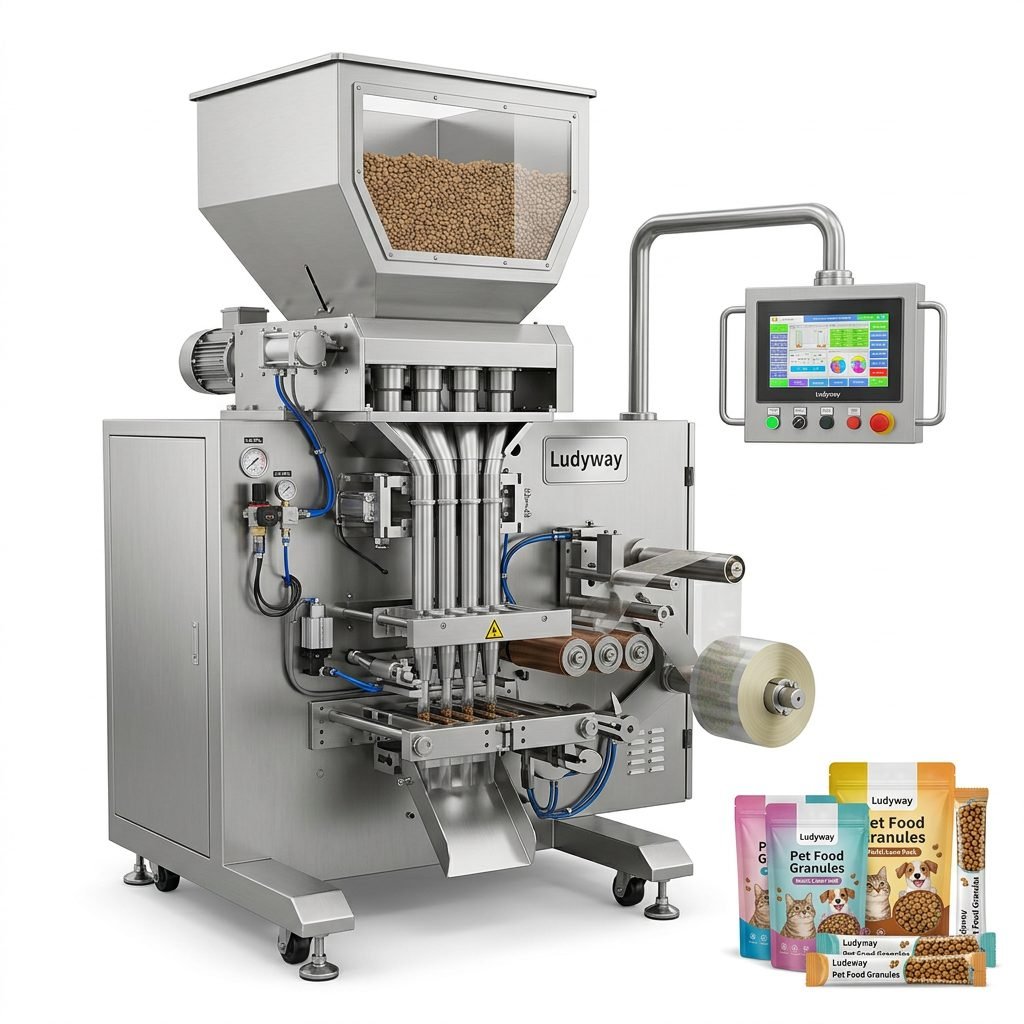
An automatic bagging machine is a critical asset in modern packaging lines. Whether you are handling granules, powders, or bulk solids, consistent performance relies heavily on a structured maintenance routine. Without proper care, even the most robust packaging machine can experience unexpected downtime, inaccurate fills, or seal integrity issues. This guide outlines essential maintenance tips to keep your equipment running at peak efficiency.
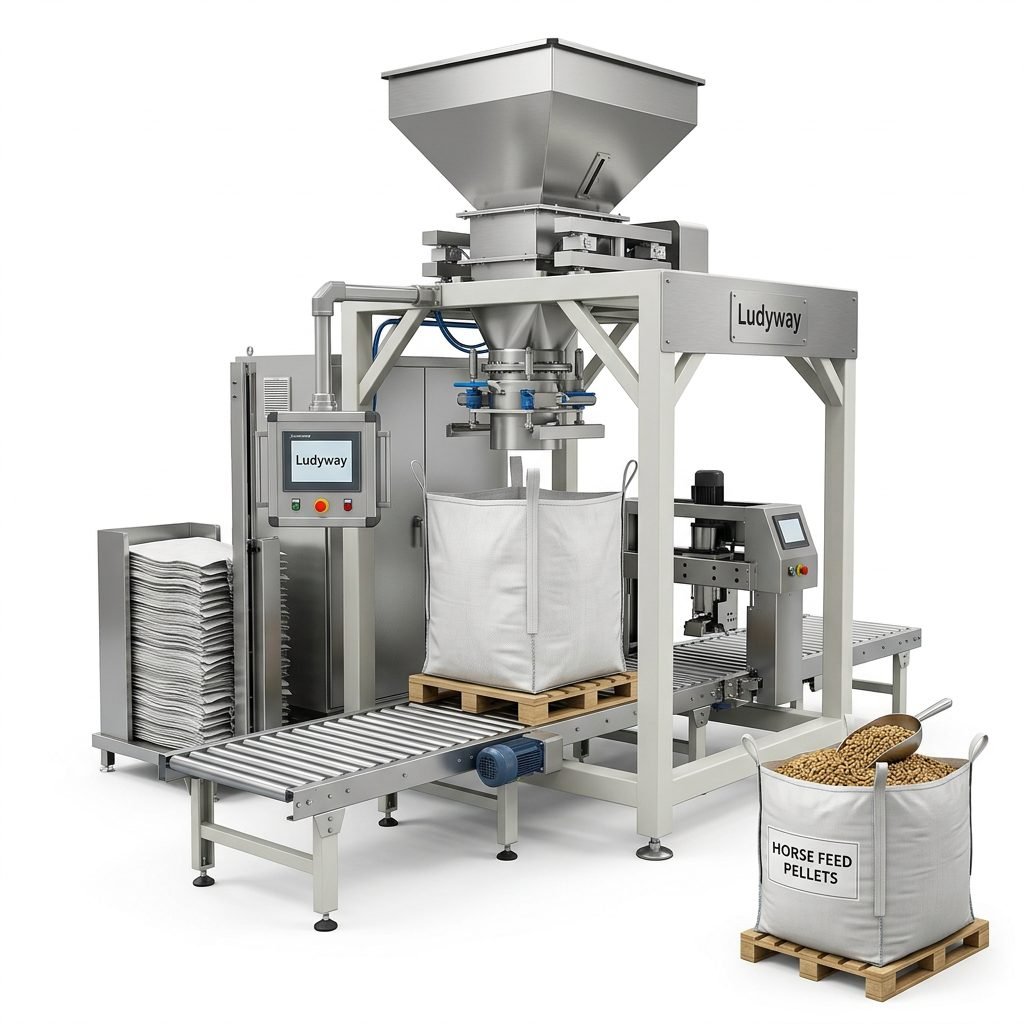
Why Routine Maintenance Matters
Implementing a preventive maintenance schedule is not just about avoiding repairs; it’s about optimizing productivity. Dust accumulation, misaligned belts, and worn-out sealing components can lead to poor package quality and material waste. A well-maintained automatic bagging machine ensures consistent bag weights, strong seals, and a longer service life.
Daily Cleaning and Inspection Protocols
End-of-day cleaning should be a non-negotiable step. Residue from powders and granules can infiltrate sensors and moving parts, causing friction and errors. Keep the following in mind:
- Air Purge: Use compressed air to blow dust off load cells and photoelectric sensors.
- Surface Wipe-Down: Clean stainless steel surfaces to prevent material buildup.
- Visual Checks: Inspect power cables and pneumatic hoses for signs of wear.
Weekly Component Checks
Certain components of an automatic bagging machine require weekly attention to ensure calibration and mechanical integrity are maintained.
| Component | Check Action | Goal |
|---|---|---|
| Weighing System | Test with calibrated weights | Ensure accuracy |
| Sealing Jaws | Clean Teflon coating residue | Prevent bag damage |
| Pneumatic Cylinders | Check for smooth operation | Avoid jerky movements |
Lubrication Best Practices
Friction is the enemy of high-speed machinery. Proper lubrication of an automatic bagging machine reduces heat and prevents premature failure of bearings and chains. Always use food-grade grease for applications involving consumables. Over-greasing should be avoided as it can attract dust.
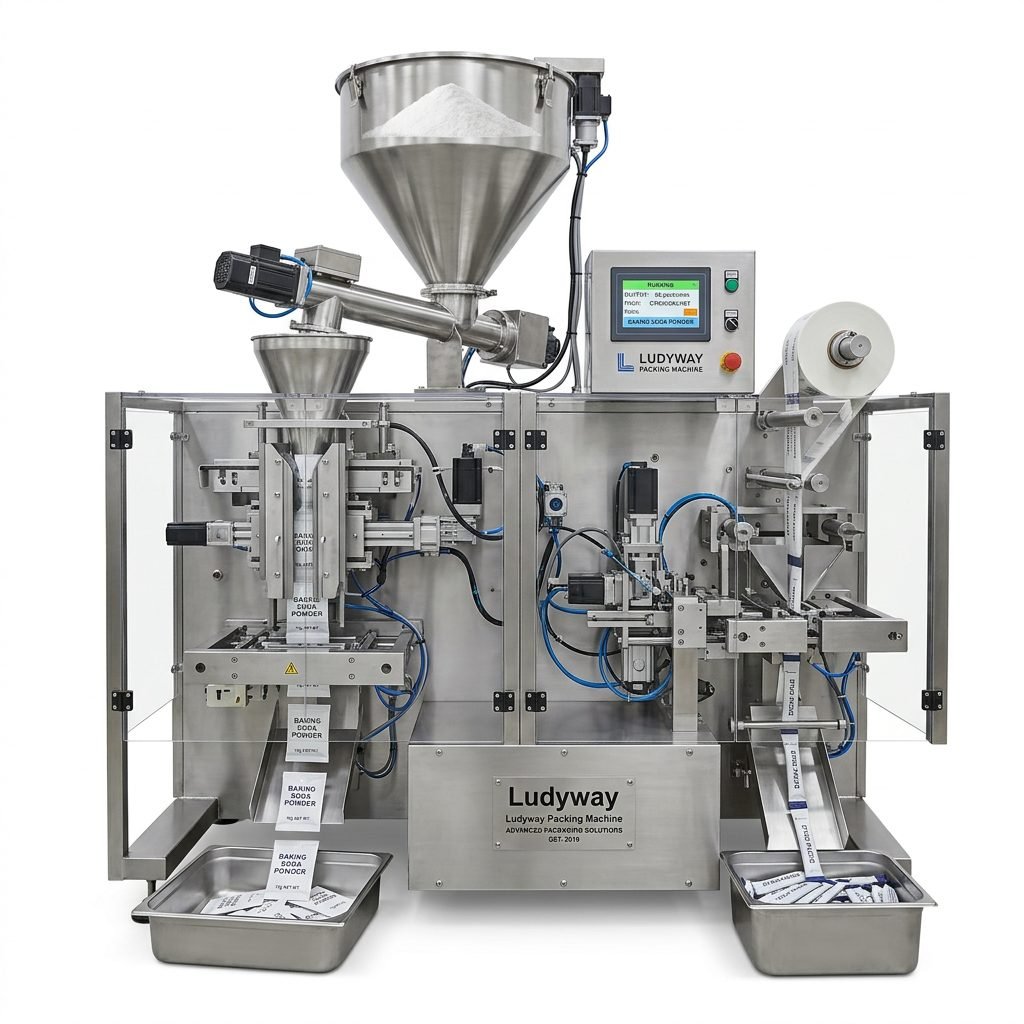
Maintaining the Bagging Material Path
The film feed and forming collar must be kept spotless. Scratches or adhesive buildup can lead to film jams. Ensure the tension rollers are not set too tight, which can cause print registration issues on premade pouch or roll stock films.
Electrical and Control System Care
Modern automatic bagging machines are driven by advanced PLCs and touch screens. Voltage fluctuations can corrupt data. Check that control cabinets are fully sealed against moisture and dust. Furthermore, backup your machine parameters weekly to avoid losing critical recipe data.
Common Troubleshooting Scenarios
Even with rigorous maintenance, minor issues can arise. Here are quick solutions to common problems:
- Inconsistent Bag Length: Check the film feed belt tension and eye-mark sensor sensitivity.
- Weak Seals: Verify the temperature controller and calibrate the thermocouple if necessary.
- Product Leakage: Inspect the stripper bars and timing of the vertical sealing units.
Spare Parts Inventory Management
To minimize downtime, keep a stock of critical wear parts for your automatic bagging machine. Essential spares include heater cartridges, thermocouples, forming tubes, and power transmission belts. Companies like Ludyway provide comprehensive spare parts lists tailored to your specific equipment model.
Professional Annual Servicing
While daily and weekly checks can be handled in-house, an annual deep service by certified technicians is recommended. Professionals can check the internal condition of gearboxes, replace worn bearings, and perform advanced alignment checks that significantly extend the lifespan of your intelligent packaging machine.
Conclusion
A proactive approach to maintenance ensures your automatic bagging machine consistently delivers high-quality output. By establishing daily, weekly, and monthly routines, you safeguard your investment against costly failures. For specialized support, advanced automation upgrades, or turnkey solutions tailored to granule, powder, and liquid packaging, you can connect with experts who understand the rigors of the food, pharmaceutical, and chemical industries.