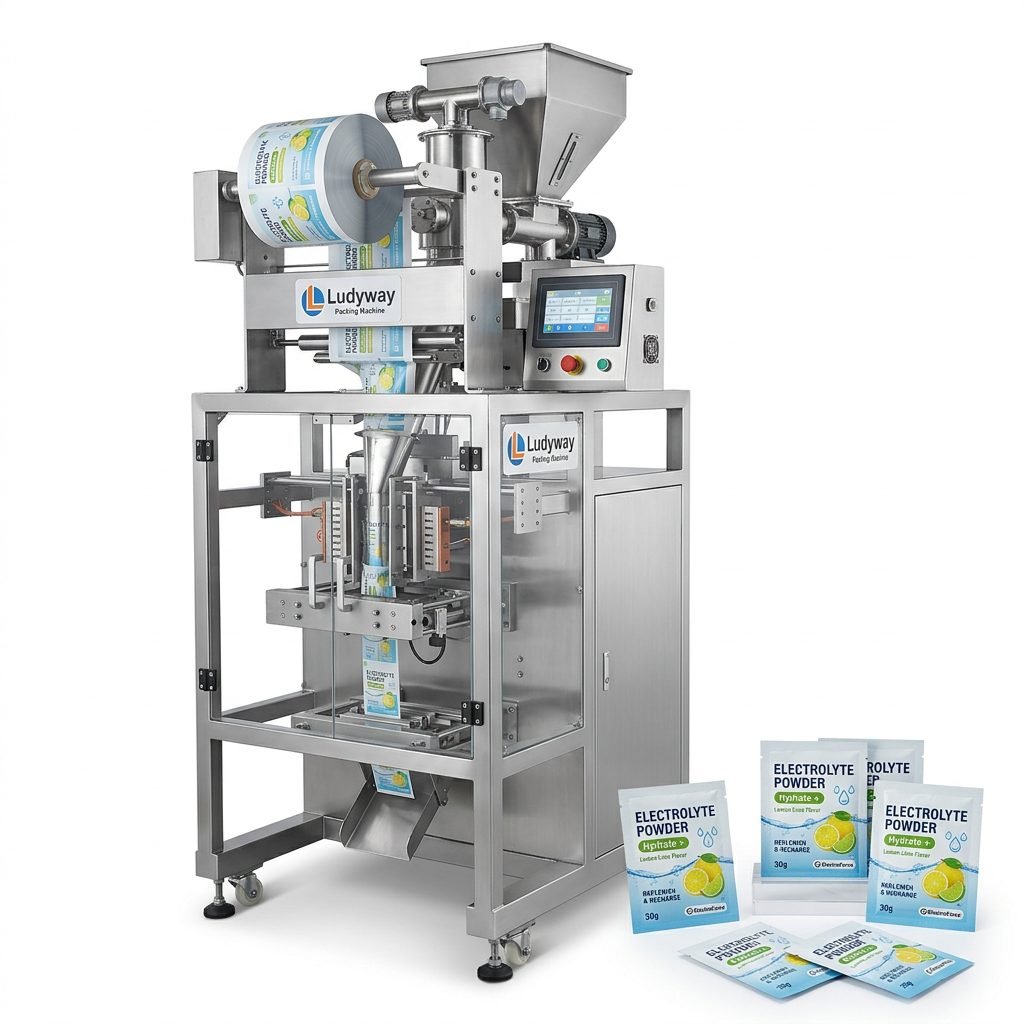
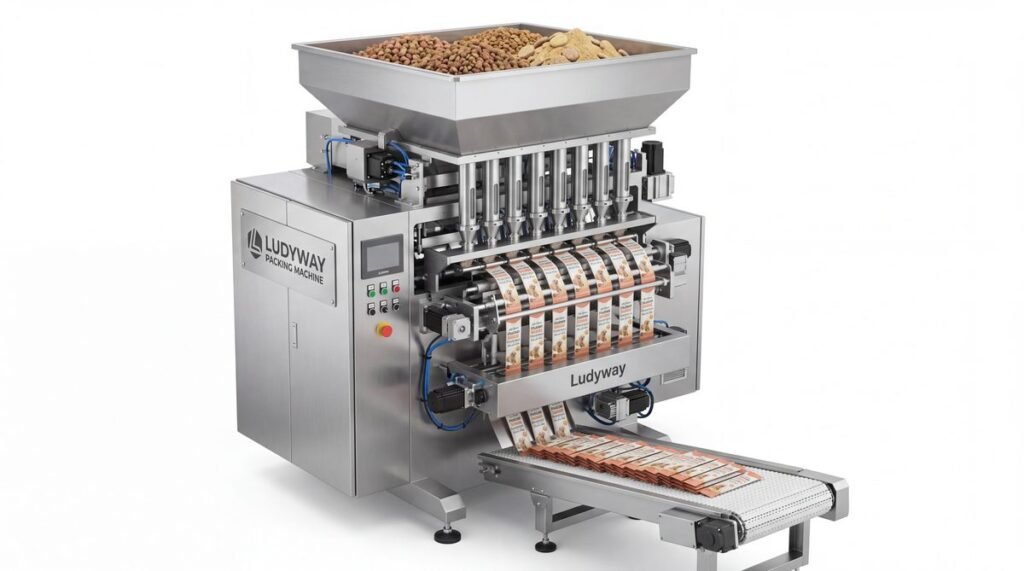
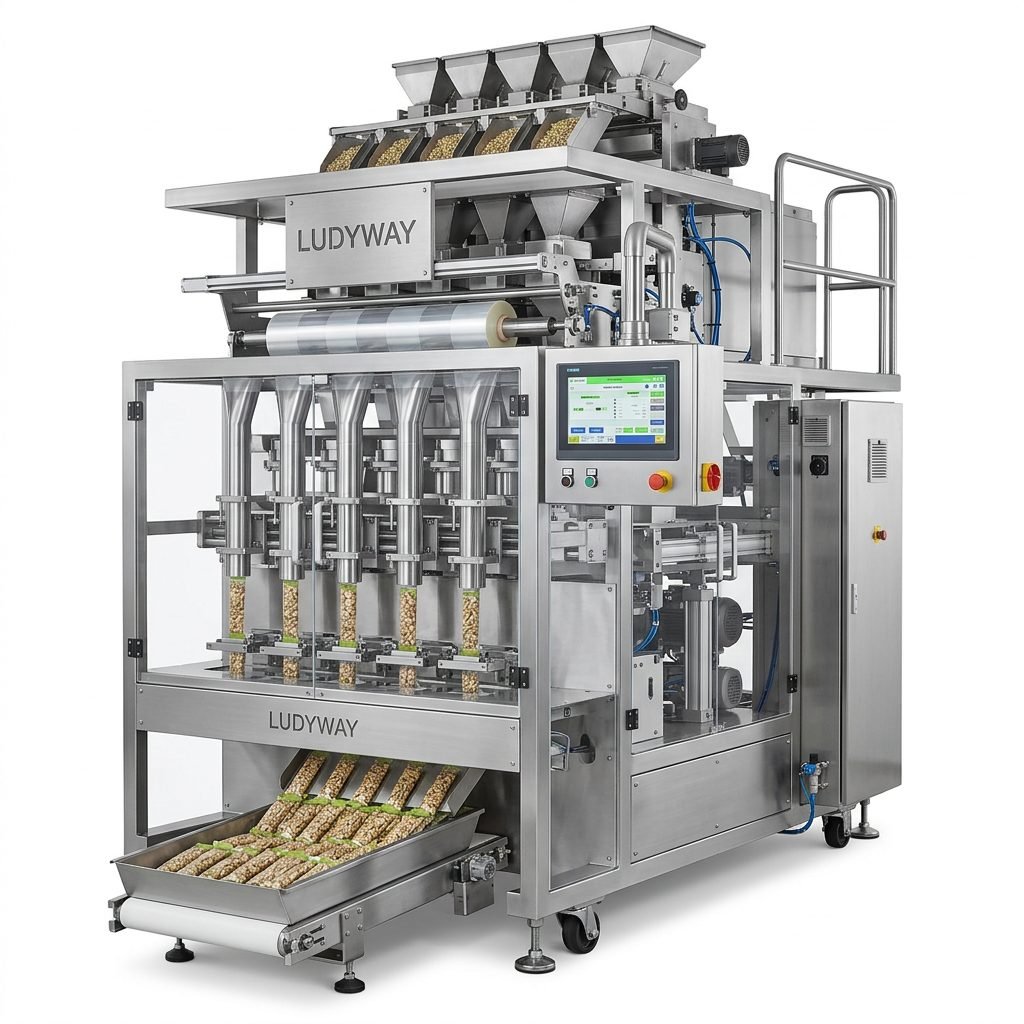
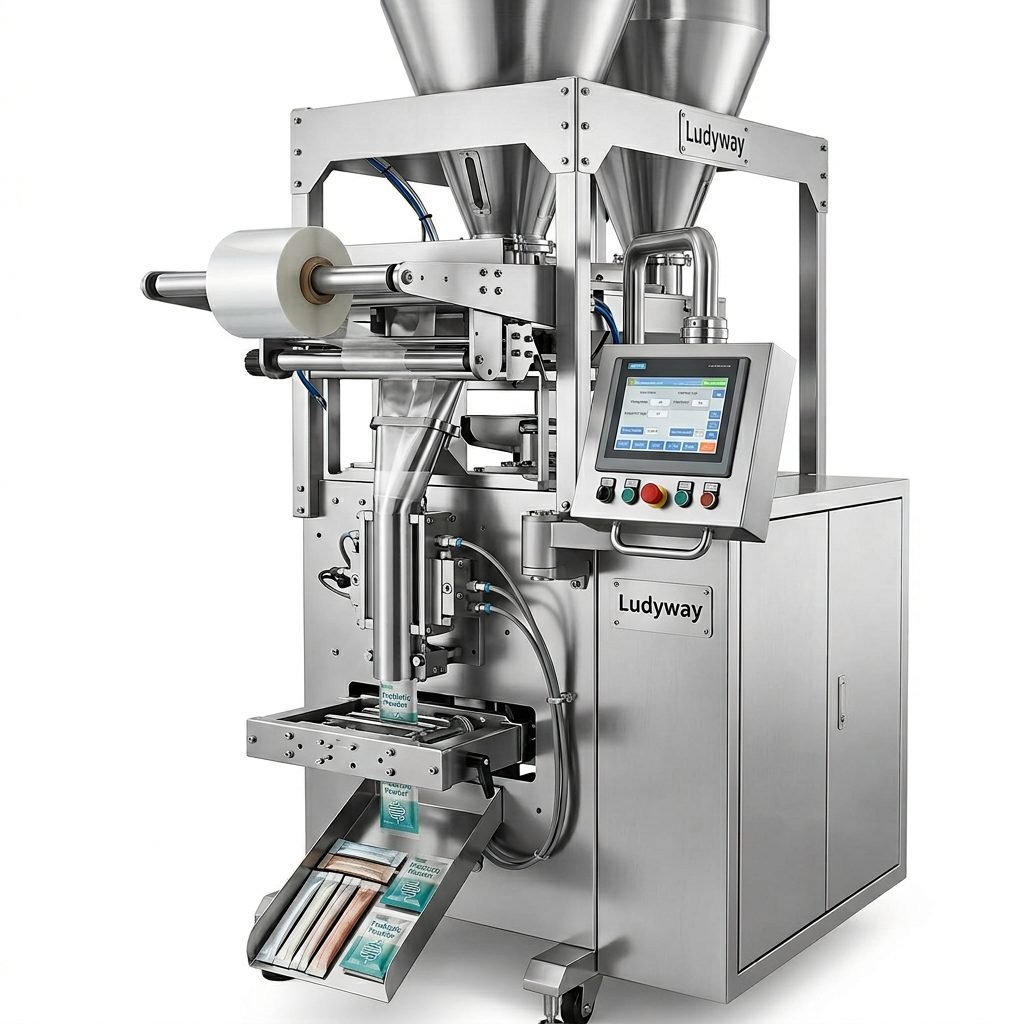
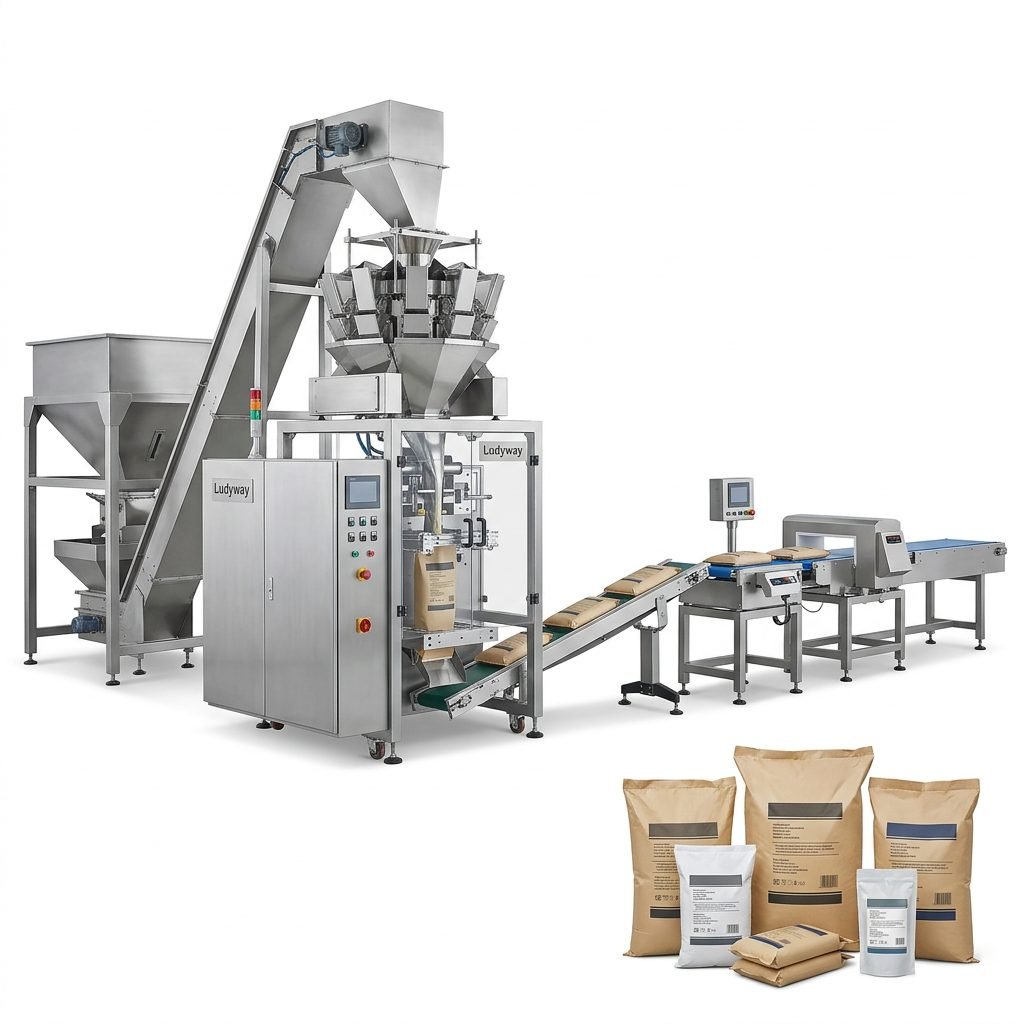
Proper maintenance of a semi-automatic blister packing machine is essential for ensuring consistent packaging quality, minimizing downtime, and extending the service life of your equipment. Whether you operate in the pharmaceutical, food, or consumer goods sector, a well-maintained blister packing machine delivers reliable performance and reduces costly repairs. This guide provides practical, step-by-step maintenance tips to help you keep your machine running at peak efficiency.
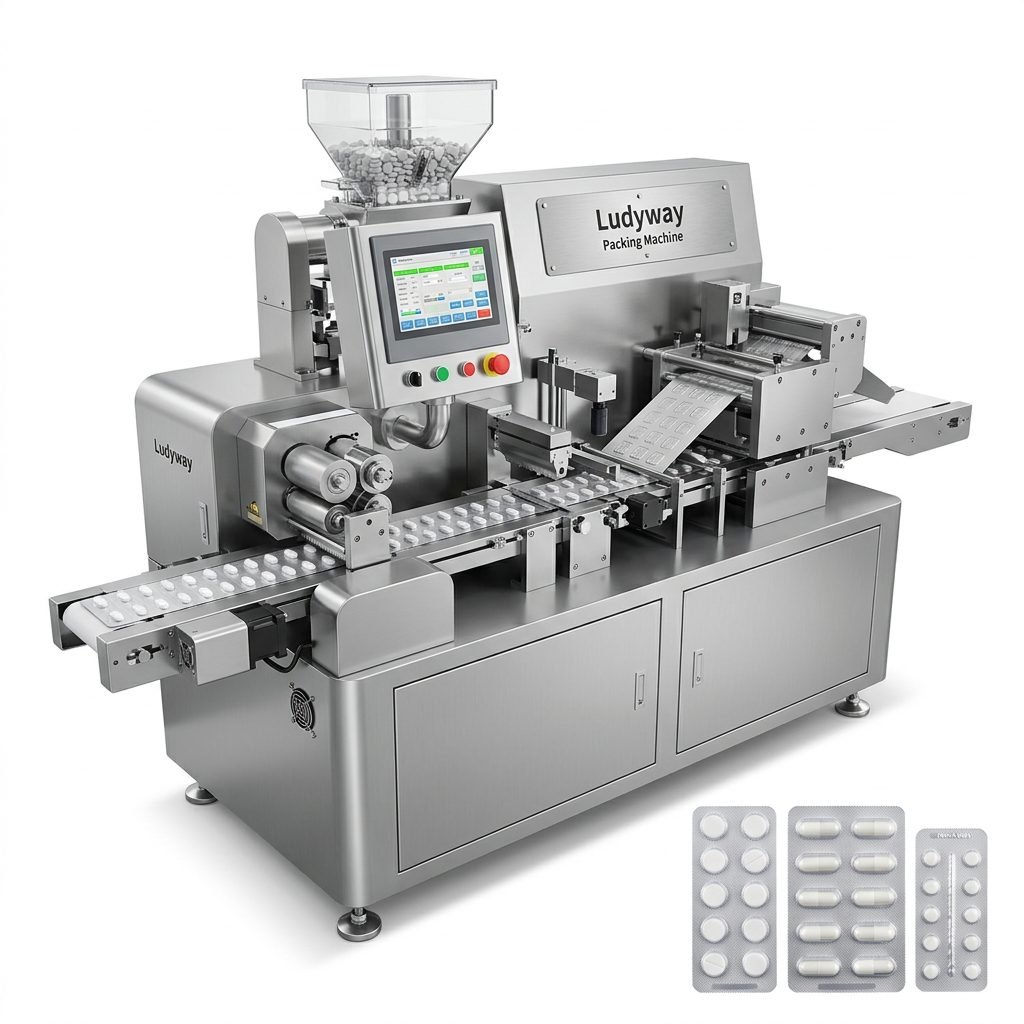
Why Routine Maintenance Is Critical
Neglecting regular upkeep can lead to sealing defects, misaligned blister cavities, and premature wear on critical components. A consistent maintenance routine helps you avoid unplanned downtime and ensures compliance with ISO packaging standards. Key benefits include:
- Extended equipment lifespan through reduced mechanical stress
- Consistent seal integrity for product protection and shelf life
- Lower operational costs by preventing major component failures
- Improved workplace safety with properly functioning safety guards and sensors
Daily Maintenance Checklist
Performing daily inspections takes only a few minutes but can prevent most common issues. Use the checklist below as part of your operator’s routine:
| Task | Frequency | Notes |
|---|---|---|
| Clean forming and sealing stations | Daily | Remove debris, dust, and product residue |
| Inspect heating elements and thermocouples | Daily | Check for consistent temperature readings |
| Check pneumatic air pressure | Daily | Ensure pressure is within recommended range |
| Examine safety guards and emergency stops | Daily | Verify all safety features function correctly |
| Lubricate moving parts lightly | Daily | Use manufacturer-recommended lubricants only |
Key Inspection Points During Operation
- Listen for unusual noises from the drive system or indexing mechanism
- Monitor blister forming quality for signs of uneven heating or thinning
- Check seal integrity by performing a random peel test on finished packs
- Observe film tracking to ensure the PVC or aluminum foil feeds smoothly without wrinkles
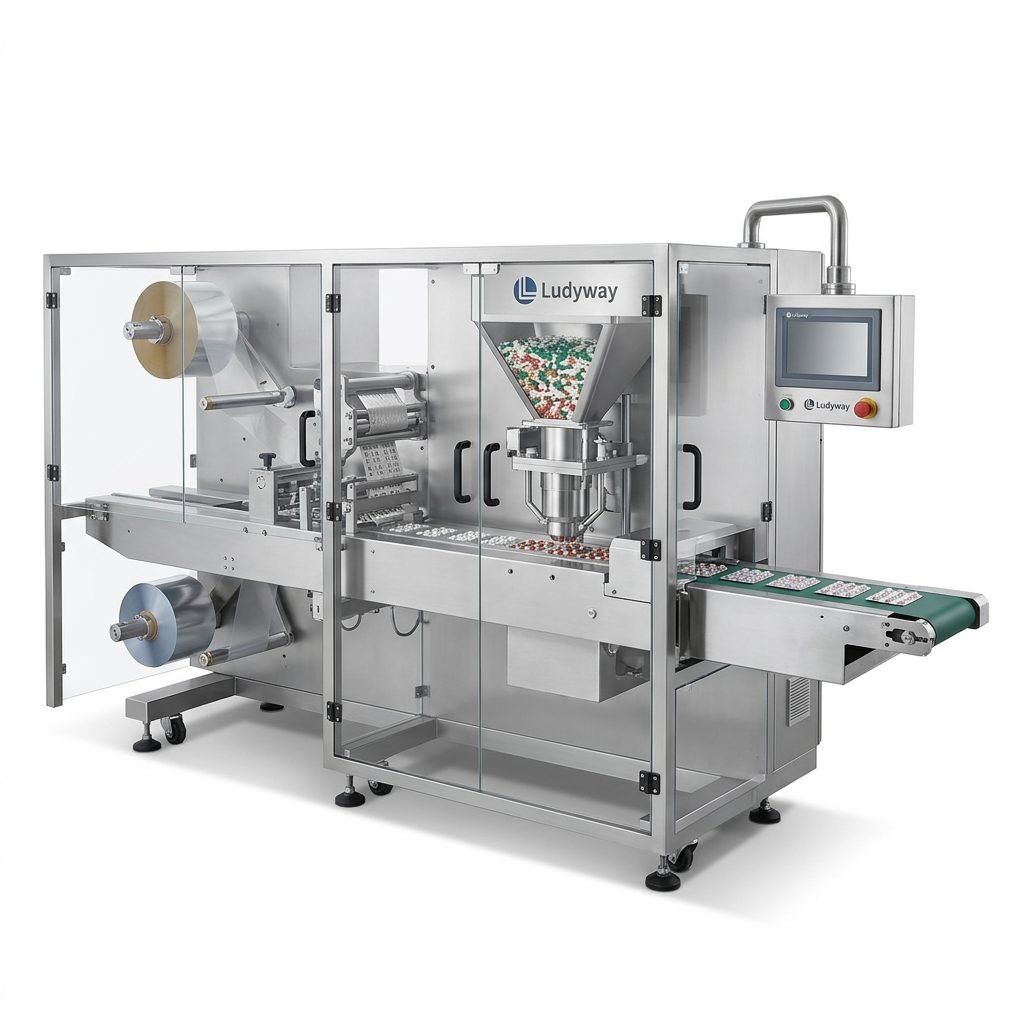
Weekly and Monthly Maintenance Tasks
Beyond daily checks, schedule more thorough maintenance on a weekly and monthly basis. These tasks address components that experience gradual wear and require deeper attention.
Weekly Cleaning Procedures
- Remove and clean the forming mold and sealing plate with a non-abrasive cleaner
- Wipe down all sensors and photoelectric eyes with a soft, lint-free cloth
- Inspect chain drives and belts for proper tension and signs of fraying
- Clean the cooling system filters to maintain proper temperature control
Monthly Lubrication and Inspection
- Apply grease to bearings, cam followers, and linear guides as specified in the manual
- Check electrical connections for tightness and signs of overheating
- Inspect vacuum pump performance and clean or replace filters as needed
- Calibrate temperature controllers to ensure accurate heating parameters
Common Issues and Troubleshooting Solutions
Understanding typical machine faults helps operators respond quickly and minimize production delays. Refer to the table below for guidance on common semi-automatic blister packing machine problems:
| Problem | Possible Cause | Solution |
|---|---|---|
| Incomplete blister forming | Insufficient heating temperature or vacuum pressure | Adjust temperature settings; check vacuum lines for leaks |
| Weak or uneven seals | Worn sealing plate or incorrect dwell time | Replace sealing plate; recalibrate sealing parameters |
| Film jamming or misalignment | Improper film roll installation or guide rail adjustment | Realign film path; check rollers and tension controls |
| Excessive machine vibration | Loose mounting bolts or worn drive components | Tighten all fasteners; inspect and replace worn parts |
| Erratic indexing movement | Faulty servo motor or controller settings | Reset controller parameters; test motor function |
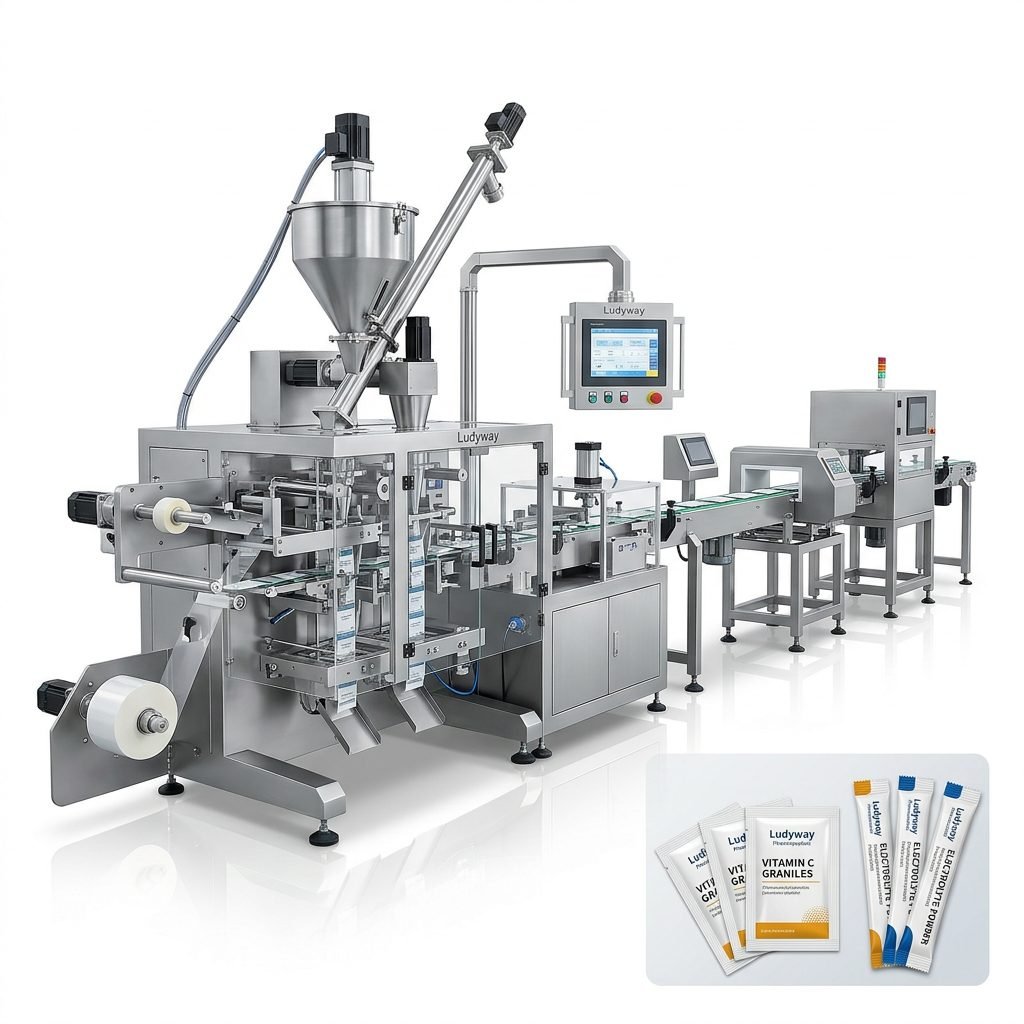
Spare Parts Management
Keeping critical spare parts on hand reduces downtime when replacements are needed. We recommend maintaining an inventory of the following high-wear components:
- Heating elements and thermocouples
- Sealing plates and forming molds
- Drive belts and timing belts
- Pneumatic seals and O-rings
- Sensor modules and relays
- Guide rollers and bearings
Always source replacement parts that meet FDA packaging material compliance requirements, especially for pharmaceutical and food-grade applications.
Training and Documentation
Even the best maintenance plan fails without proper operator training. Ensure all machine operators receive comprehensive training on daily care procedures and understand the importance of detailed maintenance logs. Documenting each service activity creates a valuable history that helps predict component wear patterns and schedule preventive replacements. Facilities adhering to packaging machinery best practices consistently report lower total cost of ownership and higher production uptime.

Long-Term Care and Professional Servicing
In addition to in-house maintenance, schedule professional servicing at least once a year. A qualified technician can perform in-depth diagnostics, replace hard-to-access components, and update firmware or control software. This proactive approach helps catch potential failures before they escalate into major repairs. For businesses seeking reliable packaging solutions with excellent after-sales support, Ludyway, one of the largest packaging machine manufacturers in China with over 30 years of industry experience, provides comprehensive maintenance guidance and genuine spare parts for their extensive range of semi-automatic and fully automated blister packing systems.
Additional Resources
- PMMI Packaging and Processing Technology Resources
- Flexible Packaging Association Industry Data
- ISO 11607 Packaging for Medical Devices
- Ludyway Global Packaging Machinery Growth Report
By following these essential maintenance tips, you can maximize the productivity and longevity of your semi-automatic blister packing machine while maintaining consistent product quality and regulatory compliance.