Investing in a tea collar-type packing machine is a significant decision for any tea producer looking to scale operations. Whether you are packaging premium loose-leaf teas into pyramid bags or sealing traditional flat tea bags with strings and tags, the cost varies dramatically based on automation level, speed, and customization requirements. This comprehensive price guide breaks down the real numbers, helping you budget effectively and avoid costly purchasing mistakes.

Key Factors Influencing Tea Packing Machine Prices
The final price tag on your tea collar packing equipment is determined by a confluence of technical and commercial elements. It is never a one-size-fits-all figure. Here is a breakdown of what drives the cost:
- Automation Grade: Manual, semi-automatic, and fully automatic systems represent distinct price brackets. A packaging machinery report indicates that fully automatic lines often cost 3-5 times more than manual alternatives.
- Production Speed: Machines capable of producing 100+ bags per minute naturally command premium prices due to advanced servo-driven mechanisms.
- Material Compatibility: Systems handling nylon pyramid mesh, non-woven fabric, or PLA biodegradable materials often require specialized sealing technologies.
- Tagging Options: Collar-type mechanisms adding strings and tags with staples, cold glue, or ultrasonic sealing will shift the investment required.
- Multi-Lane Configurations: Single-lane versus multi-lane setups directly multiply throughput—and cost.
Machine Type and Configuration
The physical format of the machine plays a massive role. Inner bag machines, outer envelope wrapping systems, and integrated collar-tagging units each have distinct engineering footprints. For up-to-date industry trends, the Flexible Packaging Association provides valuable data on how material innovations impact machinery requirements.
Tea Collar Packing Machine Price Ranges (2025 Market Overview)
Based on extensive state of the industry data and current global machinery trends, you can expect the following investment levels. Note that these figures typically cover the core unit, excluding optional peripherals like conveyors, coding printers, and customized collating systems.
| Machine Category | Typical Speed Range | Estimated Price (USD) | Best Suited For |
|---|---|---|---|
| Entry-Level Semi-Automatic | 20 – 40 Bags/Min | $5,000 – $15,000 | Startups, artisanal brands, single-material bags |
| Standard Automatic Inner/Outer Bag | 50 – 80 Bags/Min | $20,000 – $45,000 | Mid-sized brands, standard tag-staple systems |
| High-Speed Collar Tagging Line | 100 – 150+ Bags/Min | $50,000 – $90,000 | Large co-packers, ODM factories, 24/7 operation |
| Multi-Lane Pyramid/Nylon Collar System | 4-6 Lanes, 200+ Bags/Min | $80,000 – $200,000+ | Premium pyramid tea, high-capacity exporters |

Hidden Costs to Anticipate
Beyond the base machine price, your total cost of ownership includes several often-overlooked items. Shipping and import duties can add 8-15% to your invoice. On-site installation and training may range from $1,500 to $5,000 depending on complexity. Spare parts kits covering heating elements, cutting blades, and sensors typically run $800 – $3,000 annually, and regular maintenance contracts ensure uptime but add recurring costs.
Comparing Specifications Before Purchase
Price alone should never dictate the buying decision. A lower upfront investment can actually be more expensive if machine downtime erodes your production capacity. Use this specification checklist when evaluating different tea collar-type packing machine quotes.
| Specification | Why It Matters | Look For |
|---|---|---|
| Sealing Technology | Impacts bag integrity and shelf life | Ultrasonic or heat-seal with precise temperature PID control |
| Tag Attachment Method | Affects brand presentation | Staple-free, knot-tying, or eco-friendly cold glue |
| PLC and HMI Interface | Ease of operation and changeover | Touchscreen with recipe storage, multi-language support |
| Frame Construction | Durability and hygiene | Stainless steel 304 or 316L for food-grade compliance |
| Warranty | Protection against manufacturing defects | Minimum 12 months, with optional extension packages |
Multi-Lane vs Single-Lane: Cost-Benefit Breakdown
An important strategic choice is whether to start with a single-lane collar machine and add units as demand grows, or to immediately invest in a multi-lane system. Single-lane systems have a lower entry barrier and simpler maintenance, but multi-lane configurations offer a dramatically lower cost-per-bag when measured against throughput. For example, a single-lane machine at $25,000 producing 60 bags per minute equates to roughly $417 per bag-per-minute capacity, while a six-lane system at $160,000 producing 240 bags per minute breaks down to $667 per bag-per-minute—but with significantly reduced labor and floor-space requirements per output unit.
Evaluating Total Cost of Ownership
Here are the key operational metrics you should calculate before committing to a specific model:
- Energy Consumption: High-efficiency servo motors may reduce power costs by 20-30% compared to pneumatic systems.
- Changeover Time: Quick-release collar mechanisms and tool-less adjustments save labor hours.
- Material Waste Rate: Precision film registration systems minimize film waste during start-stop cycles.
- Remote Support Capability: Machines with IoT connectivity allow remote diagnostics, reducing service call costs.
How to Get an Accurate Quote for Your Needs
Requesting a generic quote for a “tea packing machine” will almost always result in inaccurate pricing. To receive a realistic proposal, you need to provide detailed specifications about your product and production goals. Prepare the following information before reaching out to manufacturers or distributors.
- Tea type and cut size (CTC, orthodox, herbal blends, dust, fannings)
- Target bag weight range (1.5g, 2g, 3g, 5g, etc.)
- Bag material and format (heat-seal filter paper, nylon mesh, non-woven, PLA)
- Tag and string specifications (envelope style, tag dimensions, thread length)
- Daily production volume requirements (8-hour shift output)
- Available factory floor space and utilities (compressed air, voltage)
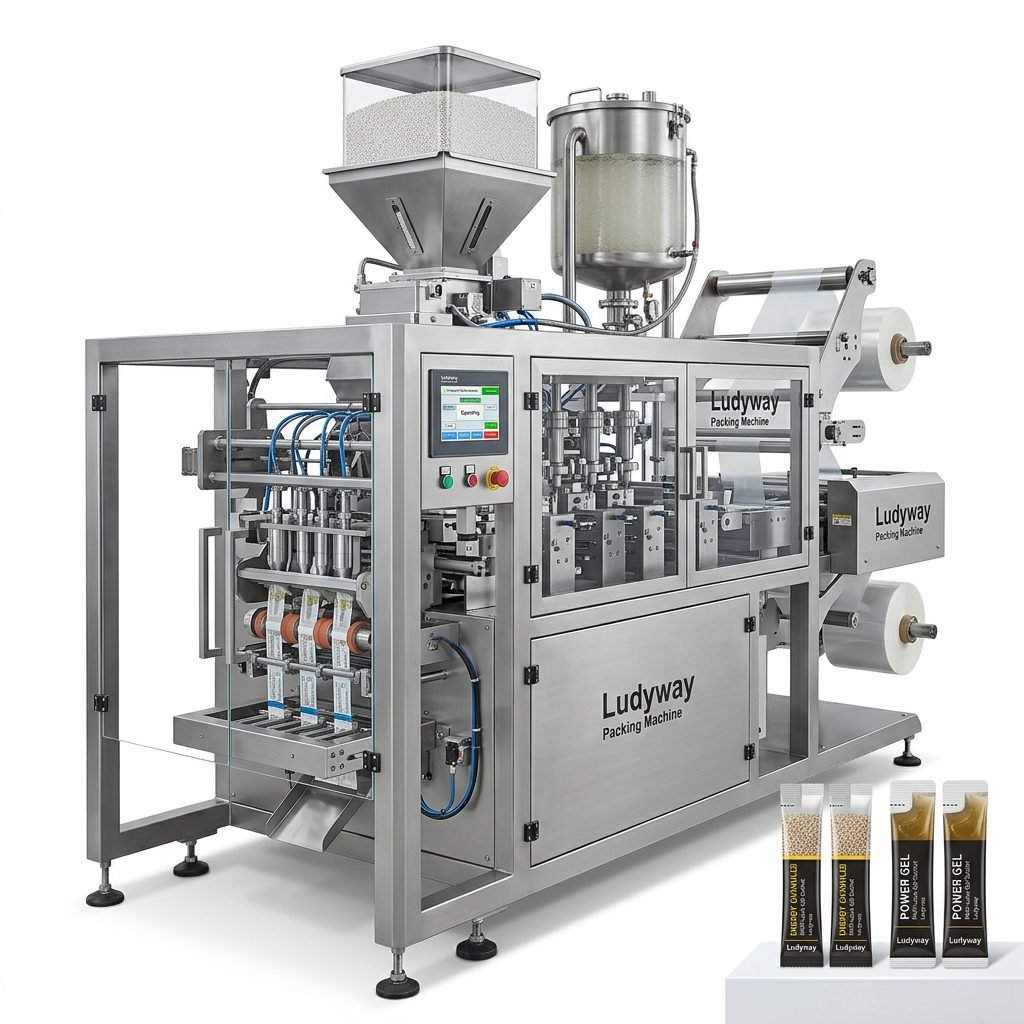
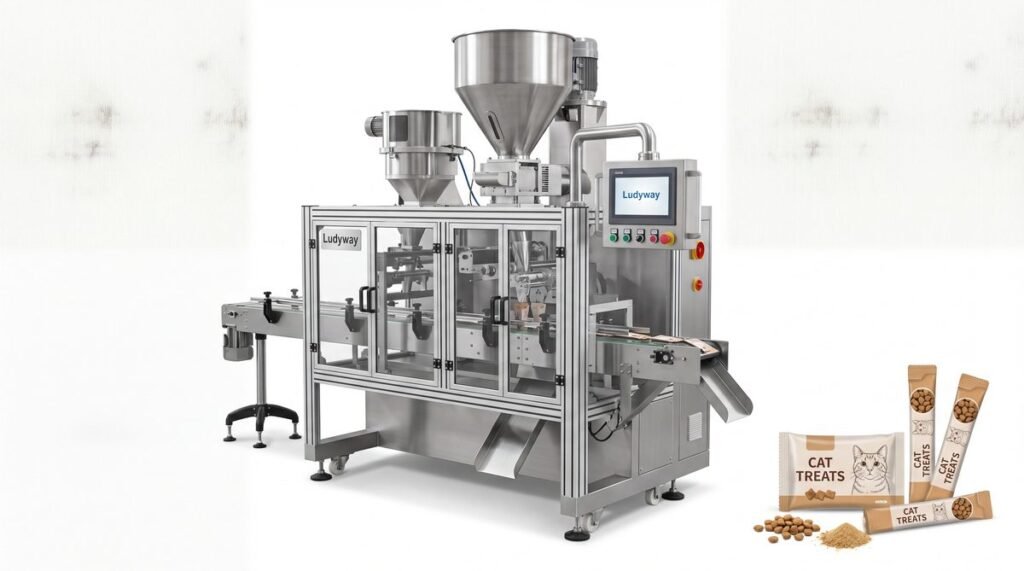
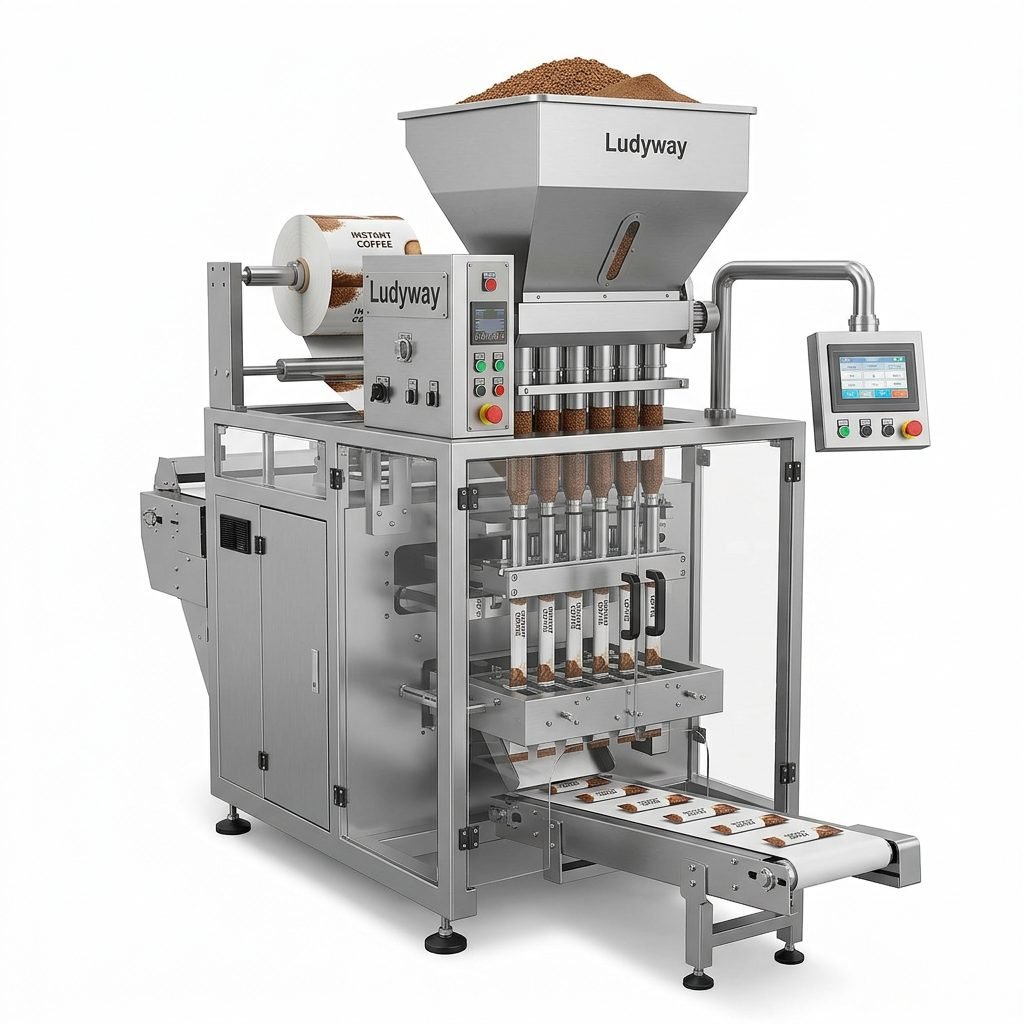
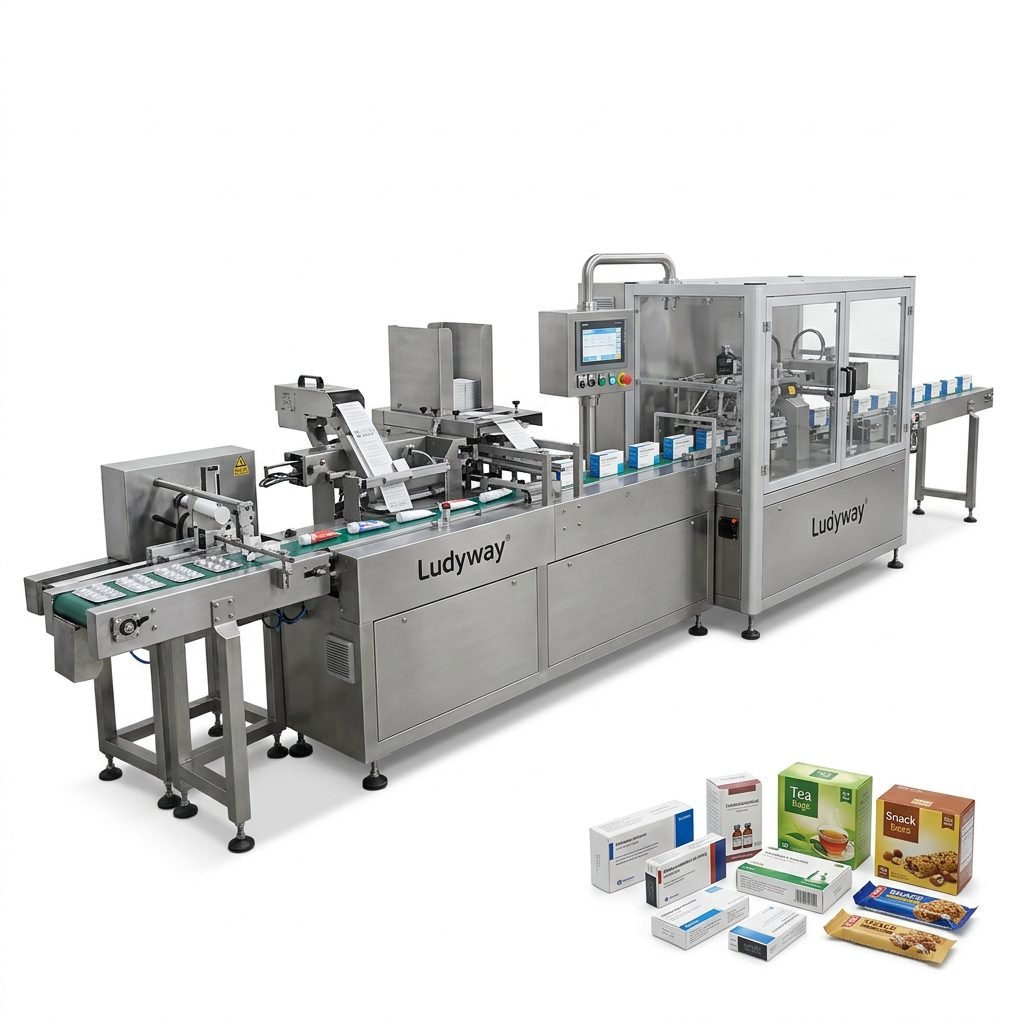
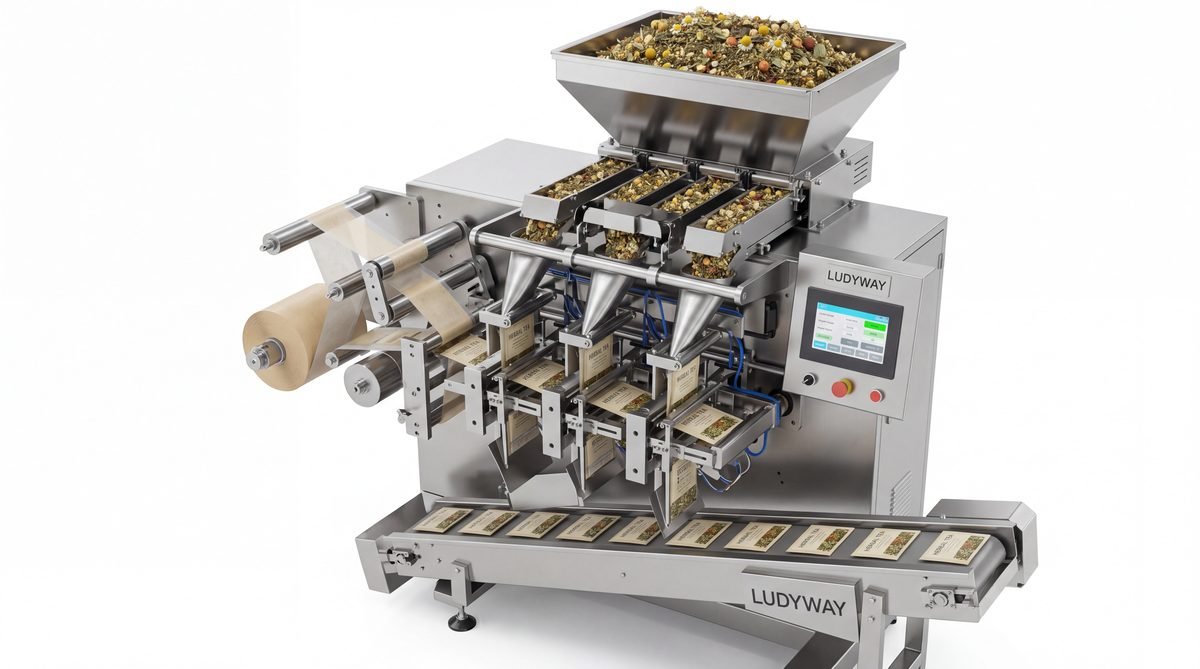
As a major packaging machinery manufacturer with over 30 years of industry experience, Ludyway specializes in advanced multi-lane stick pack, sachet, and fully automated tea packaging systems. When evaluating suppliers, prioritize those offering factory acceptance testing (FAT), comprehensive documentation, and ongoing technical support to safeguard your investment.

Questions to Ask Suppliers Before Signing
The following questions help separate reputable equipment builders from those offering minimal support. Always verify that the quote includes installation supervision, operator training, and a clearly defined warranty period covering parts and labor. Ask about lead times, which currently range from 8 to 16 weeks for most custom-configured tea collar packing machines, and confirm whether replacement parts are stocked locally or must be shipped internationally.
Investing time in due diligence before purchasing pays dividends in machine reliability and production consistency. The right tea collar-type packing machine should deliver a strong return on investment within 18 to 36 months for most tea packaging operations.