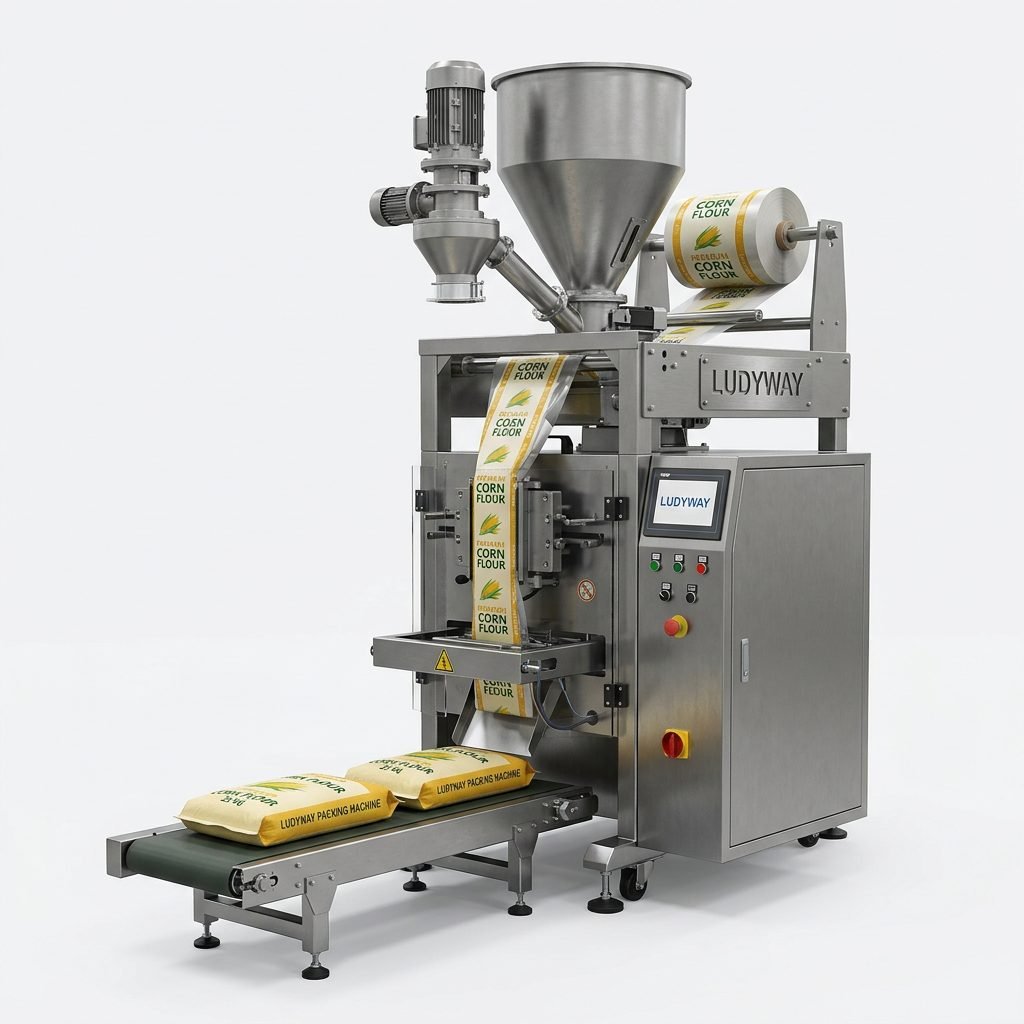
Expanding your production into international territories requires a strategic approach to equipment selection, compliance, and operational planning. A bean packaging machine production line designed for global markets must meet diverse regulatory standards, accommodate various packaging formats, and deliver consistent performance across different environmental conditions.
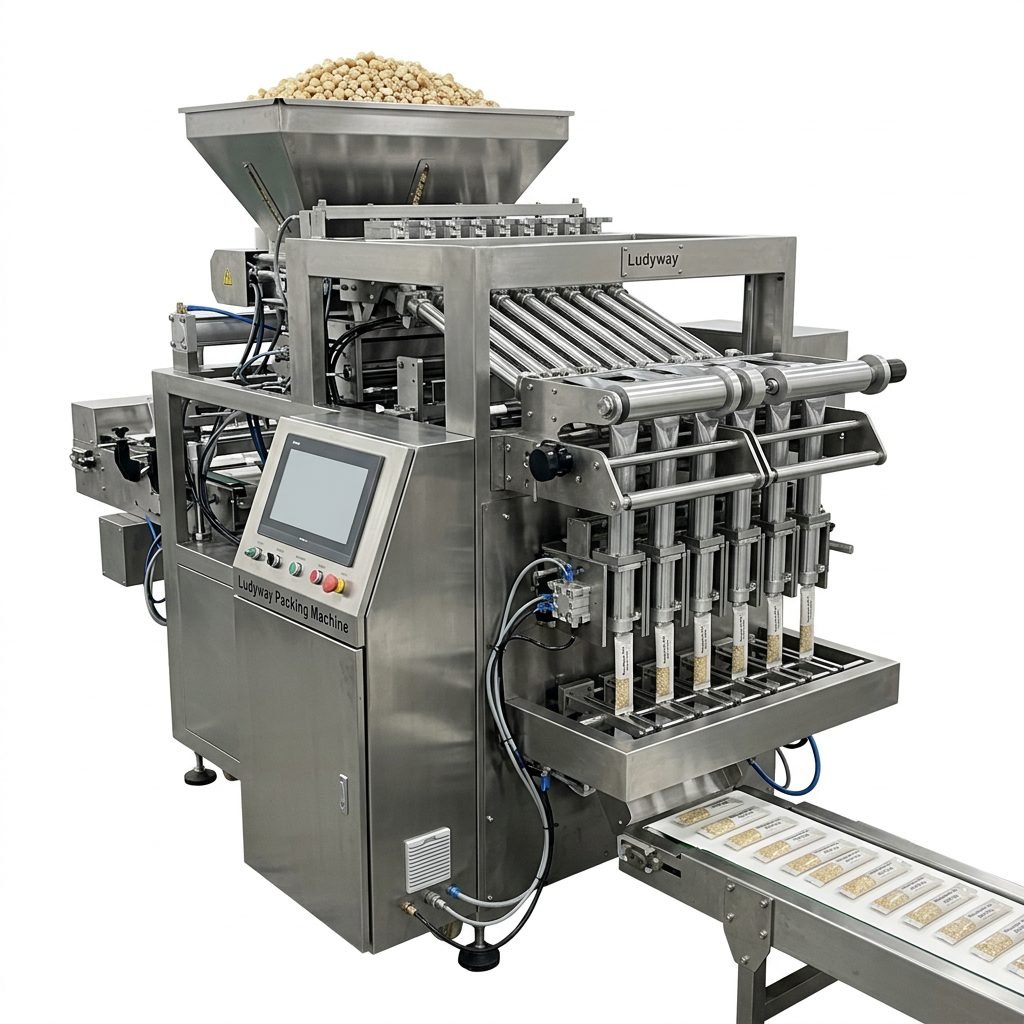
Understanding Global Market Requirements for Bean Packaging
Before investing in a bean packaging production line, manufacturers must evaluate target market specifications. Different regions enforce distinct regulations regarding food contact materials, labeling, and packaging waste. The FDA Food Packaging and Food Contact Substances guidelines govern the U.S. market, while the European Packaging and Packaging Waste Regulation sets strict sustainability targets for EU member states.
Key Components of a Bean Packaging Production Line
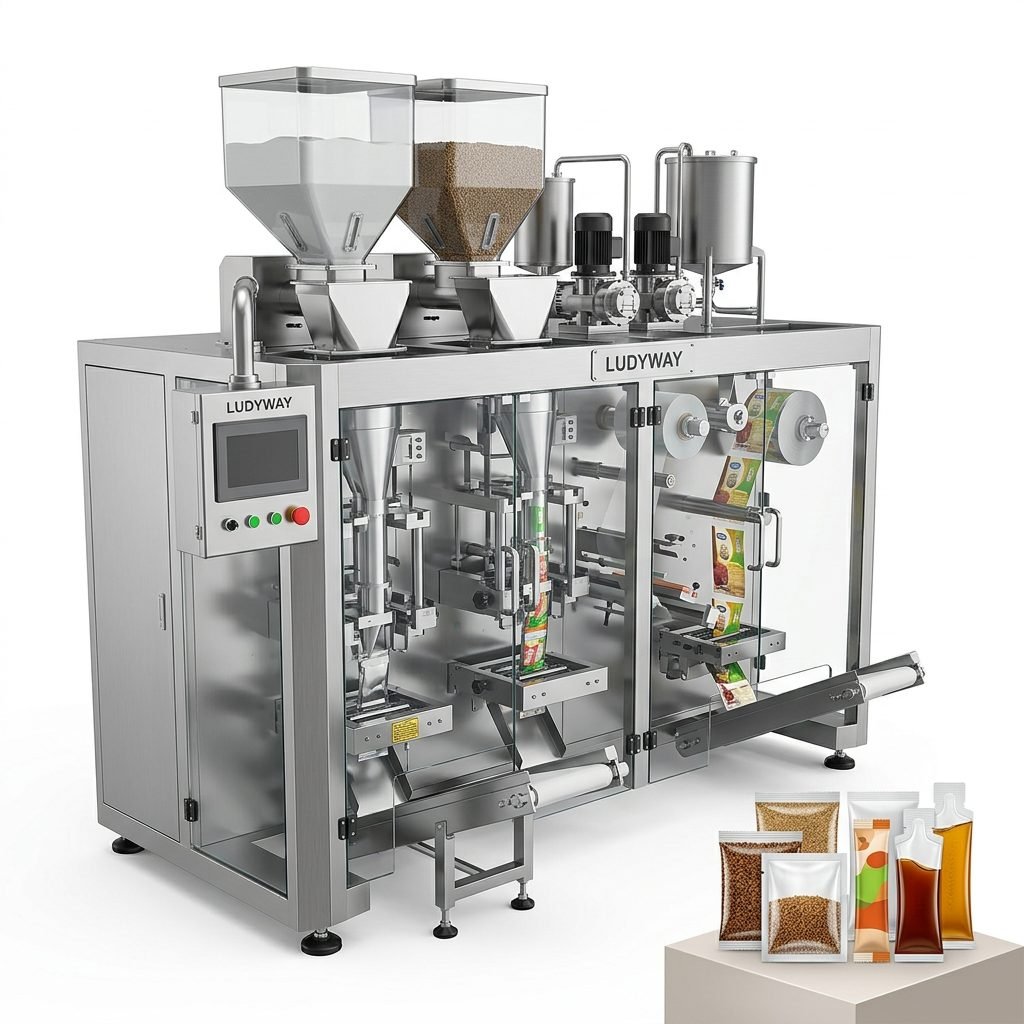
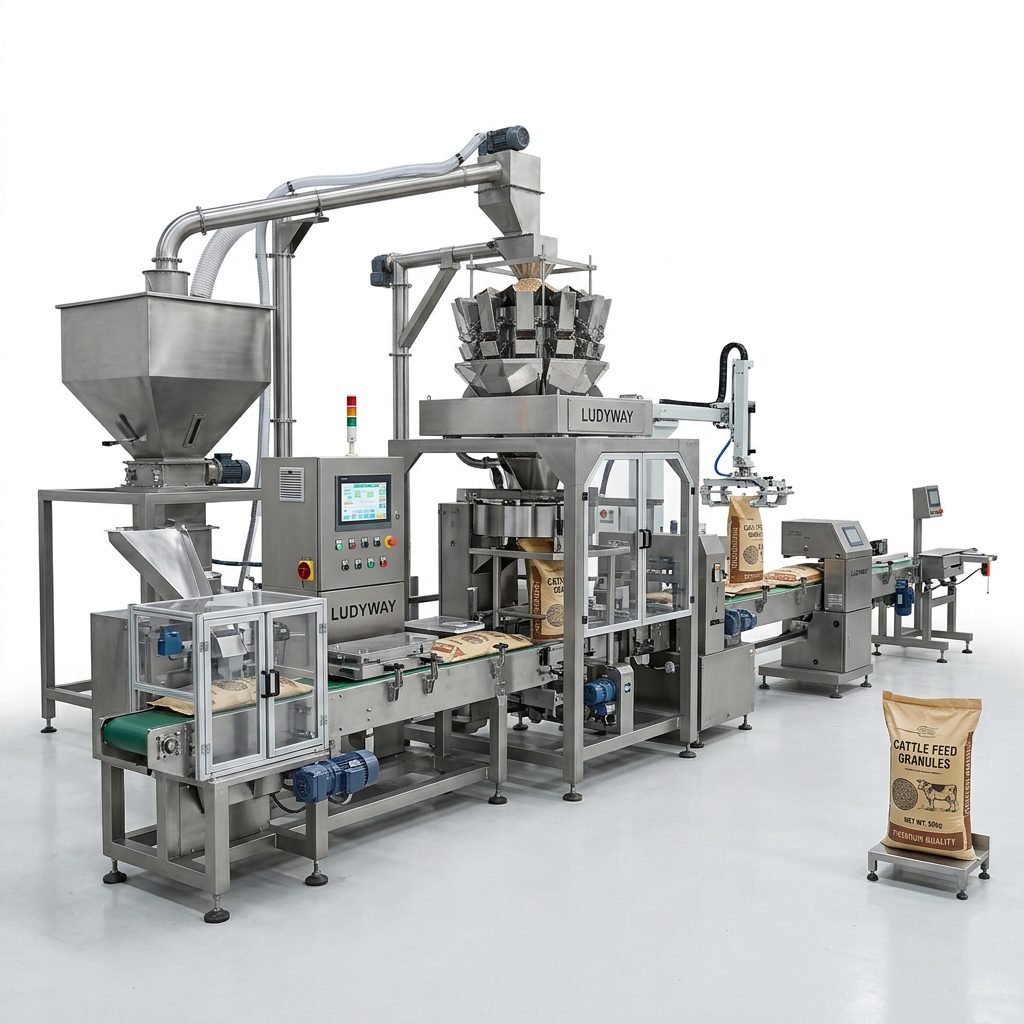
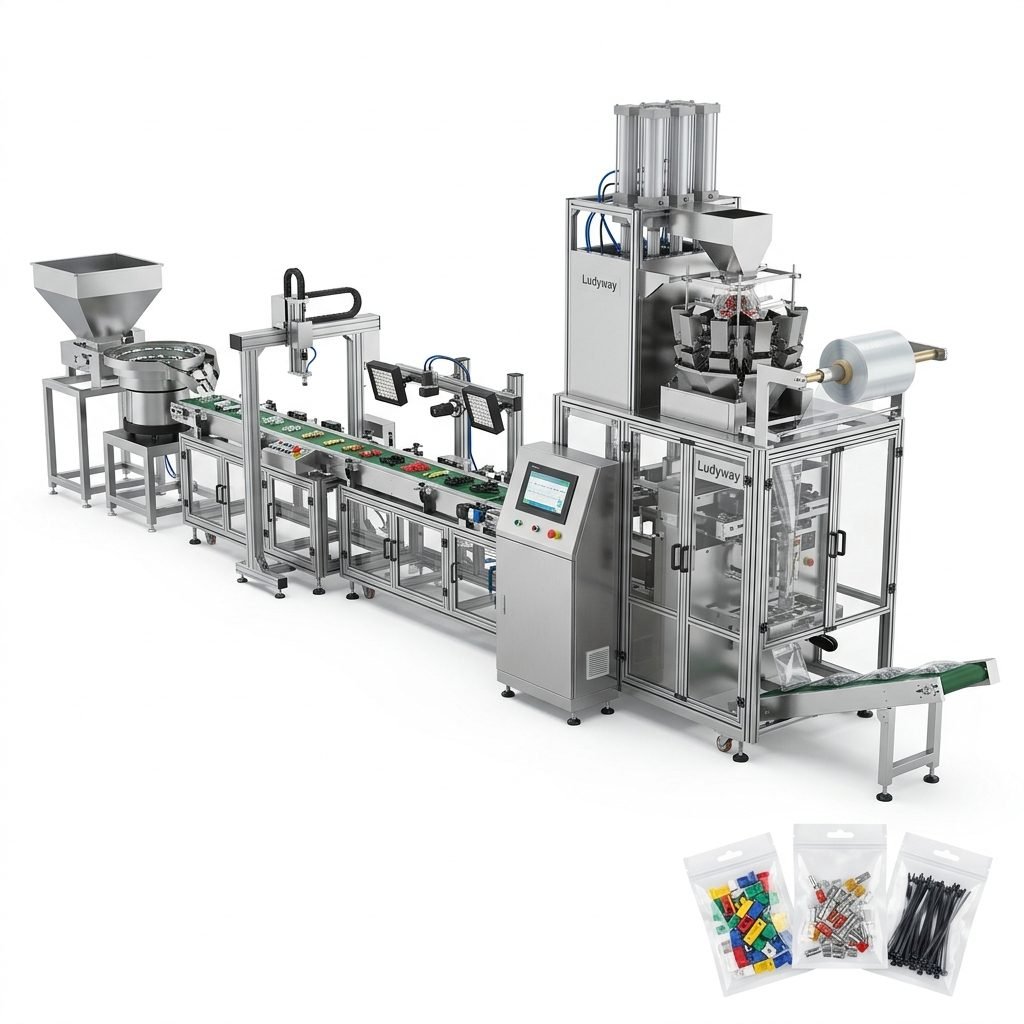
A complete bean packaging machine production line integrates multiple systems to ensure seamless operation from raw product handling to final packaged output. Below are the essential components:
- Feeding and Conveying System — Automated hoppers and conveyors transport beans into the packaging stream with minimal product damage.
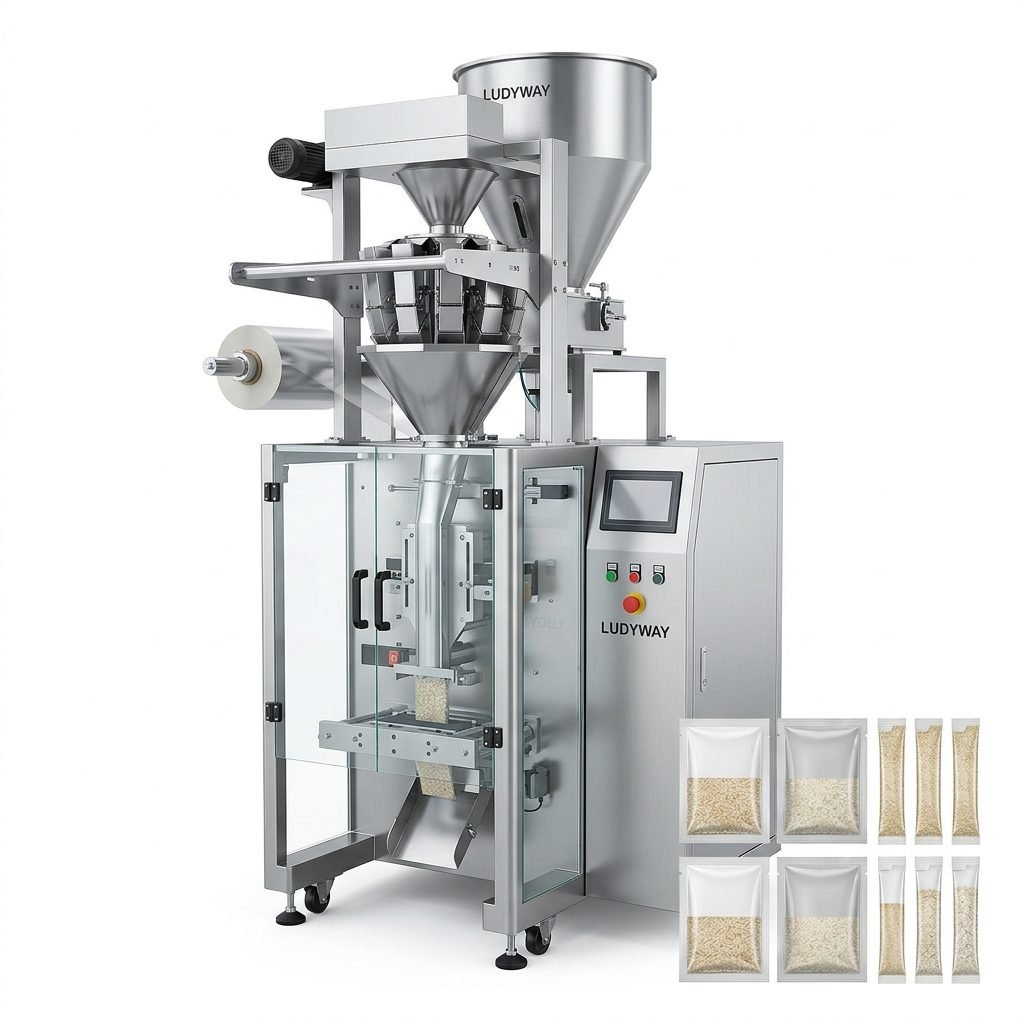
- Multi-Head Weighing System — Precision weighing ensures each package meets exact weight specifications, critical for regulatory compliance.
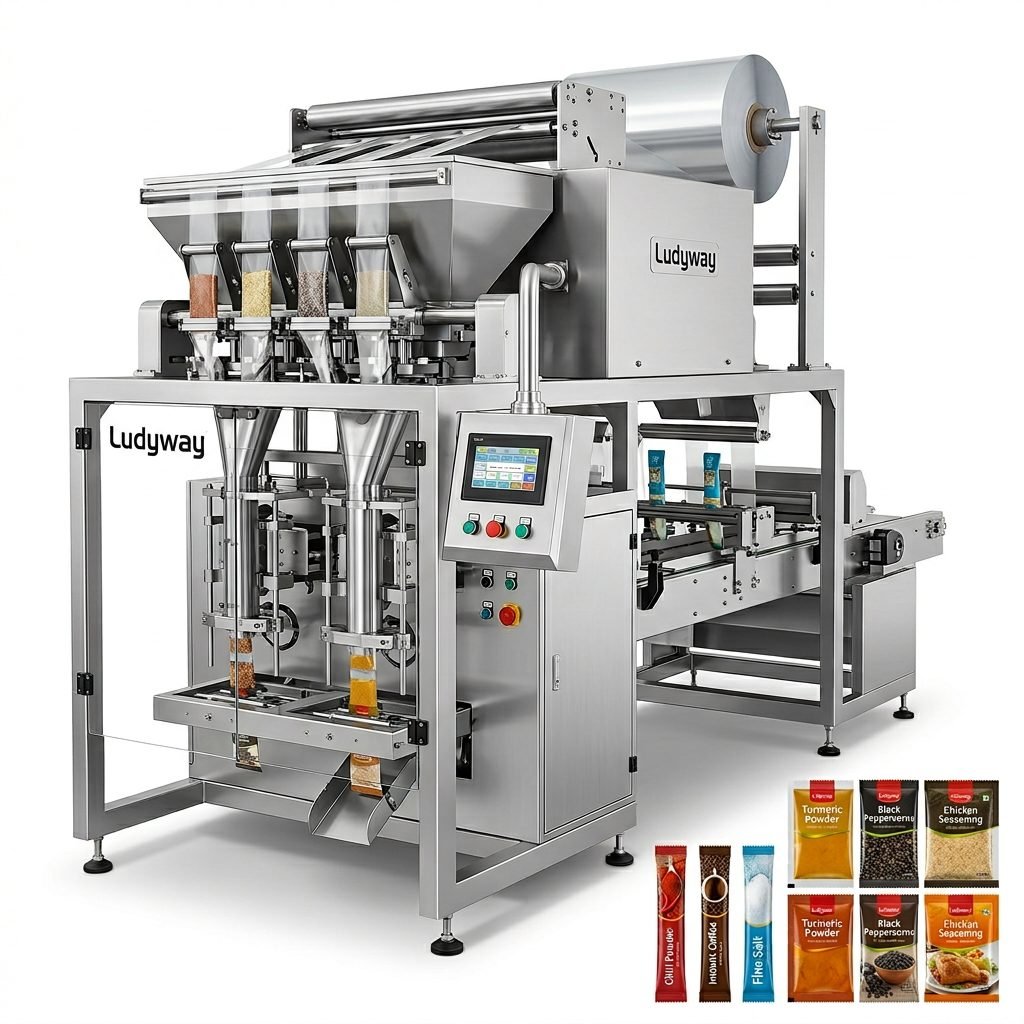
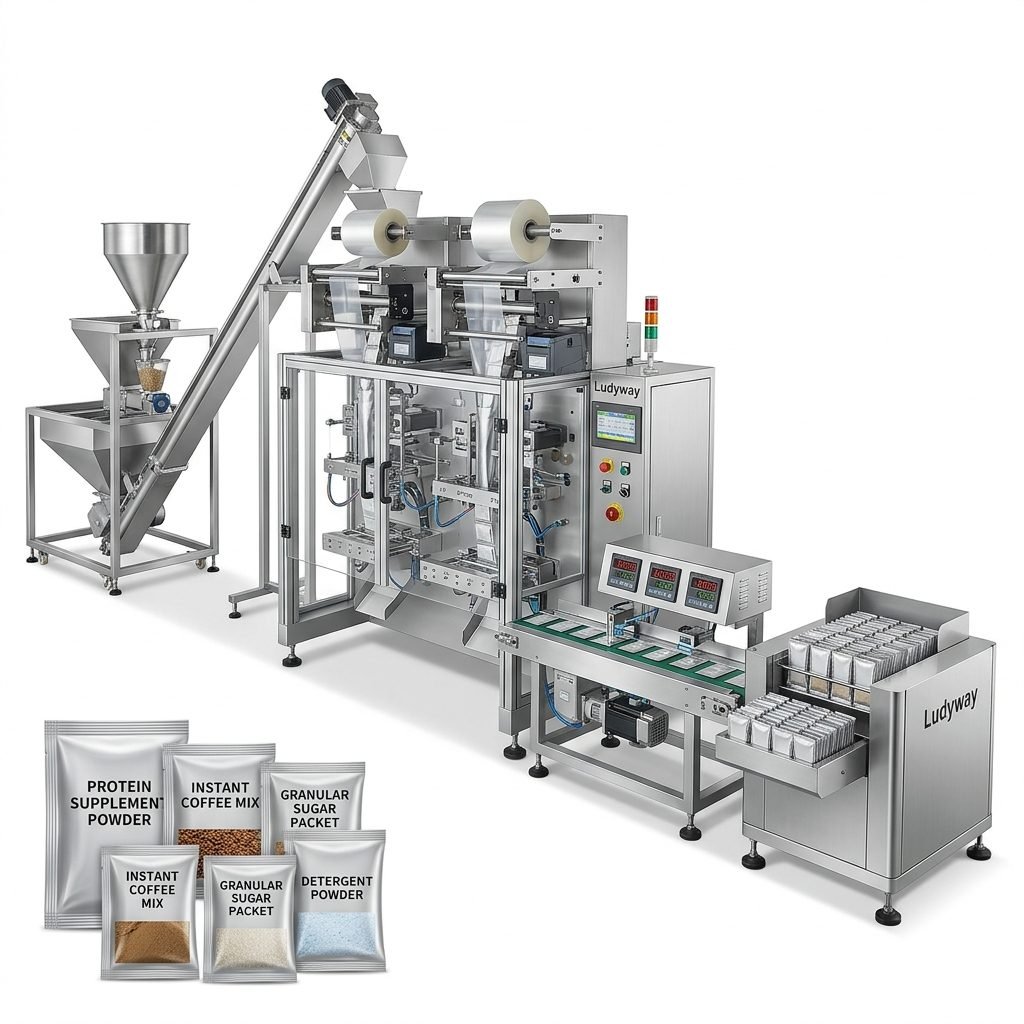
- Form-Fill-Seal Machine — The core unit that forms pouches or stick packs, fills them with beans, and seals them airtight.
- Inspection and Rejection Systems — Metal detectors and ISO packaging standards-compliant checkweighers ensure quality control.
- Cartoning and Palletizing — Secondary packaging equipment prepares finished products for distribution and retail display.
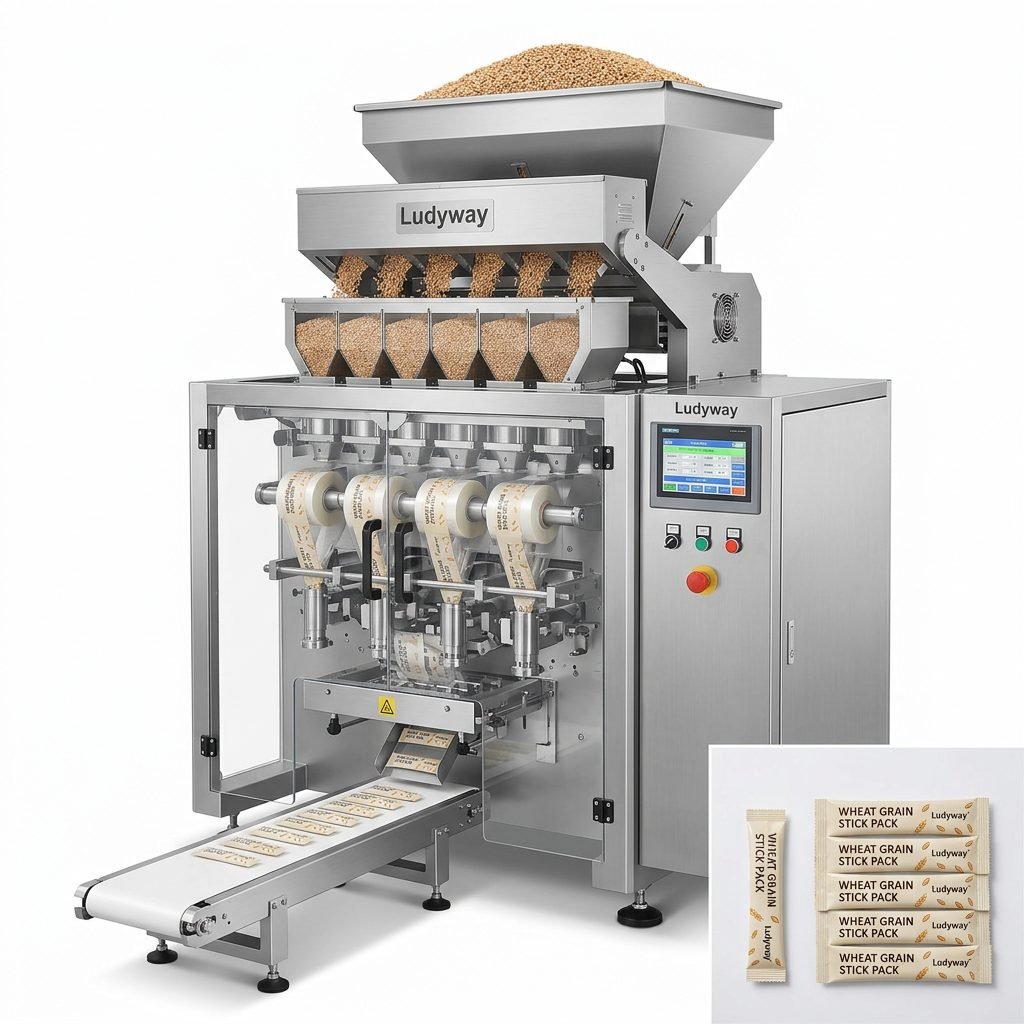
Packaging Formats for Different Markets
Global markets demand varied packaging formats. Understanding these preferences helps configure your production line appropriately:
| Packaging Format | Preferred Regions | Typical Applications |
|---|---|---|
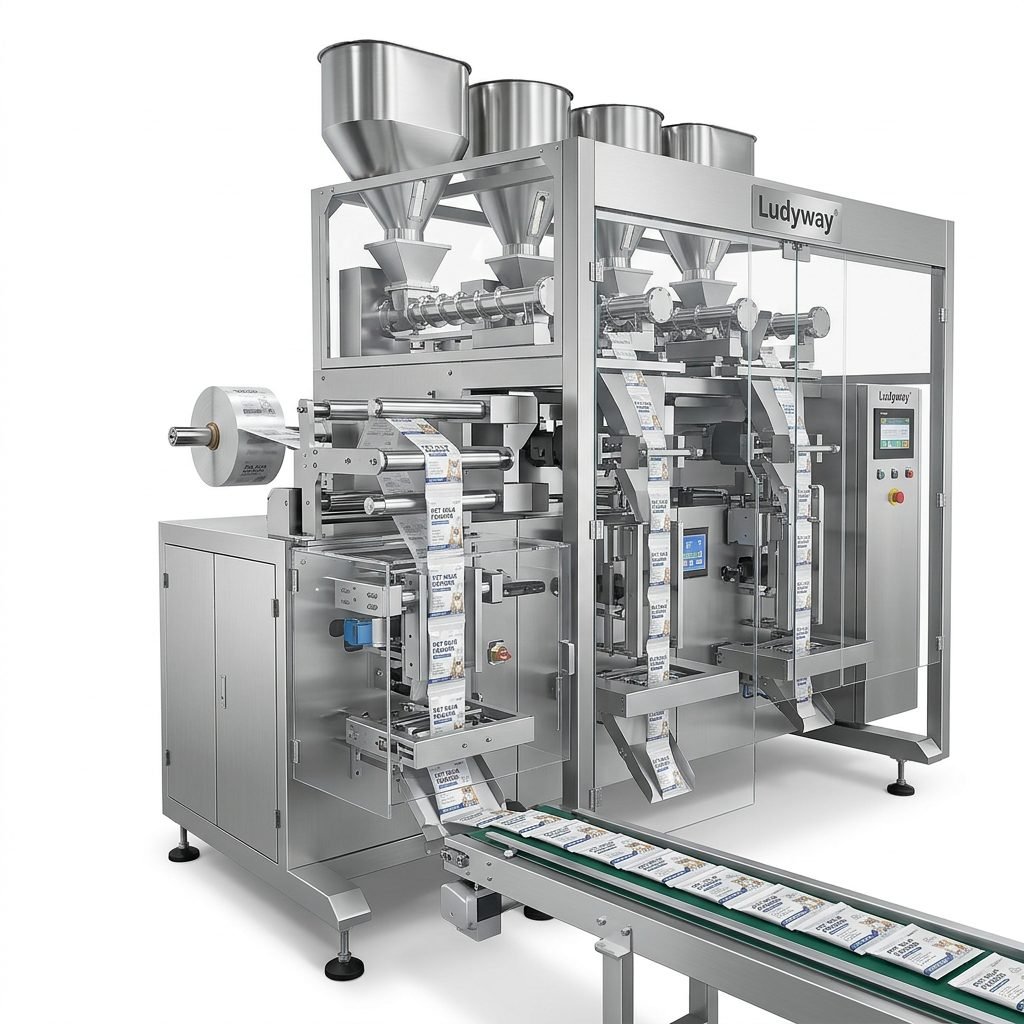
| Stick Packs | North America, Europe | Single-serve bean snacks, coffee beans |
| Sachet Packs | Asia-Pacific, Africa | Small-portion retail packs |
| Stand-Up Pouches | Global | Premium bean products, organic lines |
| Bulk Bags (10–50 kg) | Industrial, Wholesale | B2B bean distribution channels |
Step-by-Step Guide to Setting Up Your Production Line
Step 1: Define Target Markets and Compliance Requirements
Identify the countries you intend to serve. Each market has specific food safety certifications, such as FDA approval for the United States, CE marking for the European Union, and ISO 22000 for food safety management systems worldwide. Consult the PMMI Business Intelligence Library for the latest packaging machinery market research and industry data.
Step 2: Select Equipment with Multi-Format Flexibility
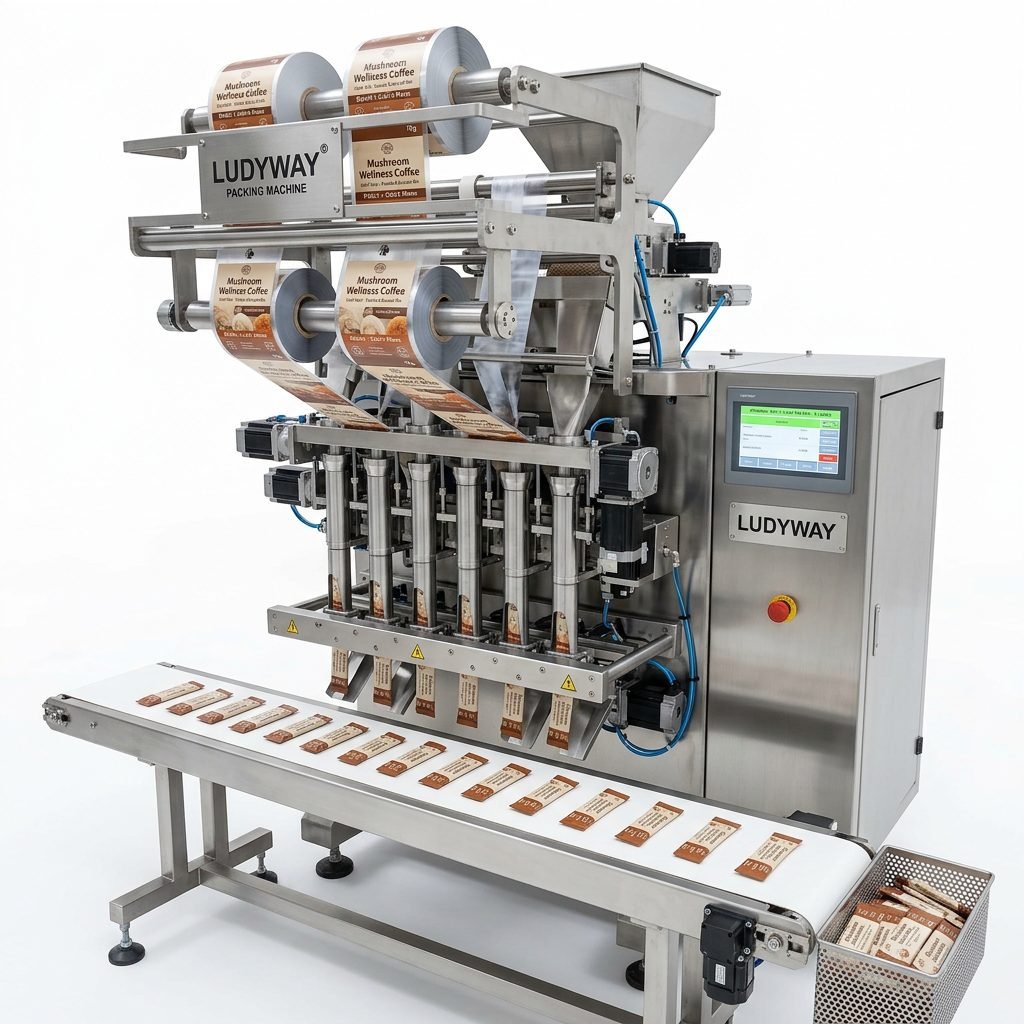
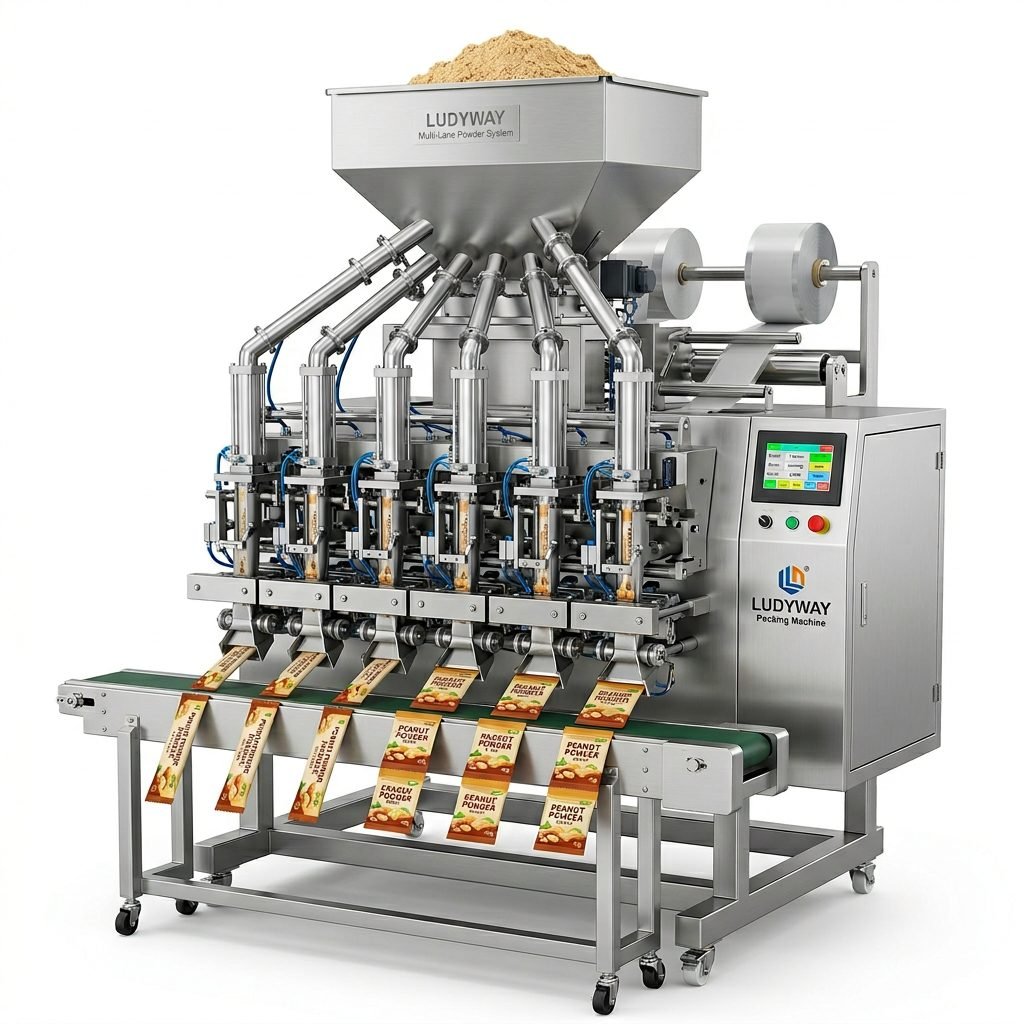
Choose machines capable of handling multiple packaging styles — stick packs, sachets, and pouches — to maximize market adaptability. Multi-lane systems significantly increase throughput, making them ideal for high-volume bean packaging operations targeting global distribution.
Step 3: Integrate Quality Control Systems
Incorporate inline inspection technologies including metal detection, X-ray inspection, and automated checkweighing. These systems are mandatory for compliance with ISO 11607 packaging standards and international food safety protocols. A robust rejection mechanism ensures non-conforming packages are removed without disrupting production flow.

Step 4: Optimize for Operational Efficiency
Design your production line layout to minimize material handling and maximize throughput. Features to prioritize include:
- Quick-change tooling for format switching between different package sizes
- Servo-driven controls for precise filling accuracy and reduced waste
- Integrated dust collection systems to maintain clean production environments
- Remote monitoring capabilities for real-time production data access
Regulatory Certifications That Impact Global Export
Meeting international packaging standards is non-negotiable. Key certifications and frameworks include:
- CE Certification — Required for machinery sold in the European Economic Area
- FDA Compliance — Essential for food-contact packaging equipment entering the U.S. market
- ISO 9001 — Quality management system certification recognized worldwide
- GFSI-Recognized Standards — Global Food Safety Initiative benchmarks accepted across major retailers
Reference the Flexible Packaging Association Industry Resources for the latest flexible packaging data and regulatory updates that impact bean packaging line configurations.
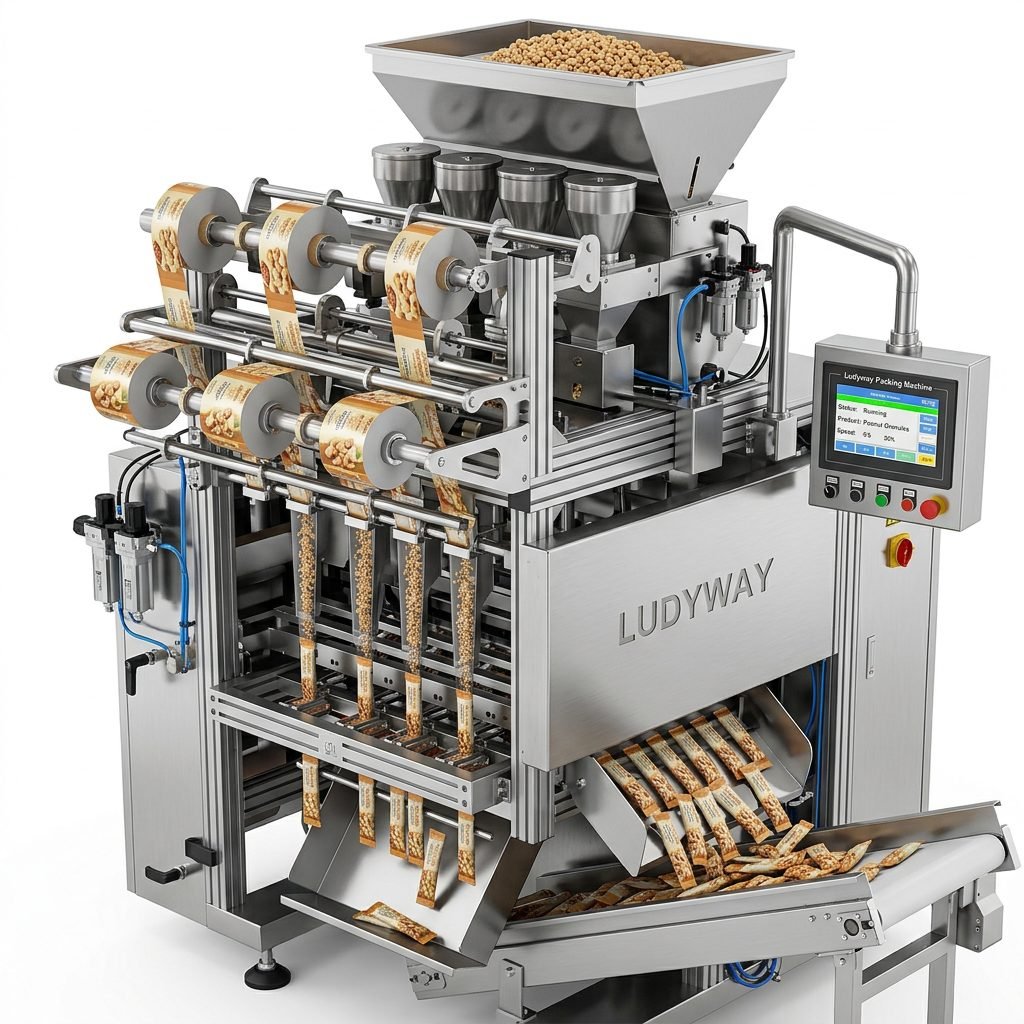
Cost Considerations and ROI Planning
Investing in a bean packaging production line for global markets requires thorough financial planning. Primary cost factors include equipment procurement, installation and commissioning, operator training, ongoing maintenance, and spare parts inventory. However, the return on investment accelerates through reduced labor costs, higher production speeds, and access to premium international markets.
| Cost Category | Estimated Share of Total Investment | Optimization Strategy |
|---|---|---|
| Primary Packaging Equipment | 45–55% | Select modular systems for future upgrades |
| Installation and Commissioning | 10–15% | Work with experienced integration partners |
| Training and Documentation | 5–8% | Comprehensive operator and maintenance manuals |
| Ongoing Spare Parts | Annual 5–10% | Maintain strategic inventory of critical components |
Future-Proofing Your Bean Packaging Line
The global packaging landscape evolves rapidly. Smart manufacturing trends such as IoT-enabled machine monitoring, AI-driven quality inspection, and sustainable packaging material compatibility are reshaping industry expectations. Ensure your production line supports upgrades to handle biodegradable films, recyclable laminates, and reduced material thickness without compromising seal integrity.
Leading manufacturers like Ludyway offer turnkey solutions designed specifically for international bean packaging applications, with equipment engineered to meet diverse regulatory requirements across food, pharmaceutical, and health industries worldwide. Their advanced multi-lane stick pack and sachet systems deliver the flexibility global markets demand. For more information on packaging machinery trends, visit the PMMI Packaging Industry Resources page or consult the Flexible Packaging Association for market intelligence.
Key Takeaways for Global Market Success
- Research target market regulations before equipment procurement to avoid costly retrofits
- Invest in flexible, multi-format machinery that adapts to different regional packaging preferences
- Integrate comprehensive quality control systems aligned with international food safety standards
- Plan for sustainable packaging transitions as global regulations tighten on packaging waste
- Partner with experienced equipment manufacturers who understand global compliance requirements
Setting up a bean packaging machine production line for global markets is a strategic investment that, when executed correctly, opens doors to sustained international growth and competitive advantage in the food processing industry.