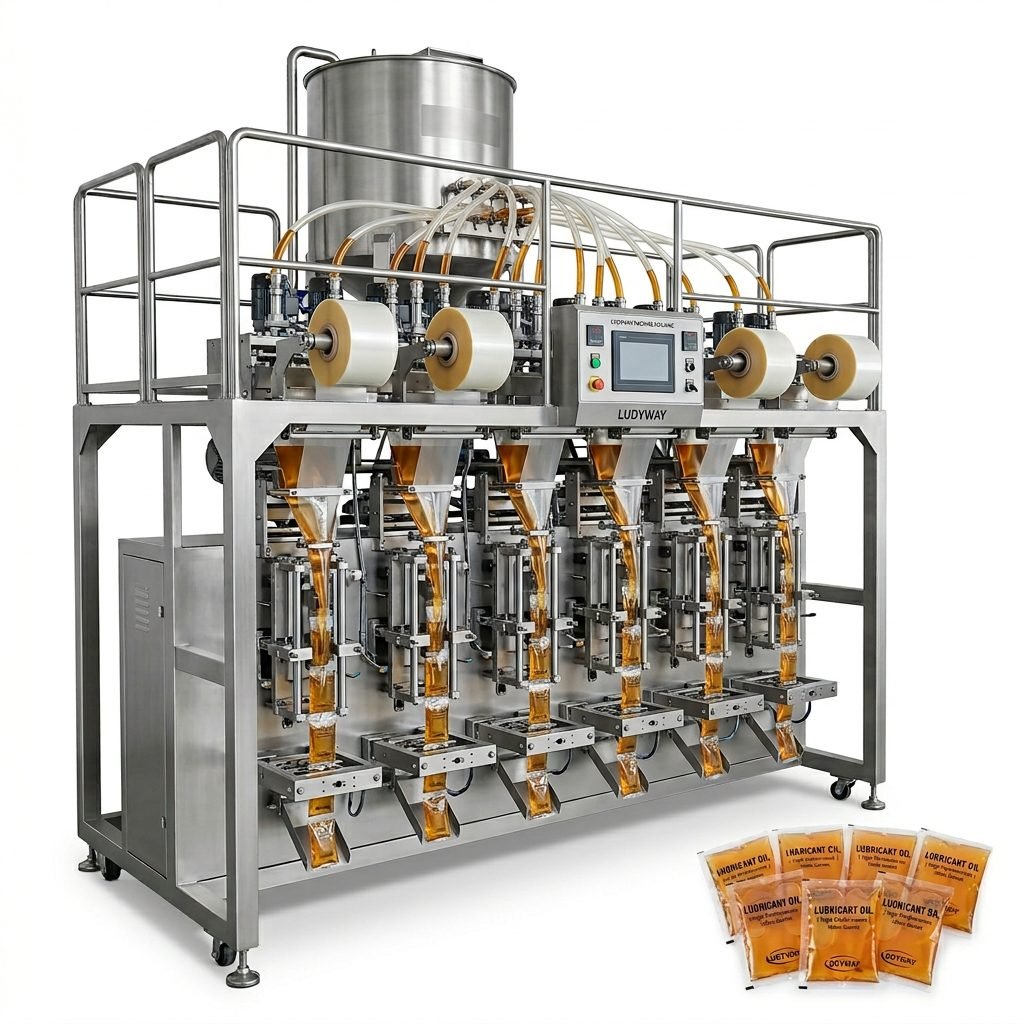
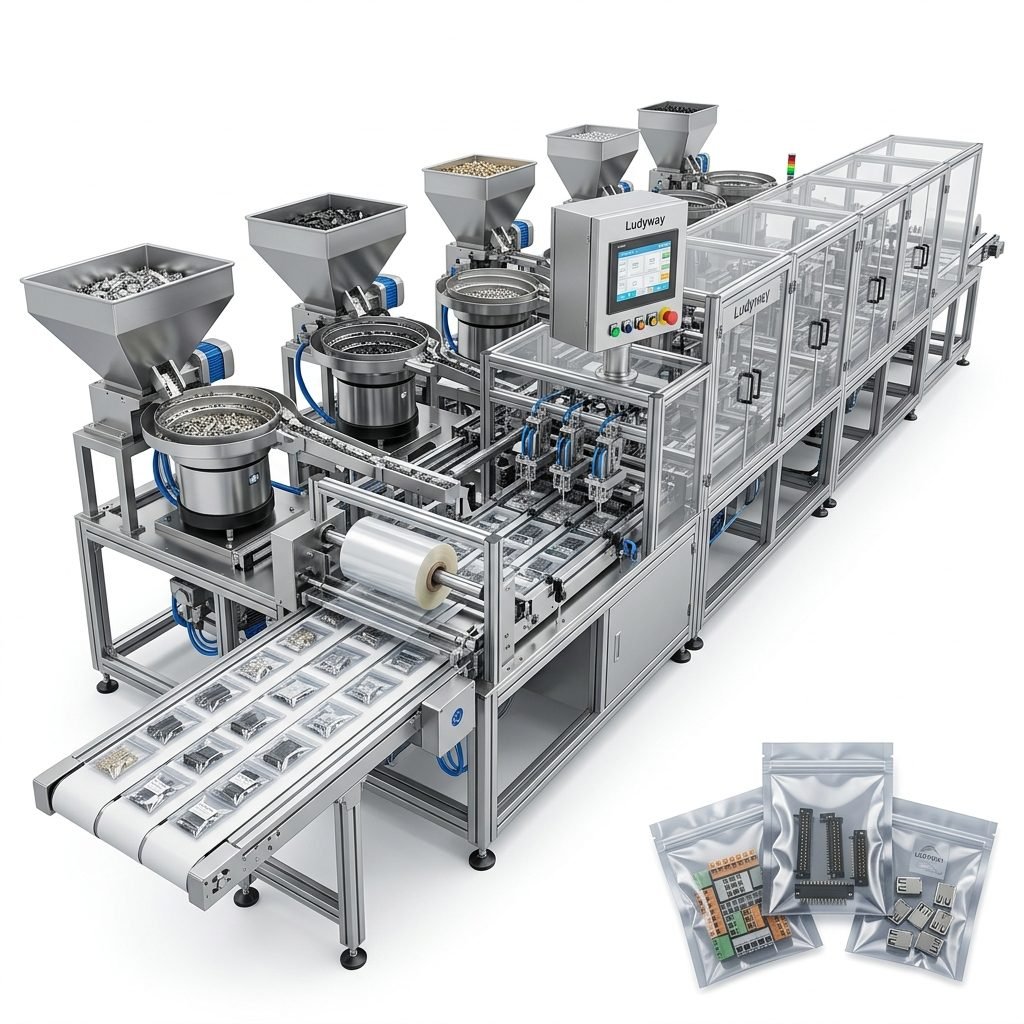
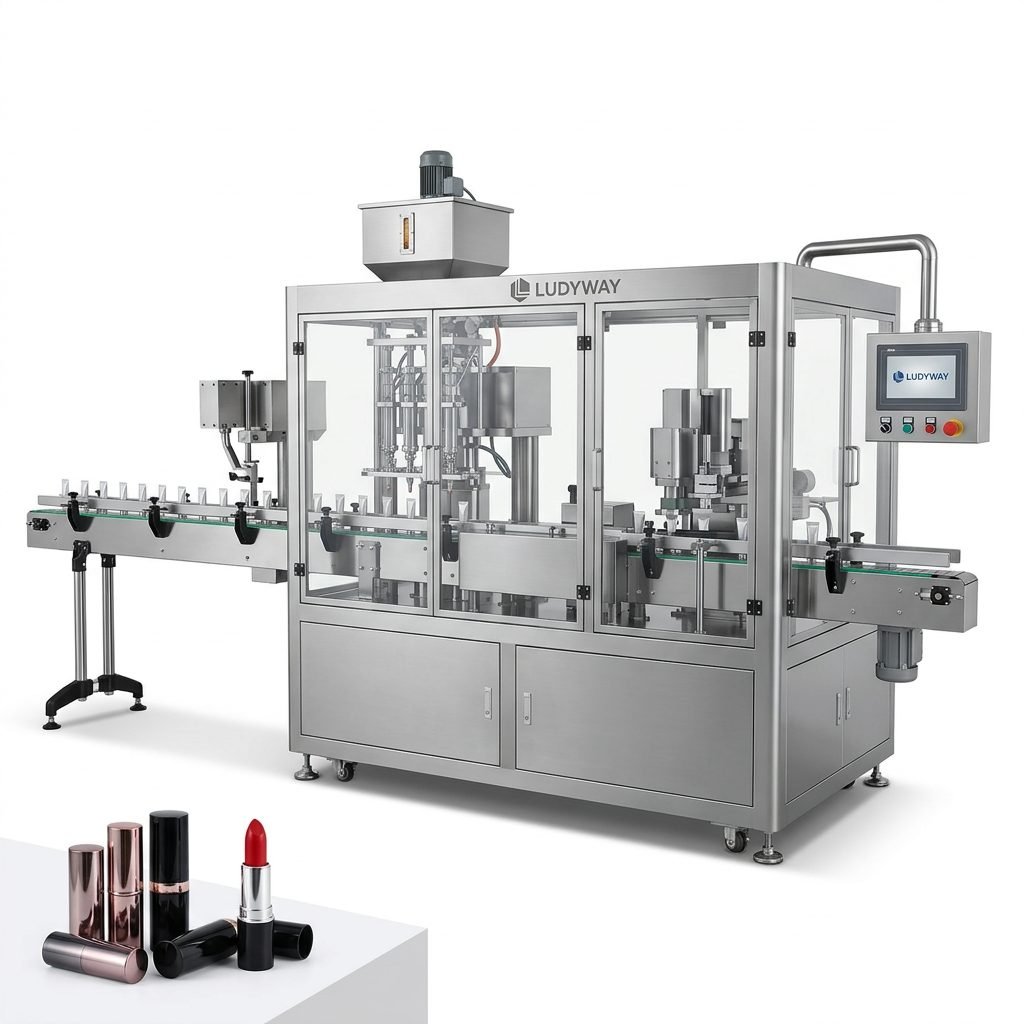
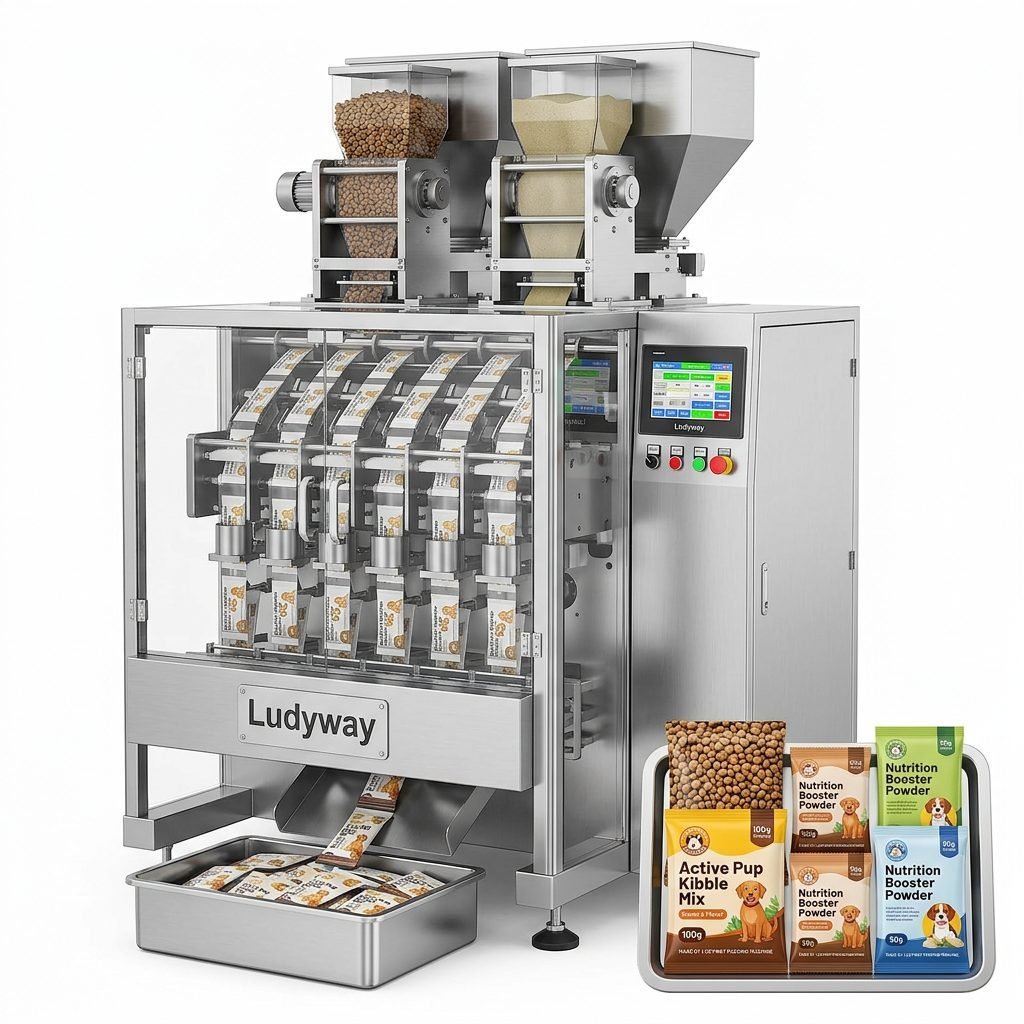
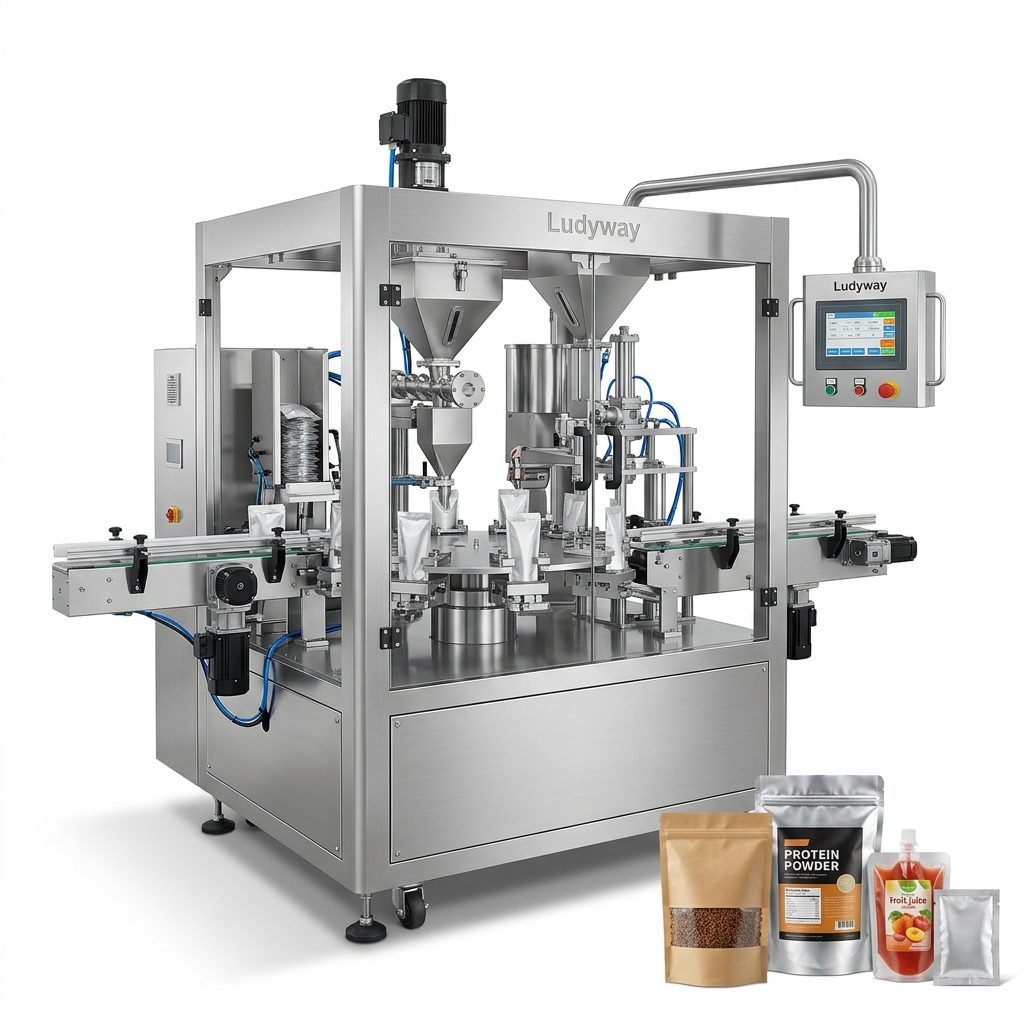
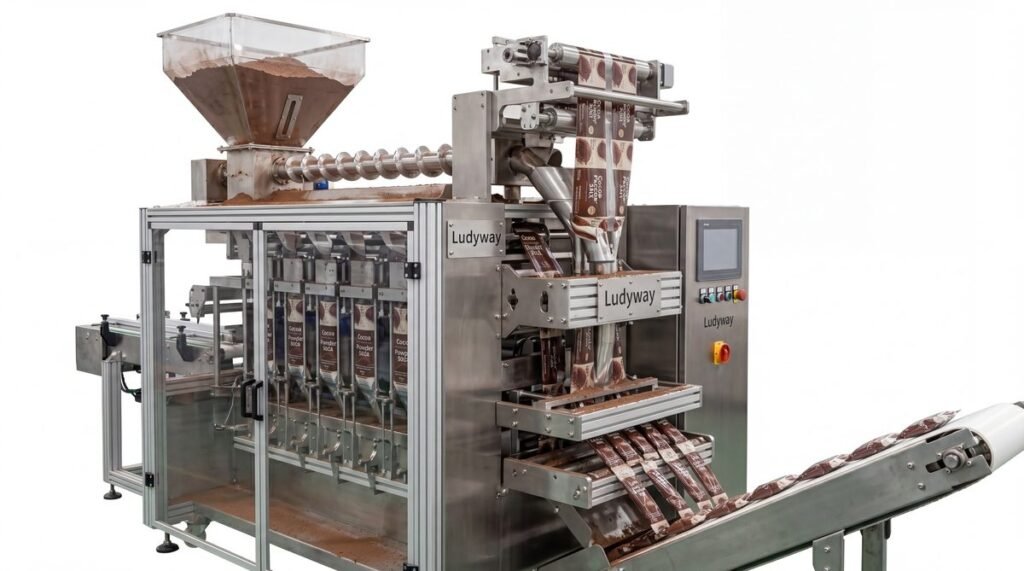
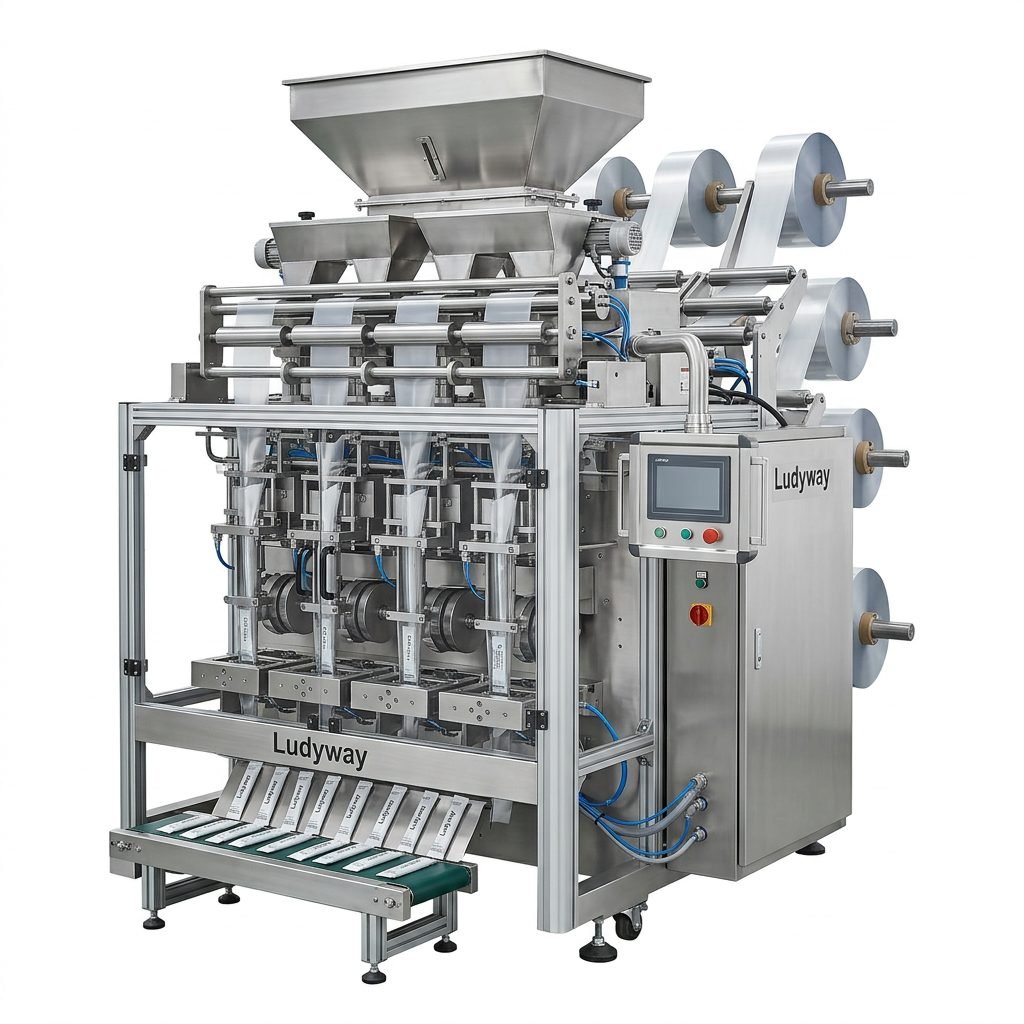
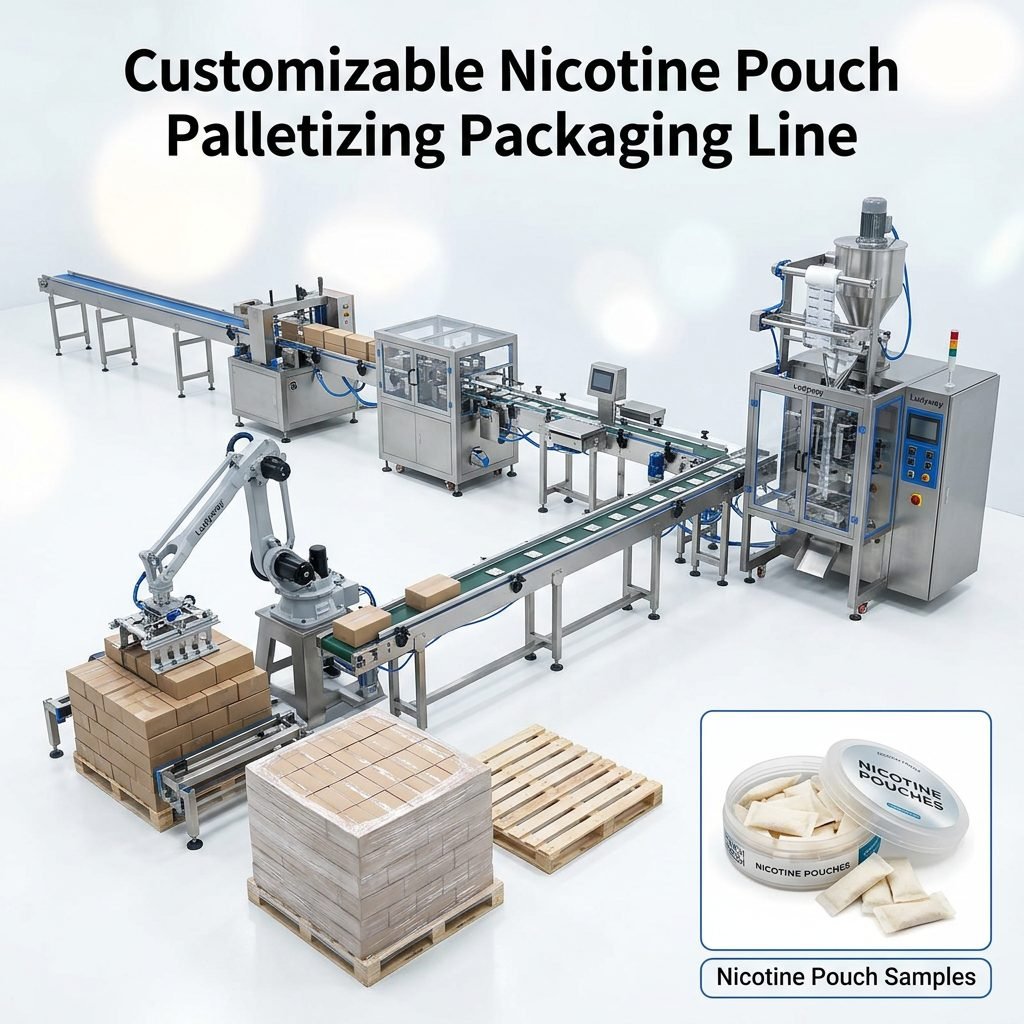
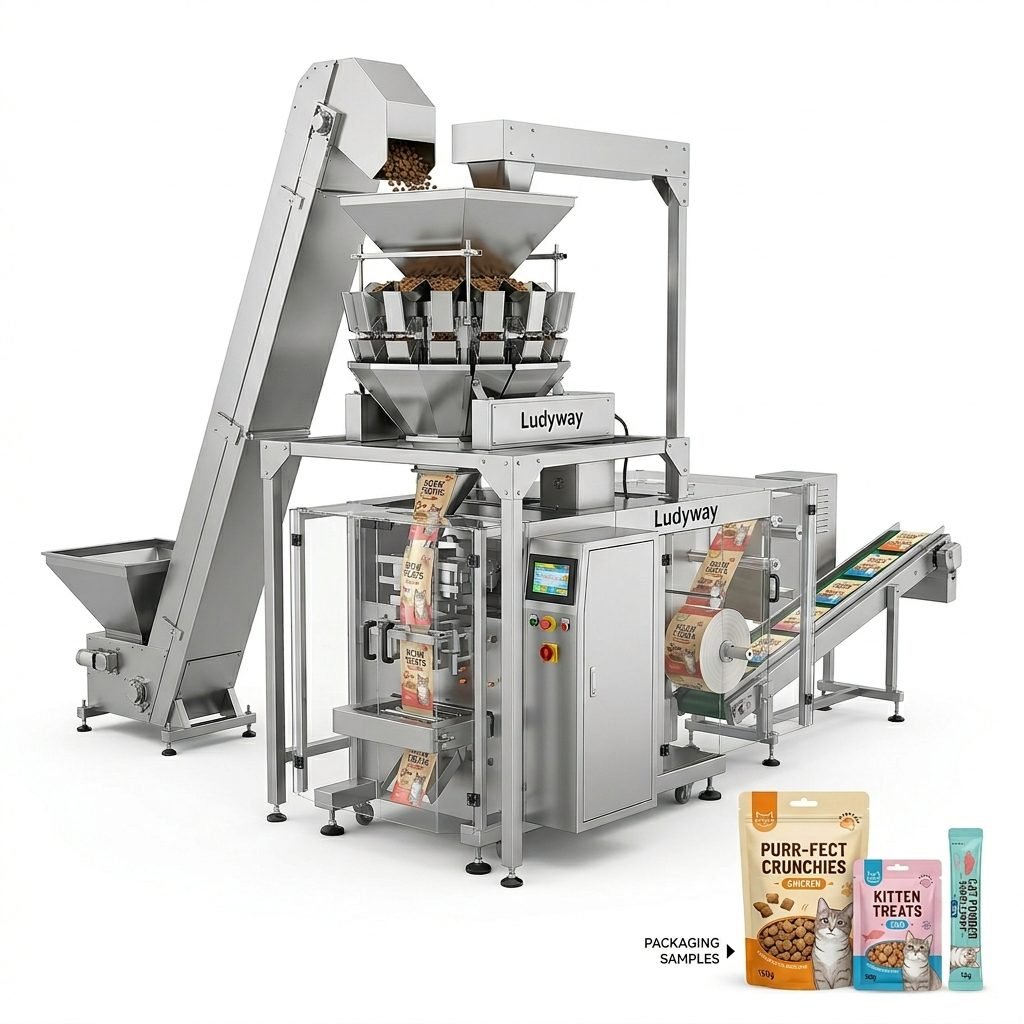
Regular and proactive maintenance is the cornerstone of maximizing the return on investment for your plastic bottle packing machine. Neglecting routine care can lead to unexpected downtime, costly repairs, and a significant drop in production efficiency. A well-structured maintenance plan not only extends the lifespan of your equipment but also ensures consistent fill accuracy and seal integrity, which is critical for product safety and brand reputation. Implementing a systematic approach to care helps you avoid the hidden costs associated with emergency breakdowns.
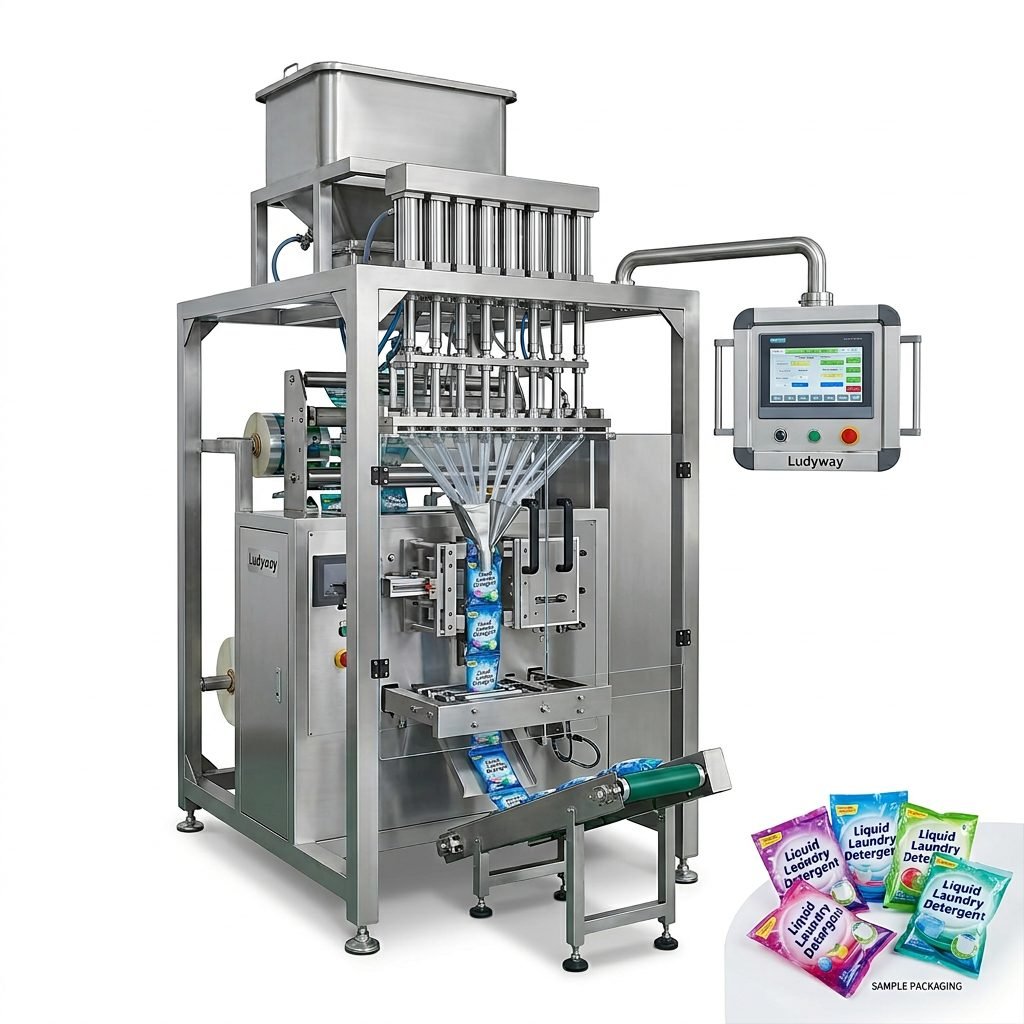
Daily Cleaning and Sanitation Protocols
The most basic yet critical maintenance task is daily cleaning. Residue from liquid or powder products can quickly build up on filling nozzles, conveyor belts, and capping chucks. To maintain peak performance on your plastic bottle packing machine, follow these steps at the end of each shift:
- Nozzle Purge: Flush the filling nozzles with a suitable cleaning solution or air purge to prevent clogging and product crossover.
- Surface Wipe-down: Remove dust and product spills from the machine frame using approved non-abrasive cleaners.
- Drop Tray Inspection: Clean and empty the product catch trays to ensure sensors remain unobstructed.
- Conveyor Check: Inspect the belt for debris and wipe down the track to prevent friction points.
Critical Lubrication Points
Friction is a primary enemy of high-speed packaging machinery. Effective lubrication reduces wear on moving parts and keeps the plastic bottle packing machine running smoothly. Refer to your manufacturer’s manual for specific lubrication schedules, but generally focus on:
- Main drive chains and gearboxes.
- Sealing jaw pivots and linkages.
- Linear bearings on the bottle transfer starwheel.
- Air cylinder rods and capping head assemblies.
Always use food-grade lubricants if your application involves consumables to comply with safety regulations.
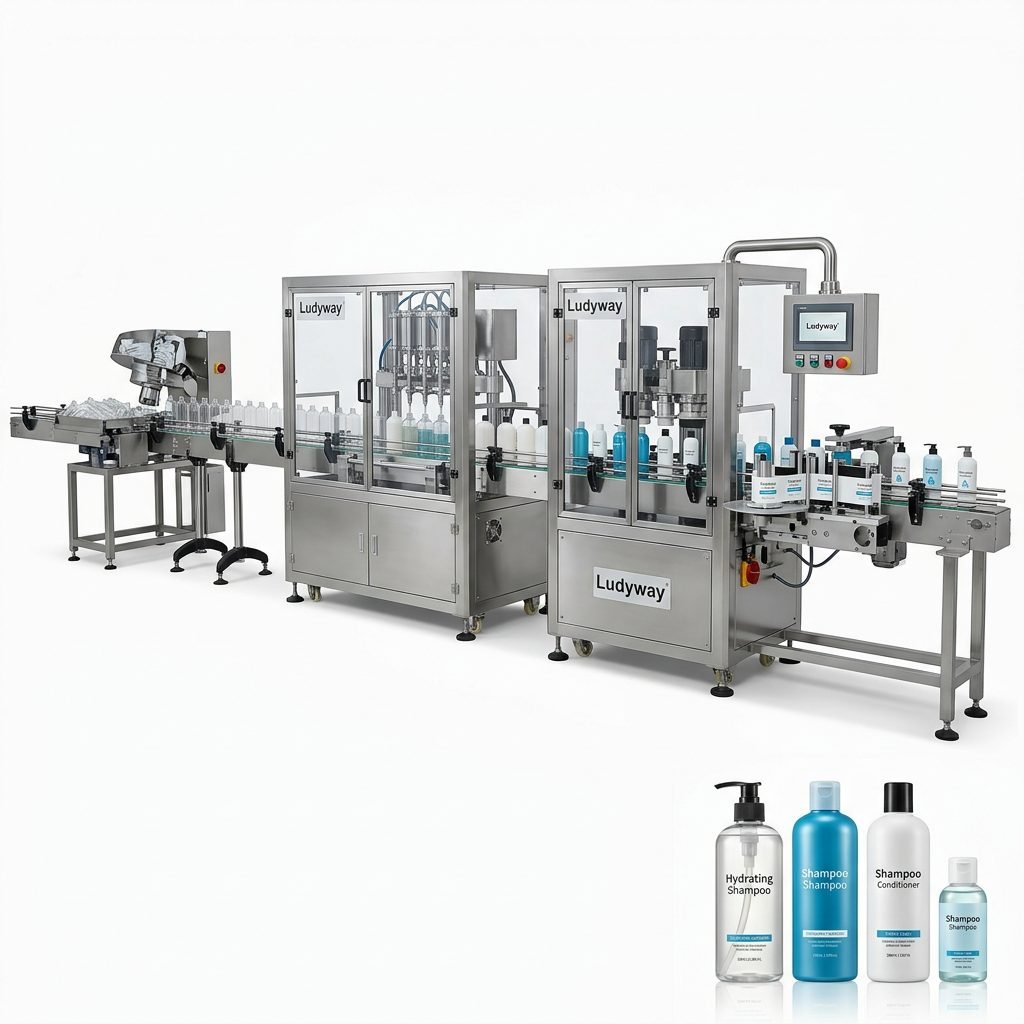
Weekly Inspection Checklist for Your Bottle Packer
Beyond daily cleaning, a deeper weekly inspection is crucial. Use the following table as a guide to audit the condition of your equipment. This prevents small issues from escalating into major mechanical failures.
| Component | Inspection Point | Action Required |
|---|---|---|
| Filling Nozzles | Check for drips or misalignment | Recalibrate or replace seals |
| Pneumatic System | Filter/Regulator/Lubricator (FRL) | Drain water, refill lubricator |
| Capping Head | Torque consistency | Clean gripping inserts |
| Sensors (Photocells) | Lens clarity | Wipe with a microfiber cloth |
| Electrical Enclosures | Dust and moisture ingress | Seal and vacuum clean |
Calibrating Filling Accuracy
Inaccurate fills can lead to product giveaway or non-compliance with regulatory standards. Check the fill volume of your plastic bottle packing machine every morning. If you notice drift, consult the controls manual to adjust the pump stroke or flow meter settings. Maintaining precise calibration protects your profit margins.
Sealing Jaw Maintenance
For integrated bottle lines that handle inner seals, the heating elements and Teflon coatings on the sealing jaws require constant attention. Build-up of melted material on the jaws is a common cause of bad seals. A thorough packaging industry resource often highlights that proper jaw alignment is the secret to a perfect seal.
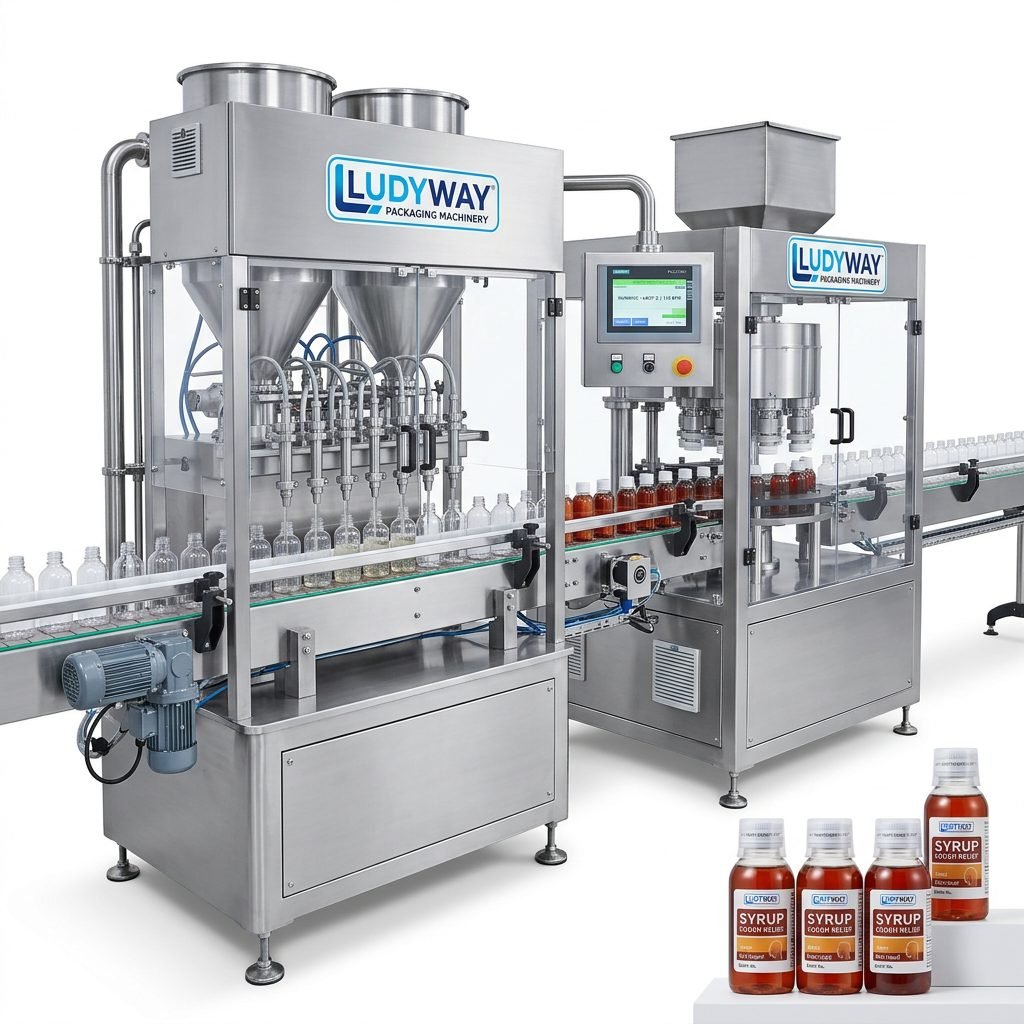
Common Issues and Quick Troubleshooting
When operating a high-speed plastic bottle packing machine, you might encounter these frequent problems. Here is a quick diagnostic guide:
- Bottle Jams: Often caused by damaged bottle necks or misaligned guide rails. Inspect the infeed starwheel timing.
- Inconsistent Capping: Check air pressure to the capping cylinders and look for worn-out clutch pads.
- False Error Alarms: Dirty sensors are the usual culprit in 90% of false detections.
- Product Foaming: Adjust the fill nozzle to a bottom-up fill configuration if the machine supports it.
The Importance of Spare Parts Management
A critical aspect of maintainability is having essential spare parts on hand. While companies like Ludyway design their packaging systems with durability in mind, wear parts such as O-rings, belts, and heater cartridges have a finite life. Refer to the BOM (Bill of Materials) in your user manual. We recommend keeping at least a 3-month supply of critical consumables to avoid supply chain disruptions.
Scheduled Professional Servicing
While operator maintenance handles day-to-day tasks, an annual professional service audit is indispensable. Certified technicians can inspect internal gearbox wear, check PLC battery backups, and re-tension chains that are not user-accessible. You can often find the latest standards for these audits via the business intelligence library of packaging associations.
Documentation and Standard Operating Procedures (SOPs)
No maintenance strategy is complete without documentation. Create a logbook specifically for your plastic bottle packing machine. Record every intervention, including the date, part replaced, and the reason for failure. Analyzing this data over time helps you predict when a component is likely to fail, allowing you to move from reactive maintenance to a predictive model that significantly boosts uptime.
By integrating these essential tips into your daily routine, you ensure the reliability, safety, and longevity of your bottle packaging investment, keeping your production line running at its highest possible efficiency.