Blister packing machines are the backbone of pharmaceutical and healthcare packaging lines, delivering precision-formed cavities that protect tablets, capsules, and medical devices. However, even the most robust blister packaging equipment requires consistent maintenance to sustain accuracy, minimize downtime, and extend operational life. Without a structured upkeep routine, issues like misaligned seals, incomplete forming, and particulate contamination can compromise product integrity and regulatory compliance.
Daily Cleaning: The Foundation of Blister Packing Machine Accuracy
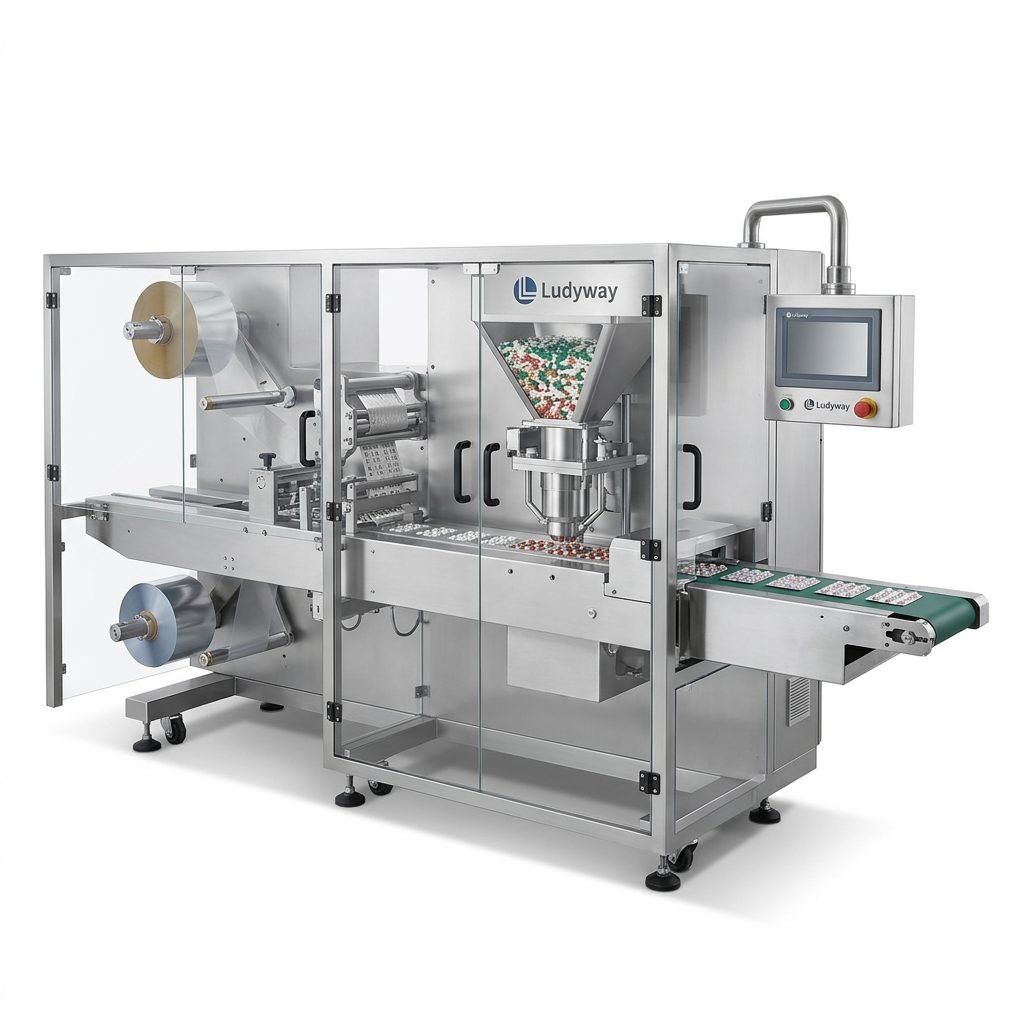
Consistent cleaning is the single most effective way to preserve blister pack sealing precision. Residue from film coatings, dust from tablet friability, and environmental particulates accumulate rapidly on critical surfaces. Begin each shift by wiping down the forming station, sealing platens, and guide rails with approved, non-abrasive cleaning agents. Pay close attention to the heating elements and thermocouple sensors, where even a thin layer of residue can cause temperature fluctuations that affect pocket formation and seal integrity.
- Forming area: Remove all PVC/PVDC film debris and inspect for scratches on mold surfaces
- Sealing station: Clean platen surfaces with isopropyl alcohol to eliminate adhesive buildup from lidding foil
- Feed system: Vacuum dust from product feeders to prevent cross-contamination and ensure consistent tablet orientation
- Guide tracks: Lubricate only with food-grade or pharmaceutical-approved lubricants as specified in the OEM manual
Critical Component Inspection: What to Check Weekly
A proactive inspection schedule catches wear before it becomes failure. Blister forming dies and sealing rollers endure repeated thermal and mechanical stress, making them primary candidates for regular evaluation. Laminated foil and polymer films used in ISO 11607 compliant packaging demand precise temperature control and uniform pressure distribution across the entire sealing surface.
Focus your weekly inspection on these high-wear areas:
- Forming pins and dies: Check for dimensional wear exceeding 0.05mm tolerance; deformed pins cause irregular cavity shapes
- Sealing rollers/platens: Verify surface flatness and parallelism using a feeler gauge; uneven surfaces create weak seal points
- Temperature controllers: Calibrate against a certified reference thermometer monthly
- Vacuum and pneumatic lines: Inspect for leaks, cracks, or loose fittings that affect forming pressure
- Indexing mechanism: Confirm smooth advancement without jerking; worn index pins cause misregistration between forming and sealing stations
Lubrication Best Practices
Over-lubrication attracts dust and accelerates wear on precision components. Apply lubricant sparingly to bearing surfaces, cam followers, and chain drives according to the manufacturer’s specified intervals. Use only lubricants rated for pharmaceutical environments to avoid contamination risks that could trigger FDA compliance issues under food and packaging regulations.
Calibration and Precision Alignment
Blister packaging accuracy depends on three interdependent parameters: temperature, pressure, and dwell time. Even minor deviations produce visible defects — incomplete pocket formation, wrinkled lidding, or inconsistent peel strength. Document baseline values for each product format and verify them during every changeover. The packaging machinery industry reports that calibrated equipment reduces material waste by up to 15% compared to uncalibrated lines.
| Parameter | Acceptable Tolerance | Verification Method | Frequency |
|---|---|---|---|
| Forming Temperature | ±2°C of setpoint | Calibrated thermocouple probe | Daily |
| Sealing Pressure | ±0.5 bar | Digital pressure gauge | Weekly |
| Dwell Time | ±0.1 seconds | Stopwatch or PLC cycle time check | Per batch changeover |
| Peel Strength | Per product specification | Tensile tester (seal strength test) | Every 4 hours of production |
| Indexing Accuracy | ±0.2mm | Dial indicator or vision system | Weekly |
Common Blister Packing Machine Problems and Solutions
Troubleshooting efficiency separates experienced operators from novices. Recognizing symptom patterns enables rapid diagnosis and reduced downtime. The table below catalogs the most frequent issues encountered on blister lines and their root cause resolutions.
| Symptom | Likely Cause | Corrective Action |
|---|---|---|
| Incomplete cavity formation | Insufficient forming temperature or vacuum loss | Verify heater output; check vacuum pump and seals |
| Wrinkled or loose lidding | Uneven sealing pressure or contaminated platens | Clean platen surfaces; adjust pressure distribution |
| Intermittent seal failures | Temperature fluctuation or worn sealing rollers | Recalibrate temperature controller; inspect roller bearings |
| Product jamming at feed station | Misaligned guides or static buildup | Realign feed chutes; install anti-static bars |
| Blister misregistration | Worn index pins or stretched film | Replace index mechanism components; adjust film tension |
Preventive Maintenance Scheduling
A structured preventive maintenance program transforms blister machine upkeep from reactive to proactive. Align your schedule with production volumes, film material changes, and regulatory audit cycles. For GMP-compliant facilities, maintenance records serve as essential documentation during packaging validation audits.
| Maintenance Activity | Daily | Weekly | Monthly | Quarterly | Annually |
|---|---|---|---|---|---|
| Surface cleaning (forming & sealing) | ✓ | ||||
| Temperature calibration check | ✓ | ||||
| Vacuum/pneumatic line inspection | ✓ | ||||
| Seal strength testing | ✓ | ||||
| Bearing and chain lubrication | ✓ | ||||
| PLC backup and software verification | ✓ | ||||
| Roller and die wear assessment | ✓ | ||||
| Complete machine overhaul | ✓ |
Spare Parts Inventory Management
Maintain a critical spares inventory to minimize downtime during unexpected failures. Essential components to stock include forming dies for active product formats, sealing rollers, heating cartridges, thermocouples, vacuum pump rebuild kits, index chains with master links, pneumatic cylinder seal kits, and PLC backup modules. The packaging industry standards recommend maintaining at least one complete set of wear components for each blister format running on the line.
Operator Training and Documentation
Well-trained operators are your first line of defense against machine degradation. Comprehensive training should cover daily startup and shutdown procedures, proper film threading and tension adjustment, basic troubleshooting for common alarms and faults, cleaning protocols including approved solvents, and documentation of all maintenance activities. Detailed maintenance logs create a valuable history that helps identify recurring issues, justify capital investments, and demonstrate compliance during regulatory inspections. Digital maintenance management systems streamline this process and ensure nothing is overlooked.
Environmental Control for Blister Packing Operations
The environment surrounding your blister machine directly impacts its performance and maintenance requirements. Excessive humidity causes foil curling and affects seal integrity; airborne particulates contaminate forming surfaces; temperature fluctuations alter film behavior and seal consistency; static electricity attracts dust to critical surfaces. Install environmental monitoring sensors and maintain controlled conditions within the packaging suite. For sensitive pharmaceutical products, ISO Class 8 or better cleanroom conditions may be necessary to comply with FDA packaging requirements.
Partnering with Reliable Equipment Manufacturers
Long-term blister machine performance begins with quality engineering. Selecting equipment from established manufacturers ensures access to technical support, genuine spare parts, and comprehensive documentation. Ludyway, with over 30 years of expertise in advanced packaging systems and a modern 20,000㎡ manufacturing facility, delivers reliable blister packaging solutions backed by global technical support across more than 100 countries. When evaluating equipment partners, prioritize those offering maintenance training programs, readily available spare parts supply chains, remote diagnostic capabilities, and comprehensive warranty coverage. A strong manufacturer partnership significantly reduces the total cost of ownership over the machine’s operational life.