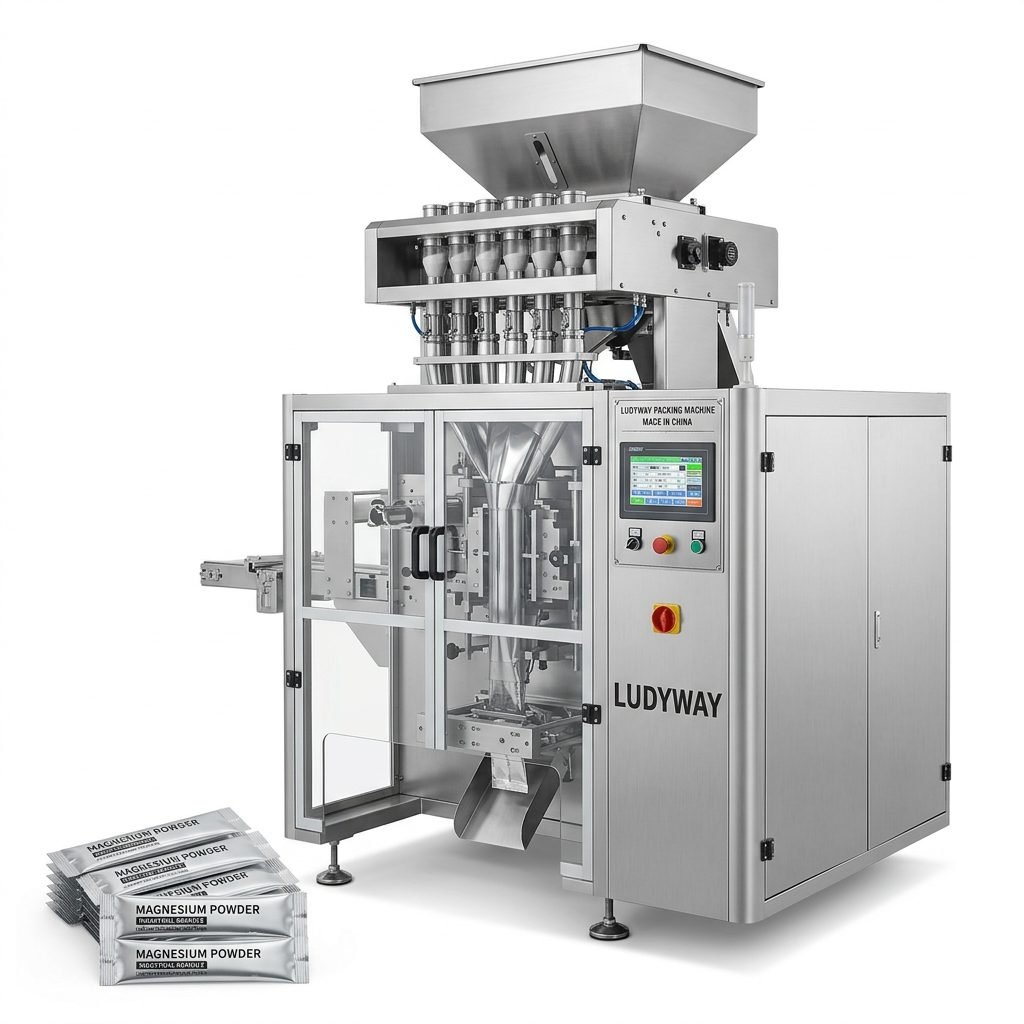
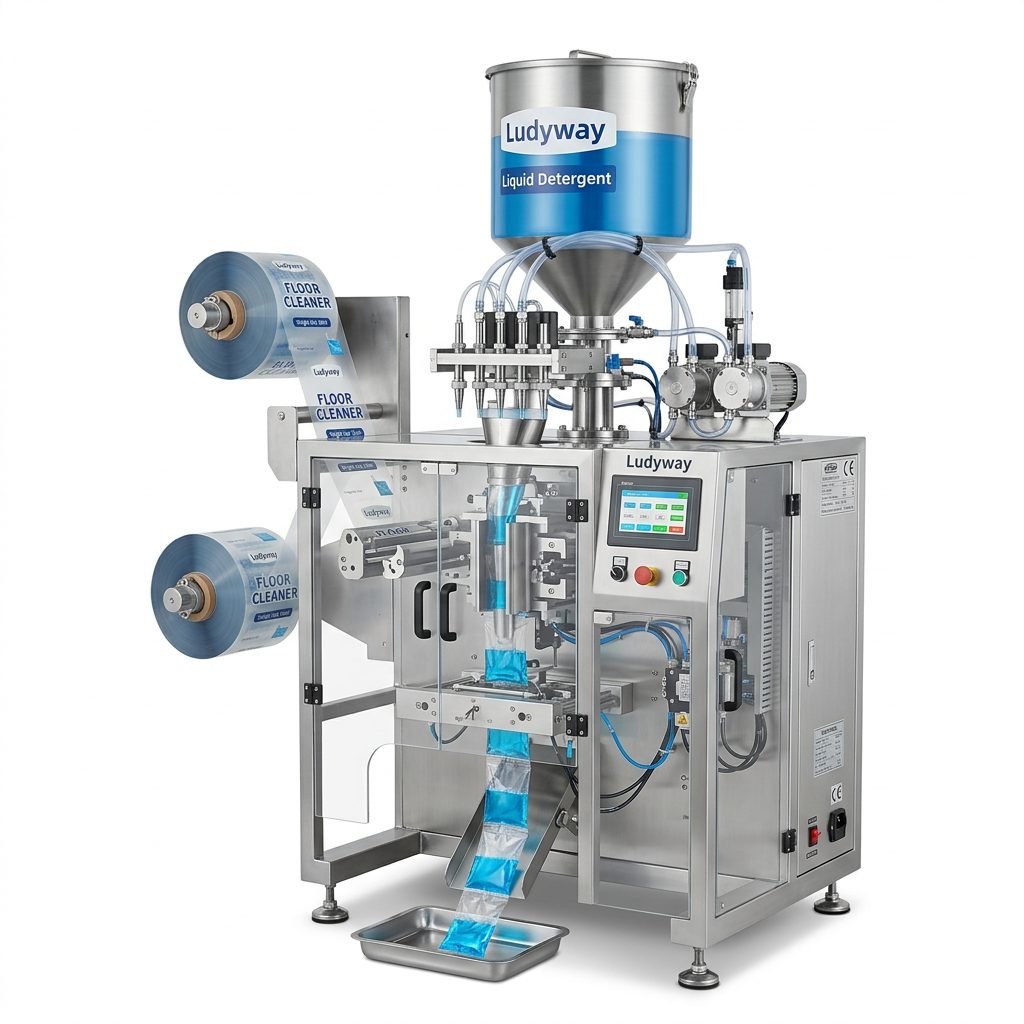
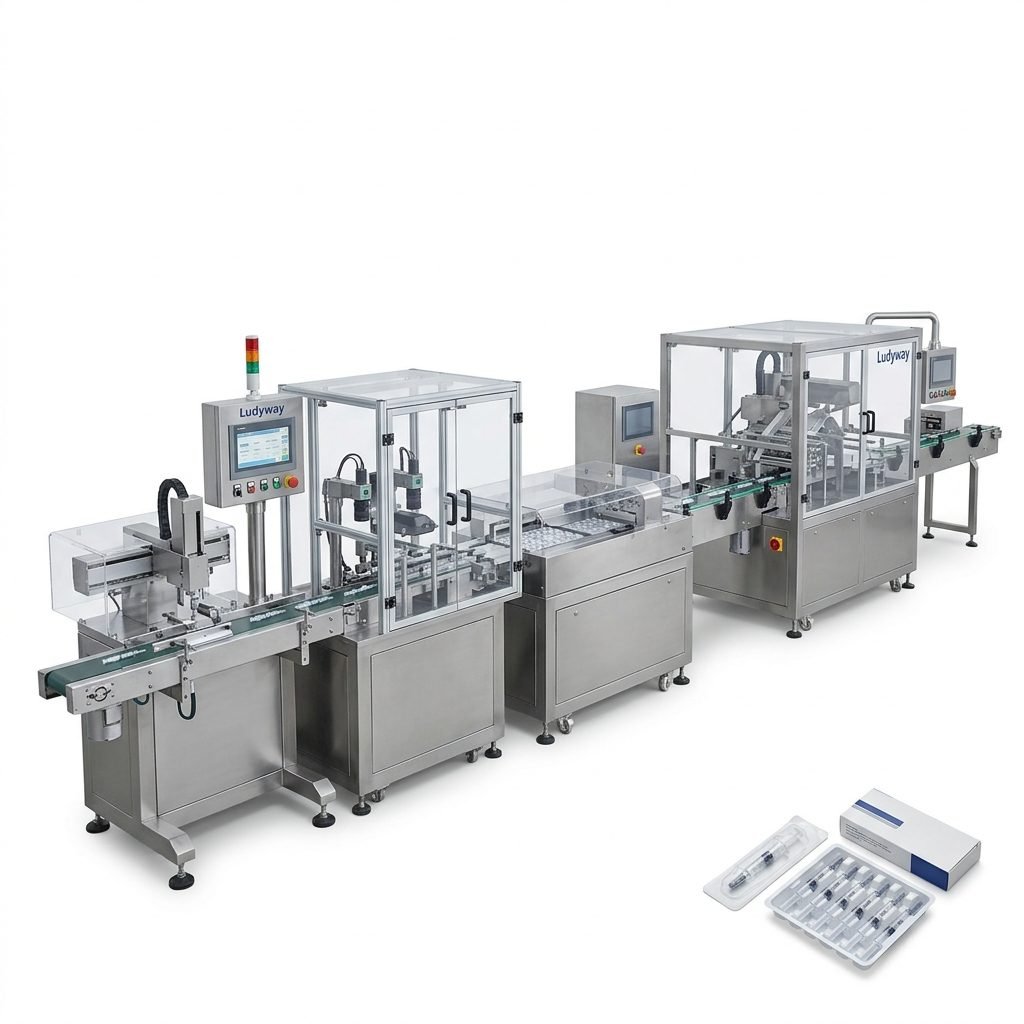
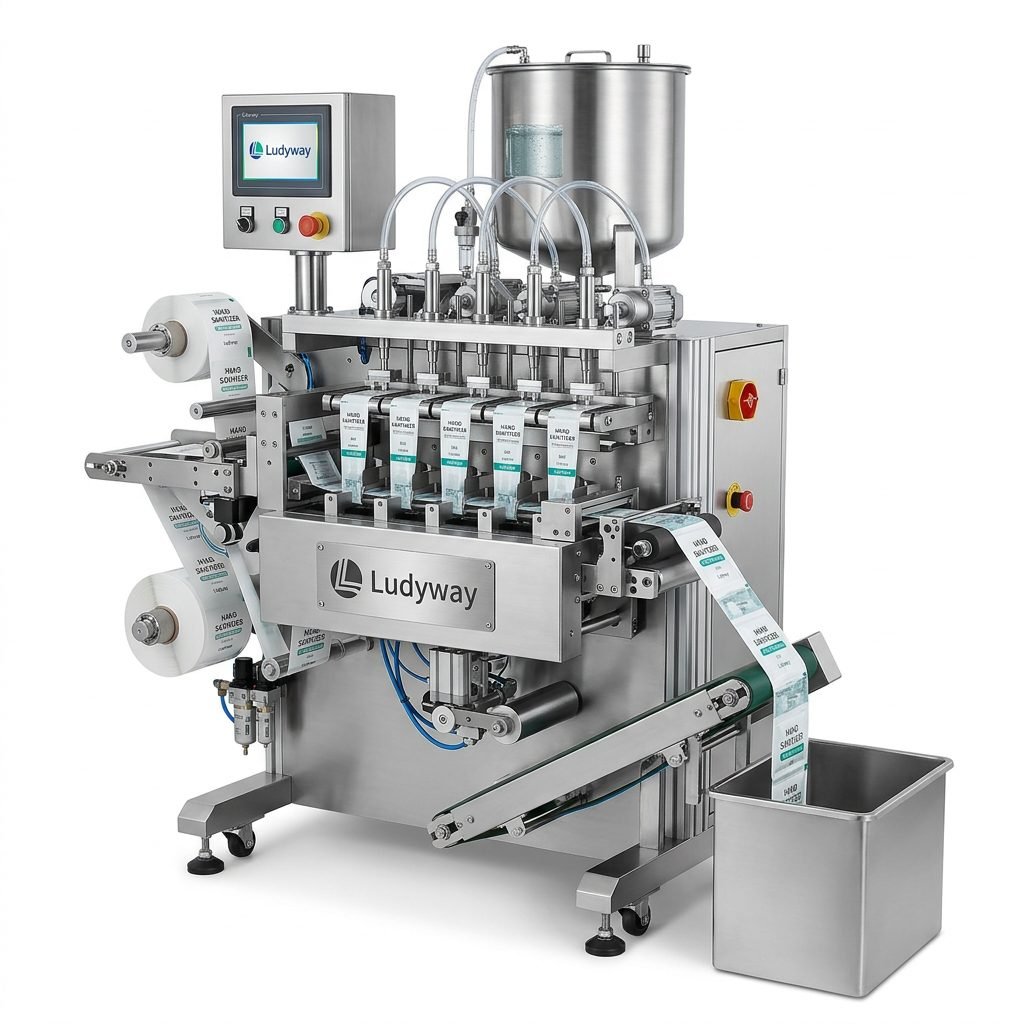
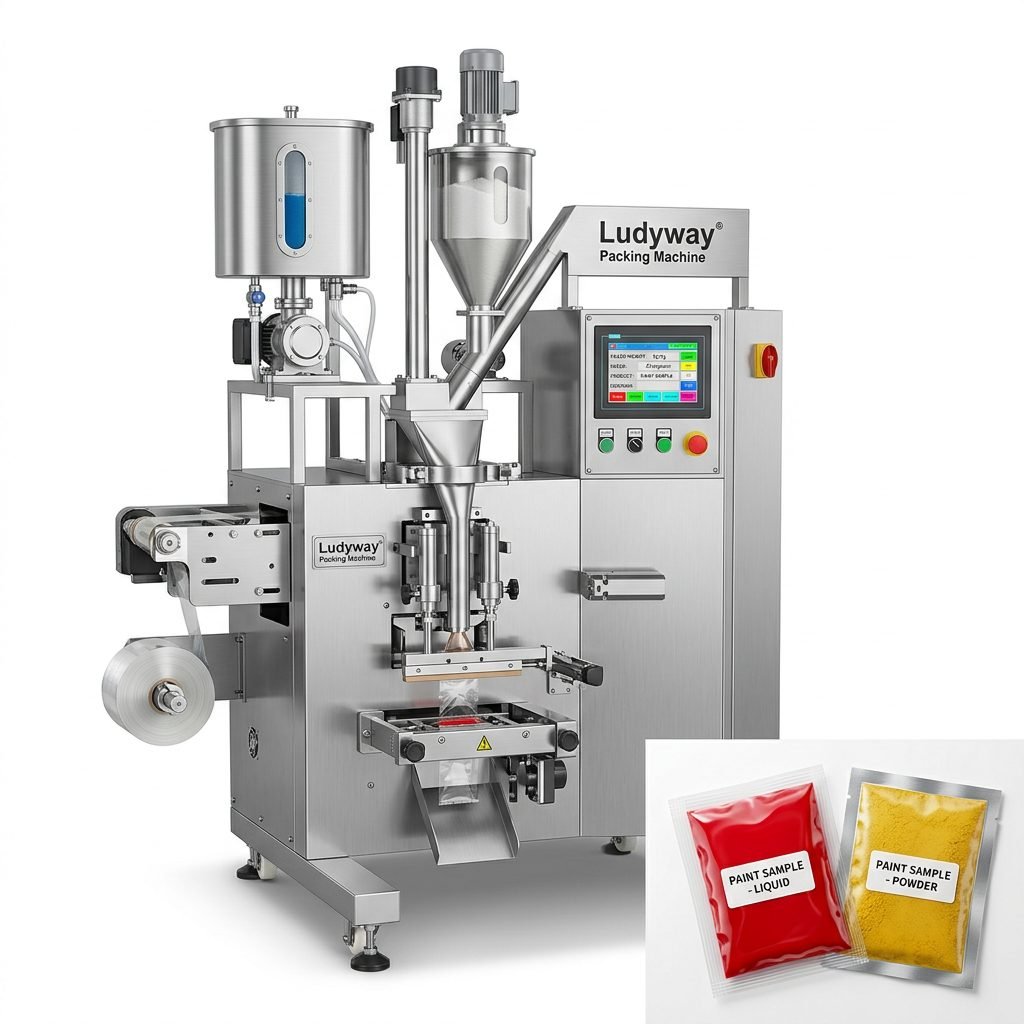
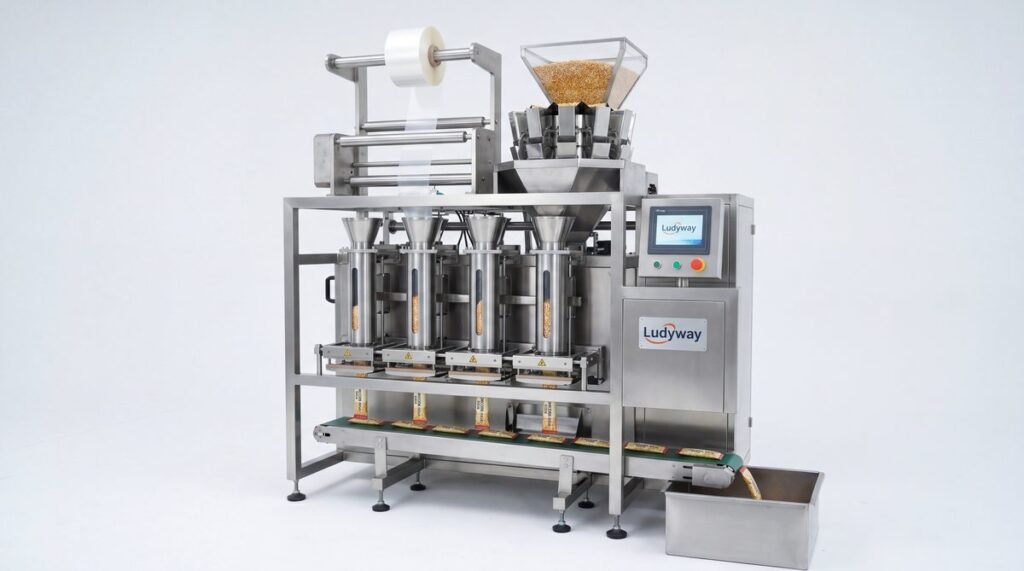
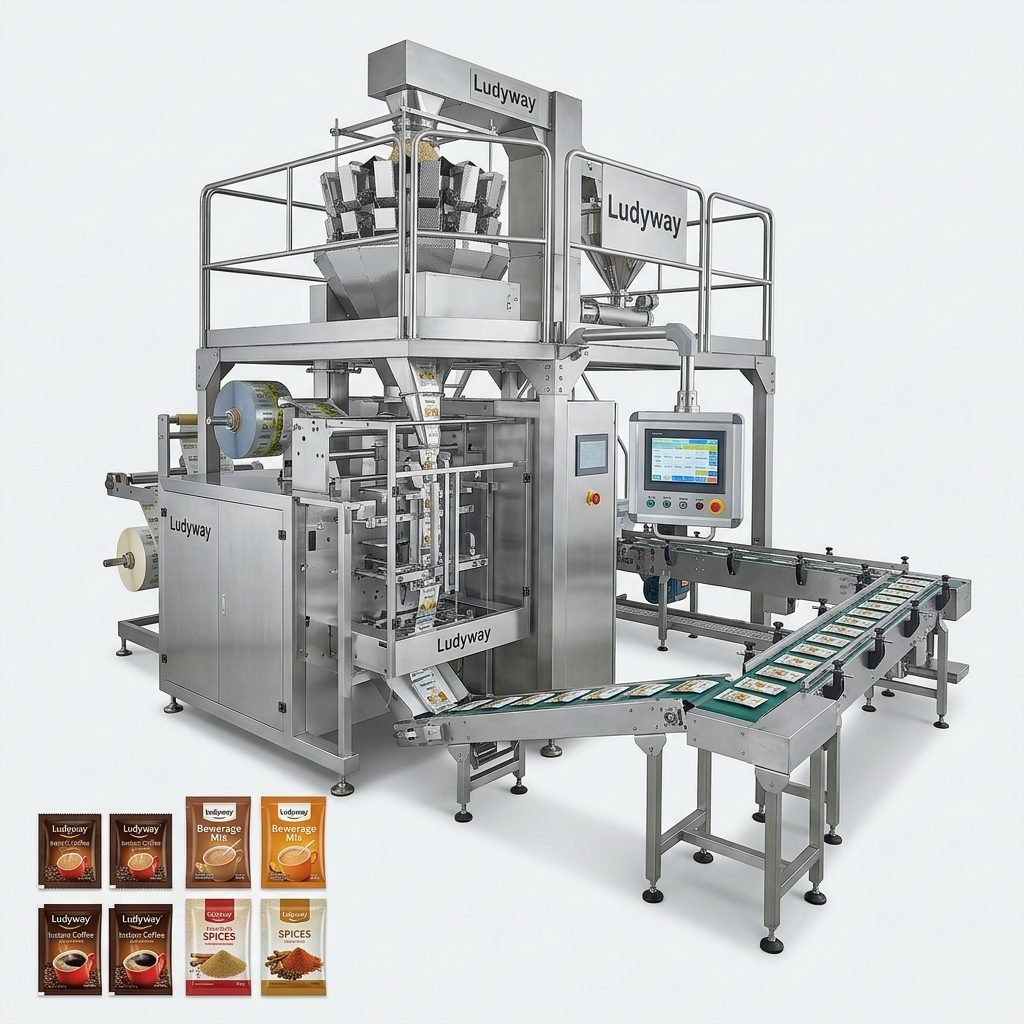
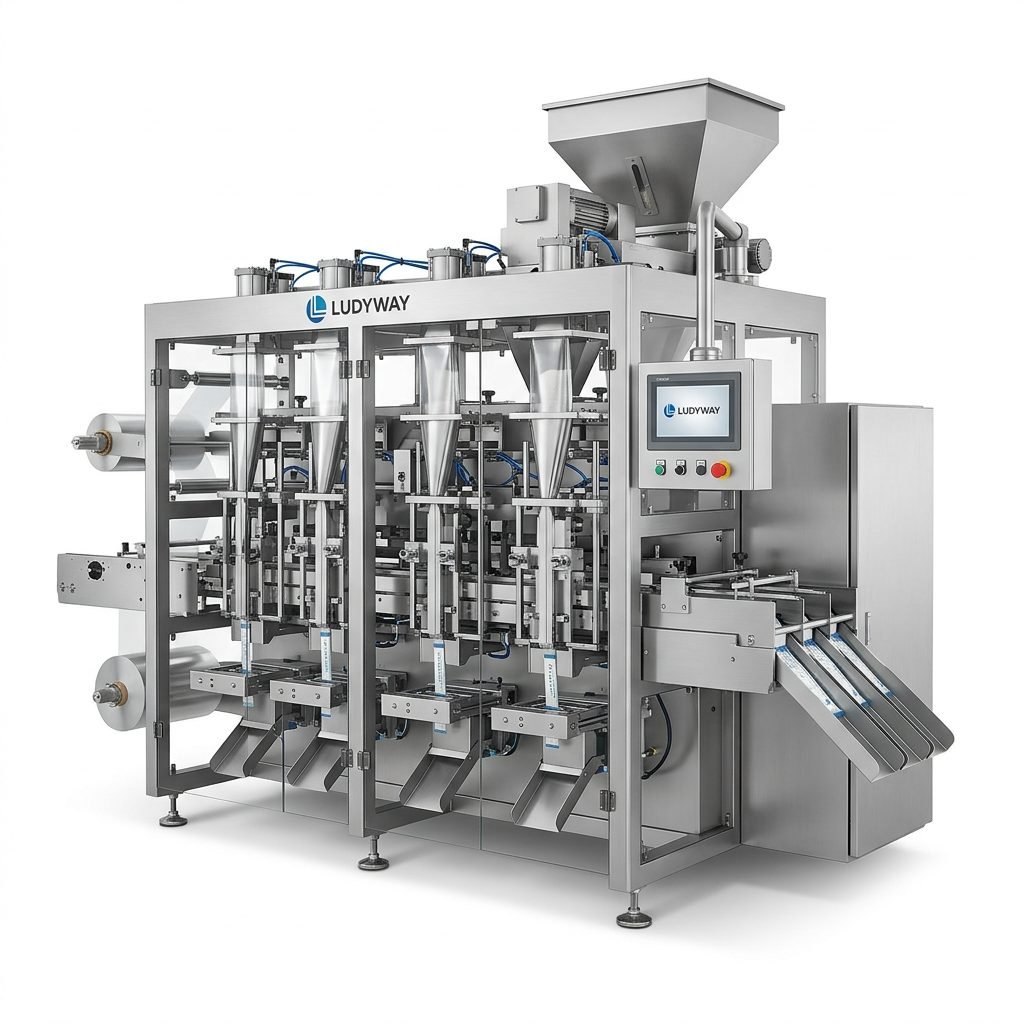
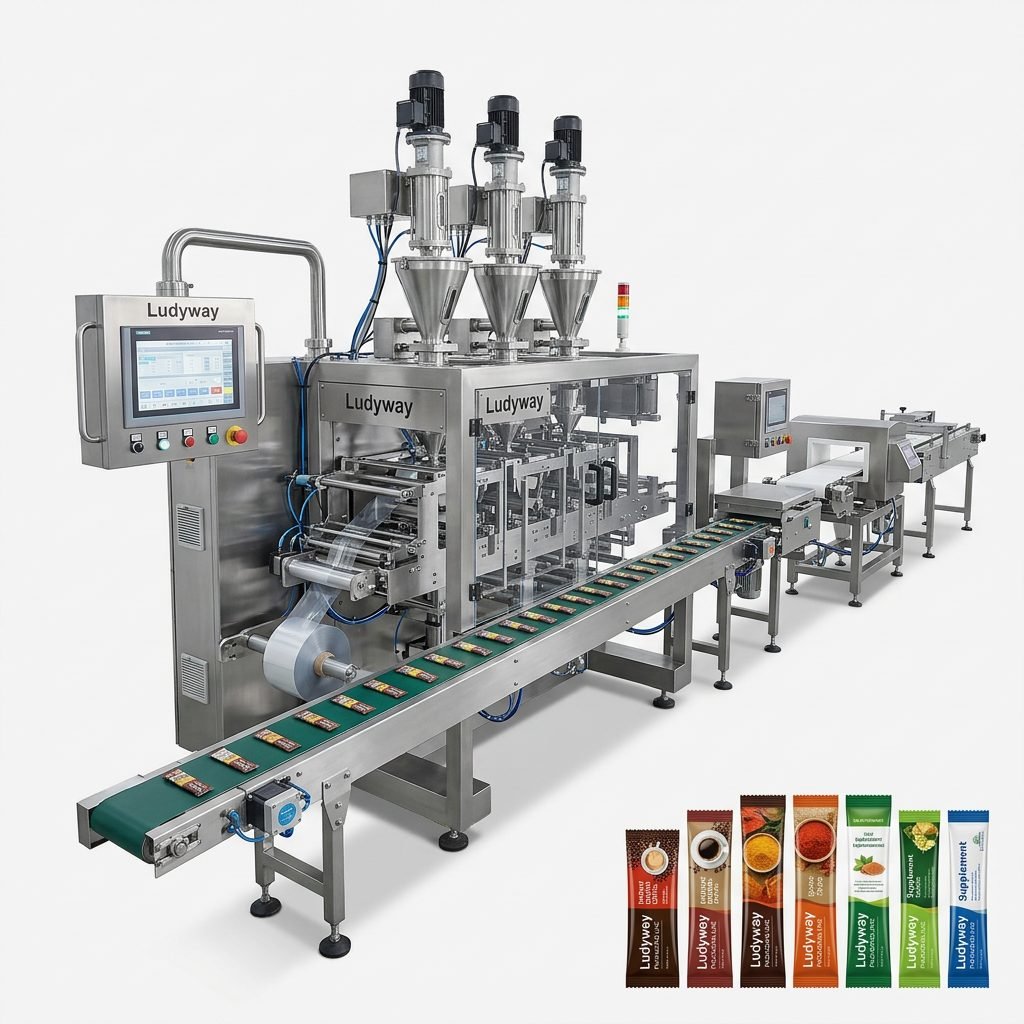
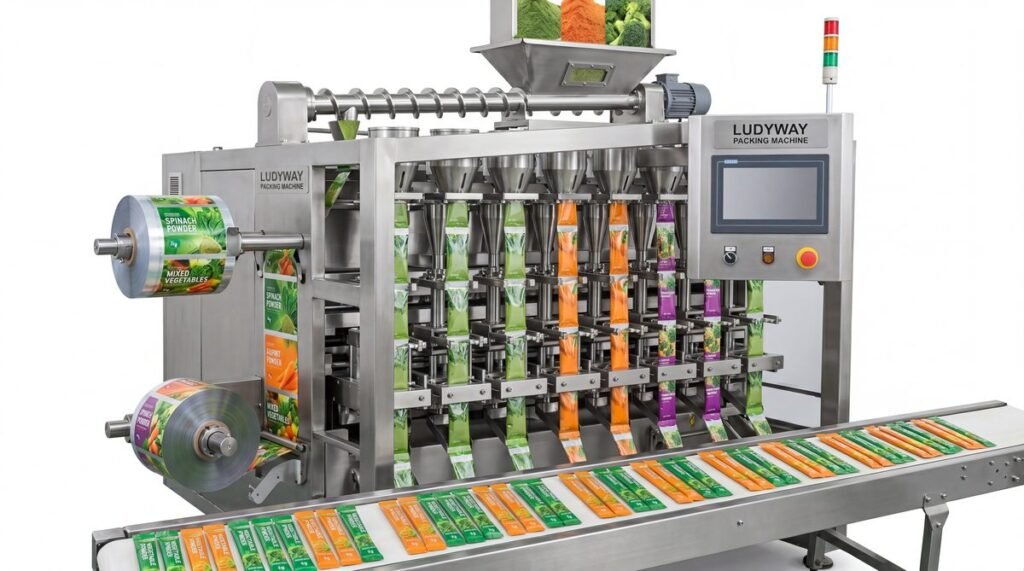
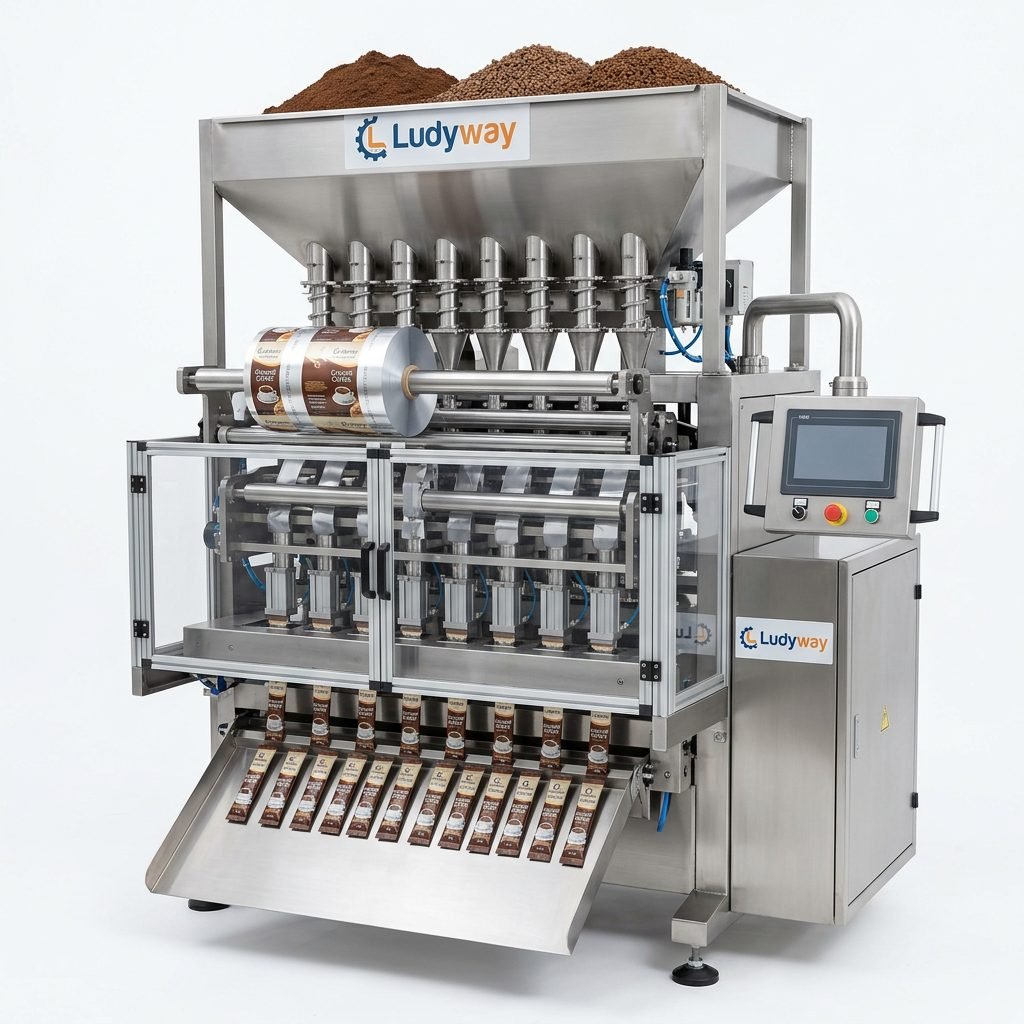
A coffee bag packaging machine is a critical asset in high-volume production environments. Whether you are running a single-lane sachet system or a fully automated multi-lane stick pack packaging line, consistent maintenance is the cornerstone of reliable performance and extended machine life. Neglecting routine upkeep leads to unplanned downtime, inconsistent seal integrity, and costly repairs.
Why Preventive Maintenance Matters for Packaging Equipment
Preventive maintenance is not merely an operational checklist; it is a strategic investment. For suppliers like Ludyway, a leading manufacturer specializing in advanced packaging equipment for the food, pharmaceutical, and health industries, engineering machines for durability is only half the equation. The other half relies on how well operators care for the equipment in a 24/7 production setting.
Daily Cleaning and Sanitation Protocols
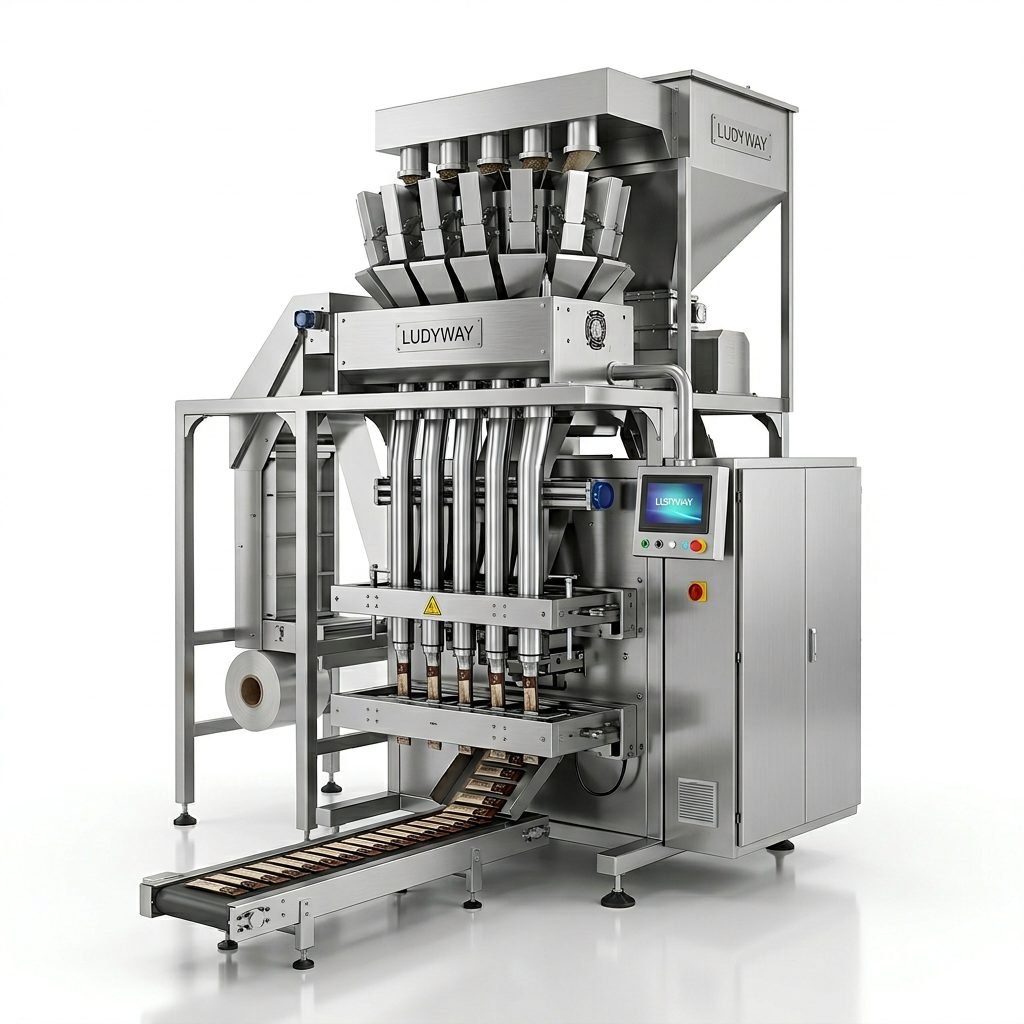
Residue from coffee granules and powder can be highly abrasive and hygroscopic. Over time, this residue causes friction, wear, and even mold growth if moisture is present. Strict daily cleaning is non-negotiable.
- Hopper and feeding systems: Remove all remaining product. Use dry, oil-free compressed air to blow out lodged particles from corners.
- Sealing jaws and forming tube: Wipe down heated surfaces with a non-abrasive cloth. Remove carbonized coffee oils that prevent proper heat transfer.
- Film path rollers: Clean rollers with a lint-free cloth to prevent film slippage, which is a primary cause of misaligned print registration.
- Dust extraction: Check and empty the vacuum dust collection trays. Coffee dust is a known respiratory irritant and can damage electrical sensors.
Critical Component Inspections
Proactive inspection prevents catastrophic failures. Establish a tiered checklist based on daily, weekly, and monthly intervals to ensure no component is overlooked in your packaging machinery operation.
Sealing System Integrity
The sealing system is the heart of bag integrity. Inconsistent temperature or pressure results in weak seals, leading to product leakage and spoilage. Use a pyrometer to verify the actual jaw temperature against the HMI display. If a discrepancy exists, calibrate the temperature controllers immediately. Inspect Teflon covers and thermocouples weekly; a torn Teflon strip will instantly cause product buildup and burning.
Cutting Mechanism Precision
A dull knife leads to jagged edges and incomplete bag separation. Inspect the serrated cutters and guillotine blades for wear. If the cut is tearing rather than slicing the film, re-sharpen or replace the blade. Ensure the blade carriage slides smoothly with proper lubrication to avoid jarring movements that misalign the cutting axis.
Lubrication Management
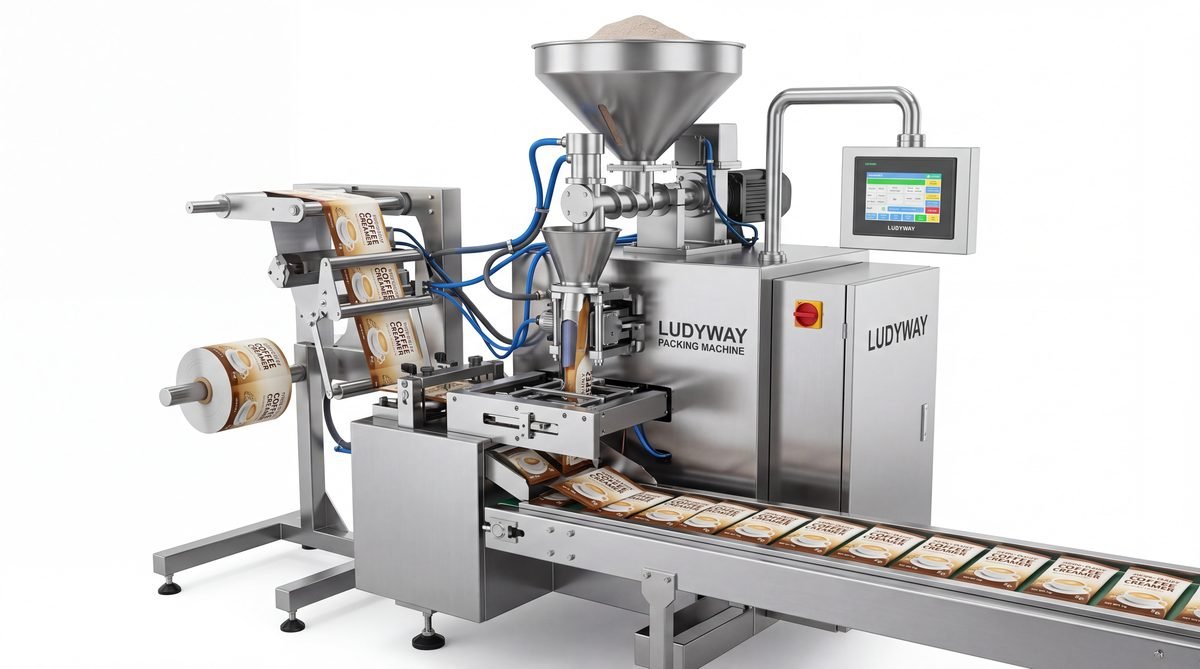
Proper lubrication reduces friction on moving parts like chains, gears, and linear bearings. However, in a coffee packaging environment, it is vital to use food-grade lubricants to meet safety standards. Do not overlubricate, as excess grease attracts coffee dust and forms an abrasive paste.
- Bearings: Grease every 500 operating hours or as specified in the manual.
- Chains: Apply a food-grade chain oil sparingly. Check tension; a loose chain during high-speed multi-lane operations causes registration drift.
- Pneumatic cylinders: Check the oiler for correct drop rate. If the machine uses oil-free air, confirm the compressor filtration system is dry and clean.
Electrical and Sensor Upkeep
Modern coffee packaging machines rely on photoelectric sensors, proximity switches, and temperature probes. Erratic machine behavior often traces back to a malfunctioning sensor. Regularly clean the eye of photoelectric sensors used for film registration. A dust particle can mimic a registration mark, causing the machine to cut in the wrong place.
Inspect cable trays for rodent damage or loose connections. The vibration from high-speed filling can loosen terminal blocks. A quick torque check of power supply terminals, performed quarterly, prevents intermittent faults that are difficult to troubleshoot.
Operator Training and Documentation
A well-trained operator is the best maintenance tool. Even the most sophisticated packaging machinery standards cannot overcome human error. Operators must understand the Human-Machine Interface (HMI) alarm hierarchy and know when to stop the machine versus overriding a false positive.
| Maintenance Task | Frequency | Critical Checks |
|---|---|---|
| Complete machine dry-wipe cleaning | Daily | Jaws, hopper, dust traps |
| Sealing jaw temperature calibration | Weekly | Calibrate sensor vs actual temp |
| Pneumatic system drainage | Daily | Water separator, filter condition |
| Blade sharpness review | Monthly | Cut quality, burr inspection |
| Full electrical torque check | Quarterly | Terminals, grounding continuity |
Spare Parts Management
Maintain a critical spares kit that includes Teflon strips, thermocouples, heating elements, film sensors, and drive belts. Waiting a week for an imported spare part can shut down your entire production line. For high-wear items like sealing jaws and cutting blades, a local exchange or regrind program can optimize your operational efficiency.
Advanced Diagnostic Practices
Move beyond reactive fixes by implementing predictive diagnostic practices. Track the rate of sealing jaw closure and vacuum levels. A gradual drop in hold temperature often indicates a failing solid-state relay, not a heating rod malfunction. Listening to the machine is a simple yet effective diagnostic tool: a rhythmic sound shift often precedes a mechanical failure by several hours.
Reviewing historical error logs from the HMI helps identify intermittent faults before they become constant alarms. If a specific lane on a multi-lane stick pack machine frequently trips a jam sensor, investigate the product feed auger and dosing cup alignment in that specific lane—there may be a mechanical tolerance issue rather than a sensor fault.
Environmental Control
The humidity and dust levels of your packaging room directly affect machine longevity. Coffee production environments with high humidity can cause clogging in the powder feed system and degradation of the heat-seal lacquer. If your facility lacks a controlled environment, invest in stainless steel covers and positive air pressure for critical electronic panels to prevent dust contamination.
Adhering to these essential maintenance practices ensures consistent package quality, reduces waste, and maximizes the productivity of your entire packaging line. A proactive approach transforms daily upkeep from a routine task into a competitive advantage.