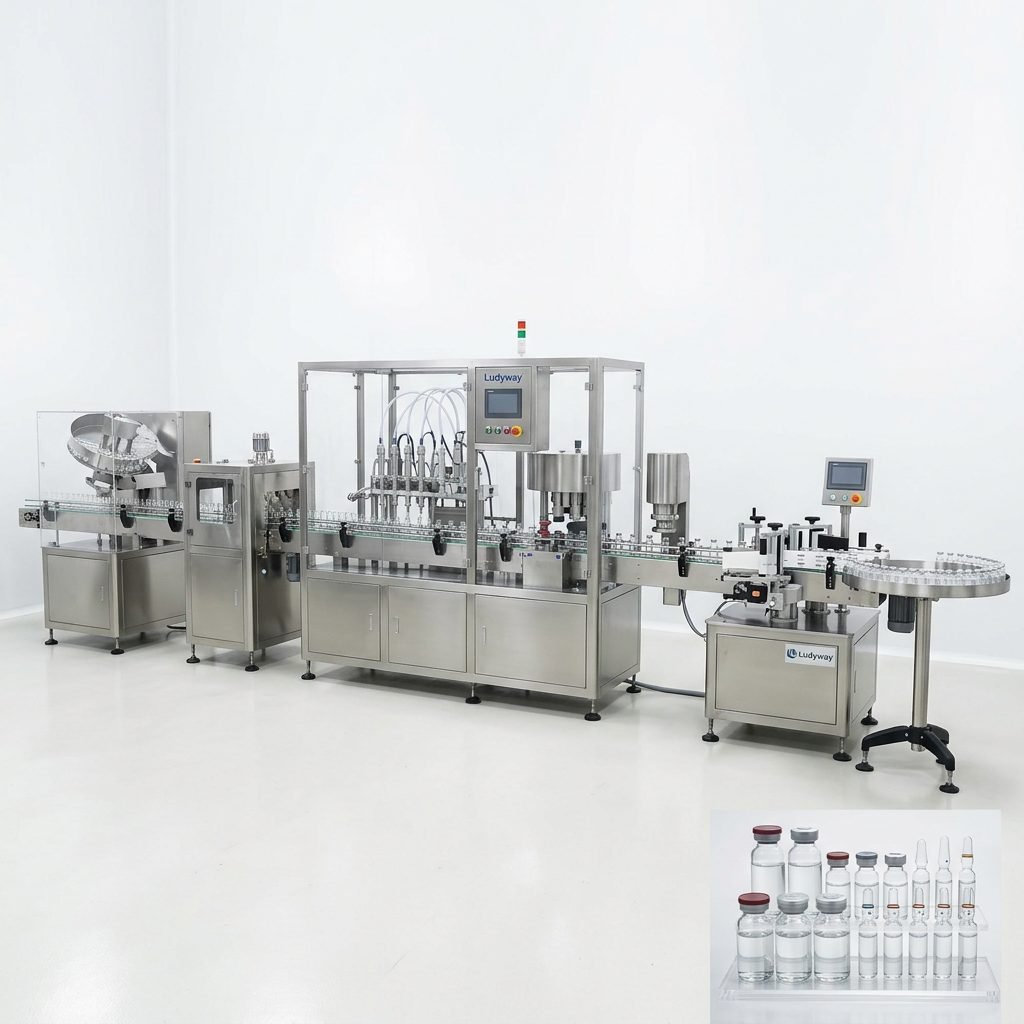
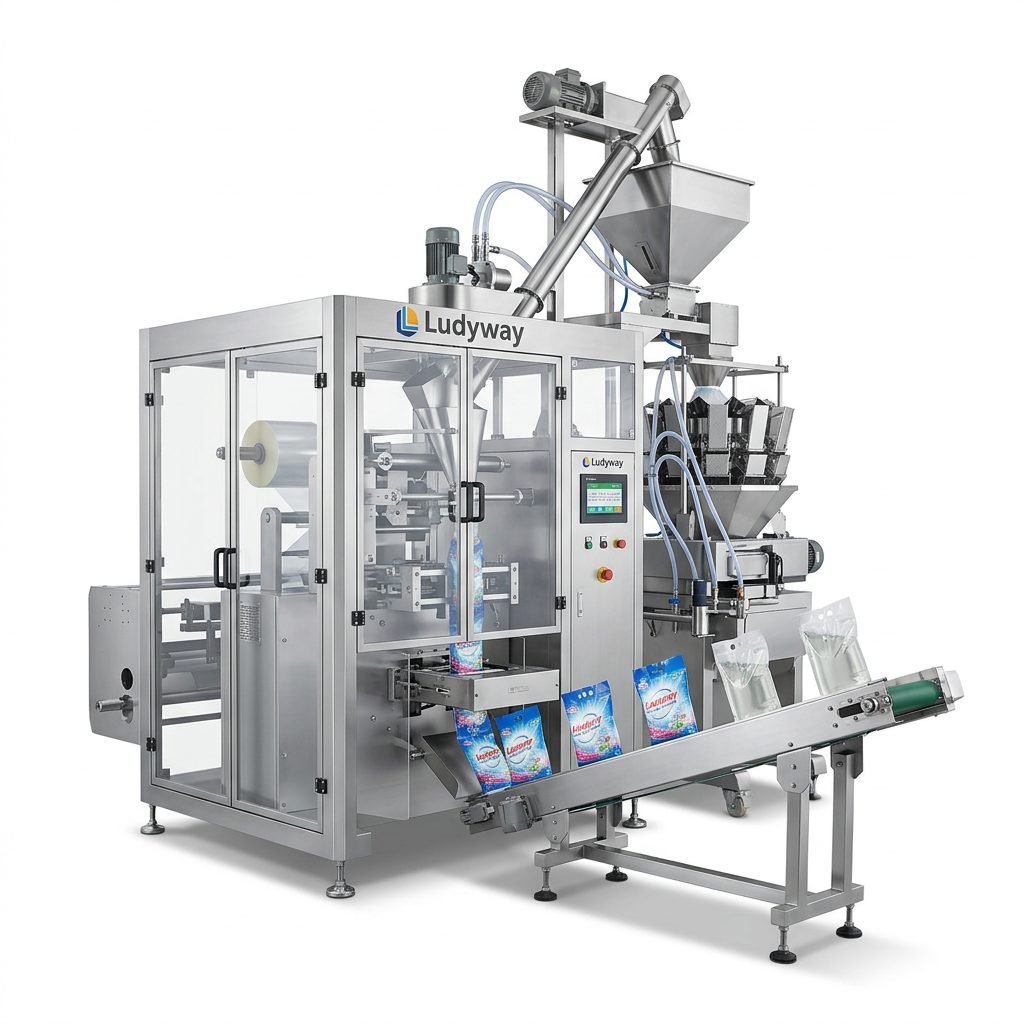
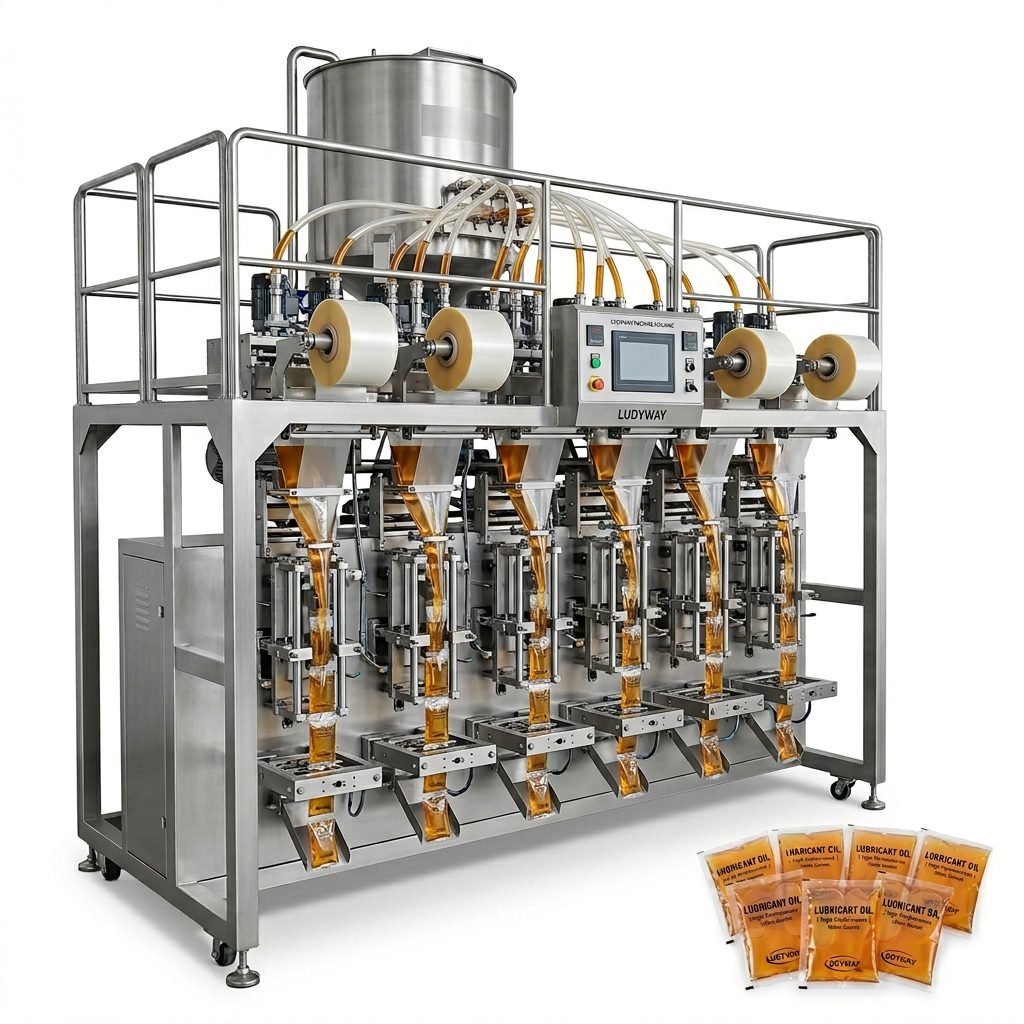
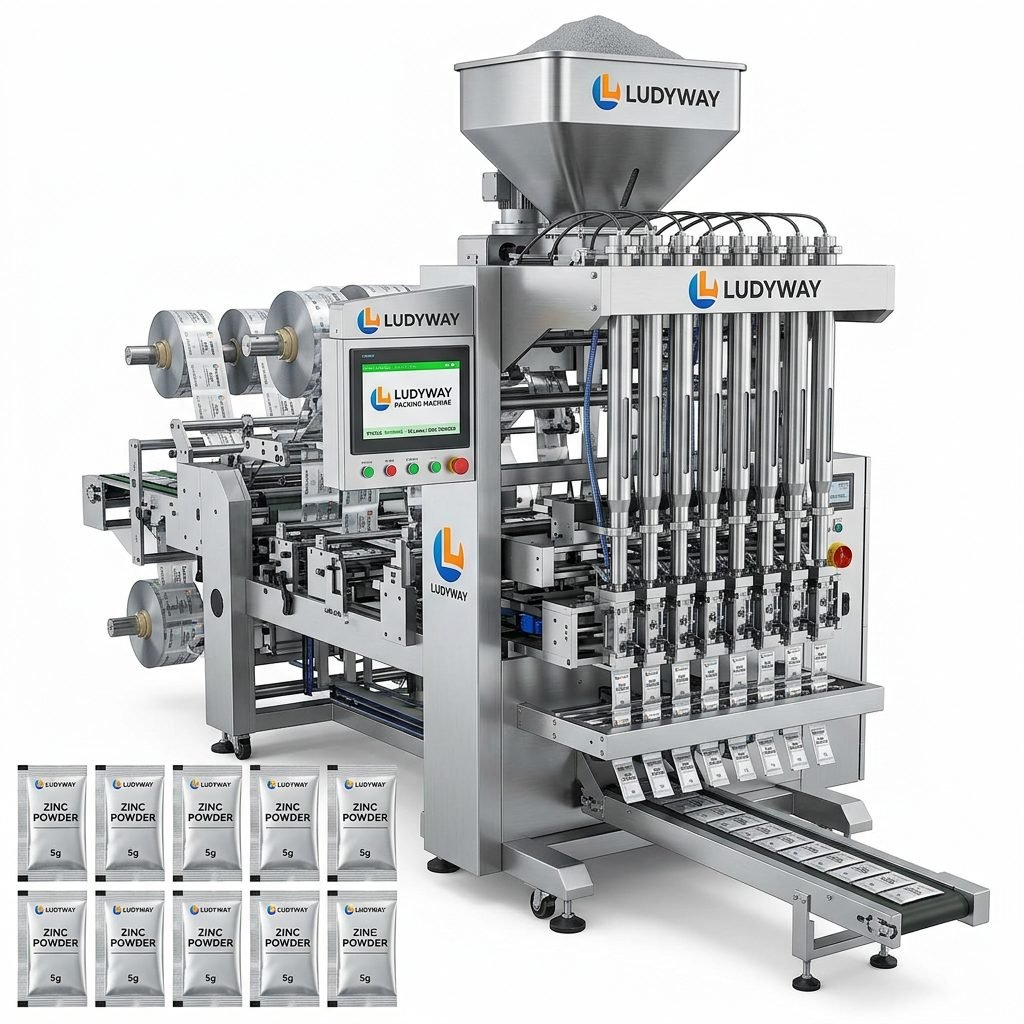
In today’s fast-paced manufacturing environment, the ability to package products quickly and reliably is a critical competitive advantage. High-speed packaging equipment has become the backbone of efficient production lines across industries like food, pharmaceuticals, and consumer goods. This article explores the various types of high-speed packaging systems, their significant benefits, and provides a practical guide on selecting the right equipment for your specific operational needs.
Core Types of High-Speed Packaging Equipment
The landscape of high-speed packaging is diverse, with machines designed for specific formats and product types. Understanding these categories is the first step in making an informed choice.
Vertical Form-Fill-Seal (VFFS) Machines
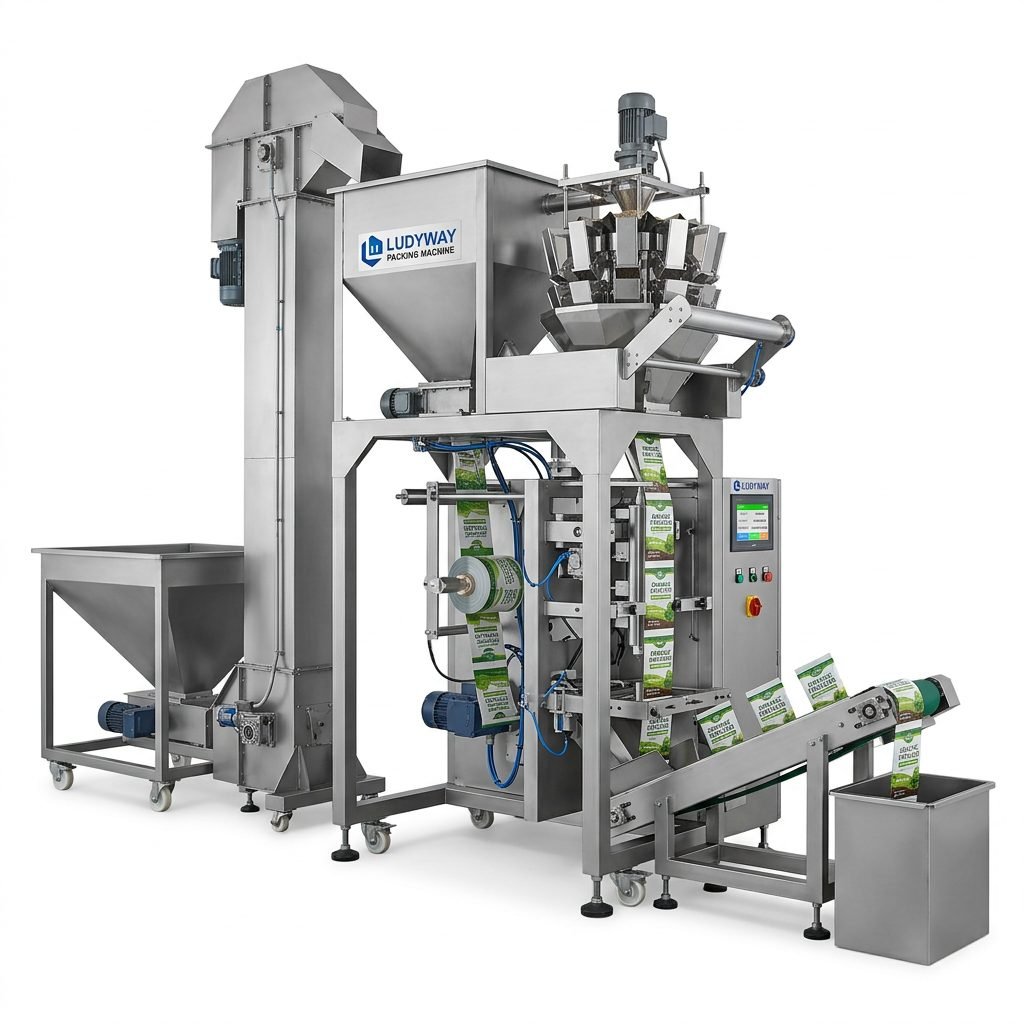
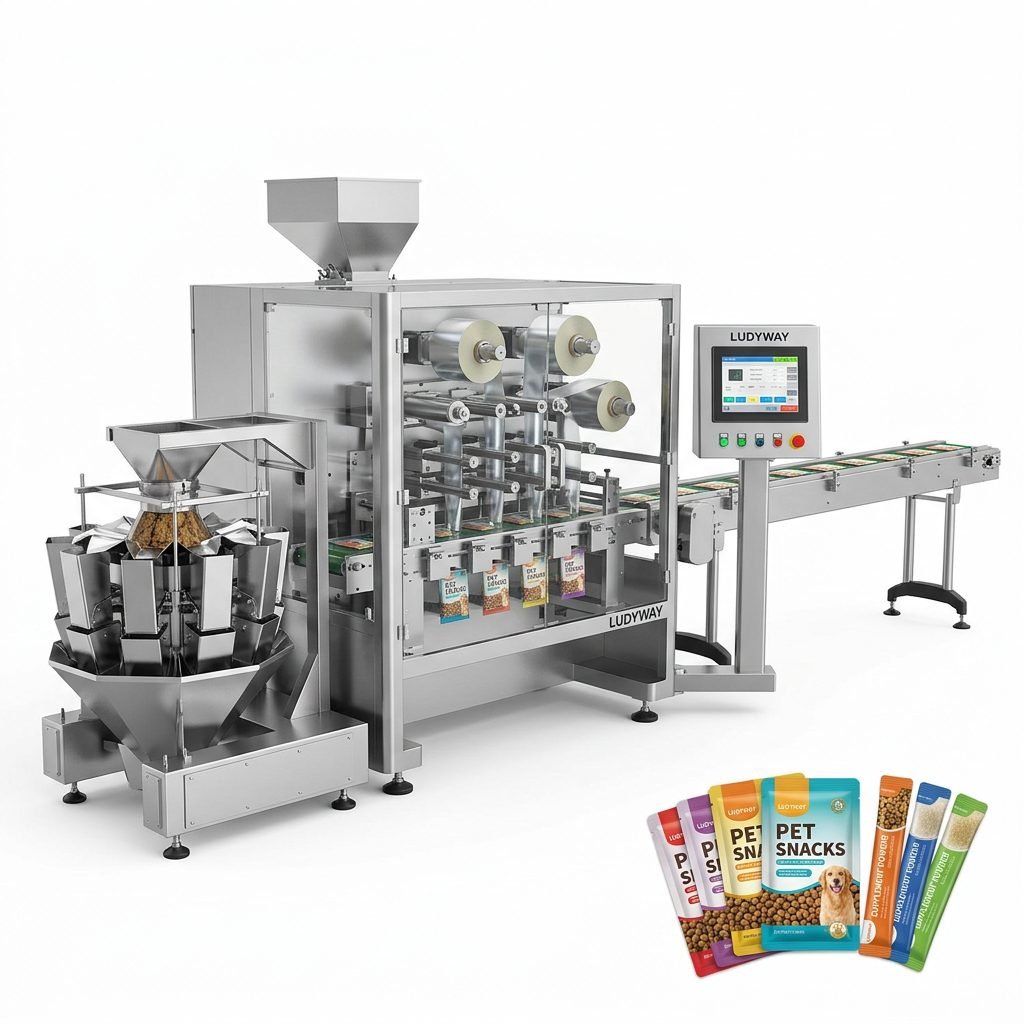
These are among the most common and versatile high-speed systems. They form bags from a roll of film, fill them with product—be it granules, powders, or liquids—and seal them in a continuous motion. Modern VFFS machines are incredibly fast, capable of producing hundreds of bags per minute. They are ideal for a wide range of products from snacks and coffee to hardware and pet food.
Horizontal Flow Wrappers
When the product shape is rigid or requires a specific presentation, horizontal flow wrappers excel. They wrap products in a single sheet of film, creating a secure, pillow-style pack. This method is perfect for candy bars, bakery items, frozen foods, and multi-packs. Speeds can exceed 500 packs per minute, making them a powerhouse for high-volume confectionery and food production.
Cartoning Systems
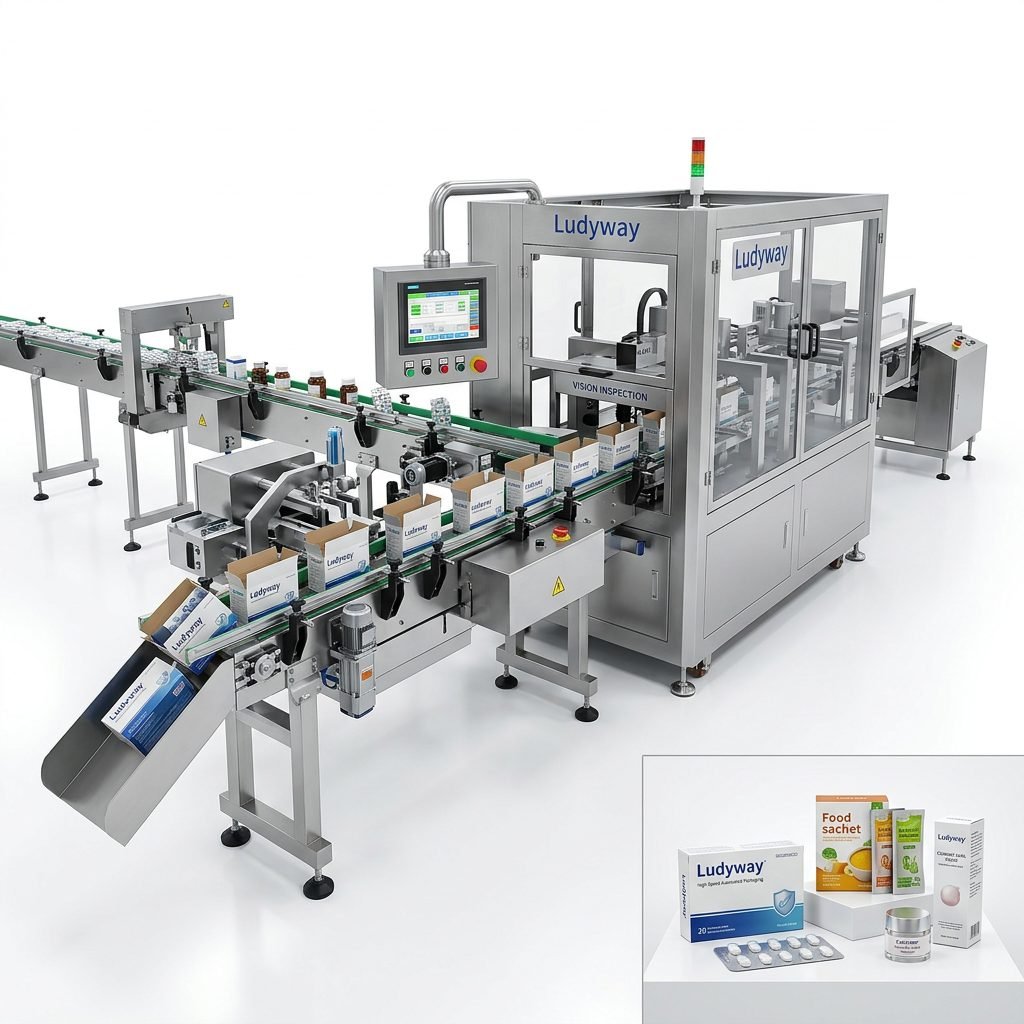
For products that require secondary packaging into boxes or cartons, high-speed cartoners are essential. These automated systems erect, load, and close cartons at remarkable speeds. They can be integrated with blister packs, vials, sachets, or bottles, providing a polished final product ready for retail shelves.
Stick Pack and Sachet Machines
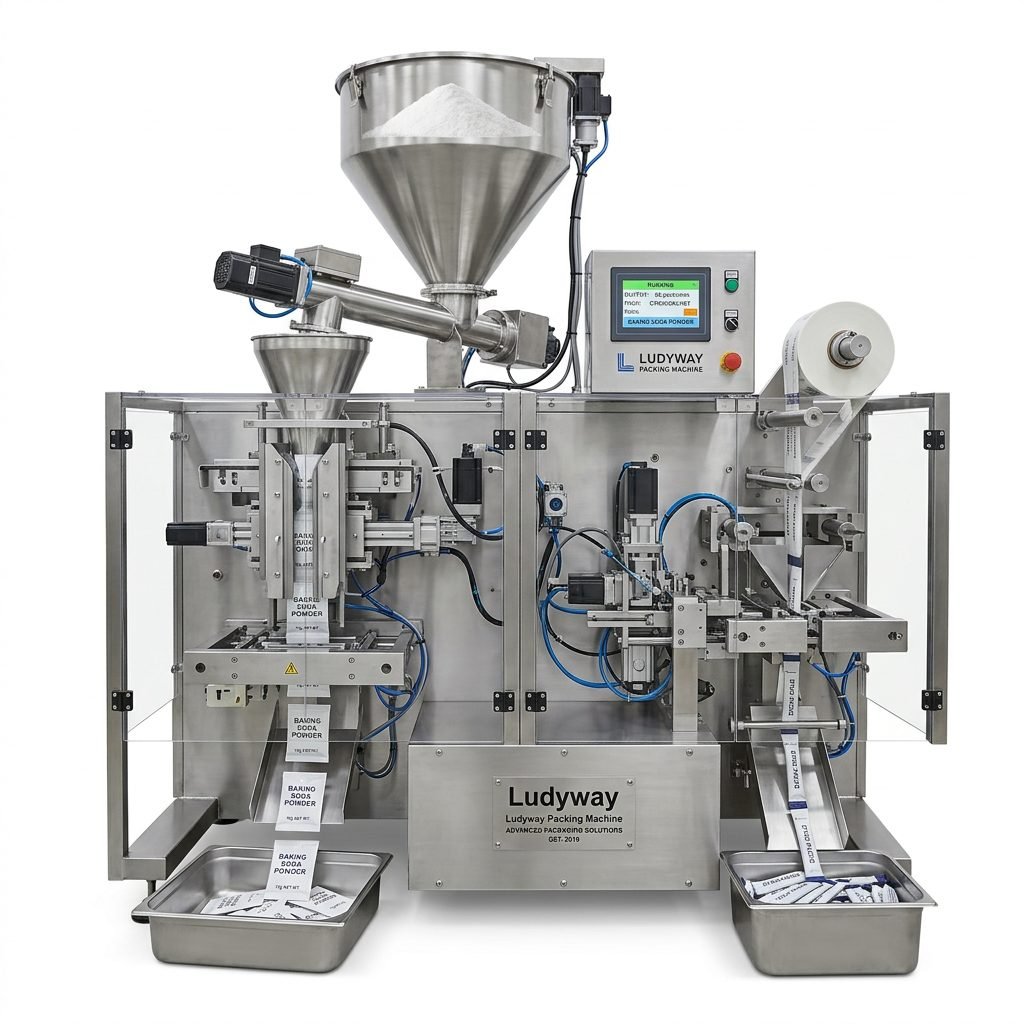
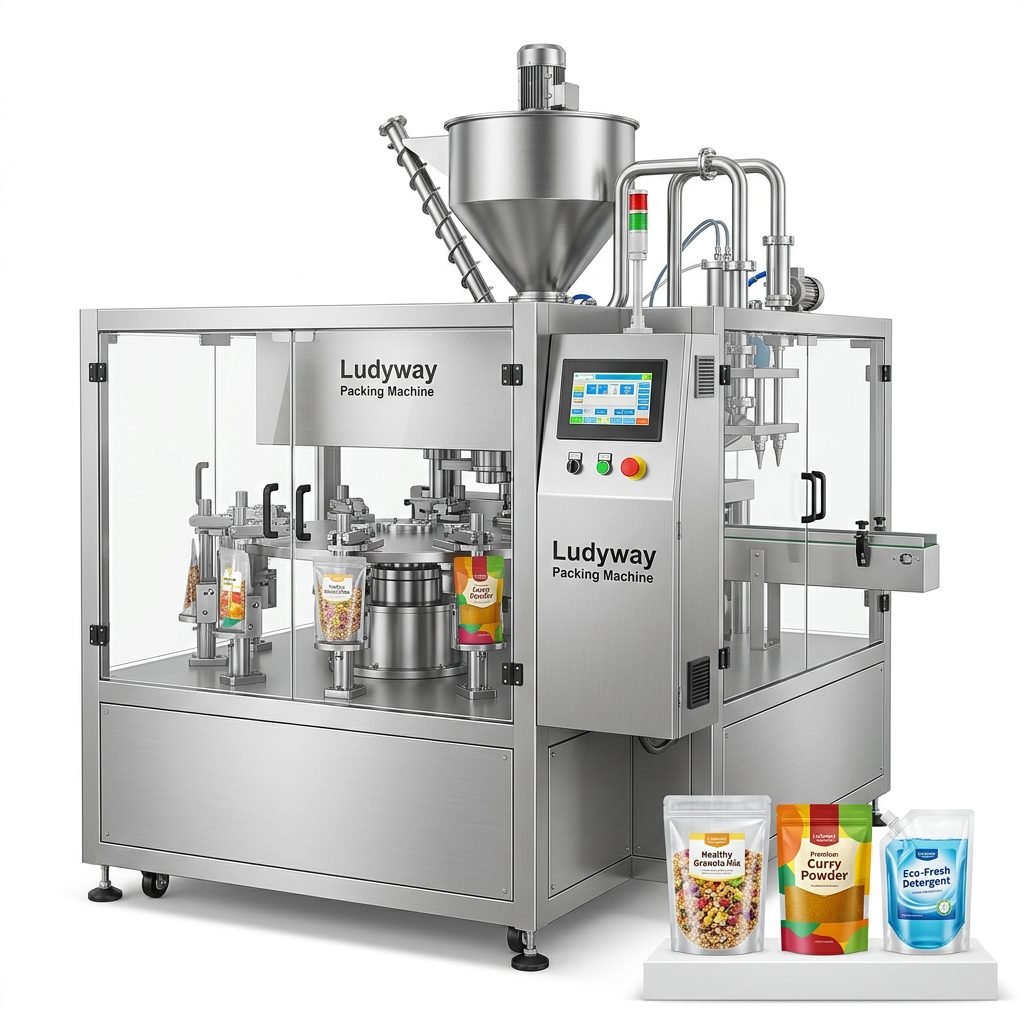
Designed for single-serve portions of powders, liquids, or gels, these machines are a staple in the food, beverage, and pharmaceutical industries. High-speed multi-lane stick pack machines can produce thousands of slim, portable packs per minute, offering excellent barrier properties and consumer convenience for products like instant drinks, condiments, and supplements.
Tangible Benefits of Investing in High-Speed Systems
Upgrading to high-speed packaging equipment delivers a compelling return on investment through multiple channels.
Dramatic Increase in Output and Efficiency
The most obvious benefit is a massive boost in production capacity. By automating the packaging process and minimizing manual handling, these systems significantly reduce cycle times and increase overall line efficiency, allowing you to meet large order demands and scale your business.
Enhanced Product Consistency and Quality
Automation ensures every package is identical. Precise weight control, consistent sealing, and uniform appearance are guaranteed, which reduces waste from rejected packs and strengthens your brand’s reputation for quality. This consistency is crucial in industries with strict regulatory standards, such as pharmaceuticals.
Significant Labor and Operational Cost Savings
While the initial investment is higher, high-speed automation drastically reduces long-term labor costs. One machine can often do the work of several manual stations. Furthermore, reduced material waste and lower energy consumption per unit produced contribute to a healthier bottom line.
Improved Workplace Safety and Hygiene
By moving repetitive and potentially hazardous tasks away from workers, these systems create a safer work environment. In food and pharmaceutical applications, enclosed automated systems also minimize human contact with the product, ensuring higher levels of hygiene and contamination control.
How to Choose the Right High-Speed Packaging System
Selecting the optimal equipment requires a careful analysis of your current and future needs. Rushing this decision can lead to costly mismatches.
1. Define Your Product and Packaging Specifications
Start with the product itself. What is its physical form (powder, liquid, solid)? What are its characteristics (abrasive, oily, fragile)? Next, define your desired package: type (bag, box, sachet), size range, and material (film type, thickness). The machine must be compatible with all these variables. Tip: Always test your actual product and packaging materials on the machine during a factory acceptance test.
2. Determine Your Required Speed and Flexibility
Calculate your required output in packs per minute or hour, considering both peak and average demand. Don’t just buy for today’s needs; consider future growth. Also, assess how often you change products or package sizes. If changeovers are frequent, prioritize equipment with quick-change features, recipe storage, and user-friendly HMIs to minimize downtime.
3. Evaluate Integration and Footprint
The new machine must integrate seamlessly with your existing upstream (filling, processing) and downstream (labeling, case packing) equipment. Consider communication protocols (e.g., PLC connectivity) and physical interfacing. Also, accurately measure your available floor space to ensure the system fits, including areas needed for maintenance access and material loading.
4. Assess Total Cost of Ownership (TCO) and Support
Look beyond the purchase price. Factor in installation, training, maintenance costs, spare parts availability, and expected energy consumption. Perhaps most critically, evaluate the supplier’s reputation for after-sales service, technical support, and availability of local service engineers. A reliable partner like Ludyway Machinery, with decades of industry experience, can be invaluable for long-term operational success.
5. Prioritize Safety and Compliance
Ensure the equipment complies with all relevant local and international safety standards (e.g., CE, UL). For food or pharmaceutical use, the machine design must facilitate easy cleaning and meet hygiene standards such as those outlined by the FDA or EHEDG. Stainless steel construction and sanitary design are often essential.
Conclusion
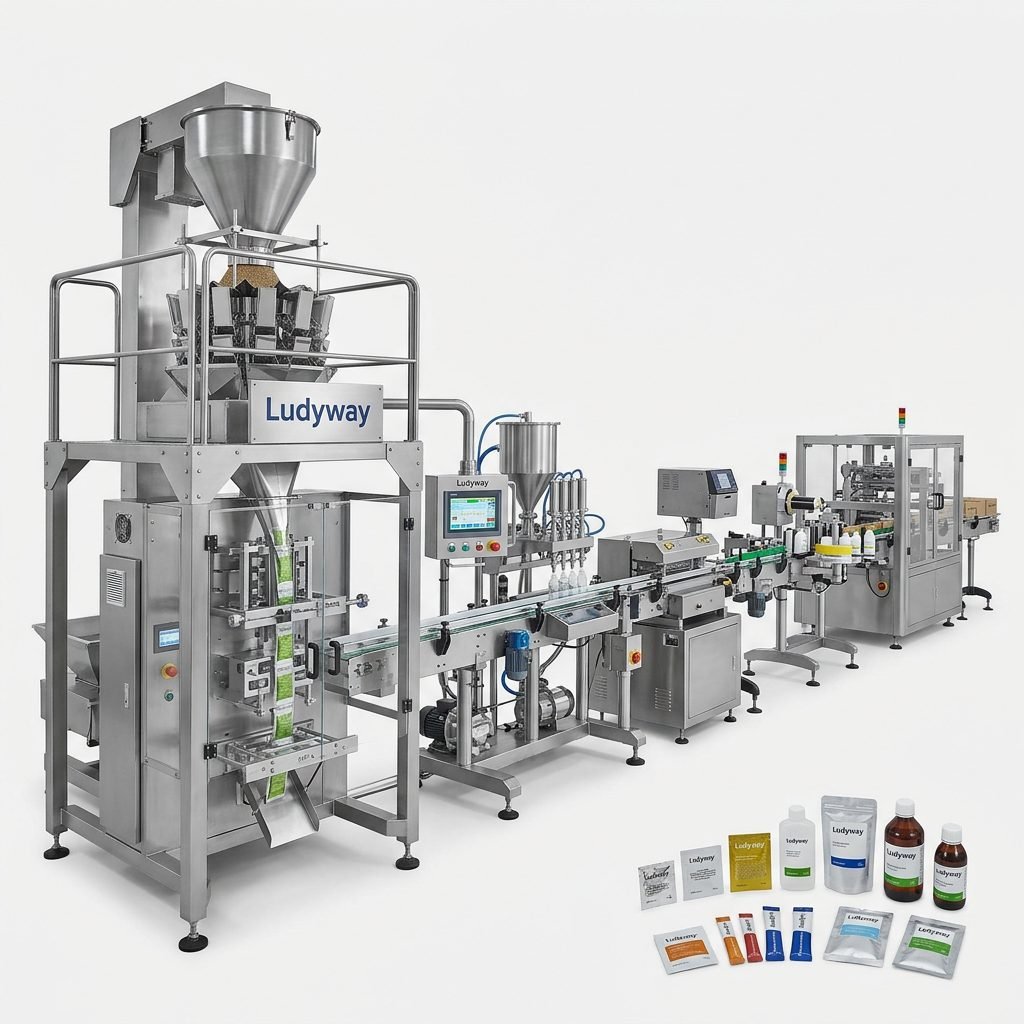
Investing in high-speed packaging equipment is a strategic decision that drives productivity, quality, and profitability. By thoroughly understanding the different machine types, acknowledging their substantial benefits, and methodically following a selection process focused on your product, output needs, and total cost, you can choose a system that becomes a reliable asset for years to come. Partnering with an experienced supplier who offers robust machines and comprehensive support is key to unlocking the full potential of your packaging automation investment. For insights into complete production line solutions, you can explore more about turnkey packaging systems.
Frequently Asked Questions (FAQs)
What is the typical speed range for a high-speed VFFS machine?
Speeds vary greatly based on bag size and product, but modern high-speed VFFS machines can typically produce between 80 and 250 bags per minute. Some models designed for small, simple packs can exceed even higher rates.
How much maintenance do high-speed packaging machines require?
Regular, preventive maintenance is crucial for sustained high-speed operation. This includes daily cleaning, lubrication of moving parts as per the manual, and periodic inspection of critical components like sealing jaws, cutters, and drives. A well-maintained machine experiences less unplanned downtime.
Can one machine handle vastly different package sizes?
Most machines have a defined “size range.” While changeover parts allow for running different sizes, a machine designed for very small pharmaceutical sachets cannot typically run large cereal bags without major modification. Flexibility within a reasonable range is possible; extreme variation usually requires different machines.
What are the key factors affecting packaging material waste?
Waste is influenced by the precision of the film feed and cutting system, the consistency of the product feed, and the stability of the sealing temperature. Advanced machines with servo-driven film feed and intelligent tracking systems minimize material waste significantly. Proper operator training is also essential.
Is it difficult to find operators for advanced high-speed equipment?
Modern machines feature intuitive touch-screen interfaces (HMIs) that simplify operation. However, effective troubleshooting and maintenance require trained personnel. Reputable suppliers offer comprehensive training programs for your operators and maintenance technicians to ensure a smooth ramp-up and long-term success.