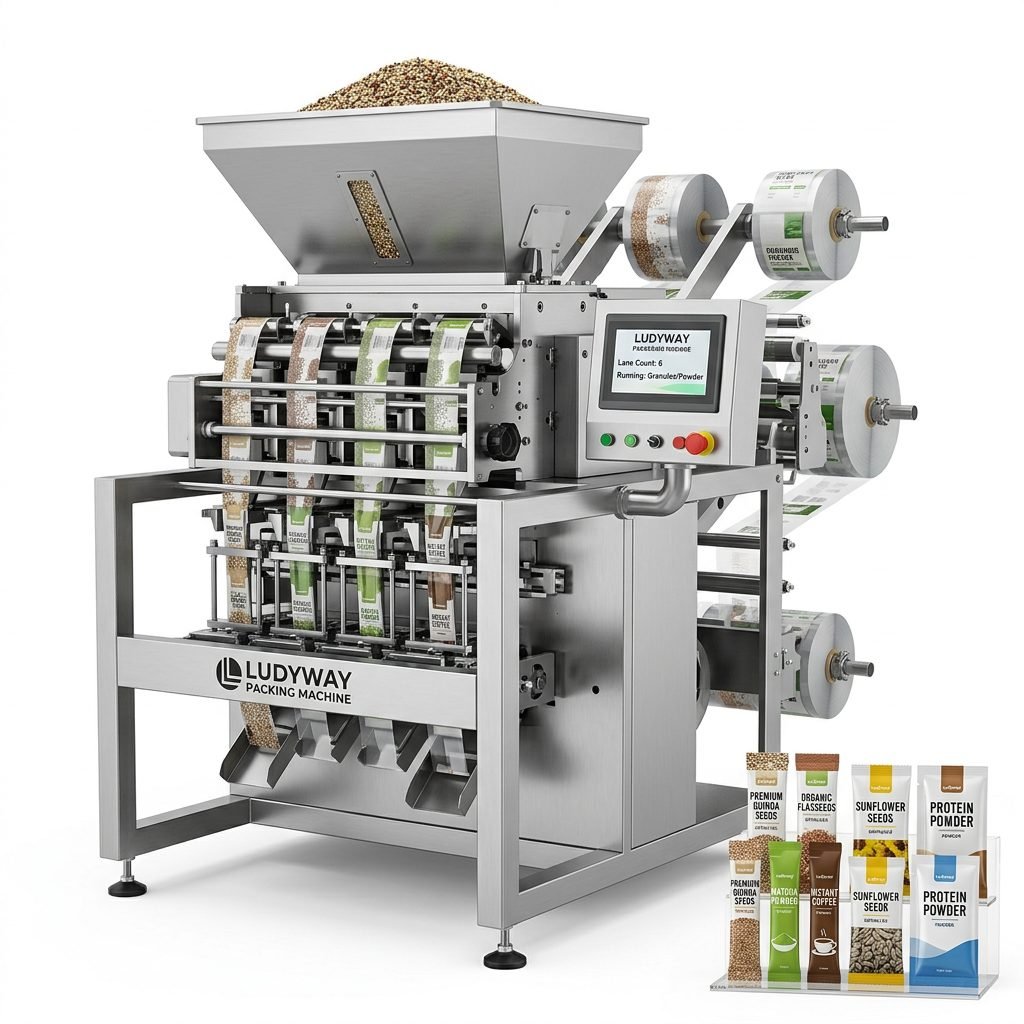
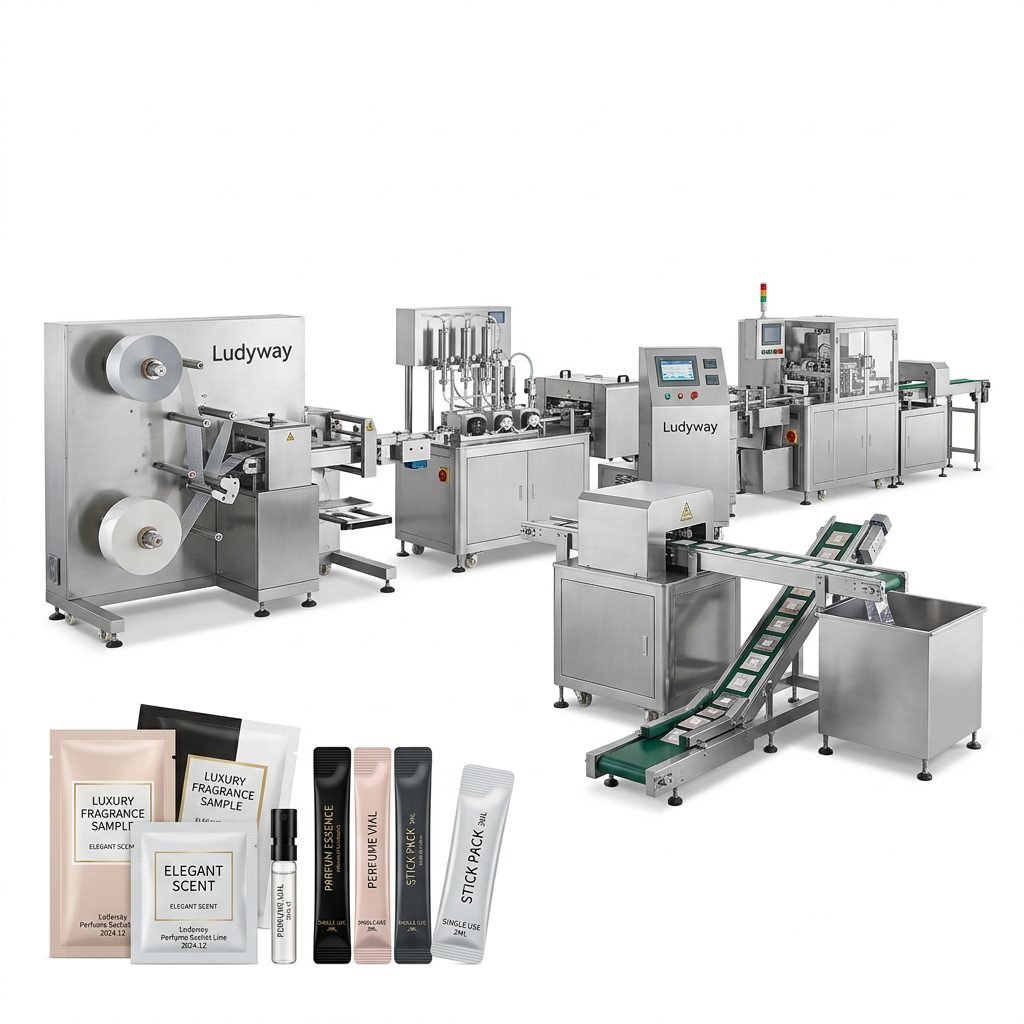
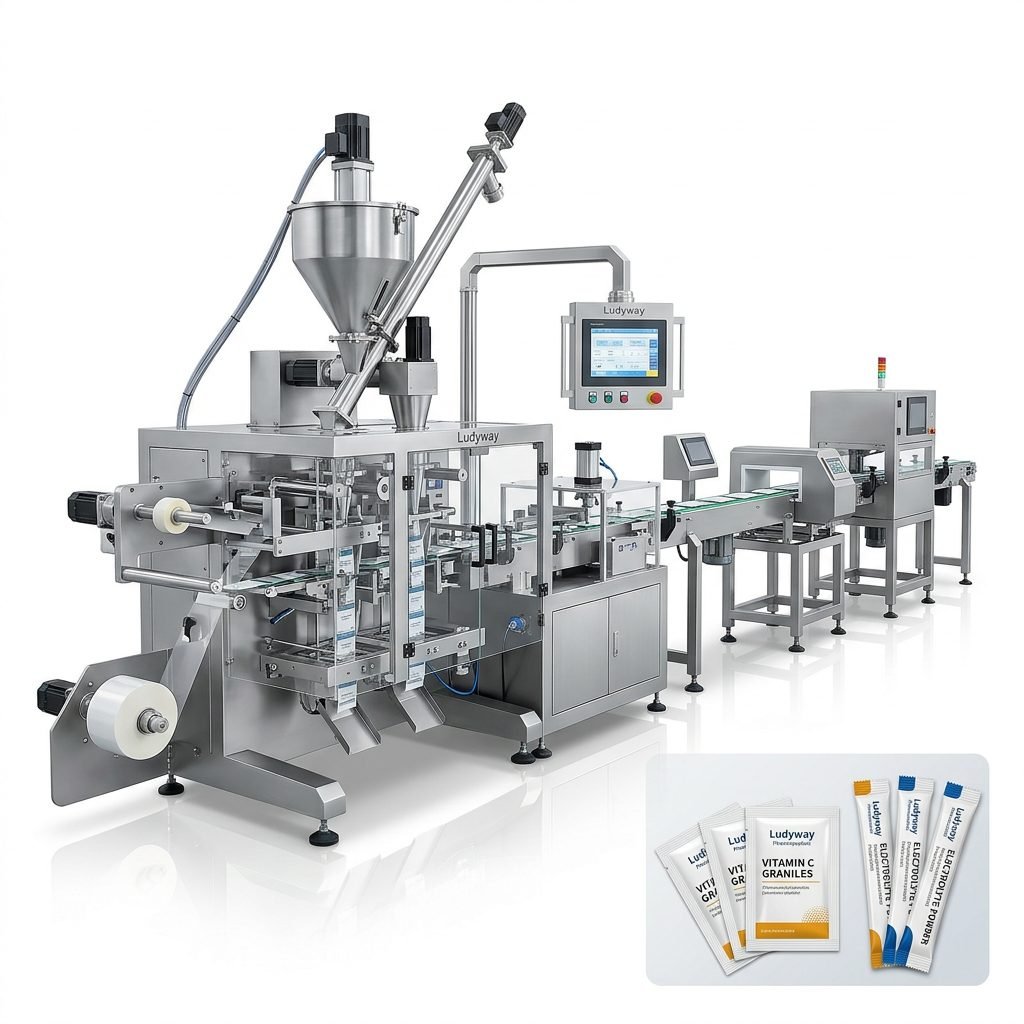
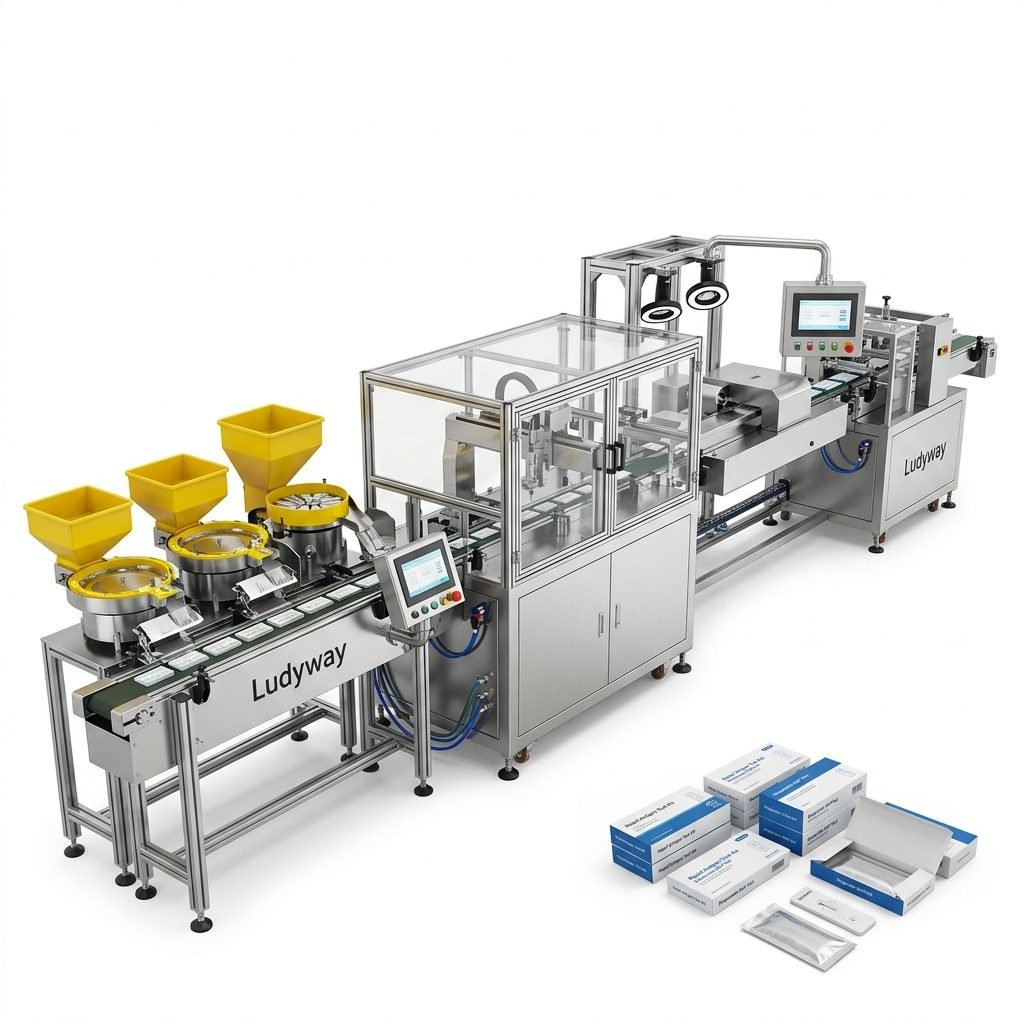
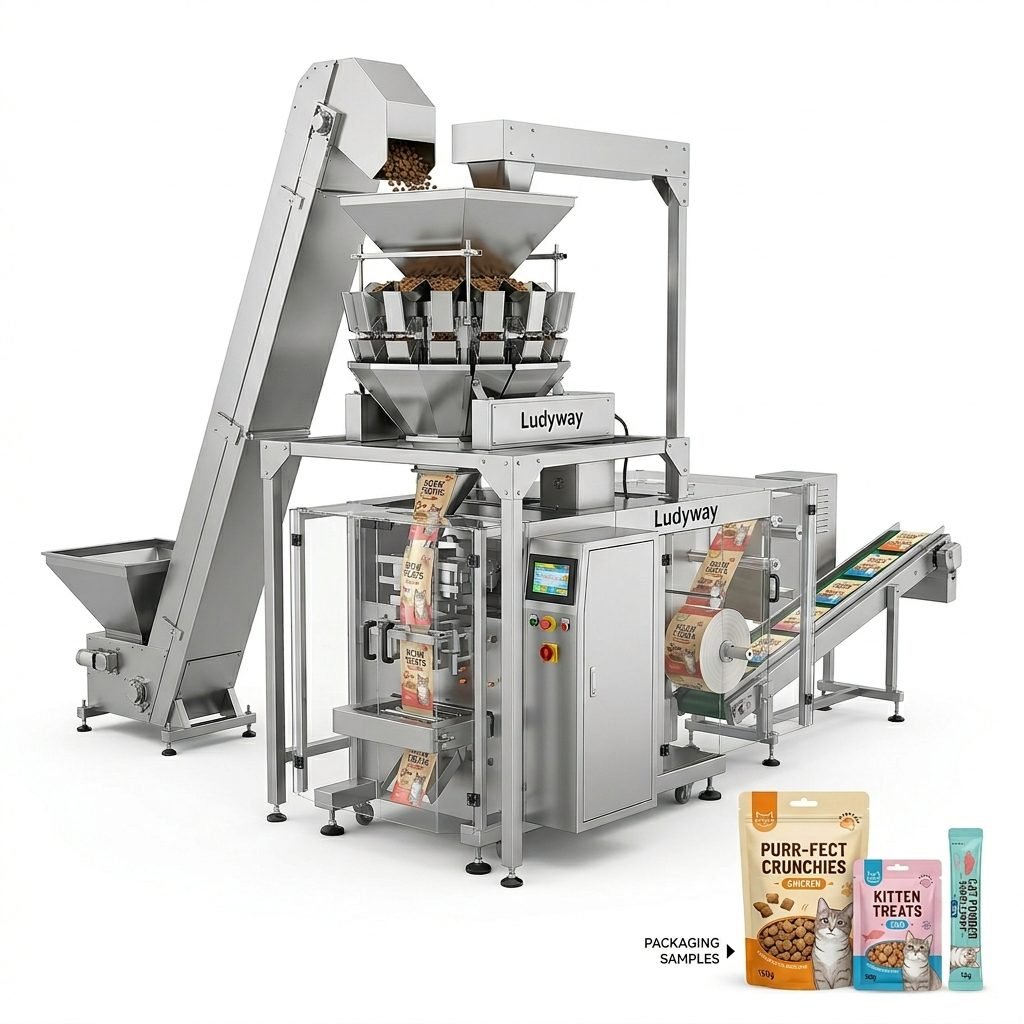
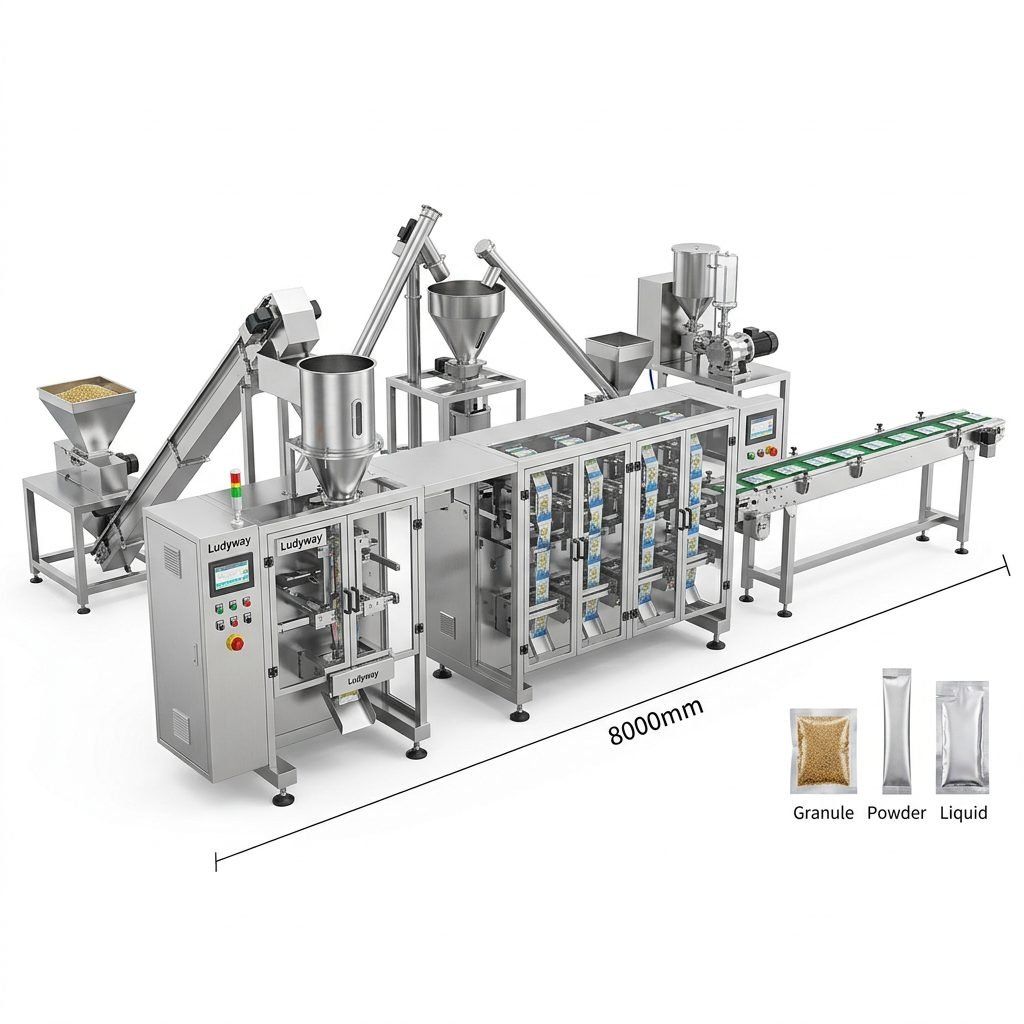
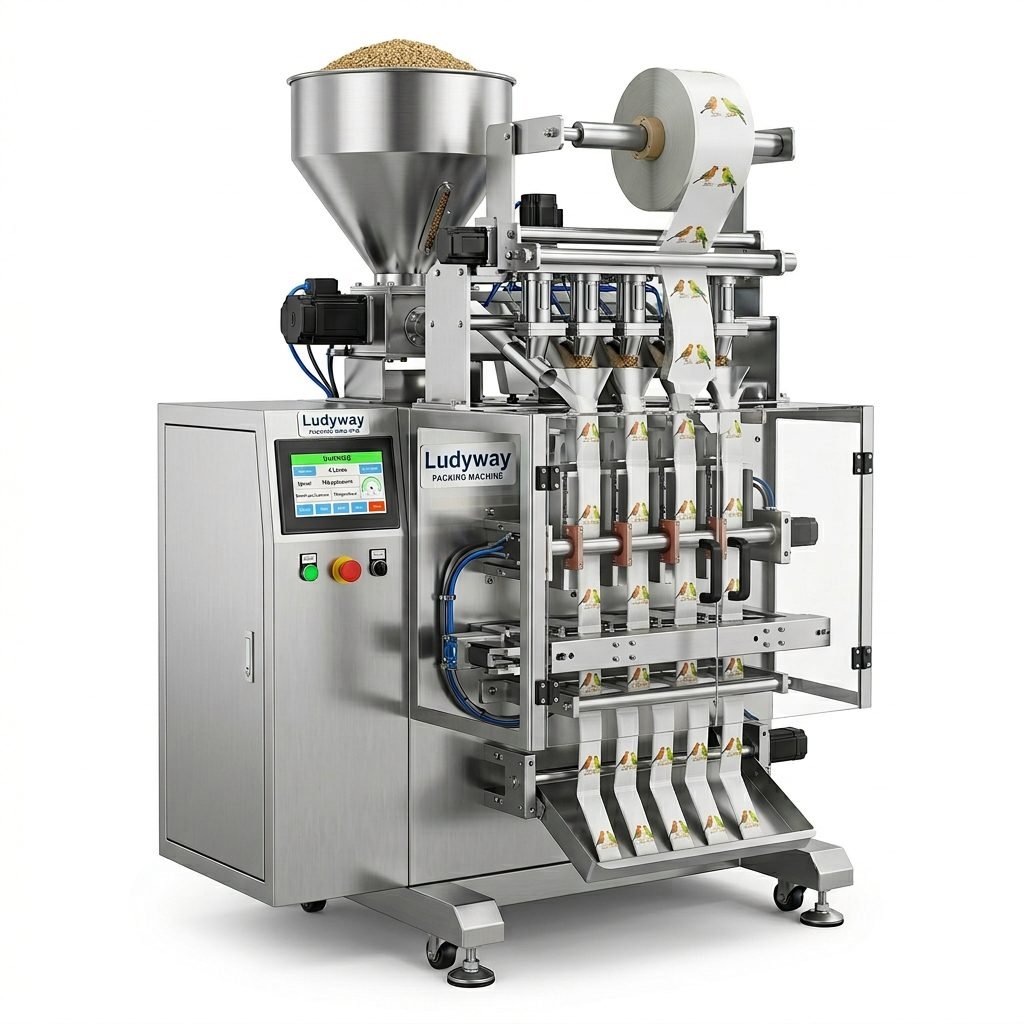
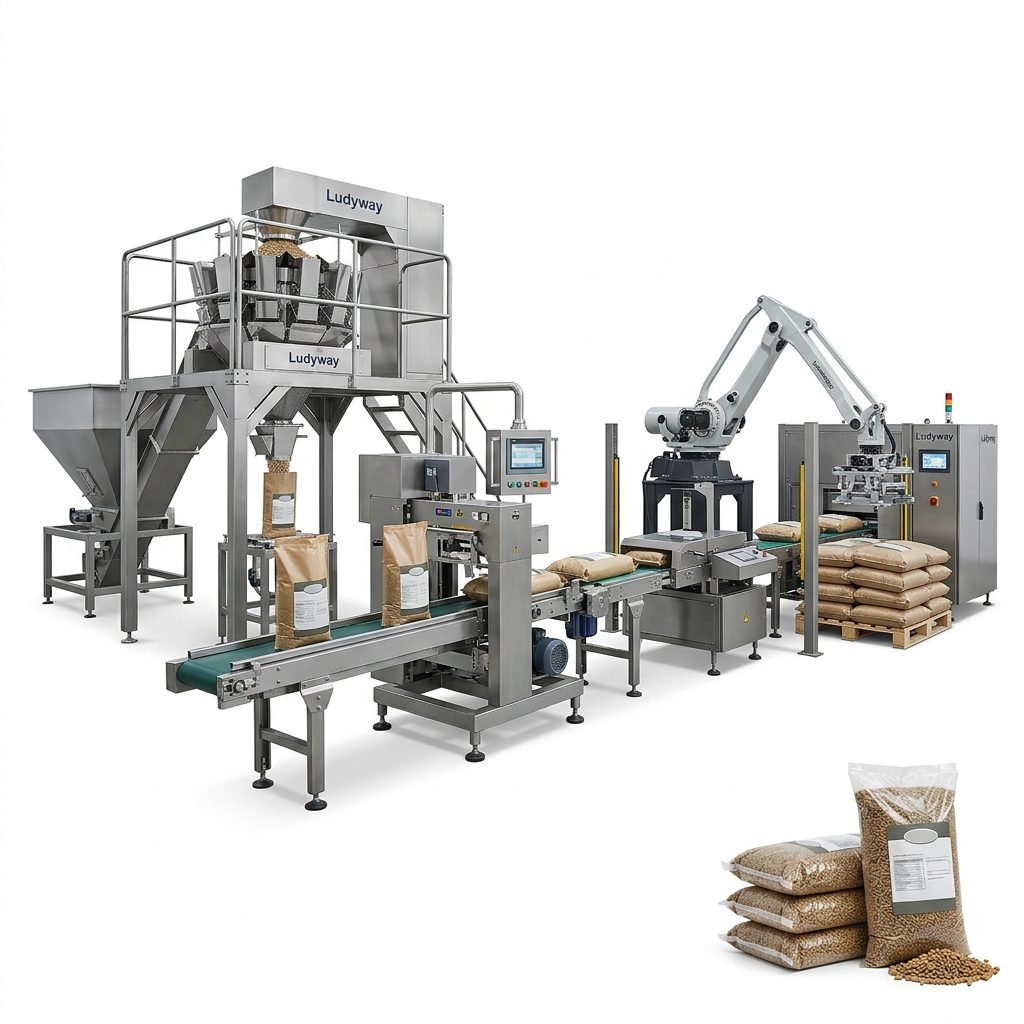
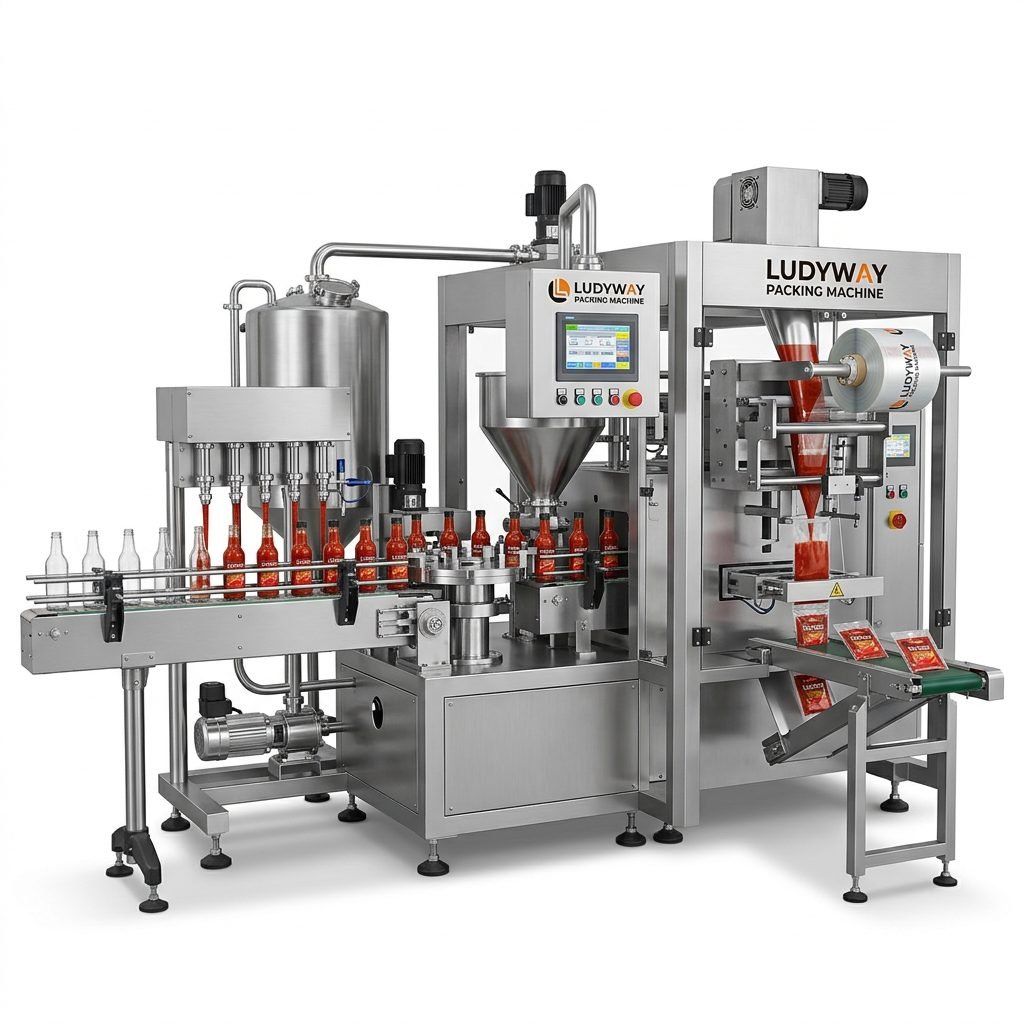
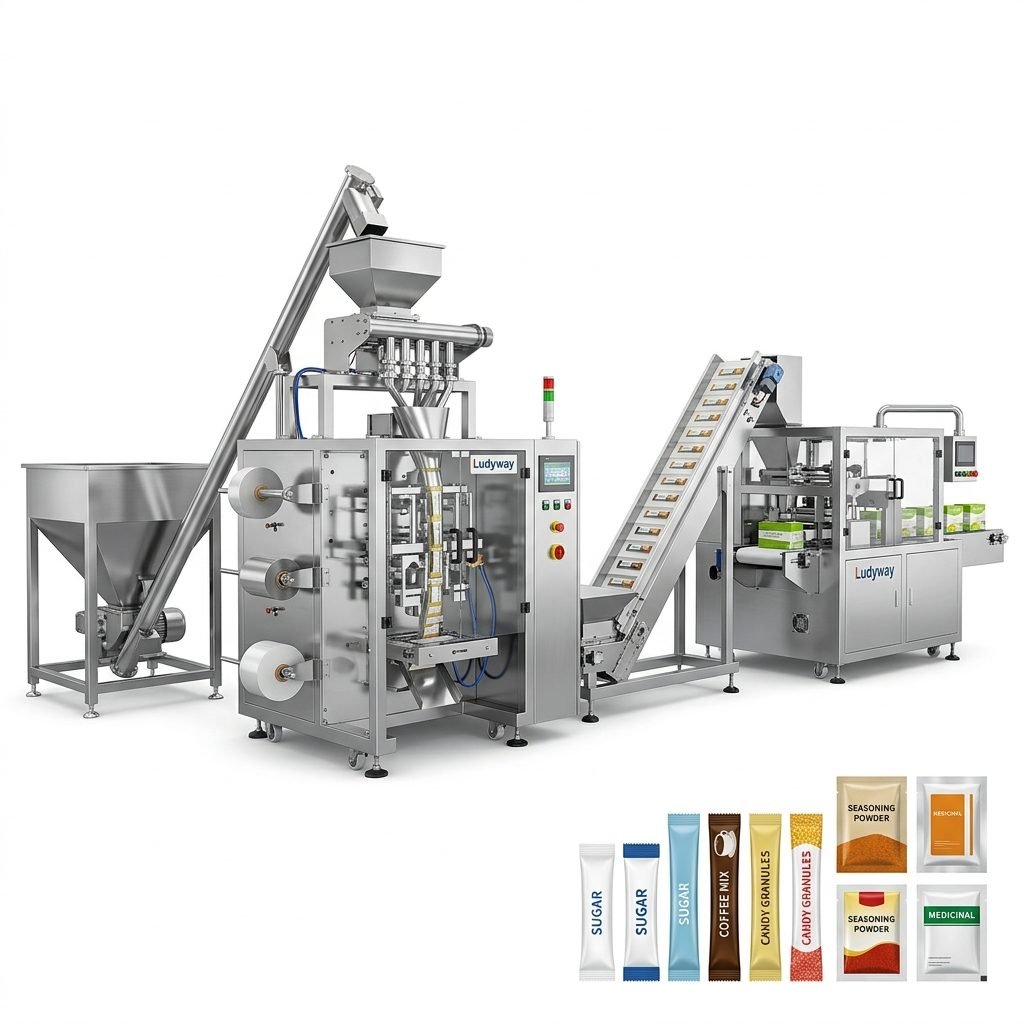
Regular and thorough maintenance of your Ladi packing machine is not just a recommended practice—it is the cornerstone of operational efficiency, product consistency, and long-term equipment reliability. Whether you are running high-speed multi-lane stick pack lines or single-lane sachet systems, a well-structured cleaning and maintenance routine can dramatically reduce unplanned downtime and extend the service life of your investment. In the competitive landscape of food, pharmaceutical, and chemical packaging, adherence to rigorous maintenance protocols ensures that your equipment meets both performance benchmarks and regulatory standards.
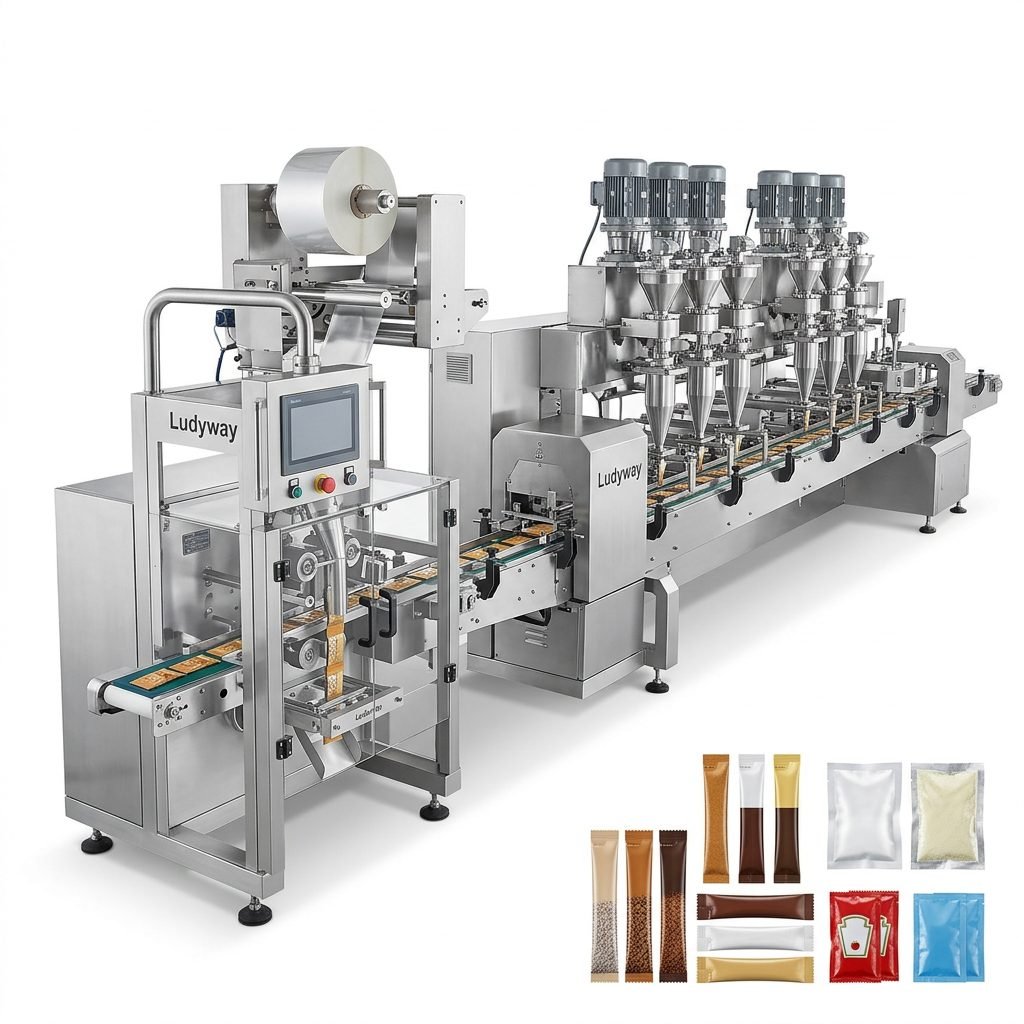
1. Daily Cleaning Protocols for Optimal Hygiene
Daily cleaning is the first line of defense against product buildup and cross-contamination. At the end of each production cycle or shift, operators should perform a systematic wipe-down of all product contact surfaces. Pay special attention to the filling nozzles, sealing jaws, and forming tubes, as these areas are most susceptible to residue accumulation from powders, granules, or liquids. Use food-grade cleaning agents and lint-free cloths approved for your specific application. For machines handling sticky or hygroscopic materials, such as instant coffee powder or glucose, conduct a dry brush cleaning followed by a damp wipe to prevent caking. Never use abrasive tools that could scratch precision surfaces, as even minor surface damage can affect seal integrity and film tracking over time.
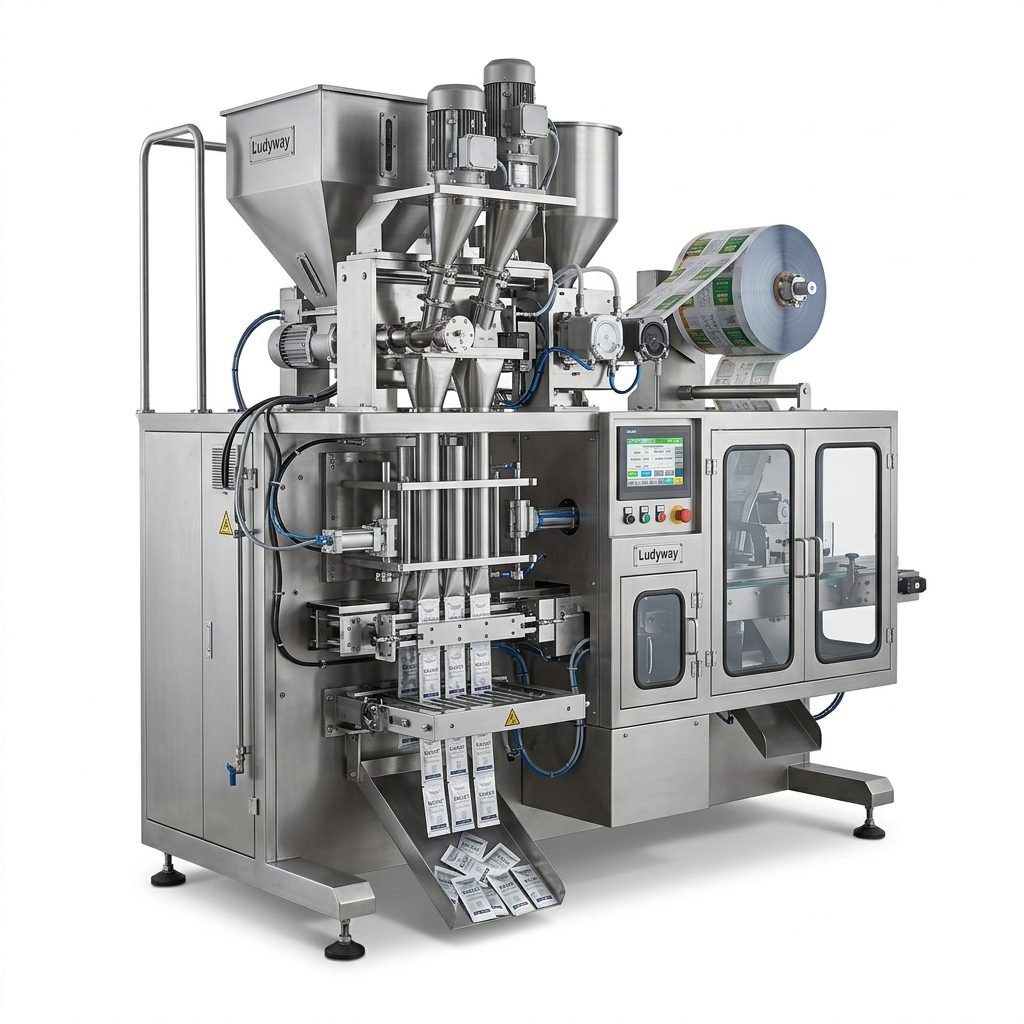
2. Weekly Inspection and Preventative Adjustments
A weekly deep-dive inspection goes beyond surface cleaning to address mechanical and pneumatic components. Check the tension of drive belts, the alignment of film rollers, and the condition of Teflon tape on sealing bars. Loose or misaligned rollers are a common cause of film wrinkling and tracking errors, which can lead to increased waste and rejected pouches. Inspect all air hoses and fittings for leaks—even a small drop in pneumatic pressure can compromise the precision of the filling and sealing cycle. Lubricate linear guides and ball screws according to the manufacturer’s specifications, taking care to remove any old grease that may have mixed with product dust. This is also an ideal time to verify the accuracy of temperature controllers against a calibrated external probe. Consistent sealing temperature is essential for producing hermetic seals on sachet packaging machines across a wide range of film materials.
3. Monthly Deep Maintenance and Component Evaluation
Monthly maintenance should include a more comprehensive evaluation of wear parts and system calibration. Replace knife blades, heating elements, and rubber rollers if they show signs of fatigue or uneven wear. Inspect the internal surfaces of hoppers and feeders for scratches or material buildup that could impede product flow. Calibration of the weighing and dosing system is critical at this interval—use certified test weights to verify that the multi-lane stick pack machine is delivering consistent fill weights across all lanes. Document all measurements, replacements, and observations in a maintenance log. This data becomes invaluable for predicting future failures and planning spare parts inventory. The following table outlines a simplified monthly checklist that can be adapted to your specific equipment configuration:
| Maintenance Area | Specific Task | Frequency |
|---|---|---|
| Sealing System | Inspect heating elements, thermocouples, and Teflon covers | Monthly |
| Filling & Dosing | Verify weigh cell calibration and auger clearance | Monthly |
| Pneumatics | Check air filters, regulators, and cylinder seals | Monthly |
| Film Transport | Align rollers, check dancer arm tension, clean photoelectric sensors | Monthly |
| Electrical & Safety | Tighten terminal connections, test emergency stops, inspect wiring | Monthly |
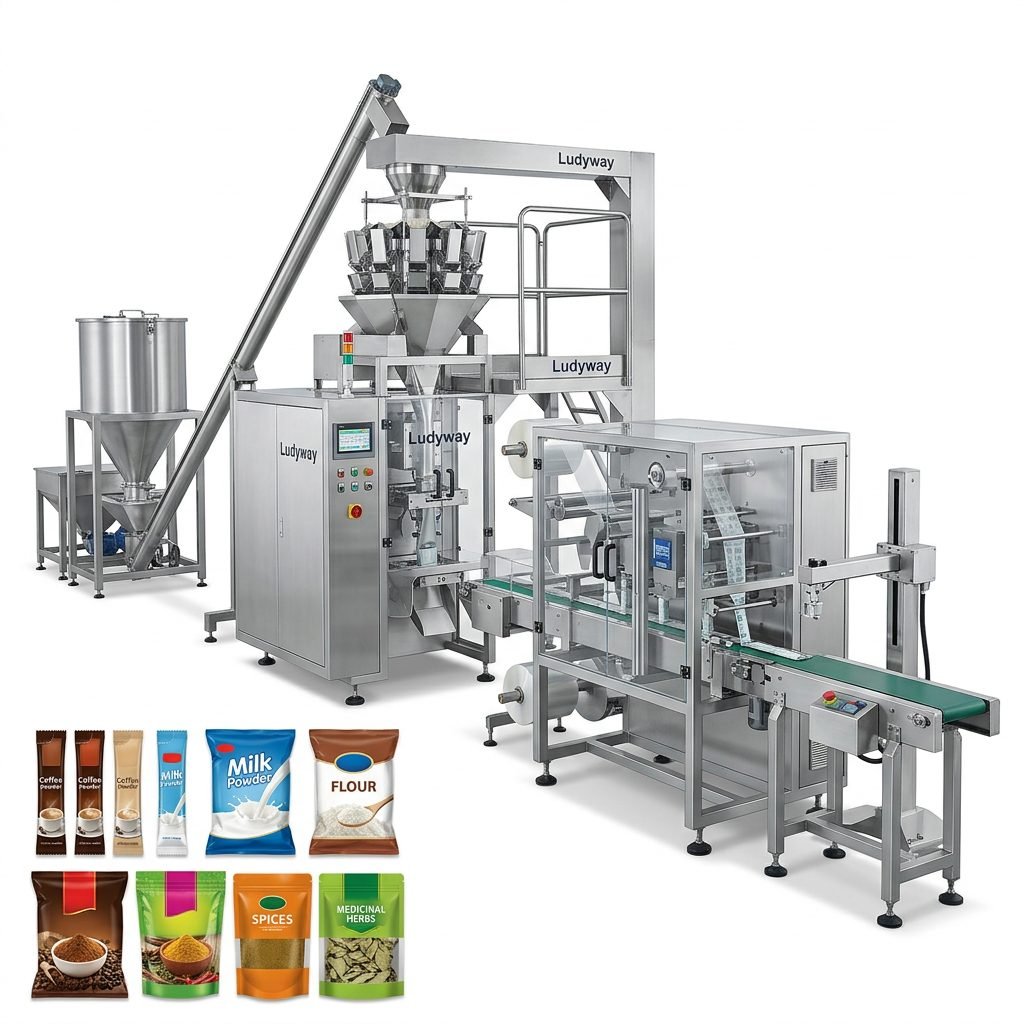
4. Critical Lubrication Points and Best Practices
Lubrication is frequently overlooked in high-speed packaging environments, yet it directly impacts the longevity of bearings, chains, and cam-driven mechanisms. Use only food-grade lubricants for any point that could potentially contact the product zone, even indirectly. Over-lubrication can be just as harmful as under-lubrication—excess grease attracts dust and powder, creating an abrasive paste that accelerates wear. Key lubrication points on a typical Ladi packing machine include the main drive cam followers, the sealing jaw pivot pins, and the chain drives for the film pull rollers. Always wipe away excess lubricant after application. Establish a lubrication map and schedule that corresponds with the machine’s duty cycle; machines operating 24/7 will naturally require more frequent attention than those used for single-shift production.
5. Troubleshooting Common Issues Through Maintenance
Many recurring packaging problems can be traced back to maintenance gaps. If you observe inconsistent seal widths, first verify that the sealing jaw alignment is correct and that the Teflon coating is intact. Inconsistent fill weights often point to bridging in the hopper or a worn auger screw, both of which are addressed during routine cleaning and inspection. Film slippage or wandering is typically linked to dirty or worn rubber rollers—cleaning them with an appropriate rubber revitalizer can restore grip without the need for immediate replacement. By correlating production issues with maintenance records, operators can develop a proactive approach that minimizes the reliance on reactive repairs. Understanding the specifications and maintenance guidelines from organizations like the PMMI packaging association can further enhance your team’s technical knowledge.
6. The Role of Professional Servicing and Genuine Spare Parts
Even with a diligent in-house maintenance regime, periodic professional servicing is essential for tasks that require specialized tools or software-level diagnostics. Annual or bi-annual visits from qualified technicians can uncover hidden issues such as PLC parameter drift, servo motor feedback errors, or frame-level misalignment that may not be apparent during daily checks. When replacing components, always insist on genuine OEM spare parts. Counterfeit or generic alternatives may save a small amount upfront but often lead to premature failure, substandard performance, and can void equipment warranties. Manufacturers like Ludyway design their machines with specific material specifications and tolerances that aftermarket parts rarely replicate accurately. Maintaining a strategic inventory of critical spares—such as heating elements, thermocouples, and drive belts—ensures that minor incidents do not escalate into extended production stoppages.
7. Documentation, Training, and Continuous Improvement
A maintenance program is only as effective as the team executing it. Invest in regular operator training that covers both operational best practices and basic maintenance awareness. Operators who understand how their machine functions are far more likely to spot early warning signs of potential issues. Maintain detailed logs for every maintenance activity, including parts replaced, calibration values, and any anomalies observed. This documentation supports traceability requirements for regulated industries such as pharmaceuticals and medical devices. Reviewing these logs quarterly can reveal patterns—such as a specific bearing that fails every eight months—allowing you to shift from reactive replacement to planned, preventive replacement during scheduled downtime. Continuous improvement methodologies, informed by data from your maintenance records, can incrementally boost Overall Equipment Effectiveness (OEE) across your entire packaging line.